• UGM
  • Simaster Portal
  • IT Center
  • Webmail
  • KOBI
  • English
    • Bahasa Indonesia
Universitas Gadjah Mada Universitas Gadjah Mada
Faculty of Biology
  • ABOUT US
    • History
    • Organization
    • Vision and Mission
    • Lectures and Staff
      • Lecturers
      • Adjunct Professor
      • Supporting Staff
    • Facility
      • Laboratories
      • Research
      • Library
      • Museum
      • Mental Health Consultation
      • Disability
  • EDUCATION
    • Undergraduate Program
      • Graduates Learning Outcome
      • Academic Callendar
      • Course
    • IUP
    • Profession Program
      • What is the Professional Study Program in Biodiversity Curator (PKKH)?
      • Admission for New Students of the Biodiversity Curator Profession Program Study
      • Information and FAQ Study Program of Biodiversity Curator Profession
    • Master Program
      • Master Program in Biology Description
      • Curriculum Structure Master Program
    • Doctoral Program
      • Vision, Mission, Objectives, Targets, Competencies, and Learning Outcomes
      • Admission Requirement for Program Doctor in Biological Sciences
      • Admission: What Documents to be prepared?
      • Curriculum
    • Regulations
    • Accreditation & Quality Assurance
  • RESEARCH
    • Journal of Tropical Biodiversity and Biotechnology
    • Berkala Ilmiah Biology
    • Research
    • Publication
  • Community Service
    • Waste Management
  • STUDENTS & ALUMNAE
    • Student Organizations
    • Prospective Career Opportunities
    • SUMMER COURSE
    • Alumnae
  • Home
  • SDGs
  • SDGs
  • page. 29
Arsip:

SDGs

Introduction to KABIOGAMA and Tracer Study for Graduate of the Postgraduate Program for the Fourth Period of the 2023/2024 Academic Year

News ReleaseStudent Activities Thursday, 25 July 2024

On Monday, July 22, 2024, The Faculty of Biology conducted an introduction to KABIOGAMA and a Tracer Study for prospective graduates of the Postgraduate Program for the fourth period of the 2023/2024 academic year. The event was held online and featured Ganies Riza Aristya, S.Si., M.Sc., Ph.D. as a speaker. She opened the event by congratulating and wishing success to the prospective graduates who had completed their studies. She congratulates their upcoming official induction into the Alumni Family of Universitas Gadjah Mada (KAGAMA) and the Alumni Family of the Faculty of Biology UGM (KABIOGAMA), one of Indonesia’s largest alumni communities. She provided an overview of KABIOGAMA, including the meaning of the KABIOGAMA logo, vision and mission, organizational structure, and regional coordinators available to assist alumni in their hometowns. Mrs. Ganies highlighted several activities actively conducted by KABIOGAMA, such as the “bela beli bolo” initiative (purchasing alumni products), scientific writing seminars, webinars, alumni training, and alumni teaching programs.
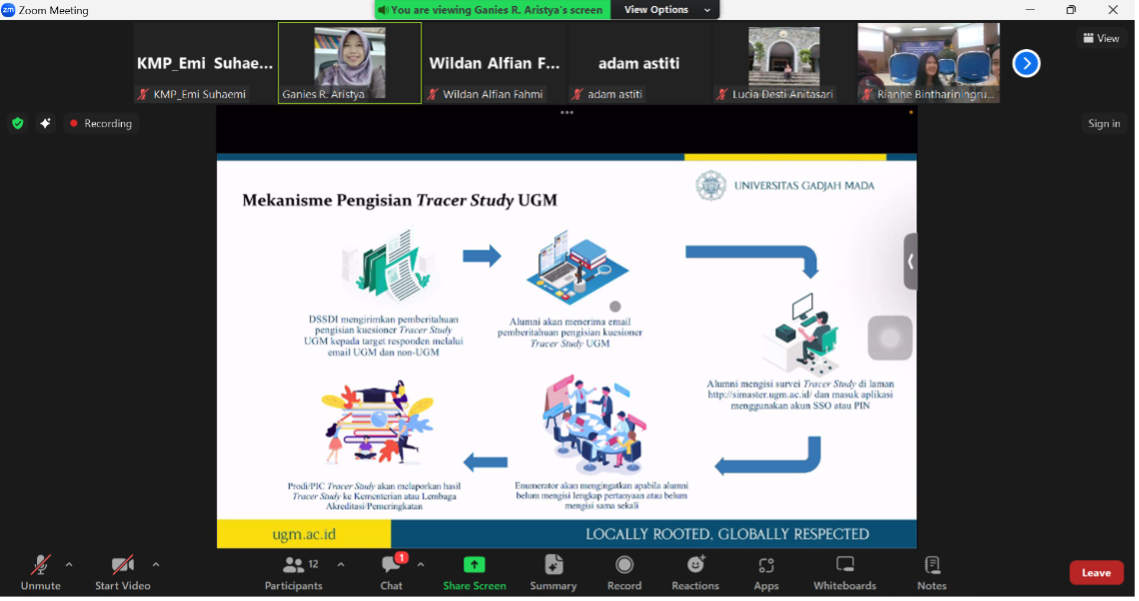

In addition to academic activities, KABIOGAMA has contributed to the Faculty of Biology by providing aid, such as assistance for Semeru victims and support for Biology students affected by the COVID-19 pandemic. Contributions have also been made towards building facilities like the Al Hayat Mosque, the Sinar Mas Building, the Kabiogama Pavilion, and supporting activities of KAGAMA, the Faculty of Biology UGM, and the Indonesia Biologist Association. KABIOGAMA also organizes annual alumni reunions.

The second part of the session involved the introduction of UGM’s Tracer Study. Mrs. Ganies explained that in the following year, the faculty would contact the graduates to participate in the Tracer Study. The Tracer Study aimed to improve the curriculum, gather information from alumna on their competency development, inventory the benefits gained by alumna, and track their employment status, job fields, and job levels. Through the Tracer Study, it hoped that alumni could provide feedback on the curriculum’s flexibility at the Faculty of Biology. She also discussed the key performance indicators for higher education institutions, the mechanism for completing the Tracer Study, and the IKU 1 Tracer Study UGM 2024 achievement guidelines.

Mrs. Ganies highlighted UGM’s global reputation, ranking 231st in the World University Rankings for 2023. As a prospective alumni, she encouraged all graduates to join the Simponi platform through SIMASTER, connect with KABIOGAMA’s social media accounts such as Facebook and Instagram, and maintain ties with the Faculty of Biology UGM. During the discussion session, she mentioned that UGM has a career center specifically for the Biology program, which includes the Biology Career and Alumni Development Centre (BCADC) website integrated with Facebook and the Simponi web portal. This platform provides alumni with job and career-related information, usually disseminated via individual emails.

Additionally, Mrs. Ganies emphasized the importance of relationships and collaboration as alumni. She noted that information stems from networks built through cooperation and connections, which can serve as a valuable resource for advancing further. Alumna should leverage information systems, knowledge, and technology to enhance access to information. Collaboration and networking expand the potential benefits, aligning with the motto “Ngawiji wiguanani,” which means “Let us unite to mutually benefit and support each other,” not just for personal but for broader benefits through mutual support and assistance. She also reminded alumna not to hide behind UGM’s prestigious name but to demonstrate their competence and potential to compete with graduates from other universities. Alumna should be confident, leading the way, and upholding UGM’s values and integrity in their professional lives. [Author: KMP Biologi]
Wukirsari Partner Village: Integrated Agriculture Development Based on Waste Management and Processing

News ReleaseWaste Management Thursday, 25 July 2024

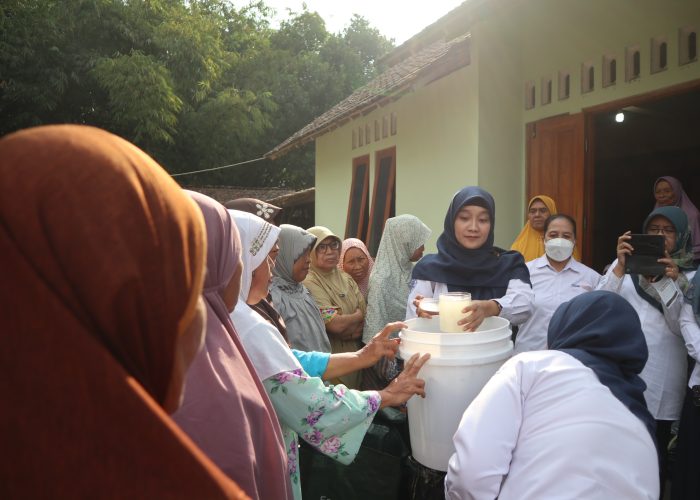
To carry out higher educationTri Dharma, The Faculty of Biology UGM initiated the Partner Village program at Wukirsari Village, Cangkringan District, Sleman Regency, Yogyakarta Province. A memorandum of understanding was signed between the Dean of the Faculty of Biology UGM, Prof. Dr. Budi Setiadi Daryono, M.Agr.Sc., and the Head of Wukirsari Village, Mr. Handung Tri Rahmawan, on June 5, 2024, for community service activities with a duration of 5 years. The 2024 activities focus on the Integrated Agriculture Development program incorporating waste management and processing. The proposing team from the Faculty of Biology UGM for the Wukirsari Partner Village program is chaired by Rina Sri Kasiamdari, S.Si., Ph.D., with members including Prof. Dr. Diah Rachmawati, S.Si., M.Si.; Dr. Maryani, M.Sc.; Dr. Eko Agus Suyono, M.App.Sc.; Utaminingsih, S.Si., M.Sc.; Dr. Aprilia Sufi Subiastuti, S.Si.; Dr. Siti Nurbaiti, S.Si.; Novita Yustinadiar, S.Si., M.Si.; and Dr. Wiko Arif Wibowo, S.Si.


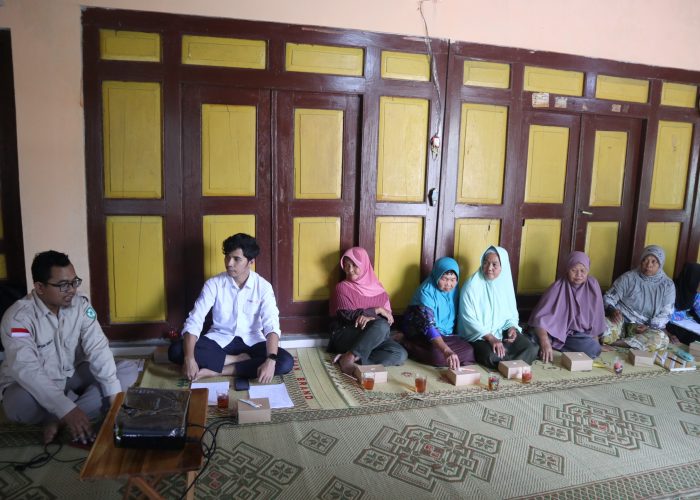
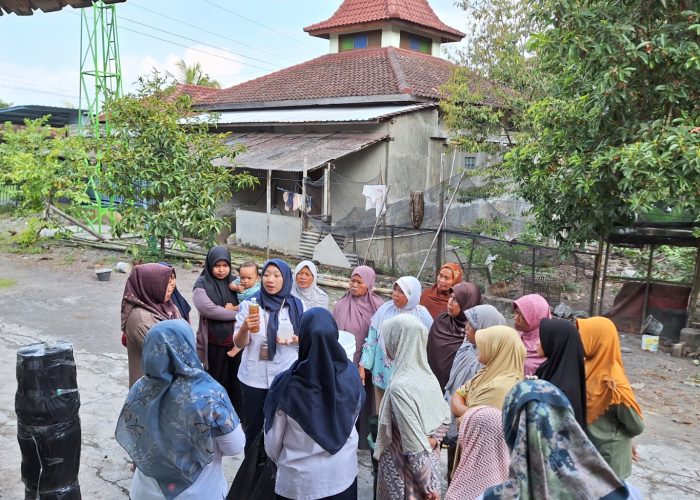
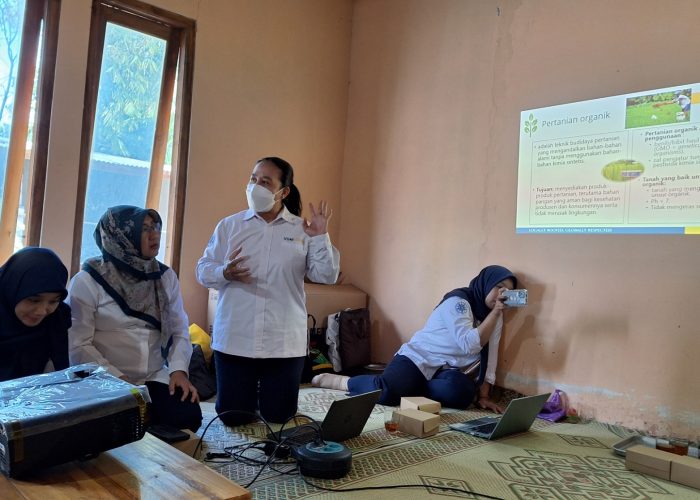
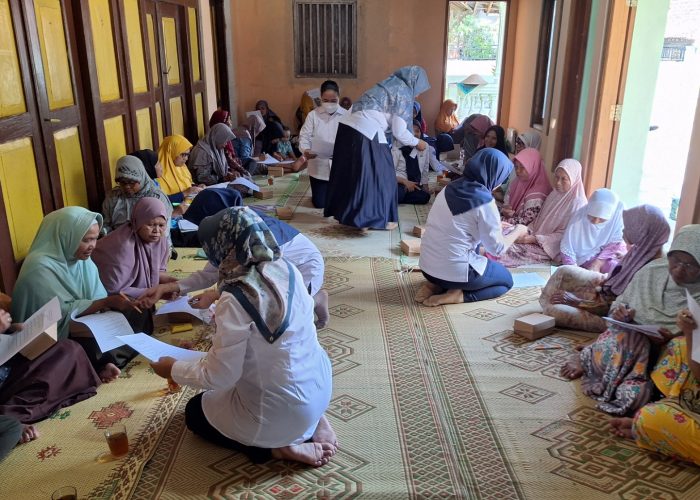
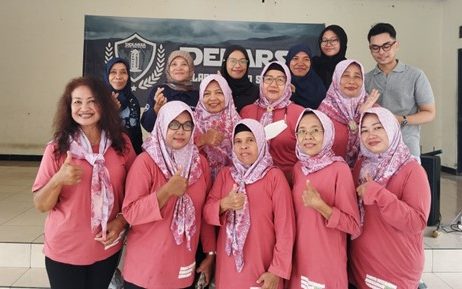
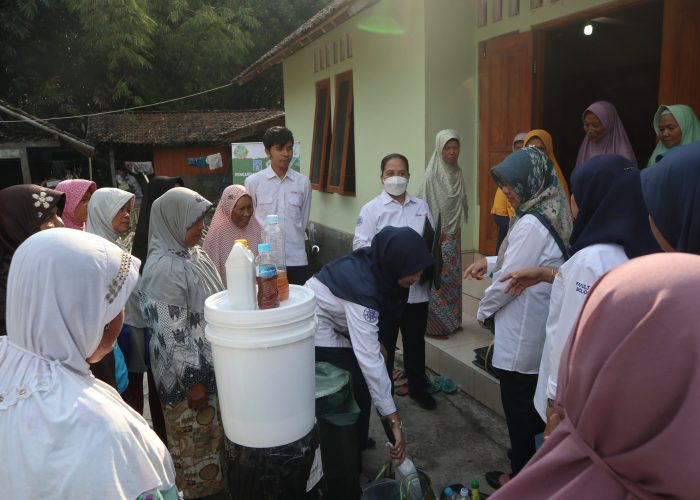
The first activity was held on Monday, July 22, 2024, in Sruni Hamlet, targeting the PKK (Family Welfare Empowerment) group. This activity focused on introducing waste, economically valuable waste management, and organic waste processing. Rina Sri Kasiamdari, the team leader, stated that this activity will be conducted continuously, starting with waste introduction and processing, hydroponics and microalgae introduction, and using organic fertilizers from waste processing for home gardening. “The issue of waste management needs special attention from all of us in the Special Region of Yogyakarta, including Sleman, especially since waste management has returned to the local government,” said Rina in her speech.

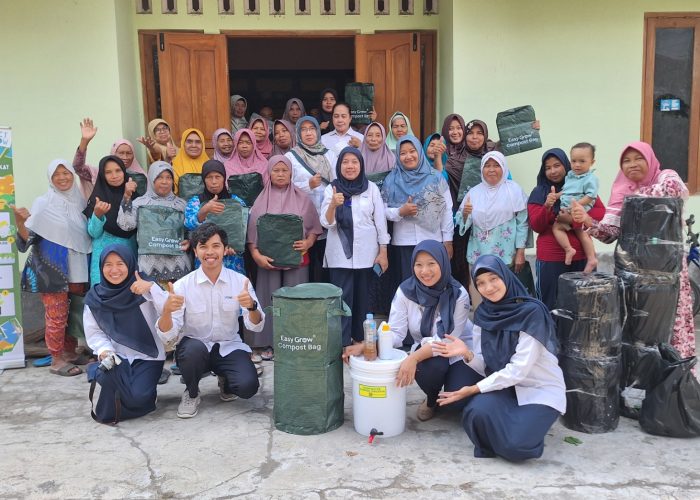
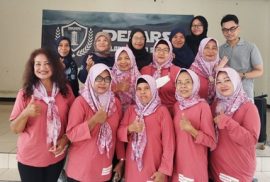
The presentations began with Ria Karyanto, S.Kom., discussing waste banks and continued with an introduction to organic fertilizers delivered by Dr. Maryani, M.Sc.. Next, Novita Yustinadiar, S.Si., M.Si., conducted training on making solid organic fertilizers, and Dr. Aprilia Sufi Subiastuti, S.Si., led a session on creating liquid organic fertilizers. This session was attended by 37 PKK members from Sruni Hamlet. Based on the questionnaires and testimonials from the PKK group, the community generally did not know about the types of waste, waste management, and waste processing into organic fertilizers. During the first activity of the Partner Village program, compost bags were distributed to each resident for home application, and compost buckets distributed to groups of residents, which were monitored monthly by the team.

This program is related to various aspects of the SDGs (Sustainable Development Goals), particularly SDG number 11 (Sustainable Cities and Communities) and 12 (Responsible Consumption and Production), but also related to SDG number 3 (Good Health and Well-Being), 6 (Clean Water and Sanitation), 13 (Climate Action), and 15 (Life on Land).

Snake and Ladder: Fun and Attractive Method for Sexual Education by UGM Student at Kampung Terban

AchivementsNews ReleaseStudent Activities Tuesday, 23 July 2024

The rapid advancement of technology has caused significant concern among the residents of Kampung Terban, particularly in RW 5, due to the rise in juvenile delinquency. Addressing technological advancement requires anticipation and preparation to mitigate its negative impacts. One such negative impact is sexual violence, proven by easy access to pornography on the internet, cases of cybersex, and promiscuity among children and teenagers. Even though Kampung Terban RW 5 is close to Universitas Gadjah Mada (UGM), sexual education has not yet reached the residents of Kampung Terban RW 5. The societal taboo on sex education is a reason sexual education is rarely taught by parents or teachers in schools. However, sexual education is a crucial foundation for reducing cases of sexual violence.


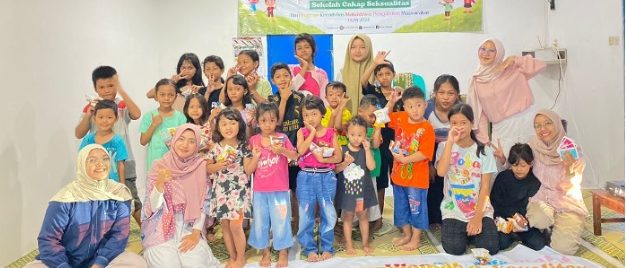
Based on the issue the team from UGM consists of Hafifah Nur Ainiyah (Biology 2022), Aulia Robiatul Adawiyah (Biology 2022), Diyan Ulsa (Psychology 2022), Danila Nur Rahmawati (Environmental Geography 2022), and Alma Puska Falasyifa (Biology 2022), under the guidance of Dr. Dwi Sendi Priyono, S.Si., M.Si conducted community service program titled “SCASE: School of Sexuality Education through Smart Snakes and Ladders Game as a Character-Building Medium for Kampung Terban Residents,” focuses on delivering age-appropriate sexual education, as recommended by WHO, through an interactive Snakes and Ladders game. This method ensures that the material is both well-understood and engaging.

Through the SCASE program, Hafifah and her team aim to enhance the welfare of the local community by empowering Desa Mitra. They use socialization, education, and training with the youth organization Karang Taruna Kampung Terban RW 5 (R05TER). Adina, a member of R05TER, stated, “There is a desire among the community to learn about sexual education, but they are still confused about where to start because it is considered a taboo topic, and there has never been a sexual education outreach program in this village.”

Supriyanto, the head of RW 5 Kampung Terban, said, “This program greatly assists the community, especially parents, who are unsure how to start discussions on sexual education with their children. It has had a very positive impact, particularly on children, who now understand which parts of their bodies should not be touched by others and know how to protect themselves to prevent sexual violence.”

The program expected to provide proper sexual education for residents Kampung Terban RW 5, and the community will be better prepared to face potential cases of sexual violence. It also hoped that the program would inspire other initiatives focused on sexual education, whether by the government or other community empowerment organizations. Author: Hafifah Nur Ainiyah.

Lecture Series the 7th International Summer Course in Sustainable Development 2024: Professor from Yamagata University Japan Highlights the Urgency of Addressing Climate Change in Pollinator Insect Conservation Efforts

News Release Monday, 22 July 2024

Yogyakarta, 22 July 2024 – The 7th International Summer Course in Sustainable Development: Sustainable Bioprospecting of Tropical Biodiversity lecture series in 2024 continues by presenting various experts from all over the world. In this series, we present a professor in the field of Pollination Biology from Yamagata University, Prof. Jun Yokoyama who brought up the topic of disruption in pollinator insect diversity and how it affects world climate change.


This session was moderated by Atikah Fitria Muharromah, S.Si., M.Eng. from the Entomology Laboratory, Faculty of Biology, Universitas Gadjah Mada. Atikah introduced Prof. Jun is an expert in the fields of evolutionary biology, ecology and conservation. His research examines many pollinator insects, ecosystems and their effects on the environment.

Prof. Jun started his presentation by explaining pollinating insects, especially Hymenoptera, and emphasized the mutualistic relationship between insects and plants through the exchange of pollen and nectar. He highlighted how insect groups have preferences for certain flowers. Certain insects, especially bees and wasps, play a large role in global food production, Prof. Jun added. These insects bridge the process of flower pollination and influence the amount of food production.

Prof. Jun highlighted the current climate change conditions, especially in tropical areas, heavy logging of forests, and food production which has increased significantly to meet the needs of the ever-increasing human population. He emphasized that there had been a reduction in the number of pollinators by up to 40%. The urgency of dealing with increasingly extreme climate change is important in efforts to conserve resources and mitigate other larger disasters.

The professor from Yamagata University then introduced the “Hamanaru Maruhana Project”, an effort to conserve and collect data on the distribution of bees in Japan. The project aims to estimate past, present and future distributions to be used as reference data for analysis of conservation efforts.

Closing the online lecture session, Prof. Jun again emphasized the importance of the role of pollinators and how climate and environmental change affects them. It is hoped that through this lecture, ISC participants can contribute to sustainable conservation efforts in the future.

Highlighting the Potential for Developing Eco-Friendly Sunscreen from Seaweed, UGM Biology Students Win Bronze Medal at International Essay Competition

AchivementsNews ReleaseStudent Activities Monday, 22 July 2024

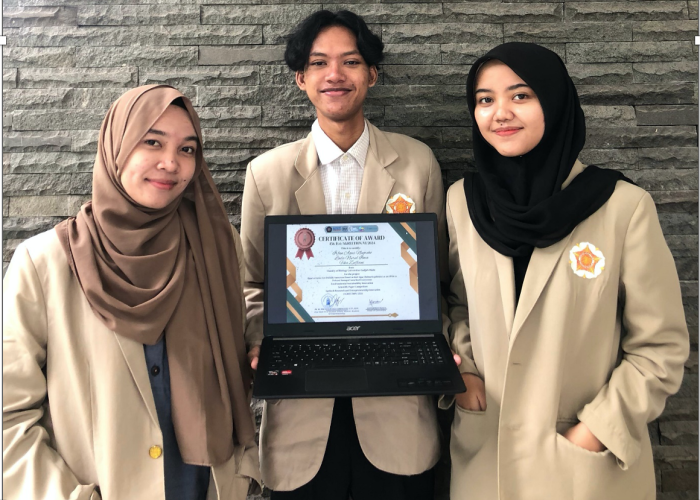
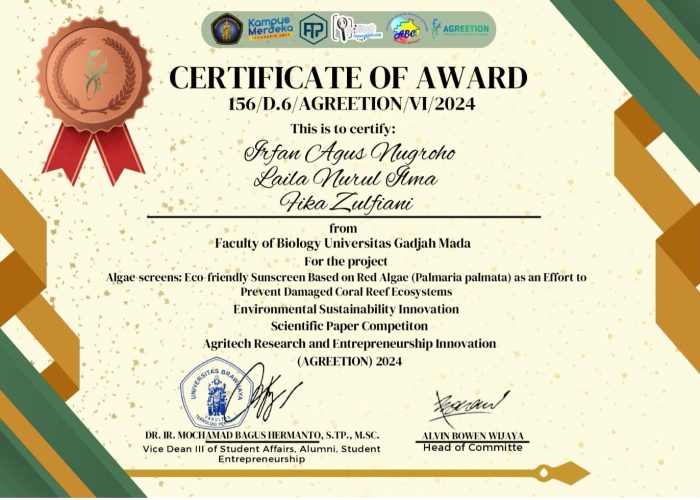
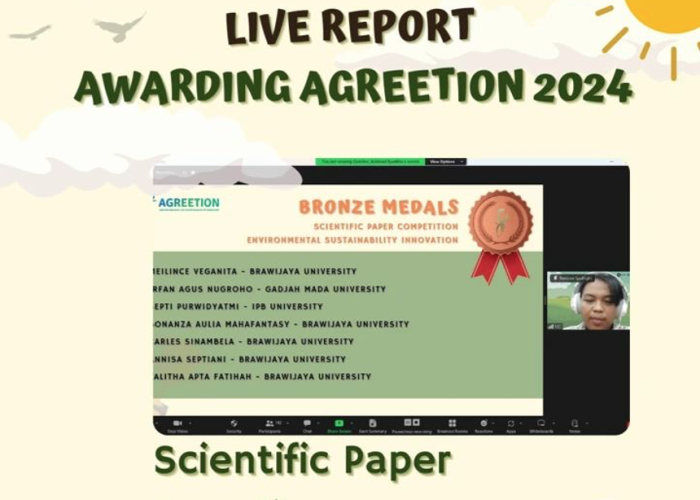
The UGM Biology team, consisting of Irfan Agus Nugroho (Biology 2021), Laila Nurul Ilma (Biology 2021), and Fika Zulfiani (Biology 2021), successfully earned a Bronze Medal Quartile nomination in the Scientific Paper competition at the Agritech Research and Entrepreneurship Innovation (AGREETION) 2024. The subtheme of their entry was “Environmental Sustainability Innovation.” AGREETION 2024 is an international scientific paper and business plan competition organized by the Agritech Research and Study Club (ARSC) of the Faculty of Agricultural Technology, Universitas Brawijaya. This year’s theme was “Accelerating Agriculture and Agro-Industry Towards Sustainable Welfare with Eco-Friendly and Clean Production Principles.” Forty-two universities from 3 countries participated in this competition that was held online from April 20 to June 1, 2024.


The team presented an essay titled “Algae Screens: Eco-friendly Sunscreen Based on Red Algae (Palmaria palmata) as an Effort to Prevent Damaged Coral Reef Ecosystems.” The paper was inspired by Indonesia’s abundant coral reefs, which are threatened by degradation, partly due to sunscreen chemicals dissolving in the water. Chemicals in conventional sunscreens, oxybenzone and octinoxate can lead to coral bleaching. As a result, research conducted to develop eco-friendly sunscreen from natural ingredients. The natural compounds focused in this research were Mycosporine-Like Amino Acids (MAAs), abundant in red algae like Palmaria palmata. The research employed a literature study and molecular docking methods between MAA compounds (mycosporine glycine, porphyra-334, and shinorine) as ligands and the target protein Procollagen C-endopeptidase 1 (PCOLCE1). PCOLCE1 is a protein involved in regulating skin aging due to UV exposure, while the three MAA compounds used are known to possess the best antioxidant properties among MAA compounds. The research found that all three MAA compounds could bind to the target protein PCOLCE1, with porphyra-334 being the most effective. Therefore, the Algae-Screen product has the potential to be an effective natural sunscreen alternative to prevent photoaging while being safe for coral reef ecosystems. However, further research is needed to develop and refine the Algae-Screen formulation.


Author: Irfan Agus Nugroho

Highlighting on High Incidence of Stunting in Indonesia UGM Biology Students Win Silver Medals in International Essay Competition

AchivementsNews ReleaseStudent Activities Monday, 22 July 2024

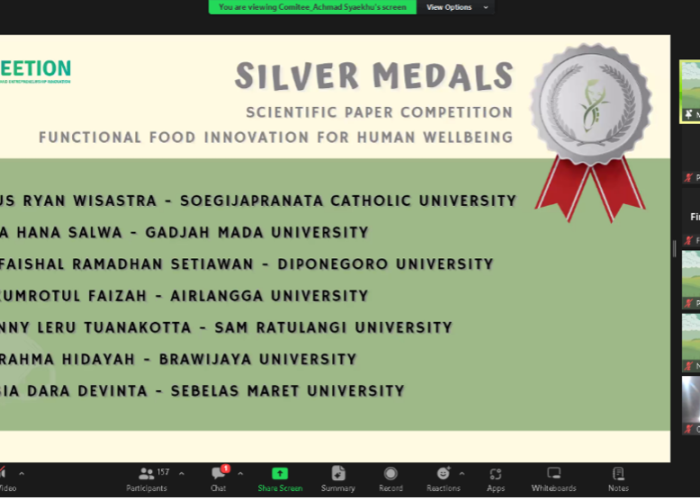
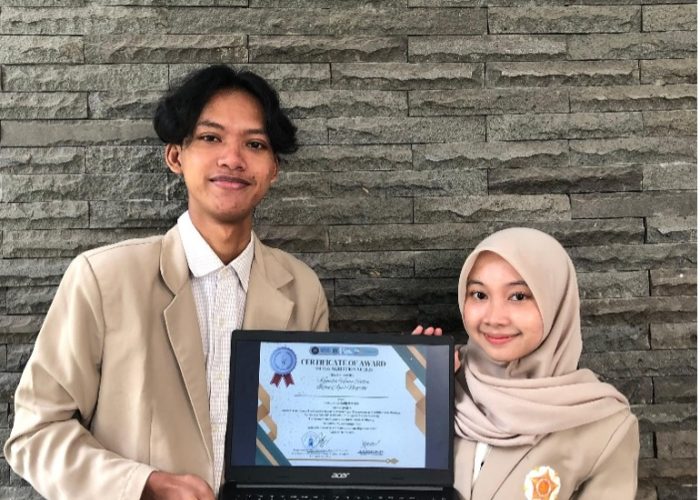
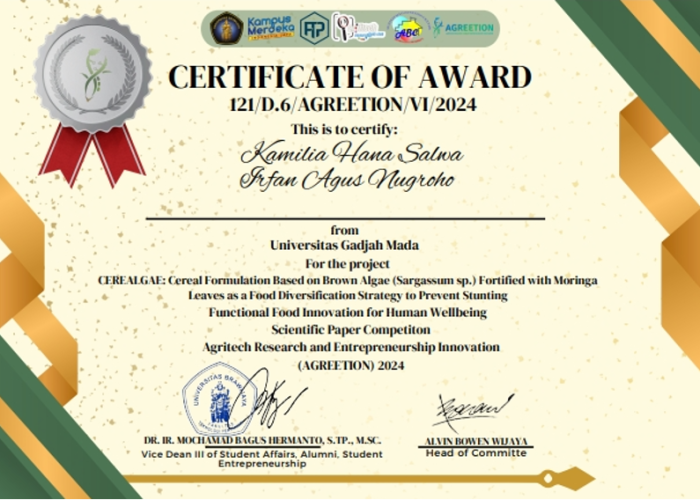
The CEREALGAE team from The Faculty of Biology UGM, led by Hana Salwa (Biology 2022) along with Irfan Agus Nugroho (Biology 2021), successfully won a Silver Medal Quartile at the Agritech Research and Entrepreneurship Innovation (AGREETION) 2024 competition. The AGREETION 2024 is an international scientific paper and business plan competition organized by the Agritech Research and Study Club (ARSC) of the Faculty of Agricultural Technology, Universitas Brawijaya, with the theme ‘’Accelerating Agriculture and Agro-Industry Towards Sustainable Welfare with Eco-Friendly and Clean Production Principles.’’ Forty two universities from 3 countries participated in this competition that was held online from April 20 to June 1, 2024.


The team presented an essay titled “CEREALGAE: Cereal Formulation Based on Brown Algae (Sargassum sp.) Fortified with Moringa Leaves as a Food Diversification Strategy to Prevent Stunting.” The essay was motivated by the high stunting incidence in Indonesia. Aligned with the government’s efforts to achieve Sustainable Development Goals (SDGs) No 2, which aims to end hunger, achieve food security, and improve nutrition, along with the “Gerakan Nasional (GerNas)” program, food diversification can be a preventive measure to ensure that toddlers receive proper nutrition. One approach to achieving this goal is to optimize the utilization of natural ingredients, such as Sargassum sp. and moringa leaves, as functional food ingredients.

Sargassum sp. is a type of brown algae with high abundance and contains macronutrients like carbohydrates, proteins, lipids, and several micronutrients. The protein in Sargassum sp. can aid in cell regeneration during growth and repair, making it recommended for children’s growth phases. Fortifying food with moringa leaf powder can increase the protein, zinc, iron, calcium, and magnesium content. Moringa leaf powder contains about 27.1 g of protein, making it an excellent alternative to animal protein. A study indicates that moringa leaf fortification can significantly increase toddler weight and reduce acute nutrient deficiencies two months after consumption. The Indonesian society’s tendency to consume instant or fast food prompted the biology student team to create a functional food innovation in the form of cereal made from Sargassum sp. and moringa leaves. This innovation is expected to be one solution to reduce the prevalence of stunting in Indonesia through functional food diversification utilizing natural ingredients. Author: Kamilia Hana Salwa.

UGM Students Offer Dayak Onion as an Effective Treatment for Tongue Cancer

AchivementsNews ReleaseStudent Activities Thursday, 18 July 2024

Universitas Gadjah Mada students Ribka Wijayanti and Dwina Aulia (Dentistry 2022), Anisah Qurrotu Aini (Biology 2022), and Naila Nurfadhilah (Pharmacy 2022) conducted research on the potential of Dayak onion as an antiproliferative and apoptosis-inducing agent for human tongue cancer cells – under the guidance of Prof. drg. Supriatno, M.Kes., MD.Sc., Ph.D..


Dayak onion (Eleutherine bulbosa (Mill.) Urb.) is a medicinal herb commonly used by the indigenous Dayak people and can be cultivated in various regions. Besides health benefits, this research also positively impacts the local economy. This research focuses on developing a natural therapy for tongue cancer by addressing the shortcomings of existing therapy. Plant-derived exosome-like nanoparticles, or PDENs, from Dayak onion, serve as a drug delivery method derived from Dayak onion exosomes.

“Cancer occurs due to the activity of proto-oncogenes, leading to excessive cell proliferation and the inhibition of tumor suppressor genes. We used PDENs because they have proven to inhibit proliferation and induce apoptosis in various types of cancer. Based on this, we wanted to explore its potential for tongue cancer treatment, ‘’ explained Ribka.

Ribka noted that using PDENs from Dayak onion induced apoptosis (programmed cell death) in cancer cells and reduced the number of proliferating cells.

“Dayak onions have a powerful IC50 equivalent to 38.97 ppm. This value is superior to other medicinal plants, such as soursop leaves and bajakah roots. The various therapeutic compounds in Dayak onion cannot be utilized as therapeutic agents using common extraction methods. However, with PDENs, all therapeutic compounds can be delivered to the target organ,” Anisah elaborated.

This research project was submitted as part of the Student Creativity Program in Exact Research (PKM-RE) with research funding support from the Ministry of Education, Culture, Research, and Technology (Kemendikbudristek) to conduct in-depth research and analysis on the potential of PDENs extract from Dayak onion. It hoped that this interdisciplinary collaborative research can inspire further exploration of natural potentials to improve human quality of life. [Writer: AQA]
UGM Biology and Pharmacy Students Create Topical Patch Combining Fish Oil and Sugarcane Bagasse Biosilica for Diabetic Wound Healing

AchivementsNews ReleaseStudent Activities Thursday, 18 July 2024

Diabetes mellitus (DM) is a global public health issue that can lead to macrovascular and microvascular complications. In Indonesia, the prevalence of DM among adults reaches 10.6%. Ineffective DM management can result in long-term metabolic, neurological, or vascular complications, making DM patients more susceptible to foot infections, which can increase the incidence of amputations. According to data from the Ministry of Health 2023, over one million DM patients in Indonesia have undergone foot amputations, with approximately 80% of these amputations beginning with foot ulcers. The prolonged infection of diabetic wounds is caused by high blood glucose levels, which increase bacterial proliferation. This issue exacerbated by immune system deficiencies, leading to restricted mobility and decreased daily productivity.


Based on this issue, Biology and Pharmacy UGM students Zahwa Khoirun Nisa (Biology 2022), Zatun Nithoghani Hafni (Biology 2021), Muhammad Nur Ikhsan (Biology 2021), Sekar Ayu Kusumawardani (Pharmacy 2022) and Alvian Chesyar Burhanudin (Pharmacy 2022) was developed a topical patch using two local Indonesian natural products: catfish oil and sugarcane bagasse biosilica, as an alternative treatment for diabetic wounds under guidance Dr. Adhyatmika, M.Biotech. This research, funded by the Ministry of Education and Culture, is part of the Student Creativity Program in Exact Research (PKM-RE).

The regular treatment for diabetic wounds is antibiotic therapy. However, excessive use of antibiotics can lead to antibiotic resistance, making treatment less effective. “We chose the patch formulation in this study to prevent excessive use of antibiotics while ensuring drug delivery to the wound with a more measured and controlled dosage,” said Zahwa. Hafni added that the patch formulation is also suitable for patients who cannot tolerate oral medications and avoids the first-pass effect, maintaining the bioavailability of the drug.

Catfish oil contains essential omega-3 fatty acids known to aid in wound healing. An innovation in this study involves adding sugarcane bagasse biosilica to the patch formulation. This biosilica has shown to possess antibacterial activity that supports wound healing.

The bagasse used obtained from the sugarcane milling residues at PT. Madubaru. “We collected the accumulated sugarcane bagasse, then subjected it to furnace treatment at 600°C for 1 hour. The resulting bagasse ash was then dissolved in NaOH and acidified with HCl to form a gel. This gel was then oven-dried to produce silica powder,” explained Ikhsan. The resulting biosilica was combined with catfish oil to create three formulations with different active ingredient concentrations (catfish oil: biosilica), namely F1 = 25:75, F2 = 50:50 and F3 = 75:25. “We made nanoemulsions with these three formulations, measured their particle sizes, then added gel bases to form nanoemulgel, which processed into patch preparations,” Alvian elaborated.

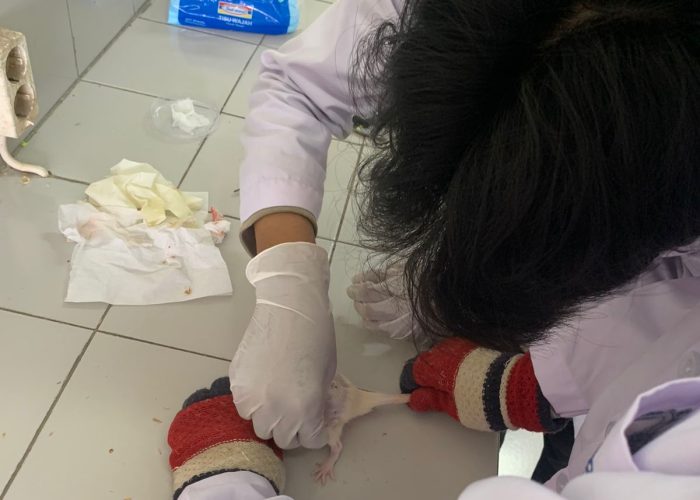
The patches were then tested on diabetic mellitus model rats. “We inflicted wounds on diabetic model rats and applied different treatments, including the three patch formulations. Wound diameter observed from day 1 to day 7,” Sekar said. The data showed the significant effects of the patch treatments on diabetic wound healing. Based on these conclusions, further analysis identified Formulation 1 (25:75) as the best for aiding diabetic wound healing. This research is expected to provide a theoretical foundation for developing comprehensive therapies to accelerate diabetic wound healing. With this advancement, we hope to contribute to improving the quality of life for diabetes patients and help them achieve better health and well-being. [Author: Zahwa Khoirun Nisa]

Education on Homemade Fever Remedies for Toddlers as Part of the Partner Village Program Collaboration between the Faculty of Biology and Kledokan Hamlet, Caturtunggal Village, Depok District, Sleman

Community Service Monday, 20 May 2024

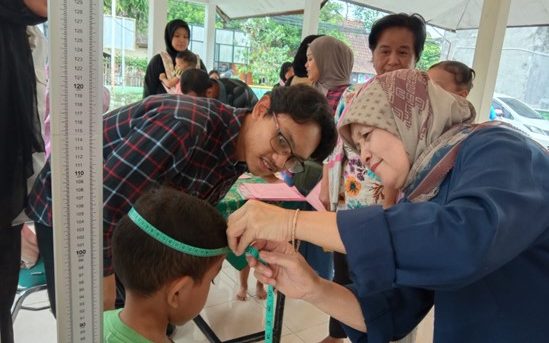
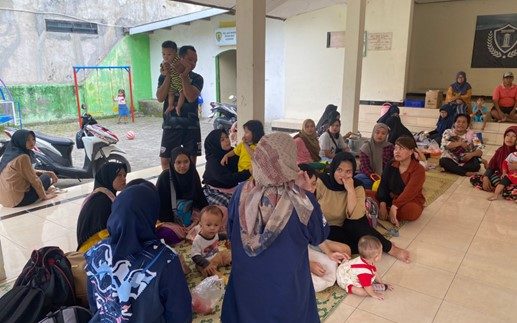
On Wednesday, May 15, 2024, the Faculty of Biology UGM Partner Village team conducted an educational session on homemade fever remedies for toddlers. This event took place at the Kledokan Hamlet Hall in Caturtunggal Village, alongside the POSYANDU (Integrated Health Post) activities. The session was attended by around 50 toddlers and their parents, as well as Mrs. Galina Tri Yohani, Head of the Family Welfare Movement (PKK) and Coordinator of POSYANDU activities; Mrs. Marthin Sumarahayu, Head of the Rejosari Women Farmers Group (KWT), and other committee members.


The session featured Dra. Mulyati, M.Si as speaker, supported by the Faculty of Biology UGM Partner Village team, Dr. Dra. Rr. Upiek Ngesti W. Astuti, Nur Indah Septriani, M.Sc., Ph.D., and students from the Faculty of Biology: Nur Farah Susilowati, Kotimah, Ahmad Aris Budi Rohman, along with Irfan Putra Ramadhan from the Faculty of Agriculture. Dra. Mulyati discussed the benefits of nutmeg and shallots as first aid remedies for calming fussy toddlers and treating fever. She also explained how to prepare, mix, and apply these remedies to toddlers. The participants were enthusiastic about learning these new, simple, and practical techniques. The ingredients are easily accessible, relatively inexpensive, and usually available in the kitchen. The discussion was interactive, with numerous questions from participants.

This activity supports Sustainable Development Goals (SDGs), to improve community well-being sustainably, specifically supporting goal number 3, “Good Health and Well-being.”

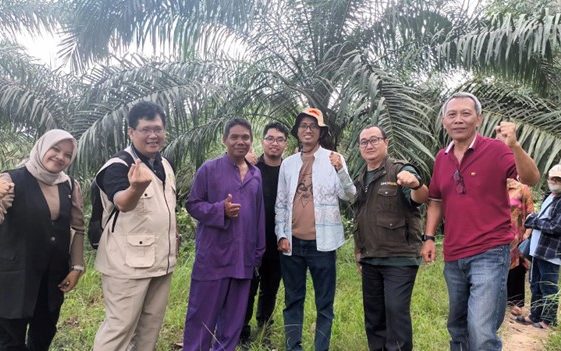
Faculty of Biology Visits Palm Oil Farmers in the IKN Area

Community ServiceHeadline Monday, 13 May 2024

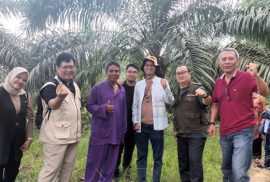
Yogyakarta, May 12, 2024 – On May 10, 2024, the Faculty of Biology at UGM visited a palm oil plantation managed by APKASINDO in Penajam Paser Utara Regency, East Kalimantan. The activity consisted of discussion and a field visit to a palm oil plantation. During the opening remarks of the visit, Prof. Dr. Budi Setiadi Daryono, M. Agr. Sc., The Dean of the Faculty of Biology UGM, stated the visit was aimed to understand the issues faced by palm oil plantations, including production challenges and the real conditions experienced by the community. He hoped that the Faculty of Biology UGM could grasp the process of palm oil cultivation from growth to its re-utilization as valuable products, especially within local communities, and foster cooperation in research, community service, and education sectors.


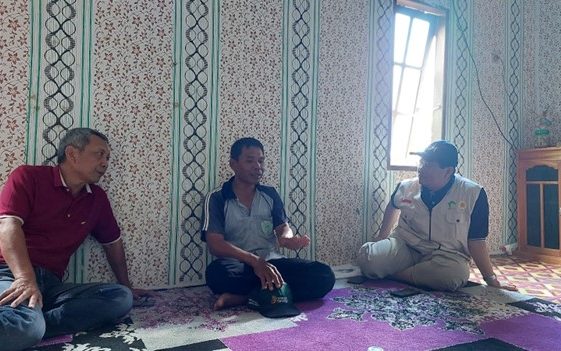
Following this, there was a discussion with Mr. La Ode Hitua Hubaisi, a palm oil farmer since 2010, an APKASINDO administrator, and the chairman of a cooperative in his district. He is part of the Setia Kawan Farmers Group, which consists of 98 members with a total plantation area of approximately 317 hectares. He mentioned that the presence of the IKN directly impacts palm oil plantations in Kalimantan, as urban expansion leads to competition with plantations. Mr. La Ode emphasized the importance of cooperatives that bridge the gap between farmers and Palm Oil Mills (PKS).

The cooperative in Penajam is the largest community cooperative partnering with PKS and has been operational for five years, even before the pandemic. This cooperative ensures that PKS fairly purchases palm oil bunches from farmers, valuing their hard work. Currently, cooperatives have been established in each district with funds collected from personal contributions, allowing farmers to collectively benefit from the profits. Mr. La Ode expressed concern over the resistance against cooperatives, although cooperatives actually benefit palm oil farmers by preventing exploitation by middlemen who collect substantial profits. Moreover, with the 2025 ISPO policy, Palm Oil Mills (PKS) are required to partner with cooperatives to facilitate both local and export marketing.”We must not give up. If we do, no one else will fight for it,” he said. Part of the cooperative’s profits is allocated to education funds. Scholarships for college are provided through the Palm Oil Plantation Fund Management Agency (BPDPKS) to 3-4 children of palm oil farmers or laborers and non-palm oil farmers. This visit opens the possibility for selected local youth contributing to the advancement of palm oil to study at Universitas Gadjah Mada.

Mr. La Ode also explained the processes of seeding, planting, maintenance, pruning, harvesting, disease management, and the production lifespan of palm oil. One of the cooperative’s programs discusses the use of a combination of organic and inorganic fertilizers. The Faculty of Biology has been using small-scale leaf and litter shredders, hoping that similar methods can be applied by palm oil farmers for pruned leaves and fronds. Next, the Faculty of Biology UGM team visit the palm oil plantation accompanied by Mr. Fauzul ‘Didiek’ Idhi and guided by Mr. La Ode, who explained the planting procedures and regulations implemented by the Penajam Farmers Group, East Kalimantan. The activity concluded with a group photo.

The visit is expected to contribute to the achievement of Sustainable Development Goals (SDGs). Through this training, we aim to address four crucial points of the 17 SDGs: SDGs 4; quality education, SDGs 8; decent work and economic growth, SDGs 9;industry, innovation, and infrastructure, and SDGs 17; partnerships for the goals. Additionally, this activity represents an IKU 6 achievement for the Faculty of Biology UGM as it involves exploring cooperation with private companies or the general public. It also contributes to education by recommending potential BPDPKS scholarship recipients and generating research ideas eligible for BPDPKS grants.This visit is expected to provide insights to the Faculty of Biology and palm oil farmers through joint discussions and enhance cooperation with partners, contributing to sustainable development beneficial for all parties involved. [UGM Palm Oil Research Team]
1…27282930

Accreditation

Recent Posts

  • Preserving Indonesia’s Spice Heritage: INUCoST Team of the Faculty of Biology UGM Holds Herbarium-Making Workshop with Leiden Experts and Industry Practitioners
  • From Village to Village: Optimizing Superior Local Chicken and Catfish Seedlings in Tegalrejo Hamlet, Ngresep Village, Boyolali Regency
  • Faculty of Biology UGM and Australian National University Extend Double Degree Collaboration and Explore New Strategic Partnership Opportunities
  • Faculty of Biology UGM Introduces Medicinal Plants to Strengthen Science Literacy Among SDN Pusmalang Students
  • Synergy Between the Faculty of Biology UGM, KOBI, YIBI, and WWF in Strengthening National Biodiversity Research
Universitas Gadjah Mada

UNIVERSITAS GADJAH MADA

FACULTY OF BIOLOGY
Teknika Selatan Street, Sekip Utara,
Yogyakarta 55281
biologi-ugm@ugm.ac.id
Phone/Fax: +62 (274) 580839

About us

  • History
  • Organization
  • Vision and Mission
  • Staff

Student Affairs

  • Student Service
  • Student Organization
  • Submission for Practical Field Work
  • Permission Field Research
  • Permission Thesis/Disertation

academic

  • Academic Regulations
  • Academic Anonncement

Accreditation

  • Image 1
  • Image 2
  • Image 3

© 2024 FACULTY OF BIOLOGY UNIVERSITAS GADJAH MADA

KEBIJAKAN PRIVASI/PRIVACY POLICY

[EN] We use cookies to help our viewer get the best experience on our website. -- [ID] Kami menggunakan cookie untuk membantu pengunjung kami mendapatkan pengalaman terbaik di situs web kami.I Agree / Saya Setuju