UGM
Portal Simaster
IT Center
Webmail
KOBI
Bahasa Indonesia
English
Informasi Publik
Universitas Gadjah Mada
Fakultas Biologi
Toggle navigation
Tentang Kami
Sejarah
Visi, Misi & Tujuan
Organisasi
Staff
Tenaga Pendidik
Adjunt Professor
Tenaga Kependidikan
Kepakaran dan Topik Riset Dosen
Fasilitas
Animal House
Kebun Biologi
Konsultasi Kesehatan Mental
Laboratorium
Museum Biologi
Peminjaman Ruangan
Perpustakaan
Galeri
Gedung Fakultas
Museum Biologi
Penelitian
Gama Melon
Akademik
Program Sarjana
Visi, Misi, dan Tujuan
Matakuliah S1
Pendaftaran Skripsi
Pendaftaran Ujian Skripsi
Pendaftaran Yudisium
Pendaftaran Wisuda
Klaim MK Ekstrakurikuler
IUP
Program Profesi
Apa itu PKKH ?
Sejarah Pendirian Program Studi PKKH
Visi, Misi, Tujuan, dan Sasaran Program Studi PKKH
Kompetensi Lulusan Program Studi PKKH
Bahan Kajian dan Profil Lulusan Program Studi PKKH
Kurikulum Program Studi PKKH
Pendaftaran Mahasiswa Baru PKKH
Informasi dan FAQ Program Studi PKKH
Program Magister
Deskripsi Program Magister Biologi
Mata Kuliah S2
Struktur Kurikulum Program Magister
Info Pendaftaran
PENDAFTARAN UJIAN KOMPREHENSIF
Pendaftaran Ujian Tesis
pendaftaran yudisium
Pendaftaran Wisuda
Tracer Study
Program Doktor
Visi, Misi, Tujuan, & Sasaran Program Doktor Biologi
Kurikulum Program Doktor
Info Pendaftaran
Pendaftaran Ujian Komprehensif
Akreditasi dan Jaminan Mutu
PENELITIAN & PENGGABDIAN
Journal of Tropical Biodiversity and Biotechnology
Berkala Ilmiah Biology
Pengelolaan Sampah
Kerja Sama
Alumni
Berita Alumni
BCADC (Web Alumni)
Data Kabiogama Pascasarjana
Data Kabiogama Sarjana
Facebook
Icon-instagram-1
Youtube
Tiktok
Telegram
Why Choose Us?
Ranking 1
Biology Science Program in Indonesia
Ranking 1
Academic Reputation on Biology Science in Indonesia
Ranking 1
Citations per Paper on Biology Science in Indonesia
According to QS World University Ranking 2026
PROGRAM KAMI
PROGRAM SARJANA
PROGRAM SARJANA
(IUP)
PROGRAM PROFESI
PKKH
PROGRAM MAGISTER
PROGRAM DOKTOR
RILIS BERITA
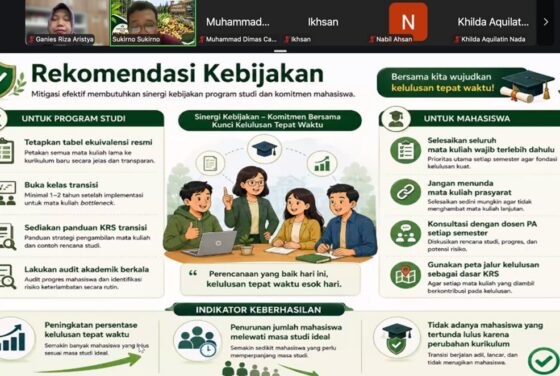
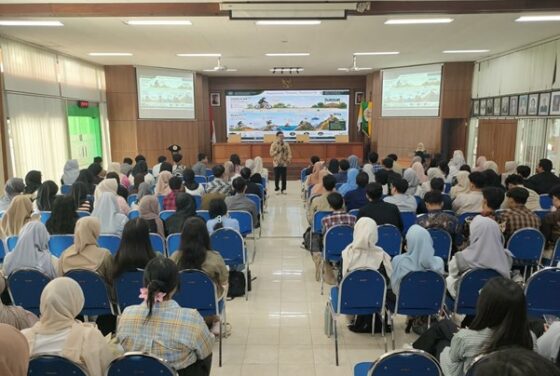
Fakultas Biologi UGM Sosialisasikan Kurikulum Baru 2026, Wujudkan Pendidikan Berkualitas dan Kontribusi Nyata Terdapat Pendidikan yang Berkualitas
FAKULTAS BIOLOGI UNIVERSITAS GADJAH MADA Selenggarakan Pengenalan Akademik dan Kemahasiswaan bagi Angkatan 2026
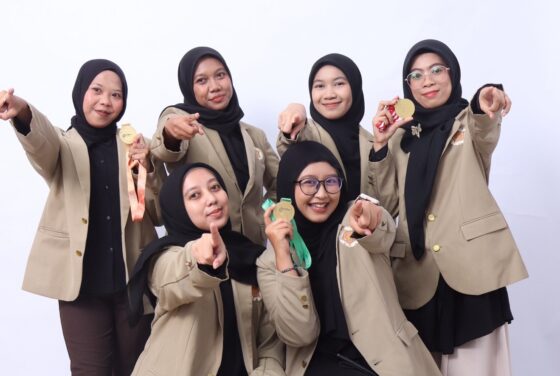
NilaDerm, Balutan Luka Cerdas Berbasis Kolagen Ikan Nila dan Bunga Telang, Antarkan Mahasiswa Biologi UGM Raih Gold Medal di 6th World Science, Environment and Engineering Competition 2026
Berita Lainnya
PRESTASI
NilaDerm, Balutan Luka Cerdas Berbasis Kolagen Ikan Nila dan Bunga Telang, Antarkan Mahasiswa Biologi UGM Raih Gold Medal di 6th World Science, Environment and Engineering Competition 2026
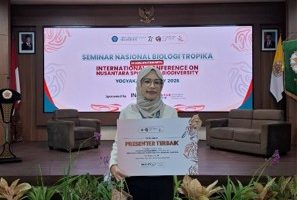
Raih Best Presenter Seminar Nasional Biologi Tropika (SNBT) 2026, Mahasiswi Biologi Universitas Gadjah Mada Soroti Permasalahan Budidaya Cabai Lokal Indonesia
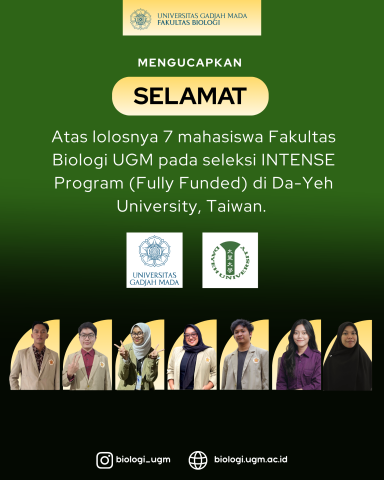
Tujuh Mahasiswa Fakultas Biologi UGM Lolos INTENSE dan Double Degree Program di Da-Yeh University, Taiwan, dengan Jaminan Kerja Dua Tahun di Industri Taiwan
Prestasi Lainnya
PENELITIAN & PENGABDIAN
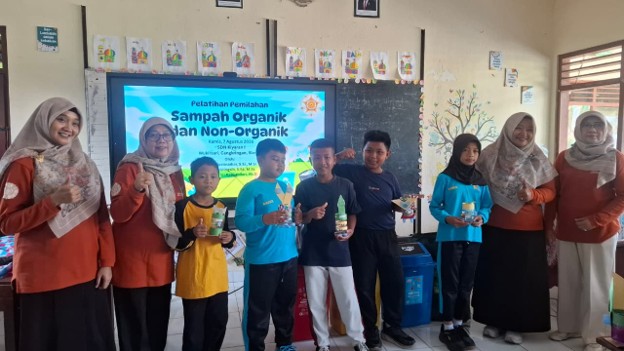
PkM Desa Mitra 2026: Peningkatan Kemampuan Siswa Sekolah Dasar dalam Pengelolaan Lingkungan dan Pertanian Terpadu melalui Pelatihan Pemilahan dan Pemanfaatan Sampah di Kalurahan Wukirsari#2
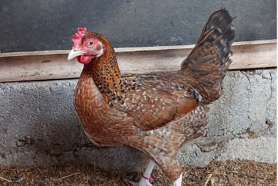
Gen COI Ungkap Kedekatan Genetik Ayam Golden Kamper dengan Ayam Lokal Indonesia
Tim PkM Fakultas Biologi UGM dan KKN-PPM UGM Dorong Diversifikasi Pangan Fungsional Berbasis Padi Hitam Melalui Pembuatan Onigiri dan Kimbab di Kalurahan Wedomartani
Penelitian & Pengabdia Lainnya
KEGIATAN MAHASISWA
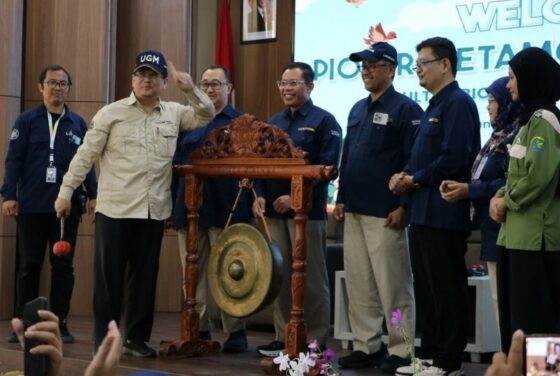
PIONIR Metamorphoself 2026 “Dari Dalam yang Tenang, Tumbuh Prestasi yang Gemilang” Hari Ke-1
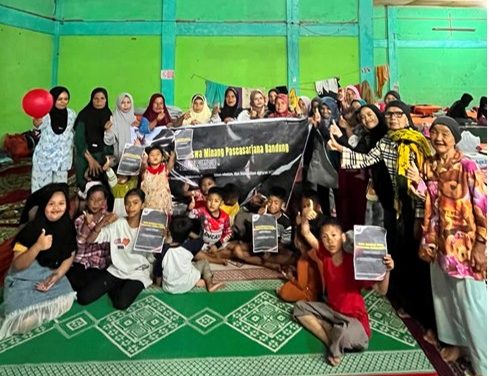
Mahasiswa Magister Biologi UGM Salurkan Bantuan Langsung untuk Korban Banjir dan Longsor Sumatra
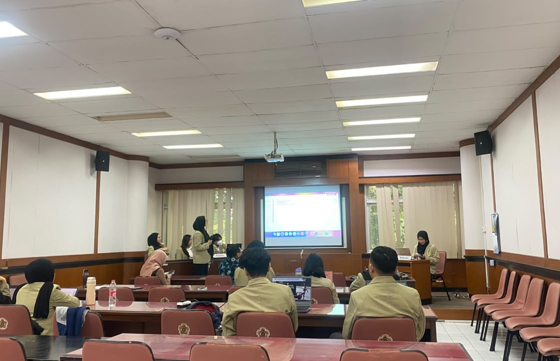
Seminar Proposal Penelitian Tesis Mahasiswa Program Studi Magister Fakultas Biologi Angkatan 2025/2026 Semester Gasal
Kegiatan Mahasiswa Lainnya
INFORMASI AKADEMIK
Kalender Akademik Program Sarjana Program Studi Biologi Fakultas Biologi Universitas Gadjah Mada Tahun Akademik 2026/2027
Jadwal KKN-PPM UGM Periode 3 dan 4 Tahun 2026
Kalender Akademik Universitas Gadjah Mada Tahun Akademik 2026/2027
Pengumuman Pendaftaran Ulang Mahasiswa Program Sarjana Terapan, Sarjana, Profesi, dan Pascasarjana Semester Gasal TA. 2026/2027
Pengumuman dan Pedoman Pelaksanaan Ujian Susulan UAS Semester Genap TA 2025/2026
Informasi Akademik lainnya
BEASISWA & LOWONGAN
Join the Academy of Future Teacher (AFT) 2025
Pembekalan Mahasiswa Penerimaan Bantuan KIP Kuliah Angkatan Tahun 2024
Penawaran Beasiswa Dato’ Low Tuck Kwong 2024
Penawaran Beasiswa Afirmasi Pendidikan Tinggi (ADik) Disabilitas 2024
Penawaran Beasiswa Bakti BCA 2024
Beasiswa & Lowongan lainnya
Translate »
[EN] We use cookies to help our viewer get the best experience on our website. -- [ID] Kami menggunakan cookie untuk membantu pengunjung kami mendapatkan pengalaman terbaik di situs web kami.
I Agree / Saya Setuju