Yogyakarta, October 8, 2026 — The Plant Structure and Development Laboratory, Faculty of Biology, Universitas Gadjah Mada (UGM), welcomed students from SMP Bina Anak Sholeh (BIAS) Yogyakarta for an educational visit on Thursday, October 8, 2026. The activity, held from 9:15 to 11:45 a.m., was attended by 14 participants, comprising 12 students and two accompanying teachers. The visit aimed to enrich students’ biology learning experiences by introducing them to plant anatomy and providing hands-on practice with basic plant specimen preparation techniques in the laboratory.
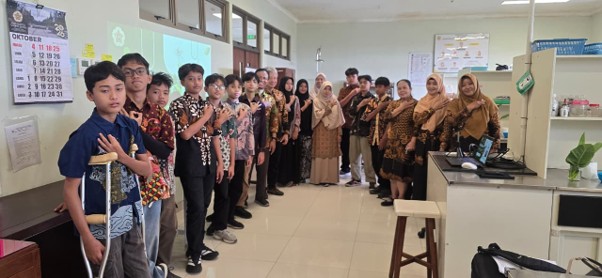
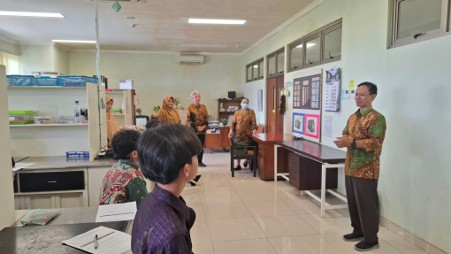
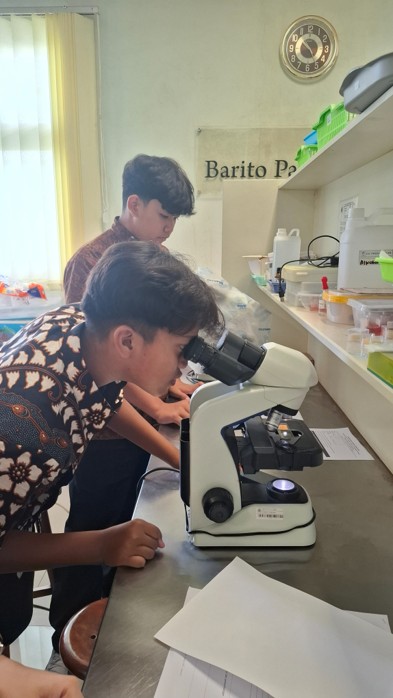
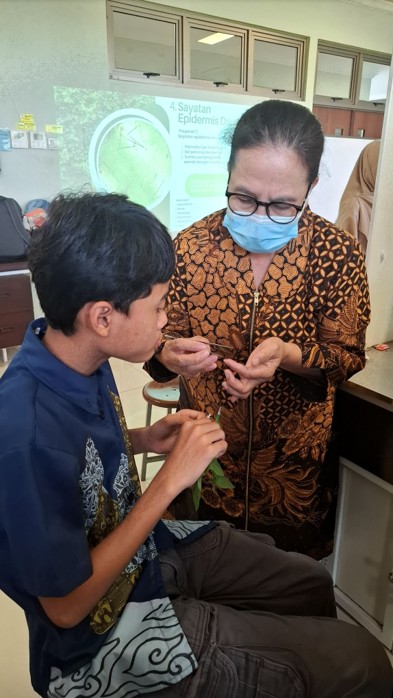
The activity was officially opened by Abdul Razaq Chasani, S.Si., M.Sc., Ph.D., Head of the Department of Tropical Biology, Faculty of Biology, UGM. In his opening remarks, he emphasized that the visit offered students an opportunity to explore biology more closely through direct learning experiences in a university setting. The activity was also expected to broaden students’ understanding of plant structures and introduce them to the role of laboratories in supporting education and scientific advancement.
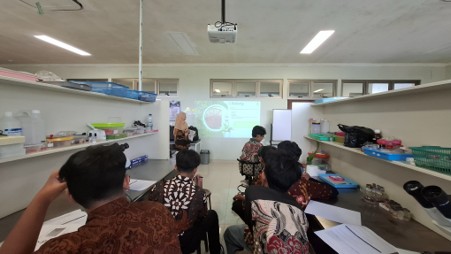
The program focused on the anatomical structures of the vegetative organs of monocotyledonous and dicotyledonous plants, as well as basic plant specimen preparation techniques. During the plant anatomy session, students were introduced to the internal structures of vegetative organs and the characteristics of plant tissues that can be used to understand the similarities and differences between monocotyledonous and dicotyledonous plants. The material provided an overview of plant body organization and the relationship between organ structure and function.
In addition to learning about plant anatomy, students were introduced to basic techniques for preparing plant specimens for biological observation. Through this activity, they gained an initial understanding of the steps involved in preparing plant samples to observe specific structures more clearly. This introduction to specimen preparation techniques offered valuable insight into how scientific observation requires not only theoretical knowledge but also practical skills, precision, and adherence to appropriate procedures.
The learning sessions and practical activities were delivered and supervised by lecturers from the Plant Structure and Development Laboratory, Faculty of Biology, UGM: Prof. Dr. L. Hartanto Nugroho, M.Agr.Sc.; Dr. Maryani, M.Sc.; Dr. Utaminingsih, S.Si., M.Sc.; and Novita Yustinadiar, S.Si., M.Si. The activities were also supported by laboratory technicians Prapti and Via Erti Asdiantika, A.Md., who helped ensure the smooth implementation of the practicum.
Through a combination of presentations and hands-on practice, students were encouraged to connect biological theory with real-world specimens and gain an understanding of the fundamental procedures involved in plant anatomical observation. This experience was expected to enhance their scientific literacy, observational skills, precision, and scientific reasoning from an early stage of secondary education. Interactions with university lecturers and laboratory staff also provided students with an opportunity to become familiar with the academic environment of higher education and with scientific activities in biology.
The activity also contributed to achieving the Sustainable Development Goals (SDGs), particularly SDG 4: Quality Education, by providing contextual, interactive, and practice-based science learning experiences. The introduction to plant observation and specimen preparation techniques enabled students to develop scientific knowledge and skills through learning beyond the classroom. The activity also aligned with efforts to expand access to quality learning experiences and foster a culture of lifelong learning.
Furthermore, the activity contributed to SDG 17: Partnerships for the Goals through educational interaction and collaboration between a higher education institution and a school. The involvement of the Faculty of Biology, UGM, in supporting student learning demonstrated the university’s role in sharing knowledge, expertise, and educational facilities to strengthen the quality of science education. If developed sustainably, similar activities could strengthen relationships between educational institutions and expand opportunities for students to gain direct scientific experience.
Through this educational visit, the Plant Structure and Development Laboratory, Faculty of Biology, UGM, reaffirmed its role not only in supporting academic activities and research but also in introducing biological sciences to the wider community, including younger generations. The learning experience involving plant anatomical observation and specimen preparation was expected to serve as an initial step toward fostering students’ interest in science and building their understanding of the importance of scientific research and observation in the study of life.