Yogyakarta, January 29-31, 2026 — Dr. Dwi Sendi Priyono and Dr. Abdul Rahman Siregar from the Faculty of Biology at Universitas Gadjah Mada (UGM) collaborated with Wildlife Conservation Society Indonesia Program (WCS-IP) and the Technical Implementation Unit (UPT) of the Directorate General of Natural Resources and Ecosystem Conservation (KSDAE), Ministry of Forestry, to conduct a Molecular Genetics eDNA Workshop for Pathogen Detection held in Yogyakarta on January 29-31, 2026. This workshop is an integral part of the Master’s Level Research Fellowship Program (RFP) supported by the NSF ESCAPE project.
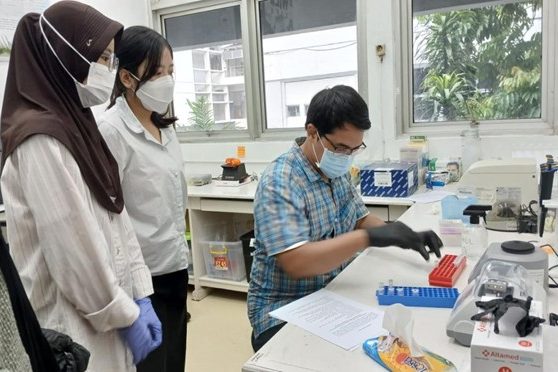
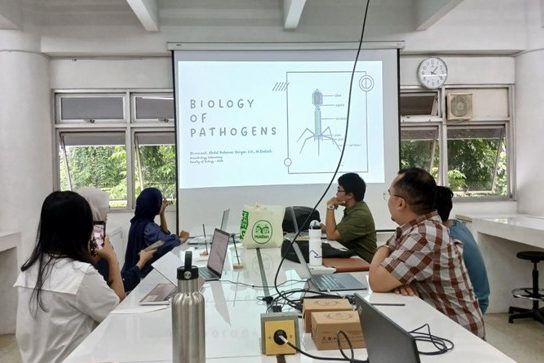
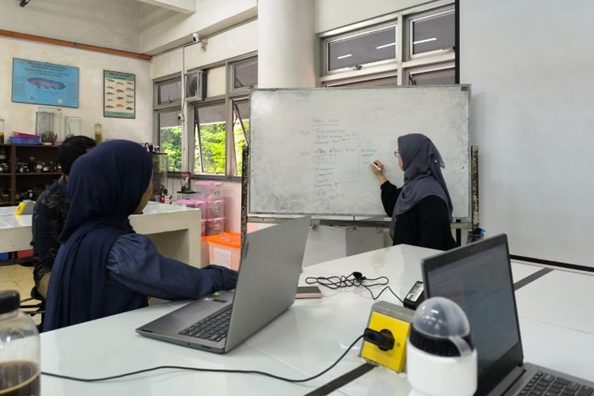
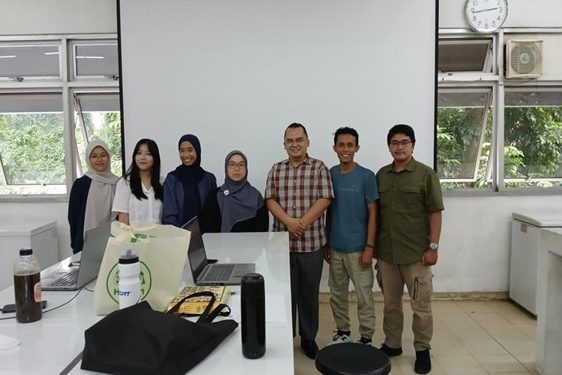
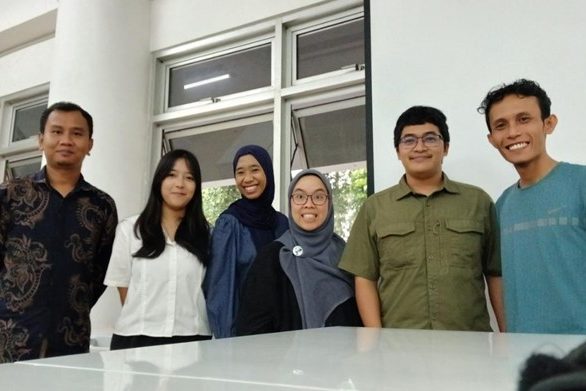
As research mentors, Dr. Dwi Sendi Priyono, accompanied by undergraduate student Adelia Ardhani (Biology class of 2023), guided participants through a comprehensive series of sessions on environmental DNA (eDNA) principles, ranging from basic concept introduction to practical field applications. The first session covered the presentation of eDNA concepts and principles, followed by practical training in sample collection and water sample filtration. On the second day, participants conducted DNA extraction from environmental samples, then performed qPCR (quantitative Polymerase Chain Reaction) for target pathogen detection. Dr. Abdul Rahman Siregar provided biological context with the topic “Biology of Pathogens: Pathogens Around Us,” connecting molecular genetics theory with pathogen biology. This collaboration was supported by Dr. Ulfah Mardhiah from WCS, who presented insights on the ESCAPE project, wildlife trade and consumption issues in North Sulawesi, and their correlation with zoonotic risks.
The workshop focused on mastering molecular genetics analysis techniques applicable to pathogen detection in environmental samples. Participants also had the opportunity to observe the operation of portable pathogen detection tools developed by the University of Kentucky as part of the ESCAPE project, which enables direct disease detection in the field. Master’s-level RFP participants from IPB, UGM, and UNSRAT demonstrated high enthusiasm in mastering these eDNA techniques for integration into their research on wildlife trade and consumption issues in North Sulawesi.
This workshop activity aligns with the achievement of several Sustainable Development Goals (SDGs), particularly SDG 4 (Quality Education) through capacity building and technical skills development for young researchers in molecular genetics and conservation research methods. The workshop also supports SDG 15 (Life on Land) by focusing on efforts to protect biodiversity, halt illegal wildlife trade, and strengthen science-based conservation research. Furthermore, the One Health approach applied in assessing zoonotic risks from wildlife trade contributes to SDG 3 (Health and Well-being) by strengthening the prevention of infectious diseases that can impact humans, animals, and the environment.
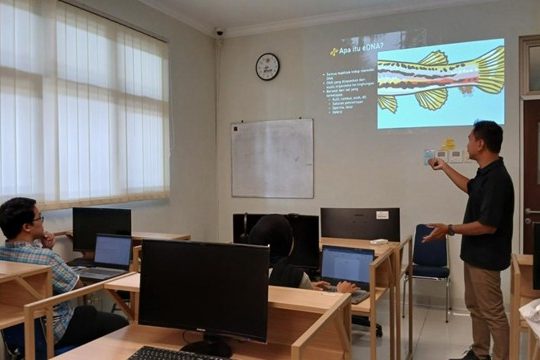
Figure 1. Introduction to eDNA concepts by Dr. Dwi Sendi Priyono
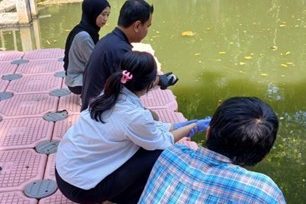
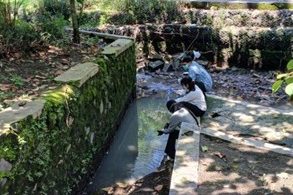
Figure 2. Practical training in field sample collection (water filtration)
Figure 3. Practical training in DNA extraction and qPCR analysis
Figure 4. Introduction to pathogen concepts by Dr. Abdul Rahman Siregar
Figure 5. RFP Master’s Project ESCAPE induction material presented by Dr. Ulfah Mardhiah