• UGM
  • Simaster Portal
  • IT Center
  • Webmail
  • KOBI
  • English
    • Bahasa Indonesia
Universitas Gadjah Mada Universitas Gadjah Mada
Faculty of Biology
  • ABOUT US
    • History
    • Organization
    • Vision and Mission
    • Lectures and Staff
      • Lecturers
      • Adjunct Professor
      • Supporting Staff
    • Facility
      • Laboratories
      • Research
      • Library
      • Museum
      • Mental Health Consultation
      • Disability
  • EDUCATION
    • Undergraduate Program
      • Graduates Learning Outcome
      • Academic Callendar
      • Course
    • IUP
    • Profession Program
      • What is the Professional Study Program in Biodiversity Curator (PKKH)?
      • Admission for New Students of the Biodiversity Curator Profession Program Study
      • Information and FAQ Study Program of Biodiversity Curator Profession
    • Master Program
      • Master Program in Biology Description
      • Curriculum Structure Master Program
    • Doctoral Program
      • Vision, Mission, Objectives, Targets, Competencies, and Learning Outcomes
      • Admission Requirement for Program Doctor in Biological Sciences
      • Admission: What Documents to be prepared?
      • Curriculum
    • Regulations
    • Accreditation & Quality Assurance
  • RESEARCH
    • Journal of Tropical Biodiversity and Biotechnology
    • Berkala Ilmiah Biology
    • Research
    • Publication
  • Community Service
    • Waste Management
  • STUDENTS & ALUMNAE
    • Student Organizations
    • Prospective Career Opportunities
    • SUMMER COURSE
    • Alumnae
  • Home
  • Cooperation
  • [PkM-MBKM] Klanceng Bee Cultivation and Harvest Processing at PKBM Ibnu Hajar Kebon Pasinaon in Sirahan, Salam, Magelang

[PkM-MBKM] Klanceng Bee Cultivation and Harvest Processing at PKBM Ibnu Hajar Kebon Pasinaon in Sirahan, Salam, Magelang

  • Cooperation
  • 2 July 2024, 15.29
  • Oleh: ichsan.risalba
  • 0
The PkM-MBKM 2024 Team from the Faculty of Biology consisting of Cinta Louisa, Rr. Liliane Gemma and Hasna Zuhaida collaborated with the MBKM 2024 Research Team from the Faculty of Biology consisting of Muna Sa’adah and Vincencio Valdy Putra Sasangka, under the guidance of Drs. Ign. Sudaryadi, M.Kes., has begun the MBKM 2024 program with the partner PKBM Ibnu Hajar Kebon Pasinaon in Sirahan, Salam, Magelang, Central Java. The themes of this activity include [1] Coordination of Planning and Strengthening, [2] Literacy Program Activities at the Community Learning Park (TBM) as a community empowerment activity center Kebon Pasinaon for monoculture and polyculture stingless Klanceng bee cultivation to strengthen the village economy and introduce environmental sustainability (monoculture and polyculture) to support the cultivation and products of Meliponiculture (Honey, Bee-pollen, Propolis).
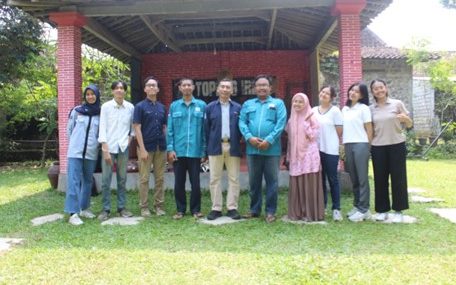
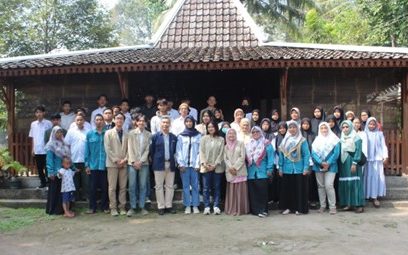
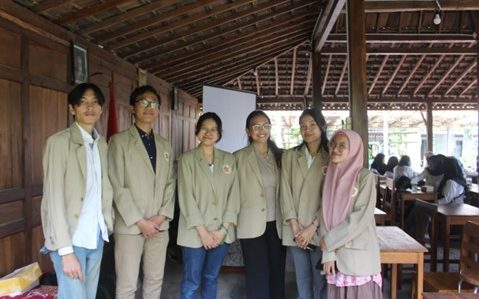
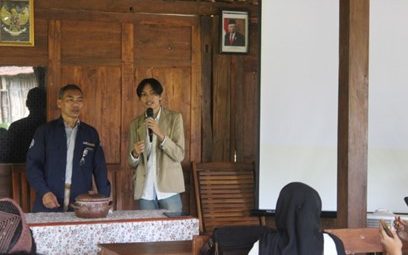
The first activity was held online via Zoom on Tuesday, January 26, 2024, with Drs. Ign. Sudaryadi, M.Kes. as the speaker. This session discussed the outputs of MBKM Research and community service, the types of bees under study (Klanceng bees), and their products. The second activity, held on Friday, February 12, 2024, focused on Klanceng bee cultivation, including Klanceng bee products introduction, sources of Klanceng bee seeds, colony transfer techniques, and the introduction of Klanceng bee cultivation sites. On Saturday, March 9, 2024, the team visited Kebon Pasinaon at PKBM Ibnu Hajar, Sirahan, Magelang, for an introductory meeting. The team was warmly welcomed by representatives of PKBM Ibnu Hajar, and discussions related to program plans followed. Further, the team explored existing potentials at PKMB Ibnu Hajar.

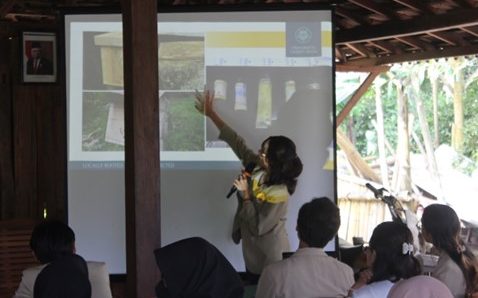
On Saturday, May 4, 2024, at the Sawitsari Research Station, a field learning was conducted with materials: 1. Splitting Klanceng bee colonies, 2. Harvesting and collecting the bee products (honey, raw propolis, and Klanceng bee pollen). Colony splitting aimed to enhance Klanceng bee cultivation processes, increasing the number of colonies and ultimately producing more products. Raw propolis is a resin bee product used as a base material for hive construction. Meanwhile, bee pollen is the pollen from flowers stored in pollen pockets by worker bees as food reserves for the bee colony. The harvesting of raw propolis and pollen is done by taking the pockets located at the base of the nest. Pollen is distinguishable by its lighter color and denser texture. Propolis is obtained by squeezing Klanceng honey and taking the remaining nest materials. This propolis, still mixed with pollen, honey, and other debris, is called raw propolis. Once the propolis, pollen, and honey collected in the necessary amounts, they are stored for future activities during partner village visits, with the agenda of Klanceng bee cultivation workshops and product harvest demos (honey and propolis) in collaboration with PKBM Ibnu Hajar Kebon Pasinaon in Sirahan Village, Salam – MGL.

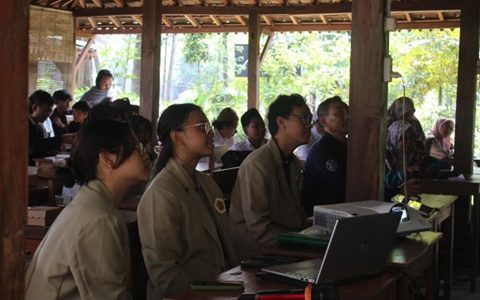
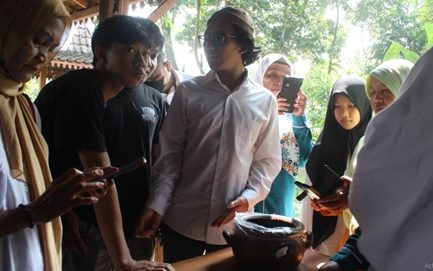
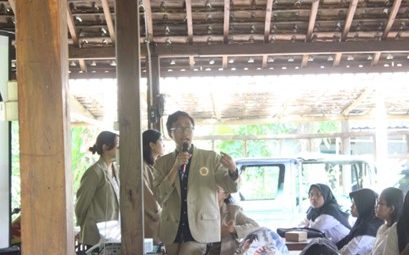
The Beekeeping and Product Harvest Demo Workshop was held on Saturday, June 15, 2024, at the Joglo Hall Kebon Pasinaon PKBM Ibnu Hajar, with an additional agenda on Maggot Cultivation following the initial discussion during the first visit, with additional support from final-year students, Rahmadhandhi, and one staff from the Entomology Laboratory, Rio Tri Rahmawati.
Tags: SDG 15 : Advance Life On Land SDG 17 : Build Partnerships for the Goals SDG 3 : Establish Good Health and Well-Being SDG 4 : Provide Quality Education SDG 5 : Gender Equality SDG 8 : Create Decent Work and Economic Growth

Accreditation

Recent Posts

  • Unveiling the Chloroplast Genome of ‘Mencir’ Strawberry to Support Breeding of Superior Indonesian Strawberries
  • Training on Organic and Inorganic Waste Processing in Tegalrejo: A Collaboration between the Faculty of Biology UGM and Pertamina Patra Niaga AFT Adi Sumarmo under the TEH SEKAR Program
  • Faculty of Biology UGM Strengthens International Collaboration with University of Brunei Darussalam, Supported by the Indonesian Embassy in Brunei Darussalam
  • Preserving Indonesia’s Spice Heritage: INUCoST Team of the Faculty of Biology UGM Holds Herbarium-Making Workshop with Leiden Experts and Industry Practitioners
  • From Village to Village: Optimizing Superior Local Chicken and Catfish Seedlings in Tegalrejo Hamlet, Ngresep Village, Boyolali Regency
Universitas Gadjah Mada

UNIVERSITAS GADJAH MADA

FACULTY OF BIOLOGY
Teknika Selatan Street, Sekip Utara,
Yogyakarta 55281
biologi-ugm@ugm.ac.id
Phone/Fax: +62 (274) 580839

About us

  • History
  • Organization
  • Vision and Mission
  • Staff

Student Affairs

  • Student Service
  • Student Organization
  • Submission for Practical Field Work
  • Permission Field Research
  • Permission Thesis/Disertation

academic

  • Academic Regulations
  • Academic Anonncement

Accreditation

  • Image 1
  • Image 2
  • Image 3

© 2024 FACULTY OF BIOLOGY UNIVERSITAS GADJAH MADA

KEBIJAKAN PRIVASI/PRIVACY POLICY

[EN] We use cookies to help our viewer get the best experience on our website. -- [ID] Kami menggunakan cookie untuk membantu pengunjung kami mendapatkan pengalaman terbaik di situs web kami.I Agree / Saya Setuju