• UGM
  • Simaster Portal
  • IT Center
  • Webmail
  • KOBI
  • English
    • Bahasa Indonesia
Universitas Gadjah Mada Universitas Gadjah Mada
Faculty of Biology
  • ABOUT US
    • History
    • Organization
    • Vision and Mission
    • Lectures and Staff
      • Lecturers
      • Adjunct Professor
      • Supporting Staff
    • Facility
      • Laboratories
      • Research
      • Library
      • Museum
      • Mental Health Consultation
      • Disability
  • EDUCATION
    • Undergraduate Program
      • Graduates Learning Outcome
      • Academic Callendar
      • Course
    • IUP
    • Profession Program
      • What is the Professional Study Program in Biodiversity Curator (PKKH)?
      • Admission for New Students of the Biodiversity Curator Profession Program Study
      • Information and FAQ Study Program of Biodiversity Curator Profession
    • Master Program
      • Master Program in Biology Description
      • Curriculum Structure Master Program
    • Doctoral Program
      • Vision, Mission, Objectives, Targets, Competencies, and Learning Outcomes
      • Admission Requirement for Program Doctor in Biological Sciences
      • Admission: What Documents to be prepared?
      • Curriculum
    • Regulations
    • Accreditation & Quality Assurance
  • RESEARCH
    • Journal of Tropical Biodiversity and Biotechnology
    • Berkala Ilmiah Biology
    • Research
    • Publication
  • Community Service
    • Waste Management
  • STUDENTS & ALUMNAE
    • Student Organizations
    • Prospective Career Opportunities
    • SUMMER COURSE
    • Alumnae
  • Home
  • SDG 5 : Gender Equality
  • SDG 5 : Gender Equality
Arsip:

SDG 5 : Gender Equality

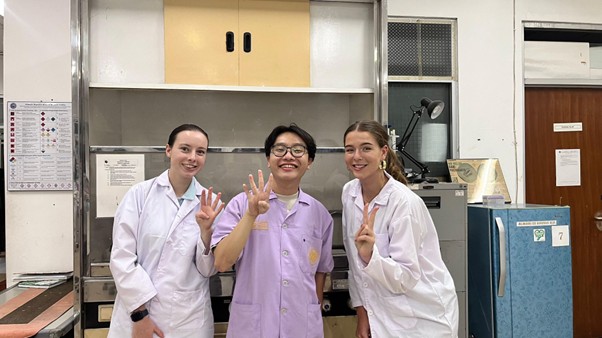
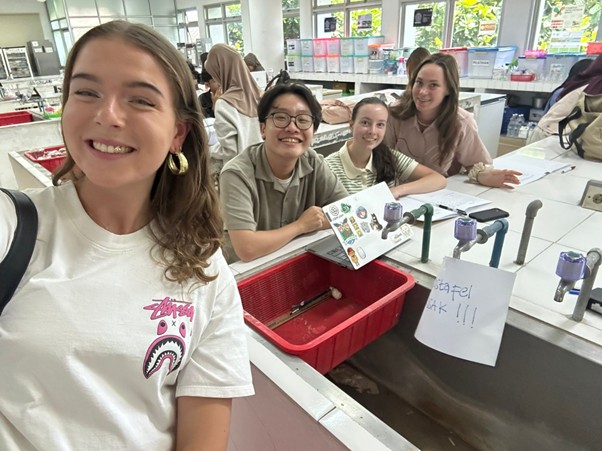
Esther de Groot’s “Cosy” Exchange at UGM

News ReleaseStudent Activities Thursday, 18 December 2025

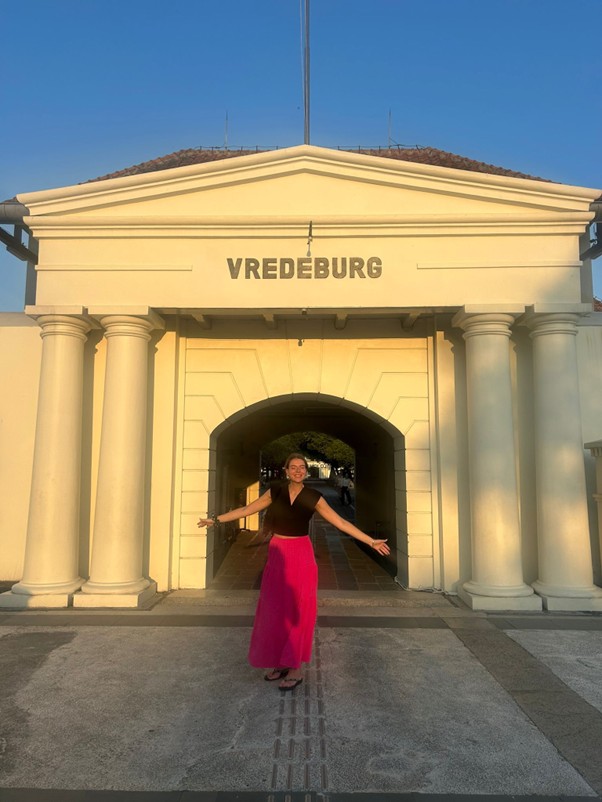
For Esther de Groot, a Health & Life Sciences student from Vrije Universiteit Amsterdam, exchange was an opportunity to step far outside her comfort zone. Seeking a complete contrast to her life in the Netherlands, she chose the Faculty of Biology at UGM for its high reputation and the chance to immerse herself in Indonesia’s unique culture and nature.

A Fresh Academic Atmosphere

Back in Amsterdam, Esther’s studies focused primarily on human biology. At UGM, she challenged herself by diving into marine, plant, and animal biology. While different from her usual track, she found the experience rewarding, especially within the faculty’s “cosy” and welcoming environment.

“I really liked the atmosphere at the faculty. It isn’t too big and it felt like everyone knows each other,” she noted. She particularly enjoyed Environmental Pollution & Toxicology due to the engaging discussions, as well as Genetics, where the intense Thursday afternoon practicals became a highlight. “I did many practical things I had never done before, and it was so much fun with the other students.”

Embracing the “Bule” Cheer and Local Kindness

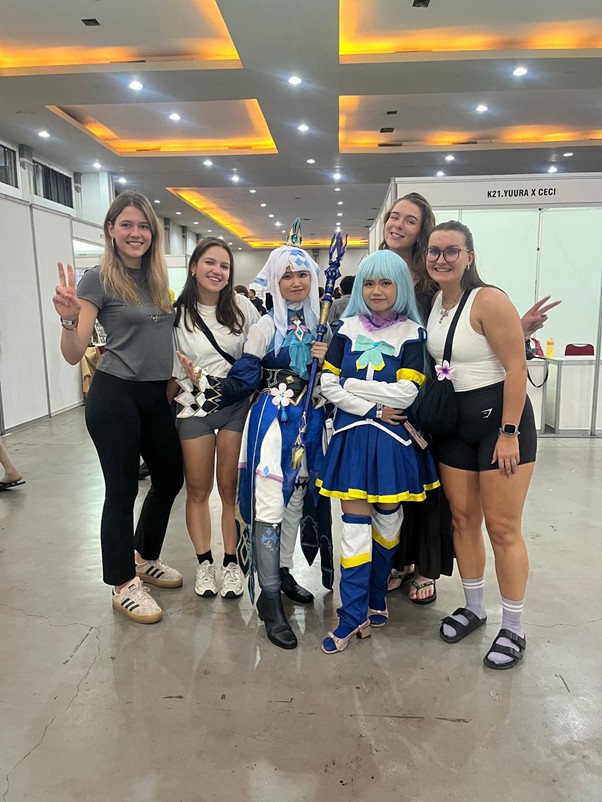
Esther’s journey was filled with unexpected moments, but one stands out as “only in Yogyakarta.” After accidentally wandering into a Comic-Con event, she and a friend found themselves playing a ‘LARP’ game. When they won, thousands of people cheered them on, chanting “Bule! Bule!”. This welcoming spirit, she says, is something that would never happen in the Netherlands.

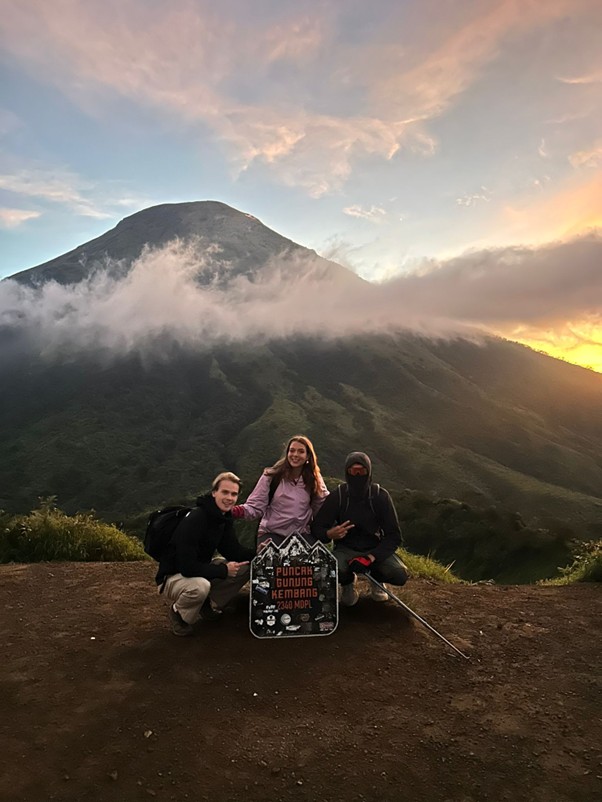
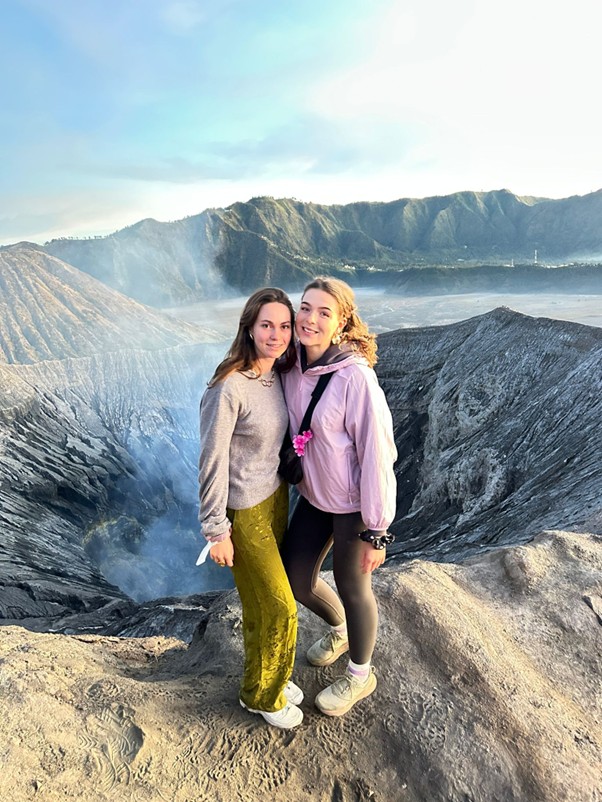
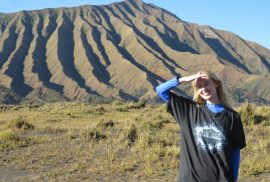
Beyond the city, Esther’s favorite memory was a sleepless weekend tour of East Java. Witnessing the blue fire of Mount Ijen, the craters of Bromo, and the Tumpak Sewu waterfall with a newly formed group of friends remains one of the most special moments of her life.

Advice for the Next Exchange Students

Initially overwhelmed by the “chaotic” traffic and the different pace of life, Esther grew to appreciate the positive mindset of the people she met. Her biggest piece of advice for future students is to befriend local students early on.

“The most funny, interesting, and unexpected memories were mostly made with the Indonesian students. It is such a nice way to learn about the culture and there is always so much to talk about.”

Esther summarizes her time at UGM as Educational, Fun, and Cosy—a journey where she felt truly welcome from day one.

Cinta, Beautiful, Special: Hilde Aris’s Heartwarming Journey at UGM Biology

News ReleaseStudent Activities Thursday, 18 December 2025

For Hilde Aris, a Clinical Sciences student from Vrije Universiteit Amsterdam, Indonesia was more than just an exchange destination—it was a journey of curiosity. Drawn by the country’s diverse culture and nature, she chose UGM and Yogyakarta, a city renowned for its vibrant student life.

A Hands-on Academic Shift

Back in the Netherlands, Hilde’s studies were deeply rooted in human biology. At the UGM Faculty of Biology, her perspective shifted toward nature and biodiversity. She found the “field-based learning” approach particularly refreshing, involving lessons outside the classroom and practical sessions on real-world issues.

Her favorite course, Environmental Pollution and Toxicology, allowed her to compare environmental challenges between the Netherlands and Indonesia. Beyond the curriculum, she appreciated the small, personal class sizes: “It encouraged active participation. I really liked this and enjoyed the classes more because of it.”

Connection Beyond the Classroom

Hilde’s experience was defined by the warmth of the people she met. One of her most cherished memories happened early on when she went to play badminton. She was invited to play by a local couple, Ana and Vino, and they ended up playing together almost every week followed by dinner. “They felt like parental figures to me during my time in Yogyakarta,” Hilde shares.

Another “only in Indonesia” moment that left a lasting impression was the Lustrum Bingo at the faculty, which turned into a massive karaoke session with both students and teachers singing “Aku Cinta Jogja.” Whether it was playing for the UGM hockey team at Pancasila Stadium or joining a neighborhood celebration for Independence Day, Hilde felt an inclusive atmosphere everywhere she went.

Advice for Future Students: “DO DO DO IT”

Hilde’s advice for those considering UGM is simple: put Indonesia at the top of your list. While exchange friends are great, she emphasizes the importance of connecting with locals.

“Really invest time in meeting local people: Indonesian classmates or even people you meet on the street. Everyone is incredibly friendly and wants to share their stories.”

Hilde describes her six months at UGM as “Cinta, Beautiful, and Special.” It wasn’t just an academic semester; it was, as she calls it, the best six months of her life.


Passion, Relax, and Enjoyment: Zuzanna Kliwicka’s Biodiversity Adventure at UGM Biology

News ReleaseStudent Activities Thursday, 18 December 2025

For Zuzanna, a third-year Biomedical Sciences student from Vrije Universiteit Amsterdam, there was no better classroom than the Indonesian archipelago. Driven by a deep love for nature, she chose UGM not only for its prestige as Indonesia’s top university but also for its rich research environment and the country’s status as a global biodiversity hotspot.

Hands-On Learning in Nature’s Backyard

Zuzanna’s academic experience at the Faculty of Biology was defined by inspiration and direct interaction. She was particularly impressed by the professors’ knowledge and their ability to inspire students through their research. Unlike the large-scale lectures in the Netherlands, she found the smaller classes at UGM allowed for a much more individual and personal approach.

Her favorite memories, however, were made outside the classroom during field trips.

“I loved the Marine Ecology field trips to the mangrove forest and the beach. It provided us with hands-on experience in ecological research and we could see directly Indonesian biodiversity hotspots so close to Jogja!”

These trips weren’t just about data; they helped her understand the urgent need for conservation and the practical ways to preserve the environment.

Discovering the “Only in Indonesia” Magic

Though her first impression of Yogyakarta was “chaotic”—especially while learning to navigate the crazy traffic on a scooter—she quickly found beauty in the local culture. She grew to love the vibrant atmosphere of the campus canteen, the beautiful batik worn by her professors, and the kindness of strangers who were always ready to help.

One of her most cherished cultural memories happened in Kalimantan. While searching for dinner, she and her friends were invited to a traditional wedding pre-celebration. They witnessed the couple being bathed in water with flower petals as a blessing from their family—a rare and intimate glimpse into local traditions. For Zuzanna, seeing endemic species like orangutans, proboscis monkeys, and sun bears in the wild was a dream come true that she describes as “quite literally—only in Indonesia!”

A Heartfelt Advice: “Just Do It!”

Zuzanna will deeply miss her daily life in Yogyakarta: the 7 AM bike rides to class with Mount Merapi looming in the distance, the taste of fantastic gado-gado for lunch, and the bustle of local markets.

Her advice to future international students is simple and bold: “Just do it! It will be the most incredible adventure of your life.”

Zuzanna describes her UGM journey through three words: Passion, Relax, and Enjoyment. It was a semester that fueled her scientific curiosity while allowing her to enjoy the beautiful pace of Indonesian life.

Chaotic, Transforming, Unforgettable: Adéla Straková’s Student Exchange Activity at UGM

News ReleaseStudent Activities Thursday, 18 December 2025

The Faculty of Biology at Gadjah Mada University (UGM) recently hosted Adéla Straková, an undergraduate student in Biomedical Sciences from Vrije Universiteit in Amsterdam, Netherlands. Adéla chose UGM as her first choice for an exchange, driven by the desire for a completely different cultural experience on the other side of the world, coupled with UGM’s good reputation and the promise of Indonesia’s amazing nature and people.

Navigating a New Academic Structure

Adéla described her overall academic experience at the Faculty of Biology as “very positive,” though she noted that some differences required adjustment. She cited the mandatory attendance in lectures and the initial challenges in scheduling subjects as practices new to her, accustomed to the standards of her home university.

She also mentioned that classes were often rescheduled or cancelled at the last minute, making the semester feel “a little bit rocky” at first. However, she emphasized that the faculty did their best to accommodate the exchange students’ needs.

Despite these adjustments, Adéla found significant value in her coursework, particularly enjoying classes that allowed for debate and sharing perspectives.

“I think I most enjoyed the classes where we were able to debate with others and share our points of view. I learned the most about Indonesian economical, political and ecological background through that and am very grateful for classes like Environmental Pollution and Toxicology and the students and teachers in that class!”

A Personal Approach to Learning

Adéla noticed distinct differences in the teaching style. The biggest difference was the personal approach and the close relationships formed with lecturers, contrasting sharply with the large lectures (often over a hundred students) at her home university. The significantly smaller class sizes at UGM allowed for closer relationships, debates, and listening to diverse cultural perspectives.

She noted: “Generally, I would say the focus of education here is not much on memorizing material but more debating and gaining knowledge by interactions with others.”

Another unique aspect was communicating with lecturers via WhatsApp, which, though initially strange, helped “break down some barriers” and made communication more natural and comfortable, sparking future conversations.

Embracing the “Slow Life” of Yogyakarta

Adéla’s first impression of Yogyakarta was a mix of confusion and fear, but the city quickly “grew on me like no other.” She discovered that while it might not be a typical tourist destination, living there was “one of the best experiences of my life.” Her initial impression of UGM was the sheer size of the campus, though she rarely ventured outside the Faculty of Biology area.

What left a strong cultural impression was the Indonesian ability “to just sit back and enjoy life without rushing off anywhere”—a slower pace she is still trying to embrace. She also loved the food and how much of the food culture aligns with nature.

A Powerful Lesson in Kindness

When asked about an “only in Indonesia” moment, Adéla shared a memorable incident when her scooter broke down in the middle of the street. Before she could even process what happened, “there were suddenly at least three people helping me out.”

“They quickly helped me fix the scooter and only smiled when I was thanking them. I think this kindness and helping others without expecting anything in return is what makes Indonesia so special, and more people and cultures could learn a thing or two.”

Outside the classroom, Adéla was fortunate to travel extensively, noting that every corner of Indonesia is beautiful and that the diversity—of nature, religion, and cultures—never stops amazing her.

Advice for Future Students

Adéla’s advice for future international students joining the UGM exchange program is centered on patience and interaction:

  • Take things slow, focus on the positives, and embrace the slow life culture.
  • Understand that while not everything is 100% efficient, “that doesn’t mean it is worse.”
  • Learn as much Bahasa Indonesia as you can and don’t be afraid to interact with local people, who are “the nicest and friendliest people.”
  • Always be respectful, recognizing the opportunity to witness the actual day-to-day life of the people here.

Adéla Straková summarizes her time at UGM with three words: “Chaotic, transforming, unforgettable.”

UGM Faculty of Biology Launches MBKM Program to Raise Awareness and Independence in Inorganic Waste Management

Community Service Saturday, 1 November 2025

Yogyakarta, October 23, 2025 – The Faculty of Biology at Gadjah Mada University (UGM) held a community service program as part of the Merdeka Belajar Kampus Merdeka (MBKM) initiative with the theme “Inorganic Waste Management.” This initiative aims to enhance public understanding of the negative impacts of inorganic waste and the importance of independent and sustainable waste management to support SDGs 11 (Sustainable Cities), 12 (Responsible Consumption and Production), and 13 (Climate Action).


The Piyungan Landfill, which was permanently closed on May 1, 2024, due to exceeding its capacity, is one example of the waste management issues in Yogyakarta and its surrounding areas. Before its closure, this landfill received around 742 tons of waste per day, far exceeding its ideal capacity of only 650 tons per day. As a result, waste piled up in depots and on roads, creating environmental and public health problems.

In facing this waste emergency, the community is expected to play an active role in waste management at the household and neighborhood levels. The PkM-MBKM team from the Faculty of Biology, consisting of Anissah Qurrotu Aini, Alma Puska Falasyifa, and Hafifah Nur Ainiyah, guided by Mrs. Novita Yustinadiar, S.Si., M.Si., provided education and practical skills to the community in waste management, so that they can reduce their dependence on landfills and manage waste independently.

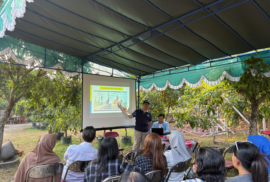
This community service program was attended by women members of the GEMI Cooperative in Grojokan Hamlet, Witokerto, Bangungapan, Bantul. The activity began with an educational session on the types of inorganic waste, mistakes in managing inorganic waste, and its impact on health and the environment. One of the topics discussed was microplastics, small particles that originate from plastic waste and can pollute the environment and enter the food chain.
The community also participated in practical training on making sofa cushions from plastic waste and flower decorations from used plastic bottles. This activity aimed to show that inorganic waste can be recycled into useful and potentially economically valuable products, while educating the community about the principles of Reduce, Reuse, Recycle (3R).

As part of efforts to improve air quality, participants also received plants that absorb air pollution. These plants are expected to help reduce the negative impact of air pollution, including that caused by the improper burning of waste.

Through this program, the Faculty of Biology at UGM hopes to encourage changes in community behavior in waste management, thereby creating a cleaner, healthier, and more sustainable environment.

UGM Double Degree Doctoral Student from Faculty of Biology Wins Poster Prize at the 77th Annual Conference of the German Society for Hygiene and Microbiology (DGHM) 2025

AchivementsNews Release Friday, 26 September 2025

Yogyakarta/Jena – September 2025

Tiara Putri, a double-degree doctoral student from the Faculty of Biology, Universitas Gadjah Mada, in collaboration with the University of Greifswald, Germany, has been awarded one of the Poster Prizes at the 77th Annual Conference of the German Society for Hygiene and Microbiology (Deutsche Gesellschaft für Hygiene und Mikrobiologie, DGHM), held this year in Jena, Germany.


The DGHM conference is one of the most renowned microbiology meetings in Europe, attracting hundreds of researchers and clinicians working in the fields of infectious diseases, microbiology, and immunology. Winning this prize underscores the high quality of UGM’s international research collaborations and the contributions of its students to global scientific advancement.
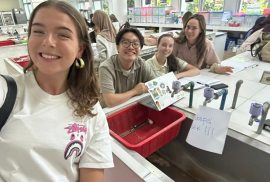
Out of 188 poster presenters from various countries, including Germany, South Africa, Bulgaria, and Algeria, only five participants were selected for the award — with Tiara being among this distinguished group of winners.

The awarded poster, titled “Impact of pneumolysin, hydrogen peroxide, and Streptococcus pneumoniae strains on blood–CSF barrier integrity in a human choroid plexus co-culture model,” presents novel insights into the mechanisms by which Streptococcus pneumoniae, a major human pathogen, compromises the integrity of the blood–cerebrospinal fluid barrier. The study contributes to a better understanding of bacterial meningitis pathogenesis, with potential implications for future therapeutic strategies.

“This recognition is not only a personal honor but also a reflection of the strong academic collaboration between UGM and the University of Greifswald,” Tiara said.

Tiara also shared that the conference was especially meaningful for her because the organizers provided a free childcare facility throughout the three-day conference. Children of participants were cared for by a professional Tagesmutter (childminder), allowing parents to attend the scientific sessions with peace of mind. “I truly appreciated this family-friendly facility that understands the needs of researchers who are also parents. It was very helpful for me, especially since I live in Germany alone with my children and could not leave them at home,” she added.

This achievement shows how strong academic support, combined with a family-friendly conference environment, can truly help researchers (especially those who are also parents of young children) to thrive and gain recognition internationally.
From Zimbabwe to Yogyakarta: Ruru’s First Steps Toward a Master’s Degree in Biology at UGM

News Release Thursday, 14 August 2025

When Ruvarashe Rambwawasvika—known to friends as “Ruru”—arrived in Yogyakarta at the end of October last year, she carried with her not only a suitcase but also a wealth of experience and a clear vision for the future. The 26-year-old master’s student from Zimbabwe is now charting her academic path at Universitas Gadjah Mada (UGM), supported by the prestigious Kemitraan Negara Berkembang (KNB) scholarship.
A Strong Scientific Foundation

Ruru earned her Bachelor’s degree in Biological Sciences from the University of Zimbabwe, later serving as a Biosafety Officer at the National Biotechnology Authority of Zimbabwe for nearly two years. This role deepened her commitment to safeguarding public health and reinforced her desire to specialize further.
The KNB scholarship offered her both tuition and living support, along with a mandatory period of Indonesian language and cultural immersion. Before beginning her master’s program, she participated in orientation sessions organized by the Faculty of Cultural Sciences, which paired her with Indonesian speakers to help navigate daily life—from shopping to understanding everyday terms.

Choosing UGM

Ruru’s decision to study at UGM was shaped by both research and recommendation. “I considered other Indonesian universities through friends and social media,” she recalls, “but UGM’s strong biology department stood out.” Encouragement from peers about Indonesia’s peaceful atmosphere and supportive academic environment helped seal her decision.

Adapting to a New Environment

Moving from a country with four distinct seasons to Indonesia’s warm, tropical climate required some adjustment, but Ruru has embraced the change. She praises the kindness of the local community and the willingness of people to help.
Language posed its own challenges—lectures are largely in Bahasa Indonesia—but her professors have been flexible, allowing her to complete assignments and exams in English. The gradual pace of language instruction has also eased the transition.

Daily Life and Culinary Discoveries

Food has been both a comfort and an adventure. Back home, maize-based fufu (sadza) is a staple, and while sourcing white maize in Yogyakarta is expensive and infrequent, she occasionally receives supplies through contacts in Malang. She enjoys cooking with her Malawian roommate but also appreciates campus lunches and Indonesian dishes like nasi goreng. While the sweeter flavor profile was unfamiliar at first, she has grown fond of it over time.

Passion for Parasitology

Ruru’s academic interests lie in parasitology with a biomedical focus. Her undergraduate research examined the prevalence of Babesia canis and Ehrlichia canis, two canine blood parasites. She has observed that, compared to the focus on viruses, bacteria, and fungi, parasitology—especially related to blood and waterborne parasites—remains underexplored.
Over the next two years, she aims to sharpen her skills in biochemistry and molecular laboratory methods, using Indonesia’s biodiversity as a comparative research context with Zimbabwe. She appreciates UGM’s access to parasitology experts, sequencing facilities, and visiting professors from countries like Japan, China, or European countries, which could open pathways for her eventual PhD.

Wellbeing and Community

Like many international students, Ruru faced moments of homesickness, but strong community support and a steady daily routine helped her settle in. Her best memories so far are of inclusivity and the consistent support she has received from both peers and faculty.

Looking Ahead

After completing her master’s degree, Ruru plans to return to Zimbabwe to work as a researcher and lecturer—ideally at her alma mater. She hopes to contribute to her department’s growth, advance environmental management practices, and collaborate with organizations like the Environmental Management Agency of Zimbabwe.
Her journey is a testament to the power of academic exchange, cultural adaptability, and a clear sense of purpose. As she navigates the laboratories and lecture halls of UGM, Ruru is not only building her own future but also paving the way for stronger scientific collaboration between Zimbabwe and Indonesia.>

Tracing 9th Century Fauna in Prambanan Reliefs, Biology Students Support Biodiversity Conservation (SDG 15)

News ReleaseStudent Activities Wednesday, 30 July 2025

SLEMAN, YOGYAKARTA – JULY 29, 2025 – In an innovative learning initiative, a group of students (Awanda Nurvi Adifa (22/497410/BI/11018), Nisrina Nibros Hasibuan (22/498667/BI/11048), and Safina Suci Samara (22/498711/BI/11049)) from the UGM Faculty of Biology has conducted a field study at the Prambanan Temple complex. The activity, part of the Research scheme of the Merdeka Belajar Kampus Merdeka (MBKM) program, focuses on identifying and analyzing the diverse fauna carved on the reliefs of the 9th-century temple.


The visit aims to reconstruct a picture of past biodiversity as depicted on the temple reliefs. Using the bio-iconography method, the students are meticulously documenting, identifying, and analyzing every animal relief found, from mammals and birds to reptiles and insects. The collected data will then be used to build a historical database of the fauna from that period.

This research activity not only has high academic value but also directly supports the achievement of the Sustainable Development Goals (SDGs).

Specifically, this initiative is highly relevant to SDG 15: Life on Land. By understanding the types of animals that once lived and were recorded in this cultural heritage, the students can provide historical comparative data. This data is crucial for understanding biodiversity changes over centuries, measuring the rate of species loss, and can ultimately form the basis for formulating more effective wildlife conservation strategies today.

Furthermore, this program is also a tangible implementation of SDG 4: Quality Education. The MBKM learning model, which takes students directly to the research object, provides a deep, contextual learning experience that goes beyond the classroom walls.

Zuliyati Rohmah, S.Si., M.Si., Ph.D. Eng., the supervising field lecturer, stated that Prambanan Temple is a priceless natural history laboratory. “The reliefs on the temple are not merely artistic decorations, but a visual archive of past ecosystems. Through the eyes of a biologist, these reliefs tell a story about the richness of fauna in their time. This is a bridge between biology, archaeology, and history that provides students with a holistic understanding,” she said.

One of the participating students, Awanda, expressed her enthusiasm. “This experience has opened our eyes to the fact that conservation is not just about the future, but also about learning from the past. Seeing the detailed carvings of langurs, deer, and various
birds on the stone made us wonder, are they all still around us today? This motivates us to be more concerned about wildlife preservation,” she said.

The results of this research are expected to be published in a scientific journal and become an important reference for researchers, archaeologists, and conservation activists in understanding the ancient Javanese ecological landscape.

Faculty of Biology UGM Holds Scheduled Internship in Cilacap Payau Forest to Support SDGs

News ReleaseStudent Activities Monday, 30 June 2025

Faculty of Biology Universitas Gadjah Mada (UGM) held the 2025 Scheduled Internship activity which took place on 20–22 June 2025 in the Cilacap Payau Forest area, Central Java. This activity was attended by 44 students and 17 lecturers with the main focus on introducing mangrove ecosystems, implementing collaborative research, and developing student skills in the field.


The Cilacap Payau Forest area was chosen because it is a unique transition zone between terrestrial and aquatic ecosystems with an area of ​​around 10 hectares. This mangrove forest plays a crucial role as an ecological buffer zone for the Segara Anakan area and is an ecotourism destination with collaborative management between Perum Perhutani KPH Banyumas Barat and the local Forestry and Plantation Service.

During the three-day activity, students explored the diversity of mangrove flora and fauna, collected vegetation data, surveyed wild epiphytic orchids, studied plant morphological adaptation, and analyzed the diversity of fish, crustaceans, and insects. Other activities include making herbarium, insect collection, sediment and litter sampling, and observation of lichen and honey bees. Students are also trained in the use of practical methods such as fish morphometric analysis and anatomical adaptation of mangrove leaves. In supporting field activities, the committee also provides various facilities, including a basecamp for briefings and rest, three boats that can be used for the sampling process up to the young sea, and local guides who assist in collecting field data.

“This practical work is very important as a means of real learning for students in understanding the complexity of the mangrove ecosystem and developing applicable field research skills. We also hope that this activity can encourage increased awareness of the importance of brackish water ecosystem conservation for environmental balance and the lives of the surrounding community,” said Sukirno, S.Si., M.Sc., Ph.D., one of the supervising lecturers.

In addition to supporting the process of education and academic research, this activity is also in line with the objectives of the Sustainable Development Goals (SDGs), especially in terms of aquatic ecosystem conservation (SDG 14: Life Below Water), terrestrial ecosystem preservation (SDG 15: Life on Land), and strengthening partnerships to achieve global goals (SDG 17: Partnerships for the Goals). Through active collaboration between UGM academics and local communities, this activity is expected to be able to provide a positive contribution to environmental sustainability and the socio-economic welfare of the local community. With the ongoing activity, the Faculty of Biology UGM is committed to continuing to be at the forefront in encouraging integrative education, useful research, and sustainable community service.

Training and Assistance for ‘Amanda’ Women Farmers Group in Cultivating Yard Plants

Community Service Monday, 23 June 2025

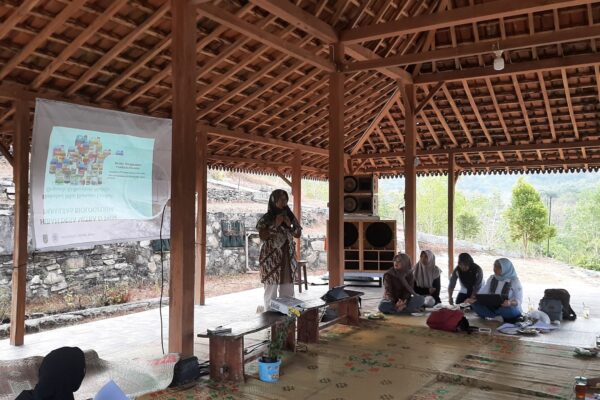
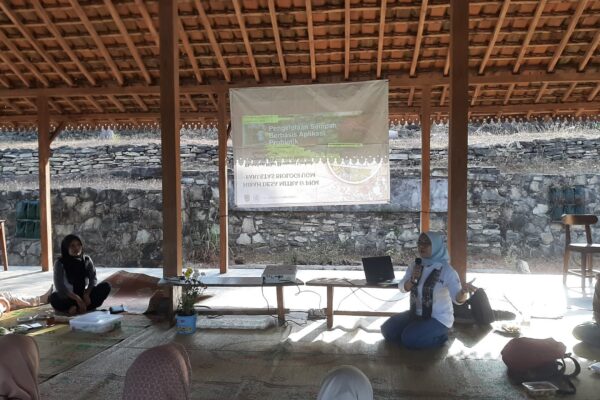
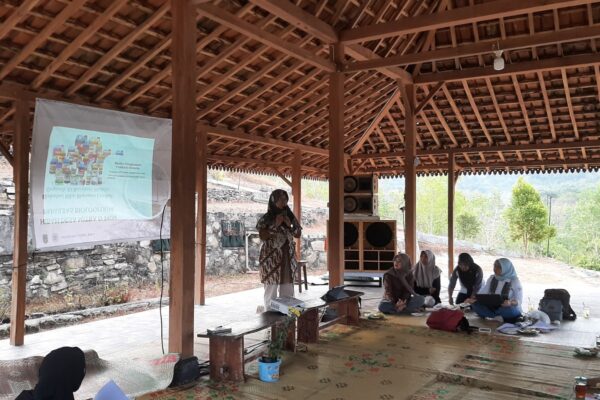
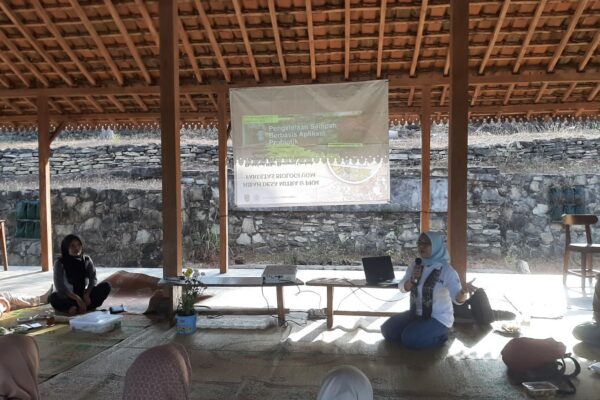
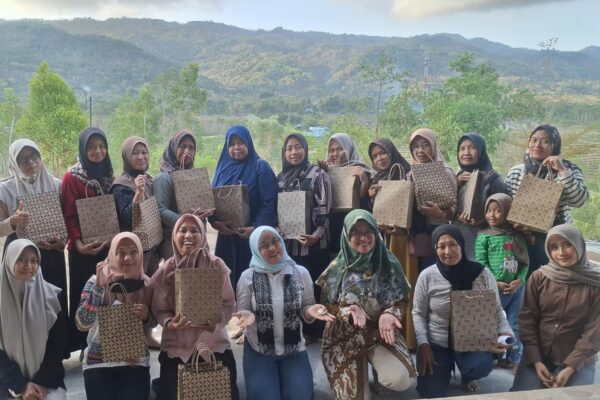
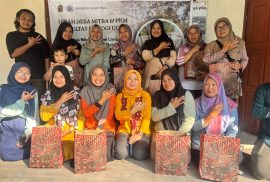
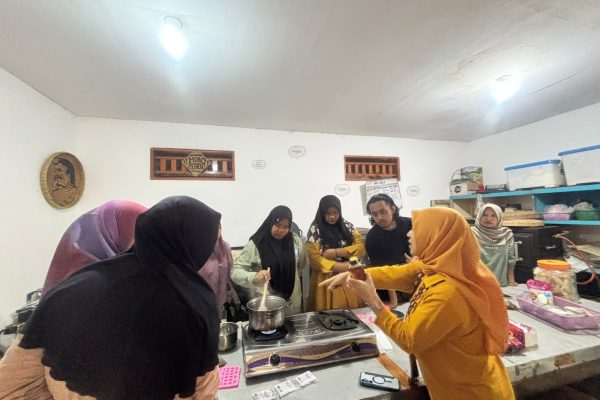
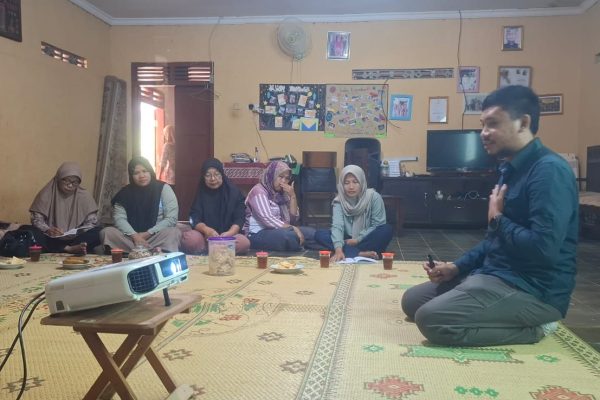
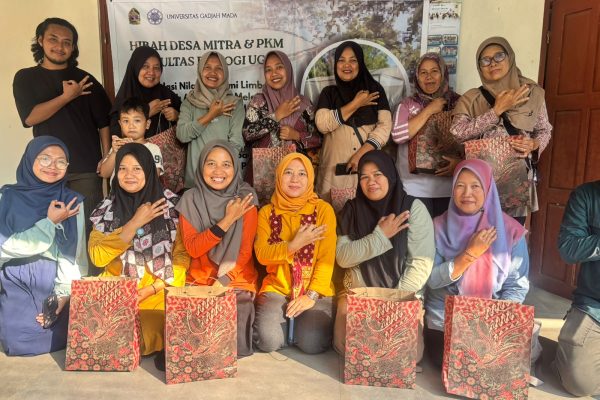
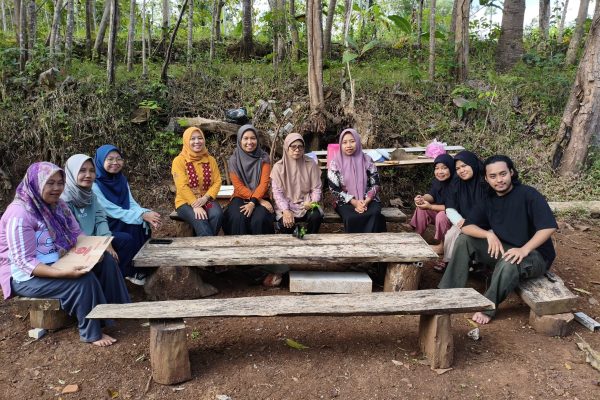
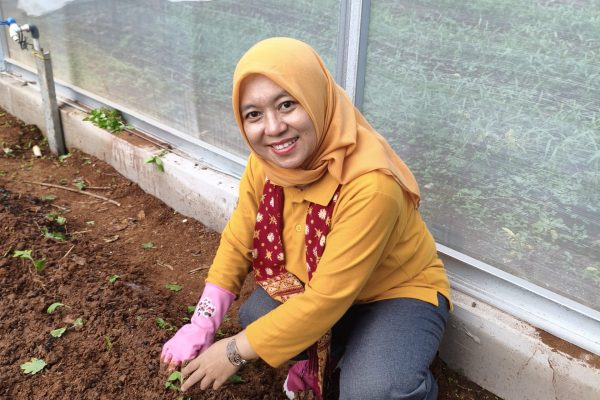
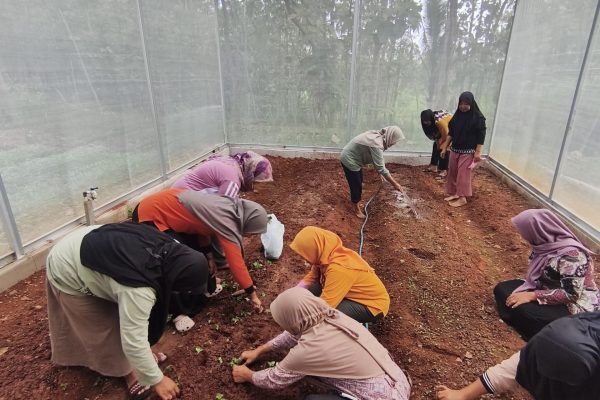
Front yard utilization for the cultivation of functional plants with market value could contribute to improve entrepreneurial independence.  In a series of 2025 PKM-MBKM activities with the Amanda Women Farmers Group as partners, training and mentoring of outdoor plants cultivation were carried out on Saturday, June 14, 2025 at Padukuhan Kepuh Wetan, Wirokerten Village, Kapanewon Banguntapan, Bantul Regency, Yogyakarta Special Region. The UGM PKM-MBKM team led by Prof. Dr. Diah Rachmawati, S.Si., M.Si. accompanied by students from the Faculty of Biology UGM class of 2022: Jovanka, Khansa Fauziah Rachman, Samantha Sonya Putri, and Dhea Amelia, delivered the materials and practices on how to germinate, transplant, and nurture rosella (Hibiscus sabdariffa L.), butterfly pea (Clitoria ternatea L.), ginger (Zingiber officinale Roscoe), and lemongrass (Cymbopogon citratus (DC.) Stapf).


Rosella, butterfly pea, ginger, and lemongrass are grown in several stages. In rosella and butterfly pea, good seeds are selected by soaking them in water and taking the sinking seeds. Seeds that sink are put into in a seedling tray with planting media and watered daily.  After the seeds germinate for approximately 1-2 weeks and the main stem is strong enough, the plants are transferred to a 25×25 poly bag containing planting media. Watering is done every day and fertilizing every 2 weeks with NPK fertilizer dissolved in water. The process of ginger cultivation is carried out by selecting ginger rhizomes that have good quality and cleaning them from the remaining soil. Gingers are put into a container containing wet cloth covered with another wet cloth. This process is carried out until the shoots appear on rhizome (approximately 2 weeks) and continued with the planting process in a 35×35 polybag containing planting media. As for lemongrass, the initial process carried out is pruning the upper leaves and soaking lemongrass in water until they grow roots. This process lasts approximately 1 week and is followed by planting lemongrass in a 35×35 polybag with planting media. Lemongrass and ginger were watered daily and fertilized once a week with NPK dissolved in water.

The activity received a very positive response from the members of the Amanda Women Farmers Group who enthusiastically followed the entire series of events, from the material delivery to hands-on practice. This enthusiasm can be seen from the many questions asked during the discussion session, as well as the liveliness of the participants when trying to perform germination and transplanting techniques independently. In addition, this activity also became a space for interaction that strengthened the relationship between the implementation team and partner communities, creating a collaborative and mutually supportive atmosphere (SDG 17). Through a participatory and applicable approach, it is hoped that this activity will not only provide new knowledge and skills, but also be able to build community independence in utilizing front yard productively by cultivating plants with high market value to improve family food security and community welfare in a sustainable manner (SDG 8).
123…10

Accreditation

Recent Posts

  • Researchers from Kangwon National University Explore Flavivirus Monitoring Strategies and Malaria Parasite Adaptation in Guest Lecture at the Faculty of Biology UGM
  • Faculty of Biology Researchers Collaborate in eDNA Workshop for Pathogen Detection in Wildlife Trade
  • UGM–ANU Double Degree Program: Pathways to Global Academic Excellence
  • Faculty of Biology UGM Engages Doctoral Students in Academic Progress Monitoring
  • UGM–UTS Strengthen Academic and Research Collaboration through “Study & Research in Australia” Sharing Session
Universitas Gadjah Mada

UNIVERSITAS GADJAH MADA

FACULTY OF BIOLOGY
Teknika Selatan Street, Sekip Utara,
Yogyakarta 55281
biologi-ugm@ugm.ac.id
Phone/Fax: +62 (274) 580839

About us

  • History
  • Organization
  • Vision and Mission
  • Staff

Student Affairs

  • Student Service
  • Student Organization
  • Submission for Practical Field Work
  • Permission Field Research
  • Permission Thesis/Disertation

academic

  • Academic Regulations
  • Academic Anonncement

Accreditation

  • Image 1
  • Image 2
  • Image 3

© 2024 FACULTY OF BIOLOGY UNIVERSITAS GADJAH MADA

KEBIJAKAN PRIVASI/PRIVACY POLICY

[EN] We use cookies to help our viewer get the best experience on our website. -- [ID] Kami menggunakan cookie untuk membantu pengunjung kami mendapatkan pengalaman terbaik di situs web kami.I Agree / Saya Setuju