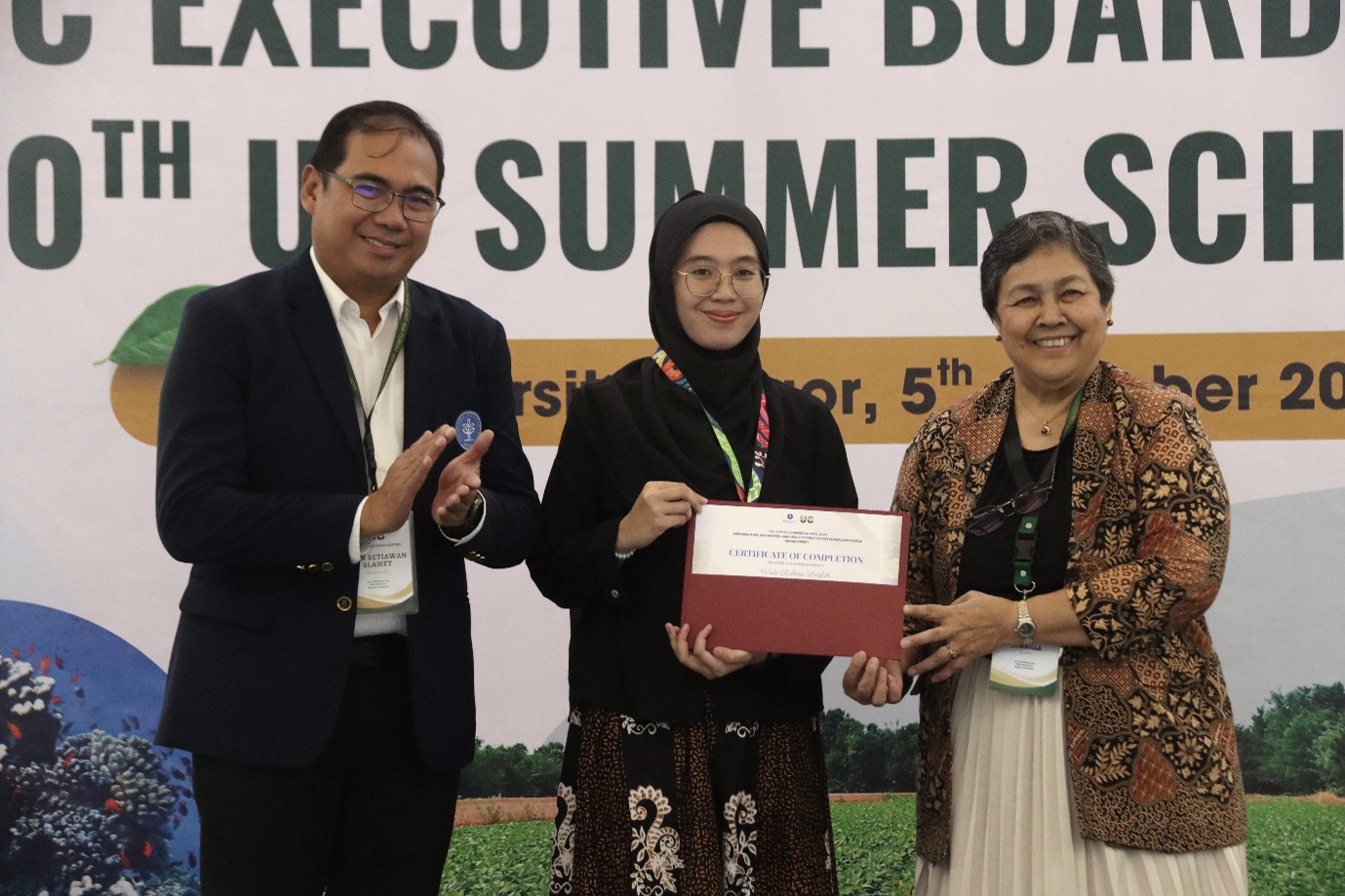
Bogor, October 6, 2026 – Vida Rahma Latifah, a master’s student in the Biology Study Program at the Faculty of Biology, Universitas Gadjah Mada (UGM), participated in the 10th University Consortium (UC) Summer School 2026, held from September 22 to October 6, 2026. This annual program is part of the University Consortium (UC), a university consortium initiated by the Southeast Asian Regional Center for Graduate Study and Research in Agriculture (SEARCA). This year, IPB University hosted the program under the theme “Agromaritime: Integrated Land–Sea Systems for Sustainable Resource Management.” The program brought together 22 participants representing 13 member institutions from Indonesia, Malaysia, the Philippines, Japan, and Taiwan.
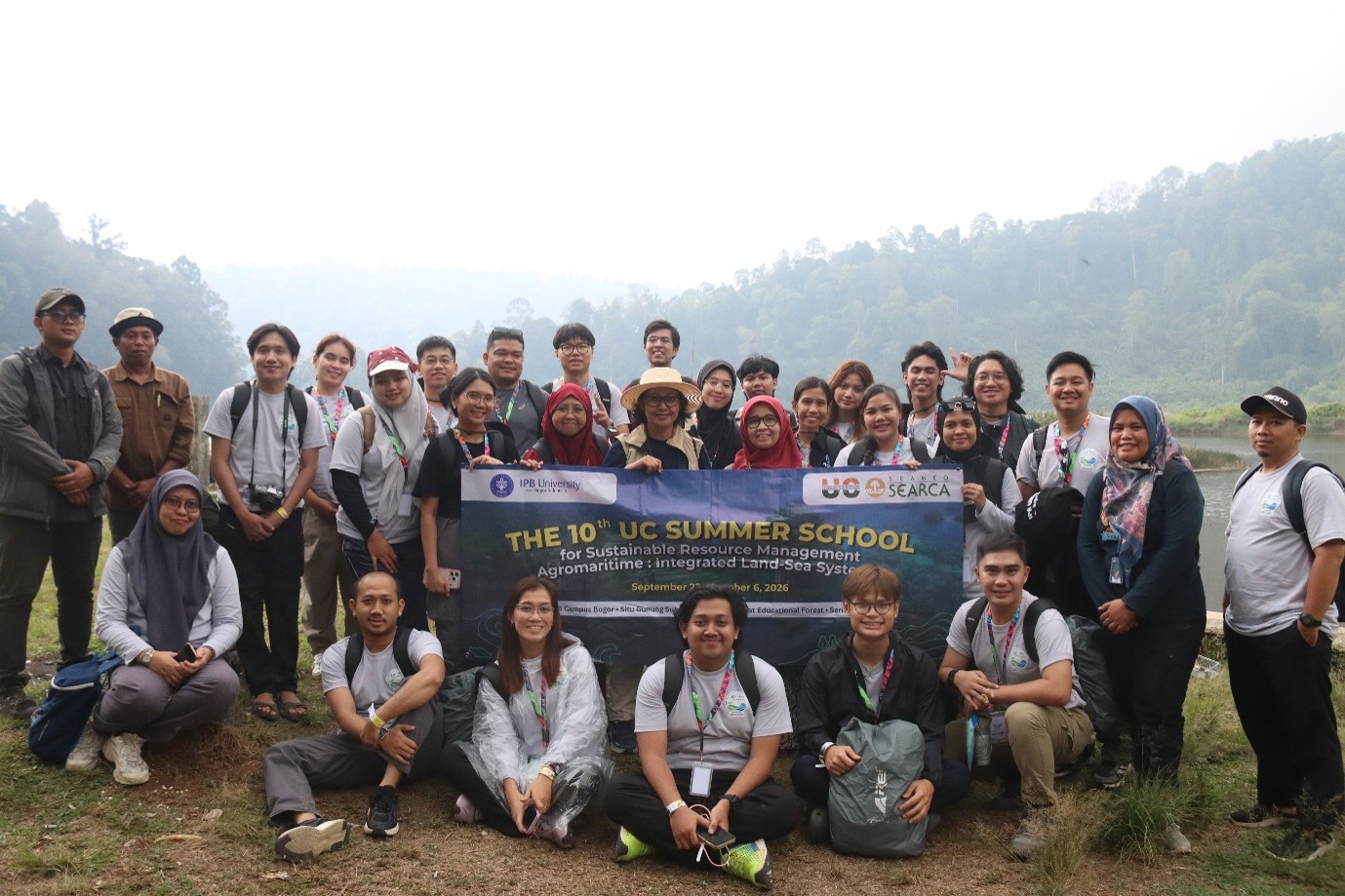
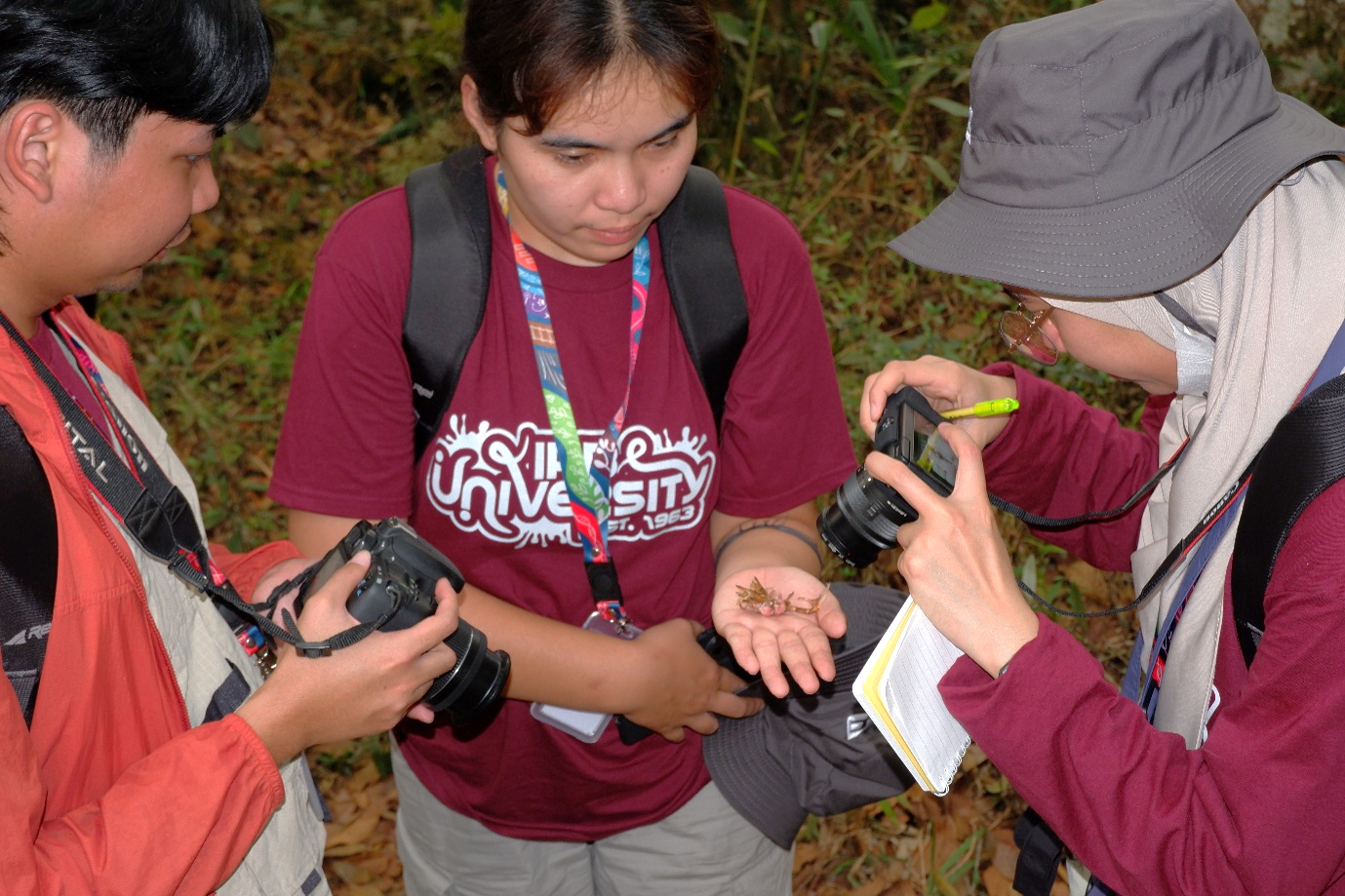
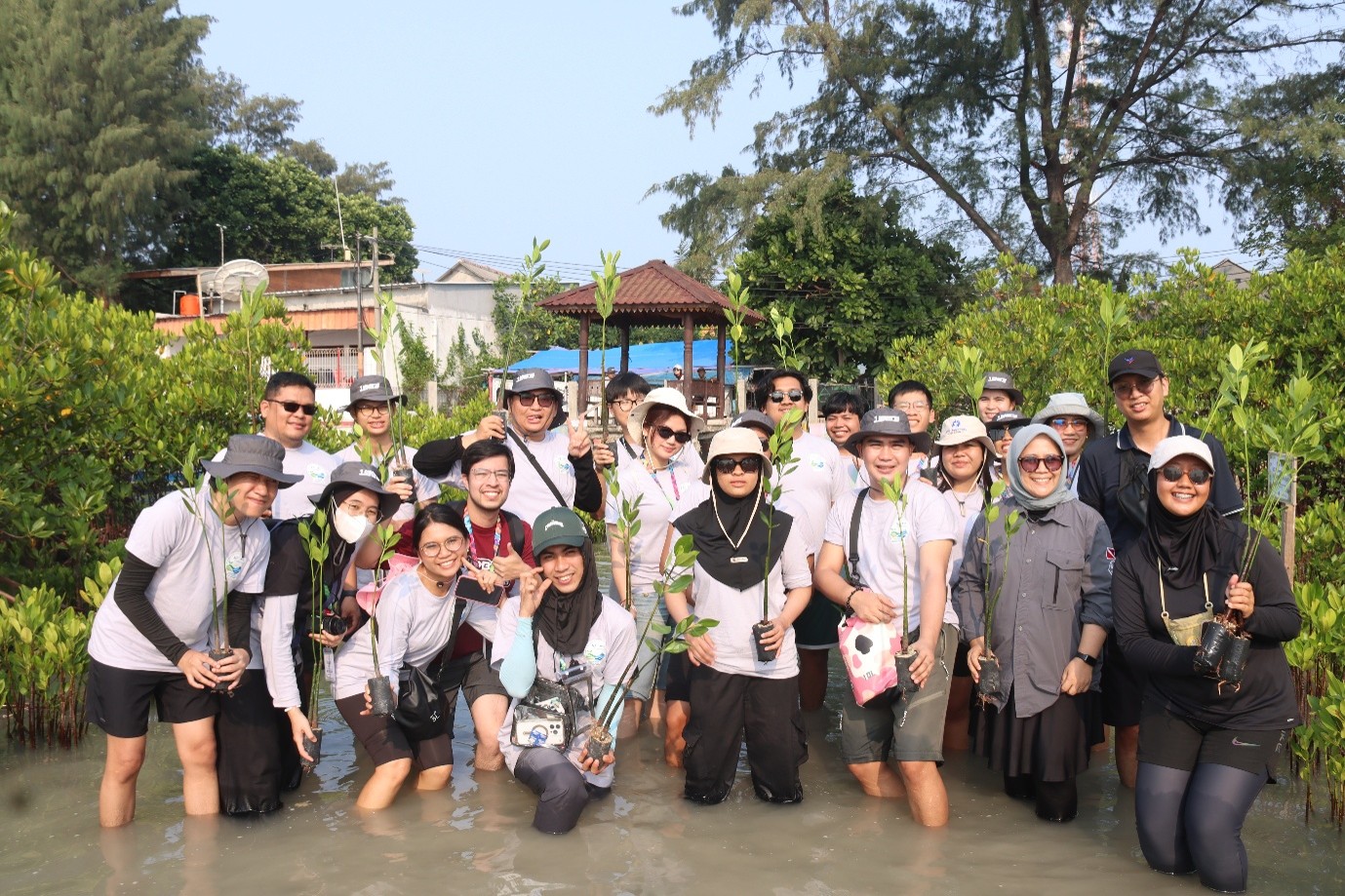
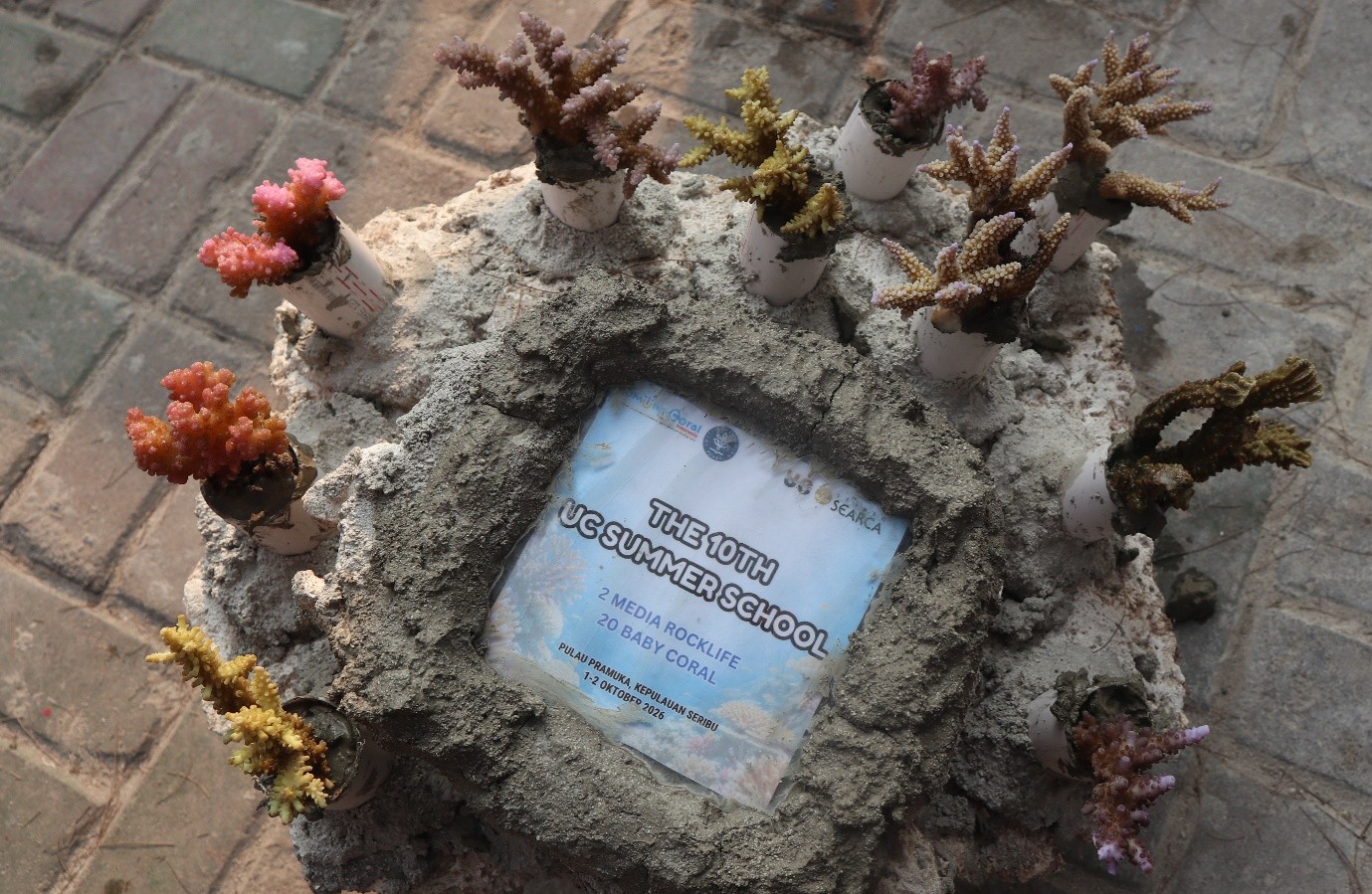
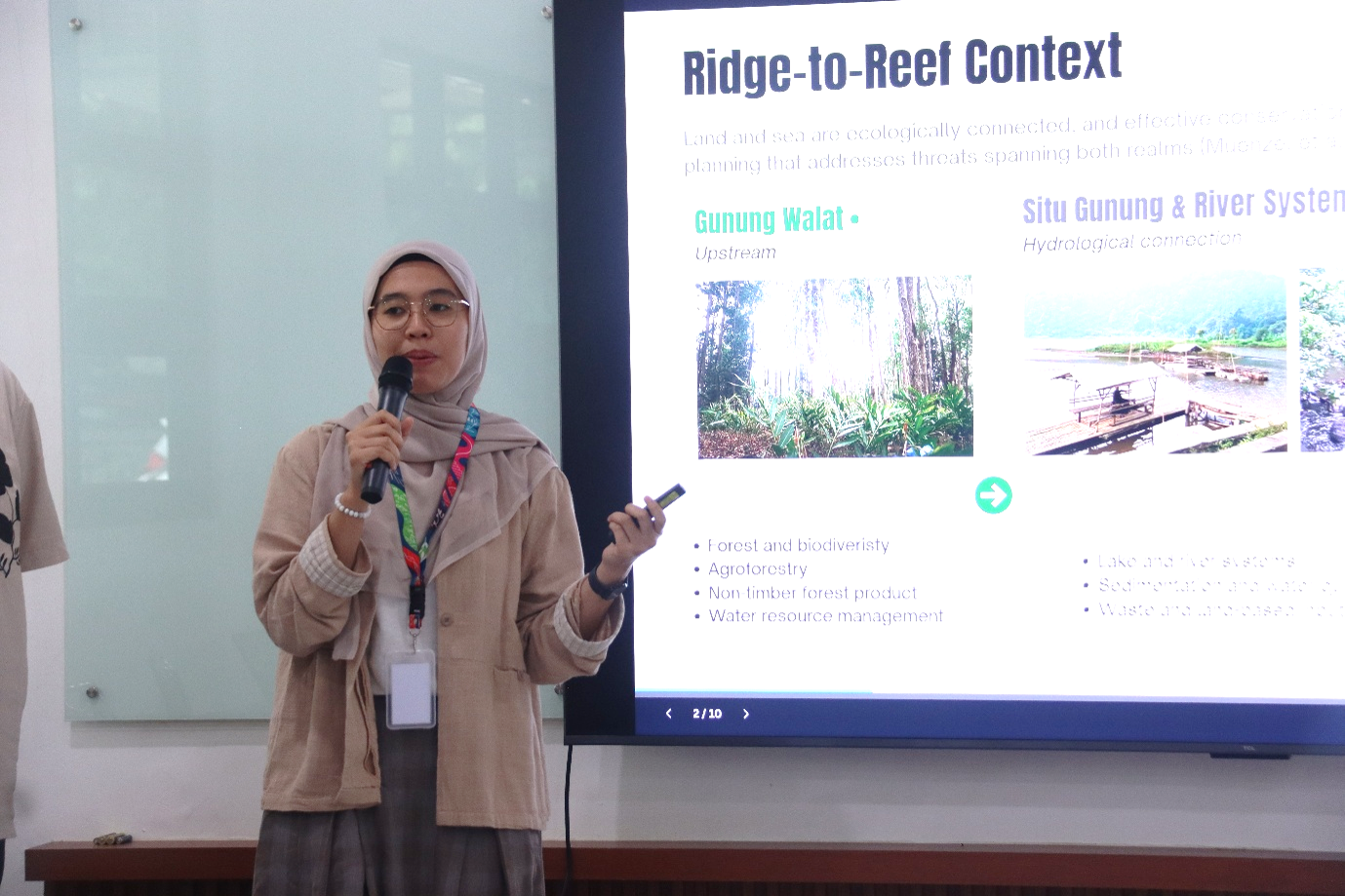
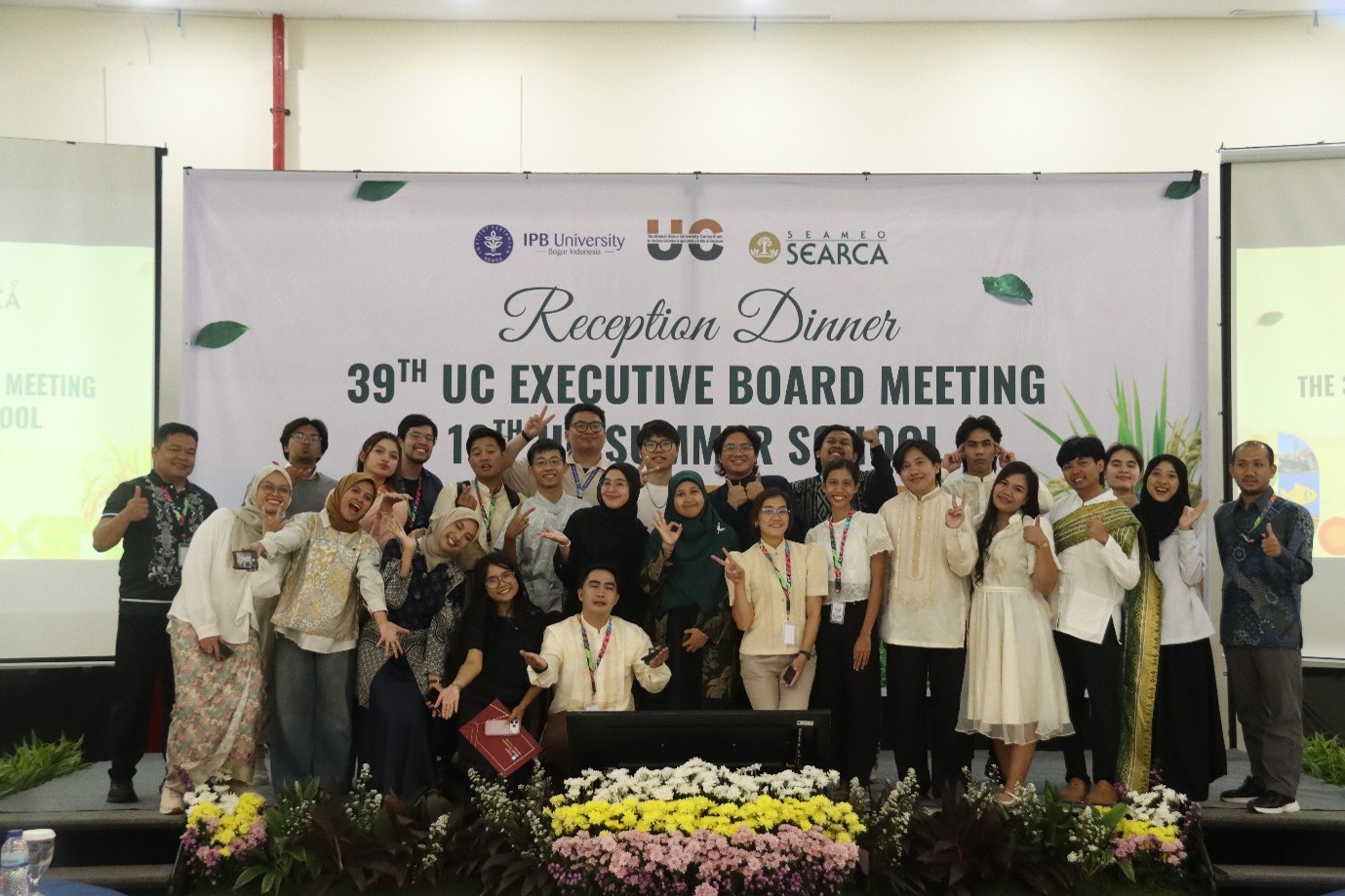
The UC Summer School is a program designed for postgraduate students to broaden their understanding of the importance of interdisciplinary approaches to addressing food and nutrition security challenges in Southeast Asia and supporting sustainable development. Through lectures and interactive discussions, participants explored the ridge-to-reef approach, a resource management perspective that considers the interconnectedness of terrestrial, freshwater, and coastal areas. The discussions also provided opportunities to exchange perspectives on resource management conditions and challenges in the participants’ respective countries.
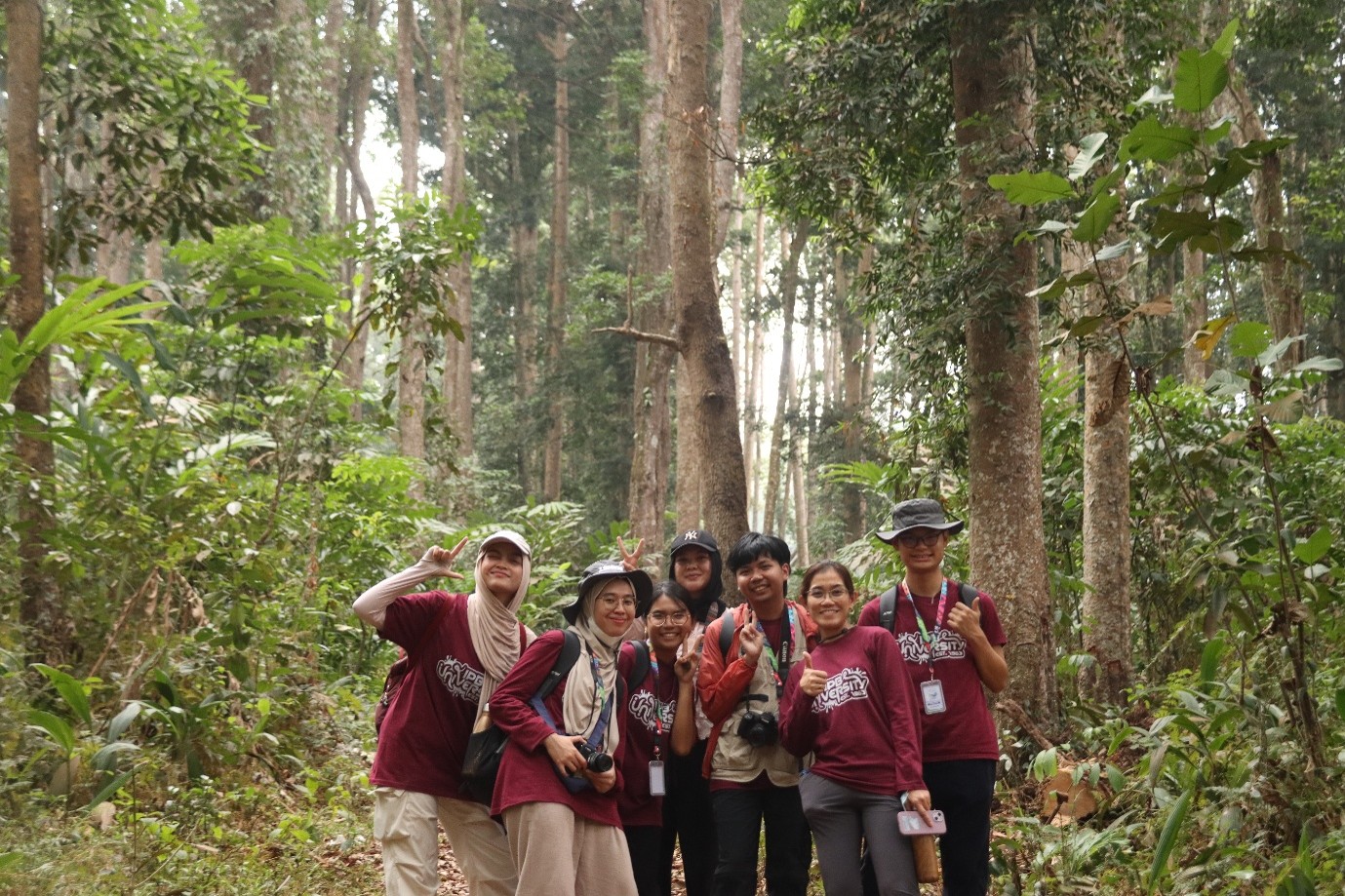
This learning experience was enriched by field observations at Gunung Walat Educational Forest and Situ Gunung, in the Mount Gede Pangrango National Park area, representing upstream environments, as well as the Thousand Islands (Kepulauan Seribu), representing the downstream coastal environment. Participants observed ecosystem characteristics, natural resource use practices, and various environmental pressures associated with human activities, including tourism. These three locations offered insights into the diverse environmental management challenges faced by terrestrial, freshwater, and coastal ecosystems.
Participation in the 10th UC Summer School 2026 provided an opportunity to broaden perspectives on environmental management through the ridge-to-reef approach. Learning about terrestrial, freshwater, and coastal ecosystems offered new insights into the importance of integrated and sustainable resource management. In addition to expanding academic knowledge, the program also created opportunities to exchange experiences and foster collaboration with participants from various countries to support sustainable environmental management, particularly in Southeast Asia.
SDG 4: Quality Education
SDG 13: Climate Action
SDG 14: Life Below Water
SDG 15: Life on land