Sleman, October 16, 2026 – The Partner Village Community Service (PkM Desa Mitra) team from the Faculty of Biology, Universitas Gadjah Mada (UGM), conducted another biology education session for elementary school students at SD Negeri Kiyaran 1, located in Wukirsari Village, Cangkringan District, Sleman Regency. This session focused on introducing Family Medicinal Plants (TOGA—Tanaman Obat Keluarga) through a combination of educational presentations and interactive games, designed to enhance the students’ understanding of plant diversity and their practical uses in daily life.
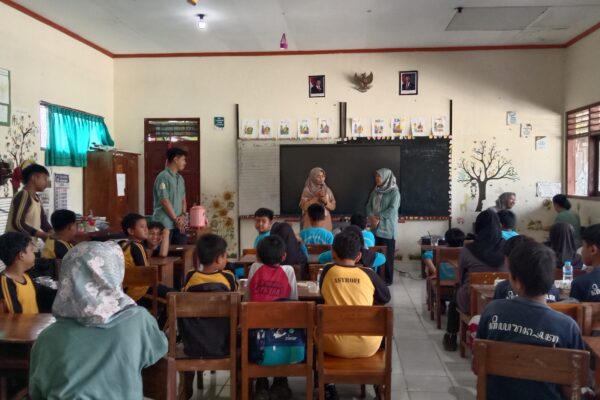
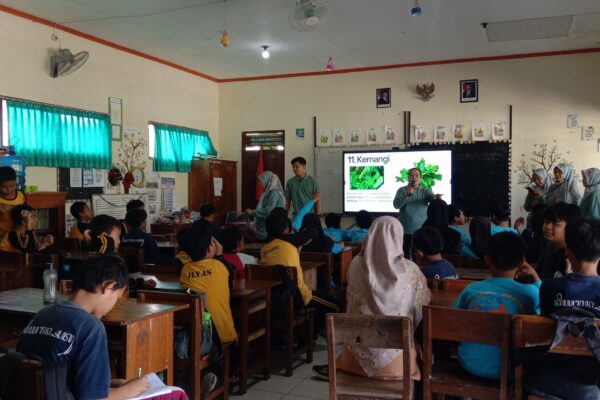
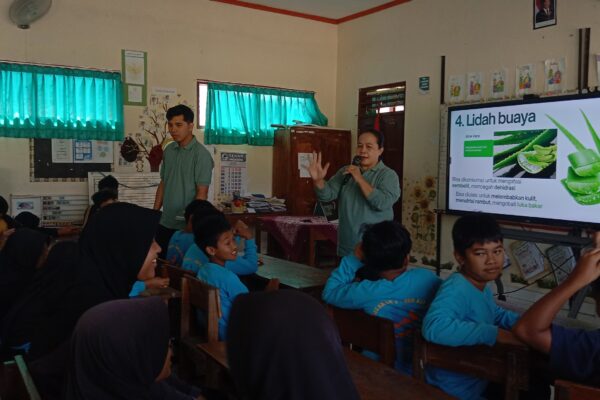
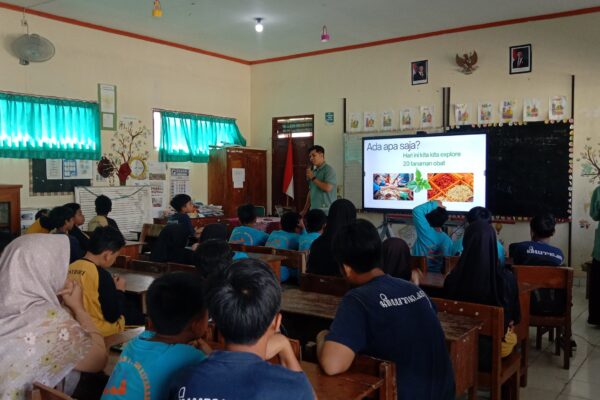
The activity was moderated by Sidiq Permana Putra, S.Si., M.Sc., and featured 2 guest speakers, Dr. Wiko Arif Wibowo, S.Si. and Dr. Maryani, M.Sc. Those two speakers introduced medicinal plants commonly found in the surrounding environment of students’ houses. Students were encouraged to recognize plants that are not only used in traditional medicine but also as cooking spices and ingredients for everyday beverages. Through this presentation, students were expected to develop a greater appreciation of the diverse benefits of plants in their surroundings.
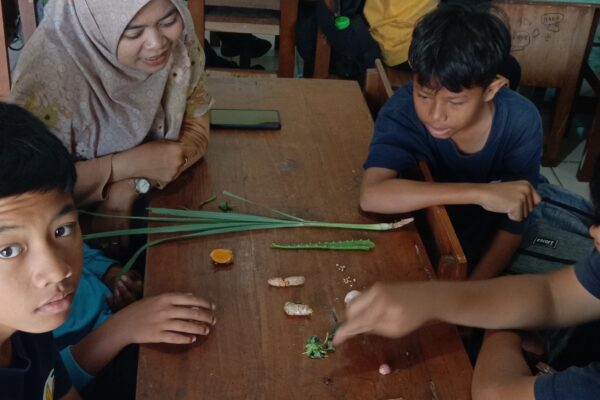
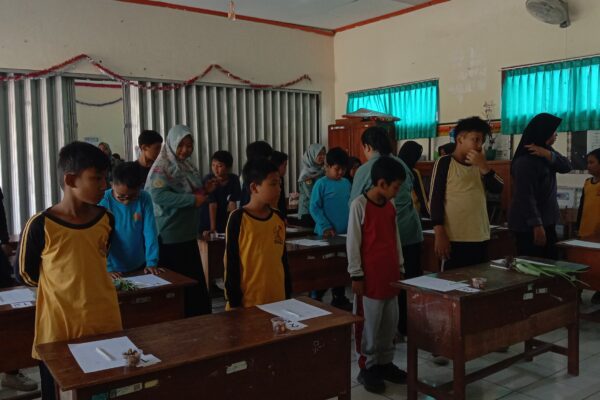
The medicinal plants discussed included ginger, turmeric, aromatic ginger (kencur), aloe vera, betel leaves, garlic, shallots, lemongrass, coriander, nutmeg, lemon basil, lime, Java turmeric (temulawak), cinnamon, cloves, pepper, Indonesian bay leaves, Chinese keys (temu kunci), galangal, and celery. During the presentation, plant parts commonly used in traditional medicine were displayed and distributed to the students for direct observation. Students were encouraged to identify the characteristics of each sample by examining its shape and color and smelling its distinctive aroma. This hands-on learning experience helped students distinguish between the different medicinal plants introduced and recognize their unique characteristics through their senses.
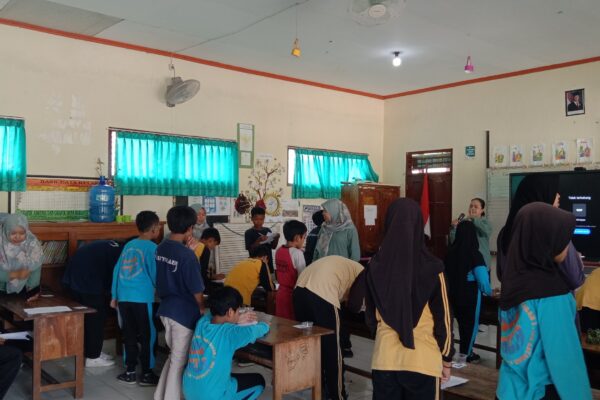
To reinforce students’ understanding, the activity continued with an interactive medicinal plant identification game using a “tap-and-slide” (tokser, ketok geser) system. During this session, students were asked to write down the names of the plants displayed at each table they visited. The students showed great enthusiasm, along with a sense of excitement and anticipation, as they attempted to identify the plants and recall their names based on the characteristics they had learned. The activity provided an engaging way for students to test their knowledge while making the learning experience more enjoyable and memorable.
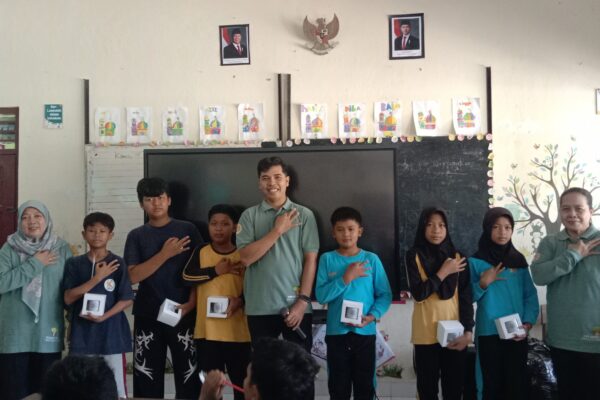
The activity was supported by members of the UGM Faculty of Biology’s lecturer team, including Prof. Rina Sri Kasiamdari, S.Si., Ph.D., Dr. Utaminingsih, S.Si., M.Sc., Dr. Aprilia Sufi Subiastuti, S.Si., Dr. Siti Nurbaiti, S.Si., Novita Yustinadiar, S.Si., M.Si., along with two students (Rosya Irbah Mahdiyyah, NIM 23/515258/BI/11221 and Nazwa Nur Sahara, NIM 23/514177/BI/11190) who helped ensure the smooth implementation of the program. This involvement contributed to creating an enjoyable learning environment while encouraging students to understand and retain the material. In recognition of their participation and learning achievements, the community service team awarded prizes to the two best-performing students in each class. The prize-giving session was met with enthusiasm and marked the conclusion of the interactive learning activities.
The introduction to medicinal plants and their benefits served as the final activity of our team’s community service project at SD Negeri Kiyaran 1. Following the conclusion of this session, the program wrapped up with closing remarks from Prof. Rina Sri Kasiamdari, S.Si., Ph.D., the leader of the community service team. In her address, she noted that the series of service activities at the partner school had been carried out over four sessions, covering a variety of educational topics. She expressed her gratitude to the school for the support and cooperation provided throughout the program. She also expressed her hope that the entire series of activities would prove beneficial to the students and enrich their learning experience.
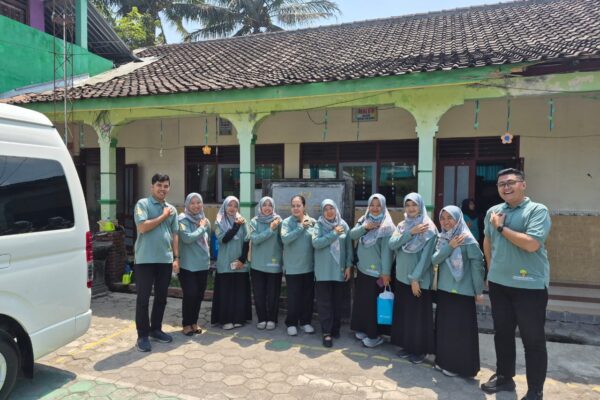
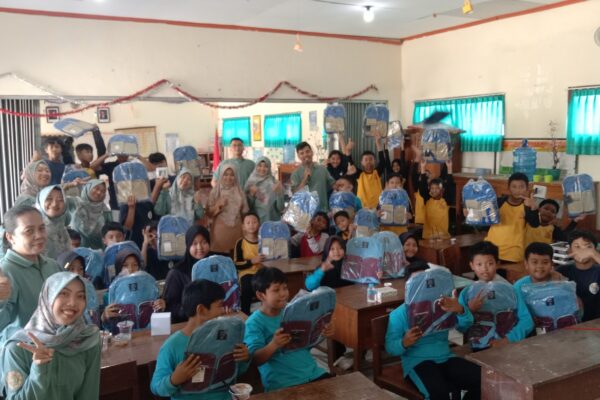
The school principal, Kristiana Widi Rahayu, S.Pd., also expressed appreciation to the UGM Faculty of Biology’s Partner Village Community Service Team for conducting educational activities covering a range of topics, from fish and waste management to plants and medicinal plants. The principal hoped that the knowledge gained would be useful to the students, both in their learning process and in everyday life. Continued collaboration between the school and the UGM Faculty of Biology is expected to generate a positive and lasting impact on students’ education. The activity concluded with a group photograph involving the community service team, school representatives, and students, marking the end of the program.
Through this activity, the UGM Faculty of Biology contributed to the achievement of the Sustainable Development Goals (SDGs), particularly SDG 4 (Quality Education), by strengthening scientific literacy and promoting contextual learning from an early age. The introduction of medicinal plants also supports SDG 3 (Good Health and Well-being) by enhancing students’ basic knowledge of plants associated with health and traditional medicine. Through the Wukirsari Partner Village Program, the UGM Faculty of Biology hopes to foster curiosity, care for plants, and appreciation of the biodiversity and biological resources found in students’ local environment.