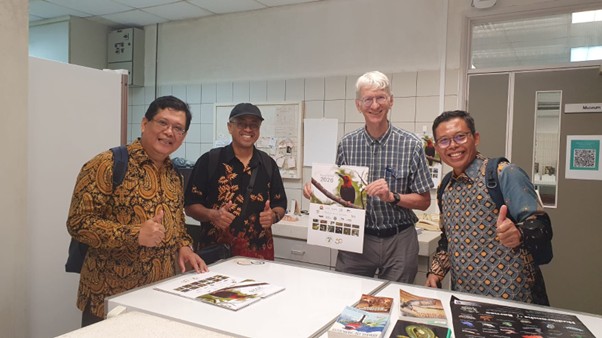
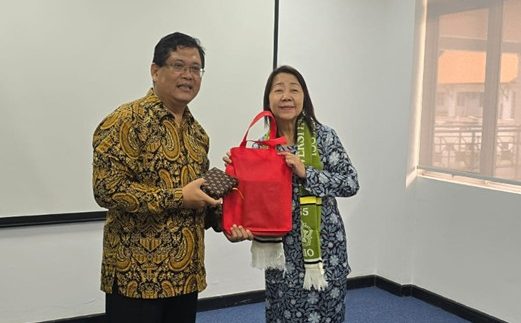
Brunei Darussalam, 9 December 2025 — The Faculty of Biology at Universitas Gadjah Mada (UGM) continues to expand its international collaboration network through a strategic partnership with the University of Brunei Darussalam (UBD), carried out with full support from the Embassy of the Republic of Indonesia (KBRI) in Brunei Darussalam. The meeting was attended by a delegation from the Faculty of Biology UGM led by the Dean, Prof. Dr. Budi Setiadi Daryono, M.Agr.Sc., accompanied by Dr. Bambang Retnoaji, M.Sc., Vice Dean for Academic and Student Affairs, and Dr. Slamet Widiyanto, M.Sc., Vice Dean for Finance, Assets, and Human Resources. The UGM delegation was warmly welcomed by the Indonesian Deputy Ambassador to Brunei Darussalam, Roos Diana Iskandar, as well as Agus Buana, Coordinator for Social and Cultural Affairs at KBRI. Meanwhile, the meeting with UBD was received by the Dean of the Faculty of Science, Lim Lee Hoon, Ph.D.; Faizah Metali, Ph.D., Programme Leader for Environmental & Life Sciences; and Dr. Ulmar Grafe from the Department of Environmental Life Sciences.
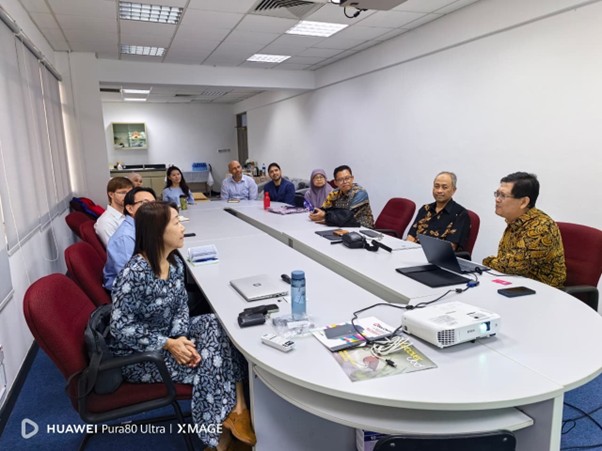
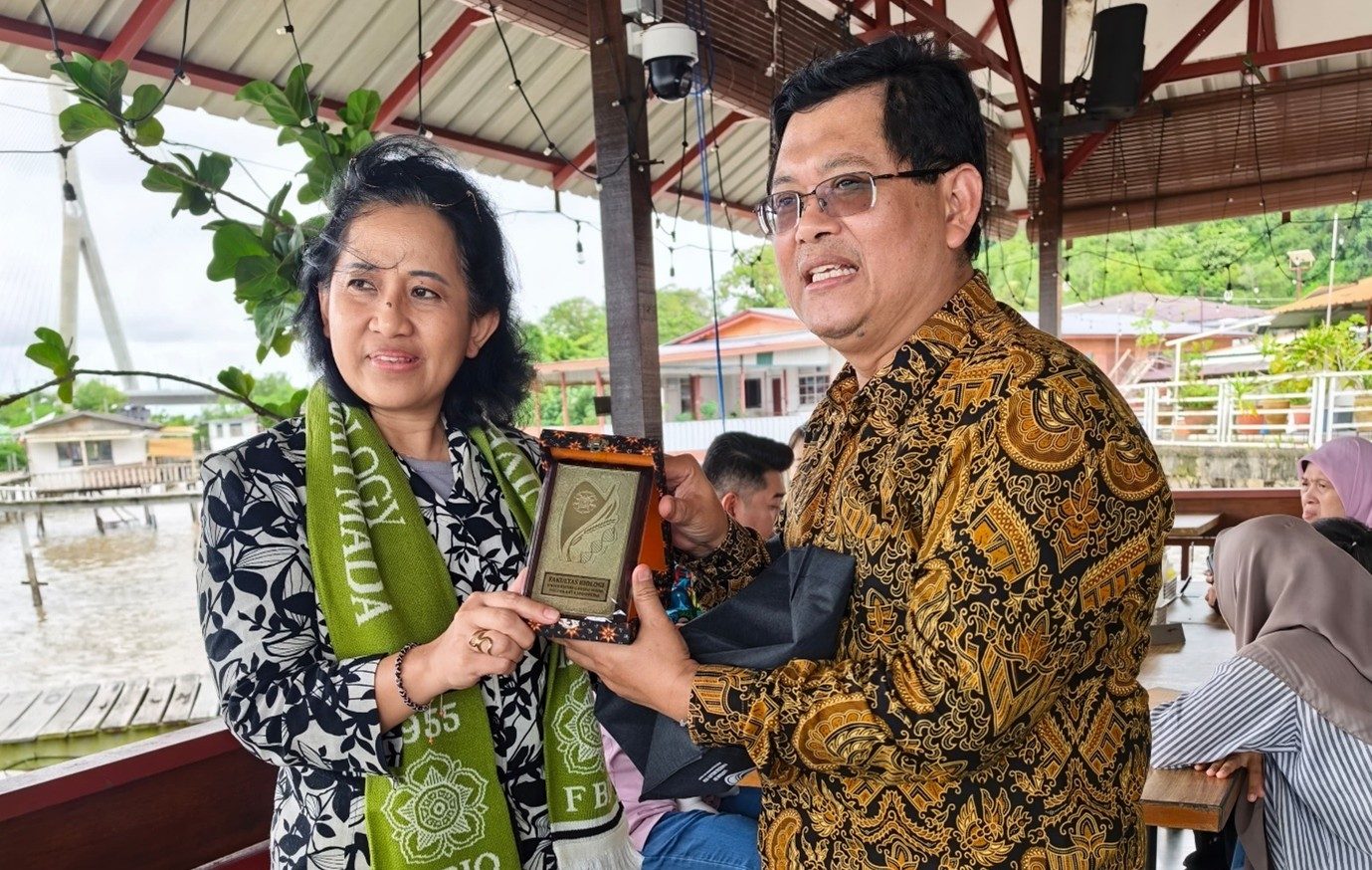
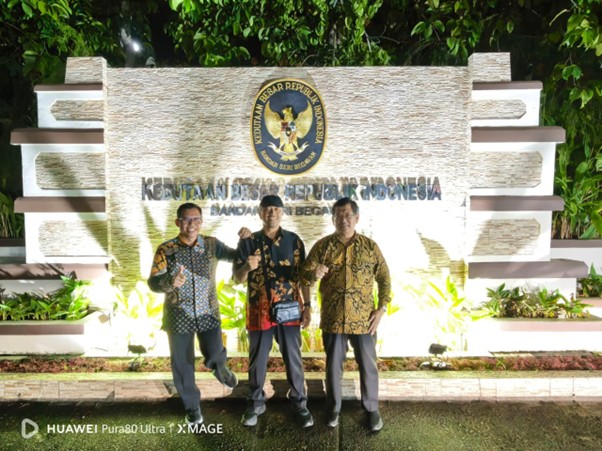
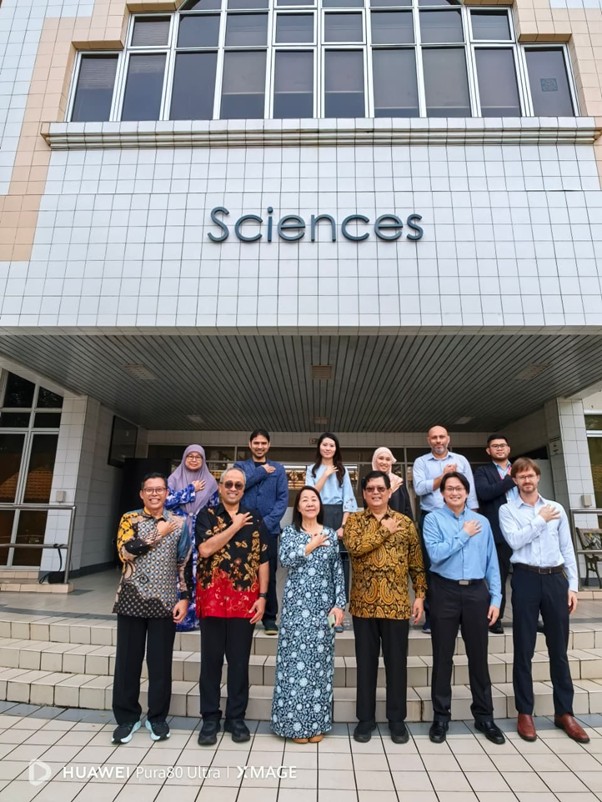
This collaboration initiative builds on the success of the 2024 student exchange program, through which the Faculty of Biology UGM hosted a student from UBD’s Faculty of Science, Nurjanah Amalia Munaf, for academic activities at UGM. During the recent meeting, both institutions agreed to strengthen cooperation in three key areas: first, the development of a two-way student exchange program between the Department of Environmental Life Sciences, Faculty of Science UBD, and the Faculty of Biology UGM; second, the implementation of joint supervision for undergraduate and master’s students from both universities; and third, the preparation of joint publications resulting from collaborative research conducted under the joint supervision scheme.
Both UGM and UBD share a strong commitment to ensuring that this collaboration opens wider opportunities for knowledge exchange, enhances research quality, and strengthens academic capacity in the life sciences. The partnership also represents a concrete contribution by both institutions toward advancing the Sustainable Development Goals (SDGs), particularly SDG 4 (Quality Education), SDG 15 (Life on Land), and SDG 17 (Partnerships for the Goals), through high-quality education, biodiversity conservation efforts, and sustainable global collaboration. With increasingly close synergy, this partnership is expected to become an important step toward more inclusive and impactful biological research and education across the Southeast Asian region.