The Program Hibah Desa Mitra Wedomartani 2025, conducted by the Faculty of Biology at Universitas Gadjah Mada (UGM) through the cultivation of Balitbangtan Superior Native Chickens (Ayam KUB), has demonstrated tangible results in Wedomartani Village, Ngemplak District, Sleman Regency. Implemented during the 2025 fiscal year, the program has evolved from an initial assistance initiative into an independently managed poultry farming activity that supports household food security.
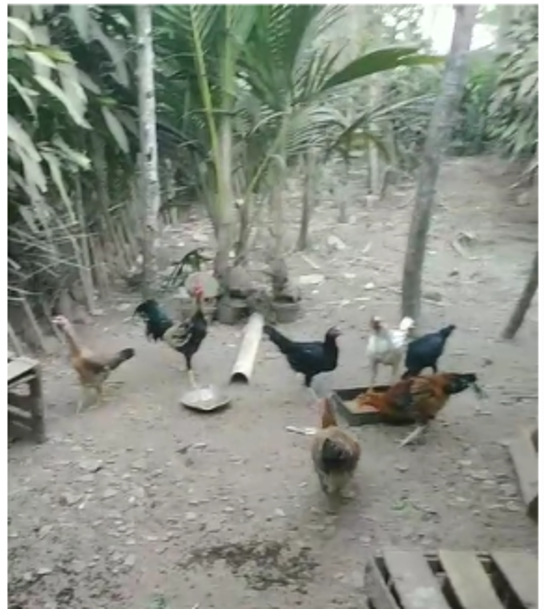
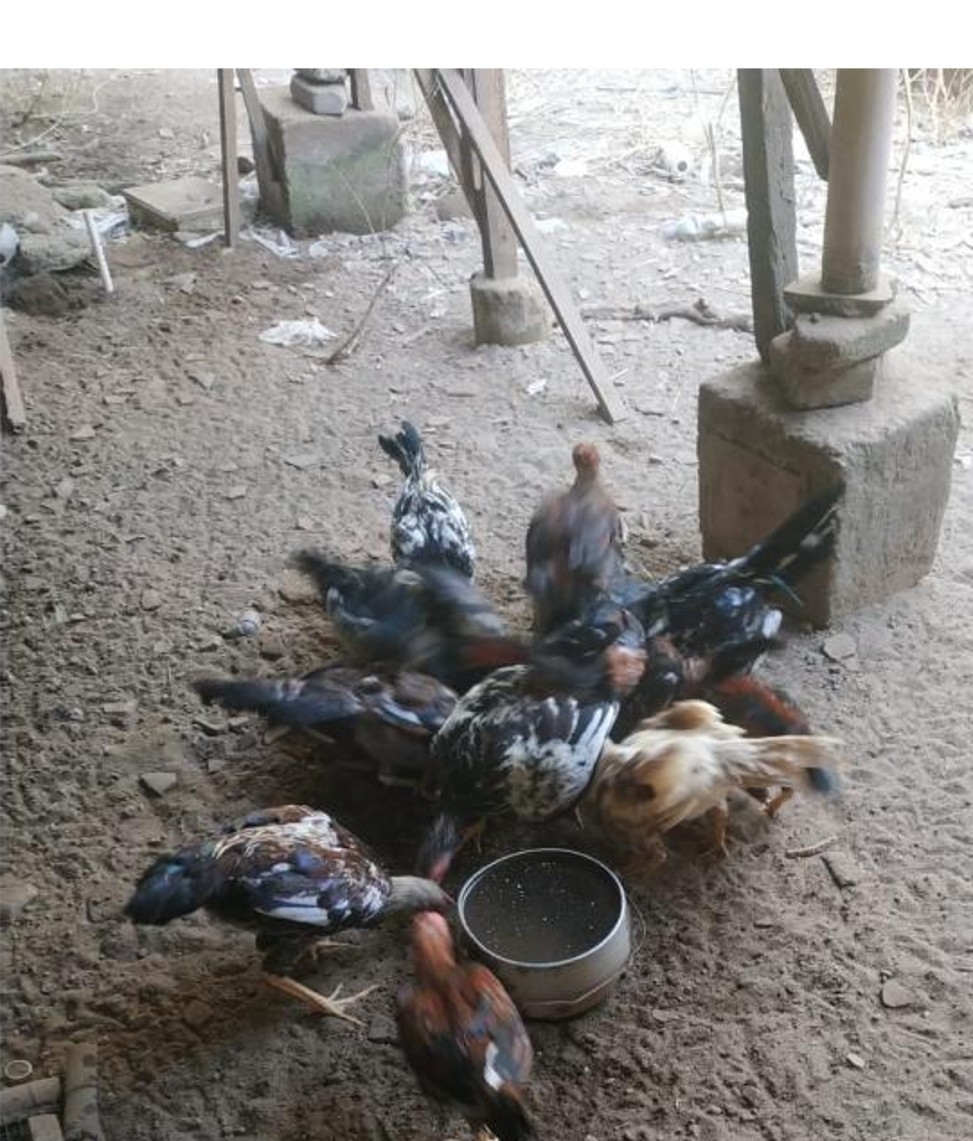
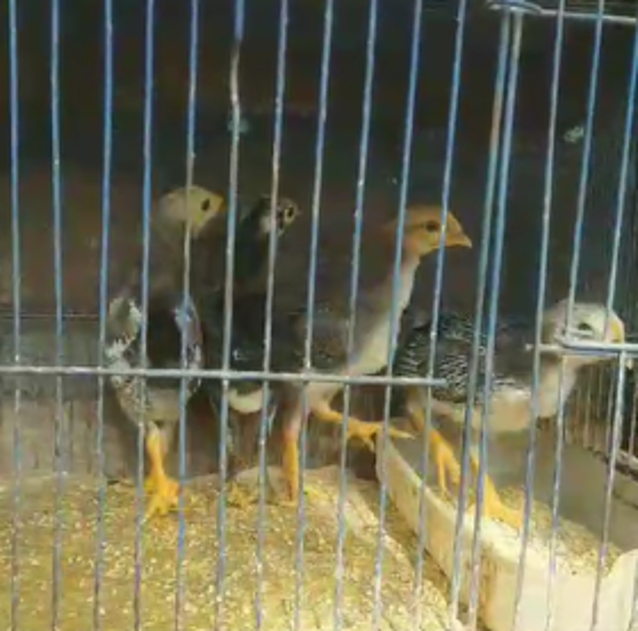
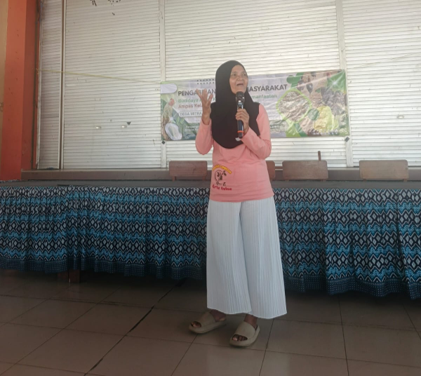
One such success story was shared by Mrs. Sunarti, a beneficiary of this program. In an interview on Sunday, September 20, 2026, Mrs. Sunarti recounted the growth of her poultry flock from the program’s inception to the present day. Starting with just three KUB chickens—two hens and one rooster—the flock under her care has expanded to approximately 40 chickens. This progress demonstrates that the assistance extended beyond the initial distribution of livestock. The chickens provided were raised and bred effectively, transforming them into a productive household asset. Approximately three months after initial care, the hens began producing eggs, taking turns laying during the early production phase.
“Initially, I received three chickens—two hens and one rooster. Now, the flock has grown to around 40,” shared Mrs. Sunarti as she described the progress of her poultry management.
The success of the farming effort relies heavily on routine care. Mrs. Sunarti and her family constructed a dedicated coop, provided clean drinking water, supplied feed, and maintained proper hygiene within the enclosure. The active support of her husband also played a vital role in daily operations and flock management.
“My husband helped me build the coop ourselves. The drinking water must always be clean, feed is provided regularly, and the coop is kept clean,” Mrs. Sunarti explained.
The expansion of the flock has also generated financial benefits for the family. More than 10 chickens have been sold at a price of Rp 50,000 or more per bird. This outcome indicates that KUB chicken farming not only enhances household food security—supporting SDG 2 (Zero Hunger)—but also provides a supplementary income source that advances SDG 1 (No Poverty) and SDG 8 (Decent Work and Economic Growth). According to Mrs. Sunarti, the sustainability of livestock farming is closely tied to a sense of ownership over the assistance received. When beneficiaries feel true ownership, they are motivated to care for and expand their livestock. The current population of approximately 40 chickens has even created a need for expanded coop capacity.
“Once you feel a sense of ownership, you naturally become more attentive to caring for and developing them. Now that the flock has grown, we need to expand the facility,” she remarked.
To meet feeding requirements, Mrs. Sunarti utilizes locally available household resources. Leftover rice and other domestic food scraps are repurposed as poultry feed. This practice represents a sustainable resource utilization strategy at the household level, directly supporting SDG 4 (Quality Education) and SDG 12 (Responsible Consumption and Production). Looking ahead, Mrs. Sunarti hopes to gain further technical knowledge regarding feed processing, particularly fermentation techniques, noting that additional training is required to properly implement these methods in her daily routines.
“As for fermentation, we do not fully understand the technical aspects yet. We hope there will be future workshops or training sessions so we can learn and apply the technique correctly,” said Mrs. Sunarti.
The expansion from three to approximately 40 chickens exemplifies the tangible impact of the Partner Village Grant Program at the household level. Population growth, egg production, livestock sales, and the efficient use of household resources reflect the community’s capacity to maximize the assistance received. For the Faculty of Biology, UGM, program success is measured not merely by the number of livestock distributed, but by the community’s capability to raise, expand, and utilize them sustainably. Mrs. Sunarti’s experience highlights that persistent mentorship and a strong sense of ownership are pivotal in transforming initial aid into sustainable family assets.
Further developments remain necessary, particularly concerning population management, coop expansion, productivity enhancement, and alternative feed formulation. These ongoing needs provide opportunities for continuous, science-based mentorship to ensure that KUB chicken farming continues to flourish and benefit households in Wedomartani Village, reinforcing SDG 17 (Partnerships for the Goals).
Contributor: Hibah Desa Mitra Wedomartani 2025 Team supervised by Prof. Dr. Dra. Rarastoeti Pratiwi, M.Sc.
Interviewer: Sukarman Hadi Jaya Putra
Tags: SDG 1 (No Poverty), SDG 2 (Zero Hunger), SDG 4 (Quality Education), SDG 8 (Decent Work and Economic Growth), SDG 12 (Responsible Consumption and Production), SDG 17 (Partnerships for the Goals).