• UGM
  • Simaster Portal
  • IT Center
  • Webmail
  • KOBI
  • English
    • Bahasa Indonesia
Universitas Gadjah Mada Universitas Gadjah Mada
Faculty of Biology
  • ABOUT US
    • History
    • Organization
    • Vision and Mission
    • Lectures and Staff
      • Lecturers
      • Adjunct Professor
      • Supporting Staff
    • Facility
      • Laboratories
      • Research
      • Library
      • Museum
      • Mental Health Consultation
      • Disability
  • EDUCATION
    • Undergraduate Program
      • Graduates Learning Outcome
      • Academic Callendar
      • Course
    • IUP
    • Profession Program
      • What is the Professional Study Program in Biodiversity Curator (PKKH)?
      • Admission for New Students of the Biodiversity Curator Profession Program Study
      • Information and FAQ Study Program of Biodiversity Curator Profession
    • Master Program
      • Master Program in Biology Description
      • Curriculum Structure Master Program
    • Doctoral Program
      • Vision, Mission, Objectives, Targets, Competencies, and Learning Outcomes
      • Admission Requirement for Program Doctor in Biological Sciences
      • Admission: What Documents to be prepared?
      • Curriculum
    • Regulations
    • Accreditation & Quality Assurance
  • RESEARCH
    • Journal of Tropical Biodiversity and Biotechnology
    • Berkala Ilmiah Biology
    • Research
    • Publication
  • Community Service
    • Waste Management
  • STUDENTS & ALUMNAE
    • Student Organizations
    • Prospective Career Opportunities
    • SUMMER COURSE
    • Alumnae
  • Home
  • News Release
  • page. 74
Arsip:

News Release

Doctoral Student from the Faculty of Biology Won the Bayer Foundation – Fellowship Award 2022

HeadlineNews Release Monday, 15 August 2022

Tiara Putri S.Si., M.Sc., a doctoral student from the Faculty of Biology, UGM, was announced as one of the winners of the Bayer Foundation Fellowship Award 2022. Bayer Foundation is a non-profit organization which supports and provides international exchange opportunities for brilliant young researchers all over the world who are working in the field of science. They provide 3 specific fellowships for the following categories: Otto Bayer – fellowships for drug discovery sciences, Jeff Schell – fellowships for agricultural sciences and Carl Duisburg – fellowships for medical sciences. This year, they have selected 41 young people for this unique experience and Tiara received the Otto Bayer – fellowship in the field of Drug Discovery.

As a follow up of this award, she will undertake part of her doctoral research at Universität Greifswald, Germany to compliment her current scientific studies in a Double Degree scheme. The topic of her research is about pneumococcal co-infection in COVID-19 infected children. During her doctoral study, Tiara is supervised by Prof. Dr. Budi Setiadi Daryono, M.Agr.Sc. (Dean of the Faculty of Biology, UGM) and Prof.  Dr. rer. Nat. Sven Hammerschmidt (Head of the Department of Molecular Genetics and Infection Biology, Universität Greifswald).

Tiara was a former Bachelor and Master student at the Faculty of Biology, UGM and graduated with Cum Laude at both degrees. Her research topic was motivated by the fact that evidence on bacterial pneumonia in COVID-19 is still limited and diagnosis remains a challenge, as both diseases are associated with a similar clinical presentation and high inflammatory markers. As of August 28, 2021, there have been over 214,468,601 confirmed cases according to WHO and over 4,470,969 deaths reported nationwide. In spite of interventions to limit its spread, data regarding the epidemiologic characteristics and clinical features of infected children are very few. Therefore, a collaboration with the Department of Molecular Genetics and Infection Biology at the Universität Greifswald will be conducted to explore deeper insights into the mechanisms of bacterial-viral co-infection using a K18-hACE2 mouse model.

“I do hope that my research on COVID-19 in children could provide long term information related to this pandemic situation. I’m sure that there are still many new and exciting discoveries waiting to be found and of beneficial support for our children and their future. And for certain, I want to be a part of the next discovery,” told Tiara on 12/8/22.

Facing the Metaverse Era, Faculty of Biology Holds National Seminar on Tropical Biology with theme “The Future of Indonesian Biodiversity in the Metaverse Era”

News Release Saturday, 23 July 2022

SNBT 2022

SNBT 2022

Laporan Ketua Panitia SNBT 2022

Laporan Ketua Panitia SNBT 2022

Sambutan Prof. Ir. Nizam, M.Sc., DIC, Ph.D., IPU, Asean Eng mewakili Kementerian Pendidikan, Kebudayaan, Riset, dan Teknologi

Sambutan Prof. Ir. Nizam, M.Sc., DIC, Ph.D., IPU, Asean Eng mewakili Kementerian Pendidikan, Kebudayaan, Riset, dan Teknologi

MoU Fakultas Biologi UGM dengan MonsterAR

MoU Fakultas Biologi UGM dengan MonsterAR

Narasumber I: Prof. Dr. Budi Setiadi Daryono, M.Agr.Sc

Narasumber I: Prof. Dr. Budi Setiadi Daryono, M.Agr.Sc

Narasumber II: Wiryanatha Wijaya,  (Presdir MonsterAR)

Narasumber II: Wiryanatha Wijaya, (Presdir MonsterAR)

Narasumber II: Stephen Ng, CEO sekaligus Executive Chairman WIR Group

Narasumber II: Stephen Ng, CEO sekaligus Executive Chairman WIR Group

Presenter Paralel

Presenter Paralel

Peserta Daring

Peserta Daring

Antusias peserta mencoba Virtual Reality

Antusias peserta mencoba Virtual Reality

Penyerahan Doorprize

Penyerahan Doorprize


The 6th National Seminar on Tropical Biology which hold in a hybrid version on July 23, 2022 at the Faculty of Biology, UGM is an annual scientific activity held thanks to the support of the Faculty of Biology, Universitas Gadjah Mada. This seminar aims to disseminate research results in the field of tropical biology and as a means of exchanging information with various parties, such as researchers, academics, and industry players. The theme of this year’s seminar is “The Future of Indonesia’s Biodiversity in the Metaverse Era “. This theme is motivated by the development of the metaverse era which has had a wide impact on life on earth, and there has been a lot of discussion currently discussing its consequences on technology, social and commercial, and does not rule out aspects of biodiversity.

The theme of this year’s seminar was greeted with great enthusiasm by the participants. The total number of participants in this year’s SNBT reached 259 registrants. There are more than 130 registered presenters who present their work at this seminar. The participants came from various agencies, at least 66 institutions, both from universities, industry, private sector, and government agencies. The topics presented by the presenters were quite diverse, and were divided into 7 topics, namely: Bioinformatics and Biotechnology, Exploration and Conservation of Tropical Biodiversity , Bioprospection , Biomedical, Tropical Biofunctionality , Genetics and Molecular Biology, and Biosystematics and Evolution.

The event was opened with a report from the chairman, Dr. Dwi Sendi Priyono, S.Si., M.Si and continued with remarks by Prof. Dr. Budi Setiadi Daryono, M.Agr.Sc , as Dean of the Faculty of Biology UGM. The next speech was also delivered by Prof. Ir. Nizam, M.Sc., DIC, Ph.D., IPU, Asean Eng representing the Ministry of Education, Culture, Research, and Technology which also opened this seminar. At the moment Today , Faculty of Biology UGM together with MonsterAR signed a Memorandum of understanding (MoU) as a follow-up to the cooperation plan Among Faculty UGM Biology with MonsterAR in various fields in education, as well as research. This collaboration expected give positive impact for second parties together for explore and maintain Indonesian biodiversity.

After the seminar was officially opened, the next agenda was a plenary session . In the plenary session , there were 3 speakers. The first speaker was Prof. Budi Setiadi Daryono from the Faculty of Biology, UGM. On this occasion, Prof. Budi said that biology in the past talked about classical biology and cell biology. Meanwhile, in the present day biology talks about molecular biology, biomimicry and biorobotics , the era of genomics . and post-genomics , exobiology and deep-sea biology. However, in the future biology will develop vertically and horizontally and raise the metaverse . In biology, the metaverse functions as a tool in developing science and knowledge. Therefore , it is hoped that in the future we can explore biodiversity virtually.

The second material was delivered by Stephen Ng , CEO and Executive Chairman of the WIR Group. Mr. Stephen conveyed the development of the metaverse which is increasingly affordable and accessible. Various fields of study now explore the world of the metaverse , from socioeconomics , law and government, to science. In line with this, the metaverse is also increasingly being used by various companies to promote their products. Virtual work and the scientific community are two things that are currently hot and the metaverse is a bridge that facilitates these things.

plenary session was continued by Mr. Wiryanata saying that metaverse offers a new way for users to collaborate virtually. In the metaverse ecosystem, many business opportunities can be run virtually. Various types of industries and scientific fields take advantage of this developing technology. In the world of research and education, the metaverse can have an impact, for example, Indonesia ‘s biodiversity can be visualized virtually.

Participants continued their presentations in parallel sessions . In this session, the participants presented their scientific works both offline and online. At the end of the event, the committee announced the best presenters for each room and also distributed door prizes for participants who actively participated. The smooth and success of this national seminar cannot be separated from the support of sponsors, including: Mangrove printing, Kimia Farma, Bantul Bank, Hista Labora, Earth Literacy. See you again at the next SNBT…

Team from the Faculty of Biology Wins 1st Place in the National Scientific Writing Contest at KATULISTIWA 14

News ReleaseStudent ActivitiesWaste Management Friday, 22 July 2022

On July 17th, 2022, undergraduate students from the Faculty of Biology won 1st place in the National Scientific Writing Competition organized by Universitas Brawijaya, out of eighty teams from universities across Indonesia that participated in this competition. The team consists of Umi Salamah, Maria Bening Wohingati, and Wulan Usfi Mafiroh from Biology 2018 under the supervision of Dr. Ardaning Nuriliani, S.Si., M.Kes. This competition was part of the annual KATULISTIWA 14 event, with the theme “Innovative Mindset: Let’s Build Society 5.0 for Indonesia” that aims to express students’ innovations and ideas in order to improve their scientific thinking skills.

Slide 1
Slide 2


This competition was divided into five stages: abstract submission, paper evaluation, announcement of the top ten, video and poster evaluation, and the climax was the presentation of the work in front of the judges. Our team proposed “Decolorization of Textile Dye Waste Based on Enzyme Mediator System by Microalgae” for this competition. This idea was motivated by the fact that many textile industries dispose their waste without proper management, resulting in the environmental pollution and the death of organisms. We proposed the combining ability of microalgae to synthesize enzymes that play a role in decolorization of textile dye waste with biofuel production. We would like to thank everyone who helped us won the 1st PLACE at the KATULISTIWA 14 event. [US]

Student Learning Monitoring of Undergraduate Students Faculty Of Biology, Gadjah Mada University

News Release Monday, 18 July 2022

The graduation rate for students who graduate on time in the 8th semester (4 years) is quite low (25%). In order to encourage undergraduate study program students of the Faculty of Biology UGM to complete their undergraduate studies on time, the Academic Office organizes monitoring activities for student learning progress. Monitoring was carried out by the Head of the Undergraduate Study Program (Mr. Sukirno, S.Si., M.Sc., Ph.D.) and the Head of the Academic and Student Affairs Section (Ms. Emi Dwi Suryanti, S.Si., M.Sc.). Monitoring was carried out online by inviting students from class 2015, 2016, 2017, 2018, 2019, and 2020. Monitoring for class 2015-2017 was carried out together on June 29, 2022, while for batch 2018, 2019, and 2020 were carried out on 6 July 2022, 8 July 2022, and 5 July 2022, respectively.

Slide 1
Slide 2
Slide 3

Monitoring of undergraduate study program students batch 2015-2017 is carried out to assist and accelerate students to be able to immediately carry out thesis writing and thesis defense. In this meeting, interviews and discussions were held to identify problems faced by students. Students are given directions and explanations regarding the completeness of documents for submitting study extensions, thesis defense, graduation periods, and completeness of graduation registration. This session was attended by 85% of 2015-2017 students who are still active. Class 2015 students are given the opportunity to complete their studies up to the January 2023 graduation period, while the 2016 and 2017 classes must have passed judicial review a maximum of July 2023 and 2024, respectively. For these students, those who have not met judicial review on July 2022 period, the students must apply for an extension of the study through simaster.

Monitoring for the 2018 class was carried out to identify problems faced by students, including ensuring that students had registered for thesis proposals, carried out research/data collection and writing manuscripts/thesis scripts, and prepared documents for thesis defense. Students are explained regarding the procedure for registering a thesis proposal, preparing complete documents for the thesis exam, including writing scientific articles that must be submitted to journals or seminars. The students must prepare proof of article submission and submit a publication approval form. The monitoring session was attended by around 120 students, out of the 150 who were active.

The 2019 batch was monitored to encourage students to immediately be encouraged to register thesis proposals. This batch of students, most of whom have conducted proposal seminars, were explained about the thesis proposal registration procedure, the requirements for the thesis proposal registration document, the requirements and procedures to be able to carry out a thesis defense, and tips how to complete the undergraduate level within 3.5 or 4 years. Tips include registering proposals at the beginning of time and be aware for time constraint requirements for thesis exams, strategy for taking courses in semesters 7 and 8, as well as using temporary KRS facilities to register for thesis and carry out research.

At the end of the 4th semester, students of the class of 2020 are allowed to choose study interest. Students can choose 2 study interests from 3 study interests in the undergraduate program, namely Functional and Developmental Biology, Environmental Biology and Biodiversity, and Molecular Biology and Biotechnology. To be able to make a selection of these interests, students are explained about the procedure for selecting interests through filling out specialization forms (gforms and excel forms). After selecting the interest, then the thesis supervisor will be determined which will be carried out by the Head of Study Program together with the deputy dean for academic and student affairs as well as the thesis management lecturer. After determining the thesis supervisor, students are expected to have discussions with DPS to determine research topics in order to immediately prepare proposals and proposal seminars. For this class of 2020, it is expected to be able to submit the interest form by filling out the thesis specialization form (to email kaprodi-s1.biologi@ugm.ac.id) and filling out the following form https://forms.gle/Nxyiym37CMdcrg2LA. No later than July 21, 2022. For consideration of study interests, students can access lecturers’ expertise at https://forms.gle/vRPxDhy8mCunwn4r6.

Monitoring of learning progress will be carried out regularly at the end of each semester. The results of this monitoring will be used to formulate policies or improve procedures in order to accelerate the study period.

The 5th International Summer Course on Tropical Biodiversity and Sustainable Development Ends, Participants Are Ready to Become the Agents of Change

HeadlineNews Release Friday, 15 July 2022

The 5th International Summer Course on Tropical Biodiversity and Sustainable Development has been successfully organized by the Faculty of Biology UGM. The event, which took place on Monday, July 11th, 2022, was officially closed on Friday, July 15th, 2022. The event, which was held virtually through the online Zoom meeting platform, was attended by 49 participants from 8 universities, including 30 domestic and 19 international participants.

On the first day, July 11th, the course was opened by the course coordinator, Nur Indah Septriani, M.Sc., Ph.D., which was followed by remarks from Dr. Puji Astuti, S.Si., M.Sc., Apt. as Director of Partnership, Alumni, and International Affairs UGM, as well as a remarks from Prof. Dr. Budi Setiadi Daryono, M.Agr.Sc. as Dean of the Faculty of Biology UGM as well as Chairman of KOBI. The series of lectures on the first day was moderated by Dr. Eko Agus Suyono, M.App., Sc with the theme Biodiversity: Current and Future Challenges. The first lecture session began with the topic of Ecological Crisis, Challenge, and Hope which was presented by Prof. Dr. Tjut Sugandawaty Djohan from Universitas Gadjah Mada. The second lecture session continued by Atty. Elpidio Peria from the ASEAN Centre for Biodiversity with the theme Nature-Based Solution for Climate Mitigation. The next session was themed UN Decade on Ecosystem Restoration. The material presented by Johannes Kieft from the United Nations Environment Programme (UNEP). After the discussion and rest session, the activity continued with games and Virtual Projects with the topic Histopathology for toxicant effect analysis lead by Nur Indah Septriani, M.Sc., Ph.D. The first day of the event was closed with assignments for the Summer Course participants.

Slide 1
Slide 2

The second day with the theme Global and Local Threat to Biodiversity moderated by Rina Sri Kasiamdari, S.Si., Ph.D. After the opening by the coordinator and moderator, the first session of lecture delivered by Dr. Siti Nur Hidayati from Middle Tennessee State University USA underpinning the Climate Change Impacts on Ecosystem. The second session of lectures continued by Dr. Not Atiqah Binti Norazlimi from Universiti Tun Hussein Onn Malaysia (UTHM) with the title Microplastic: A Threat to Ecosystem and Biodiversity. The activity continued with discussion until the end of the session. The topic of Virtual Projects on the second day was Illegal wildlife trade tracking guided by Yunita Dwi Setyorini, S.Si. and Dr. Dwi Sendi Priyono.

The series of lectures on the third day was moderated by Irhamna Putri Rahmawati, DVM., M.Sc, with the theme Transdisciplinary Approach in Conservation and Resource Management. The lecture begins with the topic Ecosystem Services: Valuing Nature for A Green Economy and Sustainable Development Goals with Dr. Abidah Setyowati from the World Bank. After being interspersed with discussion sessions, the next lecture material presented by Dr. Wahyu Yun Santoso from the Faculty of Law UGM with the topic Nature Conservation Legislation. The next lecture took the topic of The Role of the Private Sector in the Implementation of Green Economy and Sustainable Development Goals with Dr. Haskarlianus Pasang from PT Smart Tbk. After the discussion, the activity continued with Virtual Projects: Primary design for Endangered Species, which was guided by Dr. Tuty Arisuryanti and Dr. Aprilia Sufi Subiastuti.

On the fourth day, a series of morning sessions moderated by Akbar Reza, M.Sc with the main theme Technology and Conservation. The lecture begins with the topic How does Artificial Intelligence Aid in Conservation? by Dr. Sebastian Lopez-Marcano of Griffith University Australia. The second session of the lecture took the topic of Remote Sensing and Drones for Forest Monitoring and Early Warning System which was presented by Dr. Noor Janatun Naim Jemali from Universiti Kelantan Malaysia. After the discussion and rest sessions, the lecture continued with Microbiology Diversity and Biotechnology presented by Dr. Nor Ismaliza Binti Mohd Ismail from Universiti Tunku Abdul Rahman (UTAR) Malaysia. This session was moderated by Dr. Miftahul Ilmi, S.Si., M.Sc. The series of lectures on the fourth day closed with a discussion session.

The last day, July 15th, 2022, a series of activities opened by the facilitator, namely Akbar Reza, M.Sc. and Riandika Abdul Hafizh Alhaqi, S.Si and continued with Virtual Projects with the theme Bioblitz Using iNaturalist. Interspersed with rest, then the activity continued with the Youth Mini-Summit with the topic Youth movement on Biodiversity and Conservation. In this session, the participants were divided into several groups to make presentations on the results of their assignments related to biodiversity and conservation.

At the end of the event, awards were given to several categories of participants. The first award, The Outstanding Award, the students who actively engaged on lecture and virtual project, was given to Wening Ila Idzatilangi from Hasanuddin University, Liew Yu Heng from Tunku Abdul Rahman University (UTAR), Sabut Kharisona from Universitas Gadjah Mada, and Fauzan Ahmad Wijaya from UIN Sunan Gunung Djati. The second award, Most Outstanding Award, the students with the highest cumulative score, was won by Shintiakho Linggadewi from Brawijaya University, Fenty Wahyu Lestari from Brawijaya University, Jauharah R. Suhendar from Universitas Gadjah Mada, and Faiznur Ain from Tun Hussein Onn Universiti (UTHM) Malaysia. Meanwhile, the third category award, The Most ON CAM, was given to Shintiakho Linggadewi from Brawijaya University, Vita Meylani from Siliwangi University, and Wildanul Hasanah from Brawijaya University.

The awarding and closing of the event carried out by Dr. Eko Agus Suyono, M.App., Sc and Nur Indah Septriani, M.Sc., Ph.D. By these events, The 5th International Summer Course on Biodiversity and Sustainable Development was officially closed. Even though this lecture has ended, the Summer Course hopefully can spark the spirit among the participants and the network among participants would continuously grow. Moreover, with the recent knowledge, the participants hopefully will be motivated to create new things by prioritizing the conservation of tropical biological ecosystems and sustainable development.

The 5th International Summer Course on Tropical Biodiversity and Sustainable Development is Officially Open

HeadlineNews Release Monday, 11 July 2022

On Monday, July 11th, 2022, the annual 5th International Summer Course on Tropical Biodiversity and Sustainable Development was officially started. This event was organized by the Faculty of Biology UGM and the Office of International Affairs UGM in collaboration with Universiti Tun Hussein Onn Malaysia (UTHM), Universiti Tunku Abdul Rahman (UTAR) Malaysia, MIPAnet and the Konsorsium Biologi Indonesia (KOBI). This activity is also supported by the United Nations Environment Programme (UNEP), ASEAN Centre for Biodiversity, World Bank, Middle Tennessee State University USA, Griffith University, Universiti Malaysia Kelantan, Faculty of Law, Universitas Gadjah Mada and PT Smart Tbk, and is sponsored by Bank Bantul.

Slide 1
Slide 2
Slide 3

This summer course activity was initiated by the Central Java Field Intensive from Charles Darwin University. In 2016, this activity was held under the Colombo scheme. The activity plan, which was then continued with the International Summer Course on Tropical Biodiversity and Sustainable Development since 2018. Entering the pandemic period, which was originally done offline, this had to be held virtually. 2022 is the third year, Summer Course activities are held online.

The opening ceremony was held through an online Zoom meeting and broadcast live via Youtube Channel of Kanal Pengetahuan Fakultas Biologi UGM. The Summer Course opened with an opening ceremony which began with remarks from the course coordinator, Nur Indah Septriani, M.Sc., Ph.D., continued by remarks from the Director of Partnerships, Alumni, and International Affairs by Dr. Puji Astuti, S.Si., M.Sc., Apt., and Prof. Dr. Budi Setiadi Daryono, M.Agr.Sc. as Dean of the Faculty of Biology UGM as well as Chair of KOBI who officially opened the course.

The series of Summer Course activities are held for 5 days, from 11th to 15th July 2022 online via Zoom and using eLOK, Universitas Gadjah Mada Learning Management System. This activity consists of lectures related to biodiversity and sustainable development which are brought by national and international scientific experts in their respective fields. A total of 11 speakers consisted of 3 domestic speakers and 8 foreign speakers. 2 domestic speakers came from Universitas Gadjah Mada and 1 from PT Smart Tbk. While the other 8 speakers came from abroad and each came from a different institution, including the Asean Centre for Biodiversity, United Nations Environment Program (UNEP), Middle Tennessee State University USA, Universiti Tun Hussein Onn Malaysia (UTHM), Universiti Tunku Abdul Rahman (UTAR), Griffith University Australia, Universiti Kelantan Malaysia, and World Bank. In addition, discussion sessions, games, and virtual projects were also held.

The purpose of this Summer Course activity is to provide learning tools that discuss current issues related to tropical biology and sustainable development. With the knowledge provided, participants are expected to be able to create new things and become creative and innovative carriers of change. In addition, this activity aims to strengthen networks between universities and facilitate participants in sharing experiences in implementing the Sustainable Development Goals, related to tropical biodiversity, especially in Southeast Asia, and sustainable development. For Indonesian students, this activity is part of the Merdeka Belajar Kampus Merdeka (MBKM) which is a policy of the Indonesian Ministry of Education and Culture.

This year’s Summer Course was attended by 49 participants from 8 universities, including 30 domestic participants and 19 international participants. Domestic universities consist of Universitas Gadjah Mada which sends 14 participants, UIN Sunan Gunung Djati with 2 participants, Universitas Mulawarman with 4 participants, Universitas Hasanuddin which sends 1 participant, Universitas Brawijaya with 3 participants and Universitas Siliwangi which sends 6 participants. Meanwhile, overseas universities that attended came from Universiti Tun Hussein Onn Malaysia (UTHM) which sent 9 participants and Universiti Tunku Abdul Rahman (UTAR) with 10 participants. Even though the Summer Course was conducted online, the participants still looked enthusiastic and tried to be actively involved in this activity. 

Involved in Capacity Building for contextualization of ICT in the implementation of ESD learning: Two Biology UGM Lecturers participated in international meeting in Athens Greece

HeadlineNews Release Monday, 13 June 2022

Two lecturers from the Faculty of Biology UGM joined the UGM team for the ICTeEFS (ICT-enabled In-service Training of Teachers to address Education for Sustainability) Project and had the opportunity to attend the ICTeEFS managerial meeting in Athens, Greece.

Slide 2
Slide 4
Slide 3
Slide 5
Slide 1

ICTeEfS is a European Commission funded project ERASMUS plus Capacity Building in Higher Education (CBHE) (Reference Number: 598623-EPP-1-2018-1-CY-EPPKA2-CBHE-JP), started on 15 January 2019 and will end on December 2022. This Project focuses on seven partner universities from Indonesia (UGM and UPI), Malaysia (OUM, USM, and UTM) and Vietnam (Ho Chi Minh International University and USSH). The ICTeEfS project is coordinated by Prof. Dr. Vassilios Makrakis, at Frederick University, Cyprus in partnership with the University of Crete and the Regional Center of Expertise in Education for Sustainable Development, Crete (RCE Crete). This project aims to expand the use of Information Technology in ESD and SDGs-based learning in the primary, secondary, and tertiary school levels.

In this managerial meeting, which took place from 29 May 2022 to 6 June 2022, the UGM ICTeEFS Delegation was led by Prof. Ir. Irfan Dwidya Prijambada, M.Eng., Ph.D. as Director of Community Service at Gadjah Mada University, and Nanung Agus Fitriyanto, S.Pt., M.Sc., Ph.D. as the project leader for ICTeEFS UGM. The three members who joined in the managerial meeting this time were Mrs. Lisna Hidayati S.Si., M. Biotech. and Ms. Zuliyati Rohmah, S.Si., M.Sc., Ph.D. Eng. Both from the Faculty of Biology UGM, as well as dr. Rr. Siti Rokhmah Projosasmito, M.Ed.LP&C from FKKMK UGM. The UGM delegation was supported by 2 staff members who flew to Athens, namely: Mr. Azri Faisal Nabhan., S.S., M.M. and Ms. Ratri Bilqis Auwibi., S.I.P. During the meeting, the UGM Team presented the progress report on the activities that had been carried out for the project as well as follow-up plans.

Faculty of Biology UGM Students Join The Sakura Science Program 2022 Yamagata University, Japan – Faculty of Biology UGM

HeadlineNews Release Thursday, 24 February 2022

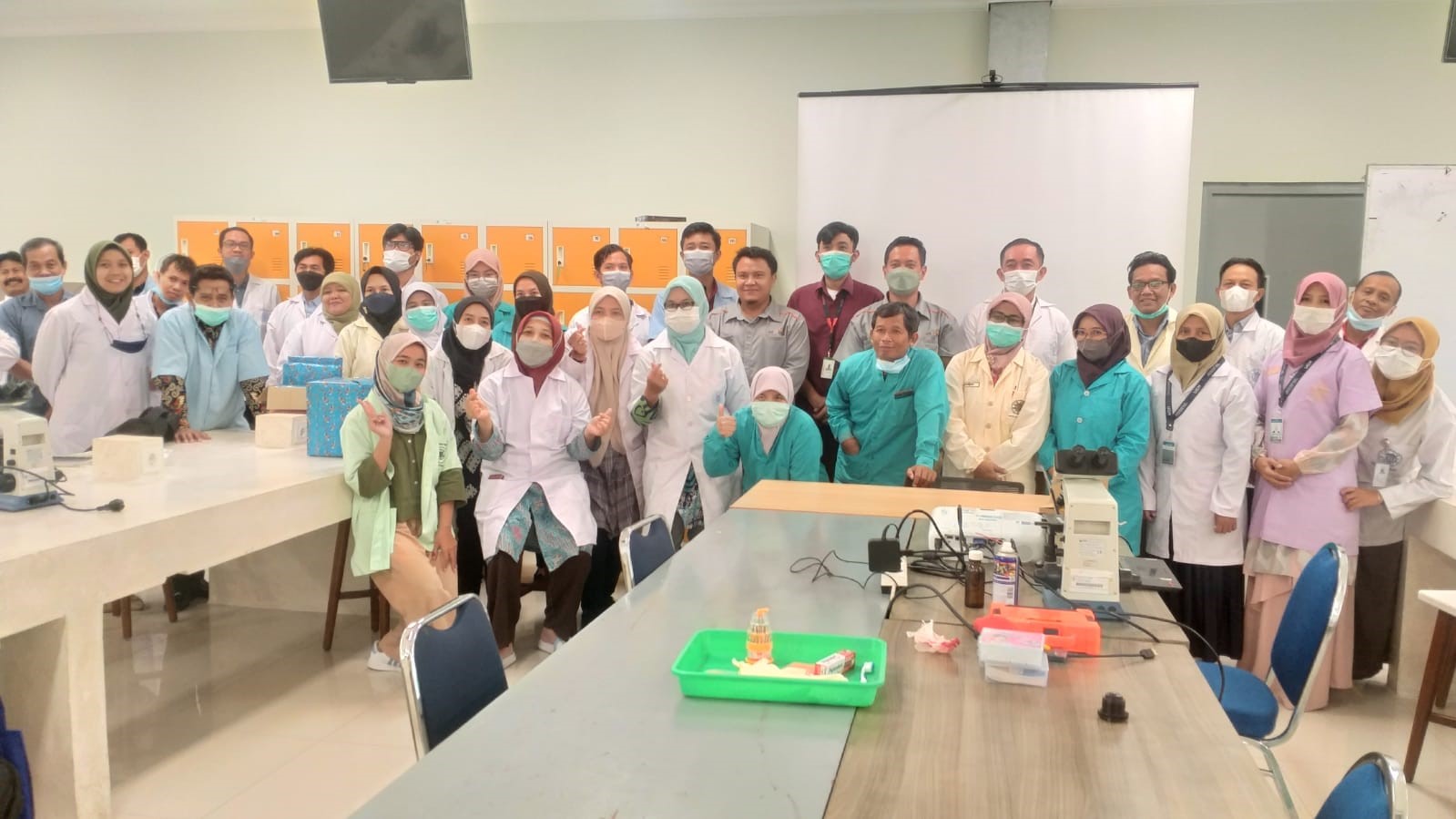
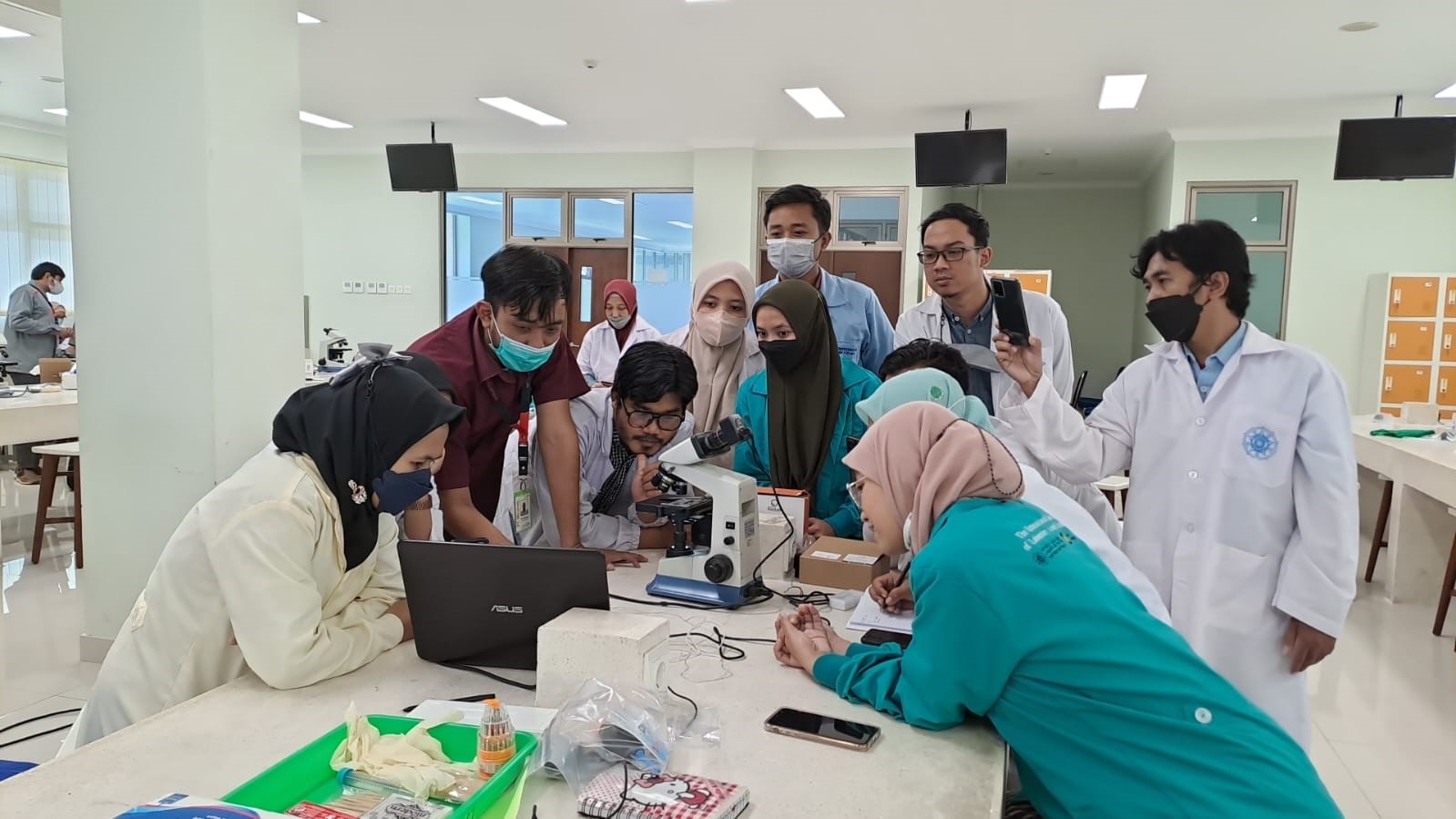
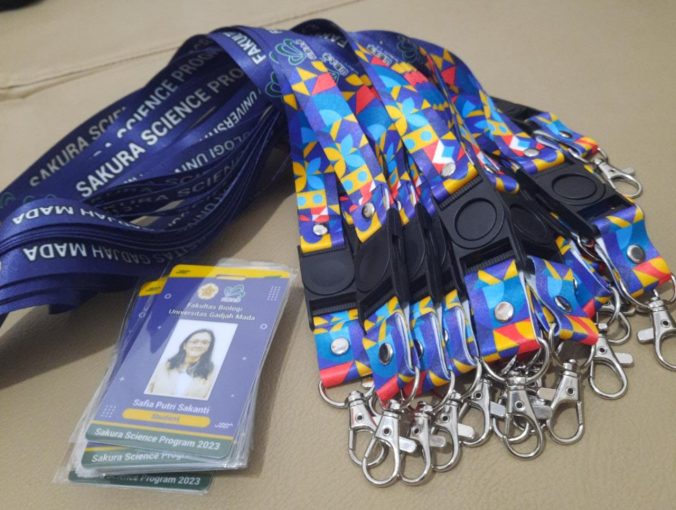
Monday (2/14/2022) as many as 74 Undergraduate Students of the Faculty of Biology UGM took part in the Sakura Science Program 2022. Students who took part in this program came from various grades / semesters. This Program was held online through a zoom meeting by Yamagata University, Japan from February 14, 2022 to February 19, 2022. This program was divided into two parts, there were learning session and practical session that start from 08:00 AM till 03:00 PM for each day. The Sakura Science Program 2022 is a form of collaboration between the Faculty of Biology, Universitas Gadjah Mada and Yamagata University, Japan which has also been implemented in previous years.

Slide 1
Slide 2
Slide 3
Slide 4
Slide 5

The theme raised in this year’s Sakura Science Program is “Understanding the Asian Biodiversity by advanced Methodologies”. On the first day presentations covering “Introduction of Yamagata”, “Introduction of Yamagata University”, and “Introduction of University Museum” were delivered by Prof. Jun Yokoyama. On February  15, 2022, the presentations included : ”Plant Diversity of Southeast Asia”,  “Plant Diversity of Japan and East Asia” and “How to Describe Plant Biodiversity?” delivered by Prof. Jun Yokoyama. On 16-17 February 2022, there were be a practical session, entitled “Workshop: How to Know Organismal Evolution from Molecular Data” and “Performance of Laboratory Works of Molecular Study for Biodiversity”, which was guided by Prof. Jun Yokoyama. The presentation class was again delivered on Friday with the topics “Termitophily: Unique Insect Diversity in Termite Nests” (presented by Dr. Taisuke Kanao), “Diversity of Asian Insects with Particular Attention to Researches on Herbivorous Ladybird Beetles” (presented by Prof. Naoyuki Fujiyama) dan “How do Plant Roots Respond to Water Deficit? : Physiological and Molecular Biological Dissection of Root Hydrotropism” (presented by Prof. Yutaka Miyazawa). The last day of the Sakura Science Program 2022 was closed by watching the live streaming of the snow mountains scenery around Yamagata City. (Ardita)

The 7th International Conference on Biological Sciences (ICBS) 2021 Contributing to the Solving of Current Global Issues

HeadlineNews Release Saturday, 16 October 2021

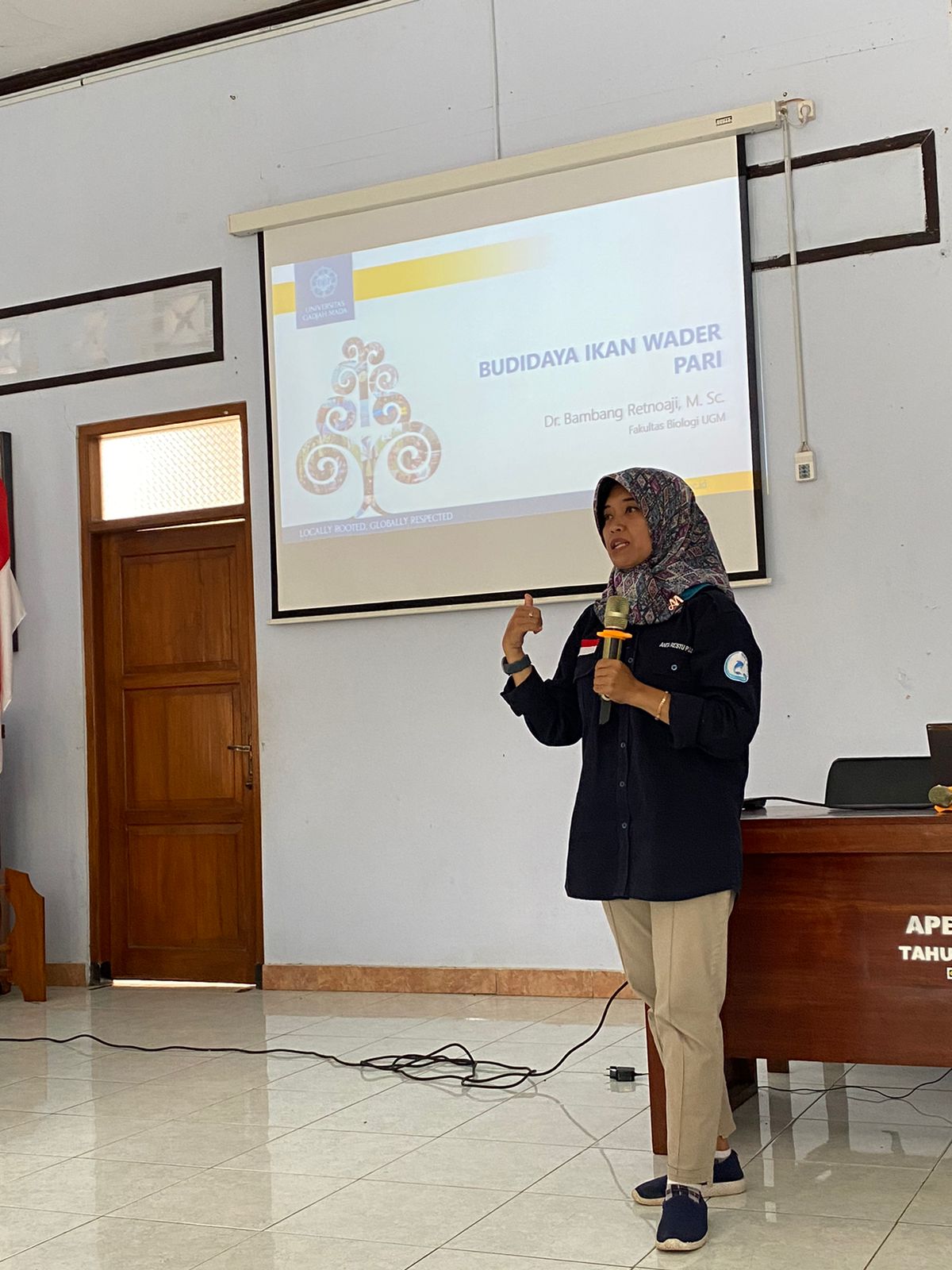
Faculty of Biology, Universitas Gadjah Mada has successfully held the international conference known as, “The 7th International Conference on Biological Sciences (ICBS) 2021”. This conference is a biennial agenda in the Faculty of Biology as a series of events from the celebration of the faculty’s anniversary. This year, the 7th ICBS was held online on October 14th-15th 2021 and inviting Prof. Craig Moritz (Director of the Centre for Biodiversity Analysis Australian National University) together with Dr. Aparna Lal (Research School of Population Health, ANU College of Health and Medicine, Australian National University) as the keynote speakers. Besides, there were several invited speakers, namely Prof. Datin Dr. Maryati Binti Mohamed (Universiti Tun Hussein Onn Malaysia), Dr. Ahmed Abd El Wahed (University of Leipzig, Germany), Prof. dr. Joana Falcao Salles (University of Groningen Netherlands), and Dr. biol. hom. Nastiti Wijayanti (Faculty of Biology, Universitas Gadjah Mada).
Slide 7
Slide 6
Slide 3
Slide 2
Slide 4
Slide 1
Slide 5

The theme that was discussed in the 7th ICBS was “Contributing to Global Issues: Current Advances in Biodiversity and Health Research in the Face of Climate Change”, with 7 conference topics, which are biosystematic, functional biology, biomedical, bioinformatic, genetic, bio-nanotechnology, and bioengineering.

The conference was opened with the event report by the Chairman of the committee, Dr. Miftahul Ilmi, M.Si. “This year’s conference is also the first time held online due to the global pandemic situation. However, it becomes a blessing in disguise, because the conference becomes accessible to a wider audience and participants from all over the world. The number of participants registered is 223. Among them, 183 participants will present their paper of which 6 of them are presented in the poster form. Most of the participants are from Indonesia, but we also have participants from Malaysia, Philippines, Pakistan, and India,” said Dr. Ilmi in his report.

The first welcoming speech was delivered by the Rector of Universitas Gadjah Mada, Prof. Ir. Panut Mulyono, M.Eng., D.Eng., IPU ASEAN Eng., then continued by the Ministry of Health of the Republic of Indonesia, Ir. Budi Gunadi Sadikin, CHFC, CLU. As the opening remark of the conference, Prof. Dr. Budi Setiadi Daryono, M.Agr.Sc., as the dean of the Faculty of Biology, Universitas Gadjah Mada, delivered his speech as well, “I’m sure this conference will really have a fruitful exchange of ideas of biology and provide valuable input for supporting better human life in overcoming climate change”. Aside of that, Prof. Budi also delivered a verse in English, “English is easy, easy is abcd. If you lose your sweety, join ICBS and be happy”.

Meanwhile, the first day of the conference was started with presentation from the keynote speakers, Prof. Craig Moritz together with Dr. Aparna Lal who discussed about “Synergistic approaches to understanding impacts of climate change on biodiversity and human health”, continued with presentation from Prof. Em. Dr. Datin Maryati Mohammed about “Biodiversity and human welfare amidst global climatic changes: food and medicines from insects”. After that, a parallel presentation session by the participants was conducted and then the first day was closed with a presentation by Prof. dr. Joana Falcão Salles with a topic “Taming the plant microbiome for a sustainable agriculture”.

On the second day, the event was opened with a presentation by Dr. biol. hom. Nastiti Wijayanti, that discussed about “Animal Cell Culture: Development of research on biodiversity and virology”, then continued with a parallel presentation session by participants, and the last session was a presentation by Dr. Ahmed Abd El Wahed who brought the topic about “Next generation molecular assay: time to think different”. As the closing act, there were announcement for the best presenters, best poster, and also door prizes winners for participants who actively participated during the whole sessions.

The result of the seminar will be published in Advances in Biological Sciences Research as the conference proceedings and also as journal publication to The Indonesian Journal of Biotechnology dan Journal of Tropical Biodiversity and Biotechnology. Those publications have been indexed by Scopus as well as Web of Science. This whole event was held by the support of Publishers and Publications Boards (BPP) of Universitas Gadjah Mada, HEXOS, Manna Kampus, Mykonos, KONIMEX, and Vishuo Biomedical Pte. Ltd.
UGM Student Received 2021 Summer Research Internship Grant in National Institute of Genetics (NIG), SOKENDAI, Japan

HeadlineNews Release Friday, 20 August 2021

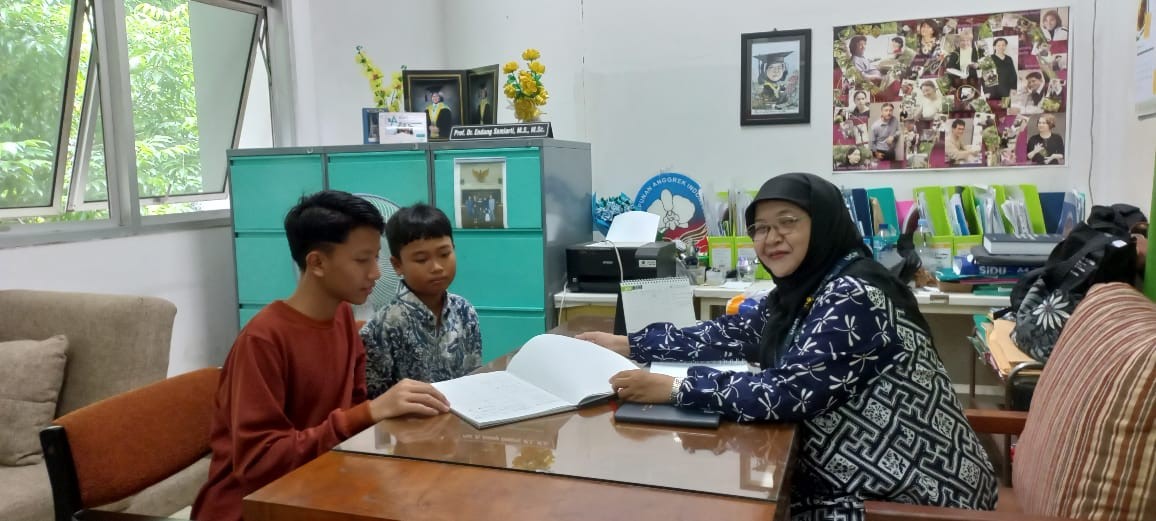
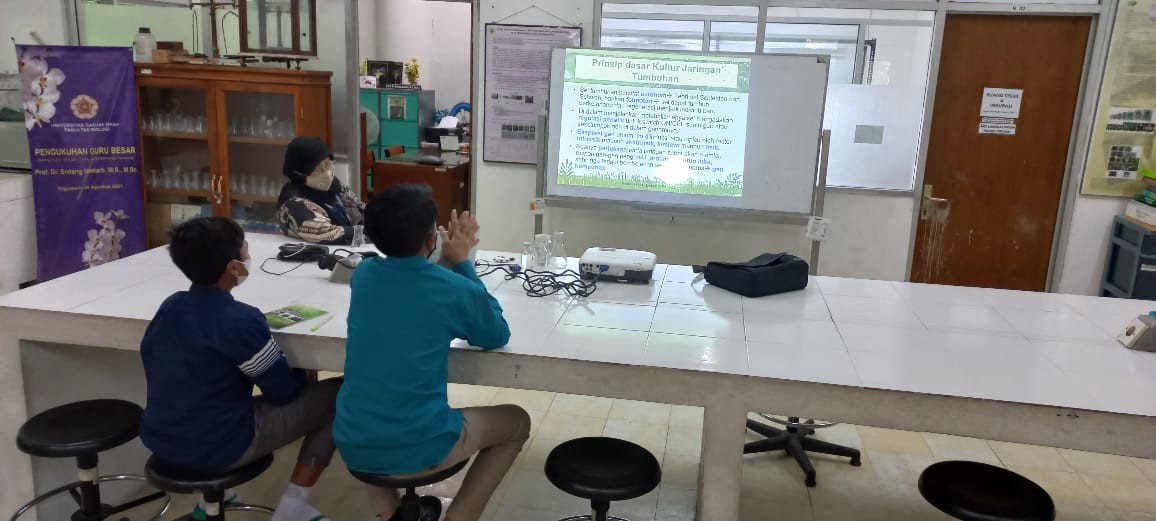
This past summer, one of UGM undergraduate students, Nareta Defiani (Biology, 2018) just completed her internship program hosted by the National Institute of Genetics at the Graduate University for Advanced Studies (SOKENDAI) through the NIGINTERN 2021 Program. The 14th NIGINTERN program was carried out from June 17 to July 28, 2021. This program took 6-week in total, including the welcoming party, colloquium, lectures by outstanding researchers from inside and outside NIG, farewell party, and a social night conducted by fellow NIG interns.

Slide 1
Slide 2
Slide 4
Slide 3

“Although NIGINTERN 2021 was held in a virtual concept, due to COVID-19 situations, I am really thankful of the NIG committee members for giving me the opportunity of letting me understand the wide range of opportunities for research in the field of developmental biology. It has been my honor of learning about the working environment of NIG. Also, I just met twelve amazing interns from around the world and we connected to each other regardless of the time zone and language barrier. The colloquiums and regular lectures, which are conducted in English, making it easier to understand.” said Nareta.

Every year, the NIGINTERN program accepts twelve undergraduate and graduate students in their pre-final years, whilst Nareta was the only and the first student admitted from Indonesia. Intern students will conduct independent research under the mentorship of a host investigator at NIG. The program includes training on scientific research, scientific communication, and lab visits to discuss with individual principal investigators. At the end of the program, participants will give a presentation on their experience at the “NIGINTERN Reports Symposium” (was not applied for NIGINTERN 2021). NIG will issue a certificate to those who have successfully completed the program.

Nareta was assigned to the Koichi Kawakami’s Laboratory of Molecular and Developmental Biology, focusing on zebrafish (Danio rerio). The primary objective of the research is to create a large number of transgenic fish lines that express the yeast Gal4 transcription activator in specific cells, tissues and organs.  Also, Kawakami’s lab has developed the highly efficient transposon system in vertebrates by using the Tol2 transposable element from Japanese medaka fish. Further, in a model vertebrate zebrafish, the lab has developed powerful genetic methods, including the transposon-mediated transgenesis, gene trap, enhancer trap, and Gal4-UAS methods.

“It was very interesting yet so intense, but thanks to the lab members and colleagues that were very keen on me. Although this year I only had a virtual experience of researching, it was just beyond my expectations since everything was just well-planned and remarkable. For every UGM student who is willing to commit a higher-level and deep understanding of molecular biology research, I would recommend NIGINTERN without hesitation!” added Nareta.


1…7273747576…79

Accreditation

Recent Posts

  • Layla McKenzie: “Epic, Educational, and Memorable” – A Deakin University Student’s Exchange Story at UGM Biology Faculty
  • Learning Beyond the Comfort Zone: The Exchange Student Experience from Vrije Universiteit Amsterdam at UGM
  • Dissemination of Bioprospecting Development Results Highlights Sustainable Utilization of Medicinal Plants in Mount Merbabu
  • Unveiling the Chloroplast Genome of ‘Mencir’ Strawberry to Support Breeding of Superior Indonesian Strawberries
  • Expanding International Networks, the Faculty of Biology UGM Promotes the IUP at Sangkhom Islam Wittaya School, Thailand
Universitas Gadjah Mada

UNIVERSITAS GADJAH MADA

FACULTY OF BIOLOGY
Teknika Selatan Street, Sekip Utara,
Yogyakarta 55281
biologi-ugm@ugm.ac.id
Phone/Fax: +62 (274) 580839

About us

  • History
  • Organization
  • Vision and Mission
  • Staff

Student Affairs

  • Student Service
  • Student Organization
  • Submission for Practical Field Work
  • Permission Field Research
  • Permission Thesis/Disertation

academic

  • Academic Regulations
  • Academic Anonncement

Accreditation

  • Image 1
  • Image 2
  • Image 3

© 2024 FACULTY OF BIOLOGY UNIVERSITAS GADJAH MADA

KEBIJAKAN PRIVASI/PRIVACY POLICY

[EN] We use cookies to help our viewer get the best experience on our website. -- [ID] Kami menggunakan cookie untuk membantu pengunjung kami mendapatkan pengalaman terbaik di situs web kami.I Agree / Saya Setuju