Arsip:
Justice
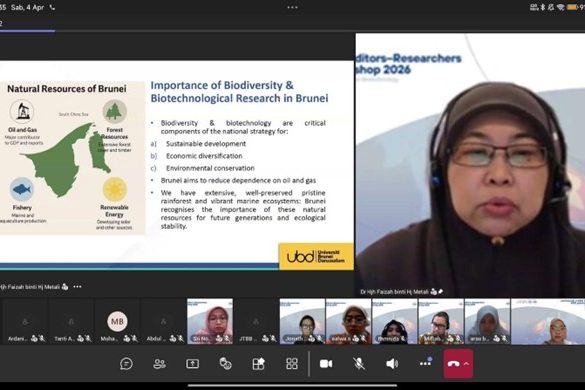
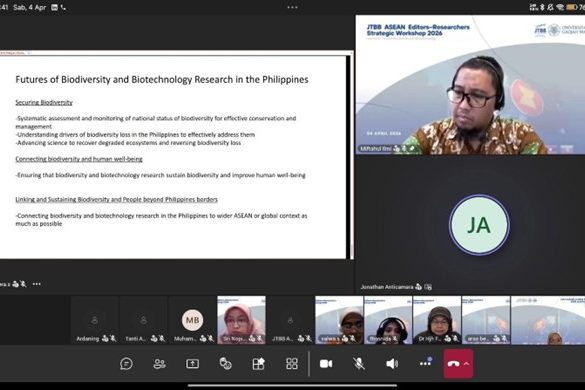
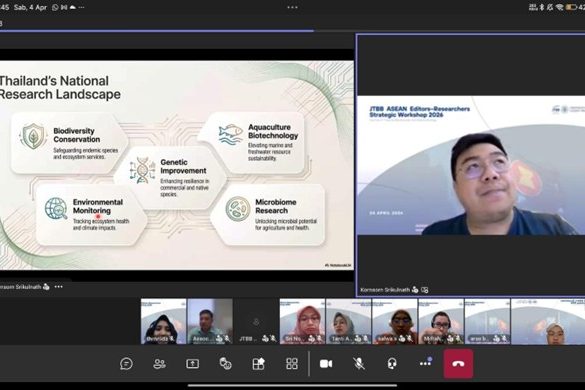
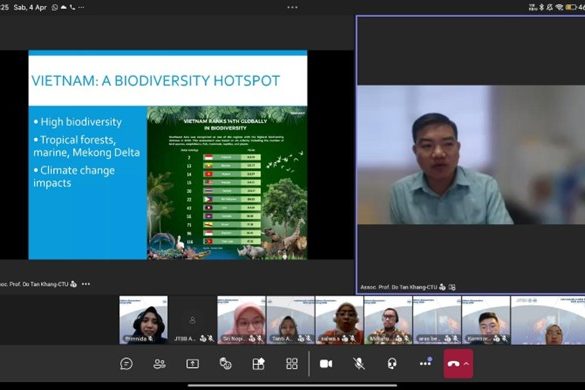
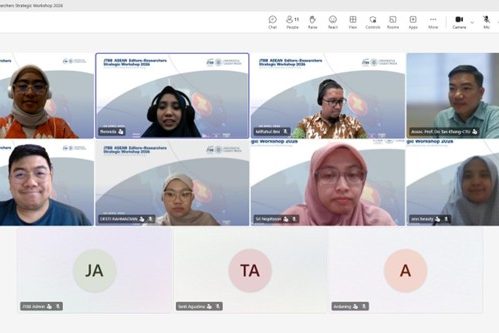
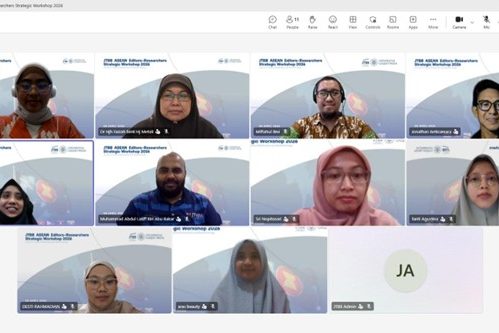
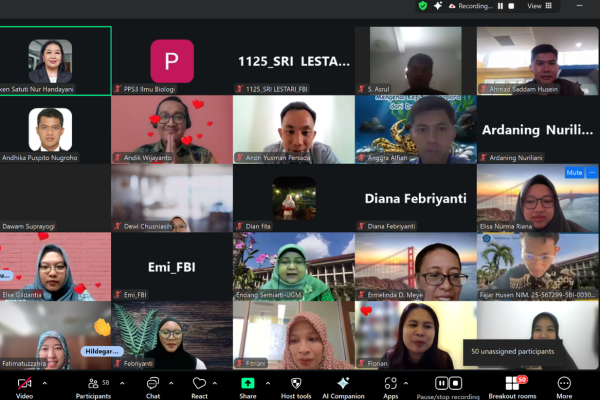
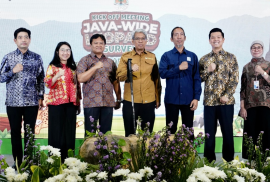
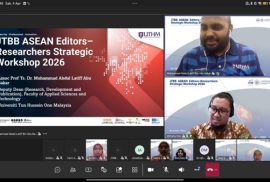
Yogyakarta, 6 April 2026 — The Journal of Tropical Biodiversity and Biotechnology (JTBB), Faculty of Biology, Universitas Gadjah Mada (UGM), successfully held the JTBB ASEAN Editor–Researcher Strategic Workshop 2026 in a hybrid format on 4–5 April 2026. This workshop is part of JTBB Advancement Program 2026 that is funded with EQUITY Grant by UGM. The event was attended by the JTBB editorial team as part of its strategic effort to improve the journal’s quality and quartile ranking, while also engaging researchers from across ASEAN in line with JTBB’s regional focus on biodiversity and biotechnology. This workshop represents a strategic initiative to strengthen academic networks and enhance JTBB’s relevance and competitiveness at the international level, while also contributing to the achievement of global sustainable development priorities, particularly SDG 4 Quality Education through improving the quality of scientific publications, SDG 9 Industry Innovation and Infrastructure through strengthening research and innovation ecosystems, SDG 15 Life on Land by supporting biodiversity-related research, and SDG 17 Partnerships for the Goals through fostering cross-country collaboration within the ASEAN region.
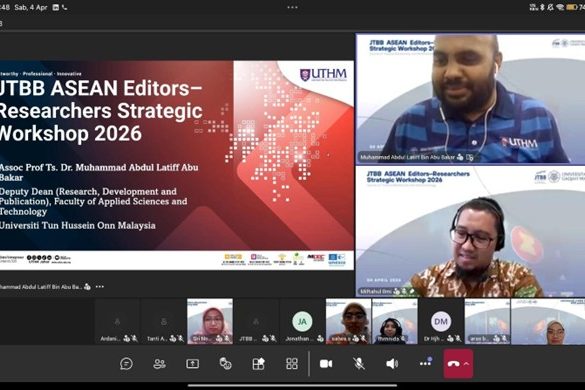
The workshop featured five distinguished speakers representing their respective ASEAN countries: Prof. Madya Ts. Dr. Muhammad Abdul Latiff Bin Abu Bakar from Universiti Tun Hussein Onn Malaysia (Malaysia), Prof. Jonathan A. Anticamara, Ph.D. from the University of the Philippines Diliman (Philippines), Dr. Faizah Haji Metali from Universiti Brunei Darussalam (Brunei Darussalam), Prof. Kornsorn Srikulnath, Ph.D. from Kasetsart University (Thailand), and Assoc. Prof. Dr. Do Tan Khang from Can Tho University (Vietnam). Through this forum, JTBB sought to strengthen its engagement with ASEAN research communities by connecting editors, researchers, and scientific associations, while also mapping emerging research trends and publication dynamics across the region to ensure alignment with the journal’s editorial scope. Furthermore, the workshop aimed to expand and diversify JTBB’s author and reviewer base, particularly in specialized research areas, and to enhance the journal’s visibility and citation impact as part of its long-term goal of achieving Q1 ranking by 2030.
On the first day, 4 April 2026, the workshop focused on gaining insights from the invited speakers regarding current research trends, challenges in scientific publishing, and opportunities for regional collaboration. The discussions provided a comprehensive overview of the ASEAN research landscape and highlighted opportunities for JTBB to remain adaptive and responsive to scientific developments. On the second day, 5 April 2026, the JTBB editorial team conducted an internal discussion session to synthesize the insights obtained from the speakers. The outcomes of this session will serve as the foundation for JTBB’s strategic planning, particularly in enhancing journal quality and accelerating progress toward its Q1 indexing target.
Through this workshop, JTBB reaffirms its commitment to advancing as a reputable international scientific journal that is not only responsive to regional research dynamics but also actively fosters an inclusive collaboration ecosystem among editors and researchers. This initiative is expected to strengthen JTBB’s position as a credible and impactful publication platform, while contributing to the advancement of biodiversity and biotechnology research across the ASEAN region.

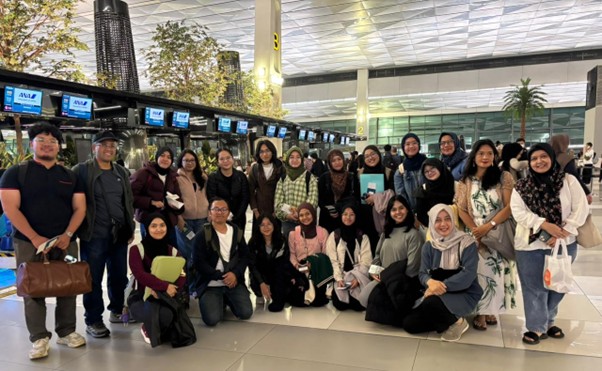
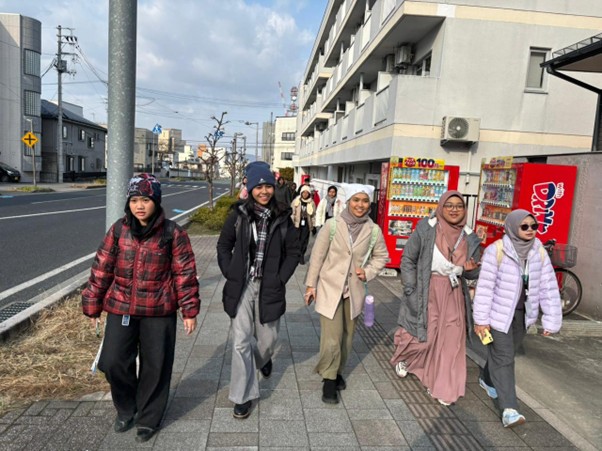
Yamagata, Japan – February 16, 2026 — Eighteen members of the Faculty of Biology, Universitas Gadjah Mada (UGM), consisting of 2 faculty members and 16 students, are participating in the Sakura Science Program 2026 hosted by Yamagata University, Japan. Several participants are funded by the Japan Sakura Science Program 2026, an international initiative designed to strengthen scientific collaboration and academic exchange between Japan and partner countries.
This program represents a significant step in expanding international cooperation in the fields of molecular biology, ecology, and biodiversity research, while providing participants with direct academic experience in a global research environment.
Academic Preparation Prior to Departure
The program began with an online preparatory session on Wednesday, February 11, 2026, delivered by Prof. Jun Yokoyama of Yamagata University. In this session, Prof. Yokoyama introduced the geographical characteristics and environmental conditions of Yamagata City, offering ecological context for the upcoming field and laboratory activities.
The session was followed by an introductory lecture on plant DNA extraction techniques, which will serve as the foundation for laboratory practice during the program.
Participants departed from Indonesia on Sunday, February 15, 2026, and arrived at Narita International Airport on the same day before continuing their journey to Yamagata.
Day One: Opening Lectures and Intensive Academic Sessions
The official program commenced on Monday, February 16, 2026, with an opening lecture by Prof. Jun Yokoyama, Program Manager of the Sakura Science Program at Yamagata University. He outlined the agenda for the seven-day program, running through February 22, 2026, which includes:
- Thematic lectures and academic discussions
- DNA extraction laboratory practice
- Phylogenetic tree construction
- Student presentations
- Visits to museums
- A field excursion to Mount Gassan
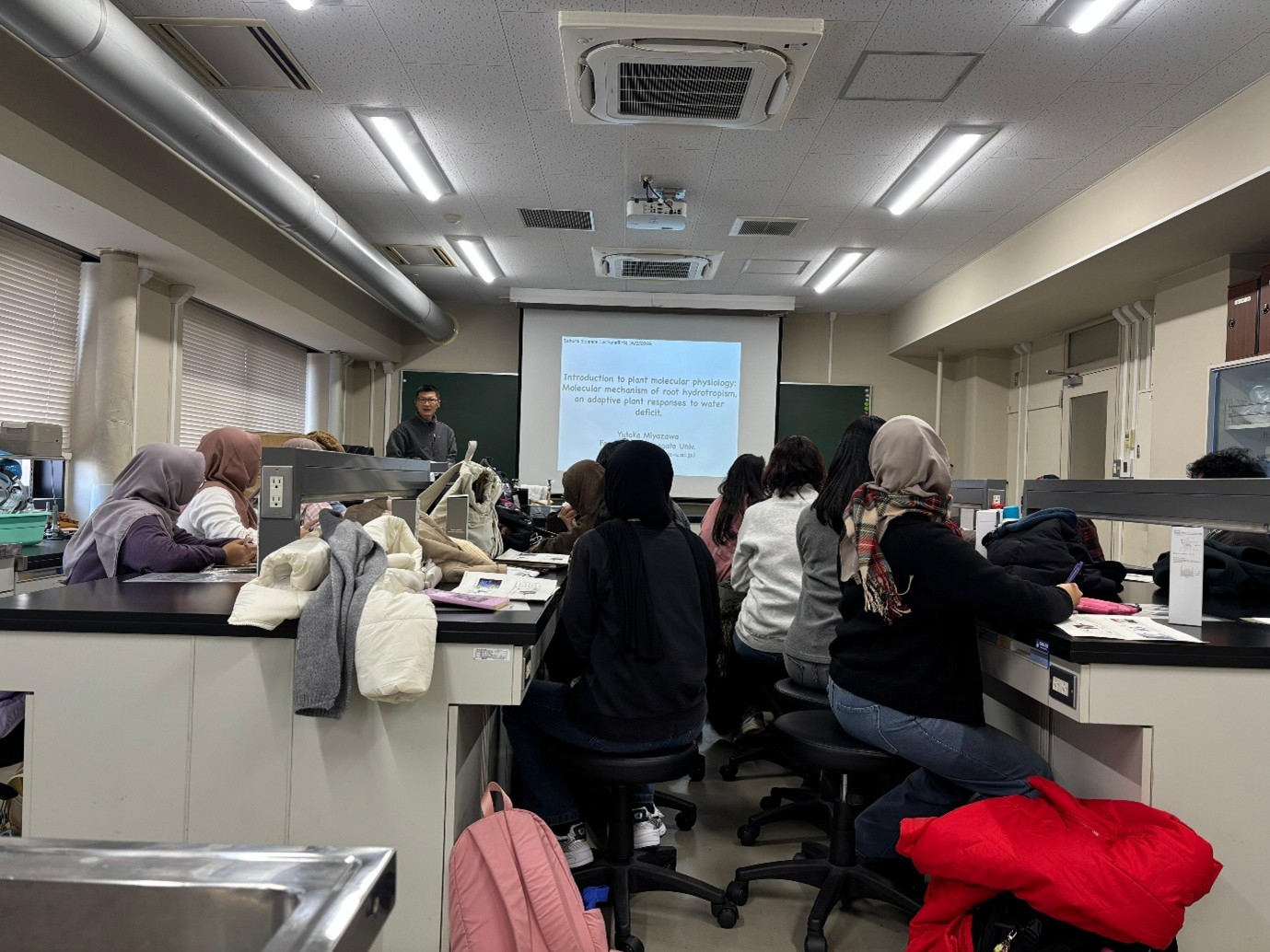
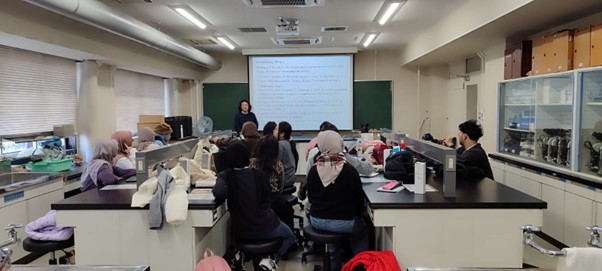
The academic atmosphere continued with a lecture by Prof. Yutaka Miyazawa, who presented on plant physiology, particularly the phenomenon of root hydrotropism — the directional growth response of plant roots to moisture gradients. His lecture enriched participants’ understanding of plant adaptation mechanisms to environmental conditions.
Following the morning sessions, participants enjoyed lunch at the university cafeteria, experiencing Japanese cuisine and campus culture as part of their international academic immersion.
Exploring Asian Insect Biodiversity
The afternoon session featured a lecture by Prof. Naoyuki Fujiyama, who discussed Asian insect biodiversity, with special emphasis on herbivorous lady beetles in Indonesia. He highlighted the application of DNA sequencing data in biodiversity studies and in determining the phylogenetic relationships of Indonesian herbivorous beetles.
The first day concluded with a lecture by Dr. Taisuke Kanao, focusing on termite diversity and the ecological roles of social insects in various ecosystems.
Strengthening Global Collaboration
The first day of Sakura Science Program 2026 was marked by enthusiastic participation and intensive academic exchange. Beyond enhancing scientific knowledge and laboratory skills, the program fosters stronger international collaboration between the Faculty of Biology UGM and Yamagata University.
Through this initiative, both institutions aim to deepen research partnerships, particularly in molecular biology, biodiversity, and ecological studies across East and Southeast Asia.
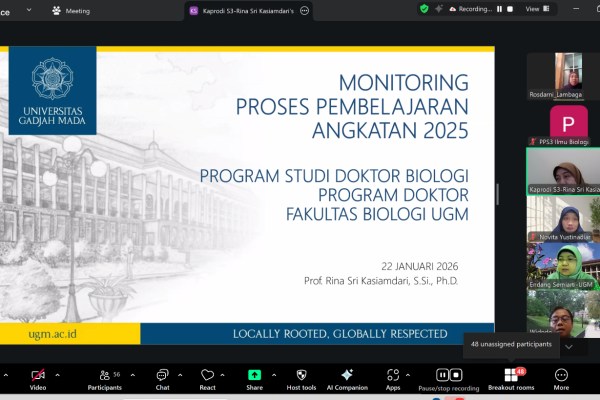
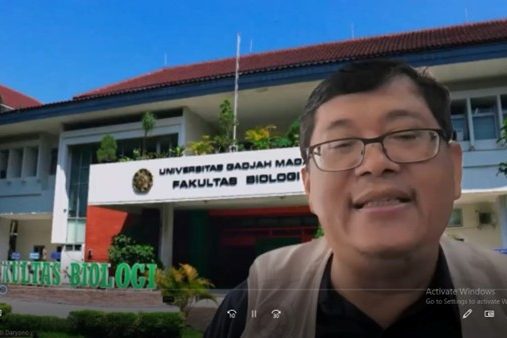
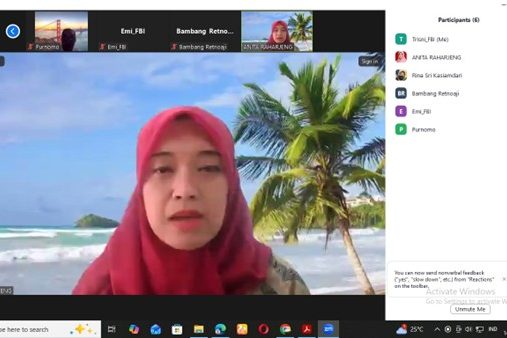
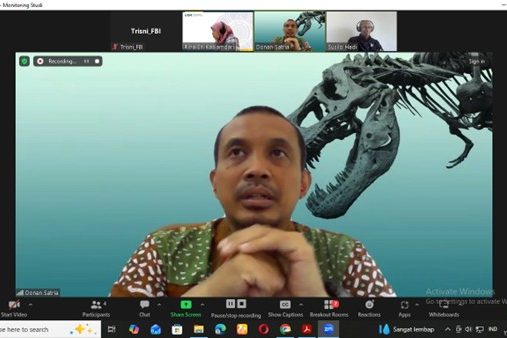
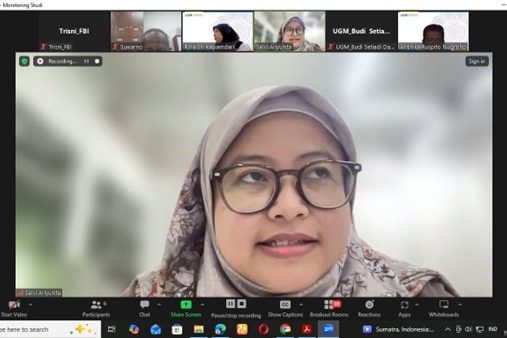
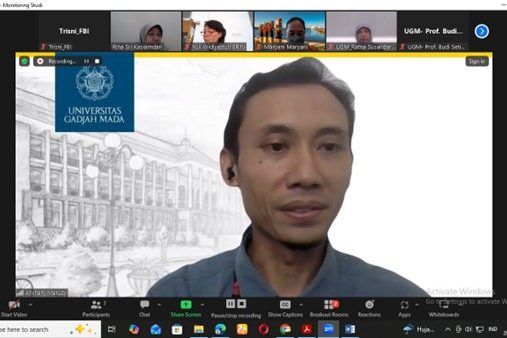
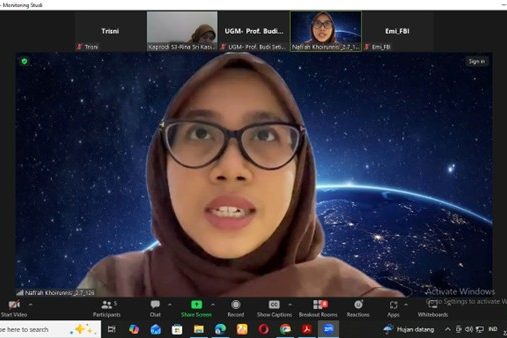
Yogyakarta, 14–22 January 2026, Over the course of a week, the Faculty of Biology at Universitas Gadjah Mada (UGM) conducted its Monitoring of Academic Progress for Doctoral Students in Biological Sciences, bringing together students from all doctoral cohorts as part of an ongoing evaluation of their academic progress.
A total of 136 doctoral students participated in the monitoring. The monitoring began on 14 January 2026 with 9 students from the 2019–2020 cohorts, followed by 10 students from the 2021 cohort on 15 January 2026. On 19 January 2026, 19 students from the 2022 cohort participated, followed by 28 students from the 2023 cohort on 20 January 2026. On Wednesday, 21 January 2026, the monitoring included 15 students from the 2024 cohort. On the final day, 22 January 2026, the sessions were attended by 15 students from the 2024 cohort and 39 students from the 2025 cohort. Monitoring for the 2025 cohort was carried out in group sessions, while students from the other cohorts participated in individual meetings with program management and their supervisory teams. In each session, students discussed the progress of their research, the challenges they had encountered, and the strategies they planned to overcome these obstacles. The sessions fostered open, meaningful dialogue, providing each student with guidance tailored to their individual needs.
The activity aimed to ensure that students’ academic progress aligns with university regulations, while also supporting timely completion of studies without compromising the quality of academic output and research. Beyond its evaluative purpose, the monitoring served as an academic dialogue to strengthen guidance and institutional support for doctoral students. During the sessions, the Dean of the Faculty of Biology, Prof. Dr. Budi Setiadi Daryono, M.Agr.Sc., emphasized that students must remain focused on prioritizing their studies, approach every stage of the academic process with full commitment and seriousness, and successfully complete their academic journey on time.
The program also reflects the Faculty of Biology UGM’s alignment with the Sustainable Development Goals (SDGs), particularly SDG 4 (Quality Education), SDG 9 (Industry, Innovation, and Infrastructure), and SDG 16 (Peace, Justice, and Strong Institutions), emphasizing responsible academic governance and excellence in research.
On Saturday and Sunday, May 18-19, 2024, the Faculty of Biology Universitas Gadjah Mada conducted training for the 2024 Buddy Counselors. These Buddy Counselors are students selected through a screening process by the Faculty of Biology’s Mental Health Team during the recruitment, held from February 12-16, 2024. They are tasked with providing emotional support and adequate counseling to fellow students in need. The Buddy Counselor program aims to help UGM become a Health Promoting University (HPU) with a focus on Mental Health and a Zero Tolerance for Violence, Bullying, and Harassment, which are the priorities of the UGM HPU activities. For 2024, Buddy Counselors are also assigned to mentor ten new students each during the PPSMB (Student Orientation).
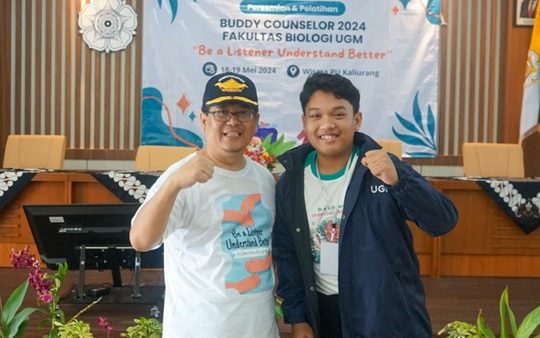
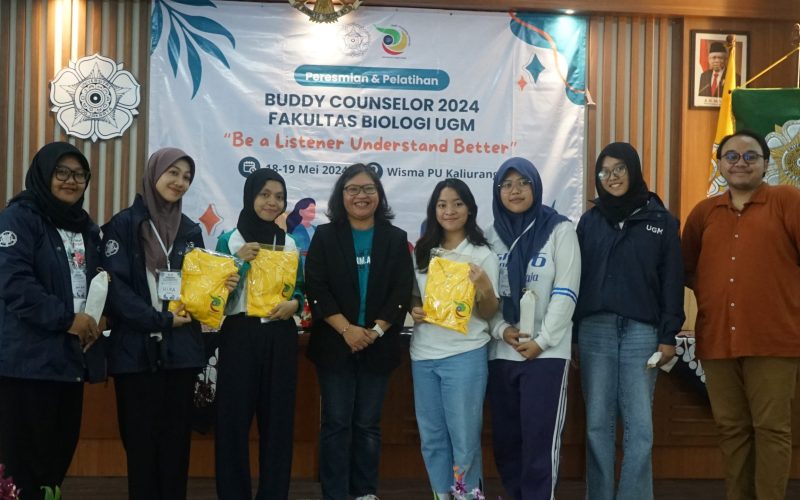
This two-day training took place at the Faculty of Biology UGM and Kaliurang. The first session, held in the Faculty of Biology UGM Auditorium, began with a welcome speech from the Dean of the Faculty of Biology UGM, Prof. Dr. Budi S. Daryono, M.Agr.Sc. In his speech, Prof. Budi stated that this training activity is a commendable initiative. Being a Buddy is a noble task, and those selected should be grateful as not everyone gets this opportunity. The Buddies are responsible for helping to achieve a balance in mental and physical health. According to the training theme, “Be a Listener, Understand Better,” Buddies must be good listeners. Just like waiting, being a listener requires patience. Those who can wait will achieve success. At the end of his speech, Prof. Budi announced that there would be an award for the best Buddy Counselor during the Dies Natalis ceremony. “There will be an award for the best Buddy, the best of the bestie,” concluded the Dean. Following his speech, the Dean inaugurated the 2024 Buddy Counselors of the Faculty of Biology UGM by presenting jackets to one of the Buddy Counselors.
The first session on Zero Tolerance for Violence, Bullying, and Harassment delivered by Sri Wiyanti Eddyono, S.H., LL.M.(HR), Ph.D., known as Bu Iyik, a lecturer at the Faculty of Law UGM and serves as the Chair of the POKJA Zero-Tolerance Bullying, Violence, and Harassment HPU UGM, as well as the Head of the Task Force for the Prevention and Handling of Sexual Violence (PPKS) at UGM. Her presentation covered:
– Introduction to the three major issues in higher education
– The country’s response to these major issues
– UGM’s response to Bullying and Violence, especially Sexual Violence
– Procedures for handling Sexual Violence and Bullying
Besides delivering the material, participants also learn to resolve violence cases that occur at UGM, which is followed with great enthusiasm by all participants.
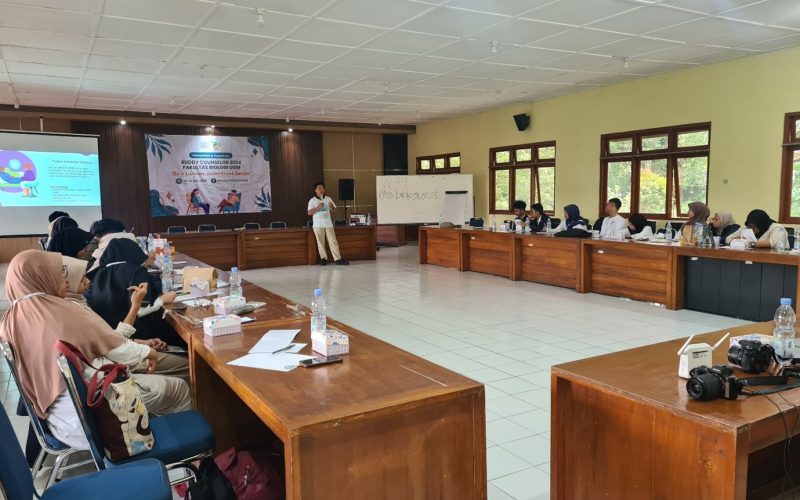
The second session on Mental Health was conducted in the meeting room of Wisma Pesanggrahan PU, Kaliurang. This session was delivered by Yudhistira Adi Perdana, M.Psi., Psychologist from the Faculty of Biology UGM. Mas Yudhis provided insights on how Buddy Counselors should handle counselees, from listening, questioning, to giving advice.
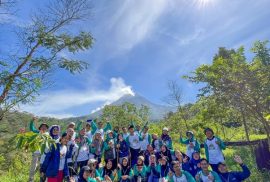
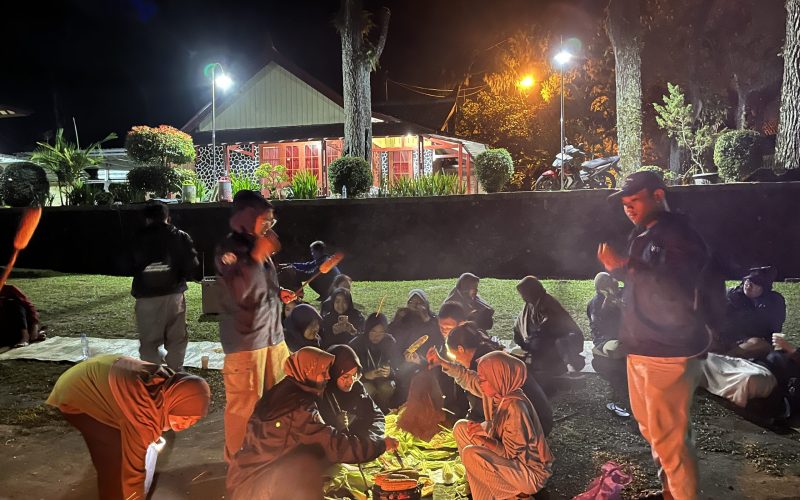
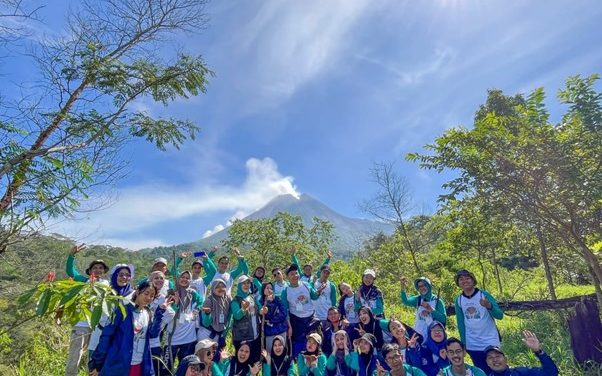
After a break, the evening featured a discussion on the work program to be implemented over a year. Participants were divided into two groups, and each group must present their discussion results, which then summarized by the Mental Health Team consisting of Psychologist Yudhistira Adi Perdana, M.Psi., and Faculty Counselor Lecturers, Dwi Umi Siswanti, S.Si., M.Sc., Dr. Dwi Sendi Priyono, S.Si., M.Si., and Dr.rer.nat. Abdul Rahman Siregar, M.Biotech., as well as PIC HPU Faculty of Biology UGM, Titin Fauziah, S.E., M.B.A. To conclude the training, there was a bonding activity involving a bonfire and gift exchange among participants. The next morning, on Sunday, May 19, 2024, all participants went trekking around Kaliurang.
This training is an effort by the Faculty of Biology UGM to support the Sustainable Development Goals (SDGs): Good Health and Well-being, Peace, Justice, and Strong Institutions.
“A rose blooms since yesterday, Growing beside the moringa tree. Welcome, dear guests, to the Inauguration and Training of Buddy Counselors.”
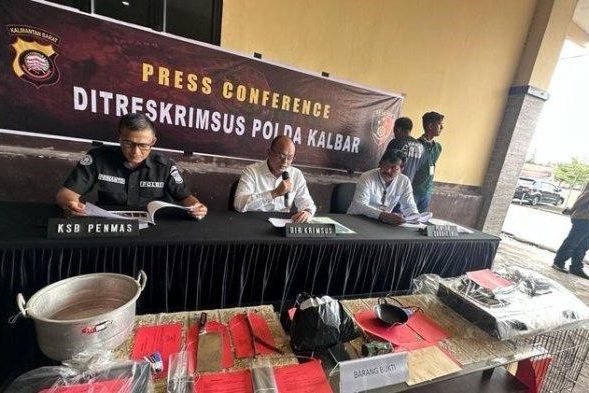
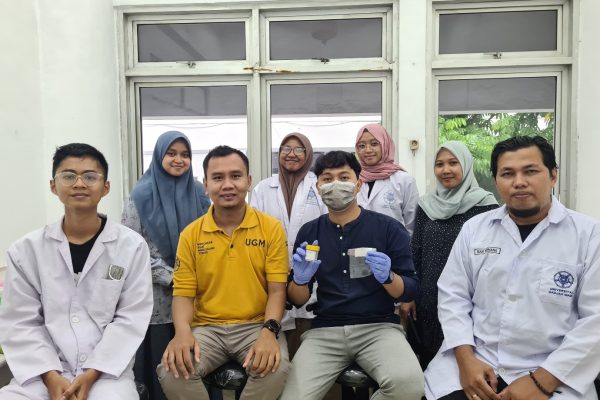
[MBKM]- The MBKM team, under the guidance of Dr. Dwi Sendi Priyono, S.Si., M.Si., collaborated with the West Kalimantan Natural Resources Conservation Agency (BKSDA) and the Directorate of Special Criminal Investigation of West Kalimantan to conduct forensic DNA analysis on evidence in the case of monkey abuse by a public servant in Singkawang with the initials RS.
The examination process was conducted at the Animal Systematics Laboratory of the Faculty of Biology at UGM. The samples received on Friday, March 1, 2024. The team conducted forensic DNA examination on the hair and palm of the hands of long-tailed macaque (Macaca fascicularis) infants, involving a number of students who collectively handled the samples from isolation, amplification to visualization of the results. DNA examination is one of the foundations for identifying the evidence found.
RS, a public servant in Singkawang Regency, was arrested by the police on Wednesday, February 7, 2024, after one of the video contents of his abuse went viral and caught the attention of international animal lovers’ activists. Based on the issued video, long-tailed monkeys were tortured by being boiled, fried, mutilated, and hammered. For his actions, RS charged under Article 91 of the Livestock and Animal Health Law and or Article 302 of the Criminal Code concerning Cruelty to Animals, with a maximum penalty of nine months in prison. Assuming that the DNA forensic identification process succeeds, it will be contributed as evidence to enforce the Quarantine Law.
Forensic DNA analysis in animal abuse is a crucial step to support the achievement of Sustainable Development Goals (SDGs), especially in Life on Land (SDGs 15) and SDGs 16 on Peace, Justice, and Strong Institutions. With DNA forensic technology, we can contribute to testifying the violations against animals, ensure impartial law enforcement, and raise awareness of the need to protect animal life to maintain a balanced ecosystem. Thus, the collaboration between forensic science and animal protection can positively contribute to various aspects of SDGs, including justice, peace, and environmental sustainability.
[MBKM]- The MBKM team, under the guidance of Dr. Dwi Sendi Priyono, S.Si., M.Si., collaborated with the West Kalimantan Natural Resources Conservation Agency (BKSDA) and the Directorate of Special Criminal Investigation of West Kalimantan to conduct forensic DNA analysis on evidence in the case of monkey abuse by a public servant in Singkawang with the initials RS.
The examination process was conducted at the Animal Systematics Laboratory of the Faculty of Biology at UGM. The samples received on Friday, March 1, 2024. The team conducted forensic DNA examination on the hair and palm of the hands of long-tailed macaque (Macaca fascicularis) infants, involving a number of students who collectively handled the samples from isolation, amplification to visualization of the results. DNA examination is one of the foundations for identifying the evidence found.
RS, a public servant in Singkawang Regency, was arrested by the police on Wednesday, February 7, 2024, after one of the video contents of his abuse went viral and caught the attention of international animal lovers’ activists. Based on the issued video, long-tailed monkeys were tortured by being boiled, fried, mutilated, and hammered. For his actions, RS charged under Article 91 of the Livestock and Animal Health Law and or Article 302 of the Criminal Code concerning Cruelty to Animals, with a maximum penalty of nine months in prison. Assuming that the DNA forensic identification process succeeds, it will be contributed as evidence to enforce the Quarantine Law.
Forensic DNA analysis in animal abuse is a crucial step to support the achievement of Sustainable Development Goals (SDGs), especially in Life on Land (SDGs 15) and SDGs 16 on Peace, Justice, and Strong Institutions. With DNA forensic technology, we can contribute to testifying the violations against animals, ensure impartial law enforcement, and raise awareness of the need to protect animal life to maintain a balanced ecosystem. Thus, the collaboration between forensic science and animal protection can positively contribute to various aspects of SDGs, including justice, peace, and environmental sustainability.