• UGM
  • Simaster Portal
  • IT Center
  • Webmail
  • KOBI
  • English
    • Bahasa Indonesia
Universitas Gadjah Mada Universitas Gadjah Mada
Faculty of Biology
  • ABOUT US
    • History
    • Organization
    • Vision and Mission
    • Lectures and Staff
      • Lecturers
      • Adjunct Professor
      • Supporting Staff
    • Facility
      • Laboratories
      • Research
      • Library
      • Museum
      • Mental Health Consultation
      • Disability
  • EDUCATION
    • Undergraduate Program
      • Graduates Learning Outcome
      • Academic Callendar
      • Course
    • IUP
    • Profession Program
      • What is the Professional Study Program in Biodiversity Curator (PKKH)?
      • Admission for New Students of the Biodiversity Curator Profession Program Study
      • Information and FAQ Study Program of Biodiversity Curator Profession
    • Master Program
      • Master Program in Biology Description
      • Curriculum Structure Master Program
    • Doctoral Program
      • Vision, Mission, Objectives, Targets, Competencies, and Learning Outcomes
      • Admission Requirement for Program Doctor in Biological Sciences
      • Admission: What Documents to be prepared?
      • Curriculum
    • Regulations
    • Accreditation & Quality Assurance
  • RESEARCH
    • Journal of Tropical Biodiversity and Biotechnology
    • Berkala Ilmiah Biology
    • Research
    • Publication
  • Community Service
    • Waste Management
  • STUDENTS & ALUMNAE
    • Student Organizations
    • Prospective Career Opportunities
    • SUMMER COURSE
    • Alumnae
  • Home
  • SDG 16 : Guarantee Peace
  • SDG 16 : Guarantee Peace
Arsip:

SDG 16 : Guarantee Peace

Sakura Science Program 2026: 18 Members of UGM Faculty of Biology Participate in Academic Program at Yamagata University, Japan

News ReleaseStudent Activities Wednesday, 18 February 2026

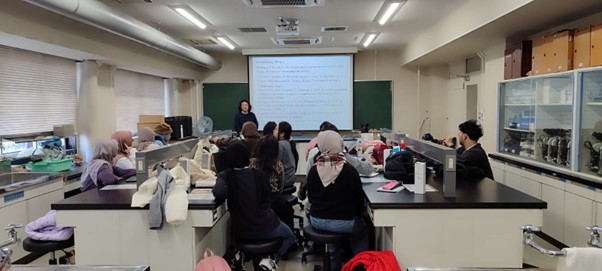
Yamagata, Japan – February 16, 2026 — Eighteen members of the Faculty of Biology, Universitas Gadjah Mada (UGM), consisting of 2 faculty members and 16 students, are participating in the Sakura Science Program 2026 hosted by Yamagata University, Japan. Several participants are funded by the Japan Sakura Science Program 2026, an international initiative designed to strengthen scientific collaboration and academic exchange between Japan and partner countries.
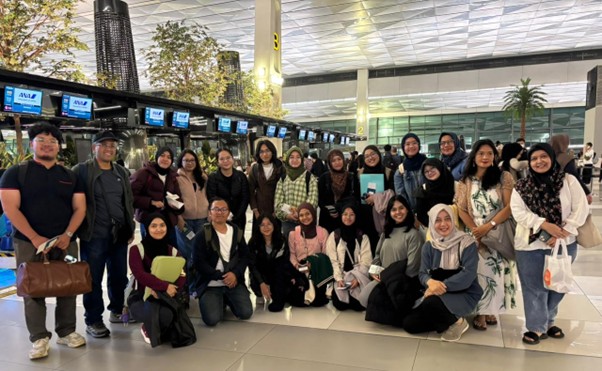
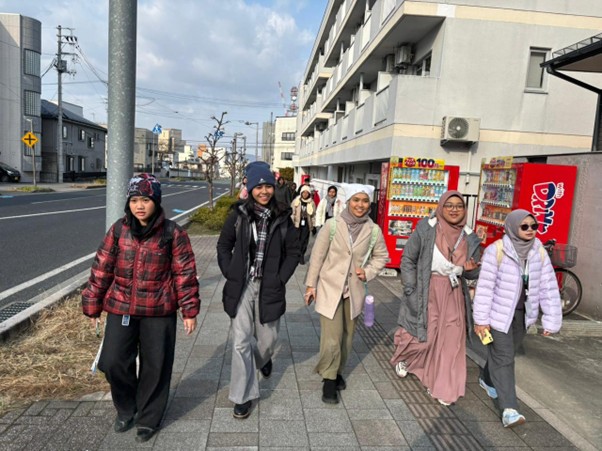
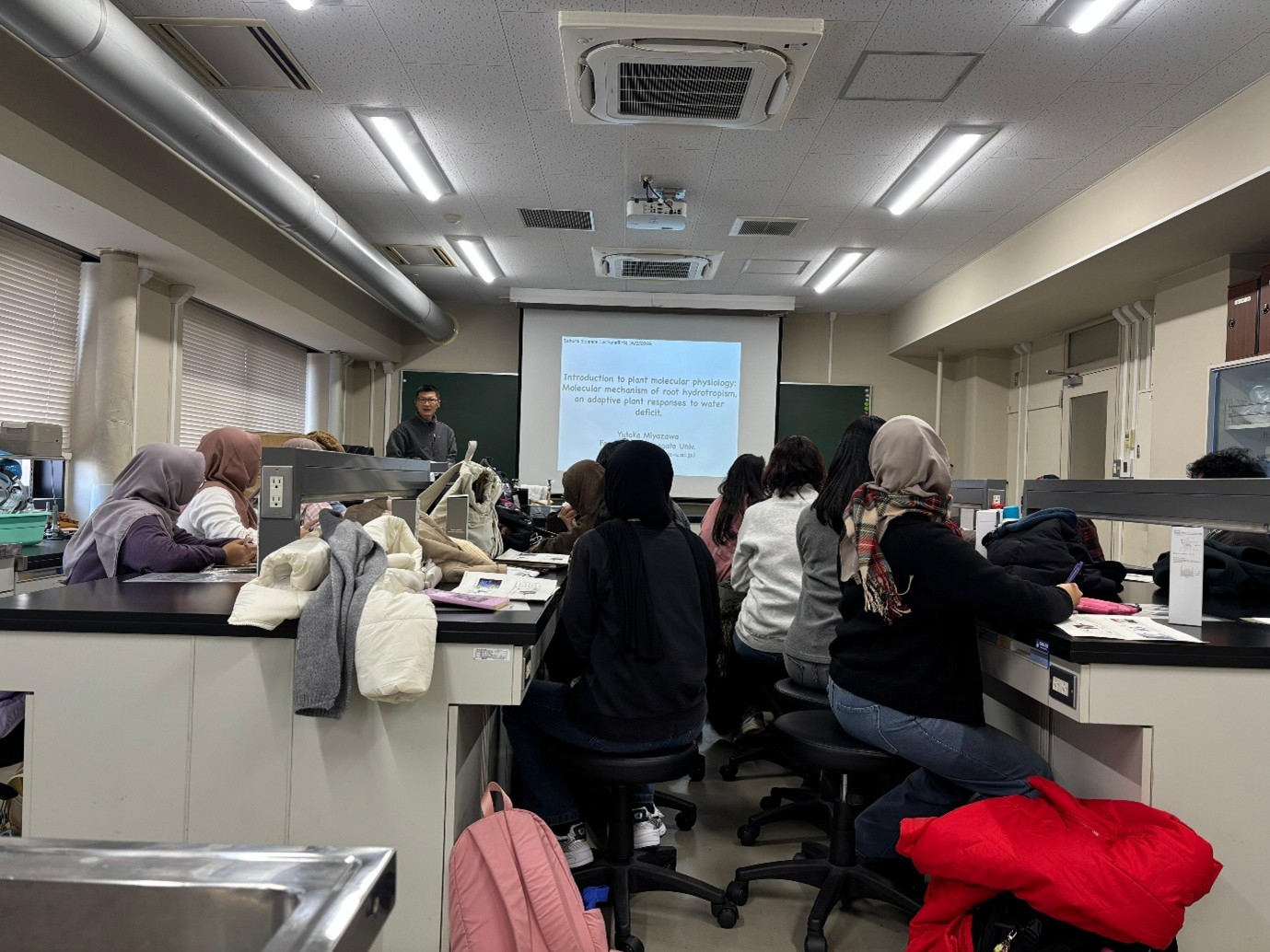
This program represents a significant step in expanding international cooperation in the fields of molecular biology, ecology, and biodiversity research, while providing participants with direct academic experience in a global research environment.

Academic Preparation Prior to Departure

The program began with an online preparatory session on Wednesday, February 11, 2026, delivered by Prof. Jun Yokoyama of Yamagata University. In this session, Prof. Yokoyama introduced the geographical characteristics and environmental conditions of Yamagata City, offering ecological context for the upcoming field and laboratory activities.
The session was followed by an introductory lecture on plant DNA extraction techniques, which will serve as the foundation for laboratory practice during the program.
Participants departed from Indonesia on Sunday, February 15, 2026, and arrived at Narita International Airport on the same day before continuing their journey to Yamagata.

Day One: Opening Lectures and Intensive Academic Sessions

The official program commenced on Monday, February 16, 2026, with an opening lecture by Prof. Jun Yokoyama, Program Manager of the Sakura Science Program at Yamagata University. He outlined the agenda for the seven-day program, running through February 22, 2026, which includes:
  • Thematic lectures and academic discussions
  • DNA extraction laboratory practice
  • Phylogenetic tree construction
  • Student presentations
  • Visits to museums
  • A field excursion to Mount Gassan
The academic atmosphere continued with a lecture by Prof. Yutaka Miyazawa, who presented on plant physiology, particularly the phenomenon of root hydrotropism — the directional growth response of plant roots to moisture gradients. His lecture enriched participants’ understanding of plant adaptation mechanisms to environmental conditions.
Following the morning sessions, participants enjoyed lunch at the university cafeteria, experiencing Japanese cuisine and campus culture as part of their international academic immersion.

Exploring Asian Insect Biodiversity

The afternoon session featured a lecture by Prof. Naoyuki Fujiyama, who discussed Asian insect biodiversity, with special emphasis on herbivorous lady beetles in Indonesia. He highlighted the application of DNA sequencing data in biodiversity studies and in determining the phylogenetic relationships of Indonesian herbivorous beetles.
The first day concluded with a lecture by Dr. Taisuke Kanao, focusing on termite diversity and the ecological roles of social insects in various ecosystems.

Strengthening Global Collaboration

The first day of Sakura Science Program 2026 was marked by enthusiastic participation and intensive academic exchange. Beyond enhancing scientific knowledge and laboratory skills, the program fosters stronger international collaboration between the Faculty of Biology UGM and Yamagata University.
Through this initiative, both institutions aim to deepen research partnerships, particularly in molecular biology, biodiversity, and ecological studies across East and Southeast Asia.
Faculty of Biology UGM Engages Doctoral Students in Academic Progress Monitoring

News Release Saturday, 24 January 2026

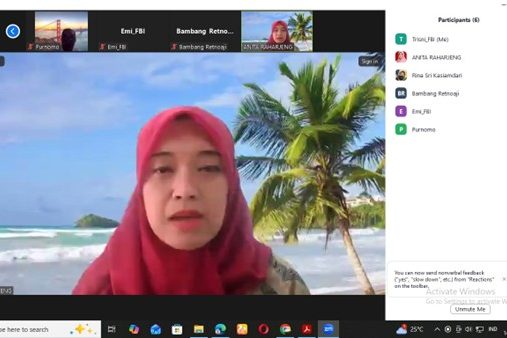
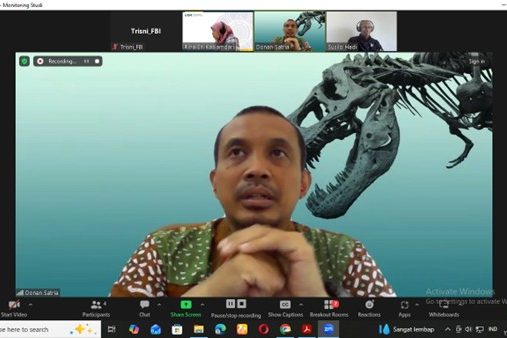
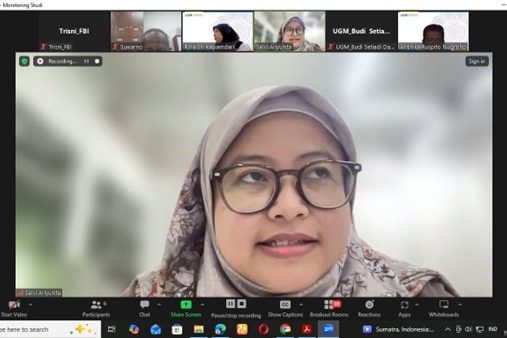
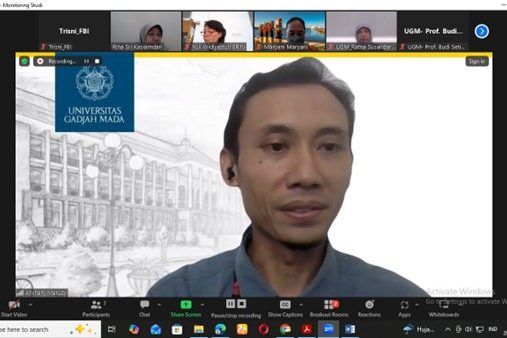
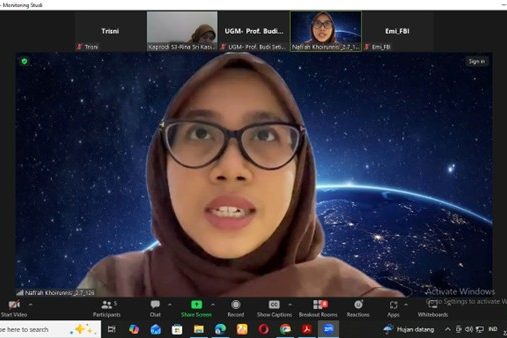
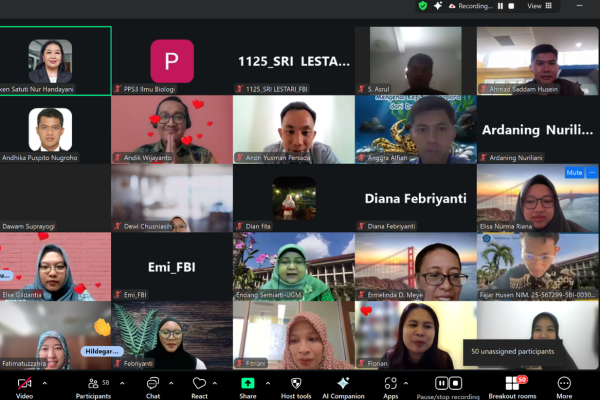
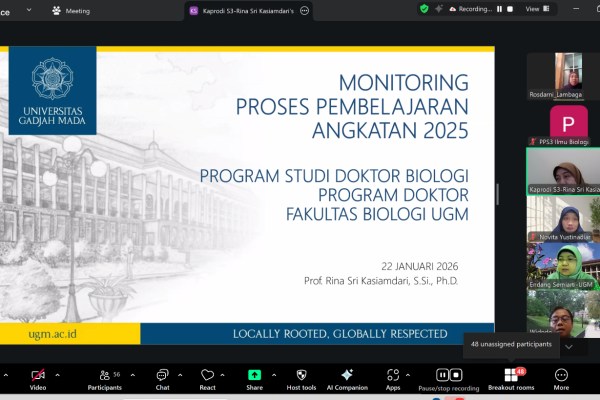
Yogyakarta, 14–22 January 2026, Over the course of a week, the Faculty of Biology at Universitas Gadjah Mada (UGM) conducted its Monitoring of Academic Progress for Doctoral Students in Biological Sciences, bringing together students from all doctoral cohorts as part of an ongoing evaluation of their academic progress.


A total of 136 doctoral students participated in the monitoring. The monitoring began on 14 January 2026 with 9 students from the 2019–2020 cohorts, followed by 10 students from the 2021 cohort on 15 January 2026. On 19 January 2026, 19 students from the 2022 cohort participated, followed by 28 students from the 2023 cohort on 20 January 2026. On Wednesday, 21 January 2026, the monitoring included 15 students from the 2024 cohort. On the final day, 22 January 2026, the sessions were attended by 15 students from the 2024 cohort and 39 students from the 2025 cohort. Monitoring for the 2025 cohort was carried out in group sessions, while students from the other cohorts participated in individual meetings with program management and their supervisory teams. In each session, students discussed the progress of their research, the challenges they had encountered, and the strategies they planned to overcome these obstacles. The sessions fostered open, meaningful dialogue, providing each student with guidance tailored to their individual needs.

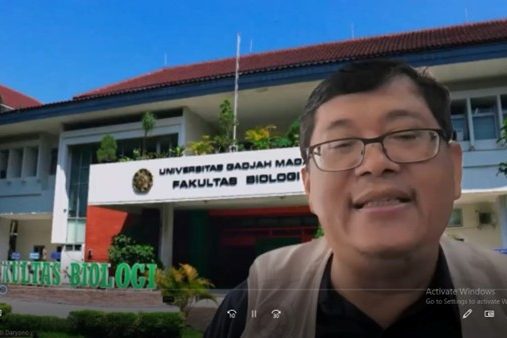
The activity aimed to ensure that students’ academic progress aligns with university regulations, while also supporting timely completion of studies without compromising the quality of academic output and research. Beyond its evaluative purpose, the monitoring served as an academic dialogue to strengthen guidance and institutional support for doctoral students. During the sessions, the Dean of the Faculty of Biology, Prof. Dr. Budi Setiadi Daryono, M.Agr.Sc., emphasized that students must remain focused on prioritizing their studies, approach every stage of the academic process with full commitment and seriousness, and successfully complete their academic journey on time.

The program also reflects the Faculty of Biology UGM’s alignment with the Sustainable Development Goals (SDGs), particularly SDG 4 (Quality Education), SDG 9 (Industry, Innovation, and Infrastructure), and SDG 16 (Peace, Justice, and Strong Institutions), emphasizing responsible academic governance and excellence in research.

Faculty of Biology UGM Inspires Pajangan Hamlet Residents to Create Positive and Safe Content on Social Media

Community Service Thursday, 10 October 2024

WhatsApp Image 2024-11-08 at 09.35.36 (1)
WhatsApp Image 2024-11-08 at 09.35.35
WhatsApp Image 2024-11-08 at 09.35.36

Yogyakarta, October 5, 2024 – The Faculty of Biology at Universitas Gadjah Mada (UGM) continues its commitment to enhancing digital skills among local communities through its Community Service Program (PkM). This time, residents of Pajangan Hamlet, Wedomartani Village, Ngemplak, Sleman, Yogyakarta, received valuable insights from Zuliyati Rohmah, S.Si., M.Si., Ph.D. Eng., a lecturer from UGM’s Faculty of Biology, on how to use social media safely and become creative, positive content creators. This event is part of the Faculty’s Desa Mitra (Partner Village) program with Wedomartani Village, aimed at strengthening digital literacy among rural residents to enable them to adapt wisely to current developments.

Ms. Zuliyati shared various practical guidelines on how to utilize social media responsibly, avoid common risks in the digital world, and create content that benefits the wider community. “We hope that Pajangan residents can use social media not just for entertainment but also as a means to spread positive and empowering information for the community,” she said.

This socialization event has a broad impact aligned with several key Sustainable Development Goals (SDGs). First, by providing digital literacy education, it supports SDG 4: Quality Education, offering access to relevant information and digital skills for rural communities. Second, by teaching skills to become content creators, residents have the opportunity to engage in entrepreneurship and create content as part of the digital economy, contributing to SDG 8: Decent Work and Economic Growth.

Additionally, through an understanding of digital safety, residents are expected to participate in a safer and more responsible media environment, supporting SDG 16: Peace, Justice, and Strong Institutions. The collaboration between UGM’s Faculty of Biology and Wedomartani Village also reflects SDG 17: Partnerships for the Goals, where harmonious cooperation between universities and communities can help achieve shared sustainable development objectives.

With this socialization effort, UGM’s Faculty of Biology hopes to provide long-term positive impacts for the Pajangan community and support inclusive and safe digital development.

Accreditation

Recent Posts

  • Sakura Science Program 2026: Strengthening Molecular Biology Skills through Intensive Laboratory Training at Yamagata University
  • BIOENTRI 2026: Open House dan Pengenalan Topik Riset Fakultas Biologi UGM Sparks Strong Academic Interest
  • Sakura Science Program 2026: 18 Members of UGM Faculty of Biology Participate in Academic Program at Yamagata University, Japan
  • An Educational Field Trip on Histology and Animal Anatomy for SMPIT Muhammadiyah An Najah Klaten Students at the Faculty of Biology, UGM
  • Faculty of Biology UGM Strengthens International Collaboration through Strategic Visit to Bard University, Egypt
Universitas Gadjah Mada

UNIVERSITAS GADJAH MADA

FACULTY OF BIOLOGY
Teknika Selatan Street, Sekip Utara,
Yogyakarta 55281
biologi-ugm@ugm.ac.id
Phone/Fax: +62 (274) 580839

About us

  • History
  • Organization
  • Vision and Mission
  • Staff

Student Affairs

  • Student Service
  • Student Organization
  • Submission for Practical Field Work
  • Permission Field Research
  • Permission Thesis/Disertation

academic

  • Academic Regulations
  • Academic Anonncement

Accreditation

  • Image 1
  • Image 2
  • Image 3

© 2024 FACULTY OF BIOLOGY UNIVERSITAS GADJAH MADA

KEBIJAKAN PRIVASI/PRIVACY POLICY

[EN] We use cookies to help our viewer get the best experience on our website. -- [ID] Kami menggunakan cookie untuk membantu pengunjung kami mendapatkan pengalaman terbaik di situs web kami.I Agree / Saya Setuju