• UGM
  • Simaster Portal
  • IT Center
  • Webmail
  • KOBI
  • English
    • Bahasa Indonesia
Universitas Gadjah Mada Universitas Gadjah Mada
Faculty of Biology
  • ABOUT US
    • History
    • Organization
    • Vision and Mission
    • Lectures and Staff
      • Lecturers
      • Adjunct Professor
      • Supporting Staff
    • Facility
      • Laboratories
      • Research
      • Library
      • Museum
      • Mental Health Consultation
      • Disability
  • EDUCATION
    • Undergraduate Program
      • Graduates Learning Outcome
      • Academic Callendar
      • Course
    • IUP
    • Profession Program
      • What is the Professional Study Program in Biodiversity Curator (PKKH)?
      • Admission for New Students of the Biodiversity Curator Profession Program Study
      • Information and FAQ Study Program of Biodiversity Curator Profession
    • Master Program
      • Master Program in Biology Description
      • Curriculum Structure Master Program
    • Doctoral Program
      • Vision, Mission, Objectives, Targets, Competencies, and Learning Outcomes
      • Admission Requirement for Program Doctor in Biological Sciences
      • Admission: What Documents to be prepared?
      • Curriculum
    • Regulations
    • Accreditation & Quality Assurance
  • RESEARCH
    • Journal of Tropical Biodiversity and Biotechnology
    • Berkala Ilmiah Biology
    • Research
    • Publication
  • Community Service
    • Waste Management
  • STUDENTS & ALUMNAE
    • Student Organizations
    • Prospective Career Opportunities
    • SUMMER COURSE
    • Alumnae
  • Home
  • SDGs 16 : Guarantee Peace
  • SDGs 16 : Guarantee Peace
Arsip:

SDGs 16 : Guarantee Peace

Sakura Science Program 2026: Strengthening Molecular Biology Skills through Intensive Laboratory Training at Yamagata University

News ReleaseStudent Activities Tuesday, 24 February 2026

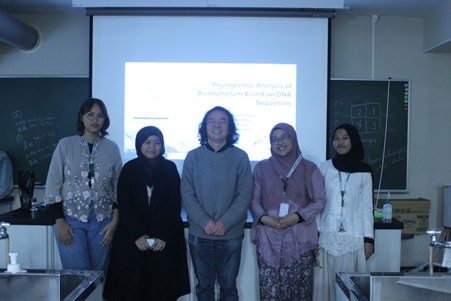
Yamagata, Japan – February 2026 — Following the completion of the lecture sessions on the first day, participants of the Sakura Science Program 2026 continued with an intensive laboratory practicum from day two to day five at Yamagata University, Japan.
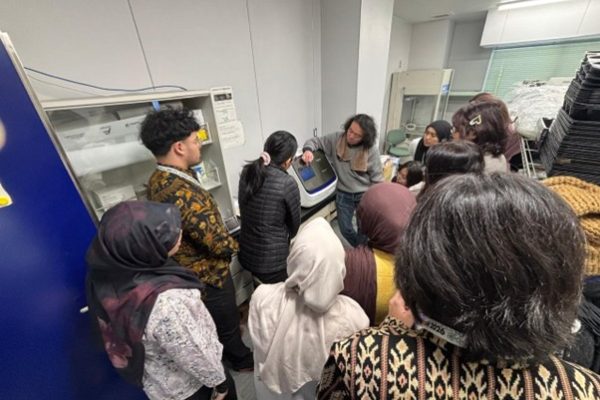
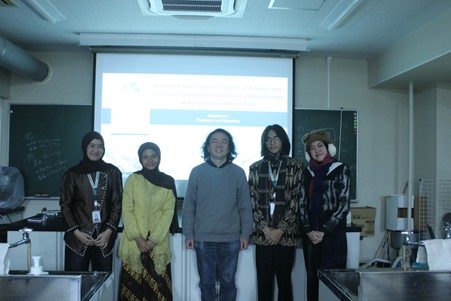
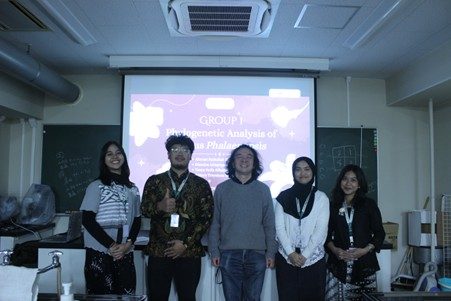
Over the course of four days, the program focused on the application of molecular biology techniques to analyze the diversity and evolutionary relationships of several orchid species from various countries, including Indonesia. The practicum was designed as a comprehensive learning experience, integrating hands-on laboratory work with phylogenetic data analysis.


Hands-On Molecular Techniques

Participants were divided into four groups to ensure that each student gained direct experience in every stage of molecular analysis. The techniques practiced included:

  • DNA extraction
  • Polymerase Chain Reaction (PCR)
  • Gel electrophoresis
  • Targeted Sanger sequencing
  • Phylogenetic analysis using MEGA software

Throughout the sessions, students demonstrated high enthusiasm and engagement. Rather than merely observing demonstrations, they performed each procedure independently under the guidance of professors and laboratory assistants.

Amarthya Aulia Vadela shared that the experience significantly deepened his understanding of molecular techniques:

“I learned many new techniques. This experience was very different from our preparation sessions because we conducted each step ourselves.”

Similarly, Nayla Dwiputri Adelis expressed her appreciation:

“I feel very fortunate to perform molecular techniques directly, which I had previously only seen demonstrated.”


From PCR to Phylogenetic Trees

One of the key highlights of the practicum was conducting Sanger sequencing on marker genes obtained through PCR. Participants then analyzed the sequence data using MEGA (Molecular Evolutionary Genetics Analysis) software to construct phylogenetic trees and interpret evolutionary relationships among species.

For some students, bioinformatics analysis presented a new challenge. Ahmad Faidullah Haqqi reflected:

“At first it felt difficult, but after trying it myself and understanding the workflow, the analysis became much smoother.”

Meanwhile, Tasya Syifa Alfadhiilah shared:

“I had never taken a course covering this type of analysis before, so I was worried I wouldn’t be able to follow. However, after Jun-sensei explained it clearly and I tried it myself, I found it really exciting and enjoyable.”

A particularly meaningful experience came from Kaylana Fikria Akbar, a first-year student who was newly introduced to molecular biology:

“As a first-year student, I was completely new to molecular biology, so at first I doubted whether I could understand each process. However, with guidance from Jun-sensei and the assistants who explained everything clearly, I found the activities exciting and became even more interested in learning these techniques and their applications.”

These reflections highlight that the program not only enhanced technical skills but also built academic confidence among students at different levels of study.


Reflection from the Academic Supervisor

The academic supervisor from the Faculty of Biology UGM, Dr. Luthfi Nurhidayat, M.Sc., emphasized the significance of the experience for student development:

“This program provides a highly comprehensive learning experience. Students not only understand molecular concepts theoretically, but also go through the complete research workflow—from DNA extraction to phylogenetic analysis. Direct interaction with professors and exposure to laboratory standards at Yamagata University broaden their perspective on international research practices.”

He further noted that the program represents an important step in strengthening academic collaboration between the Faculty of Biology UGM and Yamagata University, particularly in the fields of molecular biology and biodiversity research.


Presentations and Warm Closing Ceremony

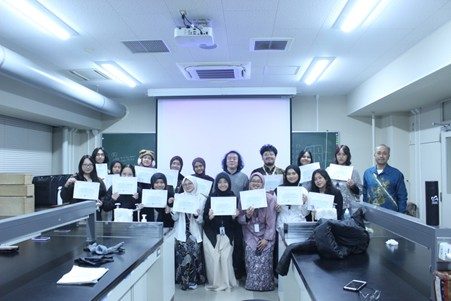
At the end of the practicum sessions, each group presented their findings, including sequence analysis results and phylogenetic interpretations. All four groups delivered strong presentations and received appreciation from Prof. Jun Yokoyama for completing their analyses and presentations within a relatively short time frame. The practicum concluded with the awarding of certificates to all participants as recognition of their active engagement during the program.

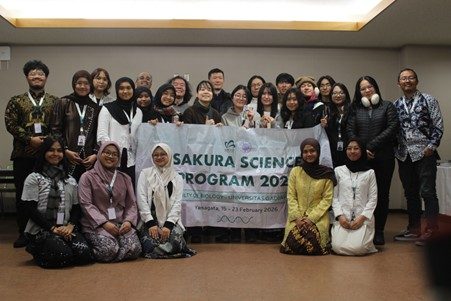
The academic activities of Sakura Science Program 2026 were then closed with a small celebration attended by professors, assistants, and participants. Despite the winter season in Japan, the atmosphere was warm and welcoming, complemented by halal Japanese cuisine. The event concluded with the presentation of tokens of appreciation to the professors and assistants in gratitude for their guidance and collaboration.

Through this intensive laboratory experience, participants not only strengthened their technical competencies in molecular biology and phylogenetic analysis but also expanded their global academic networks and research perspectives. Sakura Science Program 2026 once again demonstrates the importance of international collaboration in nurturing the next generation of globally competitive scientists.

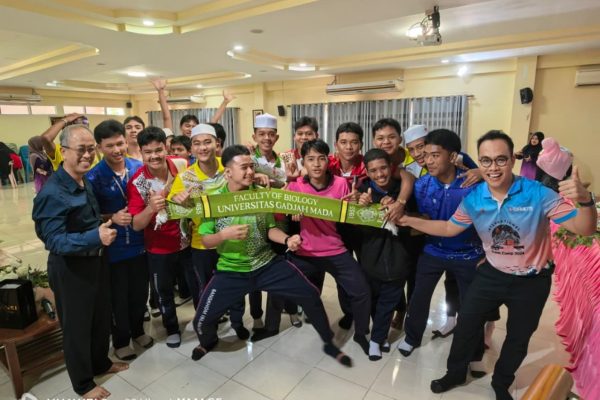
Expanding International Networks, the Faculty of Biology UGM Promotes the IUP at Sangkhom Islam Wittaya School, Thailand

News Release Friday, 12 December 2025

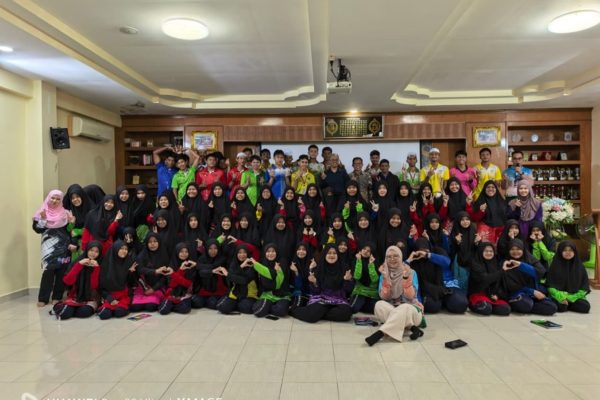
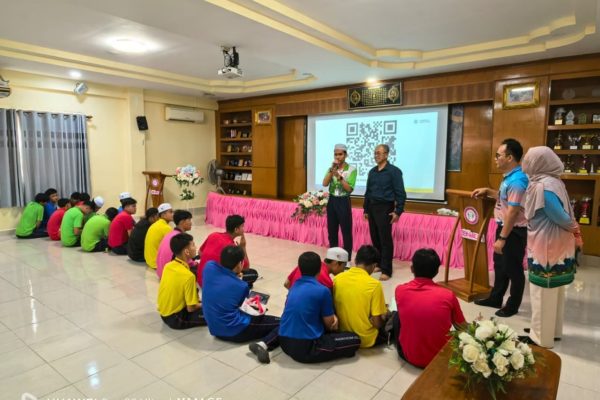
The Faculty of Biology, Universitas Gadjah Mada (UGM), conducted a collaborative activity and introduced its International Undergraduate Program (IUP) at Sangkhom Islam Wittaya School, Songkhla, Thailand, on Wednesday, 11 December 2025. This activity was part of the Faculty’s ongoing efforts to internationalize education and expand its global academic collaboration networks.


The program was held at Sangkhom Islam Wittaya School, located at 93/2 Moo 1 Samnuktaew Sub-district, Sadao District, Songkhla, Thailand 90120. On this occasion, the Faculty of Biology UGM was represented by two delegates: Prof. Dr. Bambang Retnoaji, S.Si., M.Sc., Vice Dean for Academic and Student Affairs, and Dr. Slamet Widiyanto, S.Si., M.Sc., Vice Dean for Finance, Assets, and Human Resources.

The main agenda of the activity consisted of a presentation and an interactive dialogue on the International Undergraduate Program (IUP) of the Faculty of Biology UGM. During the session, the delegates introduced UGM’s education system, highlighted the advantages of the IUP, explained its internationally oriented curriculum, and outlined research opportunities as well as academic and career prospects for graduates. The discussion was highly interactive, covering admission pathways, academic requirements, and the experience of international students at UGM.

The event was attended by 50 Grade 12 students of Sangkhom Islam Wittaya School, along with six school representatives: Okta Mahendra, M.Pd.; Riesta Chania Sandy, S.Pd.; Aswina Waeiso; Nadia Sue-ri; Angkana Lae Lahman; and Wasilah Madeng. The participants showed great enthusiasm, actively asking questions about opportunities to pursue higher education at the Faculty of Biology UGM through its international programs.

Through this activity, the Faculty of Biology UGM aims to increase international students’ interest in pursuing higher education at UGM while strengthening institutional relations with partner schools in Thailand. In the future, this collaboration is expected to develop into broader forms of educational cooperation, including student exchanges and joint academic activities.

Academic Workshop 2025: Strengthening Academic Governance, Learning Innovation, and Research Commercialization

News Release Thursday, 11 December 2025

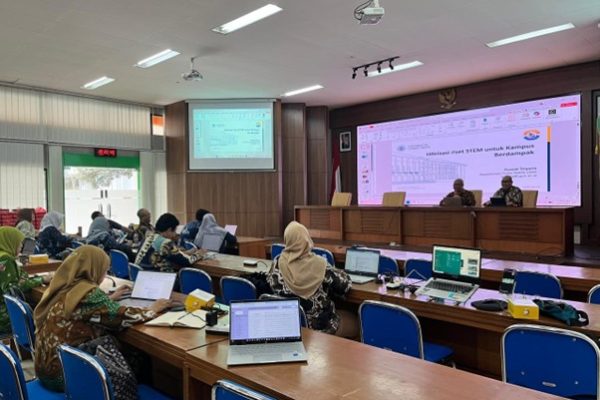
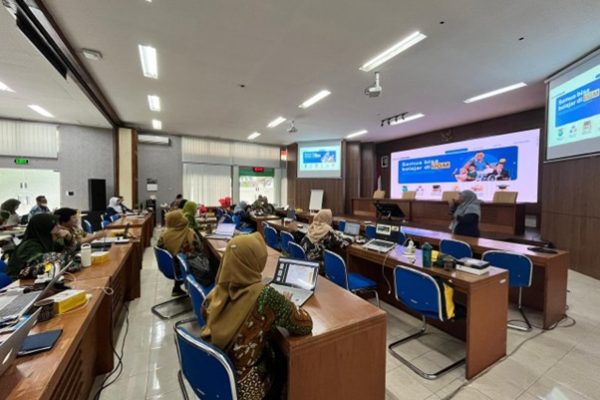
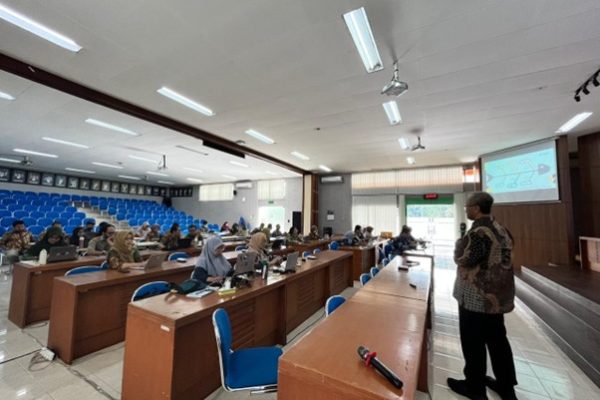
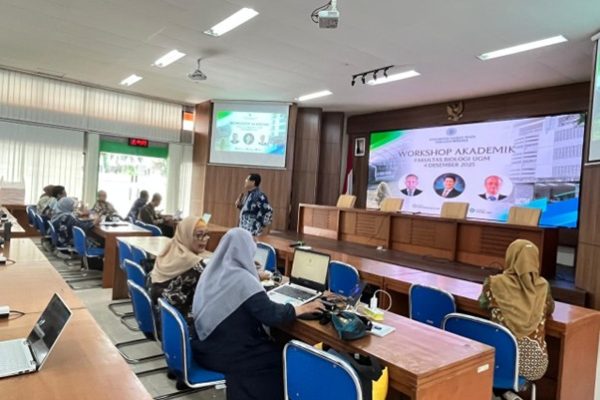
Yogyakarta, 4 December 2025 , The Faculty of Biology, Universitas Gadjah Mada (UGM), organized the Academic Workshop 2025, at the Tropical Biology Auditorium, Faculty of Biology UGM. The workshop served as a strategic platform to strengthen academic governance, enhance the quality of teaching and learning, and promote research commercialization in line with societal needs and the Sustainable Development Goals (SDGs)


The workshop was officially opened by the Dean of the Faculty of Biology UGM, Prof. Dr. Budi Setiadi Daryono, M.Agr.Sc., who highlighted the importance of a shared institutional commitment to maintaining high-quality academic services and fostering learning innovations that address both national and global challenges

The agenda continued with a presentation by the Vice Dean for Academic Affairs and Student Affairs, Prof. Dr. Bambang Retnoaji, M.Sc., who presented updates on academic regulations covering curriculum development, learning evaluation mechanisms, and academic service standards. These updates aim to strengthen a transparent, inclusive, and quality-oriented academic culture

The next session was delivered by Zuliyati Rohmah, S.Si., M.Si., Ph.D.Eng., who presented the implementation of Massive Open Online Courses (MOOCs) and Outcome-Based Education (OBE). The session also addressed the systematic revision and standardization of course modules, course syllabi (RPS), and course portfolios for the Study Programme of Bachelor in Biology, Study Programme of Master in Biology, Professional Study Program in Biodiversity Curation, and Study Program of Doctor in Biological Sciences. These efforts aim to ensure alignment between learning outcomes, teaching and learning activities, and assessment methods, while supporting equitable access to quality education (SDG 4)

The workshop concluded with a sharing session by Prof. Dr. Eng. Kuwat Triyana, M.Si., Dean of the Faculty of Mathematics and Natural Sciences (FMIPA) UGM. He emphasized the strategic importance of research commercialization in STEM disciplines and the role of interdisciplinary collaboration in generating innovations with sustainable economic, social, and environmental impact (SDG 9 and SDG 17)

Overall, the Academic Workshop 2025 provided valuable insights into the academic development priorities of the Faculty of Biology UGM, strengthened the institution’s contribution to the SDGs, and reaffirmed a collective commitment to delivering biological education that is excellent, innovative, and globally competitive

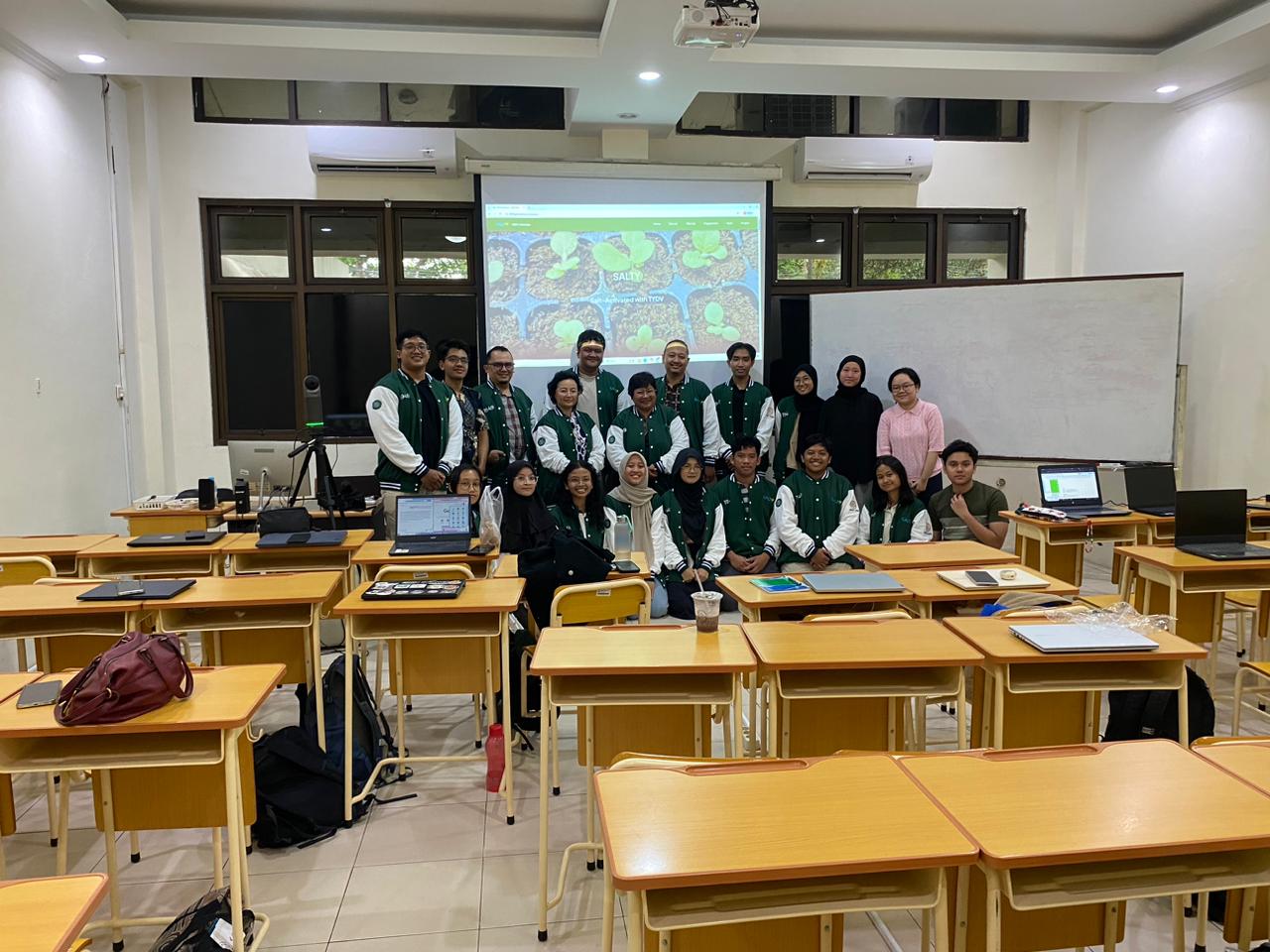
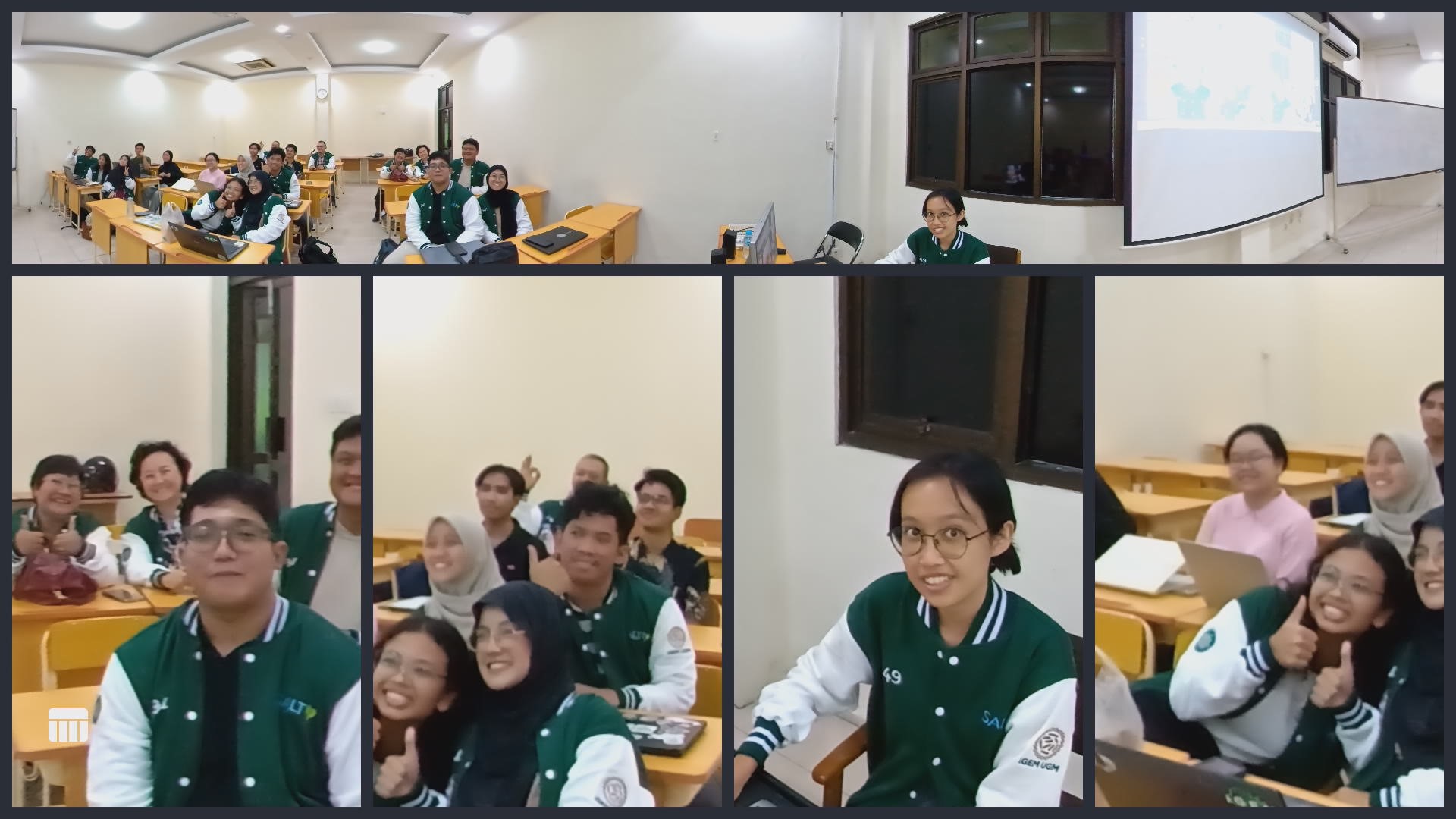
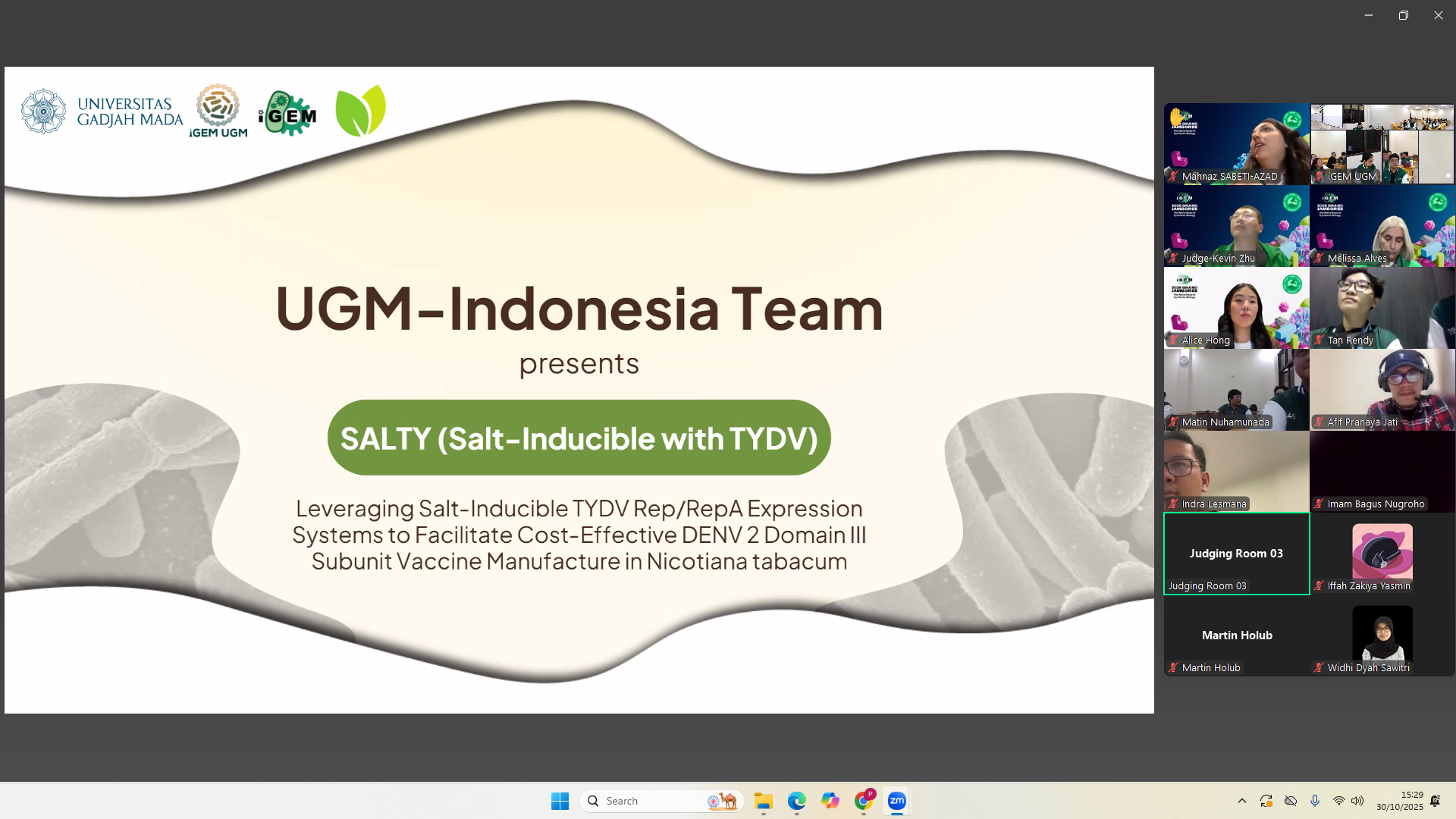
Profile of International Genetically Engineered Machine (iGEM) UGM 2025 Team: Winners ofthe International Synthetic Biology Competition in Paris, France

AchivementsNews Release Friday, 7 November 2025

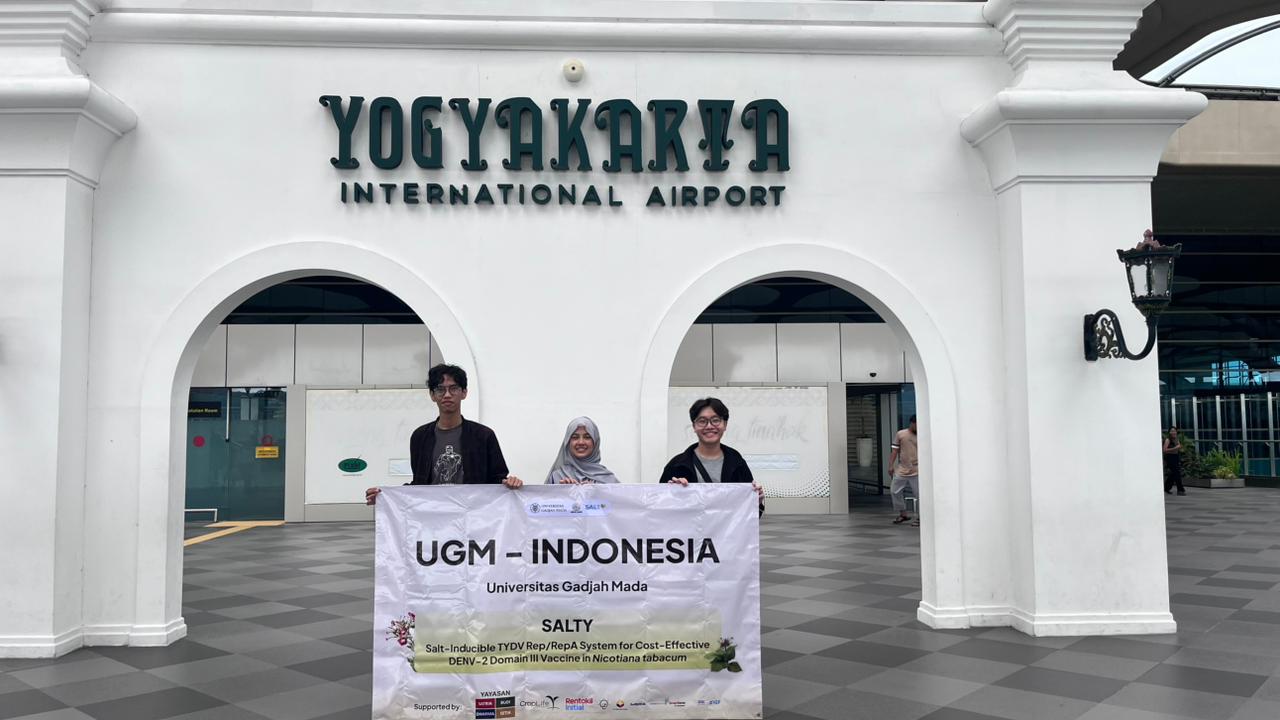
Yogyakarta, Indonesia — The International Genetically Engineered Machine (iGEM) UGM 2025Team represents Universitas Gadjah Mada in the annual international synthetic biologycompetition held in Paris, France. The UGM iGEM Team was first established in 2021 and hascontinued to grow ever since. In 2025, the team is were supported by Anandita Amalia (Biology),Salma Rohmaniah (Biology), Erwinda Dwi Chofifah (Biology), Tsaqifa Zuhayra Emery Bagus(Biology), Nauval Rajwaa Raysendria (Biology), Geraldine Yara Amritarashmi (Biology), TanRendy (Biology), Shainna Nur Sharfina (Biology), and Pamastadewi Pryankha Hijrianto(Biology) in collaboration with 11 other people from faculty of Medicine, Faculty of Pharmacy,Faculty of Biology, Faculty of Mathematics and Natural Science, and Faculty of Agriculture.


Despite their impressive gold medal win at the iGEM Grand Jamboree 2025, the team’s journeyhas been long and full of milestones since 2024. That year, the UGM iGEM Team participated inthe Bioinformatics and Synthetic Biology Competition (BIOS) 2024, organized by synbio.id.They entered two sub-teams — Team Phytovac and Team Gamanthrax — both of whichachieved remarkable success. Team Phytovac won Best Presentation, Best Website, and theGrand Prize Winner, while Team Gamanthrax earned the Best Poster award. Both teams proudlybrought home gold medals, reflecting their dedication, teamwork, and perseverance.

Not stopping at the national level, the UGM iGEM Team also competed in the Global OpenGenetic Engineering Competition (GOGEC) 2025, an international synthetic biologycompetition. At GOGEC, the team won several distinctions, including Runner-Up for BestWritten Communication and Best Project Value, and took home the title of Best ComputationalProject.

Their molecular farming research to produce a Dengue vaccine was thoroughly documented andtransformed into a science dissemination video, earning the team a digital learning contentdevelopment grant in 2025. The proposed video, titled “Tobacco, the Heritage of theArchipelago: From Cultural Rituals to Dengue Vaccine Innovation”, was led by apt. SetyowatiTriastuti Utami, Ph.D. from the Faculty of Pharmacy, Universitas Gadjah Mada.

With all the achievements they’ve accomplished, the UGM iGEM 2025 Team stands as a symbolof passion and creativity in advancing synthetic biology. The team hopes that their innovationscan be applied widely and inclusively across Indonesia, creating a meaningful impact andcontributing to the advancement of science and prosperity of Indonesia.

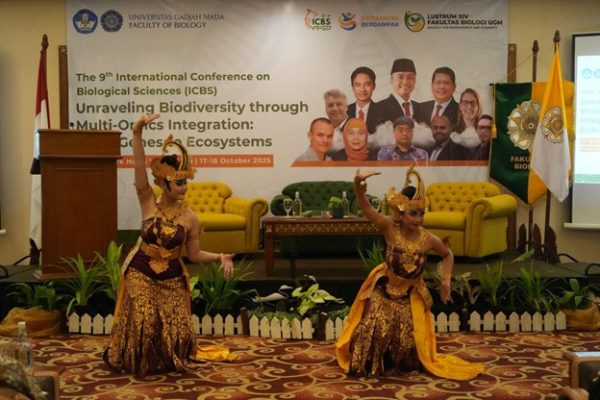
The 9th International Conference on Biological Science (ICBS) 2025: Unraveling Biodiversity through Multi-Omics Integration from Genes to Ecosystems

News Release Monday, 20 October 2025

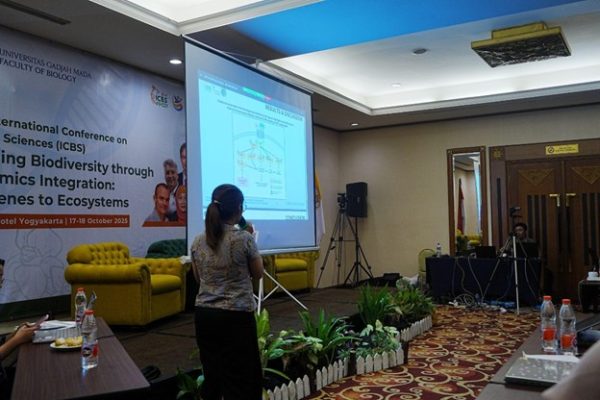
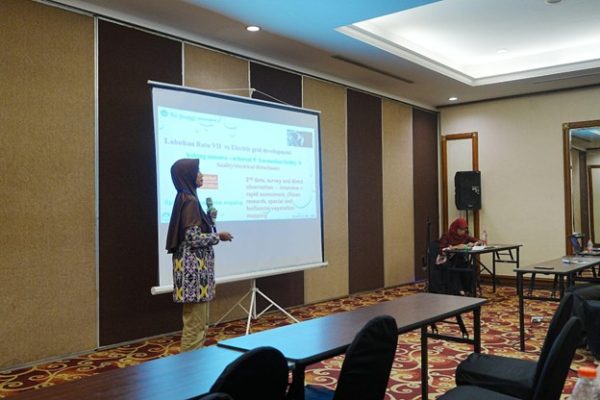
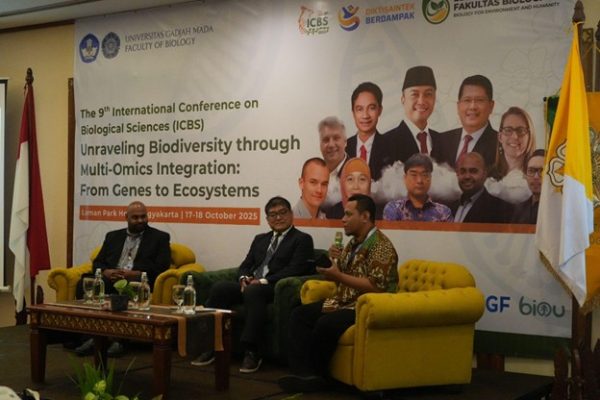
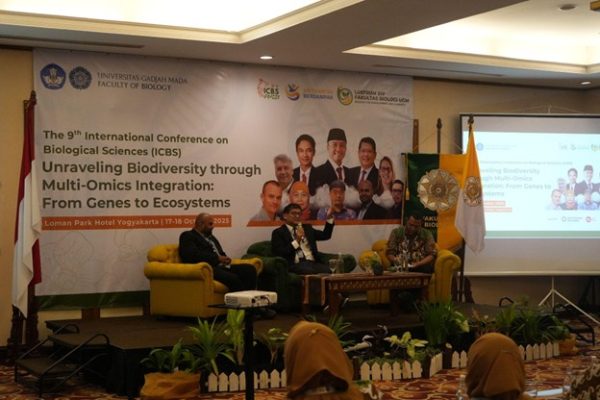
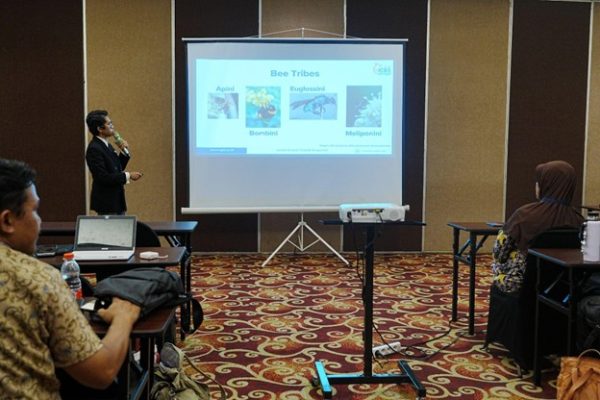
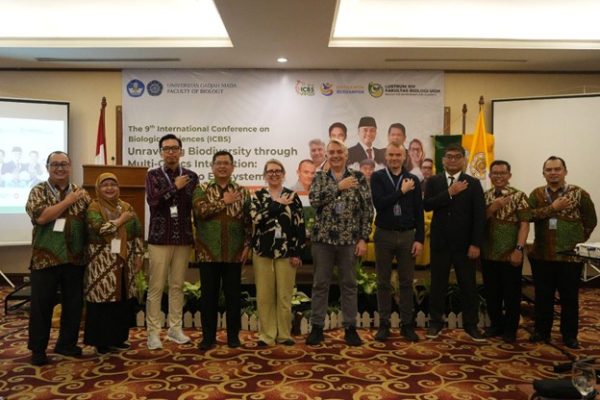
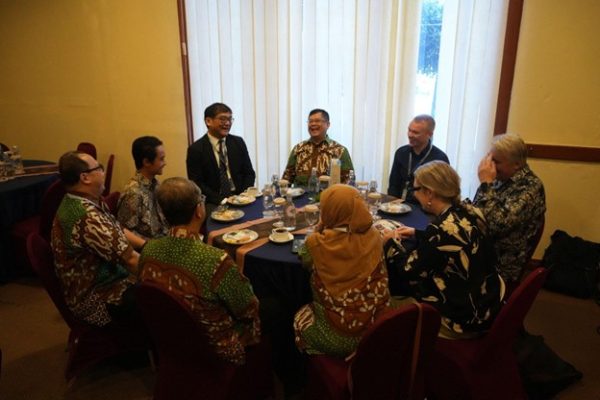
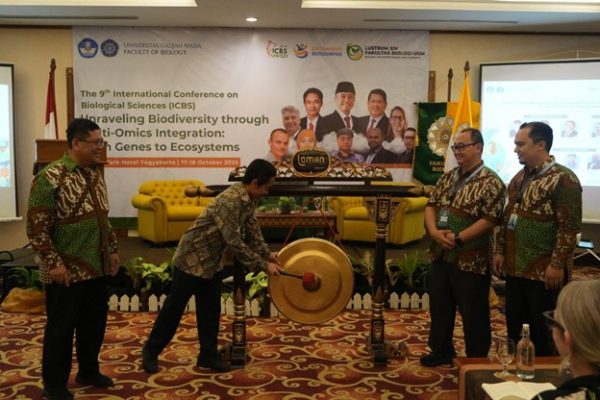
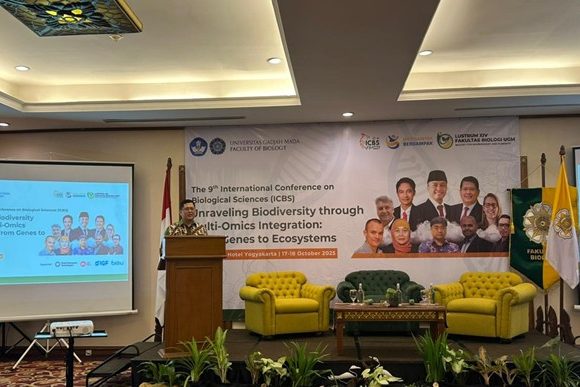
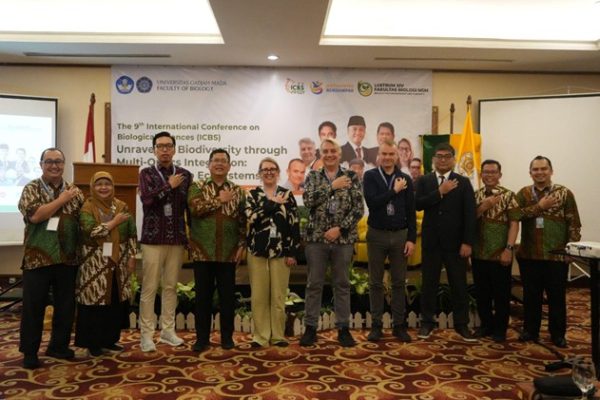
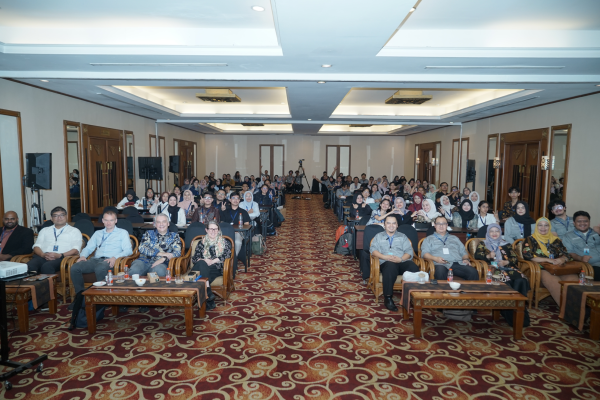
Yogyakarta, October 17–18, 2025 — The Faculty of Biology, Universitas Gadjah Mada, proudly hosts The 9th International Conference on Biological Science (ICBS) 2025 on October 17–18, 2025, at Main Ballroom Loman Park Hotel, Yogyakarta. This prestigious international conference brings together more than 200 participants from various national and international institutions, including academics, researchers, students, and professionals in the field of biological sciences.


The conference was officially opened by Prof. Dr. Danang Sri Hadmoko, S.Si., M.Sc., Vice-Rector for Research, Business Development, and Cooperation, Universitas Gadjah Mada, and Prof. Dr. Budi Setiadi Daryono, M.Agr.Sc., Dean of the Faculty of Biology, Universitas Gadjah Mada.

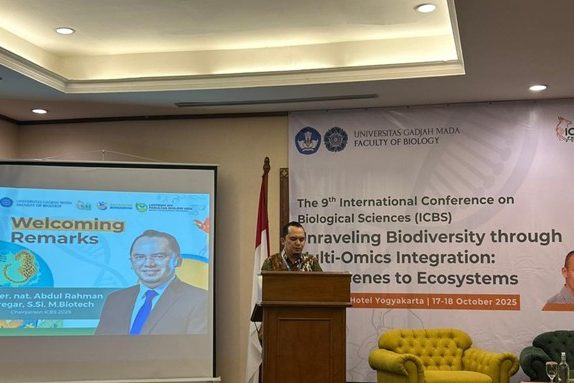
In his welcoming remarks, Dr. rer. nat. Abdul Rahman Siregar, S.Si., M.Biotech, as the Chair of ICBS 2025, explained that this year’s theme, “Unraveling Biodiversity through Multi-Omics Integration: From Genes to Ecosystems,” reflects the spirit of bridging molecular and ecological sciences to uncover the complexity of life on Earth. Through the integration of various omics approaches—such as genomics, transcriptomics, proteomics, and metabolomics—scientists aim to gain deeper insights into the vital roles of biodiversity in maintaining ecosystem resilience and supporting human well-being.

Dr. Abdul also expressed his appreciation to all partners and participants for their support in the organization of this event. He emphasized the importance of interdisciplinary and international scientific collaboration in addressing global challenges in the field of biology, including climate change, environmental degradation, and food security.

ICBS 2025 serves as a scientific platform for sharing research findings and discussing the latest developments in biotechnology, genomics, ecology, conservation, and the application of multi-omics approaches to understanding biodiversity across different levels of biological organization.

This year’s conference features two distinguished keynote speakers:

  • Dr. Thomas Sicheritz Ponten, Center for Evolutionary Hologenomics, The Globe Institute – Faculty of Health and Medical Sciences, University of Copenhagen, Denmark; and
  • Thorunn Helgason, Chair in Ecology, School of Biological Sciences, University of Edinburgh, Scotland.

In addition, ICBS 2025 presents invited speakers from leading institutions across the world, including:

  • Prof. Dr. Bent Petersen, Center for Evolutionary Hologenomics, The Globe Institute – University of Copenhagen, Denmark;
  • Dra. Tuty Arisuryanti, M.Sc., Ph.D., Department of Tropical Biology, Faculty of Biology, Universitas Gadjah Mada;
  • Chiharu Nakashima, Ph.D., Graduate School of Bioresources, Mie University, Japan;
  • Madya Ts. Dr. Muhammad Abdul Latiff Bin Abu Bakar, Faculty of Applied Sciences and Technology, Universiti Tun Hussein Onn Malaysia; and
  • Riza Arief Putranto, D.E.A., Indonesian Oil Palm Research Institute (IOPRI), RPN Holding PTPN III.

The conference is structured into three main sessions: Keynote Session, Plenary Session, and Parallel Session. Through these sessions, the 80 presenters share their research findings and engage in scientific discussions addressing the challenges and opportunities of applying multi-omics approaches to biodiversity conservation and ecosystem management.

Beyond its scientific objectives, ICBS 2025 also contributes to the advancement of the United Nations Sustainable Development Goals (SDGs), particularly:

SDG 13: Climate Action – promoting research on adaptation and mitigation to climate change,

SDG 14: Life Below Water and SDG 15: Life on Land – supporting biodiversity conservation and sustainable management of terrestrial and aquatic ecosystems,

SDG 3: Good Health and Well-being – advancing biotechnological and genomic research that benefits human and environmental health, and

SDG 17: Partnerships for the Goals – fostering global scientific collaboration among Universitas Gadjah Mada, the Consortium of Indonesian Biologists (KOBI), and Universiti Tun Hussein Onn Malaysia.

ICBS 2025 is expected to strengthen interdisciplinary and international collaboration in addressing global challenges such as climate change, ecosystem degradation, and biodiversity loss. With the spirit of innovation and cooperation, this conference reaffirms the Faculty of Biology, Universitas Gadjah Mada’s commitment to advancing tropical biology research and supporting sustainability initiatives in alignment with the university’s role as a Sustainability University.

Monitoring the Development of KUB Local Superior Chicken Breeds in Wedomartani, Ngemplak, Sleman, Yogyakarta

Community ServiceNews Release Thursday, 16 October 2025

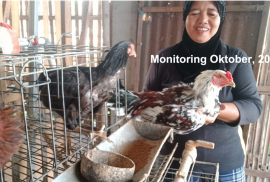
As a follow-up to the outreach activity entitled “Selection and Production of Superior Local Chicken Breeds Based on the Wedomartani Community, Ngemplak, Sleman” held on July 28, 2025, the Community Partner Team of the Faculty of Biology, Universitas Gadjah Mada, represented by Dr. med. vet. Hendry Saragih, M.P. and Dr. Ardaning Nuriliani, S.Si., M.Kes., in collaboration with the Government of Wedomartani Village, conducted a monitoring activity on the development of the superior local chicken breed KUB (Kampung Unggul Balitbangtan). In the previous activity, a total of 48 KUB chickens were distributed to 16 representatives of farmer groups from several hamlets in Wedomartani, with each group receiving one male and two female chickens. This initiative represents a tangible implementation of SDG 17 (Partnerships for the Goals) through cross-institutional collaboration aimed at strengthening community capacity based on scientific knowledge and appropriate technology.
The monitoring was conducted to assess the growth, health, and performance of the KUB chickens, which are now approximately five months old. Field observations showed that all distributed chickens are healthy, well-nourished, and highly adaptable to their rearing environment. The monitoring process was carried out participatively, involving representatives of farmer groups, the community partner team, and Mr. R. Rohmad Gunawan Hardono, S.Pd., the Carik (Village Secretary) of Wedomartani. Mr. Rohmad actively supervised and provided guidance to the beneficiaries. This effort supports the achievement of SDG 2 (Zero Hunger) by ensuring the availability of sustainable and high-quality animal protein sources at the household level.
In addition to ensuring the success of the breeding program, this activity also serves as a continuous educational platform for the community in aspects such as feed management, biosecurity, and maintenance of superior local chicken breeds. By enhancing farmers’ skills and understanding, the program is expected to improve productivity and the sustainability of small-scale poultry enterprises in Wedomartani. Through its participatory and educational approach, this initiative contributes to SDG 8 (Decent Work and Economic Growth) by creating new economic opportunities and increasing rural household income through independent and competitive poultry farming.
The development program of KUB chickens also has a significant social and public health impact. With the availability of affordable and nutritious animal protein sources, this initiative is expected to help improve family nutrition and support healthy and prosperous living, aligning with SDG 3 (Good Health and Well-being). In the coming months, the chickens are expected to enter the egg-laying and breeding phase, producing offspring that can be further developed as new superior local breeds to strengthen local food security. Overall, this activity serves as a model of community empowerment that integrates scientific knowledge, local wisdom, and the principles of sustainable development at the grassroots level.

Contributors: Ardaning Nuriliani, Hendry Saragih, and R. Rohmad Gunawan Hardono.

Training on Making Natural Hair Oil and Hand Gel by the PkM-MBKM Team of the Faculty of Biology UGM in Segoroyoso, Pleret, Bantul

Community ServiceNews Release Wednesday, 15 October 2025

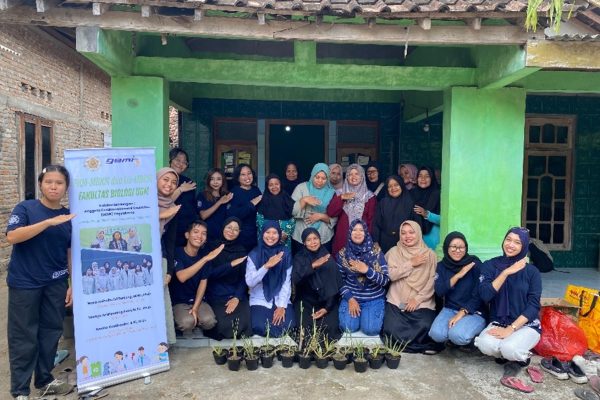
The 2025 Community Service – Merdeka Belajar Kampus Merdeka (PkM-MBKM) Team from the Faculty of Biology UGM, led by Woro Anindito Sri Tunjung, S.Si., M.Sc., Ph.D., held an event themed “Training on Making Natural Hair Oil and Hand Gel for the Community” in RT 1 (Dahromo Indah group) and RT 3 (Cempaka group), Segoroyoso, Pleret, Bantul, Yogyakarta. This activity was presented by a student team consisting of Lusiyana Prihatini, Zahra Karimah Nuha, Kholish Naufal Pamungkas, and Elisabeth Kurniawati, with support from the technical team. The interactive event was attended by 15 members of the GEMI partner forum (Women’s Economic Movement) and two GEMI administrators, who actively supported this community empowerment activity.


The event took place on Monday, October 13, 2025, from 10:30 AM to 12:30 PM, at the home of Mrs. Zanimah (RT 1). The session began with socialization about the contents and benefits of lemongrass and aloe vera as natural body care ingredients. Participants learned that lemongrass contains essential oils that can reduce dandruff and itching, cool the scalp, and provide a naturally fresh aroma to their hair. Meanwhile, aloe vera is rich in gel containing vitamins, minerals, and bioactive compounds that moisturize and nourish the skin and hair.

The next session was a hands-on practice of making natural hair oil and hand gel. Three demonstrations were conducted: (1) making hair oil from Aloe vera mixed with olive oil, (2) making hand gel from Aloe vera and lime juice mixed with alcohol as a natural antiseptic, and (3) making hair oil from lemongrass and cloves, heated together with oil, then adding vitamin E, which functions as an antioxidant to extend product shelf life.

The activity was highly interactive, with a Q&A session covering ingredient variations, additional benefits, and product shelf-life. The most active participant received a door prize, which boosted the spirit of the event. As a form of program sustainability, each participant also received aloe vera and lemongrass seedlings to plant at home, so they could immediately put the training material into practice at home.

The PkM-MBKM program is part of the Faculty of Biology UGM’s commitment to supporting the Sustainable Development Goals (SDGs), specifically SDG 3 (Good Health and Well-Being), SDG 12 (Responsible Consumption and Production), and SDG 15 (Life on Land). The activity is designed to run for two semesters, namely the Even Semester of the 2024/2025 Academic Year and the Odd Semester of the 2025/2026 Academic Year, as a continuous effort to educate the community on the independent and sustainable use of natural ingredients.


The 2025 UGM Biology Community Service Program (PKM-MBKM) Team Holds Outreach on the Relationship Between Mental and Physical Health and Free Health Checks in Pajangan Hamlet, Wedomartani, Ngemplak, Sleman, Yogyakarta

Community ServiceNews Release Thursday, 2 October 2025

The Community Service Team – Merdeka Belajar Kampus Merdeka (PkM-MBKM) of the Faculty of Biology, UGM 2025, carried out a series of educational activities in Pajangan Hamlet, Wedomartani, Ngemplak, Sleman, themed “The Relationship Between Mental and Physical Health”. These activities aimed to increase public understanding of the importance of mental health as an integral part of overall health, in line with the implementation of sustainable development towards a healthy and prosperous life (SDGs No. 3). The team involved five active students from the Faculty of Biology, Gadjah Mada University (UGM), Class of 2022 supervised by Dr. Ardaning Nuriliani, S.Si., M.Kes.
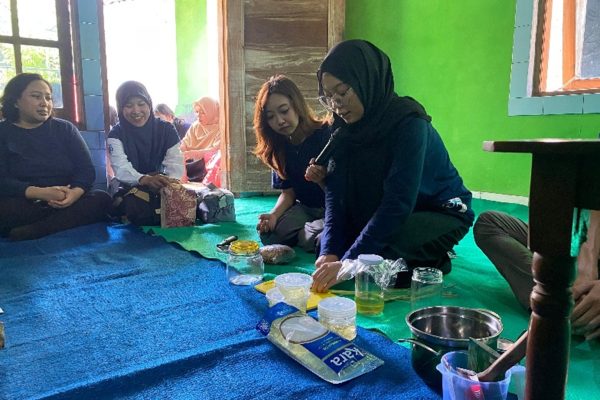

The activity began with the distribution of questionnaires and direct interviews with 50 residents on September 5th – 7th, 2025 to determine their perceptions and practices regarding mental and physical health. The results indicated that most residents recognize the importance of mental health, but many still lack understanding of how to maintain and improve their mental health. These findings served as the basis for the team to continue with a more in-depth educational program on ways to maintain a balance between mental and physical health. The enthusiasm of the residents further confirmed the effectiveness of a community-based approach in optimizing local potential for health.

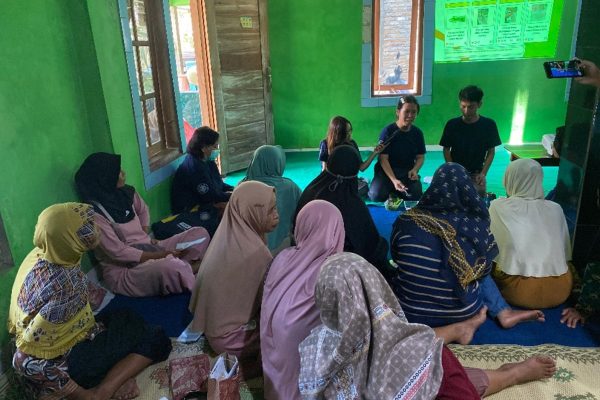
A follow-up activity included an interactive outreach and discussion held at the Jami’ Darussalam Mosque in Pajangan Hamlet on Sunday, September 28th, 2025. The outreach material was delivered by Namaskara Tawang Kusuma, S.Psi. (alumnus of Faculty of Psychology UGM), who discussed the concept of mental health, its impact on physical health, and strategies for maintaining a balance between the two. The Q & A session was lively and interactive, marked by active participation from residents, who asked various questions related to their personal experiences and conditions they had experienced. The speaker emphasized that mental health involves stress, which can be both positive and negative, depending on how a person handles it. He also emphasized the importance of parents’ role in sharing experiences and knowledge, thus providing them with the necessary tools to face life’s challenges.

The event concluded with a free health check-up led by Andika Jatra Pratama, an active student at the Faculty of Medicine, Public Health, and Nursing at Gadjah Mada University (UGM). The health check-up included blood pressure and blood sugar levels, giving residents the opportunity to directly assess and evaluate their health. Residents also received direct guidance on the test results, including suggestions and simple steps they can take to maintain and improve their health. In the future, this activity is also expected to further strengthen the partnership between Dusun Pajangan, Wedomartani, Ngemplak, Sleman and the Faculty of Biology, Universitas Gadjah Mada (SDGs No.17).

Contributors: Ardaning Nuriliani, Chelsy Ammara Septiani, Syifa Aneira, Meinawa Amaliah, Nimas Ayu Pramesthi, Muhammad Fathin Setya Daffa

First Gathering Formasigen 2026

Student Activities Friday, 26 September 2025

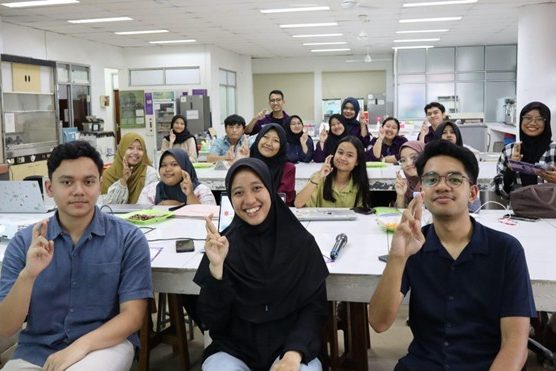
On Thursday, September 18, 2025, the First Gathering of Formasigen 2026 was held in Room 2 of Building B, Faculty of Biology, Universitas Gadjah Mada. The event was intended for members of Formasigen 2025 and 2026. The First Gathering was held to welcome new members of Formasigen and to strengthen the bond between Formasigen 2025 and the new members. In addition, this activity aimed to increase familiarity and camaraderie among members of the lecturer research team. This activity also aimed to introduce the divisions in Formasigen to new members. The First Gathering consisted of four sessions, namely division introduction, introduction of Formasigen 2026 members, games, and lecturer team bonding.


The event began with an opening by Intan Nur Aprilia and Dwi Ayu Kurniasih, as the Masters of Ceremony. The event continued with an opening speech by the chairman of Formasigen, Denianto Agung Wicaksono. After that, the event continued with an introduction to the divisions in Formasigen, including the chairperson and vice chairperson, secretary, finance, human resource, science, household, media and information, as well as public relations and networking. The introduction to the divisions was carried out by introducing the work programs of each division by the daily administrators. Following the division introductions, the event continued with the introduction of Formasigen 2026 members. Each member of Formasigen 2026 introduced themselves in turn. After that, there was a games session and an awarding ceremony for the winners, followed by team bonding for the lecturers. The event was then closed with a group photo. With the implementation of this First Gathering, it is hoped that the members of Formasigen 2025 and 2026 can establish good rapport and cooperation. This event was also hoped to support the sustainable development goals number 17 which is partnership for the goals.

[Author: Formasigen]

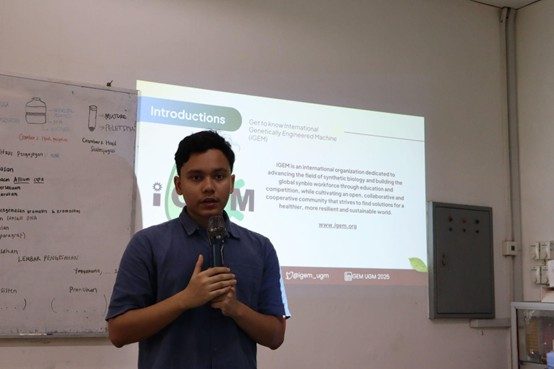
Gentalk 7 by Formasigen

Student Activities Friday, 26 September 2025

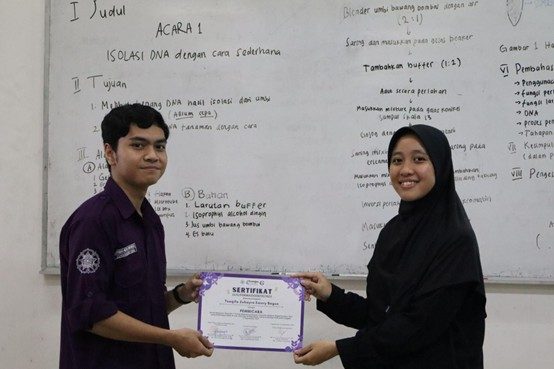
On Wednesday, 17th of September 2025 at 1-2.30 PM, Gentalk 7 was held in the Laboratory of Genetics and Breeding, Faculty of Biology UGM. This program is targeted for all Formasigen members and Biology UGM students in general. Gentalk is an active discussion and sharing session between guest speakers and Formasigen’s members about the project they are working on. In this Gentalk edition, the speakers are Tsaqifa Zuhayra Emery Bagus (iGEM UGM Wet Lab) and Nauval Rajwaa Raysendria (iGEM UGM Dry Lab) as Faculty of Biology UGM’s students batch 2023 and Fauzil Azhiim (iGEM UGM HPR) as Faculty of Medicine, Public Health, and Nursing UGM’s student batch 2023.


This program started with an opening from the Master of Ceremony, Hanan Zharifah Zahra, as a part of the Public Relation Division of HomeoGenesis Cabinet. The next activity is a presentation about “Sal-TY: Designing Salt Sensitive Expression System Based on TYDV Rep/RepA for Vaccine Production of Subunit DENV-2 Domain III on Nicotiana tabacum”. In this session, presenters explain about the high rates of Dengue fever in Indonesia and the lack of preventive steps for it. Vaccines have been the only solution for this illness. This project focuses on vaccine production using salt induced overexpression using Nicotiana tabacum. After that, is the Q&A session followed by closing from the master of ceremony. Through Gentalk, we hoped that this could be a good start to create a vessel for an interesting and beneficial discussion. We also hope that this program can give a new insight for all the research done by all the lecturers and their students in the Laboratory of Genetics and Breeding, Faculty of Biologi UGM. This research also hoped to help actualize the 3rd, 4th, and 17th Sustainable Development Goals (SDGs) that is Good Health and Well-Being, Quality Education, and Partnership For the Goals.

[Author: Formasigen]

123…13

Accreditation

Recent Posts

  • Sakura Science Program 2026: Strengthening Molecular Biology Skills through Intensive Laboratory Training at Yamagata University
  • BIOENTRI 2026: Open House dan Pengenalan Topik Riset Fakultas Biologi UGM Sparks Strong Academic Interest
  • Sakura Science Program 2026: 18 Members of UGM Faculty of Biology Participate in Academic Program at Yamagata University, Japan
  • An Educational Field Trip on Histology and Animal Anatomy for SMPIT Muhammadiyah An Najah Klaten Students at the Faculty of Biology, UGM
  • Faculty of Biology UGM Strengthens International Collaboration through Strategic Visit to Bard University, Egypt
Universitas Gadjah Mada

UNIVERSITAS GADJAH MADA

FACULTY OF BIOLOGY
Teknika Selatan Street, Sekip Utara,
Yogyakarta 55281
biologi-ugm@ugm.ac.id
Phone/Fax: +62 (274) 580839

About us

  • History
  • Organization
  • Vision and Mission
  • Staff

Student Affairs

  • Student Service
  • Student Organization
  • Submission for Practical Field Work
  • Permission Field Research
  • Permission Thesis/Disertation

academic

  • Academic Regulations
  • Academic Anonncement

Accreditation

  • Image 1
  • Image 2
  • Image 3

© 2024 FACULTY OF BIOLOGY UNIVERSITAS GADJAH MADA

KEBIJAKAN PRIVASI/PRIVACY POLICY

[EN] We use cookies to help our viewer get the best experience on our website. -- [ID] Kami menggunakan cookie untuk membantu pengunjung kami mendapatkan pengalaman terbaik di situs web kami.I Agree / Saya Setuju