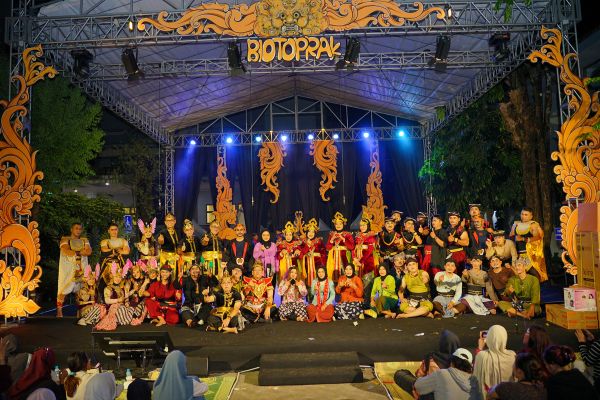
Yogyakarta, 18 September 2026 – The Faculty of Biology, Universitas Gadjah Mada, once again presented BioToprak as a meeting point for science, performing arts, and culture. Featuring the play “Cindelaras Kedanan Suminten,” BioToprak Vol. 2.0 was one of the special events in the series commemorating the Faculty’s 71st Anniversary, held under the theme “Sustainable Biosynergy, Achieving Excellence Globally.”
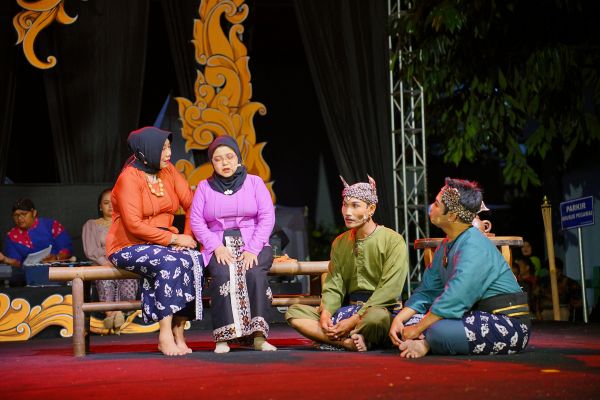
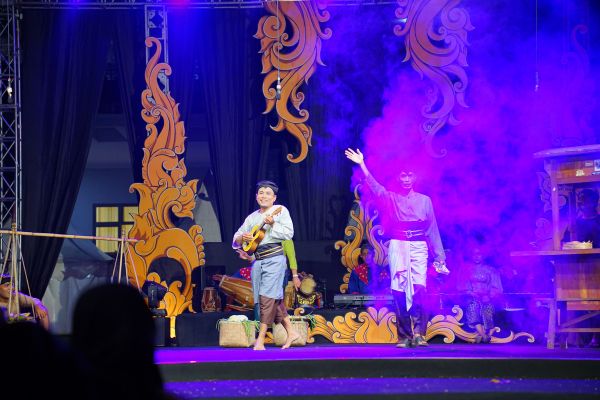
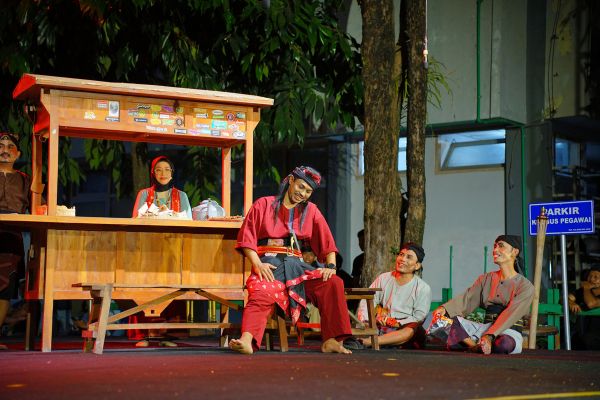
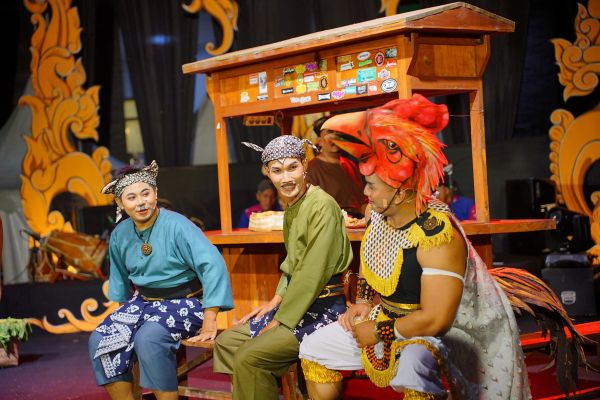
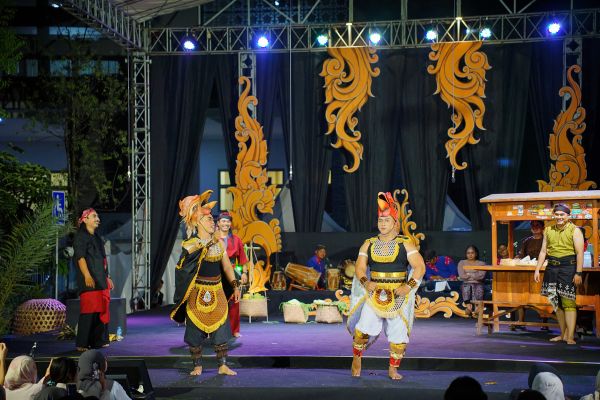
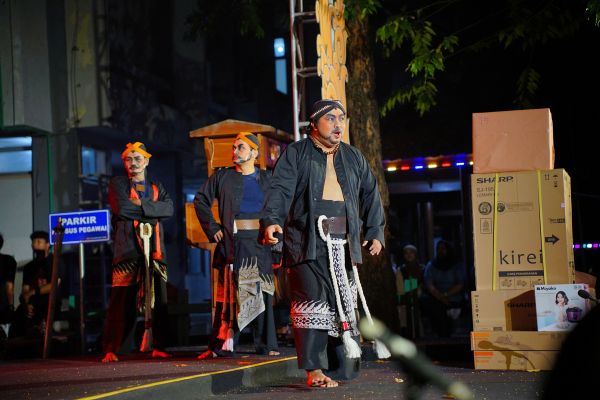
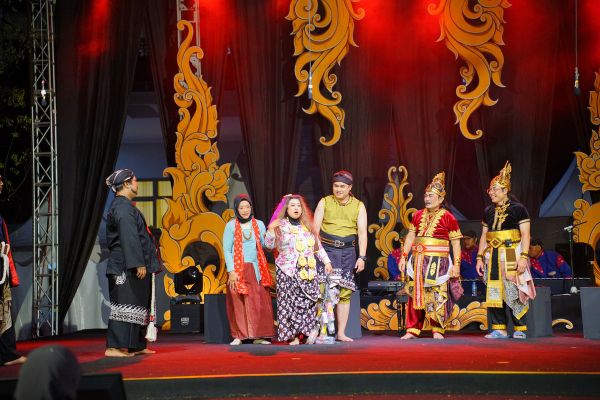
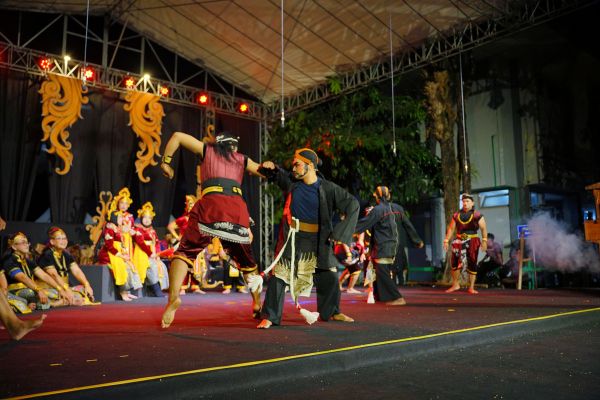
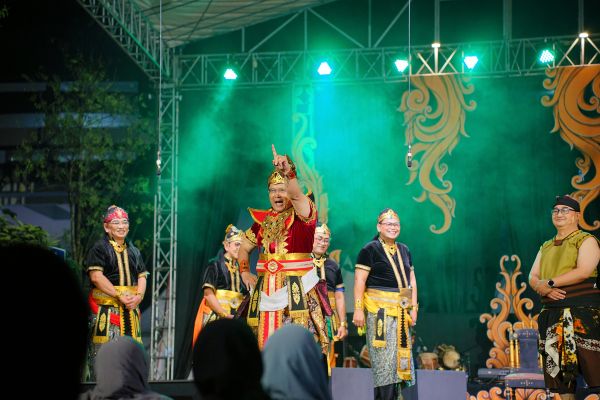
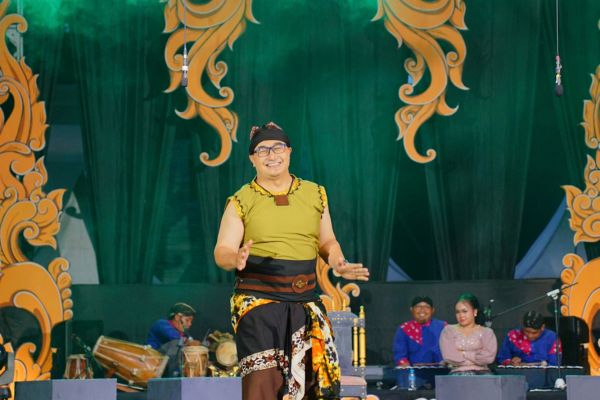
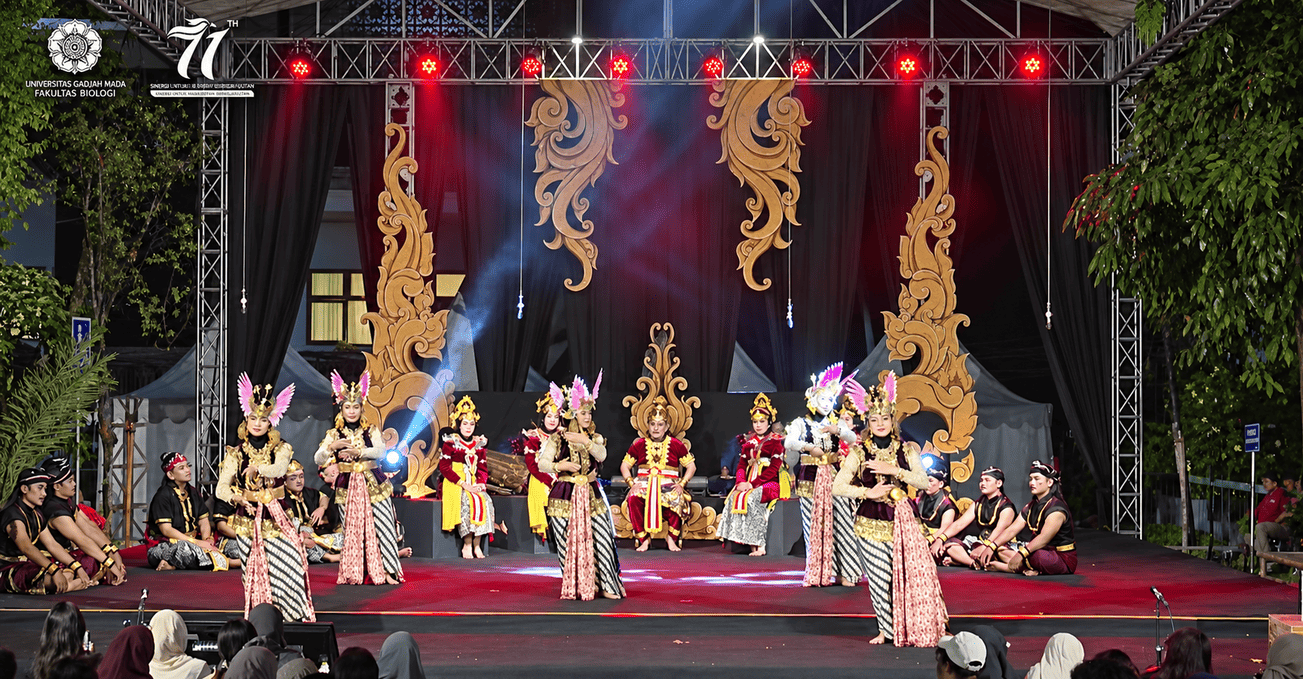
BioToprak is a distinctive creative initiative of the Faculty of Biology UGM community that brings together biology and ketoprak, a traditional Javanese theatrical form. Through this performance, the academic community not only helped preserve traditional Javanese performing arts but also introduced a fresh and engaging way to understand the interconnectedness of humans, animals, the environment, and culture.
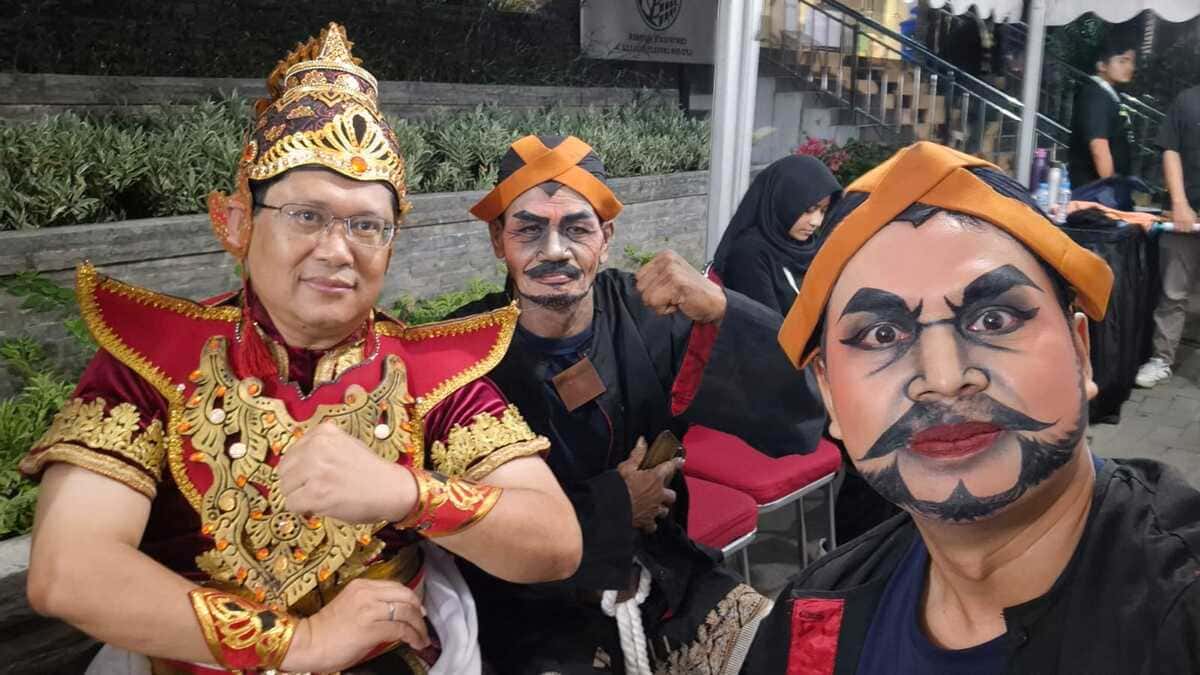
The play “Cindelaras Kedanan Suminten” was presented in a humorous and accessible style that resonated with contemporary life. Its combination of Indonesian and Javanese dialogue, musical accompaniment, costumes, expressive movement, and contextual humor brought the traditional story vividly to life within the university community. The performance demonstrated that folklore can continue to evolve with the times without losing its cultural roots.
From a biological perspective, the story of Cindelaras is closely connected to human–animal relationships, particularly the place of chickens in the lives of communities across the Indonesian archipelago. The chicken did not appear merely as an element of the story; it also represented the diversity of domesticated animals, animal behavior, domestication and human selection, and the economic, social, and cultural values associated with biological resources.
Characteristics of chickens, including body form, plumage color, vocalization, behavior, and adaptability are result from interactions between genetic and environmental factors. Within society, these biological characteristics acquire multiple meanings through traditions, folklore, social symbolism, and community identity. The story of Cindelaras illustrates that knowledge of living organisms has long developed within communities, even before it was expressed using modern scientific terminology.
This intersection reflects an ethnobiological approach, which examines relationships among people, culture, and biological resources. Folklore can preserve knowledge about animal recognition, morphological characteristics, behavior, utilization, and the ways communities assign value to the organisms around them. BioToprak made this knowledge more accessible through visual, musical, and emotional experiences.
BioToprak Vol. 2.0 also provided a space for intergenerational collaboration among lecturers, administrative and supporting staff, students, alumni, and other members of the Faculty of Biology UGM community. The creative process behind the production brought together a broad range of skills, including scriptwriting, acting, music, dance, costume design, stage production, and event management. This sense of togetherness reflected the spirit of guyub rukun (harmony, solidarity, and mutual support) which remains one of the Faculty community’s defining strengths.
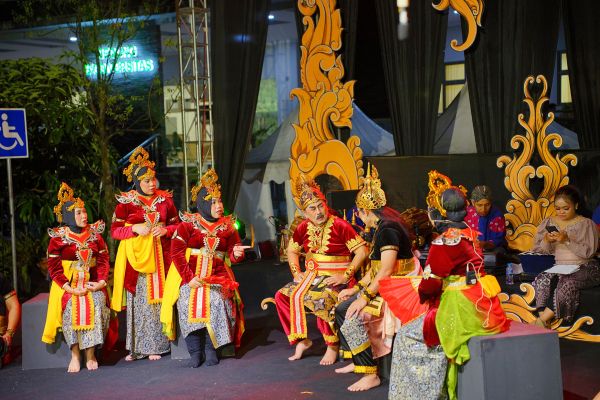
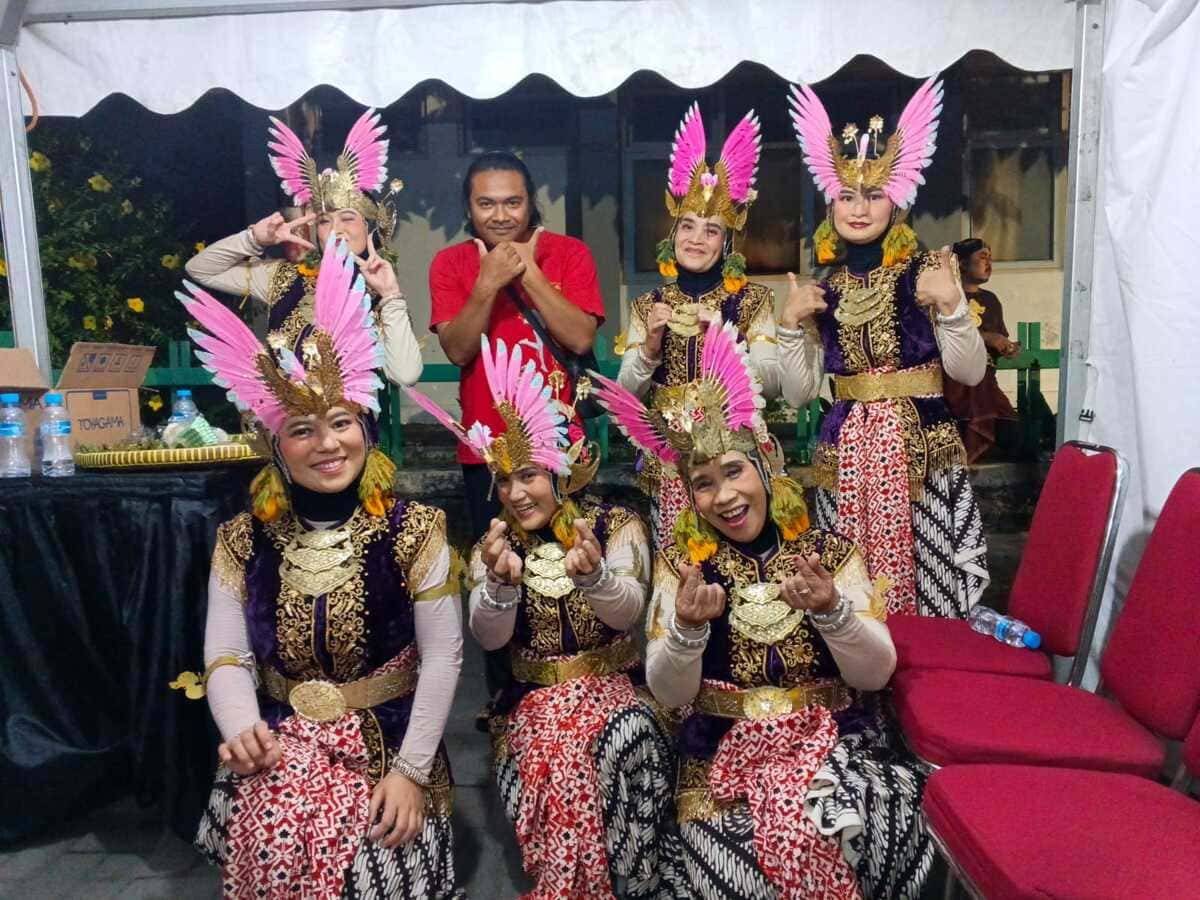
The festive atmosphere of BioToprak Vol. 2.0 was further enriched by a Golek dance performance presented by the Faculty of Biology UGM’s Gagrak Jogja Dance Group. The classical Yogyakarta-style dance was performed by Dr. Dra. Rr. Upiek Ngesti Wibawaning Astuti, DAP&E, B.Sc., M.Biomed.; Dr. Dwi Umi Siswanti, S.Si., M.Sc.; Mulyati Sarto, M.Si.; Annisa Ridhowati; Alifah Mubarokah, A.Md.; and Ms. Maria.
The performance showcased the beauty of movement grounded in the principles of wiraga, wirama, and wirasa—physical technique, rhythm, and expressive depth—while reflecting the Faculty community’s commitment to preserving Yogyakarta’s classical artistic heritage. Beyond its artistic contribution, the Golek dance also demonstrated the connections among bodily movement, neuromuscular coordination, balance, physical fitness, expression, and culture. The presentation affirmed that an academic environment can serve as a space where science and art develop side by side.
The integration of science and art in BioToprak also emphasized the importance of interdisciplinary approaches in higher education. Biology is not learned solely through laboratory work, field research, and academic publications; it can also be communicated through stories, symbols, humor, music, and performing arts, making scientific knowledge more relevant and accessible to society.
In the context of the Sustainable Development Goals (SDGs), BioToprak Vol. 2.0 supported SDG 4: Quality Education through contextual learning and creative science communication. The Golek dance strengthened the event’s contribution to SDG 3: Good Health and Well-being, as dancing promotes physical fitness, bodily balance, mental health, and the well-being of the academic community.
The performance was also aligned with SDG 11: Sustainable Cities and Communities, particularly through its contribution to safeguarding cultural heritage. Its messages concerning biodiversity and responsible human–animal relationships supported SDG 15: Life on Land. Through an artistic approach, BioToprak fostered awareness that both wild and domesticated animals are part of biological diversity and therefore need to be understood, respected, and sustainably managed.
Meanwhile, the involvement of lecturers, students, administrative and supporting staff, alumni, artists, and other contributors reflected SDG 17: Partnerships for the Goals. This collaboration across generations and areas of expertise demonstrated that education, cultural preservation, and increased biodiversity awareness require synergy among multiple stakeholders.
Through BioToprak, the Faculty of Biology UGM contributed both to the preservation of traditional performing arts and to the development of inclusive science communication. Tradition was not presented as a static relic of the past, but as a living medium that remains open to creativity and capable of addressing contemporary issues.
The performance of “Cindelaras Kedanan Suminten” served as a reminder that science and culture are not separate domains. Both arise from humanity’s curiosity about life and the surrounding environment. When biology meets art, knowledge is not only understood, but it can also be experienced, contemplated, and passed on to future generations.
The complete recording of BioToprak Vol. 2.0: Cindelaras Kedanan Suminten is available on the official YouTube channel of the Faculty of Biology, Universitas Gadjah Mada: https://www.youtube.com/live/ran_uJw-Oac