The Faculty of Biology, Universitas Gadjah Mada (UGM), conducted a socialization program on the Prospects of Elba Native Chickens as Laying Hens on Sunday, September 20, 2026, from 1:00 to 3:00 p.m. Western Indonesian Time (WIB) at the Wedomartani Village Hall, Ngemplak District, Sleman Regency, Special Region of Yogyakarta. The activity was attended by 23 participants from three hamlets, namely Wonosari (Pajangan), Malangrejo, and Sempu. Most participants were women involved in livestock management at the household level. The activity was part of the Community Service Program (Pengabdian kepada Masyarakat/PKM) of the UGM Faculty of Biology.
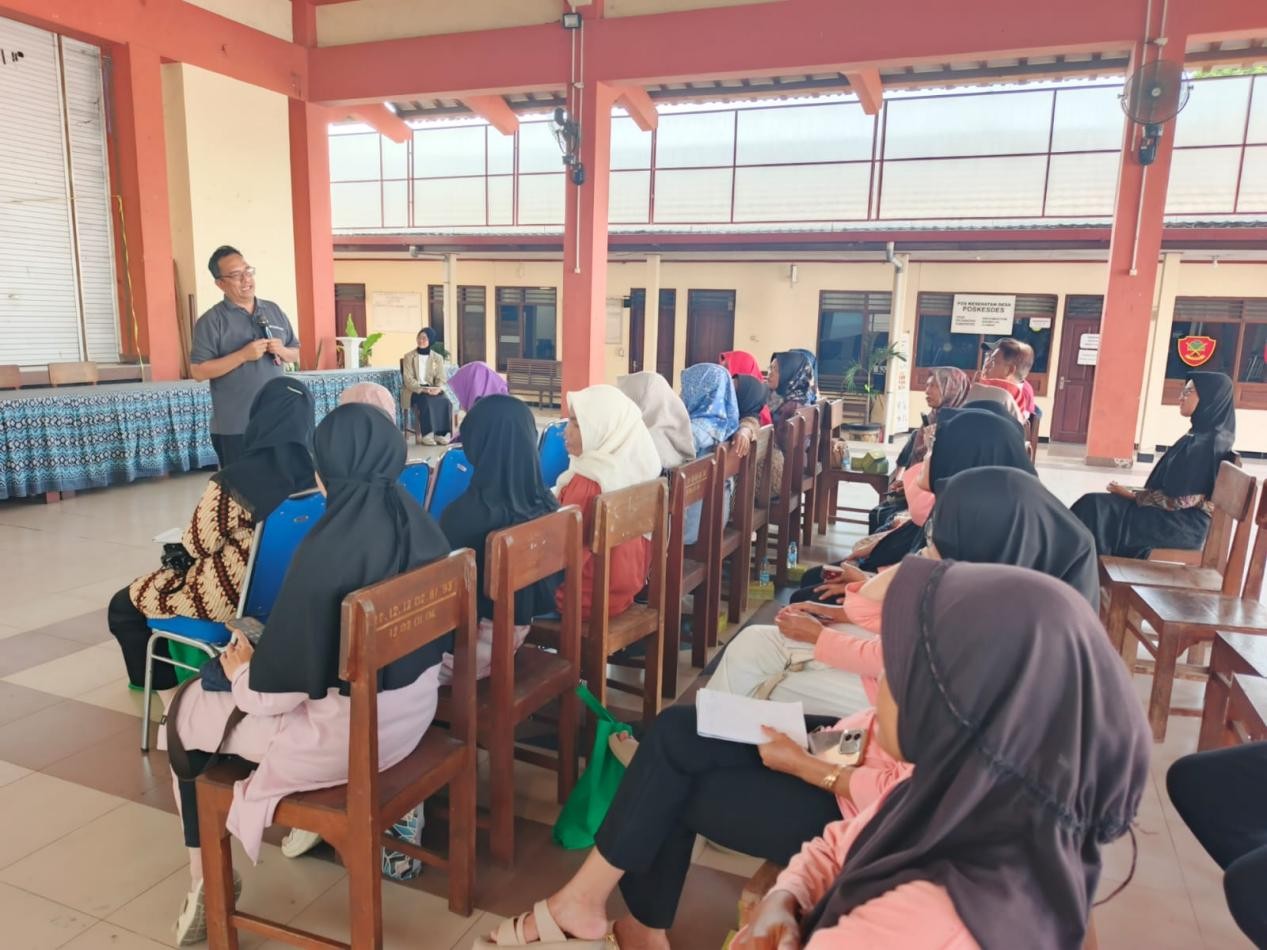
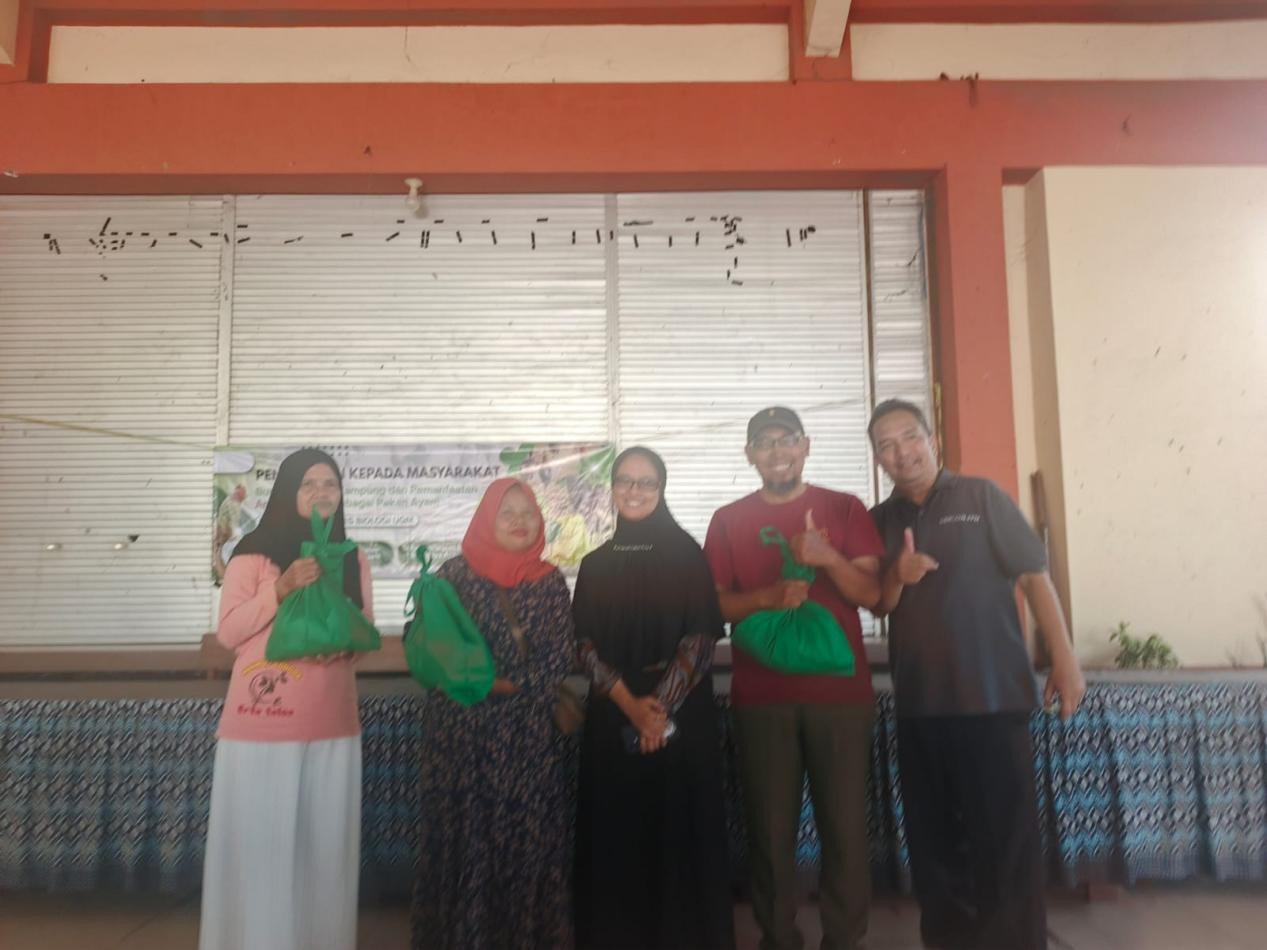
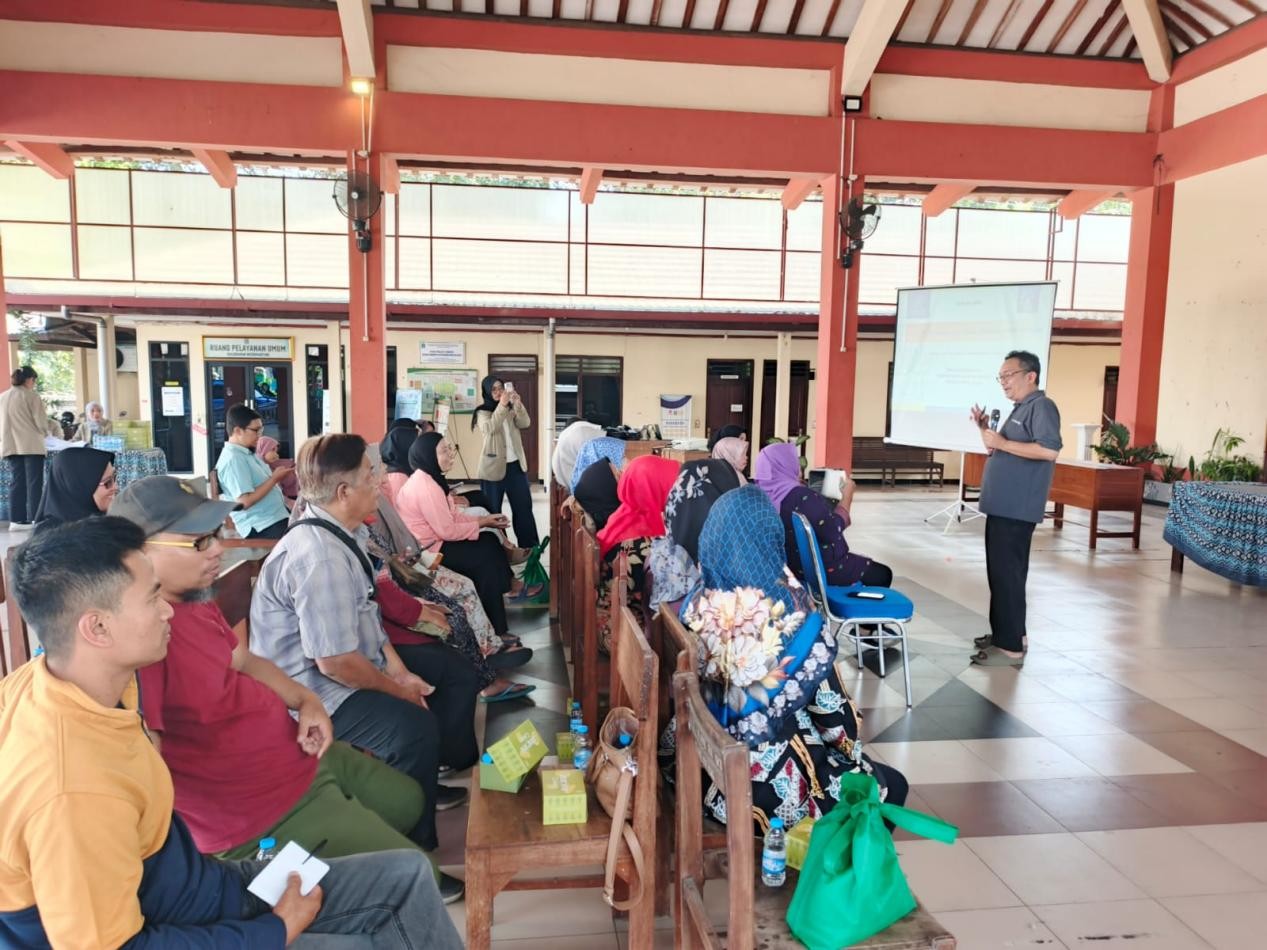
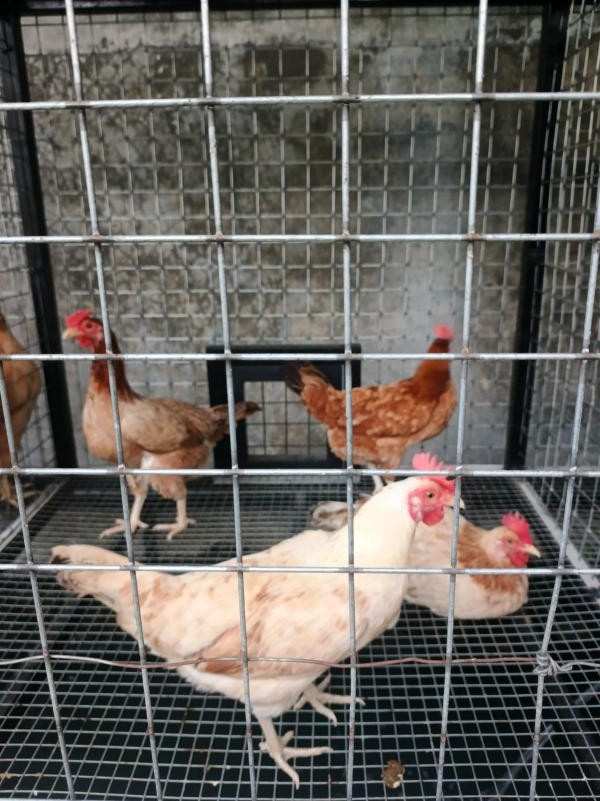
The PKM team leader, Prof. Dr. med.vet. Hendry T.S.S.G. Saragih, M.P., served as the main speaker, accompanied by lecturers and students from the UGM Faculty of Biology at the undergraduate, master’s, and doctoral levels. The material was presented by connecting the biological principles of chickens with practical management practices applicable to household-scale farming. Elba native chickens have the potential to be developed as laying hens to support household protein availability while creating business opportunities through egg production. An understanding of chicken growth, reproduction, health, and nutritional requirements is expected to help communities produce livestock-derived food that contributes to SDG 3 (Good Health and Well-Being).
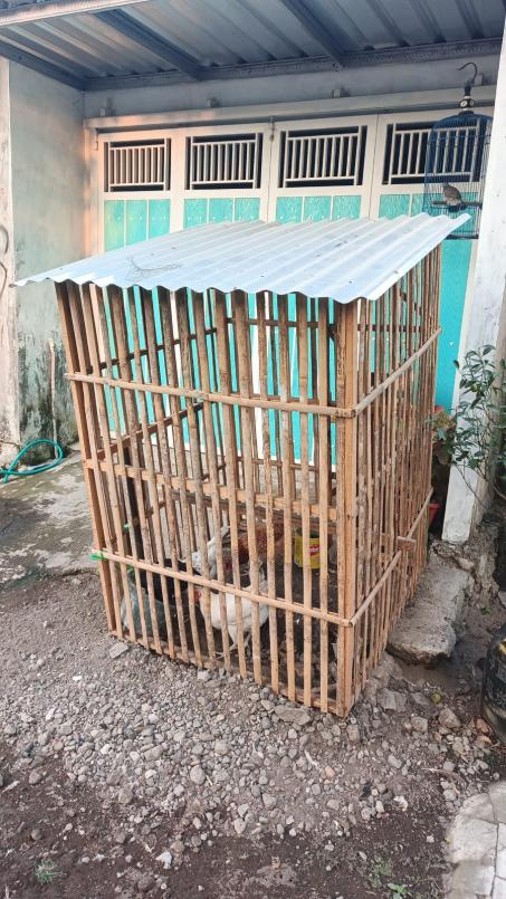
During the socialization, participants gained an understanding of chicken growth and reproductive stages, housing management, and nutritional requirements according to different life stages. Comfortable, dry, clean, and secure housing is an important factor in maintaining chicken health and productivity. Participants were also introduced to the potential use of certain food residues, such as fish parts, tofu, and tempeh, as additional nutritional sources after their suitability and safety for chickens have been ensured. The utilization of materials available within household environments is expected to reduce potential waste while promoting more effective and sustainable resource management in accordance with SDG 12 (Responsible Consumption and Production).
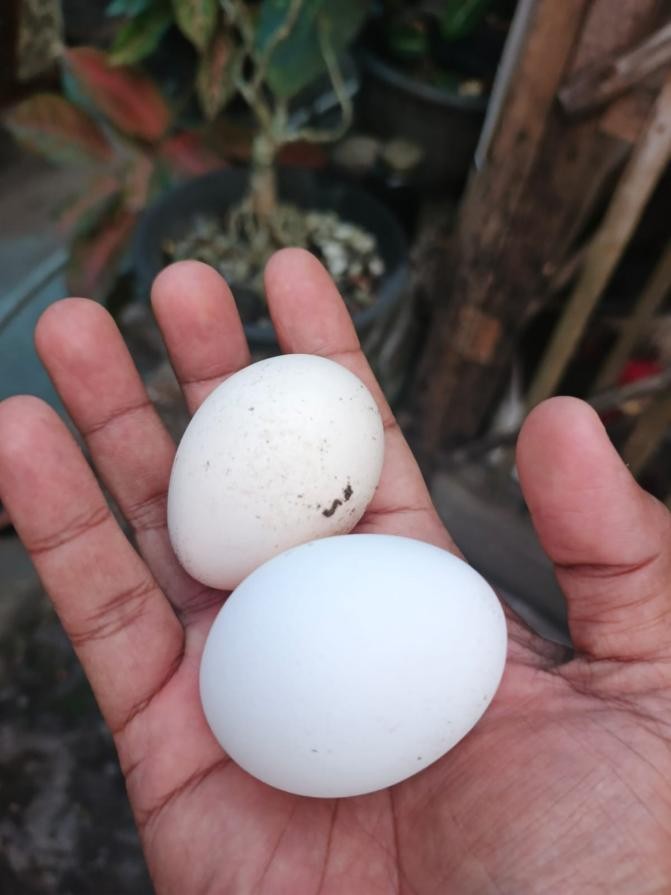
The discussion was highly interactive, with participants raising questions based on their experiences in raising chickens. Mrs. Sunarti asked about the management of sick chickens, while another participant raised concerns about chickens that had not started laying eggs despite reaching the productive age. The speaker explained the importance of proper husbandry and adequate nutrition and noted that herbal materials from the ginger family may be considered in traditional management practices, while still taking into account the condition of the chickens and appropriate health management. Participants also discussed the use of food residues as alternative feed ingredients. Food materials such as fish parts, leftover tofu, and tempeh may be considered after their suitability, safety, and nutritional requirements for chickens have been carefully assessed. Questions regarding unusually large eggs containing two yolks were also discussed as a phenomenon that may be associated with biological and genetic factors.
The participants’ enthusiasm was also reflected in their expectations for the program to continue through regular assistance and mentoring. Participants proposed that future assistance include male chickens so that the community could develop their poultry production activities through the breeding stage. These inputs will serve as important considerations for the UGM Faculty of Biology PKM Team in designing mentoring activities that are better aligned with community needs.
Through this activity, the UGM Faculty of Biology seeks to strengthen community capacity through science-based knowledge of chicken biology, housing management, nutrition, health, and egg production. This knowledge is expected to support the development of Elba native chickens as a sustainable source of household food and a potential livelihood opportunity. The activity also contributes to SDG 3 (Good Health and Well-Being) by promoting eggs as a source of household protein. In addition, the utilization of suitable food residues as additional nutritional sources in chicken feed contributes to SDG 12 (Responsible Consumption and Production).
Contributors:
UGM Faculty of Biology Chicken Community Service (PKM) Team in collaboration with the Wedomartani Partner Village, 2026, led by Prof. Dr. med.vet. Hendry T.S.S.G. Saragih, M.P.
Tags:
SDG 3 (Good Health and Well-Being), SDG 12 (Responsible Consumption and Production)