Yogyakarta, November 3, 2026 – The Faculty of Biology, Universitas Gadjah Mada (UGM), held a Guest Lecture featuring Dr. Erhan Yalçındağ from the Royal (Dick) School of Veterinary Studies and the Division of Epidemiology, The Roslin Institute, University of Edinburgh, on Monday afternoon (2/11). Hosted at the Auditorium Biologi Tropika, Faculty of Biology UGM, the lecture carried the theme “Genetic Application in Biomedical Research: From Gen to Health and Animal Health – Tools, Insights and Real-World Applications.”


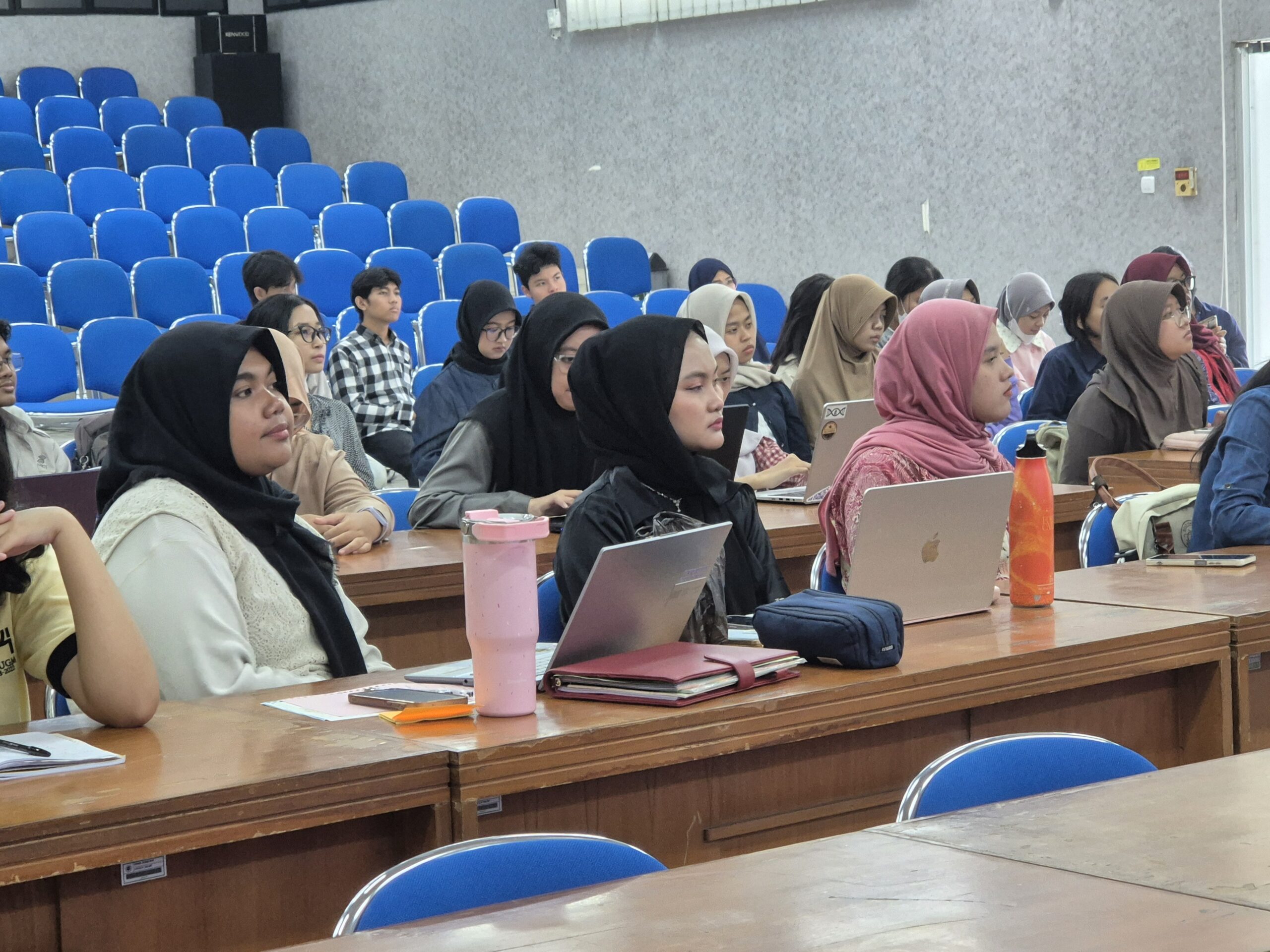


The event commenced with opening remarks by Prof. Dr. Eko Agus Suyono, Dean of the Faculty of Biology UGM. In his remarks, he expressed his appreciation for Dr. Erhan Yalçındağ’s visit and the opportunity to share research knowledge and experience with the Faculty of Biology UGM academic community.
During the lecture, Dr. Erhan Yalçındağ discussed the application of genetic approaches in biomedical and animal health research, with particular emphasis on non-invasive sampling strategies to support infectious disease surveillance. The presentation covered various sampling methods, the use of genetic markers, and genomic analysis approaches to identify and understand viral characteristics. One of the examples discussed was environmental surveillance of Avian Influenza Virus (AIV), including monitoring viral evolution, distribution patterns, and risk assessment. The application of Whole Genome Sequencing (WGS) and Oxford Nanopore technologies was also highlighted as part of efforts to develop surveillance methods that provide more comprehensive genomic insights.
Beyond serving as a platform for knowledge exchange, the event also marked an initial step for the Faculty of Biology UGM in exploring potential research collaborations with University of Edinburgh. One of the key areas of interest for future collaboration is Antimicrobial Resistance (AMR). AMR remains a major global health challenge that requires strengthened research efforts, science-based approaches, and multidisciplinary collaboration to support prevention and control strategies.
Through this event, the Faculty of Biology UGM hopes that the knowledge exchange and academic connections established will lead to concrete collaborative initiatives, particularly in biomedical research, animal health, and AMR. This initiative also reflects the Faculty’s commitment to strengthening the internationalization of education and research while contributing to addressing global health challenges.
The event also contributes to the achievement of the Sustainable Development Goals (SDGs), particularly SDG 3 (Good Health and Well-being) through strengthening health-related research, SDG 4 (Quality Education) through academic knowledge exchange, and SDG 17 (Partnerships for the Goals) through the development of international partnerships and research collaborations.