Yogyakarta, 29 October 2026 – The Faculty of Biology, Universitas Gadjah Mada (UGM), welcomed a delegation from Curtin University, Australia, on Thursday (29 October) to explore opportunities for academic and research collaboration between the two institutions. The delegation consisted of Priya Saracik, Global Partnerships Consultant, and Dr. Hendra Gunosewoyo from Medicinal Chemistry, School of Diagnostic and Therapeutic Sciences, Curtin University.
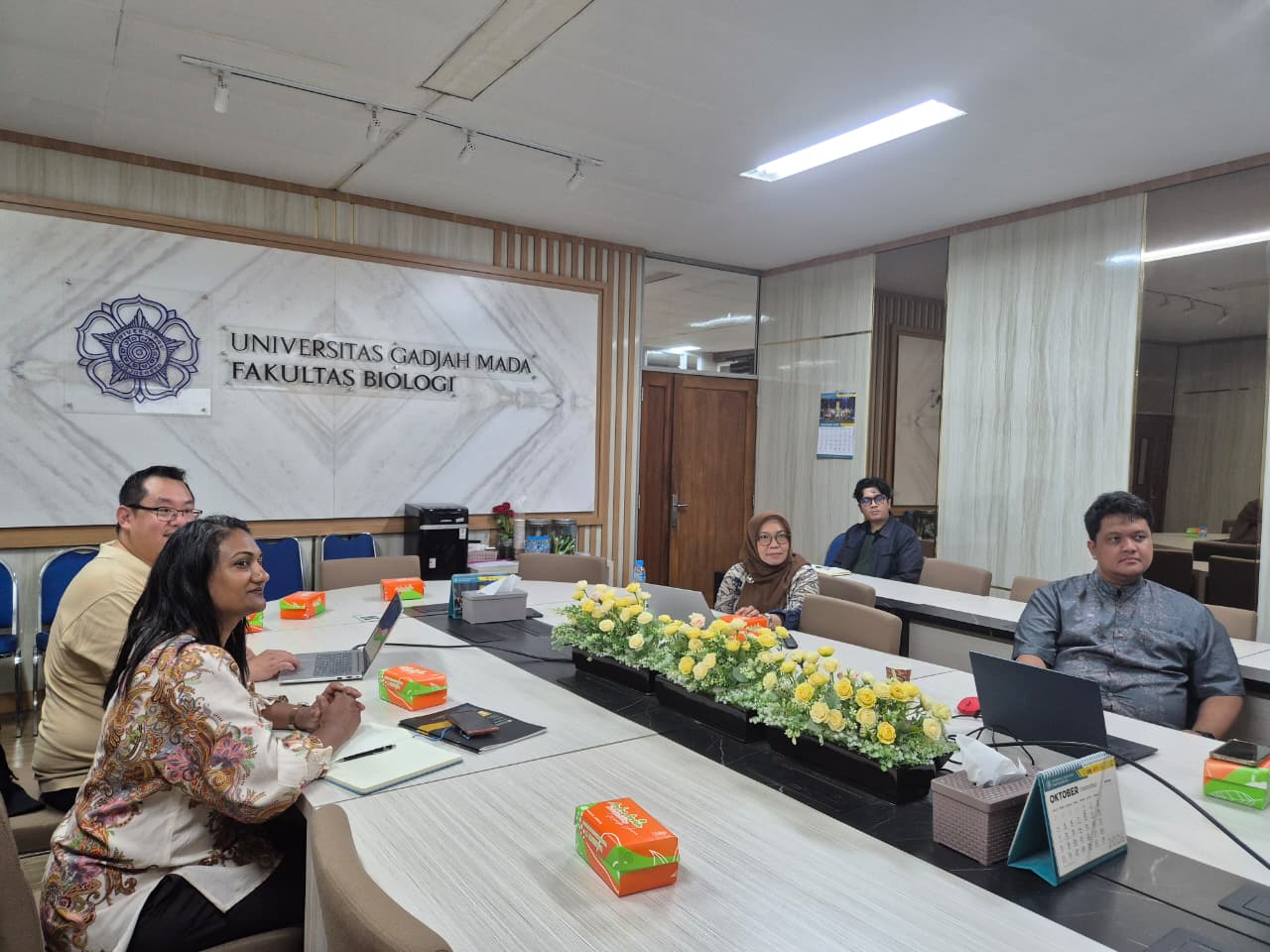
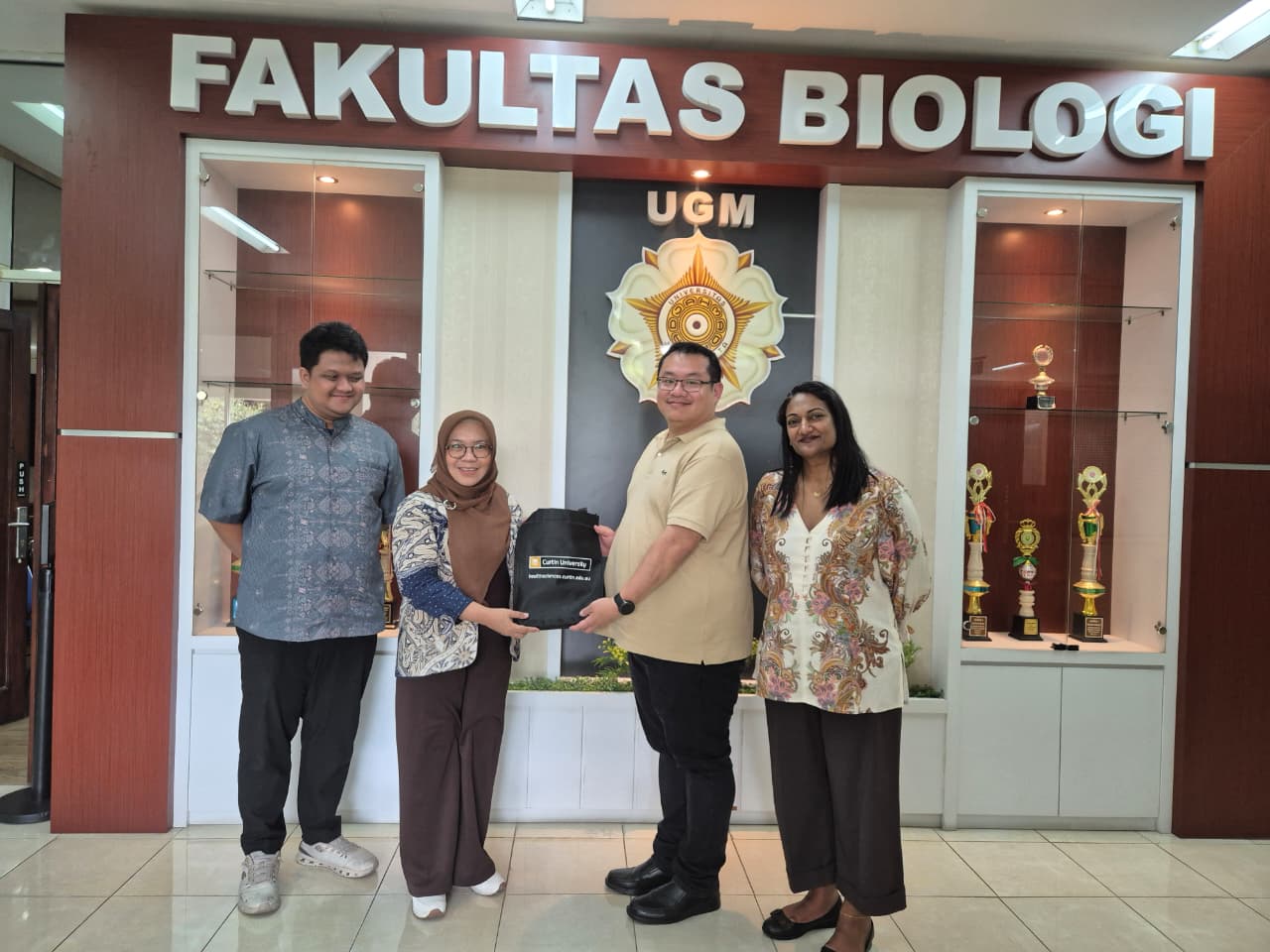
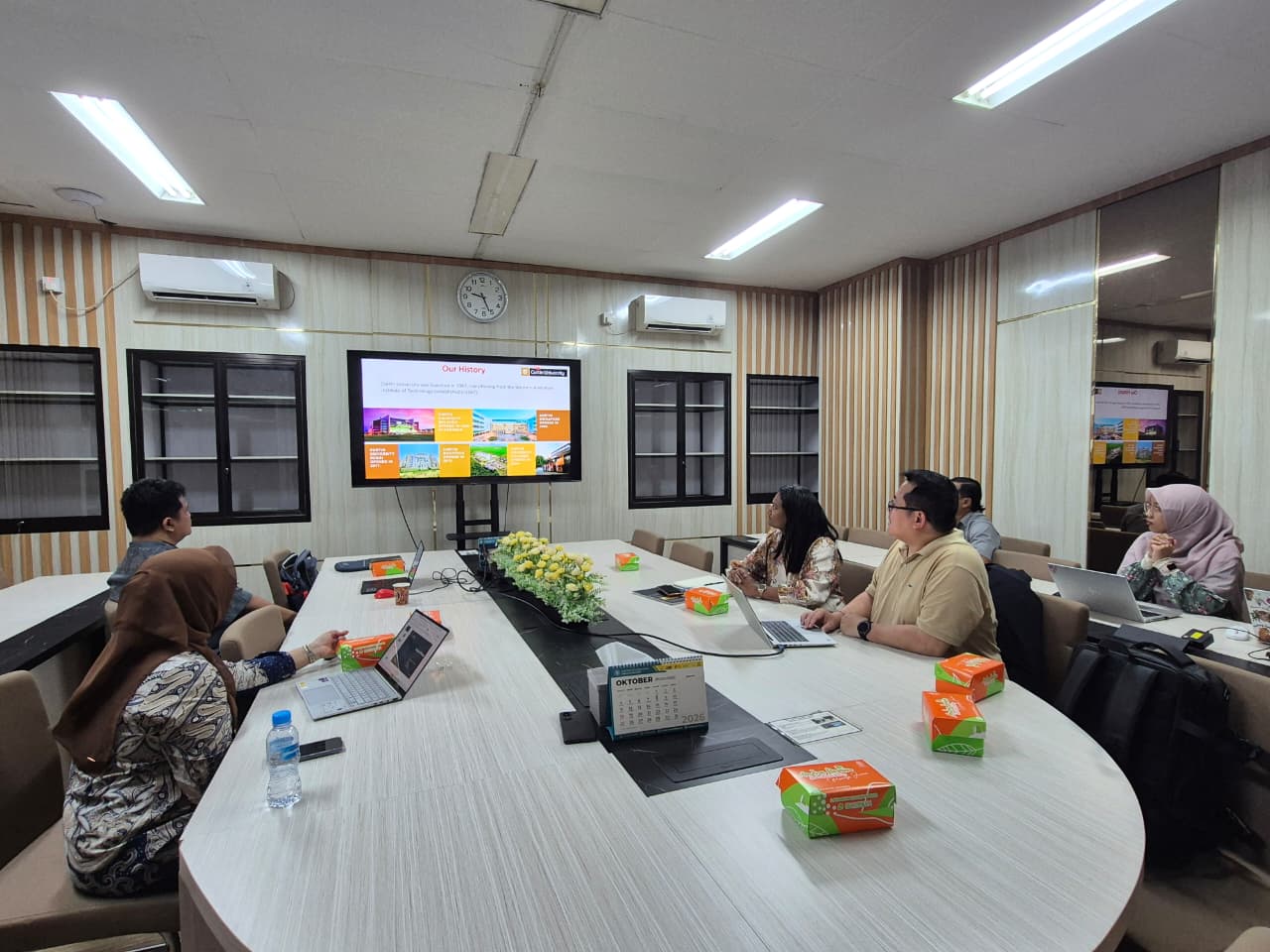
The visit was received by Dr. Tri Rini Nuringtyas and Matin Nuhamunada, Ph.D. as Office of International Affairs Faculty of Biology. The meeting provided an opportunity for both institutions to introduce their respective academic and research strengths and identify potential areas for future collaboration.
Discussions on research collaboration highlighted two promising areas: natural products and biodiversity, and antimicrobial resistance (AMR). These areas offer opportunities to explore joint research initiatives by leveraging the complementary expertise and research capacities of both institutions. The collaboration is expected to foster interdisciplinary research and contribute to scientific advancements in biodiversity-based research and addressing global health challenges, particularly antimicrobial resistance.
In addition to research collaboration, both institutions also explored the possibility of establishing an undergraduate double-degree program for students enrolled in the International Undergraduate Program (IUP) in Biology and Biomedical Sciences. This initiative aims to expand international academic pathways, provide students with broader learning experiences, and strengthen the global competitiveness of graduates from both institutions.
The visit marks an important step toward establishing a stronger partnership between the Faculty of Biology UGM and Curtin University. Through continued discussions and follow-up initiatives, both institutions aim to translate these opportunities into concrete collaborative programs in education and research.
This initiative also contributes to the achievement of the Sustainable Development Goals (SDGs), particularly SDG 3 (Good Health and Well-being) through research addressing antimicrobial resistance; SDG 4 (Quality Education) through the exploration of international double-degree opportunities; SDG 15 (Life on Land) through research on natural products and biodiversity; and SDG 17 (Partnerships for the Goals) through strengthened international collaboration in education and research.