The Faculty of Biology, Universitas Gadjah Mada (UGM), organized a guest lecture featuring Bernhard Grimm from Humboldt-Universität zu Berlin, Germany. In addition to students enrolled in the Plant Physiology course, lecturers and students from other programs also attended the lectures, which were held on April 23 and May 7, 2026. The teaching team of the Plant Physiology course was also present, including Prof. Dr. Kumala Dewi, M.Sc.St., Prof. Dr. Diah Rachmawati, S.Si., M.Si, Dr. Dwi Umi Siswanti, S.Si., M.Sc., Dr. Siti Nurbaiti, S.Si., and Prof. Dr. Yekti Asih Purwestri, S.Si., M.Si. who served as the host for Prof. Bernhard Grimm’s visit to the Biotechnology Graduate Program at UGM through the 2026 UGM EQUITY Grant.
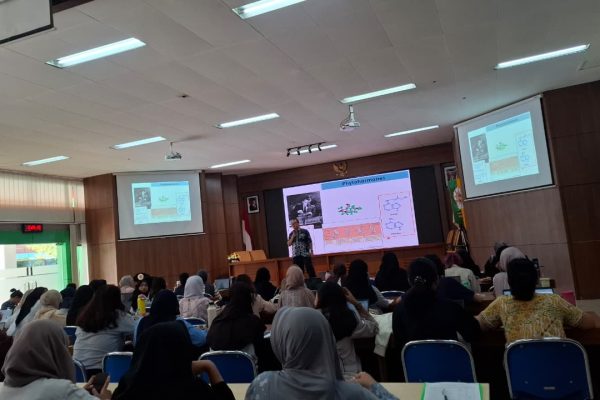
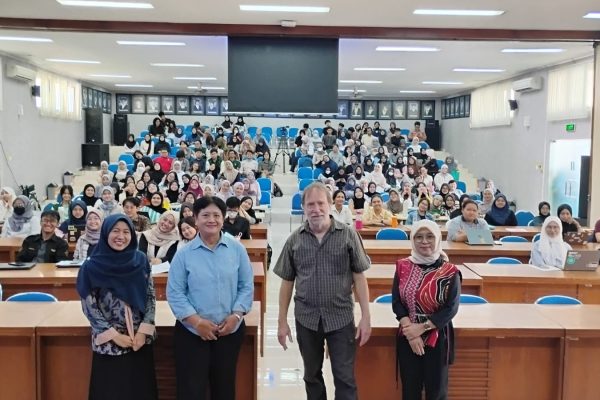
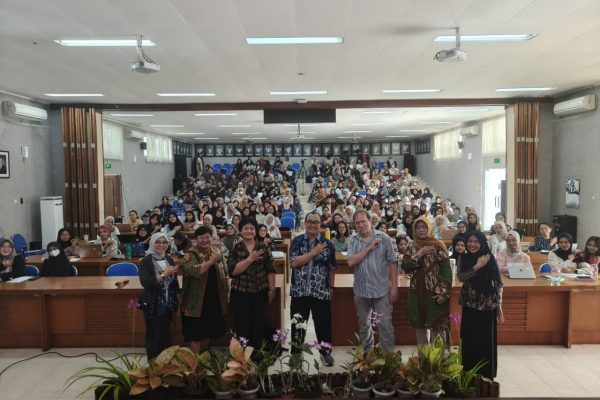
The event on April 23, 2026, was officially opened by the Vice Dean for Research, Community Service, Cooperation, and Alumni Affairs (P2MKSA), Prof. Dr. Eko Agus Suyono, M.App.Sc. In his remarks, he emphasized that the guest lecture was an important part of strengthening international academic collaboration and broadening students’ global perspectives. “This activity provides a valuable opportunity for all participants to gain insights into plant physiology from different perspectives,” stated Prof. Eko. He further added that Prof. Bernhard Grimm’s return visit to the Faculty of Biology UGM reflects the continuity of a collaboration that is highly expected to continue developing in the future. The Head of the Plant Physiology Laboratory, Dr. Dwi Umi Siswanti, S.Si., M.Sc., also expressed her gratitude to Prof. Grimm and Prof. Yekti for the opportunity to organize a public lecture for the Plant Physiology class.
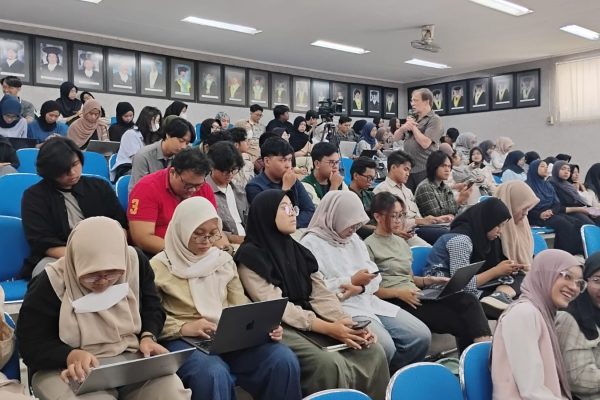
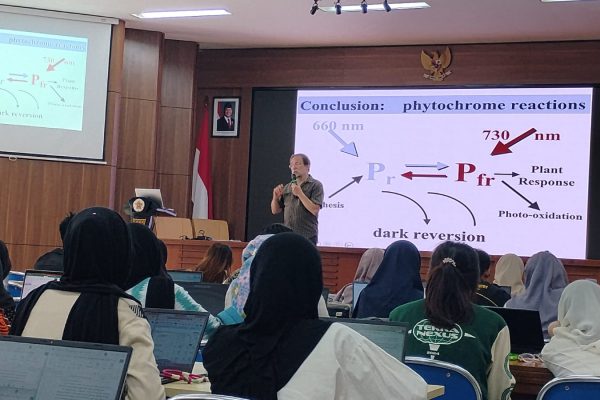
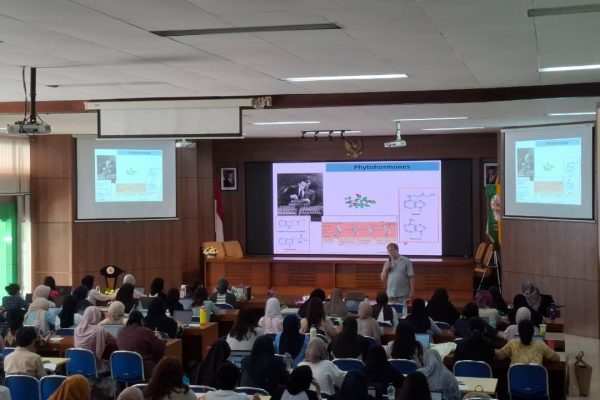
In his first lecture session, Prof. Grimm presented various types of phytohormones, including cytokinins, auxins, gibberellins, abscisic acid, and ethylene. He explained their characteristics, mechanisms of action, and diverse roles in coordinating plant growth and development. By incorporating examples from related research studies, the lecture became even more engaging and insightful. Plant hormones are not merely ordinary growth regulators, but rather a complex communication system that determines how plants respond to their environment. During the second lecture, Prof. Grimm discussed the role of light in the morphogenesis of higher plants. He explained how light intensity, direction, and duration act as signals perceived by photoreceptors and influence plant development, including growth direction, stomatal opening, and flowering. The students showed great enthusiasm by raising various questions, including discussions on up-to-date research related to the lecture topics. “I hope this public lecture can be well understood by all students, and I wish you success in your future studies,” said Prof. Grimm at the end of his lecture.
The organization of this guest lecture represents one of the Faculty of Biology’s efforts to realize its vision of becoming a globally recognized, excellent, and innovative higher education institution in biology, particularly tropical biology. The Faculty of Biology UGM continues to demonstrate its commitment to equipping students with global scientific perspectives that support the achievement of the Sustainable Development Goals (SDGs), particularly SDG 4: Quality Education, by expanding access to knowledge from international experts, and SDG 17: Partnerships for the Goals, by strengthening international academic collaboration.