Yogyakarta, August 10, 2026 — The Doctoral Program in Biological Sciences, Faculty of Biology, Universitas Gadjah Mada (UGM), organized a Workshop on the Development of Course Plans (RPKPS) as part of preparations for the implementation of the 2026 Curriculum. Attended by all course instructors, the workshop served as an important step in translating the direction and substance of the curriculum into a structured, relevant, and outcome-based education.
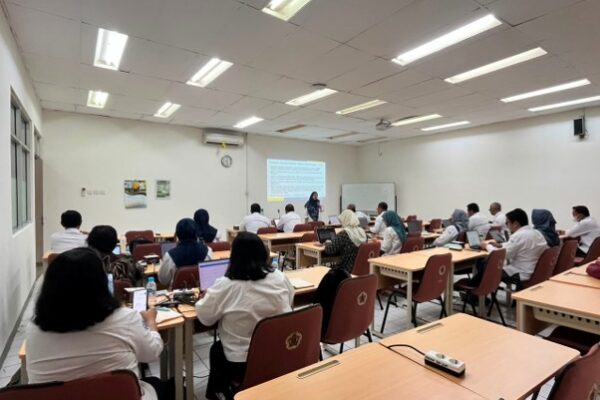
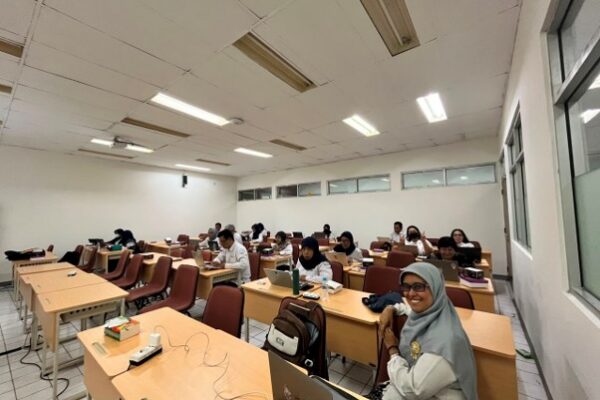
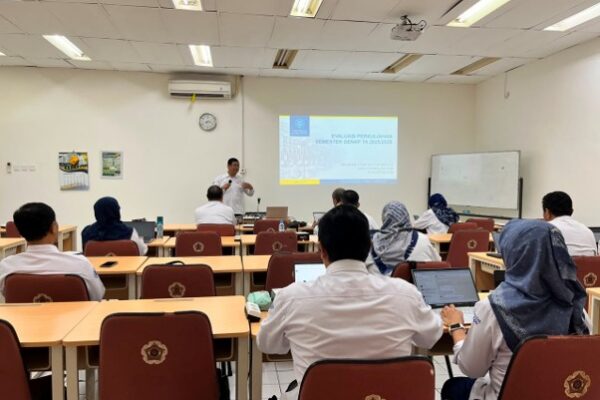
The workshop commenced with remarks by the Vice Dean for Academic and Student Affairs of the Faculty of Biology UGM, Prof. Dr. Bambang Retnoaji, M.Sc., followed by the opening remarks delivered by the Dean of the Faculty of Biology UGM, Prof. Dr. Budi Setiadi Daryono, M.Agr.Sc. In their remarks, the faculty leaders emphasized the importance of institutional readiness and collaboration among all faculty members in translating the 2026 Curriculum into high quality learning processes. This direction was further elaborated through a presentation on the 2026 Curriculum by the Head of the Doctoral Program in Biological Sciences, Prof. Rina Sri Kasiamdari, S.Si., Ph.D., who discussed the curriculum framework, graduate competency profile, and the alignment between Programme Learning Outcomes (PLO) and Course Learning Outcomes (CLO) as the foundation for designing course-level learning. The 2026 Curriculum is designed to strengthen graduates’ competencies in conducting original research, fostering multidisciplinary collaboration, and contributing to the advancement of biological sciences and the sustainable management of biological resources.
This understanding was subsequently translated into the development of RPKPS through an outcome-based education approach. Zuliyati Rohmah, S.Si., M.Si., Ph.D.Eng. from the Quality Assurance Unit (QAU) provided further guidance on RPKPS development and the utilization of SiOBA to support the traceability between learning outcomes, learning processes, and assessment. The discussion also addressed the implementation of student-centered learning, competency-based assessment, and the development of transparent and accountable learning contracts.
As a practical application of the discussions, the workshop concluded with the collaborative development of RPKPS by the course instructors, with all courses delivered through a team-teaching approach. This session provided an opportunity for instructors to directly discuss and align learning outcomes, learning materials, instructional strategies, and assessment methods and instruments according to their respective roles and areas of expertise. This collaborative process resulted in more integrated RPKPS while strengthening the coherence and consistency of course delivery under the implementation of the 2026 Curriculum.
Through this workshop, the Faculty of Biology UGM continues to strengthen adaptive, outcome-based, and relevant learning that responds to developments in science and the evolving needs of academic and professional contexts. Collaboration among faculty leadership, the study program, the UJM, and course instructors constitutes an important foundation for translating the 2026 Curriculum into meaningful learning experiences for students. This initiative also contributes to the achievement of the Sustainable Development Goals (SDGs), particularly SDG 4: Quality Education and SDG 17: Partnerships for the Goals, through the enhancement of higher education quality and academic collaboration.