• UGM
  • Simaster Portal
  • IT Center
  • Webmail
  • KOBI
  • English
    • Bahasa Indonesia
Universitas Gadjah Mada Universitas Gadjah Mada
Faculty of Biology
  • ABOUT US
    • History
    • Organization
    • Vision and Mission
    • Lectures and Staff
      • Lecturers
      • Adjunct Professor
      • Supporting Staff
    • Facility
      • Laboratories
      • Research
      • Library
      • Museum
      • Mental Health Consultation
      • Disability
  • EDUCATION
    • Undergraduate Program
      • Graduates Learning Outcome
      • Academic Callendar
      • Course
    • IUP
    • Profession Program
      • What is the Professional Study Program in Biodiversity Curator (PKKH)?
      • Admission for New Students of the Biodiversity Curator Profession Program Study
      • Information and FAQ Study Program of Biodiversity Curator Profession
    • Master Program
      • Master Program in Biology Description
      • Curriculum Structure Master Program
    • Doctoral Program
      • Vision, Mission, Objectives, Targets, Competencies, and Learning Outcomes
      • Admission Requirement for Program Doctor in Biological Sciences
      • Admission: What Documents to be prepared?
      • Curriculum
    • Regulations
    • Accreditation & Quality Assurance
  • RESEARCH
    • Journal of Tropical Biodiversity and Biotechnology
    • Berkala Ilmiah Biology
    • Research
    • Publication
  • Community Service
    • Waste Management
  • STUDENTS & ALUMNAE
    • Student Organizations
    • Prospective Career Opportunities
    • SUMMER COURSE
    • Alumnae
  • Home
  • Achivements
  • page. 7
Arsip:

Achivements

Study on Nutrient Efficiency in Palm Oil: UGM Faculty of Biology Doctoral Student Advances to Top 12 Semifinalists in the Merck Young Scientist Award 2023

AchivementsHeadline Friday, 17 November 2023

The Merck Young Scientist Award (MYSA) 2023 has announced the top 12 semifinalists on October 25, 2023. The MYSA program aims to engage young scientists in discussions, idea sharing, scientific research development, and collaboration to create new breakthroughs, while also recognizing the dedication of scientists in developing sustainable solutions to meet the healthcare needs of Indonesia’s society. Additionally, MYSA seeks to inspire and encourage young scientists to innovate in life sciences and provide solutions to various health challenges. This program, in its fifth year running since 2018, collaborates with the Research Organization for Life Sciences and the Environment, the National Research and Innovation Agency (BRIN), and Universitas Gadjah Mada, who act as the judging panel to provide optimal assessments of the participants.
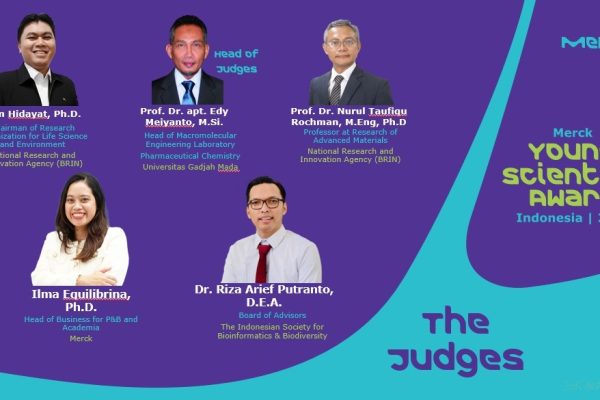
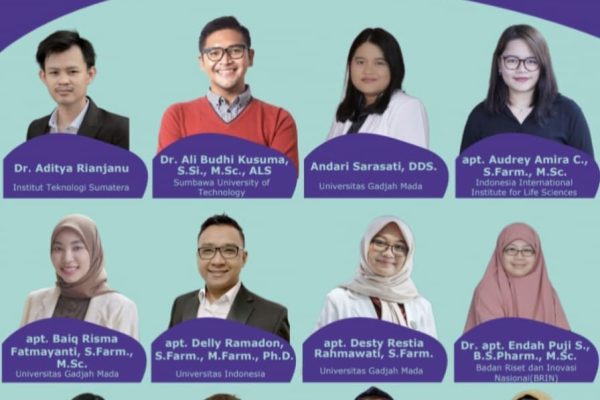
The 12 semifinalists of the Merck Young Scientist Award (MYSA) 2023 come from various institutions including Institut Teknologi Sumatera, Sumbawa University of Technology, Universitas Gadjah Mada, Indonesia International Institute for Life Sciences, Universitas Indonesia, National Research and Innovation Agency (BRIN), IMERI FKUI, and PT Bio Farma. Participants were selected by a judging panel led by Prof. Dr. apt. Edy Meiyanto M.Si from the Faculty of Pharmacy, Universitas Gadjah Mada, including Iman Hidayat., Ph.D, Prof. Dr. Nurul Taufiqu Rochman., M.Eng., Ph.D from the National Research and Innovation Agency (BRIN), Ilma Equilibrina., Ph.D from Merck, and Dr. Riza Arief Putranto., D.E.A from The Indonesian Society for Bioinformatics & Biodiversity.

Through rigorous evaluation, Sigit Dwi Maryanto., S.Si., M.Sc from the Faculty of Biology, Universitas Gadjah Mada emerged as one of the top 12 semifinalists. His research focuses on the efficiency of nutrient absorption in palm oil. In general, Sigit Dwi Maryanto., S.Si., M.Sc explained that his research will yield short-term downstream products related to molecular markers for nutrient efficiency in palm oil, while the long-term target is nutrient-efficient palm oil progenies. This research significantly contributes to palm oil production.

The culminating event will take place on November 23, 2023, in Jakarta. During this final event, the 12 finalists will present their research, and the winners will be announced. Therefore, Sigit Dwi Maryanto., S.Si., M.Sc hopes to deliver the best performance during the presentation and bring home victory, thereby enhancing the reputation of the Faculty of Biology, Universitas Gadjah Mada. (Vita Meylani, PhD Program Student, First Semester 2023, Faculty of Biology).
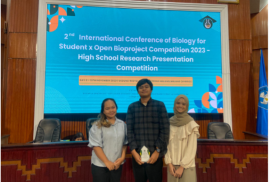
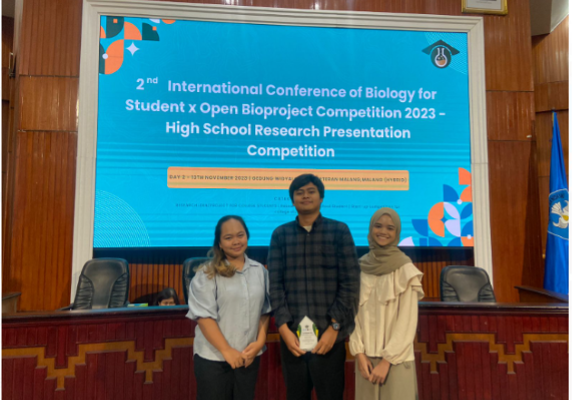
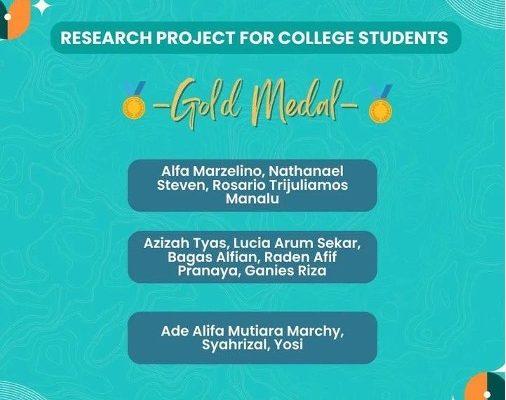
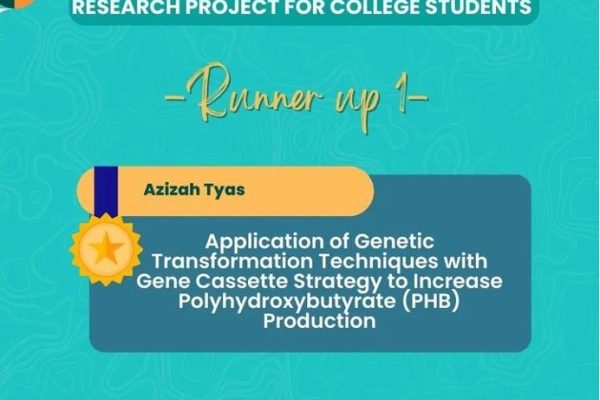
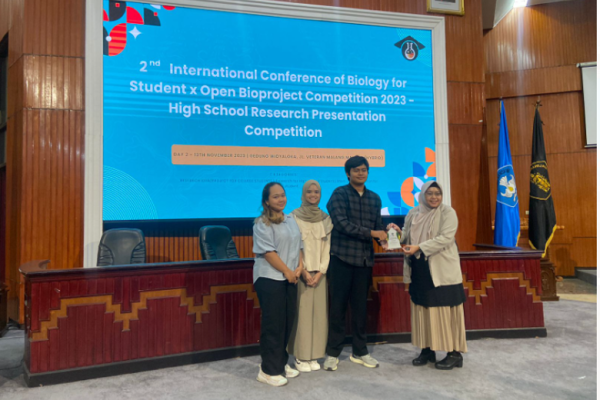
Addressing Biodegradable Plastics, Biology Student UGM Wins Gold Meda and Runner up-1 at 2nd International Conference of Biology for Students (ICOBIOS) x Open Bioproject Competition (OBC) 2023

AchivementsHeadlineNews Release Thursday, 16 November 2023

Biology student at Faculty Biology UGM made another achievement by winning gold medal for Research Project for College Student and Runner Up-1 for Grand Award Research Project for College Student in 2nd International Conference of Biology for Students (ICOBIOS) x Open Bioproject Competition (OBC) 2023 at Brawijaya University on 12-14 November 2023. This achievement was achieved by a team from Laboratory of Genetics and Breeding, comprised of Azizah Tyas Nugrahanty (Biologi 2020), Bagas Alfian Dwiaryanda (Biologi 2020), dan Lucia Arum Sekar Meysari (Biologi 2020) under guidance Ganies Riza Aristya, S.Si., M.Sc., Ph.D in collaboration with Raden Afif Pranaya Jati, S.P., M.Sc from Indonesia Bioinformatic Institute (INBIO-Indonesia).


The 2nd International Conference of Biology for Students (ICOBIOS) x Open Bioproject Competition (OBC) 2023 has the theme ”Inovative Approach in Investigating Biological Problem through Multidisciplinary Research and Startup” aimed to accelerate collaboration and enhance understanding of various biological aspect for young researchers. The competition was held from July to November 2023 and had several stages, including abstract submission, abstract announcement, proposal submission, presentation and ceremonial event.

The Poly-hydroxy butyrate (PHB) team is examining the issue of biodegradable plastic due to the fact that the development of plastic nowadays is inseparable from modern human life and will grow continuously every year. In addition, various efforts have been undertaken and are being made, one of which is to find alternatives for conventional plastics that are more environmentally friendly and sustainable. Based on these challenges, Azizah, Bagas, and Lucia focus on developing organisms as effective and efficient producers of PHB by utilizing genetic transformation technology. Until now, the PHB team has successfully combined synthetic genes constructed into plasmids into bacterial cells as candidates for naturally producing PHB microbes. This solution is expected to become an alternative to conventional plastics. Furthermore, the team and supervisors also hope that this research will evolve continuously every year to create a comfortable environment without conventional plastics. [Authors: Azizah Tyas Nugrahanty, Bagas Alfian Dwiaryanda, and Lucia Arum Sekar Meysari]

Addressing The Stunting Issues, Biology Student UGM Wins Silver Medal at 2nd International Conference of Biology for Students (ICOBIOS) x Open Bioproject Competition (OBC) 2023

AchivementsHeadlineNews Release Tuesday, 14 November 2023

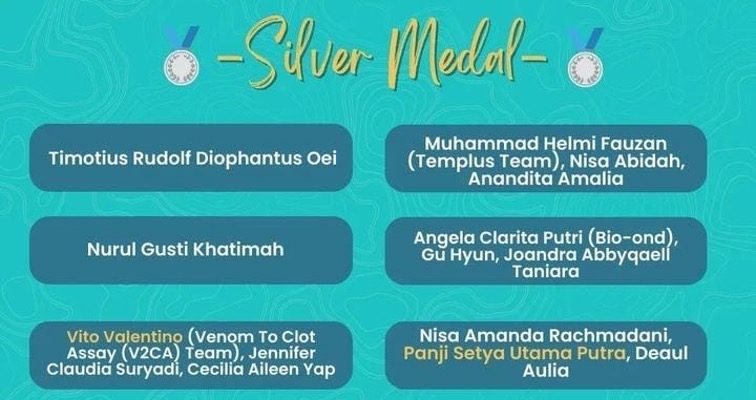
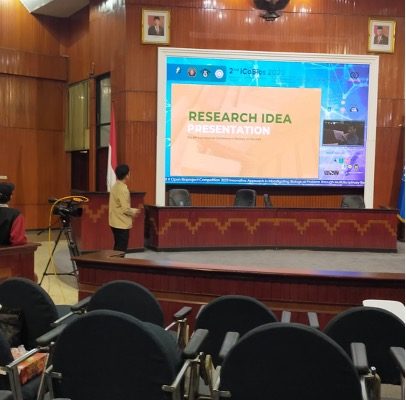
Biology student at Faculty Biology UGM made another achievement by winning silver medal for research idea proposal in 2nd International Conference of Biology for Students (ICOBIOS) x Open Bioproject Competition (OBC) 2023 at Brawijaya University on 12-14 November 2023. This achievement was achieved by Templus team, comprised of Muhammad Helmi Fauzan (Biologi 2020), Nisa Abidah (Biologi 2021), and Anandita Amalia (Biologi 2021) under guidance Dr. Miftahul Ilmi, S.Si., M.Si. in collaboration with Aditya Aryandi an alumnus from Faculty Biology in 2010.


The 2nd International Conference of Biology for Students (ICOBIOS) x Open Bioproject Competition (OBC) 2023 has the theme ”Inovative Approach in Investigating Biological Problem through Multidisciplinary Research and Startup” aimed to accelerate collaboration and enhance understanding of various biological aspect for young researchers. The competition was held from July to November 2023 and had several stages, including abstract submission, abstract announcement, proposal submission, presentation and ceremonial event.

Team Templus addressed the issue of stunting, which is not only rooted in a lack of socialization within communities but also in the insufficient variety of nutrients in daily meals, especially for micronutrients such as vitamin A. On the other hand, the presence of tempe as an affordable food source in Indonesia with sufficient nutrition could be an alternative for food fortification. Therefore, one solution proposed by Team Templus to address the stunting issue is fortifying tempe through genetic engineering using the fermentation agent Rhizopus oryzae induced with precursor genes for carotenoids by Mucor circinelloides.

Though initially encountering confusion in method construction, Team Templus successfully completed the proposal, hoping that the offered solution could likely progress to the research stage and succeed in testing. Subsequently, this solution is anticipated to serve as an alternative to reducing stunting rates in Indonesia. [Author: Anandita Amalia]

Promote the Agrotourism Potential with an Integrated Education System, Faculty of Biology UGM Lecturer Wins Outstanding Flagship Project in the 2023 RCE Awards

AchivementsHeadlineNews Release Thursday, 9 November 2023

Proposing an idea entitled “Smart Integrated Education System of Agrotourism Community Services”, lecturer at the Faculty of Biology UGM, Ganies Riza Aristya, Ph.D., got the Outstanding Flagship Project award at the 2023 RCE Awards for Innovative Projects on Education for Sustainable Development (ESD). The RCE Awards are appreciation award for programs and projects that focus on education for sustainable development. This contribution is a concrete manifestation of overcoming the challenges of sustainable development in the region. Recognized programs are programs that involve the transformation of teaching and research and demonstrate active contribution of society, including the involvement of partners and stakeholders.


Focusing on the development of Sendangsari Village and Sidomulyo Village, Pengasih, Kulon Progo, Ganies and the KKN (Community Service) Team UGM that she coached highlighted the agricultural potential of these two villages in building a Tourism Village based on sustainable agriculture. This potential is also a challenge, where potential local products, in terms of quality and quantity, have experienced a decline after the COVID-19 pandemic. Technology and educational support and the development of MSME products are in the spotlight in developing villages whose communities still depend on the agricultural sector. This is in line with sustainable development goals (SDGs) in increasing decent work and community economic growth (SDG 8). Ganies also highlighted the involvement of Women Farmer Groups (KWT) which play an active role in processing and managing agricultural products, supporting gender equality in village economic development (SDG 5).

Agrotourism is a concept that combines agricultural activities with environmentally friendly tourism and contributes to the economy of the local community within it. Ganies applies the Smart Integrated Education System in agrotourism development, seeking to raise the potential of local communities through various education and training programs (SDG 4), community and stakeholder involvement, and the use of innovative technology. In addition, this concept also supports awareness of environmental conservation and preservation and sustainable agriculture, both for local communities and tourists (SDG 14 and 15).

It is hoped that this idea can create a sustainable agrotourism sector, increase awareness of environmental conservation while promoting local culture and providing economic benefits to local communities.

Four Biology students have achieved three awards at the Grand Jamboree – International Genetically Engineered Machine (iGEM) Competition in Paris.

AchivementsHeadlineNews Release Monday, 6 November 2023

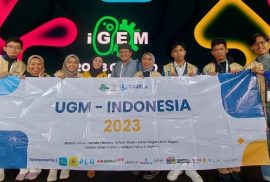
The UGM-Indonesia team, consisting of students from various faculties at Universitas Gadjah Mada (UGM), has achieved remarkable succes feat by winning a gold medal, inclusivity award, and a nomination for the best diagnostic project at the Grand Jamboree – International Genetically Engineered Machine (iGEM) Competition 2023, held in Paris, France, from November 2 to November 5, 2023. Four out of the sixteen members of the UGM-Indonesia team are Biology students in the class of 2020 : Sofyan Maulana, Fathur Syahrian Ramadhani, Adelia Intan Sabhira, and Ulfah Nur Azizah. This moment marks the first time in the 20-year history of the iGEM competition that a team from Indonesia has successfully secured a special award and entered the nomination for the best project. Previously, in 2021, the UGM-Indonesia team led by Yustika Sari (Biology 2017) achieved a silver medal.


iGEM is a prestigious competition in the field of Synthetic Biology that originated from a summer school activity at the Massachusetts Institute of Technology (MIT) in 2003. In this competition, each team is provided with an iGEM Distribution Kit containing hundreds of “BioBrick Parts,” which are DNA components that can be assembled into genetic circuits to address various real-world problems. This competition has spurred the emergence of research innovations, companies, and leading biotechnology startups such as Ginkgo Bioworks, Asimov, and Benchling. In the two-decade celebration of iGEM, this year’s competition was participated in by 400 teams from 66 countries, involving over 3000 high school students, undergraduate, and graduate students from around the world.

Under the leadership of I Made Rhamandana Putra (Pharmacy 2019), the UGM-Indonesia team adopted the theme of diagnostic technology with a project entitled “Novel Biodevice for Colorectal Cancer Screening using Escherichia coli Nissle 1917 (ECN) with miRNAs as Biomarker”. The team successfully engineered the ECN bacteria to detect cancer cells and enhance the sensitivity of the Loop-Initiated RNA Activator (LIRA) through mathematical modeling and computer simulation. The hard work, innovation, and creativity of this team convinced five international judges to award a gold medal and a nomination for the best diagnostic project. In addition to conducting research in the laboratory, the iGEM team also had to approach social and inclusivity aspects within various community components. Out of the 400 competing teams, the UGM-Indonesia team was selected to win the special prize: the best Inclusive award.

This achievement would not have been possible without the dedication and guidance of various parties. Dr. Yekti Asih Purwestri from the Faculty of Biology UGM served as the main supervisor, supported by Widhi Dyah Sawitri, Ph.D (Faculty of Agriculture), M. Saifur Rohman, Ph.D (Faculty of Agriculture), and Setyowati Triastuti Utami, Ph.D (Faculty of Pharmacy). Additionally, the team was assisted by 15 mentors comprising of lecturers, alumni, and UGM students, including six lecturers from the Faculty of Biology: Dr. Yekti Asih Purwestri, S.Si., M.Si., Dr. Niken Satuti Nur Handayani, Aries Bagus Sasongko, M.Biotech, Lisna Hidayati, M.Biotech, Indra Lesmana, M.Sc., and Matin Nuhamunada, M.Sc. [Author: UGM iGEM Team]
Source:
1.https://jamboree.igem.org/2023/results?scroll=Diagnostics#village-awards
2.https://jamboree.igem.org/2023/results?scroll=Inclusivity%20Award#special-prizes

Presenting Holistic Implementation of Interdisciplinary Project-Based Learning: Biology Students Win 2nd Place in National Essay Competition “BIOCOMPACT UNESA”

AchivementsHeadlineNews Release Monday, 6 November 2023

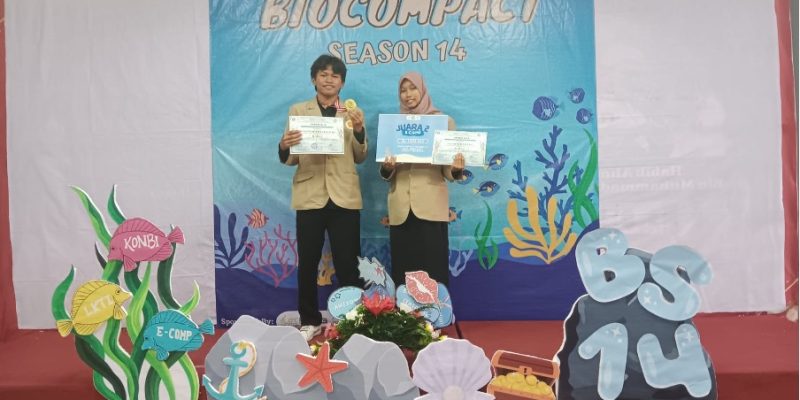
Biology students Universitas Gadjah Mada (S1) made another achievement at national level by win 2nd place in the National Essay Competition (E-Comp) “BIOCOMPACT (Biology Competition and Application) Season 14” held at the State University of Surabaya on October 29, 2023. This remarkable achievement was achieved by Muhammad Fityatul Haq and Ulfah Nur Azizah, Biology Student Class of 2020 under the guidance of Laksmindra Fitria, S.Si., M.Si.


The competition took the theme “The Role of the Younger Generation in Realizing the Millennial Generation (Potential, Critical Thinking, and Innovation)”, aimed to enhancing the knowledge and understanding of the younger generation in advancing the quality of SDGS 2040, particularly in the field of biology, which is closely related to issues concerning living organisms and the environment. The competition underwent a series of selection stages, including essay registration and submission, selection of the top 5 finalists, collection of essay posters, and concluded with the finalists’ presentations. This competition took place from July 3, 2023, to October 29, 2023.

Through this competition, the team highlighted the holistic implementation of Interdisciplinary Project-Based Learning (I-PjBL) amidst educational segmentation, emphasizing its urgency in the context of special needs education. For children with special needs, PjBL can serve as an alternative to enhance their real-life learning experiences, as it is constructivist in nature, particularly in developing critical thinking skills that can encourage them to be more independent and less reliant on others. Additionally, the team also spotlighted the implementation of I-PjBL in STEM-based learning.

The team hopes that the breakthroughs and issues raised through this competition will contribute to achieving the Sustainable Development Goal (SDG) 4, which pertains to inclusive quality education. Furthermore, they aspire that participation in this competition will provide encouragement and motivation for Indonesian students and the younger generation to make positive contributions towards advancing education in Indonesia. [Author: Ulfah Nur Azizah]

Biology Student Wins Gold Medal in National Essay Competition Through Smartwatch SART innovation Addressing Mental Health Issues

AchivementsHeadlineNews Release Friday, 3 November 2023

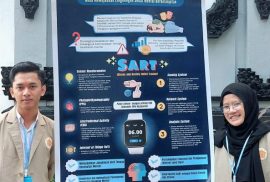
Ridho Nur Alam and Azra Belva Naprilian, Biology student class of 2022, have achieved a Gold Medal in the National Essay Competition FAPERTA 4 titled “Futuristics and Prestige Research, Technology and Art Fair,” under the guidance of Tyas Ikhsan Hikmawan, M.Sc., Ph.D. The competition, which involved a total of 243 entries, underwent several stages of selection before the Grand Final held at Dhyana Pura University, Bali on October 28-29, 2023. The competition comprised various stages, including the submission of full papers, creating video presentations, making PowerPoint presentations, and delivering poster presentations directly to the judging panel.


During this event, Ridho and Azra presented an essay titled “Smartwatch SART: Psychosocial Condition Detector Based on Galvanic Skin Response for Creating a Sustainable Mental Health Environment.” This innovation was sparked by the growing concern over mental health issues in society, particularly among students and young adults in Indonesia, which unfortunately is not proportionate to the available mental health professionals. The Smartwatch is equipped with a range of sensors based on Galvanic Skin Response (GSR). SART, an acronym for Smartwatch Stress and Anxiety Relief Tracker, will facilitate interaction between users and their families, close friends, and competent mental health professionals. Additionally, SART is also integrated with the Internet of Things (IoT), enhancing its effectiveness and efficiency in use.

This innovation is expected to provide a practical solution to address the psychological service issues in Indonesia. Furthermore, it is hoped that it will also help reduce suicide rates and address cases of mental health disorders in Indonesia, aligning with the government’s efforts to achieve Sustainable Development Goal (SDG) point 3, which aims to create a mentally healthy Indonesia. [Author: Ridho Nur Alam]

Presenting Integration Innovation of Activated Sludge Method in the WasteWater Treatment Facility (IPAL) at TPST Piyungan, Student of Faculty Biology Win 1st Place in National Essay Competition

AchivementsHeadlineNews ReleaseWaste Management Wednesday, 1 November 2023

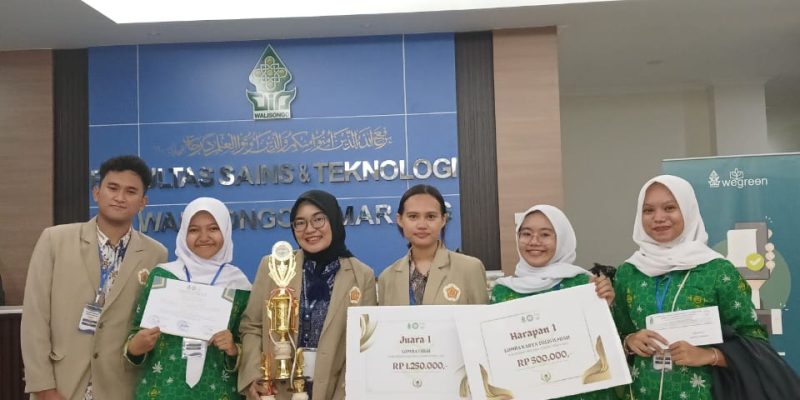
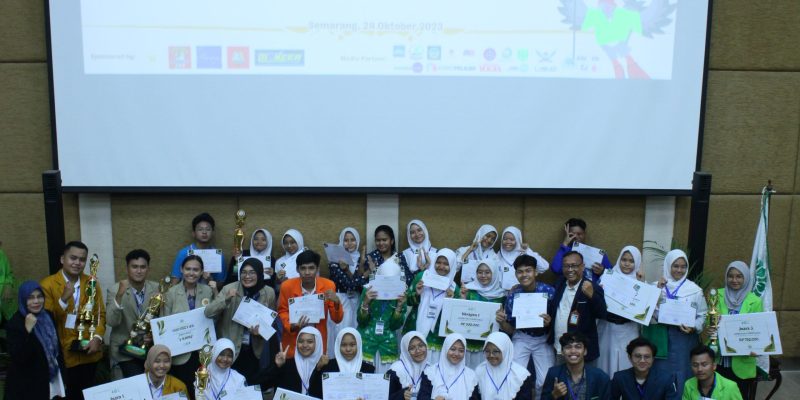
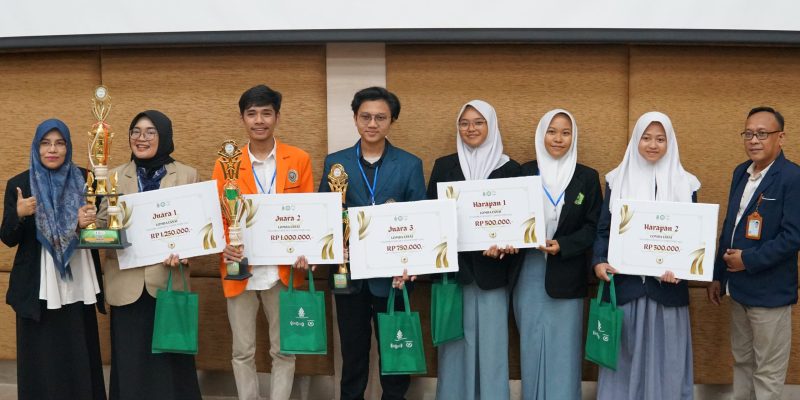
Biology students at Gadjah Mada University (S1) made another achievement at the national level by winning 1st place in the National Essay Competition. This achievement was achieved by Rima Arvisya Natania Putri, Reny Ras Ninta Br Tarigan, dan Gafra Favian Ratmoro, a student at the Faculty of Biology class of 2022 under guidance of Dr. Miftahul Ilmi . This national-level essay competition was organized by Department of Biology Universitas Islam Negeri Walisongo Student Executive Board with the Theme “Optimizing the Role of Smart, Proactive, and Innovative Young Generations in Facing the 5.0 Revolution as an Effort to Realize Indonesia Emas 2045”. The competition opened on 1 July 2023 and the winners were announced on October 24, 2023.


In this competition the team took the subtheme Ecotechnology with the title “ Integration of Activated Sludge Method in the WasteWater Treatment Facility (IPAL) at TPST Piyungan, Yogyakarta”. The team discusses water as a source of life for all living organisms on earth. Unfortunately, the water around Piyungan Wastewater Treatment Facility are contaminated by Leachate from suboptimal processing. Based on Research By Kartikasari et al. (2020), shown that after undergoing aeration treatment, the quality of leachate in the Piyungan Landfill still does not meet the established quality standards. The research results indicate the content of the leachate as follows: TSS 235 mg/L, BOD 241 mg/L, COD 3511 mg/L, TN 700 mg/L, Hg 0.1015 mg/L, Cd 0.035 mg/L, Cr 0.021 mg/L. The standard limits are TSS 100 mg/L, BOD 150 mg/L, COD 300 mg/L, TN 60 mg/L, Hg 0.005 mg/L, Cd 0.1 mg/L, Cr 0.1 mg/L. This comparison of data indicates the suboptimal performance of the Wastewater Treatment Plant (WWTP) applied in the Piyungan Landfill. These contents can be highly dangerous when in direct contact with living organisms.

Given this issue, there is a need for the development of the activated sludge method to treat leachate more efficiently and effectively, with the aim of removing organic contaminants and hazardous chemicals contained within it. The innovation brought by this team involves the development of the activated sludge method with the optimization of land use, utilization of flocs, provision of biomass storage tanks, and the use of PAC as a clarifying agent. Thus, it is hoped that this innovation will be able to create a Wastewater Treatment Facility that meets the standards, thereby restoring the quality of water to a better state and enhancing the self-sufficiency of the community in support of the realization of Indonesia Emas 2045. [Author: Reny Ras Ninta Br Tarigan]

UGM Students Develop Livestock Feed Supplement from Seaweed to Reduce Methane Emissions from the Livestock Sector

AchivementsHeadlineNews Release Tuesday, 17 October 2023

Efforts to mitigate climate change within the livestock sector have received little attention in Indonesia. Despite its relatively small contribution compared to the industrial and energy sectors, the livestock sector’s role in reducing greenhouse gas emissions can help lower global temperatures and prevent extreme global warming. According to BMKG data (2022), the average concentration of methane emissions worldwide has been steadily increasing since January 1980, reaching 1,909.3 ppb by December 2021, up from 1,620 ppb. The livestock sector ranks as the third-largest contributor of methane, accounting for 20 to 25% of total global methane emissions. Most of the methane emissions from the livestock sector are generated by ruminant animals through the complex fermentation process in their stomachs (rumen), which is later released through feces and belching.


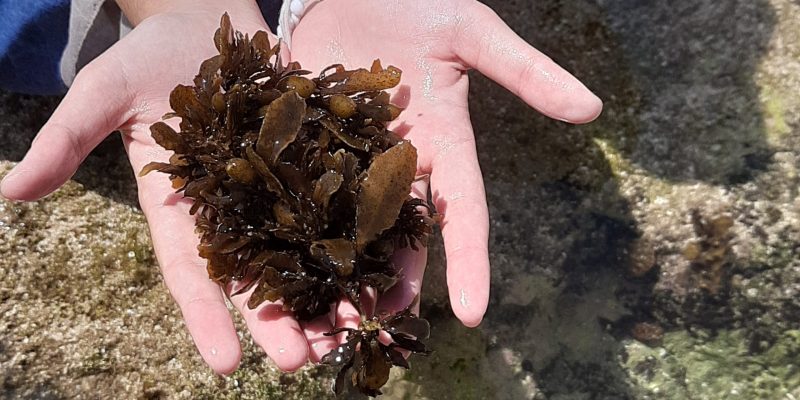
This issue caught the attention of Ahmad Rizal Riswanda Danuartha (Livestock Science and Industry, class of 2022), Akmal Bunyamin (Biology, class of 2021), Anggi Abdillah Surya Amni (Chemistry, class of 2022), Yessa Juliaputri (Aquatic Resource Management, class of 2021), and Siti Komariyah (Livestock Science and Industry, class of 2022), who formed the PKM-RE Team with mentorship from Moh. Sofiul Anam, S.Pt. M.Sc. namely PELLETAN funded by the Ministry of Education, Culture, Research, and Technology. Their goal was to utilize seaweed (Macroalgae Sargassum sp. and Gracilaria sp.) from Gunung Kidul Beach, Yogyakarta, as pellets for ruminant livestock feed supplements. These supplements were expected to modify the rumen environment, thereby reducing methane production. Macroalgae, commonly known as seaweed, holds the potential to be a rich source of protein, carbohydrates, fats, vitamins, minerals, amino acids, and other bioactive compounds. “We chose macroalgae as the primary ingredient for ruminant livestock feed supplements because of the presence of tannins and saponins, which have the ability to reduce methane production. While seaweed has been widely used in food, feed, and pharmacology, utilizing it as a feed additive in livestock farming presented a challenge for us in terms of exploring and identifying crucial compounds that could be beneficial, especially in creating a ready-to-use, high-quality, and affordable product for farmers,” explained Ahmad Rizal. Yessa added that research on the potential of seaweed for methane mitigation has been conducted, but there hasn’t been an innovation in the form of ready-to-use pellet products for farmers. “We turned our research into pellets to make it easier for farmers to apply, making it more efficient. Additionally, with the pellet form, livestock feed supplements have a longer shelf life,” added Siti.

Gunungkidul Regency boasts extensive coastlines, making it a potential area for seaweed cultivation, one of which is found at Trenggole Beach. “Initially, we collected seaweed samples at Trenggole Beach in Gunung Kidul, then processed the seaweed into pellets. Afterward, we conducted in vitro tests at the TMT Lab using rumen fluid taken from Bali cattle. We then collected the gas from the in vitro test to analyze the production of carbon dioxide and methane gas. The results of the gas test were positive, indicating that this feed supplement is capable of reducing methane emissions resulting from rumen fermentation,” explained Akmal.

By integrating various disciplines of scientific knowledge and skills acquired during their studies, they successfully created pellet-shaped livestock feed supplements from macroalgae, which will be tested for effectiveness in vitro at the Animal Feed Technology Laboratory of the Faculty of Animal Sciences (TMT) and the Organic Chemistry Laboratory at UGM.Based on gas tests conducted at the Agricultural Environmental Instrument Standard Testing Center in Pati on the seaweed supplement pellets developed by Rizal and his team, the supplement successfully reduced methane production by 21.19% for 3% supplementation and 21.38% for 6% supplementation. Additionally, based on data analysis from their in vitro test, the seaweed supplement pellets increased the digestibility of dry feed by 7.11% to 7.29%. This is undoubtedly a positive development for farmers, as previous research indicated that 3 to 12% of digestible energy from feed is not maximally absorbed due to being lost in methane production.

“We hope that with this innovation, we can reduce methane emissions generated by the livestock sector, as this sector has often been unfairly blamed for recent climate issues,” concluded Anggi. This research is not only a commendable achievement but also has the potential to significantly help reduce global methane production. Consequently, this could further drive carbon emission reduction goals, ultimately addressing climate change more effectively. [Author: Akmal Bunyamin]

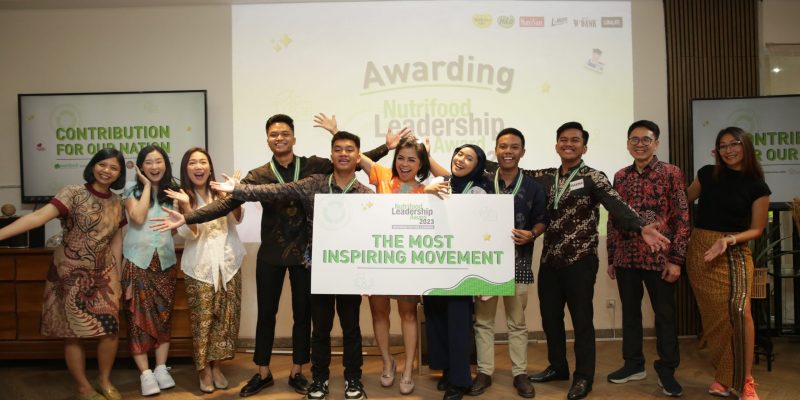
Biology Student Receives Award as The Winner of the Most Inspiring Movement at Nutrifood Leadership Award 2023

AchivementsHeadlineNews Release Monday, 16 October 2023

The Nutrifood Leadership Award (NLA) is an initiative by Nutrifood Indonesia aimed at recognizing Indonesian students with leadership potential in the field of biology. The NLA 2023 focused on the theme “Contribution for Our Nation” and upheld Nutrifood’s core values: Health, Green, Education, and Inclusivity. This program provided an opportunity for students to enhance their capacities in order to contribute more effectively to society. It stemmed from a strong determination to provide benefits not only for oneself but also for others.


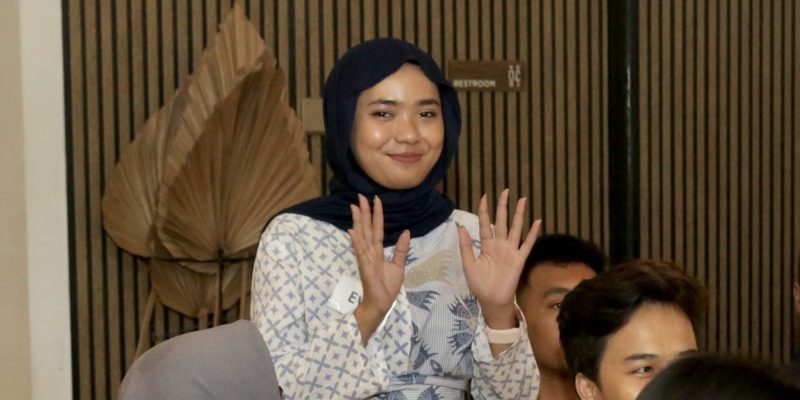
Eva Yunizar Reza, a Biology undergraduate student from the class of 2021, underwent a series of administrative selections and successfully advanced through the semi final audition stages held in four cities: Jakarta, Bandung, Yogyakarta, and Surabaya. Out of 132 semifinalists, Eva was chosen to be one of the finalists and underwent quarantine in Jakarta. Along with 19 other finalists, Eva was divided into four groups to receive mentoring and carry out social projects involving NGOs, namely Rumah Harapan Indonesia (Health), Food Cycle (Green), Istana Belajar Anak Banten (Education), and Indika Foundation (Inclusivity). Eva, together with four other students from Diponegoro University and Lampung University, formed the Health team, collaborating with Rumah Harapan Indonesia. Through their dedication and encouragement, they succeeded in inspiring a larger audience through various programs initiated by involving communities, volunteers, and social media audiences. Eva and her team emerged as The Winners of the Nutrifood Leadership Award 2023, earning the title of The Most Inspiring Movement.

According to Eva, all these achievements would be meaningless if not accompanied by benefiting others. She believes that everything starts with small steps towards becoming something significant. This marks not the end, but the first step towards taking action, inspiring others, and making a positive impact on our surroundings. [Author: Eva Yunizar Reza]
1…56789

Accreditation

Recent Posts

  • Faculty of Biology Researchers Collaborate in eDNA Workshop for Pathogen Detection in Wildlife Trade
  • UGM–ANU Double Degree Program: Pathways to Global Academic Excellence
  • Faculty of Biology UGM Engages Doctoral Students in Academic Progress Monitoring
  • UGM–UTS Strengthen Academic and Research Collaboration through “Study & Research in Australia” Sharing Session
  • Tunghai University Lecturers Share Butterfly Genetics Research in Guest Lecture at UGM Faculty of Biology
Universitas Gadjah Mada

UNIVERSITAS GADJAH MADA

FACULTY OF BIOLOGY
Teknika Selatan Street, Sekip Utara,
Yogyakarta 55281
biologi-ugm@ugm.ac.id
Phone/Fax: +62 (274) 580839

About us

  • History
  • Organization
  • Vision and Mission
  • Staff

Student Affairs

  • Student Service
  • Student Organization
  • Submission for Practical Field Work
  • Permission Field Research
  • Permission Thesis/Disertation

academic

  • Academic Regulations
  • Academic Anonncement

Accreditation

  • Image 1
  • Image 2
  • Image 3

© 2024 FACULTY OF BIOLOGY UNIVERSITAS GADJAH MADA

KEBIJAKAN PRIVASI/PRIVACY POLICY

[EN] We use cookies to help our viewer get the best experience on our website. -- [ID] Kami menggunakan cookie untuk membantu pengunjung kami mendapatkan pengalaman terbaik di situs web kami.I Agree / Saya Setuju