• UGM
  • Simaster Portal
  • IT Center
  • Webmail
  • KOBI
  • English
    • Bahasa Indonesia
Universitas Gadjah Mada Universitas Gadjah Mada
Faculty of Biology
  • ABOUT US
    • History
    • Organization
    • Vision and Mission
    • Lectures and Staff
      • Lecturers
      • Adjunct Professor
      • Supporting Staff
    • Facility
      • Laboratories
      • Research
      • Library
      • Museum
      • Mental Health Consultation
      • Disability
  • EDUCATION
    • Undergraduate Program
      • Graduates Learning Outcome
      • Academic Callendar
      • Course
    • IUP
    • Profession Program
      • What is the Professional Study Program in Biodiversity Curator (PKKH)?
      • Admission for New Students of the Biodiversity Curator Profession Program Study
      • Information and FAQ Study Program of Biodiversity Curator Profession
    • Master Program
      • Master Program in Biology Description
      • Curriculum Structure Master Program
    • Doctoral Program
      • Vision, Mission, Objectives, Targets, Competencies, and Learning Outcomes
      • Admission Requirement for Program Doctor in Biological Sciences
      • Admission: What Documents to be prepared?
      • Curriculum
    • Regulations
    • Accreditation & Quality Assurance
  • RESEARCH
    • Journal of Tropical Biodiversity and Biotechnology
    • Berkala Ilmiah Biology
    • Research
    • Publication
  • Community Service
    • Waste Management
  • STUDENTS & ALUMNAE
    • Student Organizations
    • Prospective Career Opportunities
    • SUMMER COURSE
    • Alumnae
  • Home
  • Achivements
  • page. 8
Arsip:

Achivements

UGM Students Develop Integrated Sensor TISs Device for Ex Situ Conservation Efforts of the Endemic Black Orchid in East Kalimantan

AchivementsHeadlineNews Release Monday, 9 October 2023

The black orchid, known as Coelogyne pandurata Lindl., is a rare endemic flora of Indonesia. This orchid can only be found in East Kalimantan and Papua. Its uniqueness lies in its black labellum adorned with green stripes and fur, along with green flower ornaments with triangular-shaped petals. This orchid holds high economic value as an ornamental and rare plant collection. Unfortunately, infrastructure development projects in East Kalimantan have escalated the rate of extinction in the wild. Despite being categorized as Appendix I under the Convention on International Trade in Endangered Species (CITES) and protected by the Presidential Regulation of the Republic of Indonesia No. 7 of 1999, this orchid faces challenges.

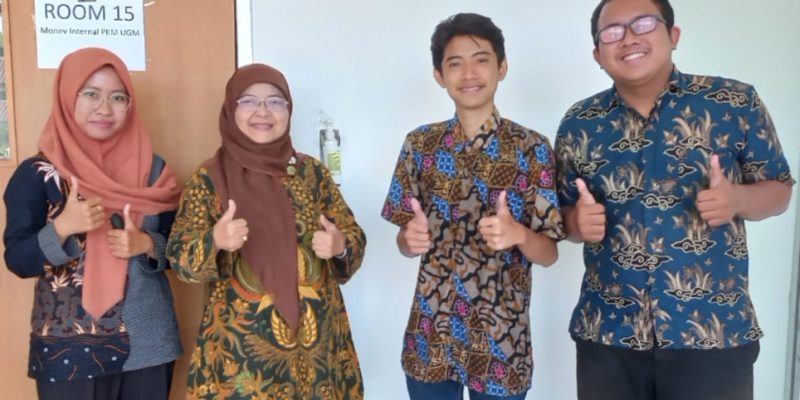

In light of this, three UGM students, part of the UGM 2023 PKM-RE Team funded by the Ministry of Education, Culture, Research, and Technology, namely Anisa Dewi Rahayu, Lathief Al Umami, and Shiddharta Arya Anggoro Cen from the Faculty of Biology, with their supervising professor, Prof. Dr. Endang Semiarti, M.S., M.Sc., are undertaking ex situ conservation through micropropagation using Temporary Immersion Systems (TISs) technology.

The application of TISs technology represents a cutting-edge method to accelerate the growth and development of the black orchid. Its advantages include the elimination of subculturing, optimal aeration, and prevention of hyperhydration. The innovative integrated sensor system of TISs facilitates the monitoring of environmental parameters such as pH, temperature, humidity, light intensity, and carbon dioxide levels. Lathief explains that the development of the TISs device, equipped with real-time sensors, is controlled by an Arduino Uno to facilitate environmental parameter regulation. The sensor measurements of environmental conditions are displayed on an LCD display. Shiddharta adds that the incubation chamber design at the top, serving as a space for explants from seeds to plantlets, can be flexibly adjusted according to needs without the need for modifying the sensor and actuator system.

Anisa elucidates that the application of the integrated sensor TISs on black orchid plantlets in the UGM Biology Biotechnology Laboratory has proven to accelerate growth parameter increments. This application initiates the development of modern and efficient ex situ conservation efforts for other endangered plants, leading to the production of higher-quality plants with minimal production costs.
Presenting Bioluminescent Trembesi Trees: Biology Undergraduates Win Silver Medal in the 2023 National Scientific Paper Competition at Brawijaya University

AchivementsHeadlineNews Release Thursday, 5 October 2023

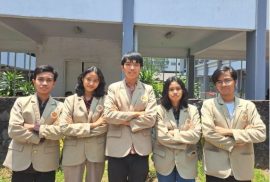
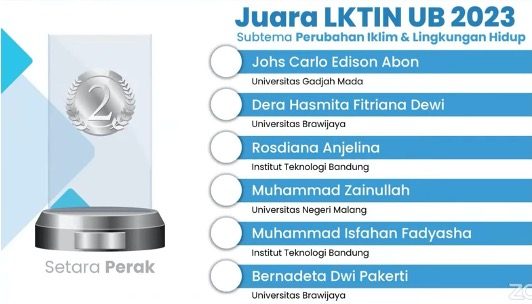
The students from the Faculty of Biology UGM made another achievement by winning a silver medal in the 2023 National Scientific Paper Competition at Brawijaya University. The team was guided by Dr. Wiko Arif Wibowo, S.Si., Led by Johs Carlo Edison Abon (Biology 2022) along with Adi Citra Prima Pranata (Biology 2022), Agnetta Danastri Dardjito (Biology 2022), Chandra Rifana Arifin (Biology 2022), and Muhammad Fathin Setya Daffa (Biology 2022). The event was held from June 1 to September 13, 2023, with the theme “Collaborative Nation-Building with Applied Technology Innovations towards Independent Indonesia.”


The team took the sub-theme “Climate Change and Environmental Conservation” with the title “Implementation of Bioluminescent Trembesi Trees (Albizia saman (Jacq.) Merr) as Illumination and Pollution Bioaccumulator in Urban Environments in Indonesia.” This scientific paper was motivated by the issues of air and light pollution in urban areas of Indonesia. Air pollution stems from increased mobility, leading to higher motor vehicle usage. In 2019 alone, 232,974 deaths in Indonesia were attributed to air pollution. Furthermore, urban streets necessitate even illumination, resulting in light pollution and increased demand for fossil energy.

The proposed solution in this scientific paper involved genetically engineering trembesi trees (Albizia saman (Jacq.) Merr) to become bioluminescent, capable of emitting light without requiring electricity. This was achieved by inserting a gene cluster producing the luciferin-luciferase enzyme complex, specifically Luz, HispS, H3H, and CPH, into the trembesi tree through DNA cloning and injection via the stomata of its leaves. This gene cluster was obtained from the bioluminescent fungus Neonothopanus nambi, which naturally emits light and is found in Indonesia, specifically in West Sumatra. In essence, the process that produces light in N. nambi, as described earlier, was transferred to the trembesi tree through genetic engineering.

Behind the choice of the trembesi tree lies an ecological rationale. Trembesi trees have the ability to effectively and efficiently absorb heavy metal pollutants and carbon. Annually, one trembesi tree can absorb 28.5 tons of CO2. Therefore, it is anticipated that bioluminescent trembesi trees can address the issues of light and air pollution on urban streets. Additionally, the planting of bioluminescent trembesi trees will enhance the aesthetic value of urban areas in Indonesia.

Presenting Ecosystem Quality Concerns at the Elephant Conservation Center, Biology Students Win First Place in National Scientific Writing Competition at Tidar University

AchivementsHeadlineNews Release Monday, 2 October 2023

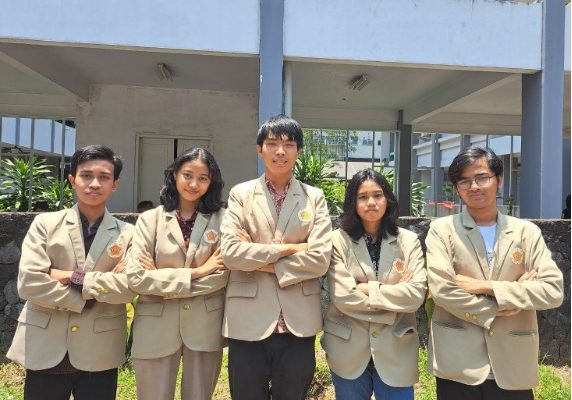
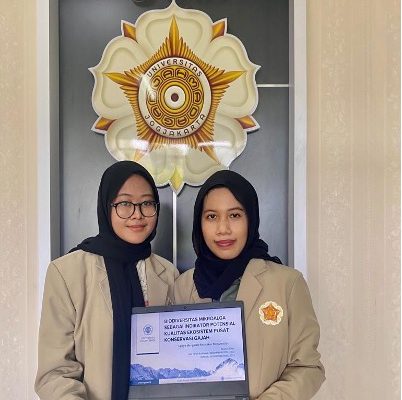
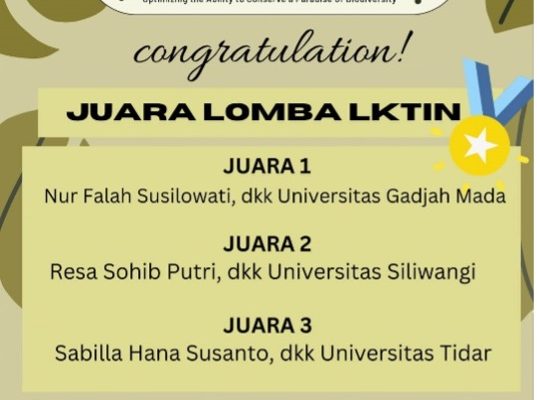
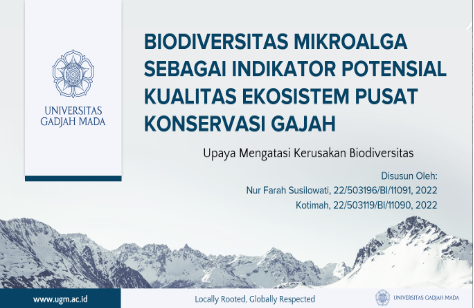
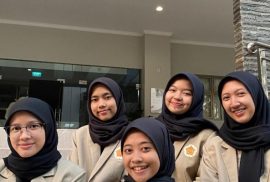
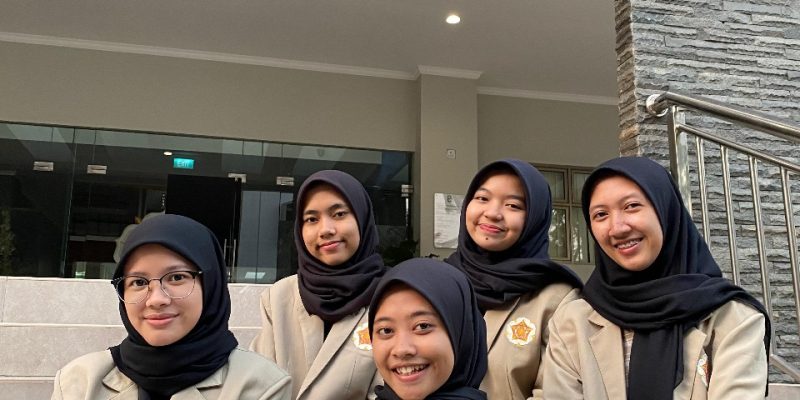
A team of undergraduate Biology students led by Nur Farah Susilowati along with Kotimah, won first place in the National Scientific Writing Competition organized by the Biology Education Student Association of Tidar University namely “Optimizing the Ability to Conserve a Paradise of Biodiversity”. This event was conducted online with the final presentation held on August 18, 2023, and the announcement of winners on August 22, 2023. In this competition, the team were guided by Dr. Siti Nurbaiti, S.Si., addressing the sub-theme “Efforts to Address Biodiversity Degradation.” Their scientific paper was titled “Microalgae Biodiversity as a Potential Indicator of Ecosystem Quality at the Elephant Conservation Center.”


The writing of this scientific paper was motivated by the potential of microalgae to be implemented in addressing biodiversity issues in the elephant ecosystem. The aim of this scientific paper was to analyze the role of microalgae as a bioindicator, with diversity index as a parameter for the stability of a community within an ecosystem, or disturbances that occur due to environmental and biotic factors. This scientific paper was compiled using a scientific journal literacy approach, referring to the identification and calculation of the diversity of microalgae species from water and sediment samples at the elephant ecosystem. The diversity of microalgae species was used as an index of ecosystem quality, with a correlation to the characteristics of microalgae that have specific tolerance limits to physical and chemical factors, serving as bioremediation materials, food sources, bioactive substances, and containing long-chain hydrocarbons that can be utilized as an energy source. The results of this research showed varying levels of microalgae diversity as an identification of water quality at the Elephant Conservation Center, indicating the stability of its ecosystem.

Innovation in Vermicomposting Technology: Biology Students Win First Place in National Scientific Writing Competition at Brawijaya University 2023

AchivementsHeadlineNews ReleaseWaste Management Friday, 29 September 2023

A team of Biology students at Gadjah Mada University (S1) made another achievement at the national level by winning first place in the National Essay Competition, led by Ghefira Nur Fatimah along with Jauza Hanifah Azzahra, Meinawa Amaliah, Fadilla Nur Hidayat, and Nimas Ayu Pramesthi. This national-level essay competition was organized by Brawijaya University from June 1st to September 13th, 2023, with the theme “Collaborative Nation-Building through Applied Technology Innovation towards Self-Reliant Indonesia,” . This event encompassed various stages, including the submission of works, assessment, finalist announcement, video presentation submission, video presentation assessment, and winner announcement.


The team took the subtheme Food and Agriculture Processing Technology, with their work titled “Organic Capsule Fertilizer Made from Household Organic Waste as a Manifestation of Circular Economy and Environmental Conservation.” Their scientific work was motivated by the escalating issue of waste accumulation in Indonesia, a country that generates approximately 21.2 tons of waste per year, predominantly consisting of household waste such as food waste, dry leaves, wood, tree branches, and food industry waste. Among the household waste types employed by Ghefira and her team was the mangrove crab shell waste (Scylla serrata). The mangrove crab’s body is primarily composed of its shell, accounting for about 80% of its weight, with the remaining 20% being edible flesh. They selected the mangrove crab shell due to its biocompatible, biodegradable, low toxicity, easy synthesis, and safe application properties.

In their innovation, Ghefira and team implemented two technologies: vermicomposting and microwave technology. This combination transformed organic waste into an innovative product: water-soluble organic capsule fertilizer. The organic fertilizer was crafted from household organic waste, while the water-soluble capsule shell was created from mangrove crab shells. The vermicomposting technology was utilized in the production of organic fertilizer involving the use of earthworms, specifically Eisenia foetida and Eisenia Eugeniae, in composting organic matter. The end result of vermicomposting technology is vermicompost, a mixture of worm castings and compost.

The microwave technology was used in producing water-soluble capsule shells using mangrove crab shell material. Chitin compounds found in mangrove crab shells can be transformed into chitosan for capsule shell production. The chitosan from mangrove crab shells has a large molecular weight, necessitating the application of microwave technology to produce chitosan with high deacetylation degree and low molecular weight, ensuring high solubility in water. The process for making chitosan capsule shells involves several sequential steps, including sample preparation, chitin isolation (deproteinization, demineralization, and decolorization processes), chitosan synthesis (repeated deacetylation using microwave), production of Glucosamine Hydrochloride (GLcN HCl) (via hydrolysis and centrifugation processes), and finally, capsule shell formation using modified capsule molds.

Through these two technologies, they produced water-soluble organic capsule fertilizer with numerous advantages. The use of fertilizers that previously required mixing various components may now be simplified through the capsule form, making application on plants more convenient. Individuals need not worry about measuring fertilizer quantities, as the organic capsule fertilizer already contains all necessary elements for plants in a complete and precise manner. Additionally, the capsule form facilitates storage due to its relatively small size, saving storage space. The water solubility of the organic capsule fertilizer is relatively fast, preventing residual waste during use. Therefore, the organic capsule fertilizer implements a circular economy system and is anticipated to contribute to environmental conservation.

The Bachelor’s and Master’s Students of Faculty Biology UGMHave Been Awarded The Panasonic Scholarship 2023

AchivementsHeadlineNews Release Monday, 28 August 2023

The Panasonic Scholarship Indonesia was first launched in 1998 by Panasonic Corporation Japan to celebrate its 80th anniversary. The scholarship is offered through PT. Panasonic Manufacturing Indonesia in the form of Postgraduate Scholarships at the best universities in Japan for outstanding graduates with a Bachelor’s degree (S1) from various universities in Indonesia. Since 2014, Panasonic has changed the scholarship policy to provide Education Cost Aid and monthly Stipends for Bachelor’s (S1) and Master’s (S2) students, and in 2019, it was extended to include Diploma (D3/D4) students. The selection process for the Panasonic Scholarship begins with candidate selection through their respective universities /faculties /programs, followed by Panasonic’s own selection. The determination of scholarship recipients takes into various factors such as the completeness of administrative documents, students’ GPA, language proficiency, family’s economic condition, involvement in organizations, “Future Plan” essay, and readiness to become a Panasonic Scholarship recipient.

Slide 2
Slide 1
Slide 3

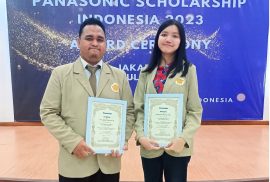
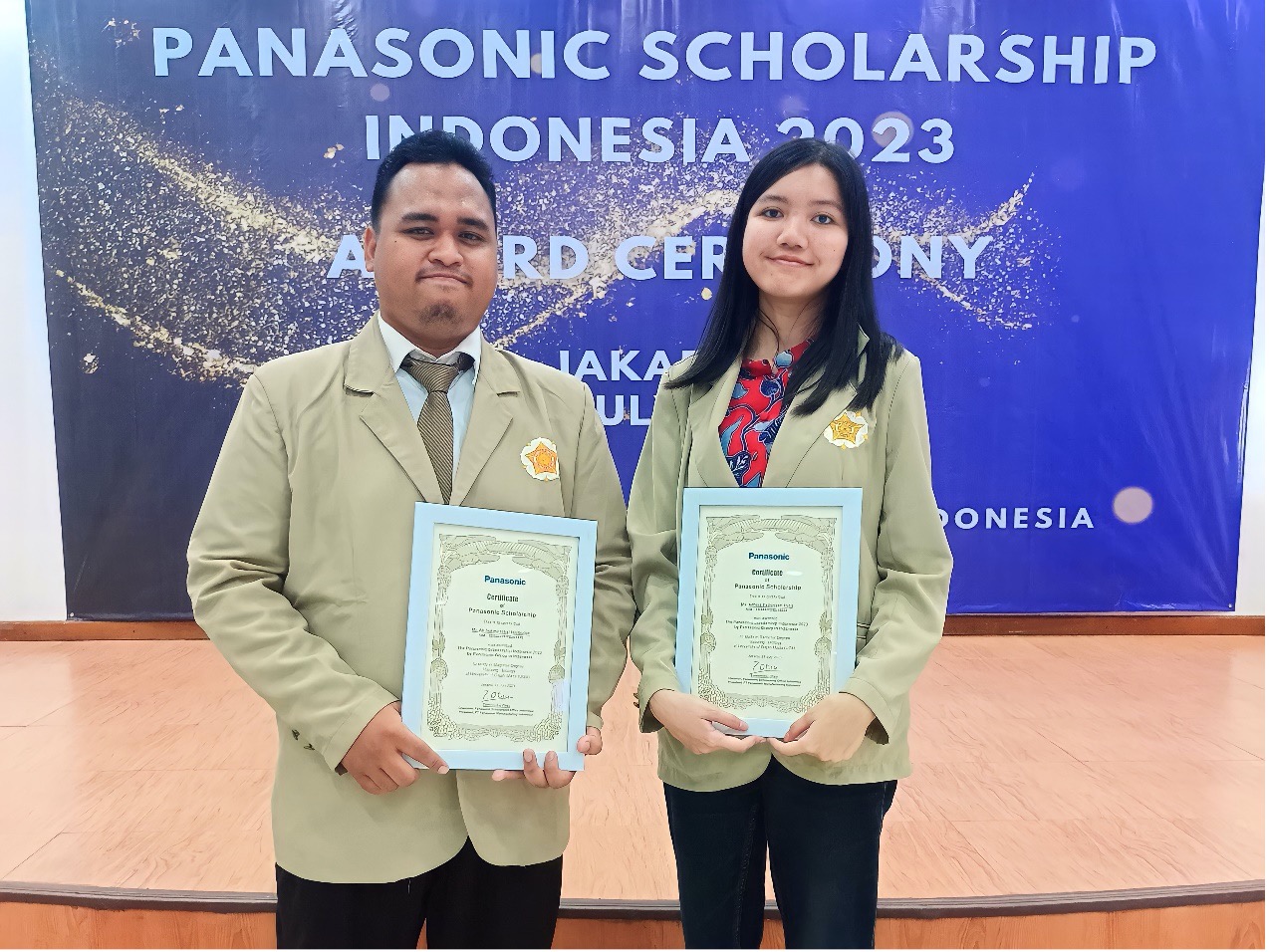
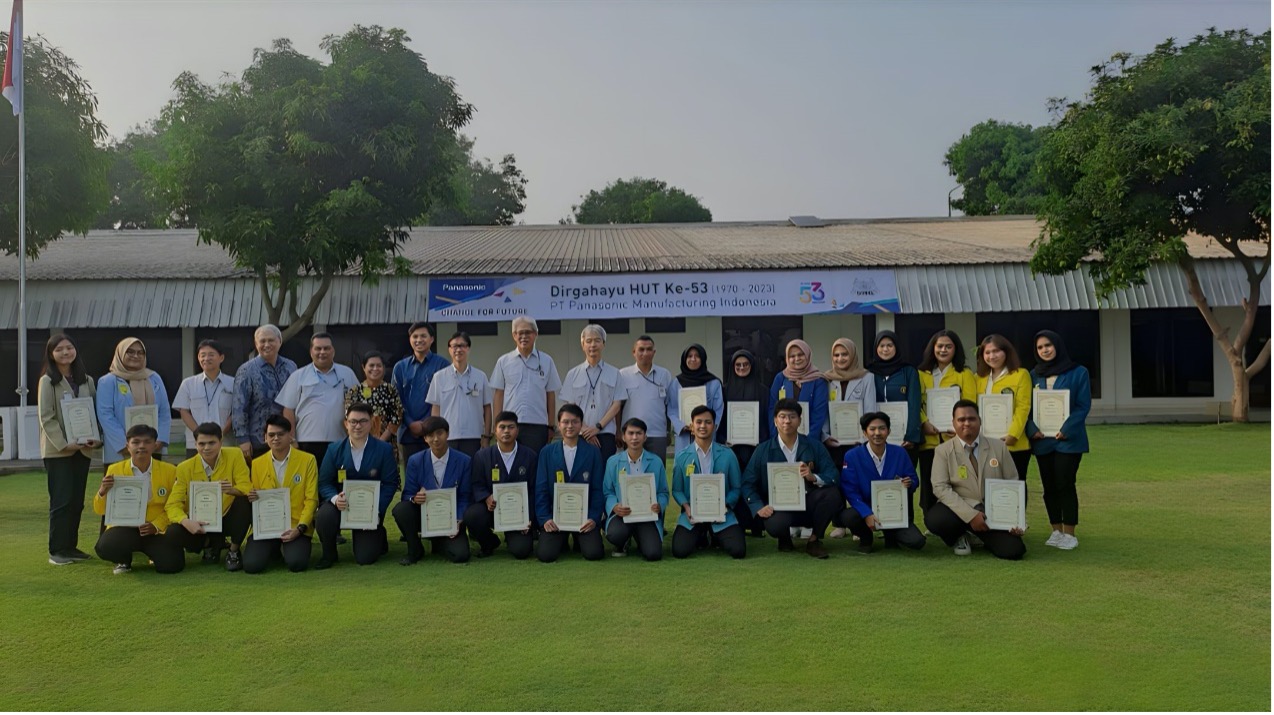
Panasonic has designated 22 students as recipients of the Panasonic Scholarship 2023, comprising 12 students from the Bachelor’s program (S1), 4 from the Master’s program (S2), and 6 from the Diploma program (D3/D4). Adhisa Fathirisari Putri (Bachelor) and Aji Sukma Iqbal Najibulloh (Master) are students in Faculty Biology UGM, respectively, who have been selected as recipients of the Panasonic Scholarship 2023. Adhisa’s essay titled “To Understand Oneself, To Be A Leader of Our Own Self” explores the connection between neuroscience and human capability in understanding oneself, becoming a self-leader, and enhancing the quality of life. Aji’s essay, “Researcher is A Leader for Their Research Object,” explains the steps to comprehend one’s identity and leadership style, manage study plans, and explore taxonomic research opportunities for Indonesia’s progress.

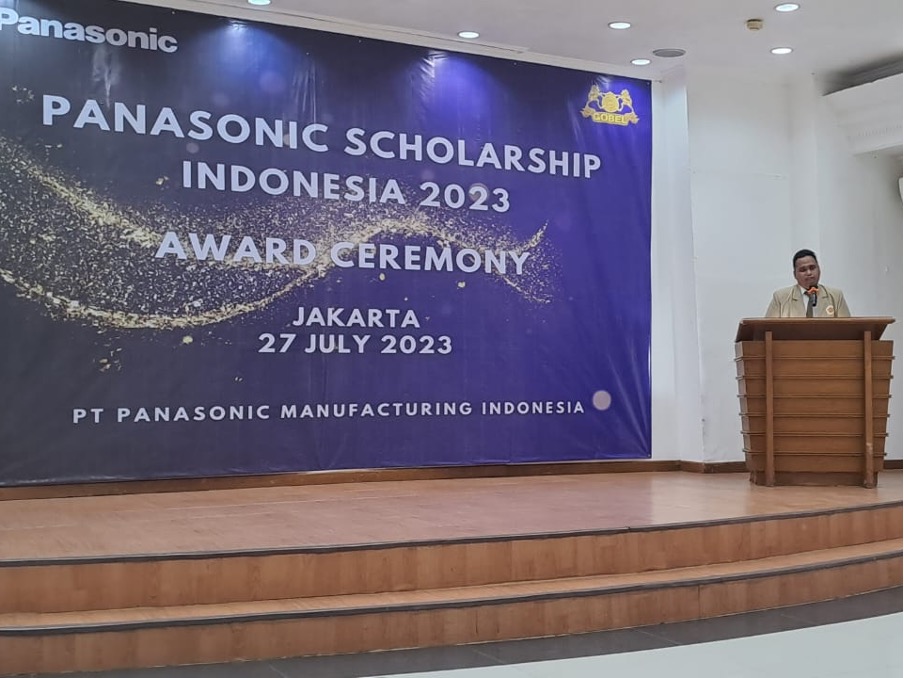
The scholarship awarding ceremony for the awardees was held in person at PT. Panasonic Manufacturing Indonesia on Thursday, July 27, 2023. In his address, Mr. Tomonobu Otsu, the President Director of PT. Panasonic Manufacturing Indonesia, expressed that the 22 selected students are talented individuals who are expected to contribute to society at large. Aji was chosen to deliver a gratitude speech, highlighting that wise students not only enhance their knowledge and skills but also develop attitudes and leadership qualities to understand their own capacities.


Presenting Microfluidics Technology and Microorganisms as Heavy Metal Biosorption Agent, UGM Biology Students Win 2nd Place in National Essay Competition

AchivementsHeadlineNews ReleaseWaste Management Monday, 21 August 2023

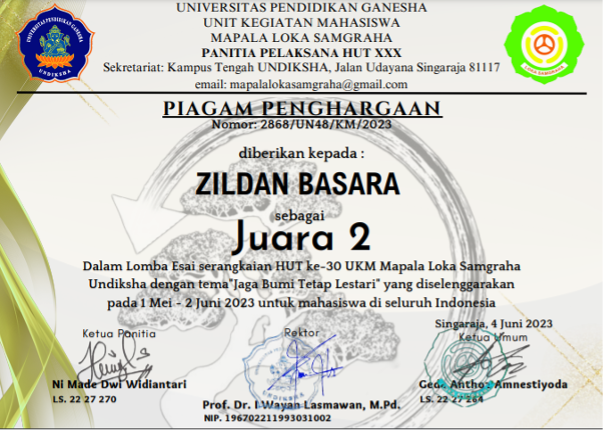
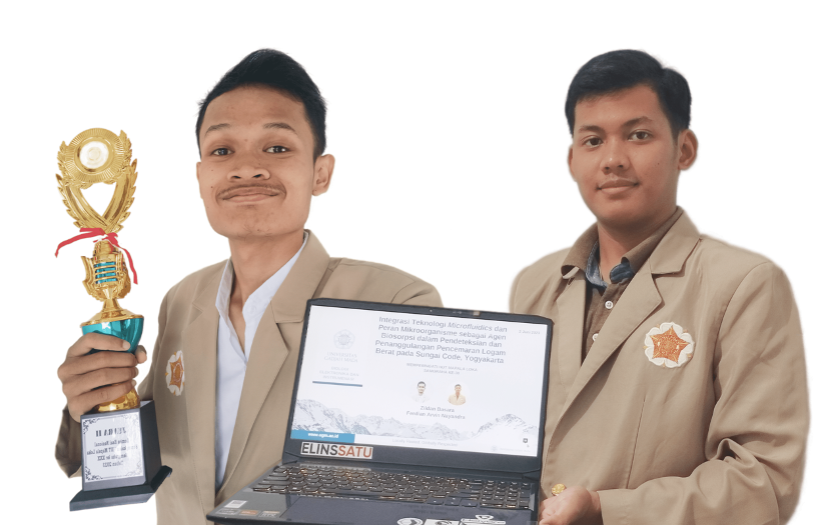
Biology students at Gadjah Mada University (S1) Zildan Basara made another achievement at the national level by winning 2nd place in the National Essay Competition in collaboration with student of Electronics and Instrumentation (S1), MIPA Faculty UGM Ferdian Arvin Nayandra.This national-level essay competition was organized by UKM MAPALA LOKA SAMGRAHA Universitas Pendidikan Ganesha, namely “Jaga Bumi Tetap Lestari”. The competition was opened on 1 May 2023, and the winners were announced on 10 June 2023.

In this competition, the team took the sub-theme Technology and Environmental Innovation with the title “Integration of Microfluidics Technology and the Role of Microorganisms as Biosorption Agents in Detection and Mitigation of Heavy Metal Pollution on the River Code, Yogyakarta”. The team discusses that rivers in Indonesia are vital resources for human life, serving as a source of drinking water, agricultural irrigation, transportation, and also rich in biodiversity. Unfortunately, many rivers in Indonesia Suffer from serious pollution, including being contaminated by heavy metals. According to the data from Bureau of Statistic (BPS), throughout the year 2021, 10,683 villages in Indonesia suffered from river contamination. In addition, according to the same data, approximately 46 percent of Indonesian rivers have experienced severe contamination, 32 percent have moderate, 14 percent have moderately polluted, and 8 percent have mild contamination. (Ministry of Maritime Affairs and Fisheries, 2022). In the past few decades, the Code River has experienced significant pollution levels, including contamination by heavy metals such as lead (Pb) and cadmium (Cd), which enter the river through poorly managed industrial and domestic waste (Harian Jogja, 2021).

Slide 1
Slide 2

Therefore, it is essential to develop sensitive and effective detection methods to identify the level of heavy metal contamination in River water. In addition, bioremediation approaches are also needed to eliminate heavy metal contamination, where microorganisms capable of reducing or eliminating heavy metals can be utilized to naturally clean the river. The essay aims to integrate microfluidics technology as sensitive biological sensors in the detection of heavy metals, and utilizing microorganisms as bioremediation agents that can reduce the level of heavy metal contamination in the river Code water.


Promoting the Idea of National Energy Independence, UGM Biology Master’s Student Win 1st place in Festival of Ideas on the ISIC 21st 2023

AchivementsHeadlineNews ReleaseWaste Management Monday, 21 August 2023

During the Festival of Ideas, The 21st Indonesian Scholars International Convention (ISIC), Indonesia achieved an honor for the success of Jimmy Al Fa’is and Elvian Indah Nilamsari,who secured first place in an international essay competition. They outperformed competitors from all around the world with their ideas on the topic of  Sustainable Transition. These two students proposed opportunities for Indonesia to achieve energy independency by harnessing the potential we possess.

Slide 1
Slide 2

ISIC is a scientific forum that was organized annually by the United Kingdom Student Association of Indonesia. In 2023, one of its events was  an essay and scientific poster competition open to all Indonesian students across the country. The competition was highly competitive,participated by Indonesian students from 10 different countries. This year, there were 3 essays with 2 nominations contested. (1st and 2nd Place). On this achievement, they were invited to attend an international conference at Nottingham University, UK.

Elvian and Jimmy proposed a comprehensive approach to the sustainable energy transition in Indonesia.They presented strategic steps for Indonesia to achieve energy self-sufficiency through the conversion of food waste. Using bioreactors, they showed how microorganisms can efficiently convert food waste into lipid-rich materials, which can be converted into biodiesel as a clean and renewable energy source. The scientific approach emphasized the importance of waste reduction, promoting environmental responsibility, and harnessing Indonesia’s potential in the renewable energy sector.

The idea originated from the challenges posed by an increasing population and the rising energy demand.consequently,the Indonesian government must meet energy needs, including fuel. However, fossil fuels, which have been the primary global energy source, are depleting rapidly and pose significant environmental threats. Based on these facts, Elvian and Jimmy proposed the innovation of a mini bioreactor that can be operated on both small and large scales. This innovation is expected to increase biodiesel production and lead Indonesia towards energy self-reliance.


Biology Student Wins Bronze Medal and Favorite Winner of National Essay Competition Poster in Labuan Bajo

AchivementsHeadlineNews Release Tuesday, 9 May 2023

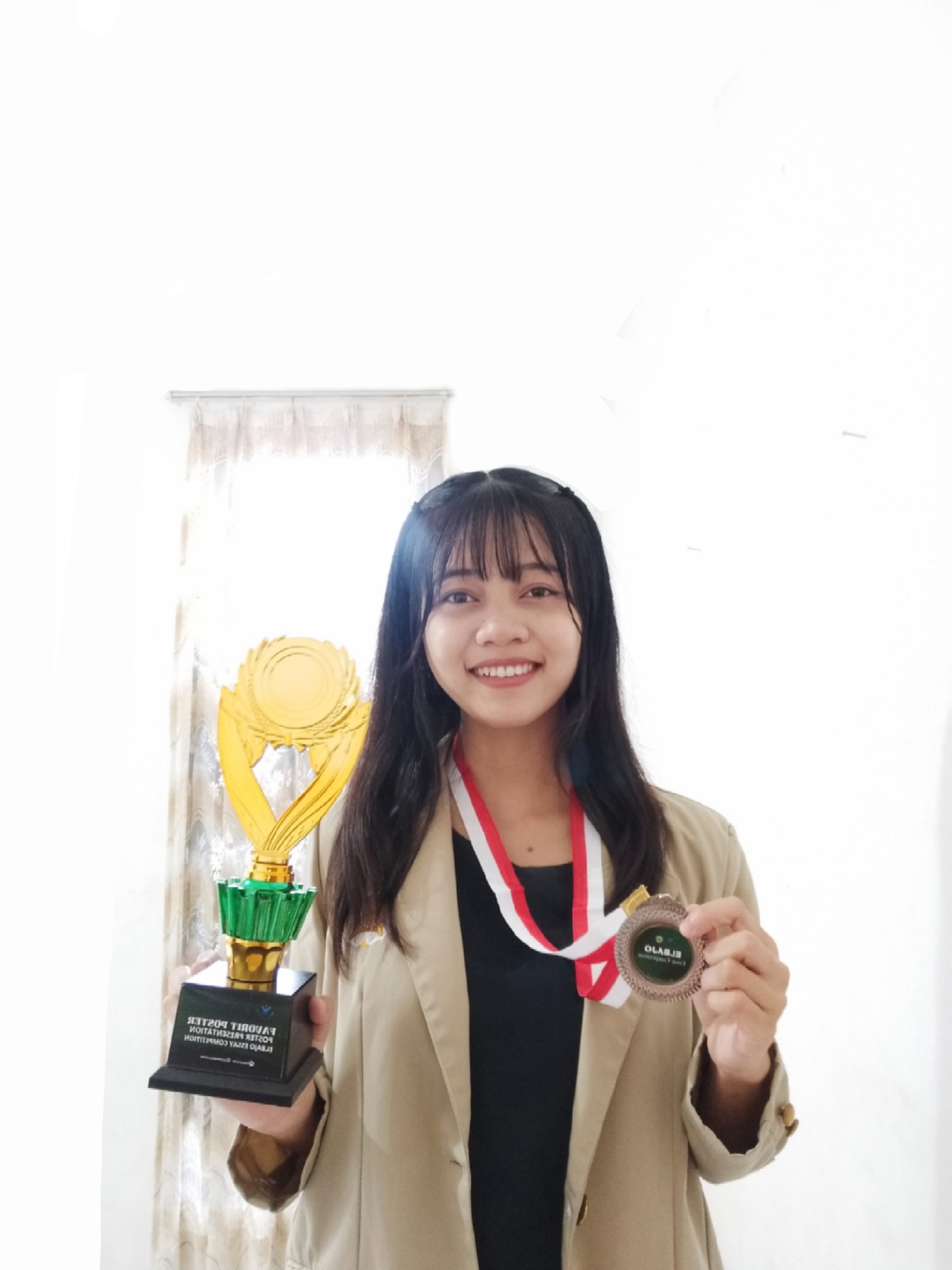
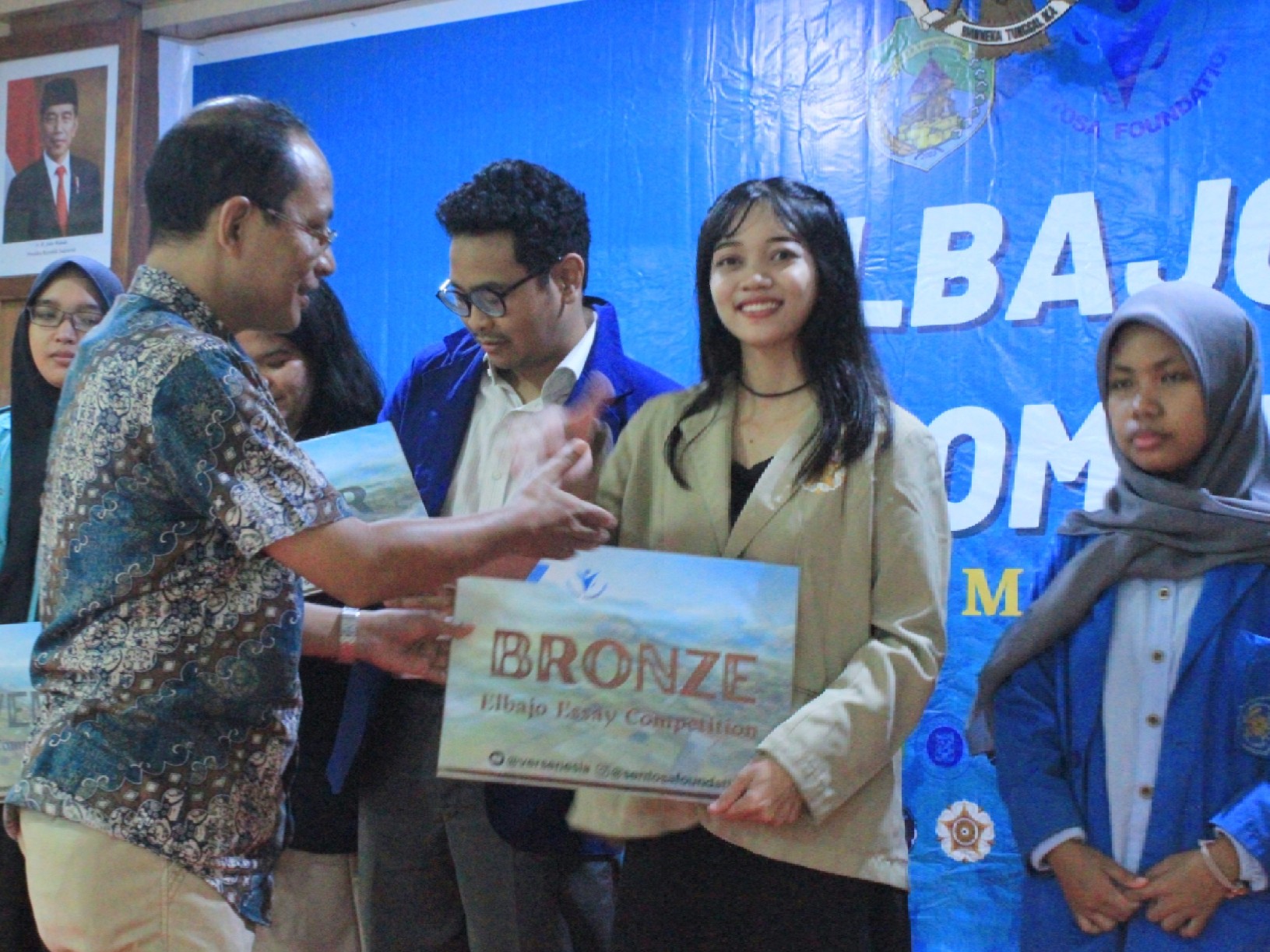
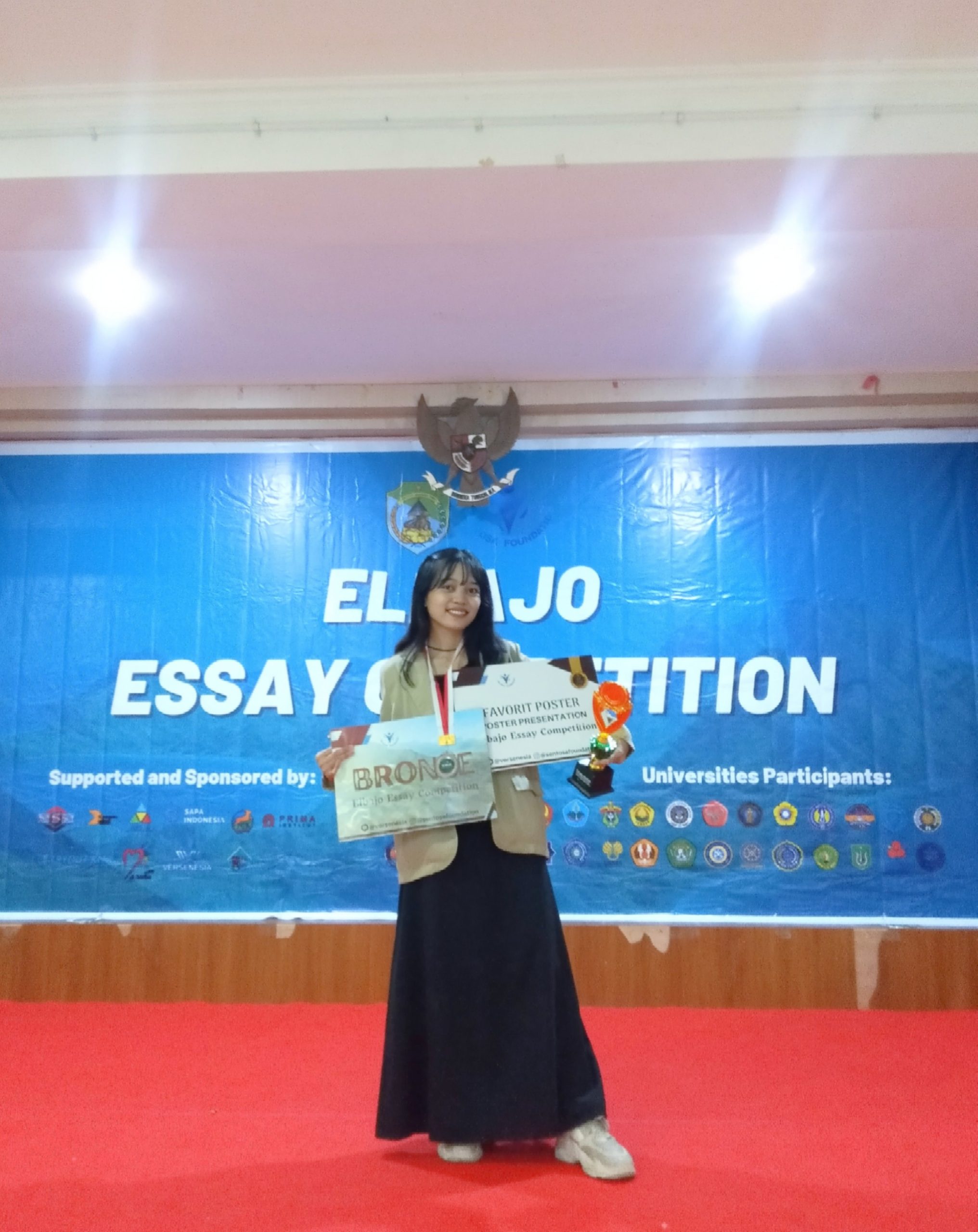
Biology students at Universitas Gadjah Mada (S1) made another achievement by winning the Bronze Medal and Favorite Poster at the national level El Bajo Essay Competition. This achievement was achieved by a team chaired by Amelia Rifki Alifiah (Biology 2019) and its member Fatika Soraya Taufik (Biology 2019) under the guidance of Sukirno, S.Sc., M.Sc., Ph.D. This competition carries the theme “Idea, Innovation and Creativity to Realize the MDGs” and is carried out in two stages. The first stage included online essay selection by the jury with a total of 265 works from State and Private Universities in Indonesia, so that 28 finalist teams were obtained. The second stage was held on 18-19 March 2023 with an offline final presentation at the Office of the West Manggarai Regent, Labuan Bajo, East Nusa Tenggara. The organizers also held field trips for the finalists with the intended destinations including Pink Beach, Komodo Island and Padar Island.

Slide 1
Slide 2
Slide 3

In this competition, Amelia and Fatika brought the title “BOBESTEA: Diabetes-Friendly Boba Milk Tea with α-Amylase and α-Glucosidase Inhibitors from Mango Kernel Starch (Mangifera indica L.) and Natural Sweetener Stevia rebaudiana Bertoni as an Alternative to Low-Sugar Contemporary Drinks ”. In this essay, Amelia and Fatika discuss that the boba drink trend, which has experienced rapid growth in recent years, has actually contributed to the increase in diabetes cases in Indonesia. The sugar content in one serving of boba drink itself can reach 73.44%, thus exceeding the daily sugar consumption limit. Based on these problems, Amelia and Fatika initiated the BOBESTEA innovation with boba pearls from mango kernel starch containing α-Amylase and α-Glucosidase enzyme inhibitors, as well as milk tea derived from a combination of unsweetened almond milk, black tea, and zero-calorie Stevia natural sweetener. . This innovation is expected to be an alternative solution to current drinks that are much healthier, have a lower risk of diabetes, and can be accepted by consumers, especially millennials and generation Z as the main consumers of boba drinks.

Presenting Zero Stunting Optimization Solutions, UGM Biology Students Win 1st Place in National Essay Competition

AchivementsHeadlineNews Release Tuesday, 9 May 2023

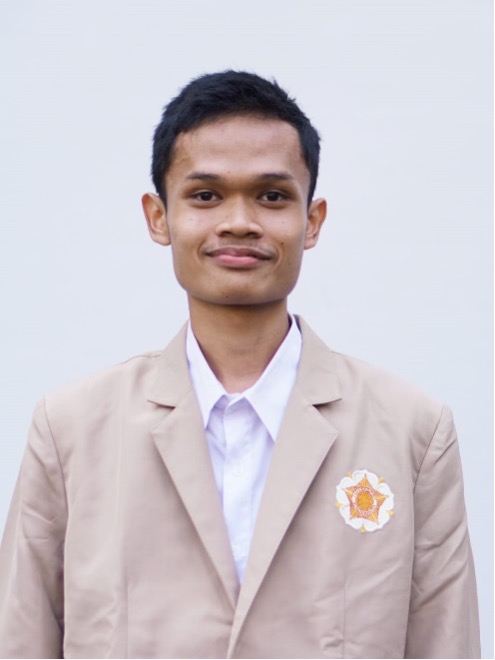
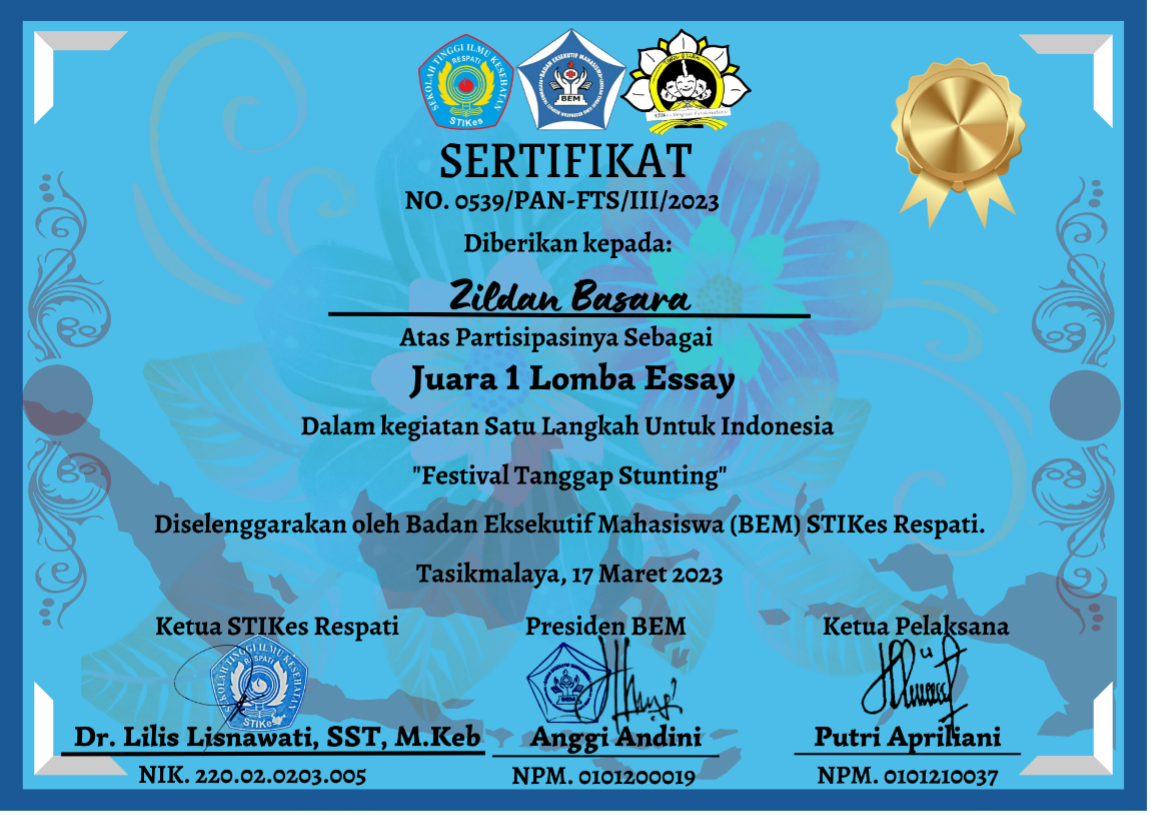
Biology students at Gadjah Mada University (S1) made another achievement at the national level by winning 1st place in the National Essay Competition. This achievement was achieved by Zildan Basara, a student at the Faculty of Biology class of 2020. This national-level essay competition was organized by the Respati Tasikmalaya STIKes Student Executive Board at an annual event, namely the Stunting Response Festival. This year, the Stunting Response Festival has the theme “One Step for Indonesia: Optimizing Zero Stunting for Golden Indonesia”. The competition was held online with 103 registrants from 79 universities, the competition opened on 16 February 2023, and the winners were announced on 23 March 2023.

Slide 1
Slide 2

In this competition, Zildan raised the title “Ensuring Healthy Child Growth to Realize Golden Indonesia: Exploring Challenges and Solutions to Optimizing Zero Stunting”. In this essay, Zildan discusses that Indonesia is one of the countries with a high prevalence of stunting in the world. According to data from the World Bank (2021), the prevalence of stunting in Indonesia in 2020 is 27.4% of the number of children under 5 years of age. This means that around 7.8 million children in Indonesia were stunted that year. This figure places Indonesia as the country with the fourth highest stunting rate in the world. This is a serious problem because stunting can have an adverse impact on children’s physical, cognitive and social development, and can affect their quality of life in the future. Therefore, overcoming stunting is one of the main priorities in achieving the vision of the Golden Indonesia.

Optimizing zero stunting is an important program in preventing stunting in children in Indonesia. This program involves various aspects such as exclusive breastfeeding, provision of complementary foods, access to clean water and good sanitation, health education for pregnant women and their families, increasing the availability of healthy and nutritious food, and community empowerment. The development of this program needs to involve various parties and be supported by supporting policies.

Biology Student Wins Bronze Medal in International Scientific Work Competition through Organic Mulch Innovation from Waste Sludge and Banana Stems

AchivementsHeadlineNews ReleaseWaste Management Tuesday, 9 May 2023

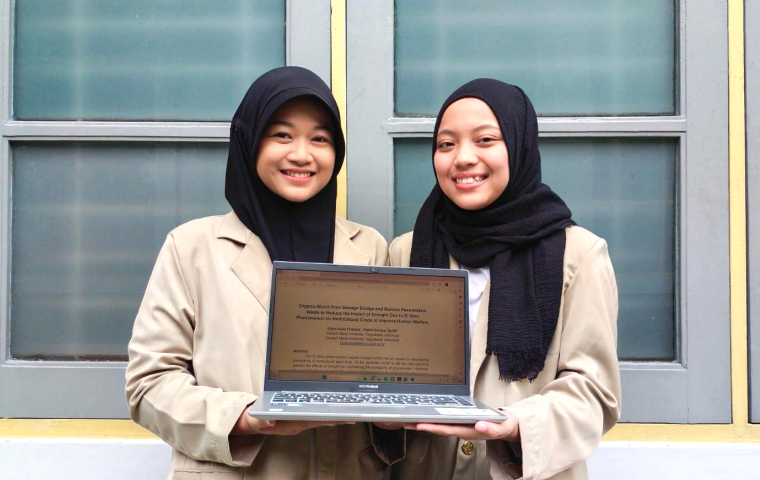
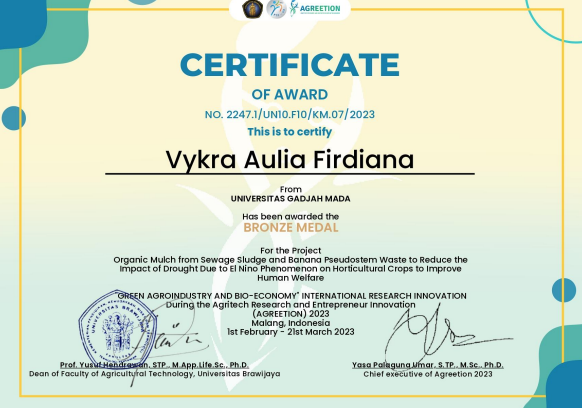
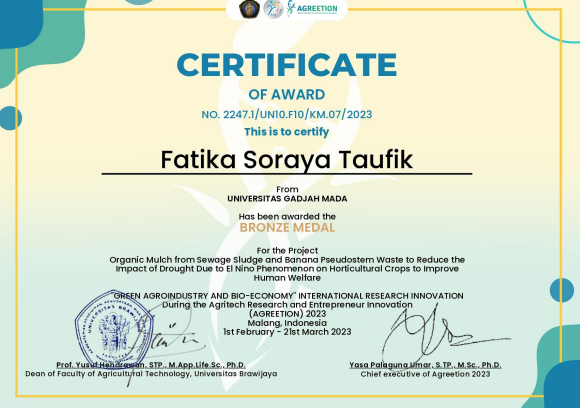
Two Biology students Class of 2019 who are members of the “Organic Sheet Mulch” team under the guidance of Dwi Umi Siswanti, S.Sc., M.Sc. won a bronze medal on March 21, 2023 in an international scientific work competition. The team chaired by Vykra Aulia Firdiana with one member, namely Fatika Soraya Taufik took part in the Agritech Research and Entrepreneurship Innovation (AGREETION) competition which was held in cooperation with several organizations at the Faculty of Agricultural Technology, University of Brawijaya, including the Agritech Research and Study Club (ARSC), Agritechno Business Center (ABC), Agricultural Industrial Technology Student Association (HIMATITAN), Agricultural Engineering Student Association (HIMATETA), and Agricultural Product Technology Student Association (HIMALOGISTA). This competition takes place from 1 February 2023 to. 21 March 2023 and was successfully attended by 243 teams from three countries (Indonesia, Malaysia and the Philippines).

Slide 1
Slide 1
Slide 3

The big theme that was carried out in this competition was “Development and Innovation on Sustainable Agro-Based Industry Technology to Achieve Human Welfare” with 4 sub-themes. In this competition, Vykra and Soraya compiled a scientific work on the sub-theme “Green Agroindustry and Bio-economy” entitled “Organic Mulch from Sewage Sludge and Banana Pseudostem Waste to Reduce the Impact of Drought Due to El Nino Phenomenon on Horticultural Crops to Improve Human Welfare”. The problem behind the preparation of this scientific work is the statement by the National Disaster Management Agency (BNPB) and the Meteorology, Climatology and Geophysics Agency (BMKG) regarding an increase in drought up to three times worse due to an increase in the El Nino index which is predicted to occur in mid-2023. This has the potential to further increase puso (parched) due to drought which has long been a problem for farmers despite the low El Nino index.

In this scientific work, sewage sludge and banana leaf waste are used as organic mulches which are able to maintain soil water content during the drought phase so that soil moisture is maintained. The organic materials contained in this mulch innovation also add to the role of mulch as a supplier of additional nutrients to the soil to support optimal plant growth. The use of these two materials is an effort to utilize biowaste and create a green agroindustry. The hope is that this innovation can be used as a reference in anticipating and reducing puso due to drought

1…6789

Accreditation

Recent Posts

  • Keeping Research on Track, UGM Biology PhD Candidates Present their Research Progress
  • Learning, Understanding, Real: Alex Wood’s Eye-Opening Exchange at UGM Biology
  • Esther de Groot’s “Cosy” Exchange at UGM
  • Cinta, Beautiful, Special: Hilde Aris’s Heartwarming Journey at UGM Biology
  • Passion, Relax, and Enjoyment: Zuzanna Kliwicka’s Biodiversity Adventure at UGM Biology
Universitas Gadjah Mada

UNIVERSITAS GADJAH MADA

FACULTY OF BIOLOGY
Teknika Selatan Street, Sekip Utara,
Yogyakarta 55281
biologi-ugm@ugm.ac.id
Phone/Fax: +62 (274) 580839

About us

  • History
  • Organization
  • Vision and Mission
  • Staff

Student Affairs

  • Student Service
  • Student Organization
  • Submission for Practical Field Work
  • Permission Field Research
  • Permission Thesis/Disertation

academic

  • Academic Regulations
  • Academic Anonncement

Accreditation

  • Image 1
  • Image 2
  • Image 3

© 2024 FACULTY OF BIOLOGY UNIVERSITAS GADJAH MADA

KEBIJAKAN PRIVASI/PRIVACY POLICY

[EN] We use cookies to help our viewer get the best experience on our website. -- [ID] Kami menggunakan cookie untuk membantu pengunjung kami mendapatkan pengalaman terbaik di situs web kami.I Agree / Saya Setuju