• UGM
  • Simaster Portal
  • IT Center
  • Webmail
  • KOBI
  • English
    • Bahasa Indonesia
Universitas Gadjah Mada Universitas Gadjah Mada
Faculty of Biology
  • ABOUT US
    • History
    • Organization
    • Vision and Mission
    • Lectures and Staff
      • Lecturers
      • Adjunct Professor
      • Supporting Staff
    • Facility
      • Laboratories
      • Research
      • Library
      • Museum
      • Mental Health Consultation
      • Disability
  • EDUCATION
    • Undergraduate Program
      • Graduates Learning Outcome
      • Academic Callendar
      • Course
    • IUP
    • Profession Program
      • What is the Professional Study Program in Biodiversity Curator (PKKH)?
      • Admission for New Students of the Biodiversity Curator Profession Program Study
      • Information and FAQ Study Program of Biodiversity Curator Profession
    • Master Program
      • Master Program in Biology Description
      • Curriculum Structure Master Program
    • Doctoral Program
      • Vision, Mission, Objectives, Targets, Competencies, and Learning Outcomes
      • Admission Requirement for Program Doctor in Biological Sciences
      • Admission: What Documents to be prepared?
      • Curriculum
    • Regulations
    • Accreditation & Quality Assurance
  • RESEARCH
    • Journal of Tropical Biodiversity and Biotechnology
    • Berkala Ilmiah Biology
    • Research
    • Publication
  • Community Service
    • Waste Management
  • STUDENTS & ALUMNAE
    • Student Organizations
    • Prospective Career Opportunities
    • SUMMER COURSE
    • Alumnae
  • Home
  • News Release
  • page. 72
Arsip:

News Release

Biology Lecturers Involved in Webinars, Whole Genome Sequencing Workshops, and Lab Tours with GSI Lab and Indonesia Institute for Life Science (i3L)

HeadlineNews Release Tuesday, 7 March 2023

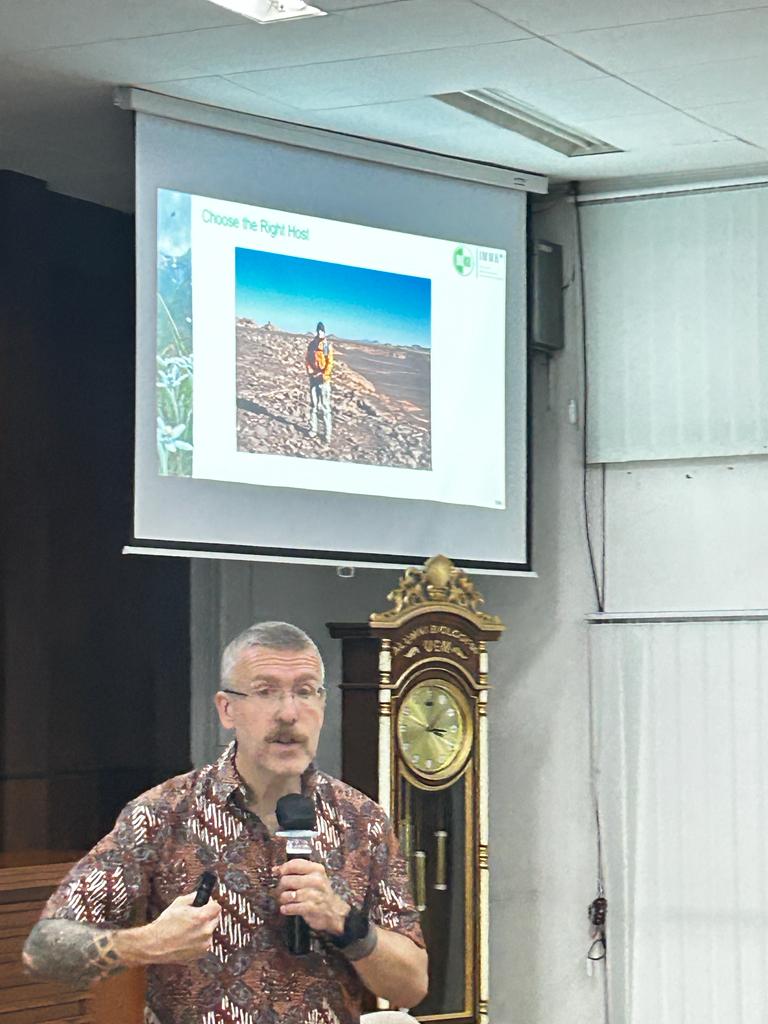
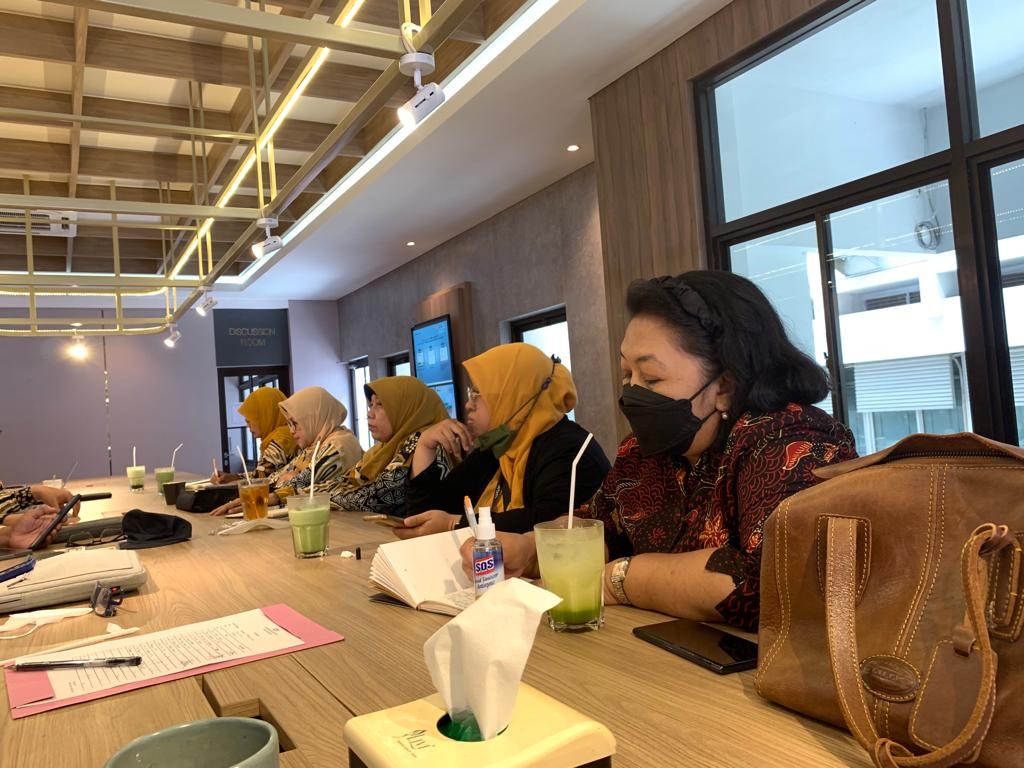
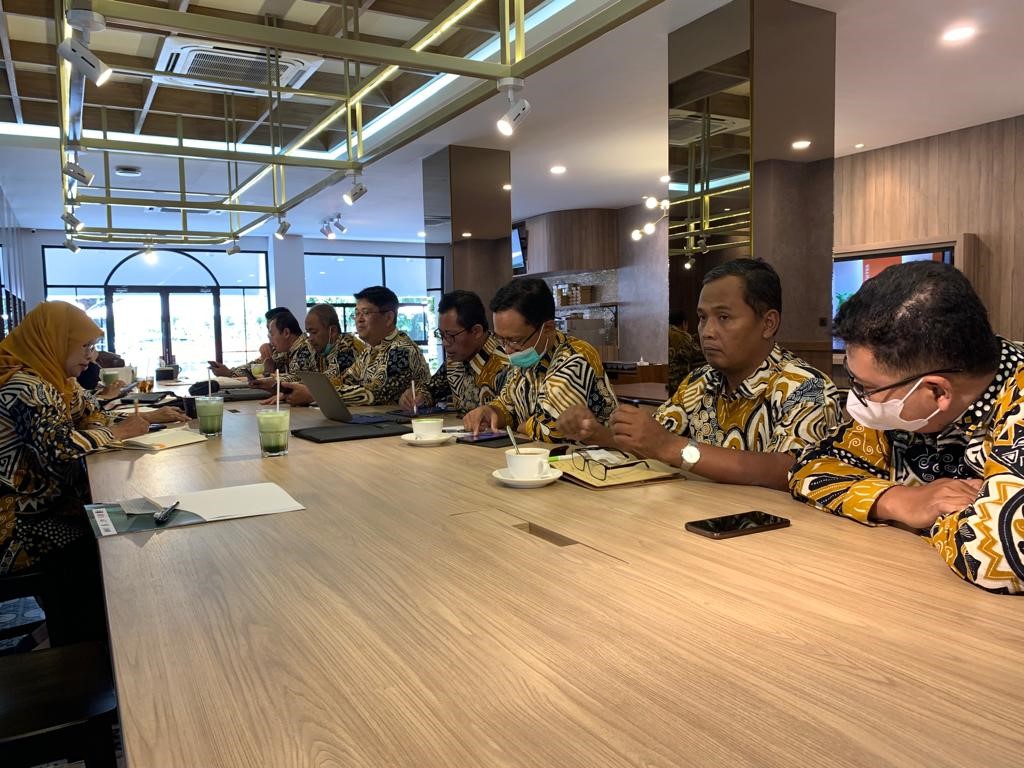
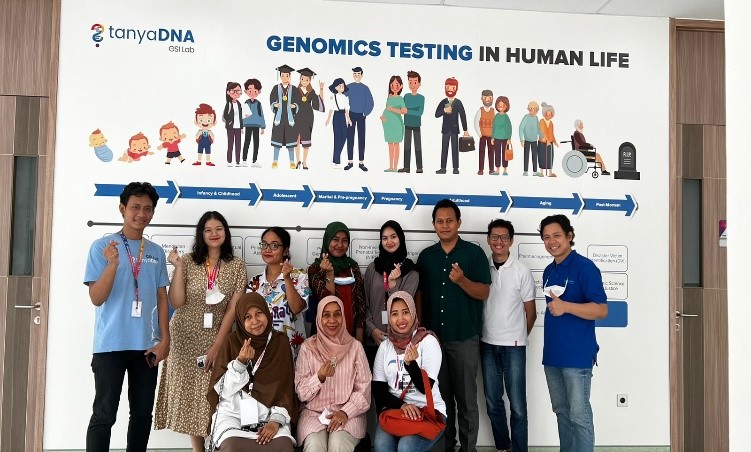
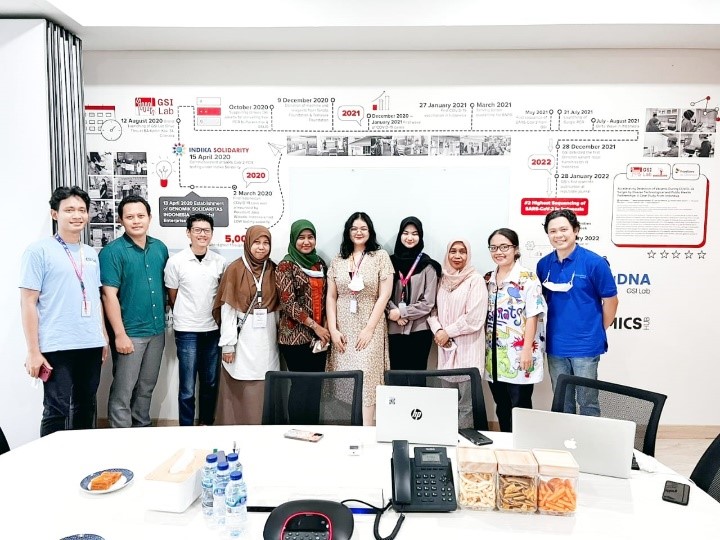
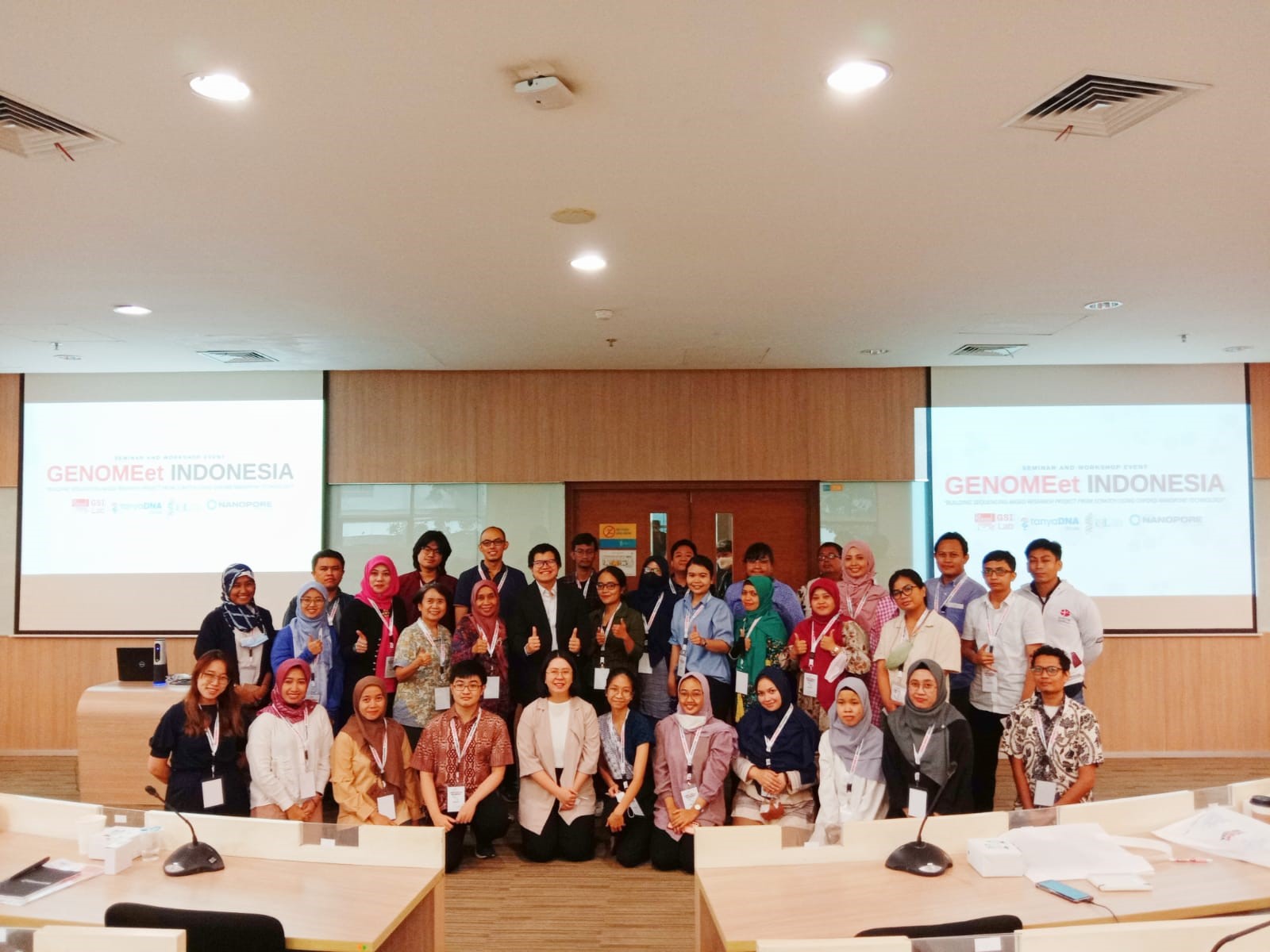
In recent years, sequencing technology has become one of the innovative solutions for analyzing genomes. Today, sequencing technology is able to answer various challenges in research related to the biology of humans, plants, animals, pathogens, and the environment. For this reason, in an effort to develop knowledge, innovation and skills in research, on January 28-29 2023 one of the UGM Faculty of Biology lecturers, Dr. dr. Rr. Upiek Ngesti Wibawaning Astuti, DAP&E, M.Biomed attended a seminar which was held in a hybrid manner, followed by a workshop and a Lab Tour organized by PT Genomic Solidaritas Indonesia (GSI Lab) and took place at the Indonesia Institute for Life Science (iL3) in Jakarta.

Slide 2
Slide 4
Slide 5
Slide 3
Slide 6
Slide 1

The topic of the Webinar was “Multiple PCR-Based Nanopore Sequencing and Epidemiological Research” delivered by Prof. Won-Keun Kim, Ph.D, from the Department of Microbiology College of Medicine Haliyim University. He conveyed the need and importance of research on viruses, related to “Recent Emerging Virus Outbreaks and Infectious Disease”. Genomic surveillance and epidemiological studies continue to be carried out to identify sources and origins of infection, track the spread of pathogens, understand the evolutionary process of emerging viruses, so as to be able to analyze and predict the occurrence of endemics, especially those caused by viruses. On this occasion, various researches related to rodent-borne Paramyxovirus in various countries were presented which infect vertebrates from fish to mammals.

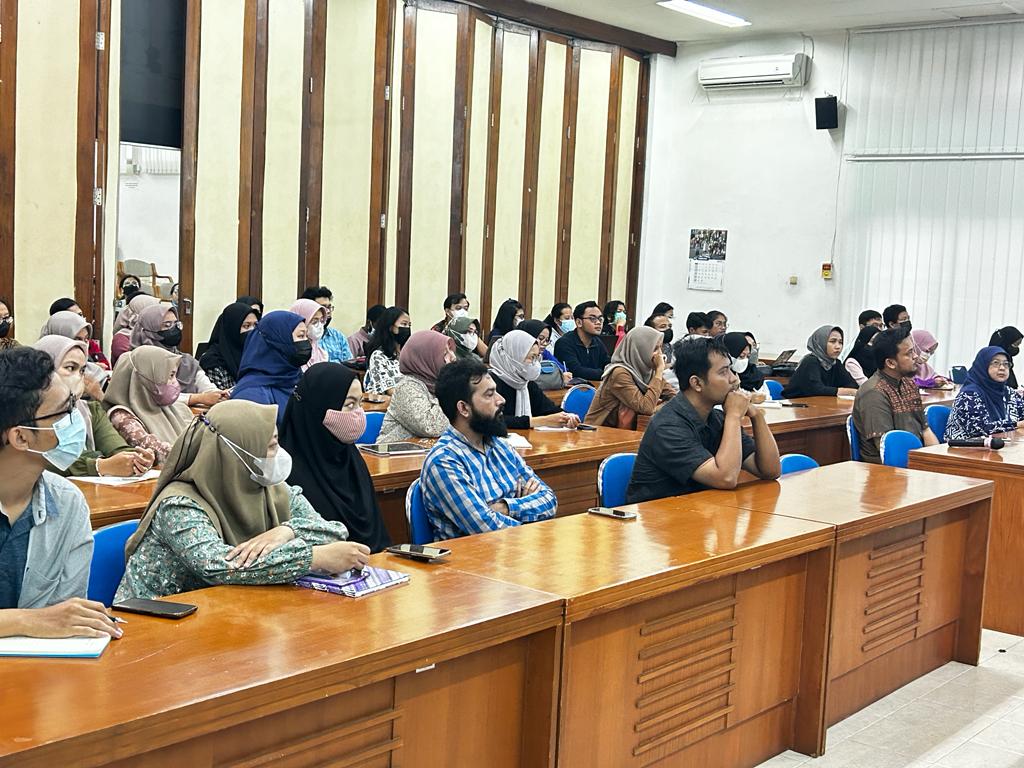
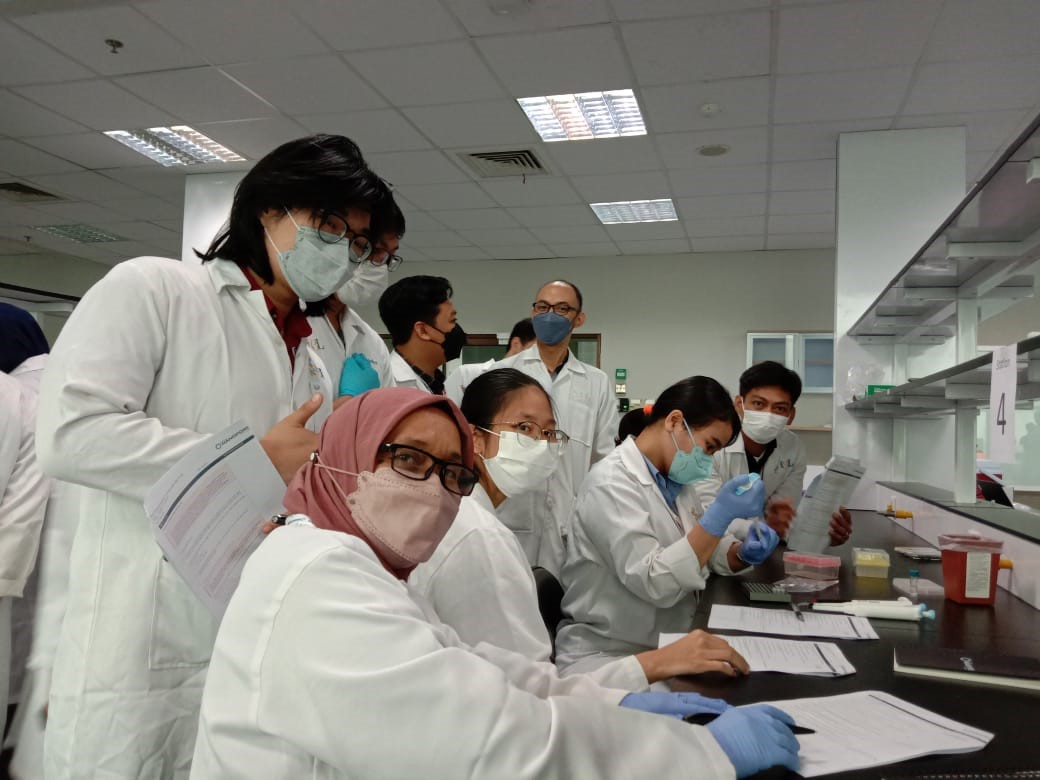
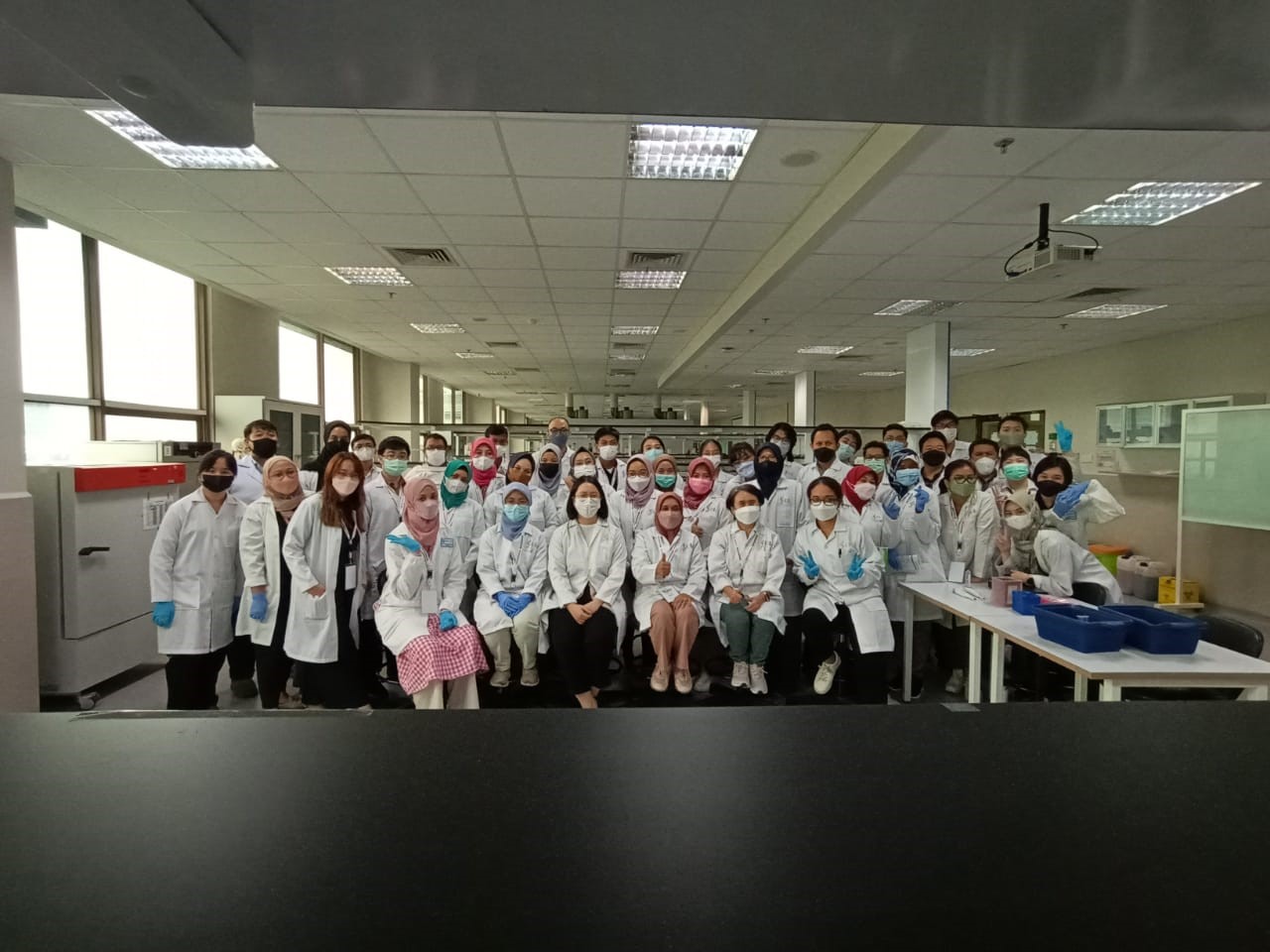
At the workshop, Oxford Nanopore Technologies (ONT) was introduced as a sequencing technology that can be used in a variety of genomic applications, such as genome mapping, mutation identification, as well as analysis of genomic variability, from which accurate, real-time genome data can be obtained with processing time. which is faster. Dr.rer.nat. Aril Aditya Parikesit, S.Si., M.Si, presented the use of this technology for pathogen identification, antibiotic resistance, and other studies. He also explained why sequencing is needed and how we plan and carry out nanopore sequencing. For this reason, it is necessary to prepare 4 main things in research with this technology, namely “background intention, sample type, methods, and results analysis”. On this occasion, the 40 workshop participants were divided into 5 groups and carried out sequencing practices. This activity ended with a GSI Lab Lab-Tour at PT Genomic, on Sultan Agung Road, Guntur, Setiabudi Jakarta, which begins with an explanation of various laboratories with their facilities, functions and level of security, and continues with visits to various laboratory rooms along with the latest equipment for sequencing and other services.

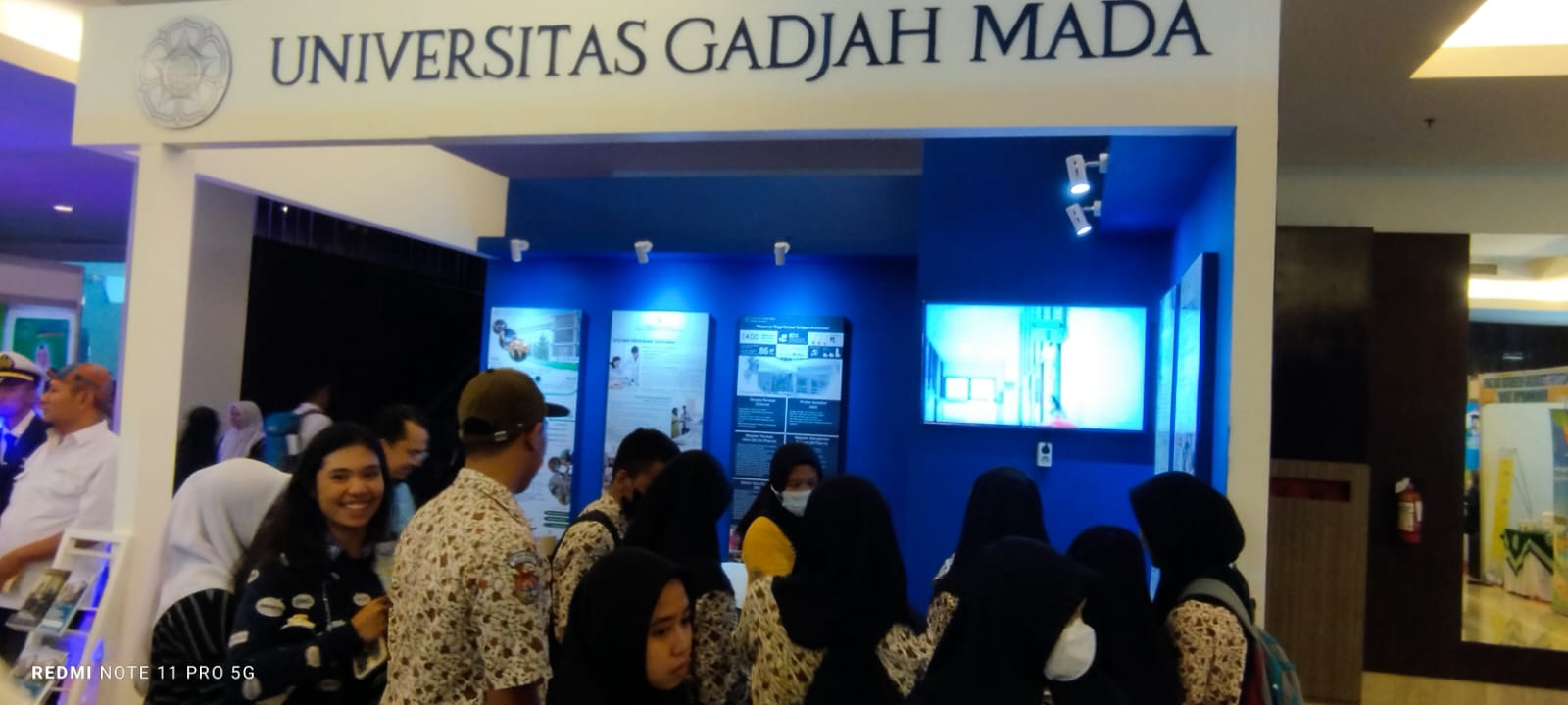
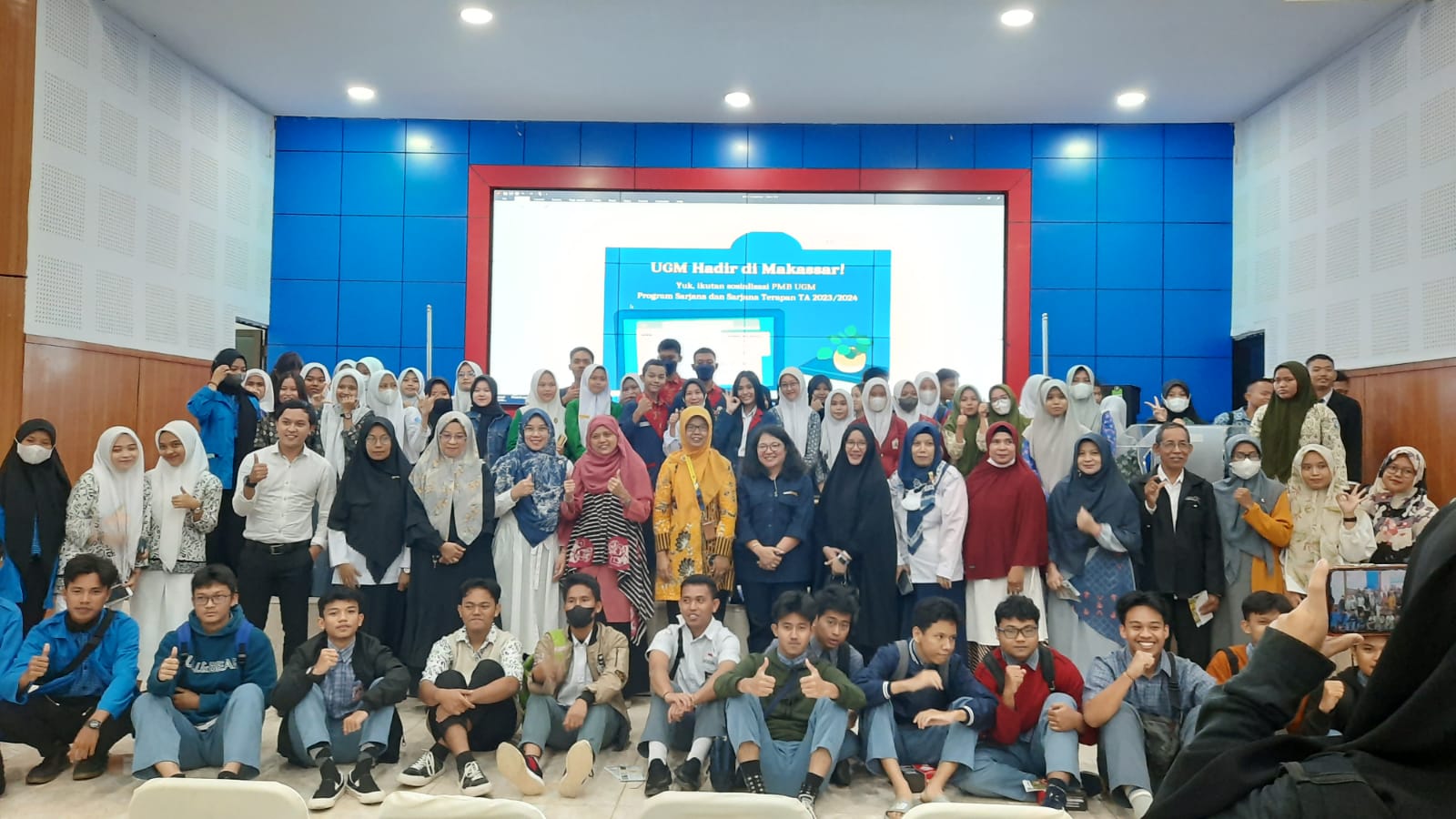
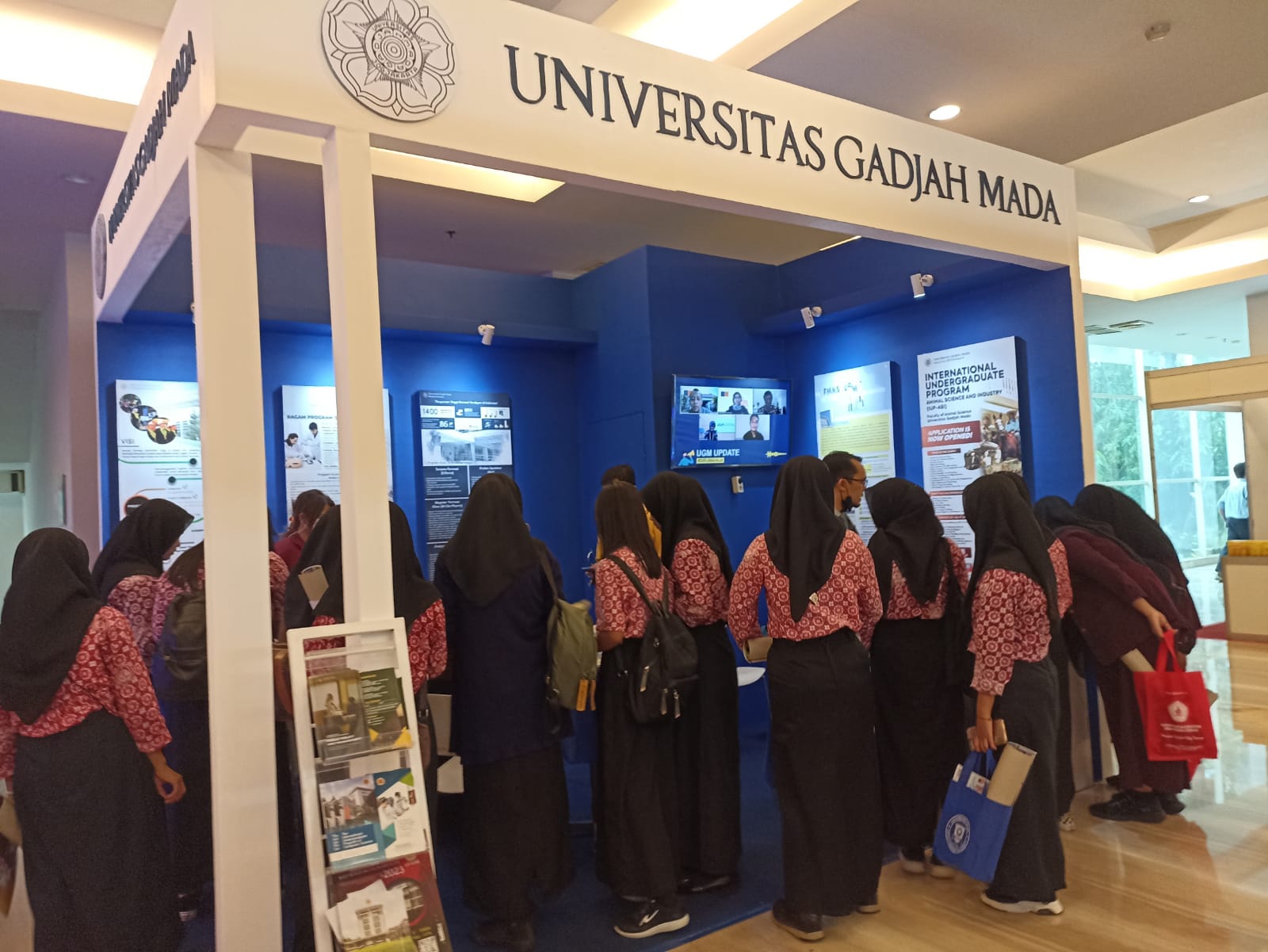
The UGM Faculty of Biology actively promotes the International Undergraduate Program (IUP) at the Higher Education and Innovation Exhibition in Makassar

News Release Tuesday, 7 March 2023

In 2023, UGM participated in the 14th Higher Education and Innovation Exhibition or Sulawesi Education and Techno Expo at Sandeq Ballroom Claro Hotel, Makassar City, from Tuesday, 14 February 2023 to Thursday, 16 February 2023. The exhibition was attended by students from all high schools and vocational schools in Makassar City accompanied by teachers, parents and UGM alumni. The enthusiasm of the Makassar city community seems very high to obtain as much information as possible to be able to continue their studies at UGM which includes the admissions pathway for new students, the quota for each study program, and the ratio of the number accepted to the number of applicants for a study program. In addition, some visitors often asked regarding the tuition fees.

Slide 1
Slide 2
Slide 3

On this occasion, the Faculty of Biology UGM, represented by Dr.rer.nat. Abdul Rahman Siregar, S.Sc., M.Biotech., as the executor of the OIA (office of international affairs) at the Faculty of Biology UGM, actively participates in introducing and promoting the International Undergraduate Program (IUP) to students in the South Sulawesi region, especially in Makassar city. On another occasion, Prof. Dr. Budi Setiadi Daryono, M.Agr.Sc., as the Dean of the Faculty of Biology UGM, explained that IUP Biology is the right choice for students to be able to study at the Faculty of Biology UGM because it has been accredited internationally by ASIIN (European standard accreditation) hence it has advantages over other programs, including the opportunity to take part in a dual degree program where part of the study period will be carried out at partner campuses abroad (Australia, the Netherlands, Germany, UK, Japan, and Malaysia), as well as other student mobility opportunities in the form of student exchange, short courses, and internships. He hopes that  this opportunity can help UGM in general, and the Faculty of Biology in particular to introduce the IUP program, hence it can be recognized by the public and provides a great opportunity for the public to be able to gain experience studying abroad even though they are registered as UGM students. Apart from the IUP program, the visitors were also enthusiastic to find out more about the regular undergraduate program, master’s program, and also the doctoral program held at the Faculty of Biology UGM. Abdul also hopes that there will be many students from Sulawesi, especially the city of Makassar and other parts of Eastern Indonesia who will be accepted to study at the Faculty of Biology UGM, both through the IUP program and the regular program, which will later be able to share the knowledge gained on campus. for the progress and development of South Sulawesi and the city of Makassar in particular.


Inauguration of Study Groups and Organizations Coordinator in 2023

HeadlineNews ReleaseStudent Activities Tuesday, 7 March 2023

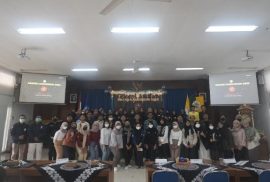
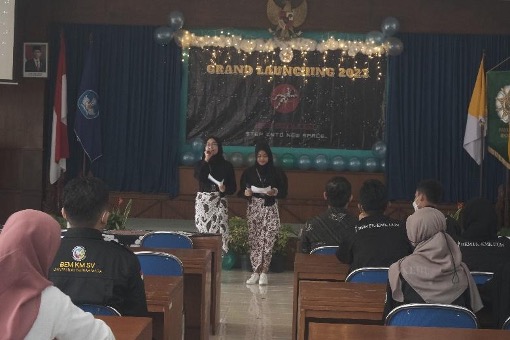
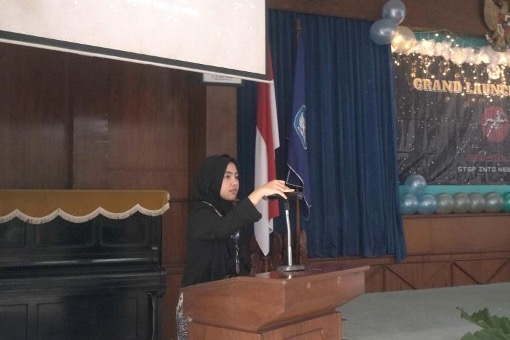
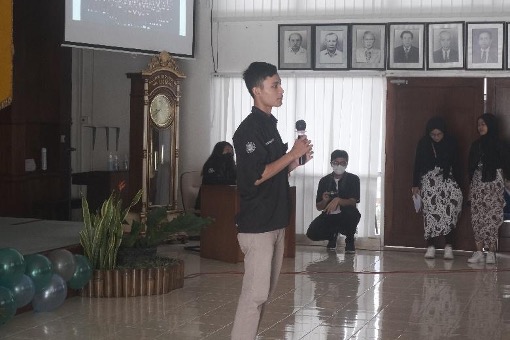
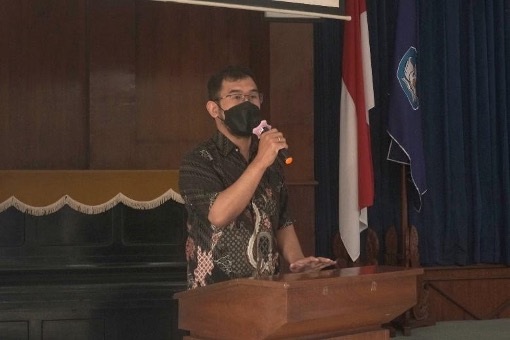
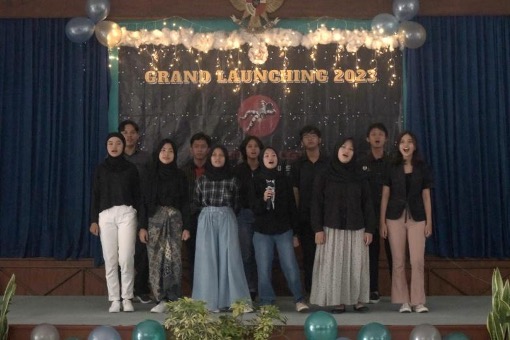
On Friday, 17 February 2023, at 03.30-04.30 p.m, the inauguration of the study group and organization coordinator of the Faculty of Biology, Universitas Gadjah Mada. The inauguration was held offline at the Tropical Biology Auditorium Building, Faculty of Biology UGM. The activity was attended by Prof. Dr. Budi Setiadi Daryono, M.Agr.Sc. as Dean of the Faculty of Biology, Vice Deans, Heads of Study Programs, Heads of Academic and Student Affairs Sections, Student Affairs Coordinators, Lecturers of Study Group and Organization Supervisors, Heads of Study Groups and Organization, as well as several representatives of study groups and organizations coordinator.

Slide 1
Slide 2
Slide 3
Slide 4

This activity was guided by the MC, namely Birrul Qisty Mutmainnah Nazara and Firchamy Vuqi Aulia as Young Staff for the Internal Affairs of Biology Student Executive Board UGM. The activity began with an opening by the MC followed by singing Indonesia Raya, the Universitas Gadjah Mada Hymn, and the Faculty of Biology Mars together. Next is the Reading of the Pledge of Inauguration of study groups and organizations coordinator led by Prof. Dr. Budi Setiadi Daryono, M.Agr.Sc., which was attended by all Heads of Study Groups and Organizations for the Faculty of Biology, Universitas Gadjah Mada. After that, the Dean of the Faculty of Biology UGM signed the Pledge with all Heads of Heads of Study Groups and Organizations. The activity was continued with directions from Prof. Dr. Budi Setiadi Daryono, M.Agr.Sc. which contains messages and hopes for all study groups and organizations in general for the future. He said that the study groups and organizations in Biology had made a lot of contributions to the faculty. The students who are involved in it as well as the lecturers of the study groups and organizations are people who devote themselves to the interests of the general public. He also said that the faculty would fully support, appreciate, and facilitate the dedication of study groups and organizations that contribute to the Faculty of Biology, Universitas Gadjah Mada.

Discussion on the Development of the Community Service Program at the Faculty of Biology UGM with the Vice Chancellor for Student Affairs, Community Service, and Alumni and the Directorate of Community Service UGM

HeadlineNews ReleaseWaste Management Friday, 24 February 2023

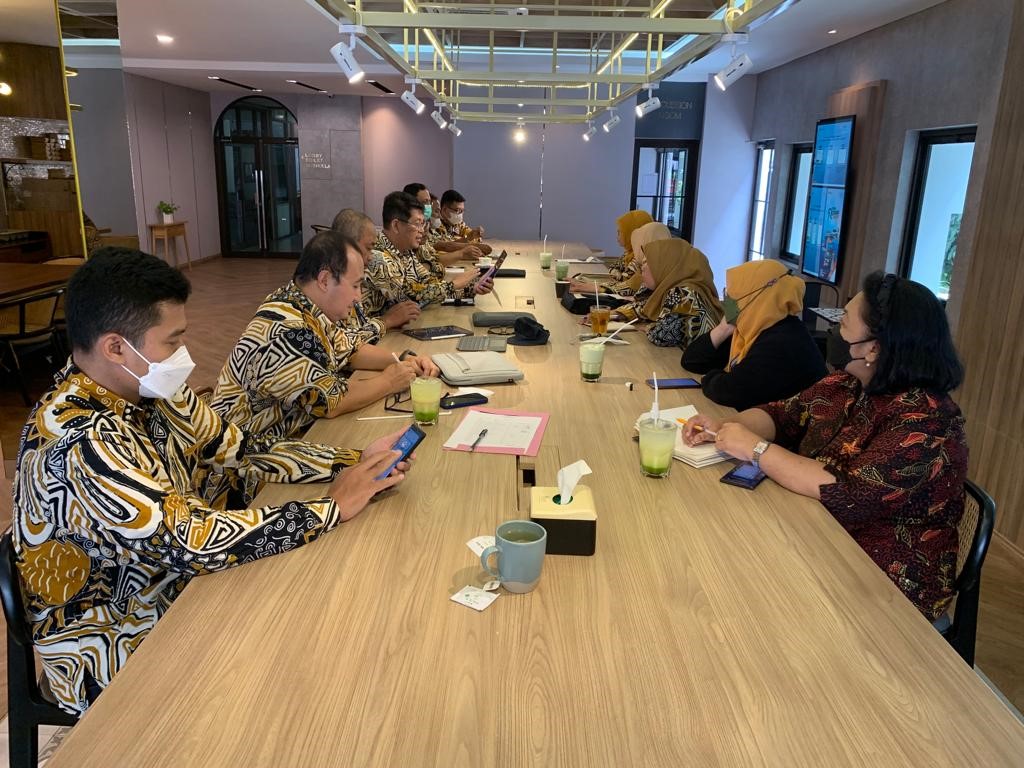
On Wednesday 8 February 2023, the Faculty of Biology UGM received a visit from the Vice Chancellor for Student Affairs, Community Service, and UGM Alumni, Dr. Arie Sujito, S.Sos., M.Sc., UGM Director of Community Service, Dr. dr. Rustamaji, M.Kes., and Director Secretary of Community Service UGM, Dr. Djarot Heru Santosa, M.Hum. The visit began with a discussion on program development in the KPTU Meeting Room of the Faculty of Biology UGM, followed by a tour around the campus of the UGM Faculty of Biology to review the production sites of POC (Liquid Organic Fertilizer) and organic fertilizers produced by the Faculty of Biology.

Slide 1
Slide 2
Slide 3
Slide 4

Dr. Arie Sujito, S.Sos., M.Sc., expressed the importance of community participation around the UGM campus to participate in activities carried out by UGM such as KKN, Research and Community Service. There are 3 very strategic hamlets that are the belt of UGM, namely Sagan hamlet, Blimbingsari hamlet and Terban hamlet. UGM will provide assistance to the community around the UGM campus to be able to supply the needs of UGM and hotels around the UGM campus.

On that occasion, they also discussed the IUP (International Undergraduate Program) program at the Faculty of Biology UGM which has been running and this year there will be the first batch of graduates. The IUP program also provides opportunities for students to take part in KKN activities organized by the university, but in practice there are still some obstacles which yet to be solved, for example the number of credits that must be taken, the time for the KKN to be carried out. Dr. Djarot Heru Santosa, M.Hum., will report and discuss this problem at the university level in order to get the best solution and can be applied to this year’s KKN.

The UGM Faculty of Biology will also play an active role in the management of organic waste generated from the environment around UGM and internally from UGM. The waste will be processed into organic fertilizer and POC which can then be reused by the community around the UGM campus, and can also be sold to earn UGM income.

Lecturer at the Faculty of Biology UGM Becomes a Member of the Indonesian Ministry of Health’s Team on the Study and Prevention of Poisonous Animals and Poisonous Plants

HeadlineNews Release Friday, 24 February 2023

Indonesia, which is a tropical country, has many types of highly venomous snakes. Research on the diversity of types of reptiles and community service regarding the management of reptiles, especially snakes, have been carried out by many teaching staff or lecturers at the Faculty of Biology UGM. One of lecturers that actively carried out this research is Donan Satria Yudha, M.Sc., from the Animal Systematics Laboratory.

Donan has played an active role in the field of snake wildlife study and management since 2011 until now. Some of Donan’s activity in the study and control of snakes are: assisting the Yogyakarta BKSDA in assessing the diversity of reptiles in conservation areas, assisting the Gianyar Regency Government in inventorying wild animals including snakes, assisting reptile-loving communities by becoming their resource persons and coaches, providing snake handling training to Firefighters Sleman and UGM fires, helping Dr. dr. Tri Maharani, Sp.EM, M.Sc., in identifying venomous snakes that bite humans, providing knowledge and handling of snakes in the PLN substation environment, as well as many other community service activities.

Sangar Slider :: No slide found!, please make sure you have at least one slide.

Thanks to Donan’s research and dedication activities related to reptiles, especially snakes, in February 2022, Donan was asked to join the Team for the Study, Prevention and Control of Diseases Due to Poisonous Animals and Poisonous Plants, which was initiated by dr. Tri Maharani. This team was formed with various members, starting from emergency doctors, veterinarians, pharmacists, health service units, Mr Amir Hamidy a herpetofauna researcher from BRIN and Donan Satria Yudha from Biology UGM.


The Assessment, Prevention and Control of Diseases Due to Poisonous Animals and Poisonous Plants Team was inaugurated by the Minister of Health, Mr. Budi Gunadi Sadikin. The inauguration of the team was manifested in the form of a letter: “Decree of the Minister of Health of the Republic of Indonesia, No: HK.01.07/MENKES/1114/2022 concerning the Team for the Assessment, Prevention and Control of Diseases Due to Poisonous Animals and Poisonous Plants, dated 11 April 2022”. In this decree, this team worked for three years from the date stipulated. The Minister of Health’s decree made Donan challenged and ready to help deal with and prevent venomous animals. One of the activities of this team is to produce a guidebook on “Guidelines for Handling Bites, Poisonous Animal Stings and Plant Poisoning” which is currently still in the process of completing the book contents.

Faculty of Biology UGM Held a Mental Health Literacy Training for Students

HeadlineNews Release Friday, 24 February 2023

Wednesday, 8 February to 9 Thursday 2023 the Faculty of Biology UGM held a Mental Health Literacy Training for students. At 7.45 a.m., the opening of the Mental Health Literacy Training for Students was held in Room 1 & 2 Building B, Faculty of Biology UGM. This training was attended by 35 participants consisting of representatives of Study Groups and Student Organizations, and also representatives of several batches of bachelor, master, and doctoral program students.

On this occasion the Dean of the Faculty of Biology UGM, Prof. Dr. Budi Setiadi Daryono, M.Agr.Sc., was pleased to give a speech and officially open the event. In his remarks Prof. Budi conveyed the importance of holding activities to increase mental health literacy. “Recently at UGM there have been several cases involving student mental health. Let’s make this training an opportunity to improve mental health for ourselves and help those around us.”

Slide 2
Slide 3
Slide 1
Slide 7
Slide 4
Slide 5
Slide 6

All of the participants received material from speakers which was delivered by a team from the Center for Public Mental Health (CPMH) Faculty of Psychology UGM. The materials presented in the training are:


Day 1:

  • Mental Health Stigma and Myths
  • Getting Know Mental Health Issues Around Campus (academic burnout, overthinking, procrastination, insecure)
  • The Relationship Between Mental Health, Mental Health Problems and Mental Disorders
  • Common Mental Disorders and Mental Health Problems


Day 2:

  • P3KM (Psychological First Aid and Mental Health) Part 1
  • P3KM (Psychological and Mental Health First Aid) Part 2 and Supportive Communication
  • Early Detection and Referral Flow
  • Develop a Safety Plan
  • How to Maintain Positive Mental Health (Personal and Community/System – Prosperous Agencies) and Help Seeking


After 2 days of training, on Thursday 9 February 2023, the Dean of the Faculty of Biology UGM, Prof. Dr. Budi Setiadi Daryono, M.Agr.Sc. pleased to provide directions and officially close the series of training activities. On this occasion, the Dean introduced students to the facilities owned by the Faculty of Biology UGM. From the Karanggayam research station to the Sawitsari research station. “We are grateful that these 2 days have really benefited. Let us both feel what is happening around us.” At the end of all training sessions, several questions were also given to the participants and a memento was provided for those who could answer the questions.

Sakura Science Program 2023: Final Day of Course

News Release Thursday, 23 February 2023

Sakura Science Program-Yamagata University-Daily Chronicle: Day 6

On this very morning (22/02/2023), the day started with a clear sky and the temperatures in Yamagata were still cold (-5℃). We began our morning at 8 am as usual, heading to Yamagata University and arriving around 9 am ready to have breakfast brought by Prof. Yokoyama. After another delicious breakfast we all head to the laboratory to prepare our task for the day. 

Overnight, the PCR was running and the results were done and ready to be collected. We headed to the PCR DNA laboratory in the 2nd floor lab to get the results. Under the supervision of Prof. Yokoyama, The laboratory assistants helped us to transfer the data files to our computers ready to be processed. We download and install the MEGA 11 application which is used to align DNA sequences. This application is newer than one that we usually use in our faculty. 

The results from the PCR were blasted using MEGA 11 and searched through the NCBI database for its correct matches. Our main task was to create a phylogenetic tree from the results collected and compared with its genebank counterparts along with a species with a different genus of the same family. We then took a break at 12 am for a prayer and lunch break before preparing our presentation that afternoon. That was our last luncheon in the program. 

The end of lunch was followed by preparations to start the presentation of results. Preparations were made by preparing PPT material containing introduction, methods, results, and conclusions according to the plant genus of each group. The presentation began at 14.00 am. Each group has presented a nicely packaged presentation. There were 5 groups with each genus of orchid plants, namely Bulbophyllum, Vanda, Cymbidium, Dendrobium, and Phalaenopsis.  There is a small discussion after each presentation where professors ask about our presentation, the failure, the success, how we interpret and analyze them.  

After all the groups presented their worked and answer the questions, Prof. Jun Yokoyama handed us the certificates of achievement for successfully completing the Sakura Science program 2023 to all participants. The certificates were signed by the President of the Japan Science and Technology Agency, Dr. Hashimoto Kazuhito. Prof Yokoyama read the certificate to each of the participants of the Sakura Science program 2023 in that awarding ceremony. 

The last day of the Sakura Science Program  was then concluded with a small party at the Yamagata University Cafeteria. The small party was attended by the participants of Sakura Science Program 2023, Prof. Jun Yokoyama, Prof. Fujiyama, Prof. Miyazawa, Dr. Kanao,  Prof. Naoyuki Fujiyama’s students, and Prof. Jun Yokoyama’s students. Various foods and drinks were served in a small party as the closing of the program. From fruits, cakes, Japanese specialty “Taiyaki”, sushi, sashimi as signs of prosperity, to drinks such as milk tea, ocha, orange juice, tea, and others. We had a merry time at that party, laughing and exchanging pleasantries. After finishing all the dishes  we headed back to the hotel to rest and prepare our luggage to start our journey to return to Indonesia tomorrow (Dan&Sab).

WhatsApp Image 2023-02-27 at 15.04.22
WhatsApp Image 2023-02-27 at 15.04.46
WhatsApp Image 2023-02-27 at 15.04.26
WhatsApp Image 2023-02-27 at 14.58.02
WhatsApp Image 2023-02-27 at 14.58.01
WhatsApp Image 2023-02-27 at 14.58.01 (1)
WhatsApp Image 2023-02-24 at 10.57.31
WhatsApp Image 2023-02-24 at 10.57.33
WhatsApp Image 2023-02-24 at 10.57.32 (2)
WhatsApp Image 2023-02-24 at 11.01.10
WhatsApp Image 2023-02-24 at 11.01.10 (1)
WhatsApp Image 2023-02-24 at 11.01.12
WhatsApp Image 2023-02-24 at 11.01.10 (2)

Ups and Downs: Learning How to Not Give Up on Research while Still Enjoying Yamagata

HeadlineNews Release Tuesday, 21 February 2023

Sakura Science Program-Yamagata University-Daily Chronicle: Day 5

On the fifth (20/02/2023) day, the first thing we did after gathering at the campus at around 8.30 AM was eat breakfast. The breakfast meal was a warm bento that he bought himself by Prof. Yokoyama directly from the store. After we had enjoyed the delicious meal, we headed to the laboratory on the 3rd floor of the B1B Science Building. Before we proceeded with the experiment, Prof Yokoyama presented us with Yamagata Daigaku merchandise. The merchandise included the Yamagata university tote bag, a pen, a mug, and a plastic folder. At that time, the Sakura Science Program participants also gave their souvenirs from Indonesia to the Yamagata students. After the presents exchange concluded, we set our minds on doing the experiment.

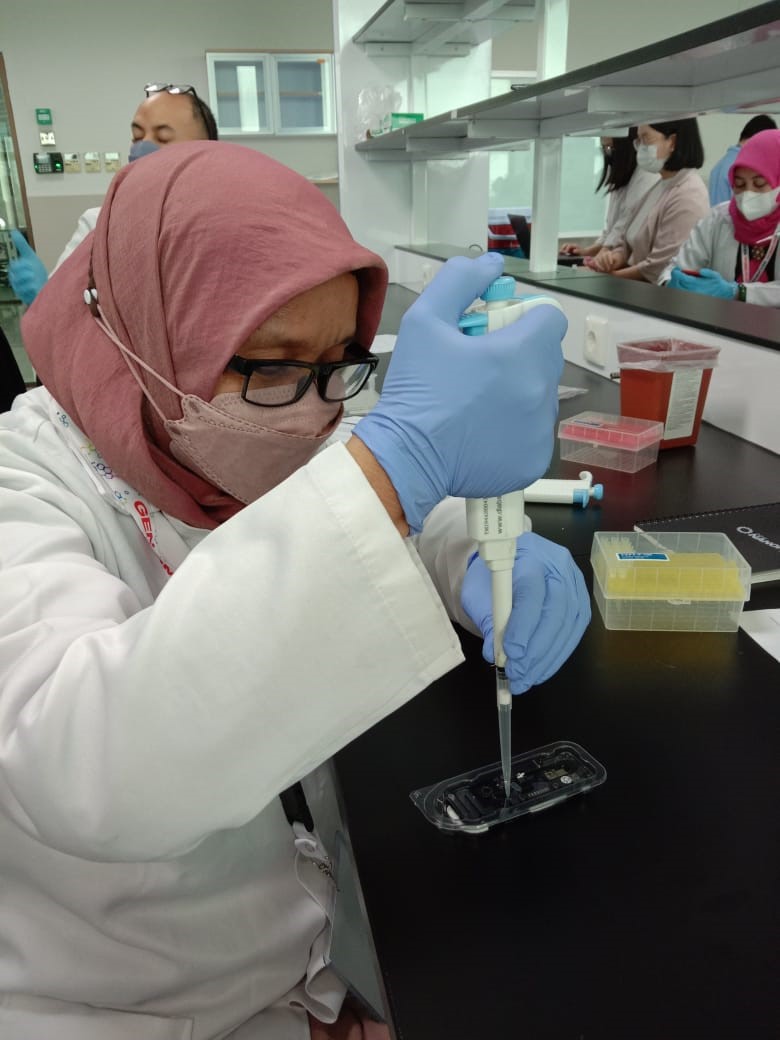
Once we got into laboratory mode, we received the PCR result from yesterday’s experiment. We continued the experiment by doing Electrophoresis with Agarose gel. After mixing the loading buffer and the PCR sample, students started to put the sample in the well. During this process, we were pretty nervous because it was hard to keep stabilizing the micropipette and injecting the sample into the well. Some managed to put the sample into the well on the first try, while others needed to repeat the process a few times before they could put the sample into the well. When all groups finished with their sample, they started the electrophoresis. The electrophoresis ran for 20 minutes at 110 volts.

Try again

Two groups finished first and the visualization from the UV transilluminator showed a great result. Meanwhile, the other three groups didn’t get a good result, which resulted in them repeating the electrophoresis experiment. On the second try, they used a DNA sample instead of the PCR sample like before. The electrophoresis result from the DNA sample showed that there was DNA in the sample, thus we concluded that the problem was in the PCR process that was done the other day. For this particula

r reason, the three groups had to redo the PCR experiment. While the three groups redo the PCR experiment, the other ones continued to the next step of the experiment. They proceeded to purify the PCR products and PCR for cycle sequencing reaction. 

After lunch, the three groups load their new samples into the thermal cycler for conducting PCR. The other two ones have started the sequencing experiments. During this experiment, the sample was “heat-shock” using a thermal cycler at 95°C for 2 min. After that, they set the strips on the plate and put them in the cooler. When it finished, the sample was set in the “SeqStudio” genetic analyzer (Thermo Fisher) for sequencing analysis, which concluded the experiment for the two groups that had a head.

https://biologi.ugm.ac.id/wp-content/uploads/sites/11/2023/02/WhatsApp-Video-2023-02-21-at-15.09.33.mp4

The PCR samples for the other three groups were ready by the time the other ones set in their sample to the SeqStudio, and the other 3 groups had only started to do the electrophoresis experience again once the other two ones finished. This time, the electrophoresis results of the 3 groups showed a result that was good enough for continuing the experiment. Because it was already late at that time, they would continue the experiment the next day. (Syal&Saf)

First Step into Understanding Asian Plant Biodiversity Through Molecular Biology

HeadlineNews Release Monday, 20 February 2023

Sakura Science Program-Yamagata University-Daily Chronicle: Day 4

Sunday (19/02/2023) marks the fourth day of our program at Yamagata University. We gathered at the campus at 8 a.m. as per usual and started the day with delicious gyūdon to fill us up with the energy needed for today’s activities. Although the continuous drizzle indicated higher temperatures, the winds still made it feel just as chilly.  However, the weather did not hinder today’s exciting agenda which is a series of experiments titled “Understanding Asian Biodiversity by Advanced Molecular Biology Technique”.

These experiments extended for the next three days, ending with a presentation explaining our results. After being divided into groups of 3, Professor Jun Yokoyama gave us an introduction to what we were going to do as well as handing us protocols to follow for the experiments. Each group will pick one of the five genera of plants (Vanda, Bulbo, Dendrobium, Cymbidium, Phalaenopsis), where each member of the group will extract a sample of a plant belonging to the chosen genus. Then, by following the instructions given in the manual, the samples are processed thoroughly by a series of buffer solutions and multiple centrifuge sessions with the goal of isolating the DNA to be put through polymerase chain reaction (PCR), which will be followed by electrophoresis on the next day. By isolating the DNA of the plants and turning it into readable data, we can compare the similarities and differences between each plant within the genus. Hence, we can draw conclusions about what caused the evolution between species and how biodiversity came to be within a genus, as previously explained in yesterday’s (17/02/2023) lecture.

 The preparation of isolated DNA was not an easy task, especially since most of us were unfamiliar with the process. Although we were very excited to try something new, it took immense concentration and care when it came to the chemicals involved in the experiments; one of the biggest concerns was minimizing contact with the crucial parts to avoid contamination, which even the slightest could jeopardize the results. Paired with the many steps involved, it is safe to say that there was a slight aura of panic and anxiety among us at the beginning. However, this nervousness was outweighed by the helping hands of the Yamagata students who used their experiences to guide us through this unfamiliar territory. They made sure our experiment would not go awry and their friendliness took all the pressure away. They even handled the more complex parts of the experiment to save us time and trouble. We could not be more grateful to have them as our lab assistants. One of the best parts about having them as our lab assistants was the fun conversation we had about cultural exchange, as we learned something new and interesting about each other every minute; from learning simple phrases from each other’s languages to talking about local cuisine.   

In the afternoon, between the continuous experiments, we were given warm and savory chicken curry with naan on the side. After we finished our DNA isolation, we stored them away to be put through PCR and excitedly waited for the results tomorrow, hoping that our efforts will pay off. At 17.30, we once again had dinner at the Indian restaurant from the night before, where we ate curry that we chose beforehand, all the while chatting with the lab assistants who joined us that evening. With the evening ending on a great note, we parted ways once again to roam the city and eventually call it a night. (Niki&Reiz)

1676946708032
1676946708051
1676946708070
1676946708102
1676946708120
1676946708142
1676946708173
1676946708266
1676946708275
1676946708286
1676946708358
1676946783364

Embracing The Nature That Opposite from Ours: An Adventure on Mt Zao, Yamagata Japan

HeadlineNews Release Sunday, 19 February 2023

Sakura Science Program-Yamagata University-Daily Chronicle: Day 3

It was a cold windy morning (18/02/2023) in Yamagata, the students of Faculty of Biology UGM that joined the Sakura Science Program were getting ready to start our day. On this eventful third  day, the students of the Sakura Science Program gathered at Yamagata University early on Saturday morning at 7 am. That day’s agenda was to explore the winter landscape and attractions of Mt Zao. The mountain area of Mt Zao is a cluster of volcanoes located on the border between Yamagata Prefecture and Miyagi Prefecture. This group of volcanoes has a rich biodiversity of animals and plants and is one of the most popular areas for skiing and hot springs.

At 8 am sharp, we took a 40-minute bus ride to Mt Zao. On the ride there, we were served a hot bento box of rice and fish with pickled and cooked vegetables as the side dish for the breakfast menu. On this trip, we were accompanied by Prof. Yokoyama and Prof. Fujiyama, as well as several students of Prof. Yokoyama and Prof. Fujiyama. Our trip was managed by Mr. Arai as our tour director. After we arrived, we were then taken to the winter sports rental store to change our clothing into mountain clothing. We were provided with mountain boots, a hiking jacket and pants, gloves, and a beanie. After all of us slipped into our mountain gear, we then walked for about 10 minutes to the foot of Mt. Zao is where the cable car station is situated. We were given snow trekking shoes and a pair of hiking poles and then taken to the top of the mountain by cable car. Our ride stopped at the top station (1.387m above sea level), we put on the gear and walked along the trek and explored the snowy Mt. Zao. It was the first time for most of us to see and experience snow, so everyone had a wonderful time. They also learned a lot of insight and new knowledge about this zone and climate, such as Mr. Arai told us that Mt. Zao was said to be a monster god who falls asleep especially if we see it from above; how this mountain has such deep snow cover and has permafrost; or when Prof Yokoyama pointed at us the snow bud of a pine tree that would bloom in the springtime.

https://biologi.ugm.ac.id/wp-content/uploads/sites/11/2023/02/WhatsApp-Video-2023-02-20-at-09.56.31.mp4

After playing in the snow, we were making our way to descend Mt. Zao and going to a Turkish restaurant to have our lunch. There, we had hot traditional Turkish foods which were served in Japanese style, such as kebabs, bowl of chicken, beef wraps, fish and chips, and chicken kaarage. Afterwards, the group of students continued their way to the rental store where we changed into our original clothes. We then explored the town that is at the foot of Mt. Zao.

During our exploration of the town, we visited a gift shop where it sells the town authentic souvenirs which most of the students bought as gifts for themselves and their loved ones back in Indonesia. After indulging the town’s festive and cold atmosphere, the group then got on the bus for the trip back to Yamagata.

The trip back to Yamagata was short and quiet, which took around thirty minutes as all of us wasted no time, since we had been tired from our adventure. After arriving at the university, the students were given free time for 30 minutes in which they could explore Yamagata university freely and gathered again for dinner at 6 pm.

The day was wrapped up with dinner in an Indian restaurant located in the city of Yamagata where we were served original Indian cuisine foods such as curry and naan. Our Saturday adventure ended nicely with a full belly and tired feet. (Max&Zid)

WhatsApp Image 2023-02-20 at 09.56.18
WhatsApp Image 2023-02-20 at 13.18.17
WhatsApp Image 2023-02-20 at 09.56.32 (2)
WhatsApp Image 2023-02-20 at 06.08.21
WhatsApp Image 2023-02-20 at 13.18.20
WhatsApp Image 2023-02-20 at 09.56.30
WhatsApp Image 2023-02-20 at 09.56.32
WhatsApp Image 2023-02-20 at 09.56.32 (1)
WhatsApp Image 2023-02-20 at 13.19.31
WhatsApp Image 2023-02-20 at 13.19.26
WhatsApp Image 2023-02-20 at 13.19.31 (1)
WhatsApp Image 2023-02-20 at 13.19.29 (1)
WhatsApp Image 2023-02-20 at 13.19.28
WhatsApp Image 2023-02-20 at 13.19.28 (2)
WhatsApp Image 2023-02-20 at 14.54.16
WhatsApp Image 2023-02-20 at 14.52.53
WhatsApp Image 2023-02-20 at 14.54.16 (1)
WhatsApp Image 2023-02-20 at 14.51.44
WhatsApp Image 2023-02-20 at 14.50.50
WhatsApp Image 2023-02-20 at 14.51.31
WhatsApp Image 2023-02-20 at 14.51.16
WhatsApp Image 2023-02-20 at 14.56.59
1…7071727374…80

Accreditation

Recent Posts

  • UGM–ANU Double Degree Program: Pathways to Global Academic Excellence
  • Faculty of Biology UGM Engages Doctoral Students in Academic Progress Monitoring
  • UGM–UTS Strengthen Academic and Research Collaboration through “Study & Research in Australia” Sharing Session
  • Tunghai University Lecturers Share Butterfly Genetics Research in Guest Lecture at UGM Faculty of Biology
  • Faculty of Biology UGM Strengthens Quality Education through Academic and Student Affairs Workshop
Universitas Gadjah Mada

UNIVERSITAS GADJAH MADA

FACULTY OF BIOLOGY
Teknika Selatan Street, Sekip Utara,
Yogyakarta 55281
biologi-ugm@ugm.ac.id
Phone/Fax: +62 (274) 580839

About us

  • History
  • Organization
  • Vision and Mission
  • Staff

Student Affairs

  • Student Service
  • Student Organization
  • Submission for Practical Field Work
  • Permission Field Research
  • Permission Thesis/Disertation

academic

  • Academic Regulations
  • Academic Anonncement

Accreditation

  • Image 1
  • Image 2
  • Image 3

© 2024 FACULTY OF BIOLOGY UNIVERSITAS GADJAH MADA

KEBIJAKAN PRIVASI/PRIVACY POLICY

[EN] We use cookies to help our viewer get the best experience on our website. -- [ID] Kami menggunakan cookie untuk membantu pengunjung kami mendapatkan pengalaman terbaik di situs web kami.I Agree / Saya Setuju