• UGM
  • Simaster Portal
  • IT Center
  • Webmail
  • KOBI
  • English
    • Bahasa Indonesia
Universitas Gadjah Mada Universitas Gadjah Mada
Faculty of Biology
  • ABOUT US
    • History
    • Organization
    • Vision and Mission
    • Lectures and Staff
      • Lecturers
      • Adjunct Professor
      • Supporting Staff
    • Facility
      • Laboratories
      • Research
      • Library
      • Museum
      • Mental Health Consultation
      • Disability
  • EDUCATION
    • Undergraduate Program
      • Graduates Learning Outcome
      • Academic Callendar
      • Course
    • IUP
    • Profession Program
      • What is the Professional Study Program in Biodiversity Curator (PKKH)?
      • Admission for New Students of the Biodiversity Curator Profession Program Study
      • Information and FAQ Study Program of Biodiversity Curator Profession
    • Master Program
      • Master Program in Biology Description
      • Curriculum Structure Master Program
    • Doctoral Program
      • Vision, Mission, Objectives, Targets, Competencies, and Learning Outcomes
      • Admission Requirement for Program Doctor in Biological Sciences
      • Admission: What Documents to be prepared?
      • Curriculum
    • Regulations
    • Accreditation & Quality Assurance
  • RESEARCH
    • Journal of Tropical Biodiversity and Biotechnology
    • Berkala Ilmiah Biology
    • Research
    • Publication
  • Community Service
    • Waste Management
  • STUDENTS & ALUMNAE
    • Student Organizations
    • Prospective Career Opportunities
    • SUMMER COURSE
    • Alumnae
  • Home
  • Waste Management
  • page. 2
Arsip:

Waste Management

[PkM-MBKM] Community Empowerment in Dusun Sendari, Tirtoadi Village, Mlati District, Sleman through Composting Education and Waste Bank Management

Community ServiceWaste Management Wednesday, 29 May 2024

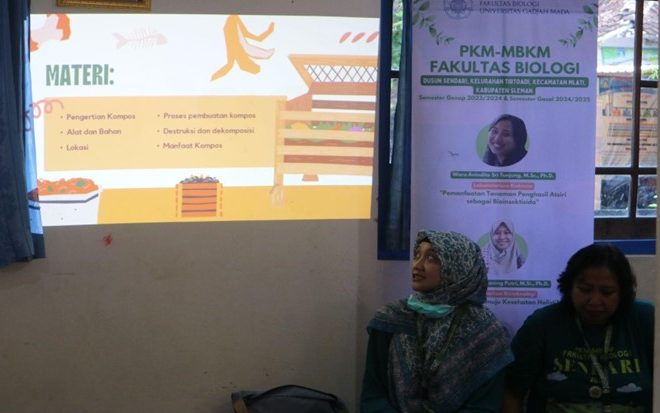
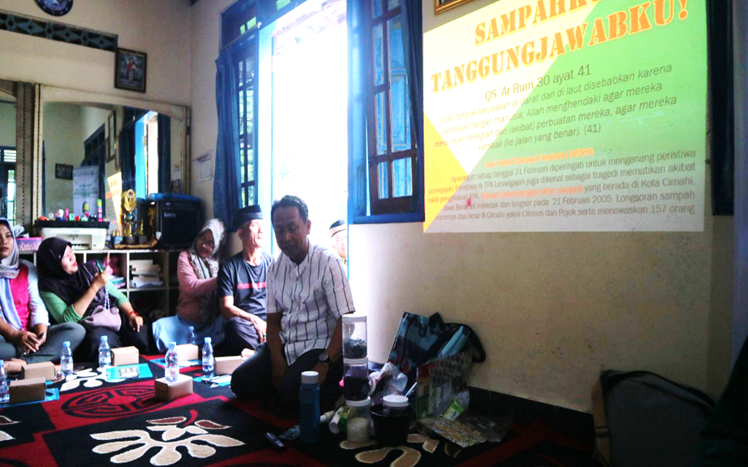
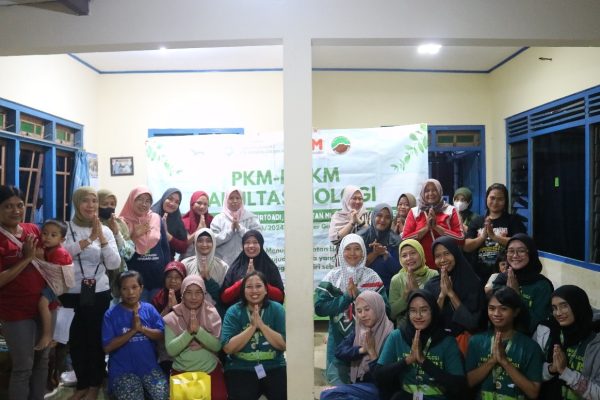
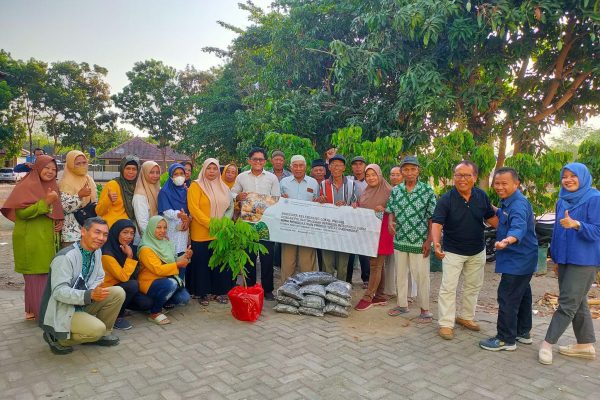
Yogyakarta, May 26, 2024 – The Community Service Team of the Independent Learning Independent Campus (PkM MBKM) Faculty of Biology, Universitas Gadjah Mada (UGM) 2024, spearheaded by three lecturers—Woro Anindito Sri Tunjung, Ph.D., Wahyu Aristyaning Putri, Ph.D., and Novita Yustinadiar, M.Si.—along with 10 students, conducted the second program in a series of PkM-MBKM activities in Dusun Sendari. This program focused on composting and the introduction of waste banks, aiming to enhance the community’s awareness and skills in independently and sustainably managing waste. The activity took place at RT03, RW19, Dusun Sendari, Tirtoadi Village, Mlati District, Sleman, Yogyakarta Special Region, on Sunday, May 26, 2024.

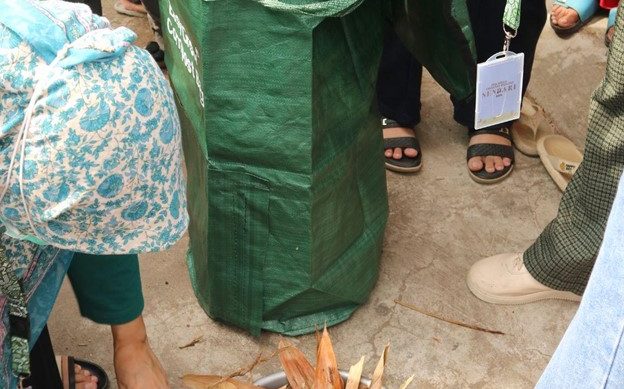
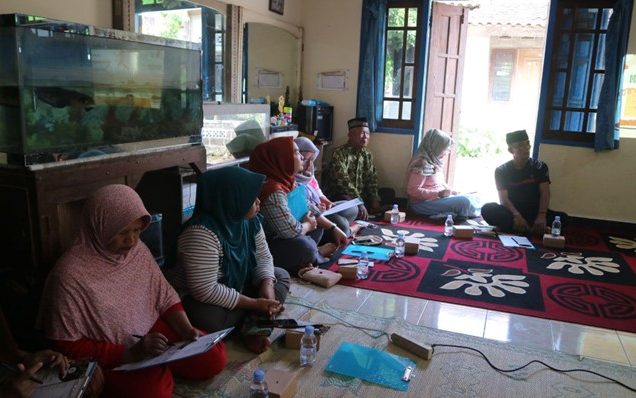
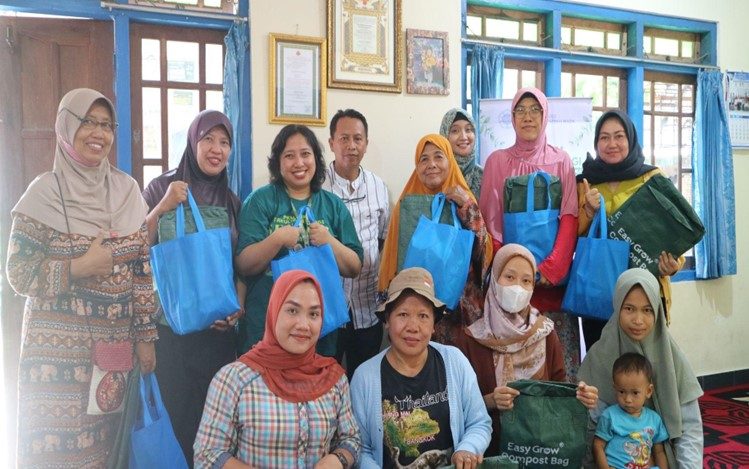
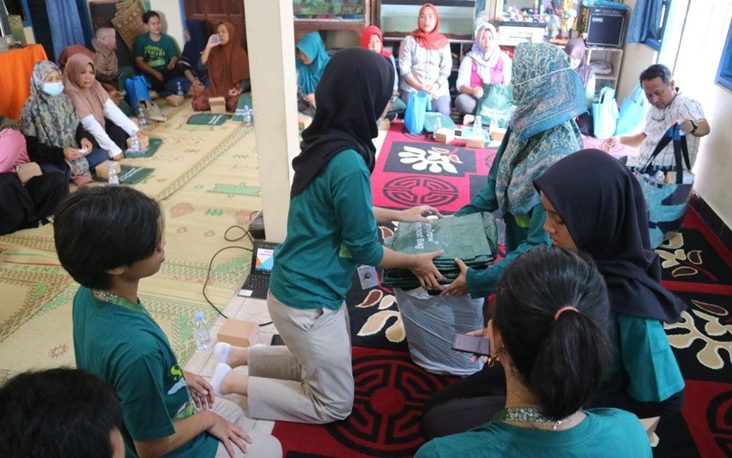
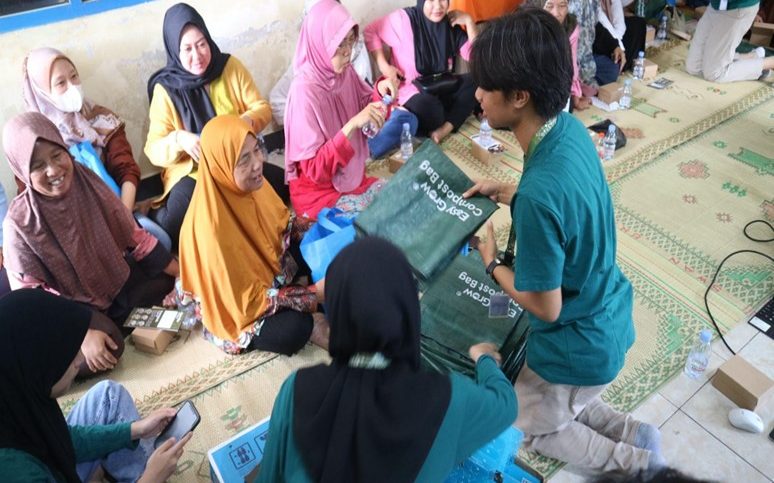
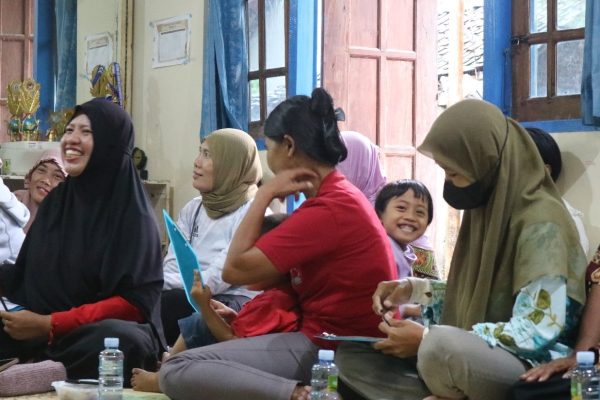
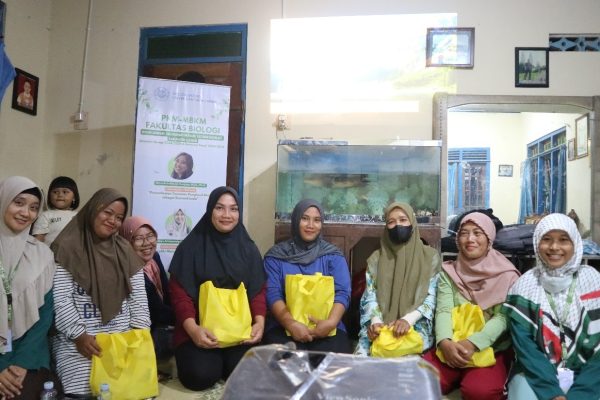
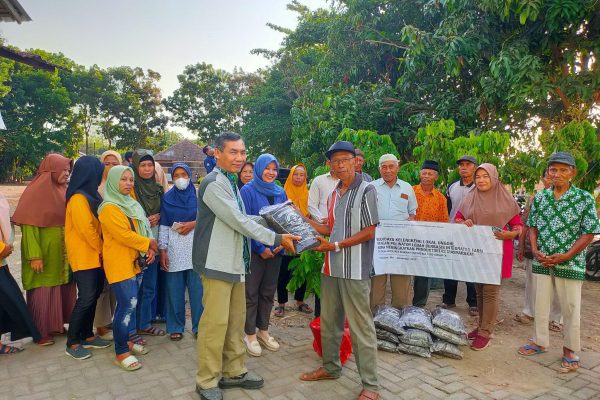
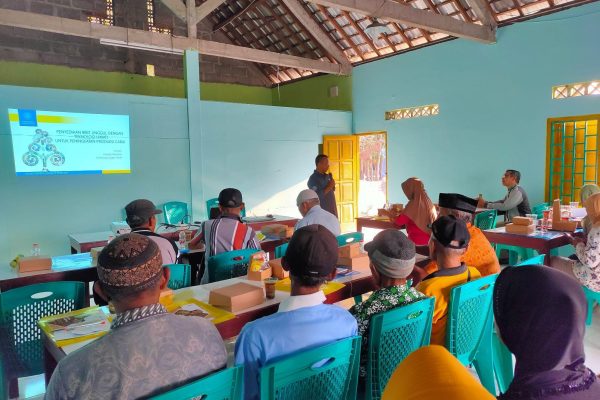
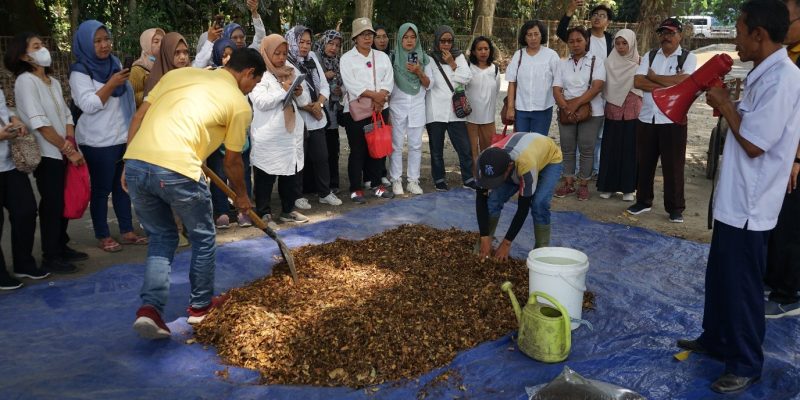
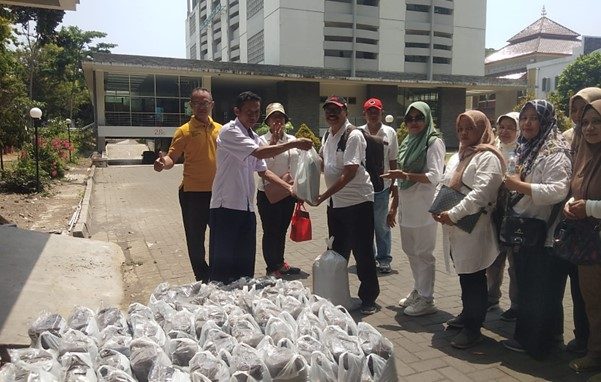
The activity was attended by 27 residents, including the village head (Pak Sumarta), the village head’s wife, and the RT leader (Pak Djijana). The event began with a pre-test and a prayer. The first presentation was delivered by Novita Yustinadiar, S.Si., M.Si., who explained the techniques for making compost from household organic waste. In this session, residents were invited to directly practice making compost using materials readily available around them. All participants were given brochures containing composting instructions and compost bags to use for practicing composting at home.

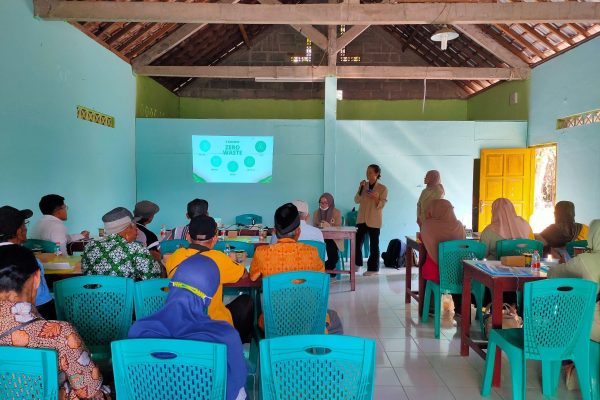
Next, the introduction to the waste bank was presented by Mr Farid Fakhrudin from the Rukun Makmur Waste Bank. He explained the importance of sorting inorganic waste and the benefits of managing a waste bank and waste donation for family economics and the environment. The participants were provided with an understanding of how a waste bank operates, the correct methods for collecting waste, and how inorganic waste can be processed into economically valuable products.

The event concluded with a post-test and the distribution of door prizes to residents who actively participated. Door prizes were awarded to 10 lucky residents through a fishbowl lottery. It is hoped that this activity will provide the community with broader insights and help them adopt cleaner and healthier living patterns through proper waste management. This activity supports the Sustainable Development Goals (SDGs), specifically SDG 11 on sustainable cities and communities, SDG 13 on climate action, and SDG 15 on life on land.
The Faculty of Biology UGM Initiates the Community Service Activity with the Wedomartani Tourism Awareness Group in Utilizing Animal Waste as Organic Fertilizer

Community ServiceHeadlineNews ReleaseWaste Management Tuesday, 7 May 2024

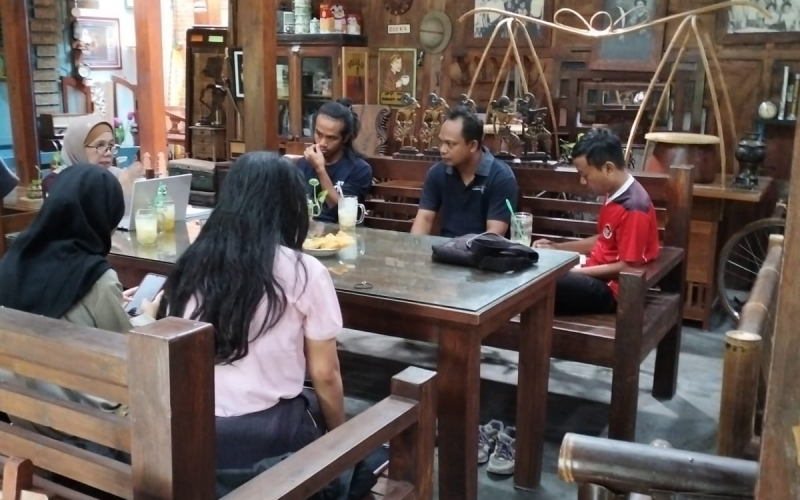
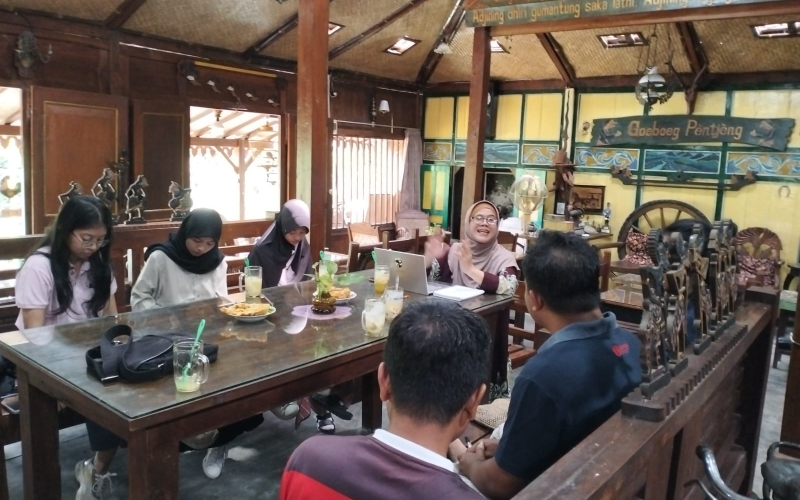
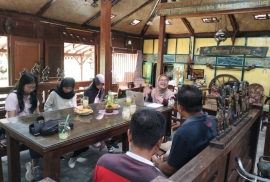
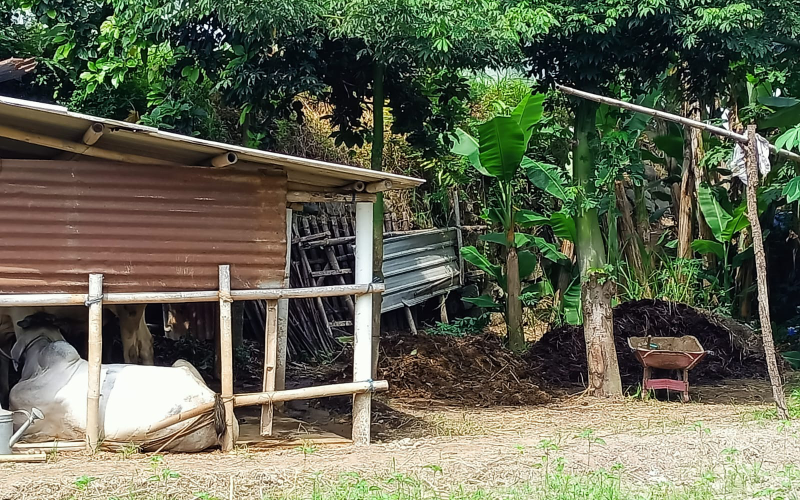
the Gebang Hamlet, Jetis, Wedomartani, Ngemplak, Sleman, is the inadequate management of animal waste (kohe) from cattle and goats. Faculty of Biology UGM through the Community Service – Independent Learning Independent Campus (PkM-MBKM) 2024 activity, led by Prof. Rarastoeti Pratiwi, with members Angela Puspa Larasati, Hanifa Nazaila F, and Nindya Dayita Hapsari held the meeting with the Wedomartani Tourism Awareness Group (Pokdarwis) team, represented by Joni Martono, Rujito, and Gatot Satriya, at Warung Goeboeg Pentjeng, Gebang. The meeting was to initiate the implementation of activities in managing and utilizing animal waste to produce organic fertilizer. Prior to the meeting, a discussion was held to align the perceptions between the head of Pokdarwis Wedomartani, Langgoso Aswin Poetra, and the head of the PkM MBKM team, especially regarding the implementation of activities. This activity supports the Sustainable Development Goals (SDGs), especially goals 13 and 17, Land Ecosystems and Partnerships to Achieve Goals.


The dominant livestock in the Gebang Hamlet are cattle and goats. Currently, animal waste is only collected near the pens, left to dry, and not optimally utilized. Additionally, there is an abundance of bamboo plants in the Gebang hamlet, which produce bamboo leaf litter. Bamboo leaf litter also serves as a medium for the growth of Trichoderma fungus, which has benefits as a biological fertilizer and biofungicide. The meeting discussed strategies for processing and producing organic fertilizer that can be utilized by farmers. It was agreed to process kohe, consisting of cattle and goat waste, along with bamboo leaf litter. This activity will begin with the production of prototype fertilizer products consisting of 6 variants. These prototype variants will be tested on chili plant seedlings to observe their growth. Subsequently, the selected variant of kohe fertilizer products, based on the best growth test results on chili plants, will be produced on a larger scale. To optimize the production of fertilizer on a larger scale, appropriate technology is needed using simple machinery equipment. The nutrient content and potential of these kohe fertilizer variants in supporting chili plant growth will also be tested.
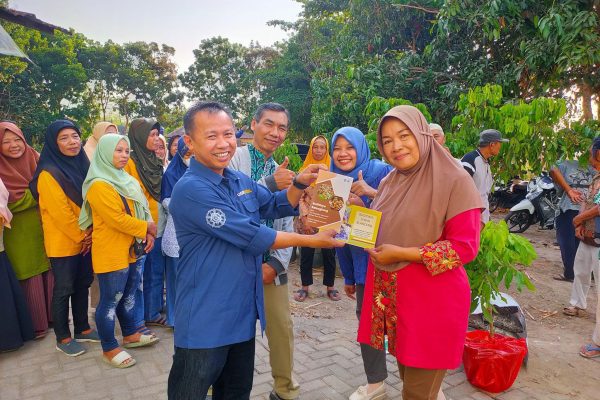
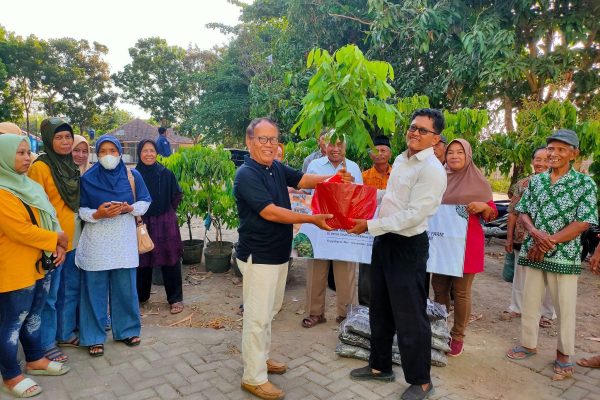
To support the success of these activities, the head of the PkM MBKM team stated, “These activities will run smoothly if there is synergy between the PkM MBKM team and the team from Pokdarwis Wedomartani. To facilitate the activities, it can start by scheduling the implementation time at each stage, by writing down the activities in detail. Additionally, joint commitment is needed to achieve the goal of producing organic fertilizer from kohe waste in the Gebang Hamlet.” In the discussion, many suggestions and ideas were presented by Pokdarwis team members, which were well received by the MBKM students, including efforts to find references to support these ideas. The initiation meeting for these activities proceeded smoothly and optimistically.

SOCIALIZATION OF PkM-MBKM WASTE MANAGEMENT: UTILIZATION OF MAGGOT LARVA INTEGRATED WITH AQUAPONICS FISHERY AND AGRICULTURE SYSTEM WITH KELOMPOK WANITA TANI AMANDA IN WIROKERTEN VILLAGE

Community ServiceHeadlineNews ReleaseWaste Management Monday, 6 May 2024

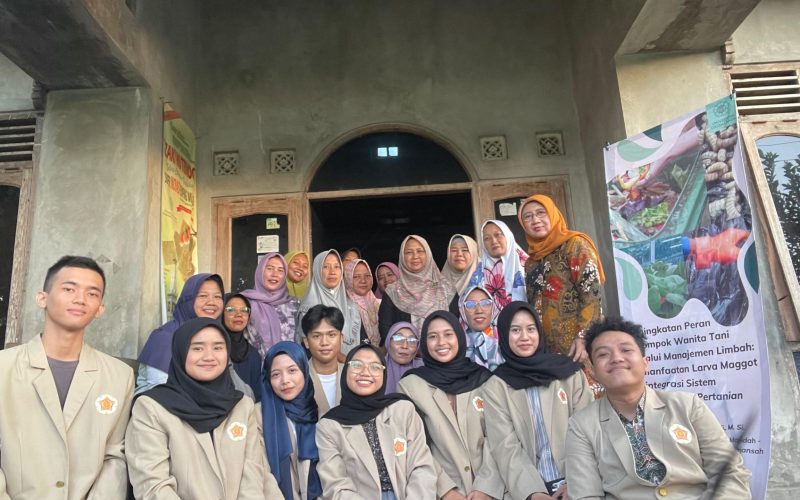
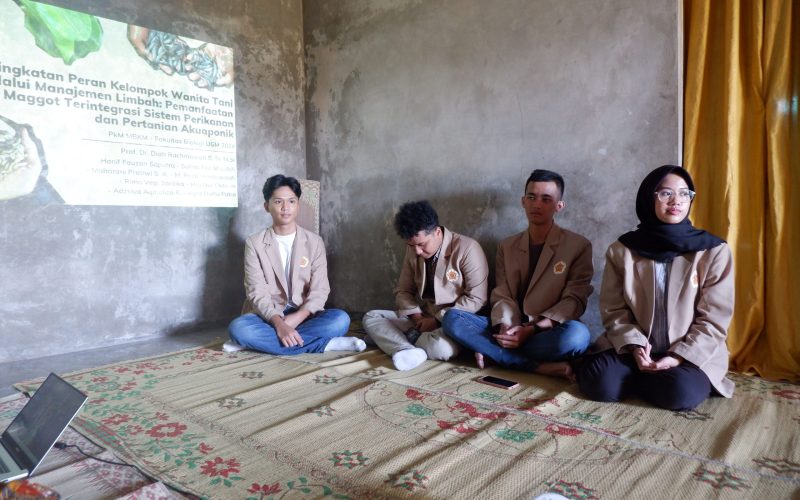
In order to introduce and strengthen community service cooperation with partner villages, the PkM-MBKM Team chaired by Prof. Dr. Diah Rachmawati, S.Si, M.Si. together with Hanif Fauzan Saputra, Salma Nur Majidah, Maharani Pratiwi S.A., M. Reza Hendriansah, Rima Vegi Santika, Eka Nur Oktavia, Adzkiya Aqmaliza R., and Agra Daffa Putra conducted socialization activities for the Merdeka Belajar Kampus Merdeka Program in Kepuh Wetan, Wirokerten Village, Banguntapan Sub-District, Bantul Regency, DIY on Saturday, 4th of May 2024, from 15:30 to 17:00. This activity was attended by the women of the Kelompok Wanita Tani (KWT) Amanda.


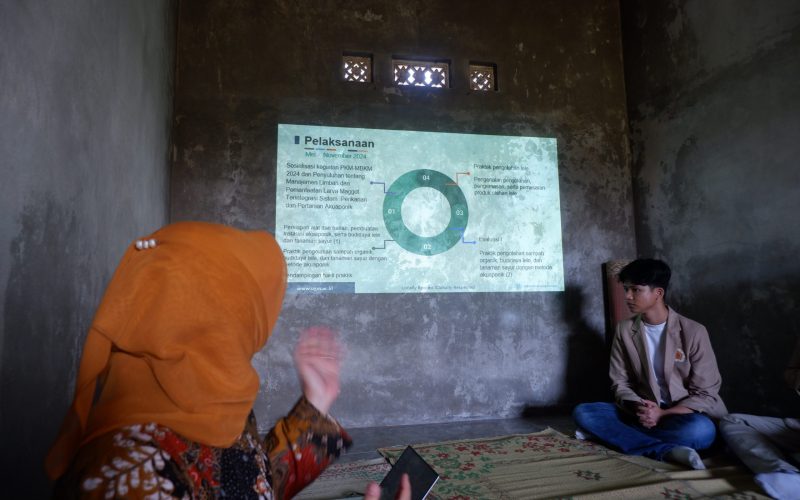
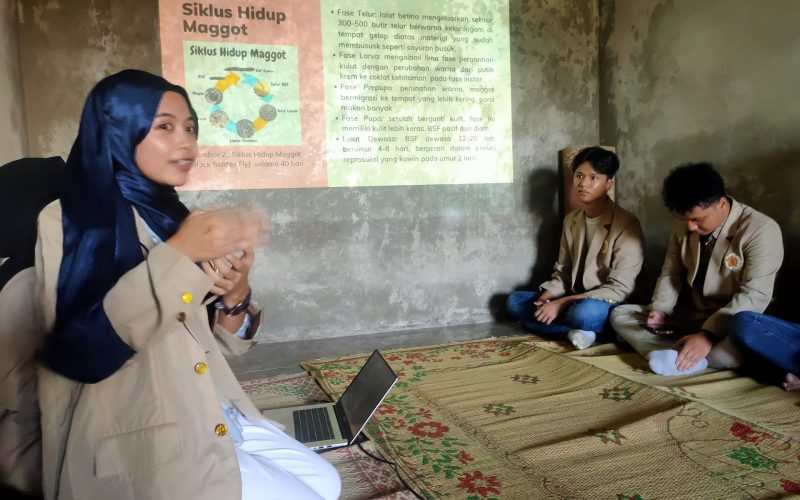
The activity was guided by Agra Daffa as the MC, who started with opening remarks and student introductions. The event continued with speeches from Prof. Dr. Diah Rachmawati, S.Si. M.Si., followed by a speech from Mrs. Marwati, the chairwoman of the KWT Amanda. The PkM MBKM Team delivered socialization material related to the introduction of Circular Waste Management, including: (1) the potential of maggots for organic waste management, (2) introduction to aquaponics systems, and (3) catfish and vegetable cultivation using aquaponic methods.

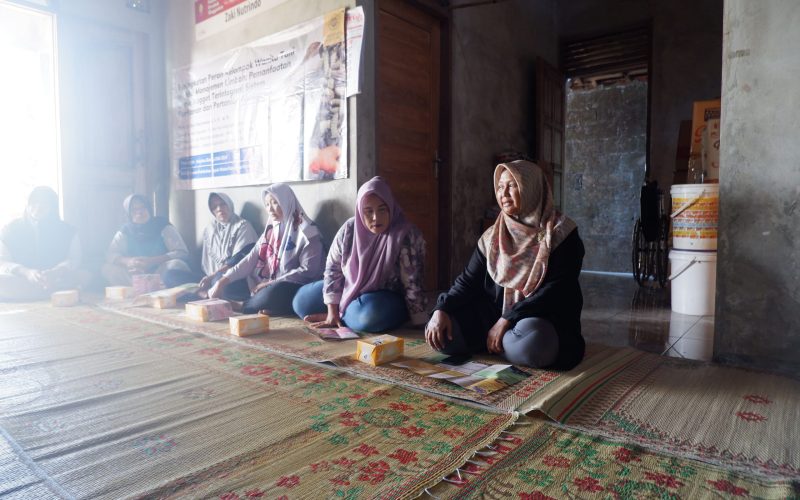
The delivery of this material sparked enthusiasm among the women to learn more about waste management utilizing integrated maggot aquaponics systems. Although not very familiar with maggots, they were very interested in learning and implementing this system in their daily lives, especially as maggots can help minimize household waste issues. During the discussion session, Mrs. Marwati, the chairwoman of KWT Amanda, asked about the concept of maggot cultivation, including preparation of maggot growth media, utilization of organic waste in maggot production, and application and utilization of maggots for fish feed. Additionally, some group members of KWT Amanda inquired about the aquaponics system concept, including cultivation preparation, considerations, and factors affecting aquaponic productivity. Mrs. Marwati also expressed her hope for guidance and direction from Prof. Dr. Diah Rachmawati, S.Si. M.Si. and students in realizing the sustainability implementation of the program to support the empowerment of entrepreneurial independence of KWT Amanda and contribute to the improvement of community economy (SDG 8) and promotes well-being (SDG 3).

With the implementation of this activity, we hope for the sustainability of PkM MBKM activities in Kepuh Wetan, Wirokerten Village. After this socialization activity, it is hoped that the next activities can directly implement the concept of circular waste processing by the KWT Amanda. This activity also aims to build camaraderie between the residents of Kepuh Wetan, Wirokerten Village, and the PkM MBKM Team from the Faculty of Biology, UGM.

Community Empowerment of Sendari Hamlet, Cebongan, Tirtoadi, Sleman Through One Health Education: Healthy Lifestyle for Oneself and the Environment

Community ServiceHeadlineWaste Management Thursday, 14 March 2024

[PkM – MBKM]- Yogyakarta, March 9, 2024 – The Community Service Team of the Independent Learning – Independent Campus (PkM-MBKM) Faculty of Biology 2024 in Sendari Hamlet, led by three lecturers, Novita Yustinadiar, M.Sc., Woro Anindito Sri Tunjung, Ph.D., and Wahyu Aristyaning Putri, Ph.D., along with 13 student members, has implemented the first program in the series of PkM-MBKM activities in Sendari Hamlet. This first program focuses on the theme of OneHealth, aiming to address intricate public health issues by integrating aspects of human, animal, and environmental health. This program took place in Sendari Hamlet, Cebongan, Tirtoadi, Sleman, DI Yogyakarta, started from 15:30 to 17:30 WIB, at the residence of the Head of RT.03. The main objective of this socialization is to empower the community of Sendari Hamlet, Cebongan, Tirtoadi, Sleman by applying the concept of OneHealth in daily life to enhance personal and environmental health.


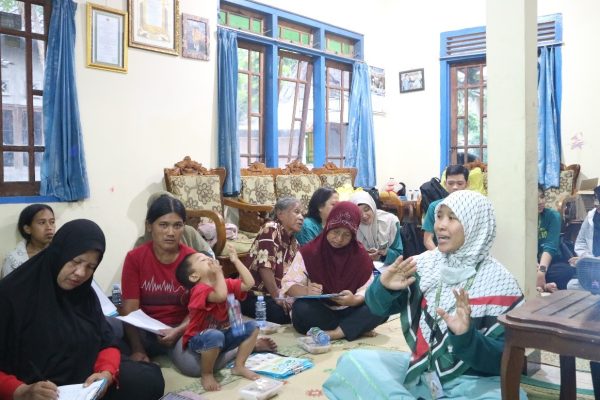
This socialization was attended by the women members of PKK and was opened with a welcoming speech by Mrs. Nelvi, representing the women of Sendari Hamlet. She expected that this socialization would be conveyed in an easily understandable and would benefit the improvement of public health in Sendari, followed by a speech from Novita Yustinadiar, S.Si., M.Si. She explained that the PkM-MBKM program had been initiated since last year and would be continued with various future programs.

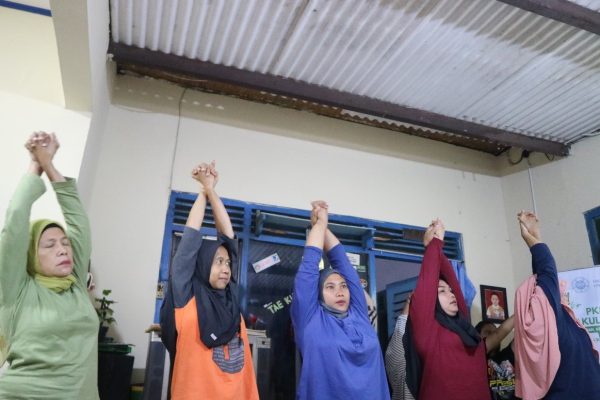
The material was delivered by Wahyu Aristyaning Putri, S.Si., M.Sc., Ph.D., who explained infectious and non-infectious diseases, as well as the prevention, such as effective waste management, healthy and balanced dietary habits, stress management, adequate rest, regular physical activity, and so on. Participants were also asked to schedule weekly physical activity and guided in planning balanced suhoor and iftar menus. The PkM-MBKM team also provided solutions related to stress management through breathing exercises and energy gymnastics. The activity concluded with door prizes for active participants with high pretest scores. The hope is that this socialization will broaden insights to the participant and contribute to transforming the family lifestyles to be healthier.

The Faculty of Biology UGM Establishes Collaboration with LAZNAS Yatim Mandiri, Bumi Sembada Waste Bank, and Jaringan Satwa Indonesia Foundation

CooperationHeadlineWaste Management Thursday, 14 March 2024

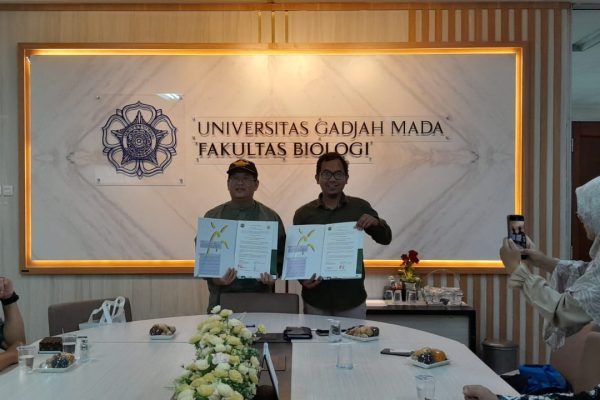
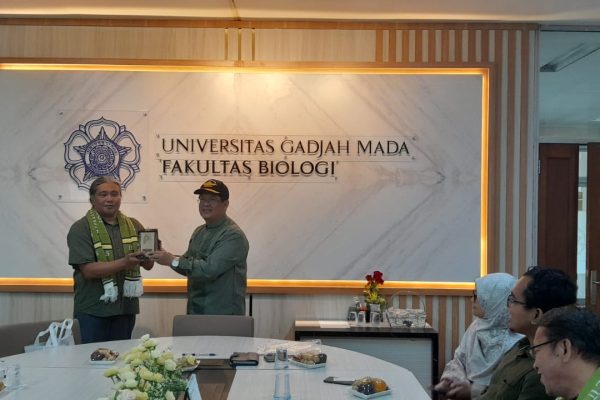
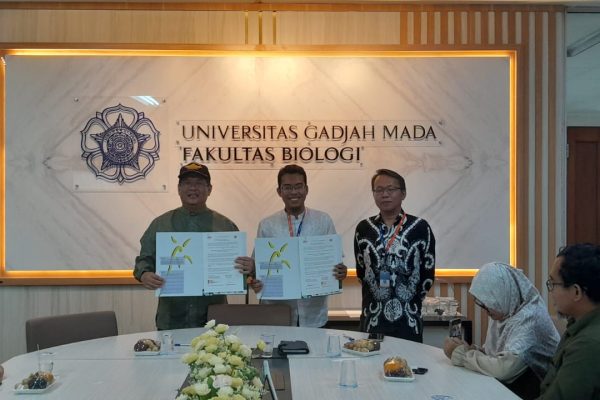
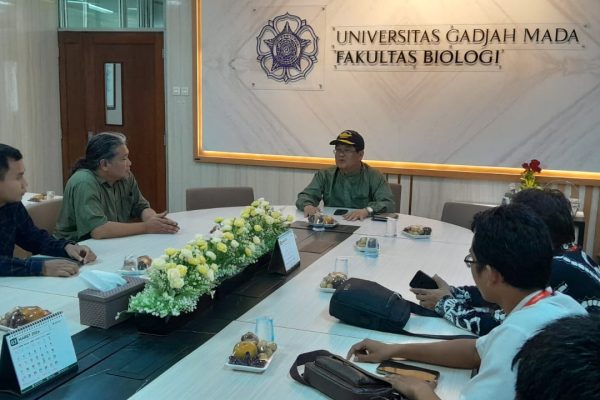
Yogyakarta, March 8, 2023 – The Faculty of Biology received a visit from three MBKM (Independent Learning – Independent Campus) partners. The event took place in the KPTU Meeting Room of the Faculty of Biology, UGM, welcomed by Prof.Dr. Budi Setiadi Daryono, M.Agr.Sc., the Dean of the Faculty of Biology. Also in attendance were representatives from LAZNAS Yatim Mandiri, the Jaringan Satwa Indonesia Foundation, and Bumi Sembada Waste Bank, as well as biology faculty members involved in the collaboration, including Wahyu Aristyaning Putri, S.Si., M.Sc., Ph.D., from the Biotechnology Laboratory; Novita Yustinadiar, S.Si., M.Si., from the Plant Development Structure Laboratory; and Dr. Dwi Sendi Priyono, S.Si., M.Si., from the Animal Systematics Laboratory.


Yatim Mandiri is a National Zakat Amil Institution owned by the Indonesian community, dedicated to uplifting the social dignity of orphans through ZISWAF funds (Zakat, Infaq, Shadaqah, Wakaf), as well as another lawful and legitimate fund, from individuals, groups, companies/institutions. Yatim Mandiri has established 46 service offices in 14 provinces in Indonesia. With its various self-reliance programs, Yatim Mandiri hopes to improve and spread its benefits widely. The Jaringan Satwa Indonesia Foundation is the Jakarta Animal Aid Network, known as JAAN, founded in February 2008 by Femke den Haas, Karin Franken, and Natalie Stewart as a platform for the community to report cases of animal abuse or to obtain information about animal welfare in Indonesia. Meanwhile, Bumi Sembada Waste Bank was founded in 2023 in Sukoharjo Padukuhan Besi Village, Sleman. There are 75 types of waste that the community can sell to the waste bank, with the expectation that the community will be more enthusiastic about sorting waste to improve the economy and help address the waste issues.

The purpose of the visit was to establish cooperation with the Faculty of Biology through the MBKM scheme, with three agreements for each partner. Professor Budi welcomed the initiation and expected that this cooperation would benefit all parties involved.

With the establishment of cooperation with these three partners, UGM’s Faculty of Biology hopes that the knowledge of biology can be beneficial to the wider community and also contribute to sustainable development goals (SDGs), particularly in the development of inclusive education (SDG 4) and sustainable cities and communities (SDG 11), through continuous collaboration and partnership building to achieve the goals (SDG 17).

Initiation of Collaboration between the Faculty of Biology UGM and the Yatim Mandiri Institution, the Bumi Sembada Waste Bank, and Empowerment Practitioners of Volunteer Independence Companions in Addressing Waste Issues.

CooperationHeadlineNews ReleaseWaste Management Monday, 29 January 2024

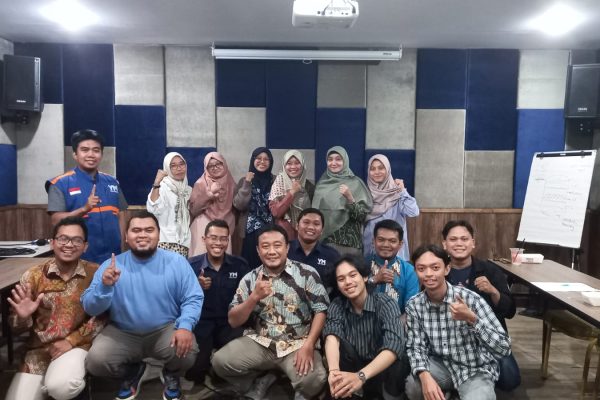
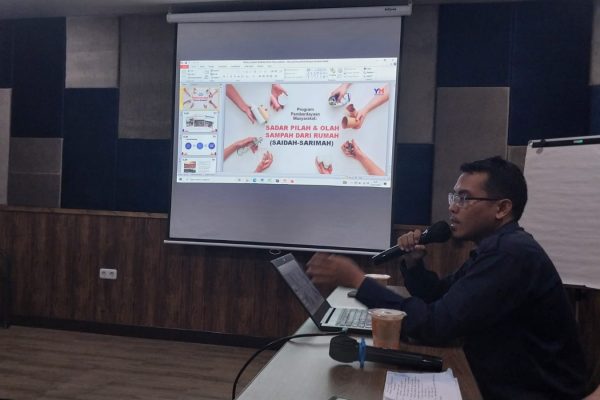
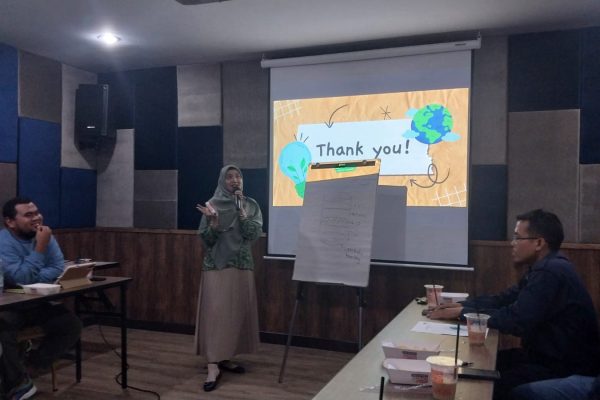
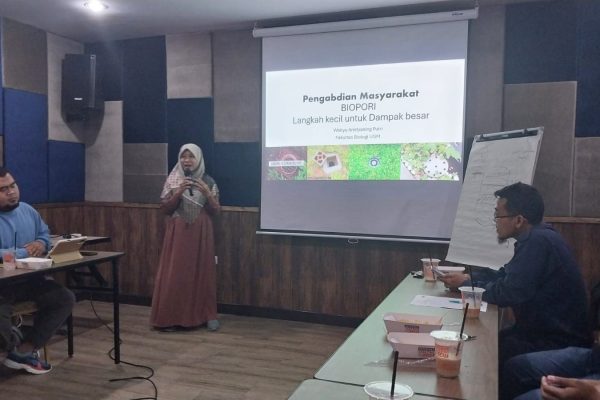
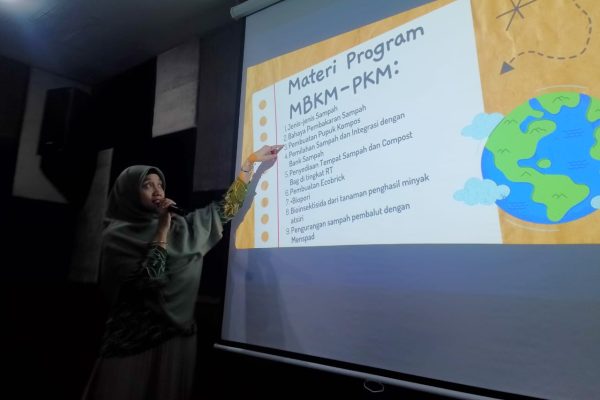
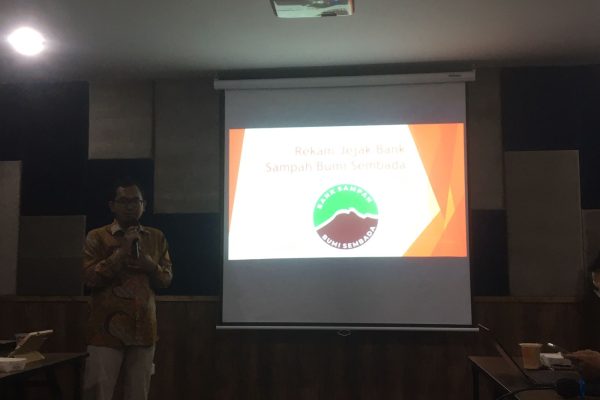
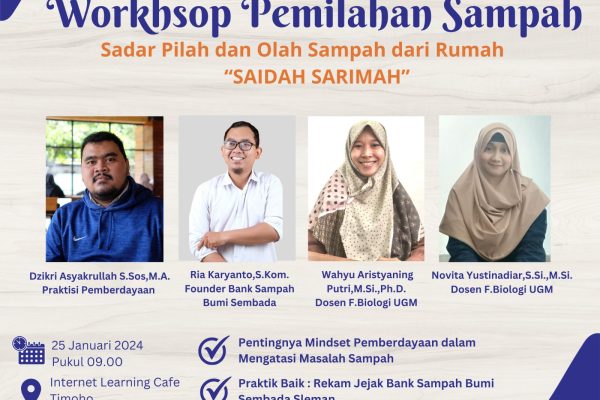
On Thursday, 25 January 2024, a Waste Sorting Workshop titled “Conscious Sorting and Processing of Waste at Home (SAIDAH SARIMAH)” was conducted in collaboration between the Volunteer Independence Companions, the Yatim Mandiri institution, Bumi Sembada Waste Bank, and the Faculty of Biology UGM at Internet Learning Cafe Timoho from 09:00 AM to 12:00 PM WIB and was attended by students and staff from Yatim Mandiri Institution. The workshop’s content was delivered by Dzikri Asyakrullah, S.Sos, M.A., as an Empowerment Practitioner, Ria Karyanto, S.Kom, Founder of Bumi Sembada Waste Bank, Wahyu Aristianing Putri, M.Sc., Ph.D., and Novita Yustinadiar, S.Si., M.Si., as faculty members of the Faculty of Biology UGM. The workshop covered the importance of an empowerment mindset in addressing waste issues, the best practices and track record of the Bumi Sembada Waste Bank Sleman, community service discussing the synergy between academics and practitioners with the implementation of composting and biopore creation.


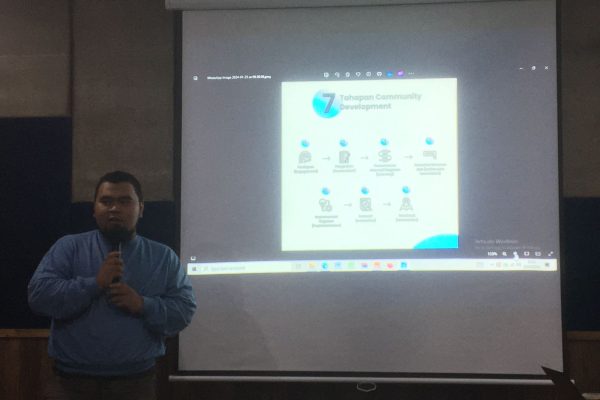
This time, Yatim Mandiri institution innovatively provided assistance in the form of community empowerment programs, aiming for a more significant impact through collaboration with practitioners and academics to address waste issues together with Bumi Sembada Waste Bank. This activity aligns with the PKM-MBKM and Desa Mitra programs that will be implemented by the Faculty of Biology in 2024, with the hope that many villages will become partners with Bumi Sembada Waste Bank. The Bumi Sembada Waste Bank was established in 2023 and was located in Sukoharjo Village, Padukuhan Besi, Sleman. There were 75 categories of waste that the community can sell to the waste bank, aiming to motivate the community to sort waste more diligently, thereby improving the economy and helping to address waste problems. Mr. Zikri outlined seven stages of community development, 1. Preparation: Aligning visions and missions, 2. Assessment, 3. Planning alternative activities, 4. Formulating action plans, 5. Implementing activities, 6. Evaluation, 7. Termination. It was emphasized that there should be involvement, participation, and clear role distribution in an empowerment organization, involving ideas from all members to ensure consistency in community service tasks. The outcome of this activity was the initiation of collaboration among all parties involved in waste bank distribution and the creation of a Zero Waste Management guidebook to be shared with partner villages.

This collaboration initiative was a contribution from the Faculty of Biology UGM to the goals of sustainable development (SDGs), specifically in the development of inclusive education (SDG 4) and sustainable cities and communities (SDG 11) through continuous collaboration and cooperation by building partnerships to achieve goals (SDG 17). Hopefully, this positive synergy can enhance healthy and prosperous living (SDG 3).

Improving the Quality of the Local Chicken Eggs and Marketing for Livestock Farmers in Condong Catur Village, Sleman, Yogyakarta

HeadlineNews ReleaseStudent ActivitiesWaste Management Monday, 4 December 2023

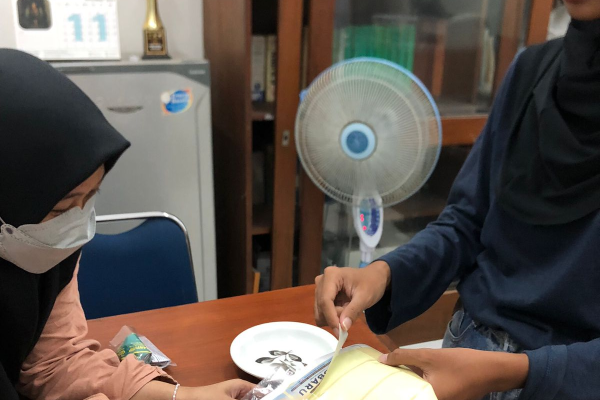
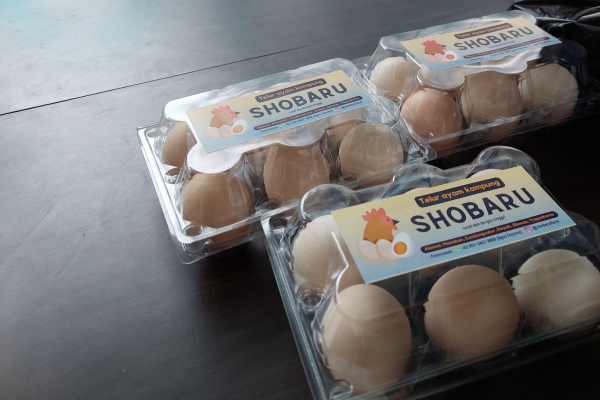
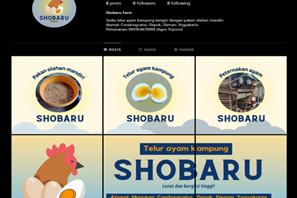
[MBKM-PkM] The Independent Learning Independent Campus (MBKM) Community Service Program team from the Faculty of Biology, UGM, led by Prof. Dr. Endah Retnaningrum, M.Eng., along with four students Avila Kusuma W, Daimeera Anja, Shanaz Dhiya’ul Haq, and Syahidina has been conducting socialization and mentoring sessions with “Shobaru” livestock farmers in Condong Catur Village, Sleman, Yogyakarta, from October to November 2023.


The mentoring aimed to improve the quality of the local chicken eggs through the provision of fermented feed. The quality of these eggs is enhanced compared to those from non-fermented feed. The local chicken eggs have a richer taste and a stronger yolk color due to their high β-carotene content. This improvement is attributed to the higher nutritional content and better digestibility of fermented feed for the poultry. Moreover, providing fermented feed increases the animals’ appetite while reducing the odor from their waste. Additionally, fermented feed serves as a cost-effective alternative to commercial feed, which tends to be more expensive. The team also conducted socialization and mentoring on branding and online marketing of the local chicken eggs through social media platforms, including guidance on managing social media accounts. Packaging the local chicken eggs with branding has expanded their market reach, allowing consumers to locate and contact the local chicken egg farmers, thereby increasing the product’s visibility.

Through the MBKM Community Service activities by the Faculty of Biology, UGM, the “Shobaru” livestock farmers have seen improvements in both the quality of their egg products and their marketing strategies. This has led to sustained economic prosperity for the community while also contributing to environmental preservation.

Socialization and Distribution of Longan Seedlings in the Community Service Program ‘Superior Local Longan Cultivation with Bee Pollinator-based Integrated Farm’ in Sinduadi Village, Yogyakarta

Community ServiceHeadlineWaste Management Monday, 20 November 2023

On Saturday, November 8, 2023, the continuation of the Community Service Program (PkM) in the Partner Village of the Faculty of Biology at UGM was carried out under the leadership of Drs. Ign. Sudaryadi, M.Kes. along with Prof. Dr. Budi Setiadi Daryono, M.Agr.Sc. from the Faculty of Biology at UGM and Tri Joko, S.P., M.Sc., Ph.D. from the Faculty of Agriculture. This community service program entitled “Cultivation of Superior Local Longan with Bee Pollinators-Based Integrated Farming to Enhance Community Productivity in Sinduadi Village.” The activities consist of socialization on Zero Waste Life as a manifestation of Circular Economy to bolster the economy of the Sinduadi village in Mlati, Sleman. Additionally, it involved the distribution of 10 longan seedlings and socialization regarding plant pests and diseases affecting chili peppers and longan.


The event commenced with a presentation by the PkM-MBKM team focusing on Zero Waste Life as an embodiment of Circular Economy to strengthen the economy of Sinduadi village in Mlati, Sleman. During this presentation, discussions centered around the understanding of zero waste, its concepts, steps to adopt a zero-waste lifestyle, and the correlation between zero waste and circular economy. Zero waste emphasizes policies that reduce the use of single-use products and can be implemented through five zero waste concepts: refuse, reduce, reuse, recycle, and rot. Practical implementation includes shopping with personal containers, avoiding single-use products, segregating organic and inorganic waste, and consuming food according to a pre-planned menu. Implementing zero waste aligns with circular economy principles that emphasize reprocessing used goods.

The program proceeded with the distribution of fertilizer by Dr. Ign. Sudaryadi, M.Kes. from the Faculty of Biology at UGM to the head of the Farmer Group in Sinduadi, Mlati, and the handover of 10 longan plant seedlings by Mr. Yusuf Sulaiman, S.I.P., a longan cultivation practitioner from Sawitsari Research Station, Faculty of Biology at UGM. Following this, there was a socialization on plant pests and diseases, specifically those affecting chili peppers and longan, delivered by Tri Joko, S.P., M.Sc., Ph.D. The discussion covered common diseases found in chili plants such as bacterial wilt, Fusarium wilt, anthracnose, yellow virus, and leaf spots. Meanwhile, diseases affecting longan trees include gloesporium spots, black roots, Fusarium wilt, and pestalotia spots. The event concluded with the distribution of a booklet on plant pest diseases by Tri Joko, S.P., M.Sc., Ph.D. to the head of the Women Farmers Group (KWT) in Sinduadi, Mlati.

This activity received enthusiastic participation from the Farmer Group in Sinduadi Village. This program is expected to enhance knowledge and introduce appropriate cultivation techniques for longan plant production, thereby contributing to the economic strengthening of the community in Sinduadi Village.

Faculty of Biology UGM Received Visit from Kemantren Jetis to learn about organic waste processing

HeadlineNews ReleaseWaste Management Monday, 13 November 2023

Organic waste processing is a method of managing waste derived from organic materials, such as food scraps, leaves, and other organic matter that can naturally decompose. The goal of organic waste processing is to reduce negative environmental impacts and utilize the potential energy or products that can be generated from organic waste. Managing waste is a positive activity to mitigate various negative impacts caused by waste, both on the environment and human health. Therefore, it is important to implement sustainable waste management practices, such as recycling, reducing plastic usage, and educating the community about the importance of environmental cleanliness. Additionally, governments, communities, and the private sector need to collaborate to create sustainable and environmentally friendly solutions. This aligns with the Sustainable Development Goals (SDGs), specifically Goal 12, which emphasizes sustainable waste management as a form of responsibility for consumption and production.


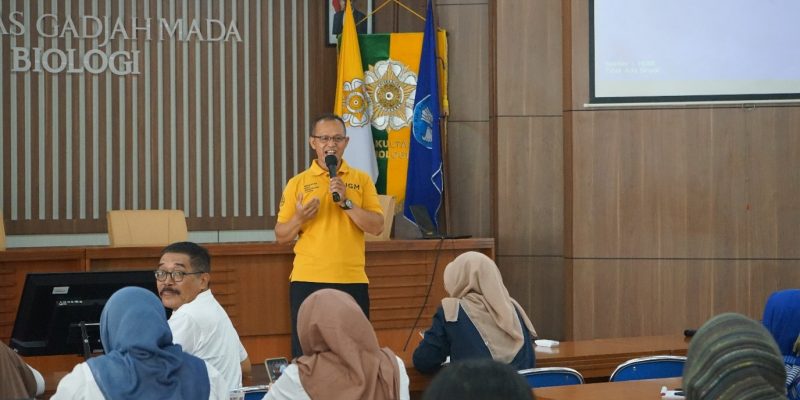
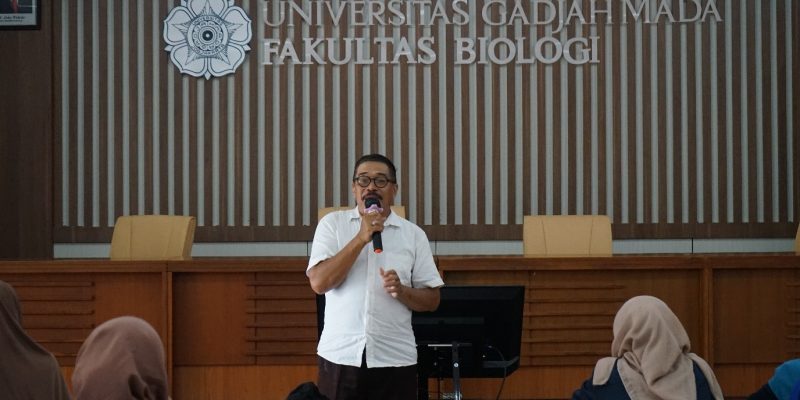
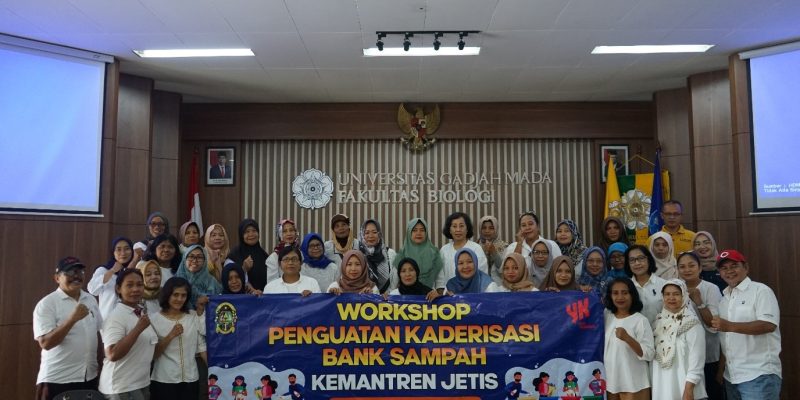
The Faculty of Biology at UGM once again received a visit from Kemantren Jetis, Yogyakarta, to learn about organic waste management using Bio Ferti 2023. “This activity aims to support the growth of family awareness in improving the quality of environmental sustainability, especially in Kemantren Jetis and in the Special Region of Yogyakarta in general,” said Mr. Joko Sularno, Chairman of the Kemantren Jetis Waste Bank Forum, in his remarks.

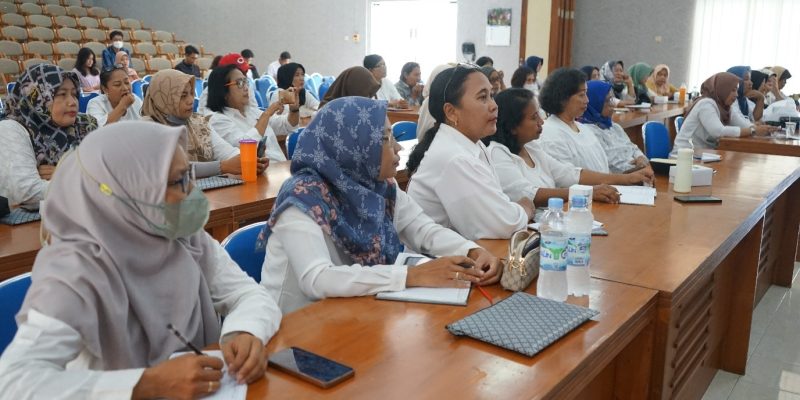
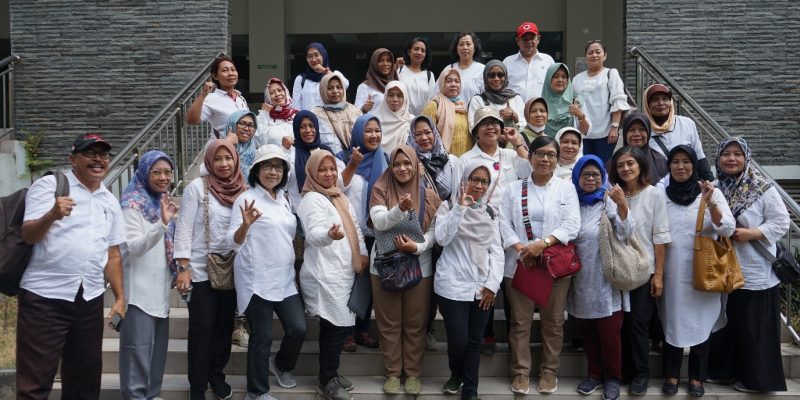
The event was summarized in the Strengthening Workshop for the Cadres of the Kemantren Jetis Waste Bank on Friday, November 10, 2023, at the Tropical Biology Auditorium and the Organic Waste Processing Area of the Faculty of Biology at UGM and was attended by 40 people, including cadres from the Kemantren Jetis Waste Bank and Waste Bank Groups at the RW level in Kemantren Jetis. The workshop was divided into two sessions: the first session included presentations and an introduction to organic waste processing at the Faculty of Biology at UGM, while the second session involved observing the practical process of organic waste processing by the UGM Faculty of Biology Waste Management Task Force.

Mrs. Zaenab, Acting Head of the Kemakmuran Office of Kemantren Jetis, expressed gratitude to Mr. Soenarwan Hery Poerwanto, S.Si., M.Kes., Chairman of the Waste Management Task Force at the Faculty of Biology at UGM, and to the leaders of the Faculty of Biology at UGM for granting permission and welcoming the group to learn about organic waste management using Bio Ferti 2023. She hoped that the participants would bring back useful knowledge after the visit.

Development of Future PHB Plastic-Producing Organisms

HeadlineResearch and PublicationWaste Management Friday, 10 November 2023

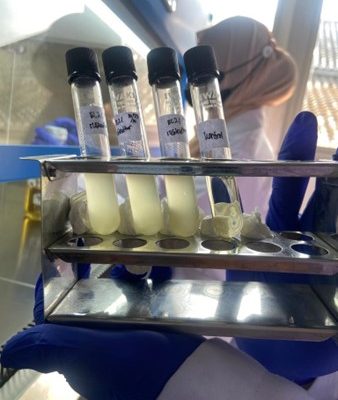
[MBKM]- Plastic has become an inseparable part of modern human life, from clothing, food packaging, household tools, to building materials. Despite its various benefits, plastic poses a significant threat to the sustainability of life on Earth, with over 10 million tons of plastic waste released into the environment and oceans annually. Numerous efforts are ongoing to address this issue, one of which involves seeking alternatives to conventional plastic that are more eco-friendly and sustainable. One potential substitute is PHB or polyhydroxybutyrate, a biopolymer naturally found in various types of microorganisms. It’s believed to become the primary polymer for future plastic materials, replacing conventional petroleum-based plastic due to its biobased, biosynthesized, and biodegradable. Recognizing this challenge and opportunity, three students from the Faculty of Biology UGM, Azizah Tyas Nugrahanty, Bagas Alfian Dwiaryanda, and Lucia Arum Sekar Meysari, embarked on the Independent Learning- Independent Campus (MBKM), focusing on developing effective and efficient PHB-producing organisms by utilizing genetic transformation technology.


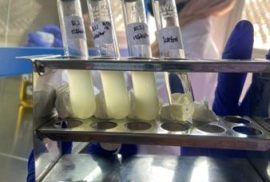
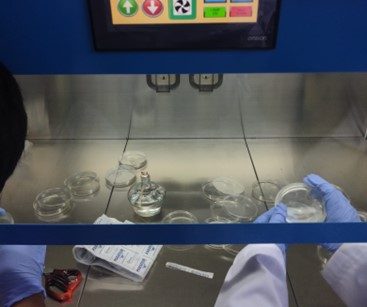
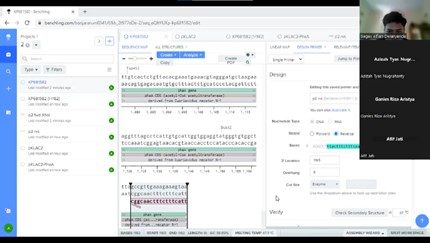
This MBKM program was conducted under the guidance of Ganies Riza Aristya, S.Si., M.Sc., Ph.D., from the Faculty of Biology, UGM, in collaboration with Raden Afif Pranaya Jati, S.P., M.Sc., from the Indonesian Bioinformatics Institute (INBIO-Indonesia). Throughout the research, the students engaged in various activities ranging from dry lab experiments to wet lab experiments. The study began with discussions regarding the selection of vectors and host microorganisms to be used. Subsequently, they designed plasmid vectors for genetic transformation and created primers to serve as markers for positive colony identification through colony PCR. The research then progressed to the wet lab phase at the Genetics and Breeding Laboratory at Faculty of Biology UGM, involving the preparation of competent cells, genetic transformation using the electroporation method, colony PCR followed by electrophoresis to confirm positive colonies carrying the target gene. As of now, the team has successfully incorporated synthetic genes constructed within the plasmid into bacterial cells as candidates for naturally producing PHB microorganisms.
12345

Accreditation

Recent Posts

  • Preserving Indonesia’s Spice Heritage: INUCoST Team of the Faculty of Biology UGM Holds Herbarium-Making Workshop with Leiden Experts and Industry Practitioners
  • From Village to Village: Optimizing Superior Local Chicken and Catfish Seedlings in Tegalrejo Hamlet, Ngresep Village, Boyolali Regency
  • Faculty of Biology UGM and Australian National University Extend Double Degree Collaboration and Explore New Strategic Partnership Opportunities
  • Faculty of Biology UGM Introduces Medicinal Plants to Strengthen Science Literacy Among SDN Pusmalang Students
  • Synergy Between the Faculty of Biology UGM, KOBI, YIBI, and WWF in Strengthening National Biodiversity Research
Universitas Gadjah Mada

UNIVERSITAS GADJAH MADA

FACULTY OF BIOLOGY
Teknika Selatan Street, Sekip Utara,
Yogyakarta 55281
biologi-ugm@ugm.ac.id
Phone/Fax: +62 (274) 580839

About us

  • History
  • Organization
  • Vision and Mission
  • Staff

Student Affairs

  • Student Service
  • Student Organization
  • Submission for Practical Field Work
  • Permission Field Research
  • Permission Thesis/Disertation

academic

  • Academic Regulations
  • Academic Anonncement

Accreditation

  • Image 1
  • Image 2
  • Image 3

© 2024 FACULTY OF BIOLOGY UNIVERSITAS GADJAH MADA

KEBIJAKAN PRIVASI/PRIVACY POLICY

[EN] We use cookies to help our viewer get the best experience on our website. -- [ID] Kami menggunakan cookie untuk membantu pengunjung kami mendapatkan pengalaman terbaik di situs web kami.I Agree / Saya Setuju