• UGM
  • Simaster Portal
  • IT Center
  • Webmail
  • KOBI
  • English
    • Bahasa Indonesia
Universitas Gadjah Mada Universitas Gadjah Mada
Faculty of Biology
  • ABOUT US
    • History
    • Organization
    • Vision and Mission
    • Lectures and Staff
      • Lecturers
      • Adjunct Professor
      • Supporting Staff
    • Facility
      • Laboratories
      • Research
      • Library
      • Museum
      • Mental Health Consultation
      • Disability
  • EDUCATION
    • Undergraduate Program
      • Graduates Learning Outcome
      • Academic Callendar
      • Course
    • IUP
    • Profession Program
      • What is the Professional Study Program in Biodiversity Curator (PKKH)?
      • Admission for New Students of the Biodiversity Curator Profession Program Study
      • Information and FAQ Study Program of Biodiversity Curator Profession
    • Master Program
      • Master Program in Biology Description
      • Curriculum Structure Master Program
    • Doctoral Program
      • Vision, Mission, Objectives, Targets, Competencies, and Learning Outcomes
      • Admission Requirement for Program Doctor in Biological Sciences
      • Admission: What Documents to be prepared?
      • Curriculum
    • Regulations
    • Accreditation & Quality Assurance
  • RESEARCH
    • Journal of Tropical Biodiversity and Biotechnology
    • Berkala Ilmiah Biology
    • Research
    • Publication
  • Community Service
    • Waste Management
  • STUDENTS & ALUMNAE
    • Student Organizations
    • Prospective Career Opportunities
    • SUMMER COURSE
    • Alumnae
  • Home
  • Innovation
  • Innovation
Arsip:

Innovation

Faculty of Biology UGM Expands International Network through Academic Collaboration with DaYeh University, Taiwan

CooperationNews Release Saturday, 8 November 2025

Changhua, Taiwan, November 6, 2025 — As part of its ongoing commitment to strengthening global engagement and enhancing academic excellence, the Faculty of Biology, Universitas Gadjah Mada (UGM), conducted an official visit to DaYeh University, located at No.168, University Rd., Dacun, Changhua 515006, Taiwan (R.O.C.). The visit aimed to broaden international collaboration in education, research, and student mobility through various strategic programs.


The delegation from the Faculty of Biology UGM was led by Prof. Dr. Budi Setiadi Daryono, M.Agr.Sc., Dean of the Faculty of Biology, accompanied by Prof. Dr. Bambang Retnoaji, M.Sc., Vice Dean for Academic and Student Affairs. The delegation also included representatives from other faculties: Prof. Roto, Ph.D., Vice Dean for Academic and Student Affairs of the Faculty of Mathematics and Natural Sciences (MIPA); Dr. Erliss Sulistyarini, Vice Dean for Academic and Student Affairs of the Faculty of Geography; Dr. Andung Bayu Sekti; and Arif Misbahul, Director of the Taiwan Center UGM.
DaYeh University was represented by several university leaders, including Prof. Dr.-Ing. Shih-Jen Yeh, Vice President of DaYeh University; Prof. Yi-Ching Chen, Ph.D., Department of Engineering; Prof. Yi-Lin Chen, Ph.D., Department of Environmental and Safety Engineering; Prof. Daniel Yuen-The Liu, Vice Dean, Office of Foreign Affairs; and Asst. Prof. Wen-Kuang Hsu, Ph.D., Department of Medicinal Botanical and Food on Health Applications.

The meeting began with institutional profile presentations from both universities. In his presentation, Prof. Budi Setiadi Daryono highlighted the achievements and vision of the Faculty of Biology UGM in tropical biology research and education, as well as potential areas of collaboration in biodiversity, conservation, biotechnology, and biomedicine. The main discussion focused on developing joint programs such as Double Degree, Student Exchange, Co-supervision, and Fast Track schemes, followed by a tour of Dayeh University’s laboratory facilities. Both institutions also explored potential collaborative research in biomedical sciences—particularly studies on lung and ovarian cancer—as well as research in food and nutritional sciences and environmental sciences. Further discussions included projects involving zebrafish as a model organism and the development of plant tissue culture for various commodities such as roses, strawberries, and bananas.

As part of the collaboration initiative, DaYeh University offered scholarship opportunities for up to 20 students from the Faculty of Biology UGM to participate in Double Degree programs in biomedical and environmental sciences. This program provides students with valuable international academic experience and the opportunity to build professional networks in Taiwan.

This visit marks a strategic step for the Faculty of Biology UGM in expanding international partnerships, strengthening collaborative research capacity, and supporting the university’s mission of advancing higher education internationalization and global competitiveness. The initiative also aligns with the Faculty’s commitment to the United Nations Sustainable Development Goals (SDGs), particularly SDG 4 (Quality Education), SDG 9 (Industry, Innovation, and Infrastructure), SDG 15 (Life on Land), and SDG 17 (Partnerships for the Goals), through efforts to enhance the quality of biological education, promote innovative cross-disciplinary research, foster global collaboration, and contribute to biodiversity conservation and sustainable scientific development.

Profile of International Genetically Engineered Machine (iGEM) UGM 2025 Team: Winners ofthe International Synthetic Biology Competition in Paris, France

AchivementsNews Release Friday, 7 November 2025

Yogyakarta, Indonesia — The International Genetically Engineered Machine (iGEM) UGM 2025Team represents Universitas Gadjah Mada in the annual international synthetic biologycompetition held in Paris, France. The UGM iGEM Team was first established in 2021 and hascontinued to grow ever since. In 2025, the team is were supported by Anandita Amalia (Biology),Salma Rohmaniah (Biology), Erwinda Dwi Chofifah (Biology), Tsaqifa Zuhayra Emery Bagus(Biology), Nauval Rajwaa Raysendria (Biology), Geraldine Yara Amritarashmi (Biology), TanRendy (Biology), Shainna Nur Sharfina (Biology), and Pamastadewi Pryankha Hijrianto(Biology) in collaboration with 11 other people from faculty of Medicine, Faculty of Pharmacy,Faculty of Biology, Faculty of Mathematics and Natural Science, and Faculty of Agriculture.


Despite their impressive gold medal win at the iGEM Grand Jamboree 2025, the team’s journeyhas been long and full of milestones since 2024. That year, the UGM iGEM Team participated inthe Bioinformatics and Synthetic Biology Competition (BIOS) 2024, organized by synbio.id.They entered two sub-teams — Team Phytovac and Team Gamanthrax — both of whichachieved remarkable success. Team Phytovac won Best Presentation, Best Website, and theGrand Prize Winner, while Team Gamanthrax earned the Best Poster award. Both teams proudlybrought home gold medals, reflecting their dedication, teamwork, and perseverance.

Not stopping at the national level, the UGM iGEM Team also competed in the Global OpenGenetic Engineering Competition (GOGEC) 2025, an international synthetic biologycompetition. At GOGEC, the team won several distinctions, including Runner-Up for BestWritten Communication and Best Project Value, and took home the title of Best ComputationalProject.

Their molecular farming research to produce a Dengue vaccine was thoroughly documented andtransformed into a science dissemination video, earning the team a digital learning contentdevelopment grant in 2025. The proposed video, titled “Tobacco, the Heritage of theArchipelago: From Cultural Rituals to Dengue Vaccine Innovation”, was led by apt. SetyowatiTriastuti Utami, Ph.D. from the Faculty of Pharmacy, Universitas Gadjah Mada.

With all the achievements they’ve accomplished, the UGM iGEM 2025 Team stands as a symbolof passion and creativity in advancing synthetic biology. The team hopes that their innovationscan be applied widely and inclusively across Indonesia, creating a meaningful impact andcontributing to the advancement of science and prosperity of Indonesia.

Universitas Gadjah Mada Team Wins Gold Medal at iGEM 2025 Grand Jamboree

Community ServiceNews Release Friday, 7 November 2025

Yogyakarta, Indonesia — The UGM-Indonesia iGEM 2025 team announced it has won a GoldMedal in the Biomanufacturing Village at iGEM Grand Jamboree held at the Paris ConventionCentre (Porte de Versailles), France.
UGM-Indonesia’s 2025 project advances low-cost biomanufacturing of a DENV-2 Domain IIIsubunit vaccine in Nicotiana tabacum (tobacco). The team’s approach leverages salt-inducibleTYDV Rep/RepA expression systems to drive efficient protein production in plants. This effort isan avenue that could make dengue vaccination more accessible across resource-limited settings.The team’s project focuses on an everyday problem with big impact: making dengue protectionmore affordable and easier to produce. In simple terms, the students are exploring how commonplants can act like tiny factories. If successful, this approach could help lower costs and makeaccess to protection more equitable.


This achievement matters for Indonesia and beyond. Dengue affects ma

ny families every year,and solutions that are practical, safe, and scalable can strengthen public health. The UGMstudents showed how young innovators from Indonesia can contribute ideas that make a realdifference on the global stage.

The project nickname SALTY, or Salt Activated with TYDV, were supported by AnanditaAmalia (Biology), Salma Rohmaniah (Biology), Erwinda Dwi Chofifah (Biology), TsaqifaZuhayra Emery Bagus (Biology), Nauval Rajwaa Raysendria (Biology), Geraldine YaraAmritarashmi (Biology), Tan Rendy (Biology), Shainna Nur Sharfina (Biology), andPamastadewi Pryankha Hijrianto (Biology) in collaboration with 11 other people from faculty ofMedicine, Faculty of Pharmacy, Faculty of Biology, Faculty of Mathematics and Natural Science,and also Faculty of Agriculture.

This project was supported by 15 advisors, coordinated by Dr. Yekti Asih Purwestri, M.Si.(Biology), assisted by Widhi Dyah Sawitri, S.Si., M.Agr., Ph.D. (Agriculture), M. SaifurRohman, M.Eng., Ph.D. (Agriculture), apt. Setyowati Triastuti Utami, Ph.D. (Pharmacy), DewiKartikawati Paramita, S.Si., M.Si., Ph.D. (Medicine), Prof. dr. Tri Baskoro Tunggul Satoto,M.Sc., Ph.D. (Medicine), Dr.rer.nat. Abdul R. Siregar, S.Si., M.Biotech (Biology), IndraLesmana, S.Si., M.Sc. (Biology), Afif Pranaya Jati, S.P., M.Sc. (Biotechnology), Aries BagusSasongko, S.Si., M.Biotech. (Biology), Imam Bagus N., S.Si., M.Sc. (Agrotechnology), OliviaPangaribuan, S.Agr (Master Student in Agriculture), Nayaka Bagus W. A. H., S. Ked. (Alumni ofFaculty of Medicine), apt. I Made Rhamandana Putra, S. Farm (Alumni of Faculty of Pharmacy),and Adhityo W., M.Sc., Ph.D. (GSI).

The fund of this project was supported by Universitas Gadjah Mada, Panin Bank, YSDS,Rentokil, CropLife Indonesia, Forsains Edutech Indonesia, SnapGene, GSI Academy, IGF, PT.Indolab Utama, Merck, and ScienceWerke.

Faculty of Biology UGM Holds Workshop “Investing in the Future: Cultivating Excellence in Science and Biology Learning”

CooperationNews Release Friday, 24 October 2025

Yogyakarta, October 23, 2025 — The Faculty of Biology, Universitas Gadjah Mada (UGM), held a workshop titled “Investing in the Future: Cultivating Excellence in Science and Biology Learning” at the Tropical Biology Auditorium. The event was attended by 130 principals and teachers from 78 senior high schools across 19 provinces in Indonesia, highlighting the Faculty’s commitment to strengthening the synergy between higher education institutions and secondary schools in nurturing future generations of excellence in biology.


The workshop was officially opened by Prof. Dr. Budi Setiadi Daryono, M.Agr.Sc., Dean of the Faculty of Biology UGM, who emphasized the crucial role of biology in addressing global challenges and advancing scientific research. He stated that the Faculty of Biology UGM remains committed to expanding international collaborations, particularly through the International Graduate Program which has established partnerships with leading universities around the world, including several in Taiwan.

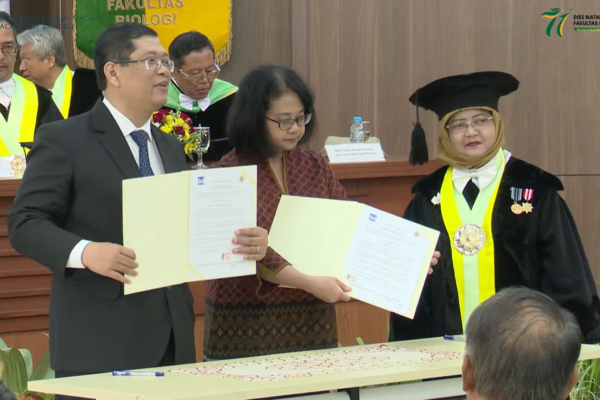
As part of the event, a Memorandum of Understanding (MoU) was signed between the Faculty of Biology UGM and 78 partner schools. This agreement marks a strategic step in fostering collaboration that supports teacher development and facilitates students’ pathways to higher education in science and biology.

The workshop continued with an interactive talk show featuring speakers from Indonesia and abroad, focusing on strengthening biology and science education in the era of global transformation and technological advancement.

The first speaker, Prof. Chen Yuh Wen, Director of the Liberal Education Center and D Infinity College, Da-Yeh University, Taiwan, delivered a presentation on the importance of science and biology education in tackling global challenges such as climate change, food security, biotechnology, and the artificial intelligence revolution. Joining virtually via Zoom, Prof. Chen also engaged in discussions with participating teachers about adapting teaching strategies to keep pace with rapid technological developments.

The second speaker, Ganies Riza Aristya, Ph.D., lecturer and researcher at the Genetics and Plant Breeding Laboratory, Faculty of Biology UGM, shared her academic journey during her studies at Tunghai University, Taiwan. She highlighted the supportive academic environment in Taiwan that encourages student creativity and research, as well as its relevance to advancing biological research in Indonesia.

Following her presentation, Arief Misbahul, MBM, Chairman of the Taiwan Center Indonesia, discussed the opportunities for higher education in Taiwan and the collaboration between Universitas Gadjah Mada and Da-Yeh University through the International Undergraduate Program (IUP) in Industrial Biology at the Faculty of Biology UGM. This program offers Indonesian students access to double-degree pathways, as well as internship and employment opportunities in Taiwan’s growing industrial sectors.
Dr. Eko Agus Suyono, Vice Dean for Research, Community Service, Collaboration, and Alumni Affairs, emphasized that this workshop serves as a platform to strengthen collaboration between the Faculty of Biology UGM, the Taiwan Center, Da-Yeh University, and Indonesian high schools. The goal is to enhance human resource quality and increase both the number of students and the employability of alumni from the Faculty’s Industrial Biology IUP.

To conclude the program, participants visited the Integrated Genome Factory (IGF) — one of the leading genomic laboratories at the Faculty of Biology UGM — which provides state-of-the-art genomic and molecular research facilities. The visit offered firsthand experience of how cutting-edge research contributes to innovation in biotechnology.

This workshop demonstrates the Faculty of Biology UGM’s commitment to supporting the achievement of the Sustainable Development Goals (SDGs), particularly SDG 4 (Quality Education), SDG 9 (Industry, Innovation, and Infrastructure), and SDG 17 (Partnerships for the Goals). Through this initiative, the Faculty continues to invest in inclusive, collaborative, and globally competitive science education for a sustainable future.

The 9th International Conference on Biological Science (ICBS) 2025: Unraveling Biodiversity through Multi-Omics Integration from Genes to Ecosystems

News Release Monday, 20 October 2025

Yogyakarta, October 17–18, 2025 — The Faculty of Biology, Universitas Gadjah Mada, proudly hosts The 9th International Conference on Biological Science (ICBS) 2025 on October 17–18, 2025, at Main Ballroom Loman Park Hotel, Yogyakarta. This prestigious international conference brings together more than 200 participants from various national and international institutions, including academics, researchers, students, and professionals in the field of biological sciences.


The conference was officially opened by Prof. Dr. Danang Sri Hadmoko, S.Si., M.Sc., Vice-Rector for Research, Business Development, and Cooperation, Universitas Gadjah Mada, and Prof. Dr. Budi Setiadi Daryono, M.Agr.Sc., Dean of the Faculty of Biology, Universitas Gadjah Mada.

In his welcoming remarks, Dr. rer. nat. Abdul Rahman Siregar, S.Si., M.Biotech, as the Chair of ICBS 2025, explained that this year’s theme, “Unraveling Biodiversity through Multi-Omics Integration: From Genes to Ecosystems,” reflects the spirit of bridging molecular and ecological sciences to uncover the complexity of life on Earth. Through the integration of various omics approaches—such as genomics, transcriptomics, proteomics, and metabolomics—scientists aim to gain deeper insights into the vital roles of biodiversity in maintaining ecosystem resilience and supporting human well-being.

Dr. Abdul also expressed his appreciation to all partners and participants for their support in the organization of this event. He emphasized the importance of interdisciplinary and international scientific collaboration in addressing global challenges in the field of biology, including climate change, environmental degradation, and food security.

ICBS 2025 serves as a scientific platform for sharing research findings and discussing the latest developments in biotechnology, genomics, ecology, conservation, and the application of multi-omics approaches to understanding biodiversity across different levels of biological organization.

This year’s conference features two distinguished keynote speakers:

  • Dr. Thomas Sicheritz Ponten, Center for Evolutionary Hologenomics, The Globe Institute – Faculty of Health and Medical Sciences, University of Copenhagen, Denmark; and
  • Thorunn Helgason, Chair in Ecology, School of Biological Sciences, University of Edinburgh, Scotland.

In addition, ICBS 2025 presents invited speakers from leading institutions across the world, including:

  • Prof. Dr. Bent Petersen, Center for Evolutionary Hologenomics, The Globe Institute – University of Copenhagen, Denmark;
  • Dra. Tuty Arisuryanti, M.Sc., Ph.D., Department of Tropical Biology, Faculty of Biology, Universitas Gadjah Mada;
  • Chiharu Nakashima, Ph.D., Graduate School of Bioresources, Mie University, Japan;
  • Madya Ts. Dr. Muhammad Abdul Latiff Bin Abu Bakar, Faculty of Applied Sciences and Technology, Universiti Tun Hussein Onn Malaysia; and
  • Riza Arief Putranto, D.E.A., Indonesian Oil Palm Research Institute (IOPRI), RPN Holding PTPN III.

The conference is structured into three main sessions: Keynote Session, Plenary Session, and Parallel Session. Through these sessions, the 80 presenters share their research findings and engage in scientific discussions addressing the challenges and opportunities of applying multi-omics approaches to biodiversity conservation and ecosystem management.

Beyond its scientific objectives, ICBS 2025 also contributes to the advancement of the United Nations Sustainable Development Goals (SDGs), particularly:

SDG 13: Climate Action – promoting research on adaptation and mitigation to climate change,

SDG 14: Life Below Water and SDG 15: Life on Land – supporting biodiversity conservation and sustainable management of terrestrial and aquatic ecosystems,

SDG 3: Good Health and Well-being – advancing biotechnological and genomic research that benefits human and environmental health, and

SDG 17: Partnerships for the Goals – fostering global scientific collaboration among Universitas Gadjah Mada, the Consortium of Indonesian Biologists (KOBI), and Universiti Tun Hussein Onn Malaysia.

ICBS 2025 is expected to strengthen interdisciplinary and international collaboration in addressing global challenges such as climate change, ecosystem degradation, and biodiversity loss. With the spirit of innovation and cooperation, this conference reaffirms the Faculty of Biology, Universitas Gadjah Mada’s commitment to advancing tropical biology research and supporting sustainability initiatives in alignment with the university’s role as a Sustainability University.

Bioinformatics Workshop ICBS 2025: Exploring Metagenome Analysis and Phage Mining with an Expert from the University of Copenhagen

News Release Thursday, 16 October 2025

Yogyakarta, October 16, 2025 — The series of Pre-Conference Workshops of the 9th International Conference on Biological Sciences (ICBS) 2025 continued with the Bioinformatics Workshop under the theme “Metagenome Analysis and Phage Mining.”


The workshop took place at the Teaching Laboratory, 2nd floor of the Sinar Mas Building, Faculty of Biology, Universitas Gadjah Mada (UGM), from 08.00 to 15.30 WIB. The event was opened by Lucia Arum Sekar as the master of ceremonies, followed by the main session delivered by Assoc. Prof. Dr. Bent Petersen from the Center for Evolutionary Hologenomics, University of Copenhagen.

In his presentation, Dr. Bent Petersen introduced various bioinformatics approaches used to interpret metagenomic data, including the identification of phages (bacteria-infecting viruses) and their applications in health, environmental studies, and biotechnology.
A key highlight of the session was the introduction to KBase (the Department of Energy Systems Biology Knowledgebase) a collaborative online platform for efficiently analyzing and integrating genomic data.
Through live demonstrations, participants learned how to process sequencing data, perform gene annotation, and explore functional relationships among microorganisms using the latest bioinformatics tools and databases.

“The ability to understand and interpret genomic data is fundamental in modern biological research. This workshop helps prepare young Indonesian researchers to contribute at the global level,” said Dr. Bent Petersen.

The workshop was attended by participants from diverse academic and research backgrounds who showed great enthusiasm in learning about metagenome analysis and phage mining as innovative approaches to understanding microbial ecology. Through a combination of theoretical and practical sessions, this activity not only strengthened participants’ competencies in bioinformatics but also fostered interdisciplinary and international research collaboration.

In accordance with the Sustainable Development Goals (SDGs), this workshop contributes to SDG 4 (Quality Education) by enhancing academic capacity and digital literacy in bioinformatics; SDG 9 (Industry, Innovation, and Infrastructure) through the application of data analysis technologies and collaborative platforms such as KBase; and SDG 17 (Partnerships for the Goals) by strengthening cooperation between the Faculty of Biology UGM and the University of Copenhagen. Moreover, the utilization of metagenomic insights in environmental research also supports SDG 14 (Life Below Water) and SDG 15 (Life on Land), promoting the balance and sustainability of microbial biodiversity.

Through this event, the Faculty of Biology UGM reaffirms its commitment to advancing bioinformatics research and expanding international academic collaboration to foster sustainable scientific innovation.

#ICBS2025 #FakultyOfBiologyUGM #BioinformaticsWorkshop #UniversityofCopenhagen #MetagenomeAnalysis #PhageMining #KBase #SDG4 #SDG9 #SDG14 #SDG15 #SDG17 #GlobalCollaboration #GenomicInnovation #SustainableScience

Faculty of Biology UGM Hosts Oxford Nanopore Technology Workshop as the Opening Event of ICBS 2025

News Release Thursday, 16 October 2025

Yogyakarta, 15 October 2025 — The Faculty of Biology, Universitas Gadjah Mada (UGM), held the first day of the Pre-Conference Workshop as part of the 9th International Conference on Biological Sciences (ICBS) 2025. The workshop carried the theme “Hands-on Library Preparation for Metagenome Long-Read Sequencing using Oxford Nanopore Technology.”


Held at the Teaching Laboratory, 2nd Floor of the Sinar Mas Building, Faculty of Biology UGM, the workshop was organized in collaboration with Integrated Genome Factory (IGF) and Oxford Nanopore Technologies (ONT) as key partners. This program provided participants with a direct hands-on experience in library preparation for metagenomic analysis using the latest long-read sequencing technology.

The workshop, which took place from 08.00 to 17.00 WIB, was attended by at least 25 participants from various academic and research institutions who were enthusiastic about deepening their knowledge in biotechnology and genomics. Through a practical, hands-on approach, participants were guided through each critical stage, from DNA extraction and quantification to sample preparation for sequencing.

The event began with an opening remark by Mr. Aditya Aryandi S., S.Si., M.Sc., representing Integrated Genome Factory (IGF), who expressed appreciation for the strategic collaboration between IGF and the Faculty of Biology UGM in introducing advanced sequencing technologies to Indonesia’s academic community.
The opening continued with a welcoming address from Dr. Eko Agus Suyono, Vice Dean for Research, Community Service, Cooperation, and Alumni, who emphasized the importance of mastering modern genomic technologies to advance molecular biology research in Indonesia.

“Oxford Nanopore Technology opens vast opportunities for microbial biodiversity and bioprospecting research in Indonesia. We hope participants not only understand the concepts but are also able to apply them directly in the laboratory,” stated Dr. Eko.

In addition to the laboratory practice session, the workshop also featured an introduction to Oxford Nanopore Technologies, highlighting the principles and advantages of real-time sequencing and its potential applications in genomic, metagenomic, and molecular diagnostic research.

In accordance with the Sustainable Development Goals (SDGs), this workshop contributes to several global objectives. It supports SDG 3 (Good Health and Well-Being) by promoting the use of genomic technologies in health and biotechnology research, and SDG 4 (Quality Education) by enhancing the capacity of students and young researchers. It also aligns with SDG 9 (Industry, Innovation, and Infrastructure) through the application of advanced sequencing technologies that strengthen scientific innovation. Furthermore, the metagenomic approaches introduced in this program contribute to SDG 14 (Life Below Water) and SDG 15 (Life on Land) by encouraging the exploration and conservation of microbial biodiversity. By fostering collaboration among academia, industry, and global research partners such as Oxford Nanopore Technologies, this event also reflects SDG 17 (Partnerships for the Goals), emphasizing the importance of international cooperation for sustainable scientific advancement.

As the opening event of the 9th ICBS, this workshop marks an important step in strengthening the capacity of young scientists and fostering genomic research collaboration in Indonesia. The Faculty of Biology UGM remains committed to advancing innovation and the application of cutting-edge technologies in the fields of genomics and bioinformatics.

#ICBS2025 #FakultasBiologiUGM #OxfordNanopore #IntegratedGenomeFactory #BioinformaticsWorkshop #Metagenomics #GenomicInnovation #SDG3 #SDG4 #SDG9 #SDG14 #SDG15 #SDG17 #SustainableScience #ResearchForSustainability

Monitoring the Development of KUB Local Superior Chicken Breeds in Wedomartani, Ngemplak, Sleman, Yogyakarta

Community ServiceNews Release Thursday, 16 October 2025

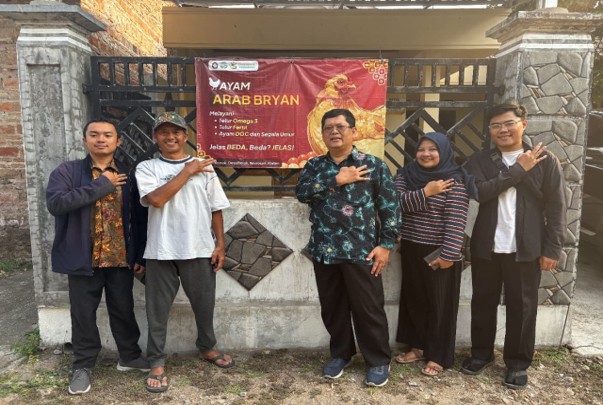
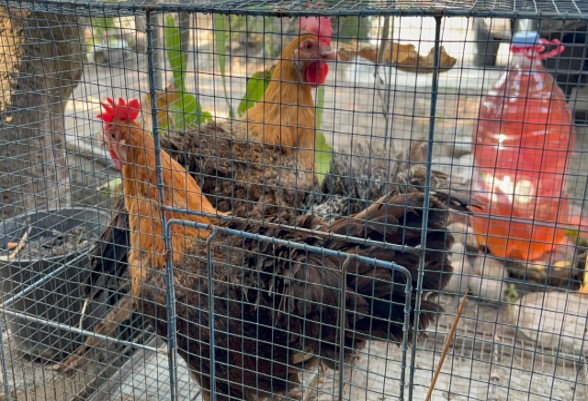
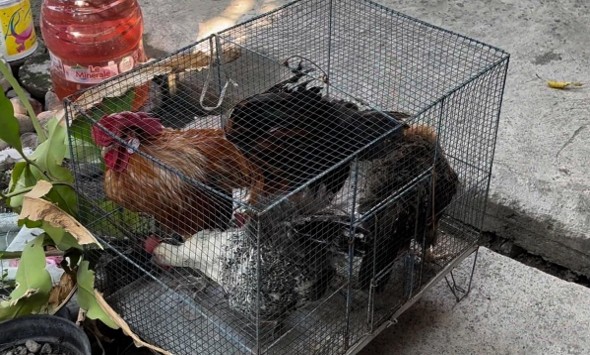
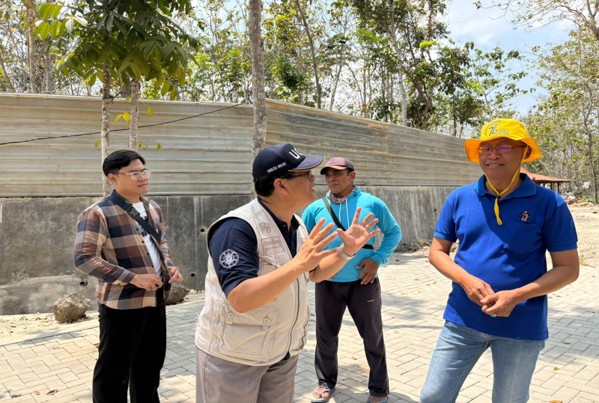
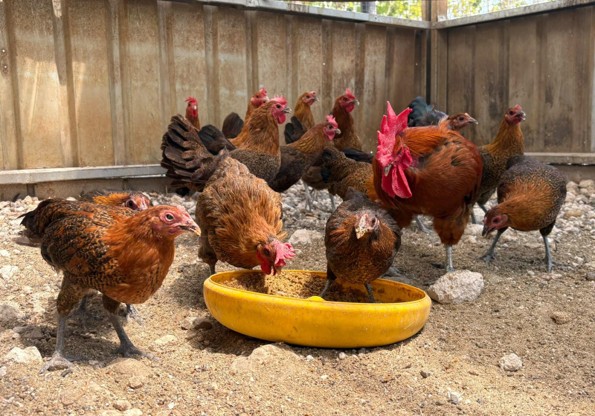
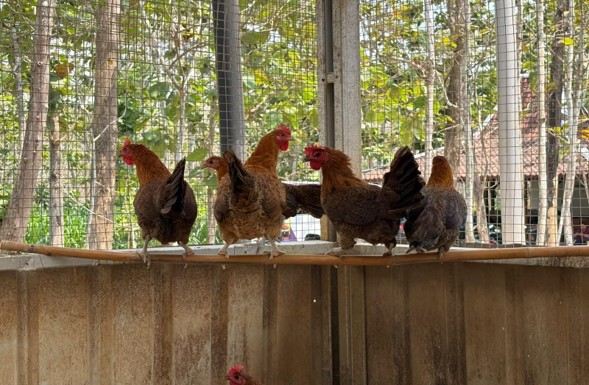
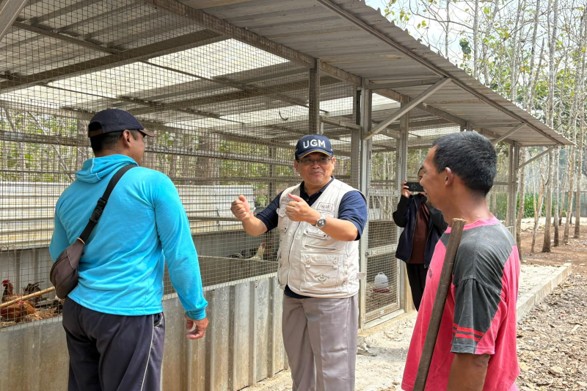
As a follow-up to the outreach activity entitled “Selection and Production of Superior Local Chicken Breeds Based on the Wedomartani Community, Ngemplak, Sleman” held on July 28, 2025, the Community Partner Team of the Faculty of Biology, Universitas Gadjah Mada, represented by Dr. med. vet. Hendry Saragih, M.P. and Dr. Ardaning Nuriliani, S.Si., M.Kes., in collaboration with the Government of Wedomartani Village, conducted a monitoring activity on the development of the superior local chicken breed KUB (Kampung Unggul Balitbangtan). In the previous activity, a total of 48 KUB chickens were distributed to 16 representatives of farmer groups from several hamlets in Wedomartani, with each group receiving one male and two female chickens. This initiative represents a tangible implementation of SDG 17 (Partnerships for the Goals) through cross-institutional collaboration aimed at strengthening community capacity based on scientific knowledge and appropriate technology.
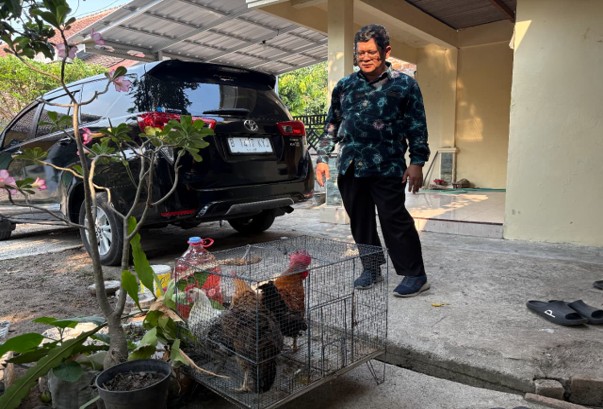
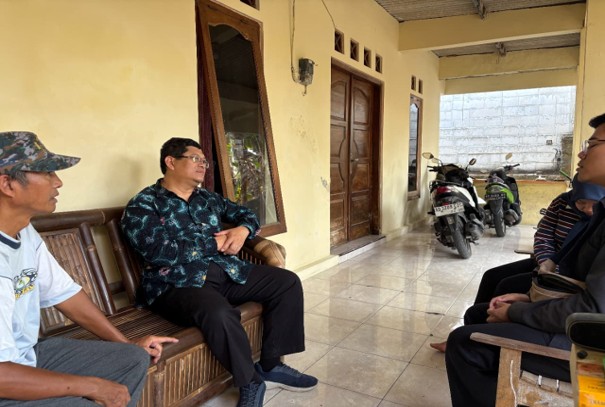
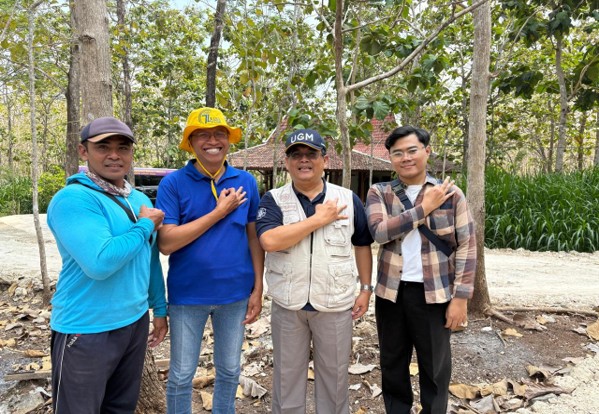
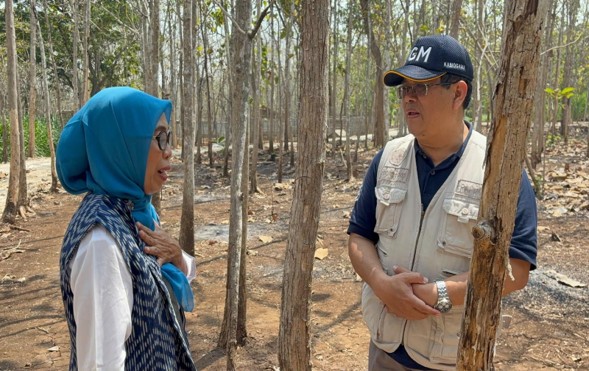
The monitoring was conducted to assess the growth, health, and performance of the KUB chickens, which are now approximately five months old. Field observations showed that all distributed chickens are healthy, well-nourished, and highly adaptable to their rearing environment. The monitoring process was carried out participatively, involving representatives of farmer groups, the community partner team, and Mr. R. Rohmad Gunawan Hardono, S.Pd., the Carik (Village Secretary) of Wedomartani. Mr. Rohmad actively supervised and provided guidance to the beneficiaries. This effort supports the achievement of SDG 2 (Zero Hunger) by ensuring the availability of sustainable and high-quality animal protein sources at the household level.
In addition to ensuring the success of the breeding program, this activity also serves as a continuous educational platform for the community in aspects such as feed management, biosecurity, and maintenance of superior local chicken breeds. By enhancing farmers’ skills and understanding, the program is expected to improve productivity and the sustainability of small-scale poultry enterprises in Wedomartani. Through its participatory and educational approach, this initiative contributes to SDG 8 (Decent Work and Economic Growth) by creating new economic opportunities and increasing rural household income through independent and competitive poultry farming.
The development program of KUB chickens also has a significant social and public health impact. With the availability of affordable and nutritious animal protein sources, this initiative is expected to help improve family nutrition and support healthy and prosperous living, aligning with SDG 3 (Good Health and Well-being). In the coming months, the chickens are expected to enter the egg-laying and breeding phase, producing offspring that can be further developed as new superior local breeds to strengthen local food security. Overall, this activity serves as a model of community empowerment that integrates scientific knowledge, local wisdom, and the principles of sustainable development at the grassroots level.

Contributors: Ardaning Nuriliani, Hendry Saragih, and R. Rohmad Gunawan Hardono.

Herbal and Aromatherapy Education: UGM Faculty of Biology PkM-MBKM Team Promotes Health Innovation in Pajangan Hamlet, Wedomartani, Ngemplak, Sleman, Yogyakarta

Community ServiceNews Release Monday, 13 October 2025

The 2025 Community Service – Merdeka Belajar Kampus Merdeka (PkM-MBKM) Team of the Faculty of Biology, Universitas Gadjah Mada (UGM), successfully conducted an educational program in Pajangan Hamlet, Wedomartani, Ngemplak, Sleman, under the title “Health Innovation through the Making of Aromatherapy Candles and Sharing Healthy Herbal Drink Recipes.” This program aimed to enhance community knowledge and skills in utilizing herbal ingredients for health and well-being—aligned with Sustainable Development Goals (SDGs) No. 3: Good Health and Well-Being and No. 12: Responsible Consumption and Production. The team consisted of five active Biology students from the class of 2022, supervised by Dr. Ardaning Nuriliani, S.Si., M.Kes and partner Mr. Gunardi, S.Si.


The event took place on Saturday, October 11, 2025, at Masjid Jami’ Darussalam, Pajangan Hamlet. The session began with educational talks delivered by Ghefira Nur Fatimah and Nimas Ayu Pramesthi, focusing on two main topics: techniques for making aromatherapy candles and healthy herbal drink recipes. During the hands-on session, participants practiced making aromatherapy candles using natural essential oils such as lavender, lemon, peppermint, and lemongrass. The participants enthusiastically created candles of their own preferences. Beyond serving as air fresheners, aromatherapy candles also help promote relaxation, enhance focus, improve sleep quality, and support meditation and emotional balance. In addition, participants were introduced to various easy-to-make herbal drink recipes designed for home preparation. Each recipe was selected based on its health benefits, such as boosting immunity, aiding detoxification, and maintaining metabolic balance. Thus, participants gained not only theoretical understanding but also practical skills that can be directly applied in daily life. Each participant brought home their own handmade aromatherapy candle as a symbol of the new knowledge and skills they had gained—supporting SDG No. 4: Quality Education.

This program is expected to bring direct benefits to the residents of Pajangan Hamlet while serving as an inspiration for sustainable collaboration between academia and local communities. Through such partnerships, the Faculty of Biology UGM reaffirms its commitment to promoting SDG No. 17: Partnerships for the Goals. With a spirit of sustainability and innovation, the PkM-MBKM Team of the Faculty of Biology UGM demonstrates how scientific knowledge can be applied in real life to improve community well-being.

Contributors: Ardaning Nuriliani, Chelsy Ammara Septiani, Meinawa Amaliah, Nimas Ayu Pramesthi, Syifa Aneira, and Muhammad Fathin Setya Daffa.

PRACTICAL PROCESSING OF HOME GARDEN CROPS INTO MARKETABLE PRODUCTS

Community Service Wednesday, 24 September 2025

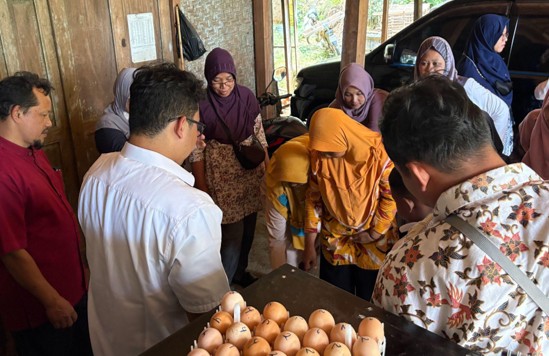
In order to increase the economic value of home garden crops, PkM-MBKM 2025 Team, led by Prof. Dr. Diah Rachmawati, S.Si., M.Si. conducted a practical session on processing the home garden crop into marketable products on Sunday, September 21, 2025, at Padukuhan Kepuh Wetan, Kalurahan Wirokerten, Kapanewon Banguntapan, Bantul Regency, Special Region of Yogyakarta. The PkM-MBKM team from the Faculty of Biology, UGM, consisting of Jovanka, Khansa Fauziah Rachman, Samantha Sonya Putri, and Dhea Amelia, first presented the procedures on how to process the crops, followed by a joint practice session on processing rosella (Hibiscus sabdariffa L.), butterfly pea (Clitoria ternatea L.), ginger (Zingiber officinale Roscoe), and lemongrass (Cymbopogon citratus (DC.) Stapf). During this activity, the cultivated products were processed into rosella syrup and jam, rosella tea, butterfly pea tea, ginger tea, lemongrass tea, and butterfly pea noodles.


The activity began with a presentation on the procedures for making rosella syrup and jam, teas made from rosella, butterfly pea, ginger, and lemongrass, as well as butterfly pea noodles–starting from drying the harvested home garden crops, preparing the ingredients, and processing them. The presentation was then followed by a demonstration on making rosella syrup using dried rosella petals which then reused to make rosella jam to minimize waste. The activity continued with the making of tea from rosella, telang, lemongrass, and ginger with combinations according to the KWT Amanda members’ personal preference and creativity. The PkM MBKM team and KWT Amanda members also collaborated to make noodles with butterfly pea flower coloring, starting from making the dough, flattening, and cutting the noodle dough, then cooking them with various seasonings and toppings such as bok choys, meatballs, sausages, and eggs. The noodle dough was processed in two different ways: some were steamed and then dried, and some were boiled for immediate cooking. All processed products were made without preservatives. At the end of this activity, everyone enjoyed the processed products they had made together.

In this home garden crops product processing practice, KWT Amanda members were very enthusiastic about following each step of making the products from rosella, butterfly pea, lemongrass, and ginger, which they will later be able to do independently when the plants are mature enough to be harvested. KWT Amanda members also actively asked questions and participated in making the processed products, resulting in active interaction between both parties. Additionally, they greatly enjoyed the processed products that were made, which could serve as inspiration for processed home garden crops products that appeal to various groups of society. This activity is expected to increase food availability and security (SDG 2) and produce processed products that can improve the nutritional quality and health of the community (SDG 3). The development of value-added products opens up new business opportunities and strengthens the local resource-based economy (SDG 9), while this collaboration strengthens the relationship between the implementing team and the partner community (SDG 17).
123…12

Accreditation

Recent Posts

  • Faculty of Biology UGM Establishes Academic Collaboration with National Changhua University of Education (NCUE), Taiwan: Double Degree and Student Exchange Programs
  • Faculty of Biology UGM Expands International Network through Academic Collaboration with DaYeh University, Taiwan
  • Profile of International Genetically Engineered Machine (iGEM) UGM 2025 Team: Winners ofthe International Synthetic Biology Competition in Paris, France
  • Universitas Gadjah Mada Team Wins Gold Medal at iGEM 2025 Grand Jamboree
  • UGM Faculty of Biology Strengthens International Network through Visit to National Taiwan University
Universitas Gadjah Mada

UNIVERSITAS GADJAH MADA

FACULTY OF BIOLOGY
Teknika Selatan Street, Sekip Utara,
Yogyakarta 55281
biologi-ugm@ugm.ac.id
Phone/Fax: +62 (274) 580839

About us

  • History
  • Organization
  • Vision and Mission
  • Staff

Student Affairs

  • Student Service
  • Student Organization
  • Submission for Practical Field Work
  • Permission Field Research
  • Permission Thesis/Disertation

academic

  • Academic Regulations
  • Academic Anonncement

Accreditation

  • Image 1
  • Image 2
  • Image 3

© 2024 FACULTY OF BIOLOGY UNIVERSITAS GADJAH MADA

KEBIJAKAN PRIVASI/PRIVACY POLICY

[EN] We use cookies to help our viewer get the best experience on our website. -- [ID] Kami menggunakan cookie untuk membantu pengunjung kami mendapatkan pengalaman terbaik di situs web kami.I Agree / Saya Setuju