• UGM
  • Simaster Portal
  • IT Center
  • Webmail
  • KOBI
  • English
    • Bahasa Indonesia
Universitas Gadjah Mada Universitas Gadjah Mada
Faculty of Biology
  • ABOUT US
    • History
    • Organization
    • Vision and Mission
    • Lectures and Staff
      • Lecturers
      • Adjunct Professor
      • Supporting Staff
    • Facility
      • Laboratories
      • Research
      • Library
      • Museum
      • Mental Health Consultation
      • Disability
  • EDUCATION
    • Undergraduate Program
      • Graduates Learning Outcome
      • Academic Callendar
      • Course
    • IUP
    • Profession Program
      • What is the Professional Study Program in Biodiversity Curator (PKKH)?
      • Admission for New Students of the Biodiversity Curator Profession Program Study
      • Information and FAQ Study Program of Biodiversity Curator Profession
    • Master Program
      • Master Program in Biology Description
      • Curriculum Structure Master Program
    • Doctoral Program
      • Vision, Mission, Objectives, Targets, Competencies, and Learning Outcomes
      • Admission Requirement for Program Doctor in Biological Sciences
      • Admission: What Documents to be prepared?
      • Curriculum
    • Regulations
    • Accreditation & Quality Assurance
  • RESEARCH
    • Journal of Tropical Biodiversity and Biotechnology
    • Berkala Ilmiah Biology
    • Research
    • Publication
  • Community Service
    • Waste Management
  • STUDENTS & ALUMNAE
    • Student Organizations
    • Prospective Career Opportunities
    • SUMMER COURSE
    • Alumnae
  • Home
  • SDG 14 : Develop Life Below Water
  • SDG 14 : Develop Life Below Water
Arsip:

SDG 14 : Develop Life Below Water

Keeping Research on Track, UGM Biology PhD Candidates Present their Research Progress

News ReleaseStudent Activities Monday, 22 December 2025

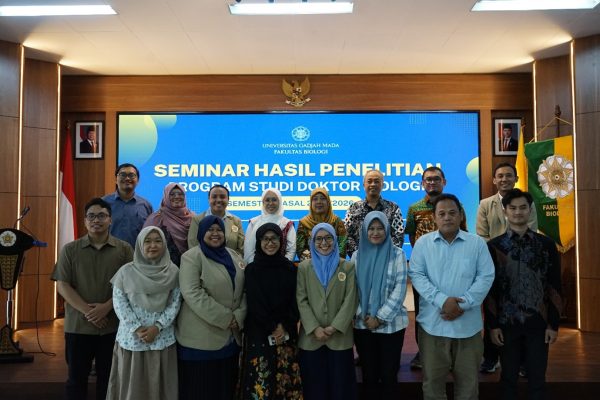
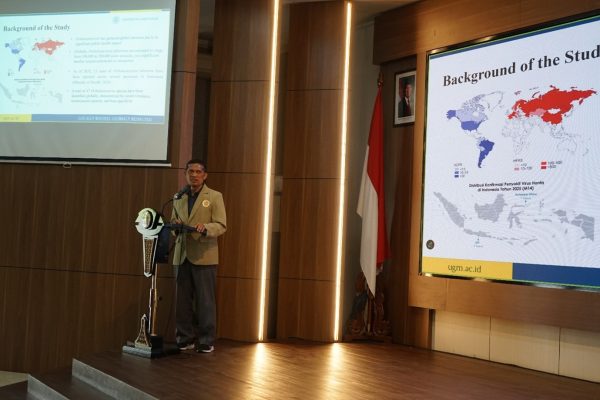
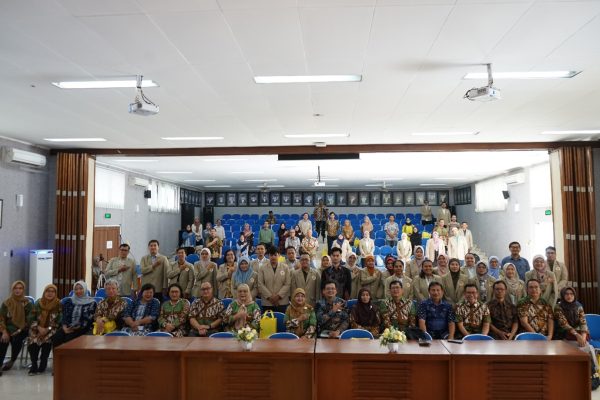
The Faculty of Biology, Universitas Gadjah Mada (UGM) held its Doctoral Research Progress Seminar on 18 December 2025 at the Faculty of Biology, UGM. This seminar is a mandatory academic activity as part of the Dissertation Research Courses in the doctoral curriculum.


The event commenced with a report delivered by the Head of the Doctoral Program in Biological Sciences, Prof. Rina Sri Kasiamdari, Ph.D., followed by a welcoming address and official opening by the Dean of the Faculty of Biology, Prof. Dr. Budi Setiadi Daryono, M.Agr.Sc. In his remarks, the Dean highlighted the Faculty’s ongoing commitment to academic excellence and to advancing biological research that addresses global challenges in line with the United Nations Sustainable Development Goals (SDGs).

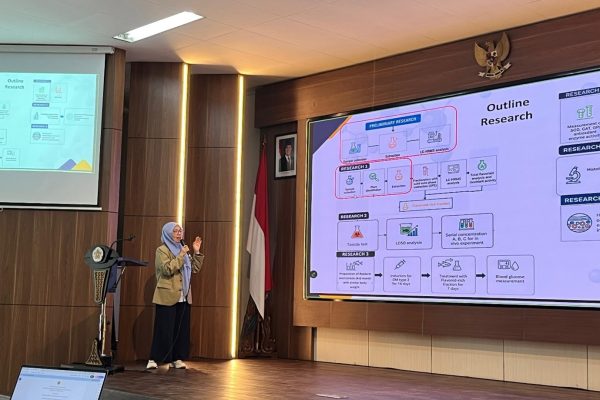
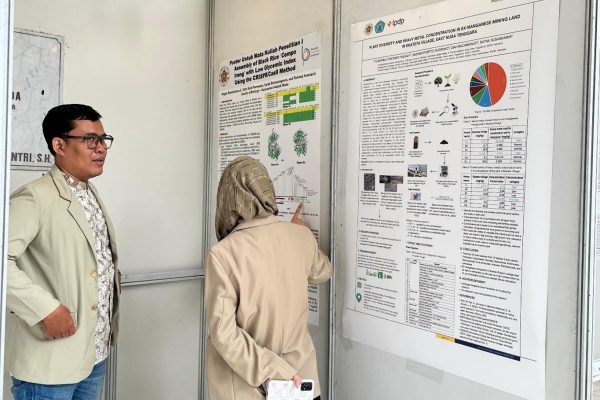
During the seminar, doctoral candidates presented updates on their research progress, discussed challenges encountered, and outlined their plans for the next phases of their studies. The seminar provided an essential platform for structured academic reflection, peer engagement, and systematic evaluation of doctoral research trajectories, ensuring that students remain on track toward timely completion of their degrees. In addition to oral presentations, students showcased their research through posters, allowing fellow students and participants to engage with and learn from each other’s work. This format provided an accessible platform to highlight individual achievements and promote knowledge exchange within the academic community.

The research topics presented showcased the Faculty’s contributions to multiple SDGs, including SDG 3 (Good Health and Well-being), SDG 4 (Quality Education), SDG 13 (Climate Action), SDG 14 (Life Below Water), and SDG 15 (Life on Land). These contributions were exemplified through studies spanning health-related biology, biodiversity, ecology, and conservation biology.

Each presentation was assessed by the Promotor Team, who provided constructive feedback and academic evaluation. Assessments emphasized the alignment of research objectives with outcomes, the rigor of scientific analysis, identification of research challenges, and clarity of future research directions, particularly in relation to sustainability goals.

Through seminars such as this, the Faculty of Biology, UGM, continues to foster a rigorous and supportive doctoral research environment, ensuring that scholarly work remains both scientifically robust and globally relevant.

Chaotic, Transforming, Unforgettable: Adéla Straková’s Student Exchange Activity at UGM

News ReleaseStudent Activities Thursday, 18 December 2025

The Faculty of Biology at Gadjah Mada University (UGM) recently hosted Adéla Straková, an undergraduate student in Biomedical Sciences from Vrije Universiteit in Amsterdam, Netherlands. Adéla chose UGM as her first choice for an exchange, driven by the desire for a completely different cultural experience on the other side of the world, coupled with UGM’s good reputation and the promise of Indonesia’s amazing nature and people.

Navigating a New Academic Structure

Adéla described her overall academic experience at the Faculty of Biology as “very positive,” though she noted that some differences required adjustment. She cited the mandatory attendance in lectures and the initial challenges in scheduling subjects as practices new to her, accustomed to the standards of her home university.

She also mentioned that classes were often rescheduled or cancelled at the last minute, making the semester feel “a little bit rocky” at first. However, she emphasized that the faculty did their best to accommodate the exchange students’ needs.

Despite these adjustments, Adéla found significant value in her coursework, particularly enjoying classes that allowed for debate and sharing perspectives.

“I think I most enjoyed the classes where we were able to debate with others and share our points of view. I learned the most about Indonesian economical, political and ecological background through that and am very grateful for classes like Environmental Pollution and Toxicology and the students and teachers in that class!”

A Personal Approach to Learning

Adéla noticed distinct differences in the teaching style. The biggest difference was the personal approach and the close relationships formed with lecturers, contrasting sharply with the large lectures (often over a hundred students) at her home university. The significantly smaller class sizes at UGM allowed for closer relationships, debates, and listening to diverse cultural perspectives.

She noted: “Generally, I would say the focus of education here is not much on memorizing material but more debating and gaining knowledge by interactions with others.”

Another unique aspect was communicating with lecturers via WhatsApp, which, though initially strange, helped “break down some barriers” and made communication more natural and comfortable, sparking future conversations.

Embracing the “Slow Life” of Yogyakarta

Adéla’s first impression of Yogyakarta was a mix of confusion and fear, but the city quickly “grew on me like no other.” She discovered that while it might not be a typical tourist destination, living there was “one of the best experiences of my life.” Her initial impression of UGM was the sheer size of the campus, though she rarely ventured outside the Faculty of Biology area.

What left a strong cultural impression was the Indonesian ability “to just sit back and enjoy life without rushing off anywhere”—a slower pace she is still trying to embrace. She also loved the food and how much of the food culture aligns with nature.

A Powerful Lesson in Kindness

When asked about an “only in Indonesia” moment, Adéla shared a memorable incident when her scooter broke down in the middle of the street. Before she could even process what happened, “there were suddenly at least three people helping me out.”

“They quickly helped me fix the scooter and only smiled when I was thanking them. I think this kindness and helping others without expecting anything in return is what makes Indonesia so special, and more people and cultures could learn a thing or two.”

Outside the classroom, Adéla was fortunate to travel extensively, noting that every corner of Indonesia is beautiful and that the diversity—of nature, religion, and cultures—never stops amazing her.

Advice for Future Students

Adéla’s advice for future international students joining the UGM exchange program is centered on patience and interaction:

  • Take things slow, focus on the positives, and embrace the slow life culture.
  • Understand that while not everything is 100% efficient, “that doesn’t mean it is worse.”
  • Learn as much Bahasa Indonesia as you can and don’t be afraid to interact with local people, who are “the nicest and friendliest people.”
  • Always be respectful, recognizing the opportunity to witness the actual day-to-day life of the people here.

Adéla Straková summarizes her time at UGM with three words: “Chaotic, transforming, unforgettable.”

Layla McKenzie: “Epic, Educational, and Memorable” – A Deakin University Student’s Exchange Story at UGM Biology Faculty

News ReleaseStudent Activities Wednesday, 17 December 2025

The Faculty of Biology at Gadjah Mada University (UGM) was proud to host Layla McKenzie, a Bachelor of Science (Environmental Science) student from Deakin University, Melbourne, Australia, who recently completed the Biology International Undergraduate Program (IUP) exchange. Inspired by basic Indonesian language lessons in primary school and geographical proximity, Layla chose UGM based on recommendations for its strong international program and the rich culture of Yogyakarta—a city she confirms is excellent for students.


Relevant Learning and Warm Interaction

Layla described her academic experience at the UGM Faculty of Biology as “great.” She enjoyed attending classes and learning from UGM lecturers, finding the campus lovely and the classrooms comfortable. Her favorite course was Environmental Science due to its high relevance to her degree in Australia. She praised the engaging topics, the assigned tasks, and the lecturer, calling the class discussions enjoyable.

Uniquely, Layla highlighted a difference in teaching style: “I find the lecturers here are more approachable compared to my home university, and there was more engagement with the students attending the lectures.”

Falling in Love with the Culture and Warm Welcome of Yogyakarta

Layla’s first impression of Yogyakarta and UGM was one of instant adoration. She praised the beauty of the UGM campus, with its many trees and cafes perfect for studying, as well as the warmth and welcoming nature of everyone she met. The UGM Biology team was also noted for being quick to answer questions and ensuring the students had everything needed to settle in. She described Yogyakarta as a city rich in culture and history.

The local cultural experiences left a strong impression, particularly the culinary scene. Layla loved eating at local warungs and getting to know the Ibu’s (mothers) at each one, who were quick to look after her and her friends. She even has favorite dishes she called “enak banget!” (very delicious!): lotek at Jasmine Corner and nasi pecel at Warung Santai. Beyond food, she enjoyed watching dance performances and visiting the beautiful temples in the surrounding areas.

Unforgettable Moments Beyond the Classroom

When asked about an “only in Indonesia” or “only in Yogyakarta” moment, Layla mentioned the surreal feeling of sitting on the back of a Gojek at night, zooming through the streets, and reflecting on the fact that she was living in Indonesia. Another spectacular moment she recalls is seeing the lava erupt at Mount Merapi, alongside many wholesome experiences of sharing meals with local people.

Outside of academics, Layla took the opportunity to travel extensively across Indonesia. Her trips included visiting Banda Aceh in Sumatra, seeing orangutans in Kalimantan, snorkeling at Karimunjawa, hiking at Salatiga, and witnessing the blue fire at Ijen. She also engaged in cultural activities, such as learning how to make batik and its history at Kota Gede.

Advice for Future Exchange Students

For future international students interested in the UGM exchange program, Layla offered some encouraging advice:

“Attend any social events organised by the university, and try to join some form of club. Try as much local food as you can and don’t be nervous about getting sick, it’s very aman (safe)! Make sure you say yes to any opportunity to experience or learn something new!”

Layla McKenzie summed up her entire UGM experience in three words: “Educational, memorable, and epic!”

Synergy Between the Faculty of Biology UGM, KOBI, YIBI, and WWF in Strengthening National Biodiversity Research

CooperationNews Release Monday, 24 November 2025

Yogyakarta, 21 November 2025 — The Faculty of Biology, Universitas Gadjah Mada (UGM), welcomed a visit from the Indonesian Biodiversity Indicator Foundation (YIBI) together with World Wildlife Fund (WWF) Indonesia. The visit marked the official initiation of a collaborative partnership between the Faculty of Biology UGM and the Indonesian Biology Consortium (KOBI) with YIBI.


Held in the KPTU Meeting Room of the Faculty of Biology UGM, the meeting was attended by Prof. Ir. Ign. Pramana Yuda, M.Si., Ph.D., Chair of YIBI; Barano Siswa Sulistyawan, Ph.D., Vice Chair of YIBI (joining online); Prof. Dr. Jarulis, S.Si., M.Si., Secretary of YIBI; and Paskalina Th. Litaay, M.Sc., Treasurer of YIBI. Representing WWF Indonesia were Muhammad Ali Imron, Director of Forest & Wildlife WWF Indonesia, and Oki Hadian Hadadi. Also present were Saufina Athaya Putri Nugraha, S.PWK and R.A. Callysta Sevanda Calyacetta from YIBI, serving as Administrative Support and Data Statistics officers. The delegation was welcomed by Prof. Dr. Budi Setiadi Daryono, M.Agr.Sc., Dean of the Faculty of Biology UGM and Chair of KOBI, accompanied by Prof. Dr. Suwarno Hadisusanto, Advisor of KOBI, and Dr. Eko Agus Suyono, M.App.Sc., Vice Dean for Research, Community Service, Collaboration, and Alumni Affairs of the Faculty of Biology UGM.

Opening the discussion, Prof. Pramana Yuda expressed his strong support for the upcoming collaboration between YIBI and the Faculty of Biology UGM. Dean Prof. Budi likewise affirmed the Faculty’s commitment to advancing this partnership. Through this collaboration, YIBI, KOBI, WWF Indonesia, and the Faculty of Biology UGM aim to jointly develop the Indonesian Biodiversity Index (IBI), with a focus on enriching primary data sources, strengthening researcher collaboration, and expanding biodiversity research efforts across various regions in Indonesia.

WWF Indonesia Director Ali Imron emphasized that the IBI is expected to become a key instrument and an indicator capable of guiding national sustainable development initiatives.

The event continued with the official signing of cooperation agreements between YIBI and the Faculty of Biology UGM, as well as between YIBI and KOBI. Through this formalization, all parties hope to build a stronger collaborative ecosystem for monitoring, managing, and conserving Indonesia’s biodiversity, ensuring that research findings and generated data can be utilized to support policymaking, education, and ecosystem restoration in the future.

As a commitment to sustainable development, this collaboration also supports the achievement of several Sustainable Development Goals (SDGs), particularly SDG 13 (Climate Action), SDG 14 (Life Below Water), and SDG 15 (Life on Land). Moreover, it aligns with SDG 17 (Partnerships for the Goals) by strengthening synergy among academia, conservation organizations, and national institutions in safeguarding biodiversity as a foundation for the nation’s long-term prosperity.

The 9th International Conference on Biological Science (ICBS) 2025: Unraveling Biodiversity through Multi-Omics Integration from Genes to Ecosystems

News Release Monday, 20 October 2025

Yogyakarta, October 17–18, 2025 — The Faculty of Biology, Universitas Gadjah Mada, proudly hosts The 9th International Conference on Biological Science (ICBS) 2025 on October 17–18, 2025, at Main Ballroom Loman Park Hotel, Yogyakarta. This prestigious international conference brings together more than 200 participants from various national and international institutions, including academics, researchers, students, and professionals in the field of biological sciences.


The conference was officially opened by Prof. Dr. Danang Sri Hadmoko, S.Si., M.Sc., Vice-Rector for Research, Business Development, and Cooperation, Universitas Gadjah Mada, and Prof. Dr. Budi Setiadi Daryono, M.Agr.Sc., Dean of the Faculty of Biology, Universitas Gadjah Mada.

In his welcoming remarks, Dr. rer. nat. Abdul Rahman Siregar, S.Si., M.Biotech, as the Chair of ICBS 2025, explained that this year’s theme, “Unraveling Biodiversity through Multi-Omics Integration: From Genes to Ecosystems,” reflects the spirit of bridging molecular and ecological sciences to uncover the complexity of life on Earth. Through the integration of various omics approaches—such as genomics, transcriptomics, proteomics, and metabolomics—scientists aim to gain deeper insights into the vital roles of biodiversity in maintaining ecosystem resilience and supporting human well-being.

Dr. Abdul also expressed his appreciation to all partners and participants for their support in the organization of this event. He emphasized the importance of interdisciplinary and international scientific collaboration in addressing global challenges in the field of biology, including climate change, environmental degradation, and food security.

ICBS 2025 serves as a scientific platform for sharing research findings and discussing the latest developments in biotechnology, genomics, ecology, conservation, and the application of multi-omics approaches to understanding biodiversity across different levels of biological organization.

This year’s conference features two distinguished keynote speakers:

  • Dr. Thomas Sicheritz Ponten, Center for Evolutionary Hologenomics, The Globe Institute – Faculty of Health and Medical Sciences, University of Copenhagen, Denmark; and
  • Thorunn Helgason, Chair in Ecology, School of Biological Sciences, University of Edinburgh, Scotland.

In addition, ICBS 2025 presents invited speakers from leading institutions across the world, including:

  • Prof. Dr. Bent Petersen, Center for Evolutionary Hologenomics, The Globe Institute – University of Copenhagen, Denmark;
  • Dra. Tuty Arisuryanti, M.Sc., Ph.D., Department of Tropical Biology, Faculty of Biology, Universitas Gadjah Mada;
  • Chiharu Nakashima, Ph.D., Graduate School of Bioresources, Mie University, Japan;
  • Madya Ts. Dr. Muhammad Abdul Latiff Bin Abu Bakar, Faculty of Applied Sciences and Technology, Universiti Tun Hussein Onn Malaysia; and
  • Riza Arief Putranto, D.E.A., Indonesian Oil Palm Research Institute (IOPRI), RPN Holding PTPN III.

The conference is structured into three main sessions: Keynote Session, Plenary Session, and Parallel Session. Through these sessions, the 80 presenters share their research findings and engage in scientific discussions addressing the challenges and opportunities of applying multi-omics approaches to biodiversity conservation and ecosystem management.

Beyond its scientific objectives, ICBS 2025 also contributes to the advancement of the United Nations Sustainable Development Goals (SDGs), particularly:

SDG 13: Climate Action – promoting research on adaptation and mitigation to climate change,

SDG 14: Life Below Water and SDG 15: Life on Land – supporting biodiversity conservation and sustainable management of terrestrial and aquatic ecosystems,

SDG 3: Good Health and Well-being – advancing biotechnological and genomic research that benefits human and environmental health, and

SDG 17: Partnerships for the Goals – fostering global scientific collaboration among Universitas Gadjah Mada, the Consortium of Indonesian Biologists (KOBI), and Universiti Tun Hussein Onn Malaysia.

ICBS 2025 is expected to strengthen interdisciplinary and international collaboration in addressing global challenges such as climate change, ecosystem degradation, and biodiversity loss. With the spirit of innovation and cooperation, this conference reaffirms the Faculty of Biology, Universitas Gadjah Mada’s commitment to advancing tropical biology research and supporting sustainability initiatives in alignment with the university’s role as a Sustainability University.

Bioinformatics Workshop ICBS 2025: Exploring Metagenome Analysis and Phage Mining with an Expert from the University of Copenhagen

News Release Thursday, 16 October 2025

Yogyakarta, October 16, 2025 — The series of Pre-Conference Workshops of the 9th International Conference on Biological Sciences (ICBS) 2025 continued with the Bioinformatics Workshop under the theme “Metagenome Analysis and Phage Mining.”


The workshop took place at the Teaching Laboratory, 2nd floor of the Sinar Mas Building, Faculty of Biology, Universitas Gadjah Mada (UGM), from 08.00 to 15.30 WIB. The event was opened by Lucia Arum Sekar as the master of ceremonies, followed by the main session delivered by Assoc. Prof. Dr. Bent Petersen from the Center for Evolutionary Hologenomics, University of Copenhagen.

In his presentation, Dr. Bent Petersen introduced various bioinformatics approaches used to interpret metagenomic data, including the identification of phages (bacteria-infecting viruses) and their applications in health, environmental studies, and biotechnology.
A key highlight of the session was the introduction to KBase (the Department of Energy Systems Biology Knowledgebase) a collaborative online platform for efficiently analyzing and integrating genomic data.
Through live demonstrations, participants learned how to process sequencing data, perform gene annotation, and explore functional relationships among microorganisms using the latest bioinformatics tools and databases.

“The ability to understand and interpret genomic data is fundamental in modern biological research. This workshop helps prepare young Indonesian researchers to contribute at the global level,” said Dr. Bent Petersen.

The workshop was attended by participants from diverse academic and research backgrounds who showed great enthusiasm in learning about metagenome analysis and phage mining as innovative approaches to understanding microbial ecology. Through a combination of theoretical and practical sessions, this activity not only strengthened participants’ competencies in bioinformatics but also fostered interdisciplinary and international research collaboration.

In accordance with the Sustainable Development Goals (SDGs), this workshop contributes to SDG 4 (Quality Education) by enhancing academic capacity and digital literacy in bioinformatics; SDG 9 (Industry, Innovation, and Infrastructure) through the application of data analysis technologies and collaborative platforms such as KBase; and SDG 17 (Partnerships for the Goals) by strengthening cooperation between the Faculty of Biology UGM and the University of Copenhagen. Moreover, the utilization of metagenomic insights in environmental research also supports SDG 14 (Life Below Water) and SDG 15 (Life on Land), promoting the balance and sustainability of microbial biodiversity.

Through this event, the Faculty of Biology UGM reaffirms its commitment to advancing bioinformatics research and expanding international academic collaboration to foster sustainable scientific innovation.

#ICBS2025 #FakultyOfBiologyUGM #BioinformaticsWorkshop #UniversityofCopenhagen #MetagenomeAnalysis #PhageMining #KBase #SDG4 #SDG9 #SDG14 #SDG15 #SDG17 #GlobalCollaboration #GenomicInnovation #SustainableScience

Faculty of Biology UGM Hosts Oxford Nanopore Technology Workshop as the Opening Event of ICBS 2025

News Release Thursday, 16 October 2025

Yogyakarta, 15 October 2025 — The Faculty of Biology, Universitas Gadjah Mada (UGM), held the first day of the Pre-Conference Workshop as part of the 9th International Conference on Biological Sciences (ICBS) 2025. The workshop carried the theme “Hands-on Library Preparation for Metagenome Long-Read Sequencing using Oxford Nanopore Technology.”


Held at the Teaching Laboratory, 2nd Floor of the Sinar Mas Building, Faculty of Biology UGM, the workshop was organized in collaboration with Integrated Genome Factory (IGF) and Oxford Nanopore Technologies (ONT) as key partners. This program provided participants with a direct hands-on experience in library preparation for metagenomic analysis using the latest long-read sequencing technology.

The workshop, which took place from 08.00 to 17.00 WIB, was attended by at least 25 participants from various academic and research institutions who were enthusiastic about deepening their knowledge in biotechnology and genomics. Through a practical, hands-on approach, participants were guided through each critical stage, from DNA extraction and quantification to sample preparation for sequencing.

The event began with an opening remark by Mr. Aditya Aryandi S., S.Si., M.Sc., representing Integrated Genome Factory (IGF), who expressed appreciation for the strategic collaboration between IGF and the Faculty of Biology UGM in introducing advanced sequencing technologies to Indonesia’s academic community.
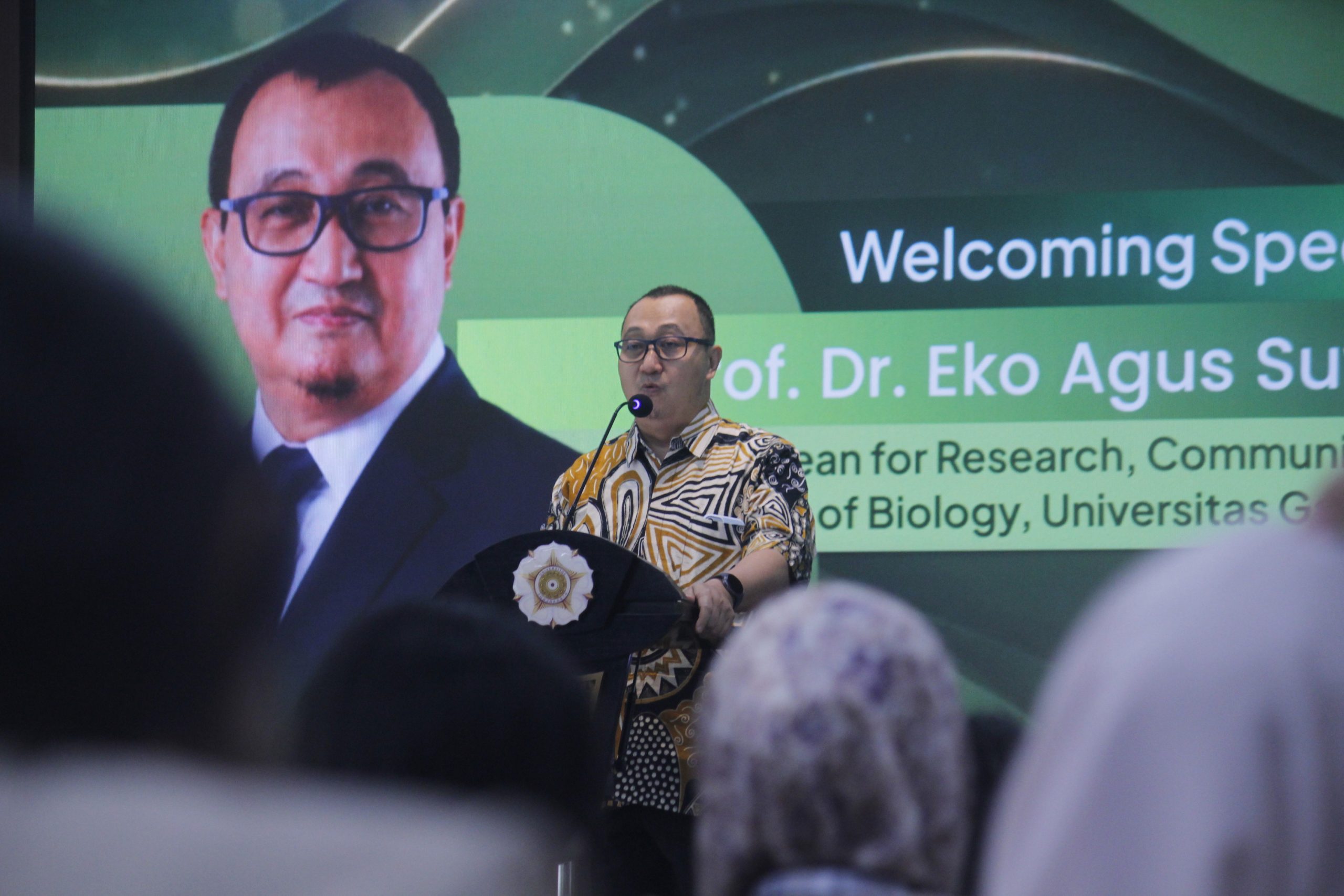
The opening continued with a welcoming address from Dr. Eko Agus Suyono, Vice Dean for Research, Community Service, Cooperation, and Alumni, who emphasized the importance of mastering modern genomic technologies to advance molecular biology research in Indonesia.

“Oxford Nanopore Technology opens vast opportunities for microbial biodiversity and bioprospecting research in Indonesia. We hope participants not only understand the concepts but are also able to apply them directly in the laboratory,” stated Dr. Eko.

In addition to the laboratory practice session, the workshop also featured an introduction to Oxford Nanopore Technologies, highlighting the principles and advantages of real-time sequencing and its potential applications in genomic, metagenomic, and molecular diagnostic research.

In accordance with the Sustainable Development Goals (SDGs), this workshop contributes to several global objectives. It supports SDG 3 (Good Health and Well-Being) by promoting the use of genomic technologies in health and biotechnology research, and SDG 4 (Quality Education) by enhancing the capacity of students and young researchers. It also aligns with SDG 9 (Industry, Innovation, and Infrastructure) through the application of advanced sequencing technologies that strengthen scientific innovation. Furthermore, the metagenomic approaches introduced in this program contribute to SDG 14 (Life Below Water) and SDG 15 (Life on Land) by encouraging the exploration and conservation of microbial biodiversity. By fostering collaboration among academia, industry, and global research partners such as Oxford Nanopore Technologies, this event also reflects SDG 17 (Partnerships for the Goals), emphasizing the importance of international cooperation for sustainable scientific advancement.

As the opening event of the 9th ICBS, this workshop marks an important step in strengthening the capacity of young scientists and fostering genomic research collaboration in Indonesia. The Faculty of Biology UGM remains committed to advancing innovation and the application of cutting-edge technologies in the fields of genomics and bioinformatics.

#ICBS2025 #FakultasBiologiUGM #OxfordNanopore #IntegratedGenomeFactory #BioinformaticsWorkshop #Metagenomics #GenomicInnovation #SDG3 #SDG4 #SDG9 #SDG14 #SDG15 #SDG17 #SustainableScience #ResearchForSustainability

Community Service Program (PkM) Desa Mitra 2025: Introducing Microalgae and Fish Diversity to Strengthen Science Literacy among Students of SDN Pusmalang, Wukirsari Village, Cangkringan Sub-district, Sleman Regency #3

Community Service Thursday, 9 October 2025

Sleman, 7 October 2025 — The Faculty of Biology, Universitas Gadjah Mada (UGM), through the 2025 Desa Mitra Program, carried out a community service activity at SDN Pusmalang, Wukirsari Village, Cangkringan Sub-district, Sleman Regency, Yogyakarta Special Region. The event was held on Tuesday, 7 October 2025, from 08.00 to 10.30 AM, with the theme of introducing microalgae and fish diversity to elementary school students.


The program is part of the Desa Mitra initiative in Wukirsari, coordinated by Prof. Rina Sri Kasiamdari, S.Si., Ph.D. The academic team from the Faculty of Biology UGM attending the event included Prof. Dr. Diah Rachmawati, M.Si.; Prof. Dra. Tuty Arisuryanti, M.Sc. Ph.D.; Dr. Utaminingsih, S.Si., M.Sc.; Dr. Eng. Thoriq Teja Samudra, S.Si., Bio.Cur., M.Sc.; Dr. Aprilia Sufi Subiastuti, S.Si.; and Dr. Wiko Arif Wibowo, S.Si. In addition, the event was also attended by doctoral student representative Sidiq Permana Putra, M.Sc. as well as master’s program student representatives Ulil Albab and Putri Syah Astari.

The first session was delivered by Dr. Eng. Thoriq Teja Samudra, S.Si., Bio.Cur., M.Sc., who introduced microalgae as microscopic organisms that require a microscope for observation. Several types of microalgae were presented, along with their ecological roles, such as producing oxygen through photosynthesis and serving as a natural food source for fish.

This topic was followed by a session on fish diversity, presented by Prof. Dra. Tuty Arisuryanti, M.Sc., Ph.D. She introduced common ornamental and aquaculture fish species and showed live examples, including catfish (Clarias), tilapia (Oreochromis), and goldfish (Carassius auratus).

At the end of the program, students were asked to draw fish based on their imagination. Three selected drawings were awarded with the opportunity to bring home the fish specimens used in the demonstration.

The event received positive enthusiasm from SDN Pusmalang students and is part of the ongoing community service agenda of the Faculty of Biology UGM in Wukirsari. The program aims to strengthen scientific literacy among young students and foster collaboration between academia and the community. This program contributes to SDG 4 (Quality Education) and SDG 14 (Life Below Water).
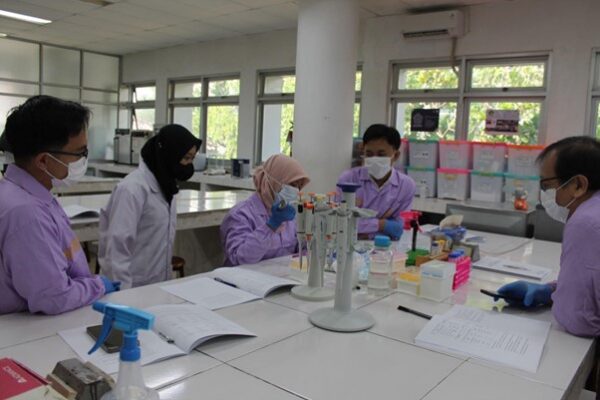
Collaboration between UGM Faculty of Biology and Pertamina Patra Niaga AFT Adi Sumarmo: Training on Processing Water Hyacinth into Eco-Enzymes and Silage for Animal Feed

CooperationNews Release Thursday, 11 September 2025

Sobokerto, 11 September 2025 – PT Pertamina Patra Niaga AFT Adi Sumarmo, in collaboration with the Faculty of Biology, Universitas Gadjah Mada (UGM), organized a Corporate Social Responsibility (CSR) program in the form of a socialization and training session on producing eco-enzymes and silage for animal feed using water hyacinth as raw material. The event, held at Sobokerto Village Hall from 10:30 AM to 1:00 PM, was attended by 40 participants from three community groups: Ngudi Makmur Farmer Group, Tirtokahuripan Fish Cage Group, and Sumber Rezeki Floating Net Group.


The program began with opening remarks from Sobokerto Village Head, Mr. Surahmi, and Junior Supervisor of RSD AFT Adi Sumarmo, Mr. Shoiful Amri. The training featured two main speakers: Dr. Siti Nurbaeti, S.Si., who presented material on utilizing water hyacinth for eco-enzyme production, and Dr. Aprilia Sufi Subiastuti, S.Si., who delivered a session and hands-on practice on producing silage for animal feed. Following the presentations, all participants actively engaged in the practical session of making eco-enzymes and silage. Interestingly, this was the first time the participants were introduced to these technologies, yet they showed great enthusiasm throughout the training.

The event was also attended by Novita Yustinadiar, S.Si., M.Si., a doctoral student at the Faculty of Biology UGM, who supported the community service activities as part of achieving Key Performance Indicator (KPI) 2, which emphasizes student learning experiences beyond the campus. As a step to strengthen cooperation, a Memorandum of Understanding (MoU) was also signed between PT Pertamina Patra Niaga AFT Adi Sumarmo and the Faculty of Biology UGM.

This activity has strong relevance to the achievement of the Sustainable Development Goals (SDGs). Through the training, the community is expected to transform water hyacinth—long considered a weed—into eco-friendly and valuable products. The utilization of water hyacinth for eco-enzymes and bio-absorbents contributes to water quality improvement and aquatic ecosystem preservation, supporting SDG 6 (Clean Water and Sanitation) and SDG 14 (Life Below Water). The production of silage for animal feed enhances livestock feed security and supports SDG 2 (Zero Hunger). Repurposing waste into value-added products promotes responsible consumption and production in line with SDG 12, while the collaboration among companies, universities, and communities reflects the spirit of SDG 17 (Partnerships for the Goals).
Through this initiative, the Sobokerto community is expected to become more empowered in managing local environmental resources while fostering economic, ecological, and social sustainability by turning water hyacinth into value-added products.
Graduation Ceremony for Undergraduate Students, Faculty of Biology, Universitas Gadjah Mada – Period IV, Academic Year 2024/2025

News Release Thursday, 28 August 2025

The Faculty of Biology, Universitas Gadjah Mada, once again held the graduation ceremony for undergraduate students of Period IV, Academic Year 2024/2025. The event took place on Wednesday, 27 August 2025, at the Tropical Biology Auditorium, Faculty of Biology UGM. A total of 147 graduates were officially conferred the degree of Sarjana Sains (S.Si.) or Bachelor of Science (B.Sc.). This solemn yet festive occasion was made possible through the collaboration of the entire academic community of the Faculty of Biology UGM, supported by 33 student organizers from the Biology Student Executive Board (BEM Biologi UGM), who ensured the smooth running of the ceremony.


From noon, the campus atmosphere was filled with excitement and joy as graduates and their families gathered to witness one of the most memorable moments of their academic journey. The ceremony began promptly at 13:00 WIB with an opening by the Master of Ceremony, followed by the entrance of graduates and faculty leaders into the auditorium. The event continued with the singing of the Indonesian national anthem Indonesia Raya, the Hymne Gadjah Mada, and the Mars Biologi, led by Biotimbre.

The agenda proceeded with the graduation report delivered by Sukirno, S.Si., M.Sc., Ph.D., Head of the Undergraduate Program. In his report, he stated that 147 graduates had successfully completed their studies at the Faculty of Biology UGM. This was followed by the announcement of the graduation list of all 147 graduates, which was met with enthusiastic applause from families and invited guests.

The ceremony then continued with a speech by the representative of the graduates, Vincencio Valdy Putra Sasangka, S.Si., who also achieved the highest GPA of 3.99. In his address, he expressed gratitude and appreciation for the support of his family, lecturers, and the entire academic community throughout his studies. This was followed by a speech from the representative of parents, delivered by Mr. Tresnawan Budi Sasangka, S.E., father of Vincencio Valdy Putra Sasangka. He expressed gratitude for the guidance given by the Faculty of Biology UGM and extended prayers and best wishes for the graduates as they begin a new chapter of life with courage, sincerity, and a spirit of contribution to society.

Another significant moment was the pinning of the KABIOGAMA pin by Dr. Eko Agus Suyono, M.App.Sc., Vice Dean for Research and Alumni Affairs, to a representative of the graduates. This symbolic act marked the official induction of the graduates into Keluarga Alumni Biologi Gadjah Mada (KABIOGAMA), the alumni network that actively contributes both academically and socially. The event continued with a speech by the Dean of the Faculty of Biology, Prof. Dr. Budi Setiadi Daryono, M.Agr.Sc., who expressed appreciation for the students’ dedication and encouraged the graduates to uphold the good name of the Faculty of Biology UGM wherever they may contribute.

As a token of appreciation, the graduates presented the faculty with mementos consisting of one unit of air cooler and five folding laptop tables. The ceremony continued with a joint prayer for the graduates’ success in their new journey. The event was officially closed by Prof. Dr. Budi Setiadi Daryono, M.Agr.Sc., Dean of the Faculty of Biology, followed by a joyful photo session with graduates, faculty leaders, and lecturers.

The celebration reached its peak with a graduation parade led by Double Helix. Cheers from families, friends, and peers accompanied the graduates as they exited the auditorium, symbolizing the beginning of a new chapter in their lives. The Period IV graduation ceremony was not only a celebration of academic achievement but also a starting point for graduates to dedicate themselves to society, the nation, and the world. The Faculty of Biology UGM hopes that its graduates will carry forward their knowledge, experiences, and spirit of togetherness to bring about positive change across various fields of life. [Writer: Aulia Annisa Azzahra]
123…6

Accreditation

Recent Posts

  • Sakura Science Program 2026: Strengthening Molecular Biology Skills through Intensive Laboratory Training at Yamagata University
  • BIOENTRI 2026: Open House dan Pengenalan Topik Riset Fakultas Biologi UGM Sparks Strong Academic Interest
  • Sakura Science Program 2026: 18 Members of UGM Faculty of Biology Participate in Academic Program at Yamagata University, Japan
  • An Educational Field Trip on Histology and Animal Anatomy for SMPIT Muhammadiyah An Najah Klaten Students at the Faculty of Biology, UGM
  • Faculty of Biology UGM Strengthens International Collaboration through Strategic Visit to Bard University, Egypt
Universitas Gadjah Mada

UNIVERSITAS GADJAH MADA

FACULTY OF BIOLOGY
Teknika Selatan Street, Sekip Utara,
Yogyakarta 55281
biologi-ugm@ugm.ac.id
Phone/Fax: +62 (274) 580839

About us

  • History
  • Organization
  • Vision and Mission
  • Staff

Student Affairs

  • Student Service
  • Student Organization
  • Submission for Practical Field Work
  • Permission Field Research
  • Permission Thesis/Disertation

academic

  • Academic Regulations
  • Academic Anonncement

Accreditation

  • Image 1
  • Image 2
  • Image 3

© 2024 FACULTY OF BIOLOGY UNIVERSITAS GADJAH MADA

KEBIJAKAN PRIVASI/PRIVACY POLICY

[EN] We use cookies to help our viewer get the best experience on our website. -- [ID] Kami menggunakan cookie untuk membantu pengunjung kami mendapatkan pengalaman terbaik di situs web kami.I Agree / Saya Setuju