Arsip:
SDGs 16 : Guarantee Peace
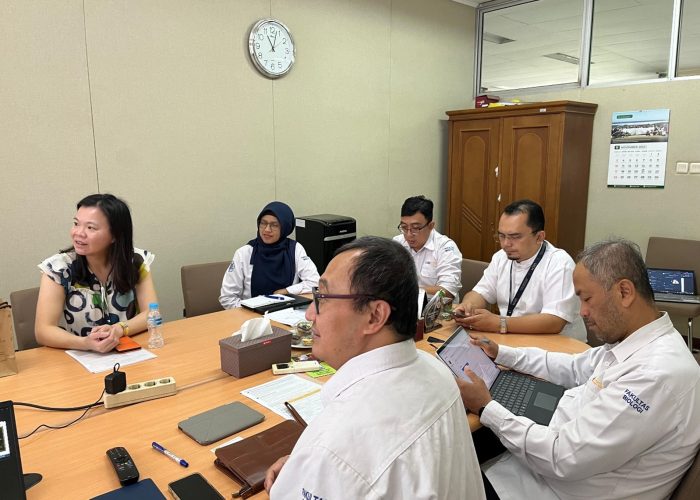
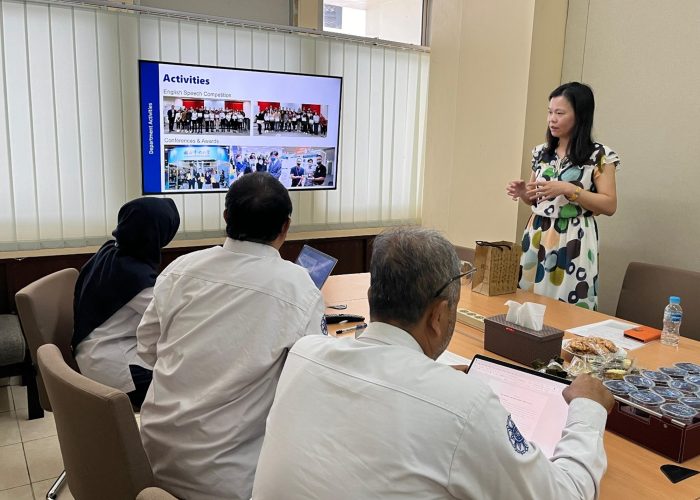
Yogyakarta, 4 November 2024 – Faculty of Biology UGM received a visit from Medical Bioinformatics Expert from National Central University (NCU), Taiwan, Dr. Hui-Yin Chang. The visit took place at the Faculty of Biology UGM, attended by Dr. Bambang Retnoaji, M.Sc. as Vice Dean for Academic and Student Affairs, Dr. Eko Agus Suyono, M.App.Sc. as Vice Dean for Research, Community Service, Collaboration and Alumni Affairs. Also present were several lecturers with a focus on biomedical research, including Dr.biol.hom. Nastiti Wijayanti from the Animal Physiology Laboratory, Dr.rer.nat. Abdul Rahman Siregar, M.Biotech from the Microbiology Laboratory, and Tyas Iksan Hikmawan, Ph.D. from the Biochemistry Laboratory, as well as an NCU alumni and researcher at the Integrated Genome Factory (IGF) Faculty of Biology, Raden Aditya Aryandi, M.Sc.
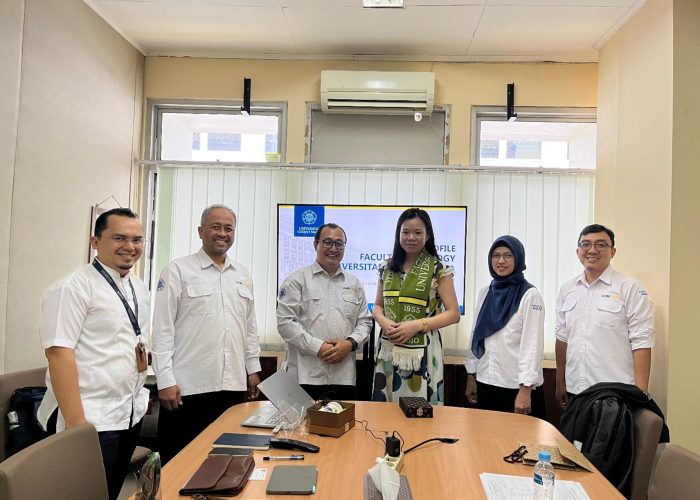
Dr. Eko as Vice Dean for Research, Community Service, Collaboration and Alumni Affairs welcomed the visit. He said that the Faculty of Biology had established good communication and initiated cooperation since Prof. Chien-Chia Wang, Dean for College of Health Sciences & Technology, NCU Taiwan some time ago. Dr. Eko also conveyed the profile of the Faculty of Biology, from study program profiles, facilities to international collaborations that are ongoing to date.
Dr. Hui-Yin Chang appreciated the opportunity for discussion and explained information about the Department of Biomedical Science and Engineering. She conveyed the potential for collaboration with experts and professors in the fields of bio-engineering, bio-materials, bio-medicine and bio-informatics. This matter was also discussed with lecturers at the Faculty of Biology who have research related to biomedicine. Dr. Chang expressed her enthusiasm for collaborative projects that could be initiated either with her in the field of bioinformatics, or with other NCU professors.
In this discussion, student exchange collaboration with the potential for double degrees with the College of Health Science and Technology NCU was also initiated. Experts from both institutions can also work together in guiding students through joint supervision, as well as collaborative research and publications through joint publications and joint authorship.
The collaboration between the Faculty of Biology UGM and NCU is expected to be part of the Faculty of Biology’s commitment to its role in sustainable development in accordance with the Sustainable Development Goals (SDGs), namely healthy living (SDG 3), inclusive quality education for all groups (SDG 4), as well as partnerships in achieving sustainable goals (SDG 17).
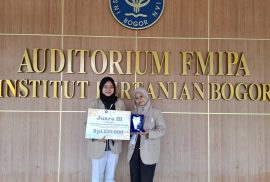
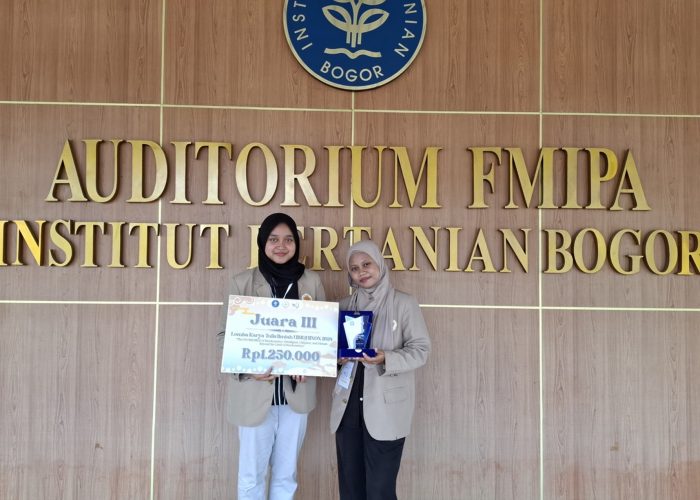
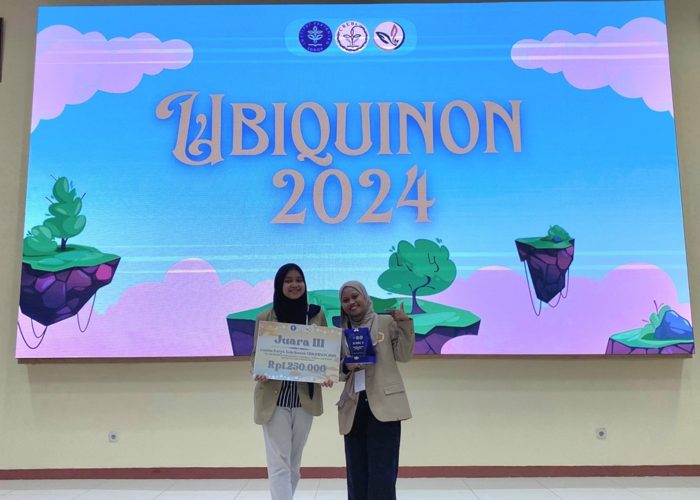
Students from the Faculty of Biology, Universitas Gadjah Mada (UGM), achieved a remarkable achievement by winning third place in the UBIQUINON 2024 Scientific Writing Competition. This prestigious event, themed “The INCREDIBLE of Biochemistry: INtelligent, CREative, and DIstant Beyond the Limit of Biochemistry,” was organized by the Community of Research and Education in Biochemistry (CREBs) at Institut Pertanian Bogor (IPB) on September 21–22, 2024.
The UGM team, consisting of Nisa Abidah and Almas Lathifatul Ula, class of 2021, presented their scientific work titled “Future Therapeutic Development Based on Mutation Trend Analysis and Design of Antibiotic Resistance Detection to Prevent the Superbug Gonorrhea Phenomenon.” The research, supervised by Tyas Ikhsan Hikmawan, S.Si., M.S., Ph.D., addresses the critical challenge of antibiotic resistance, focused on gonorrhea, one of the most dangerous superbugs. The study proposes innovative future solutions through the development of diagnostic tools for detecting antibiotic resistance.
UBIQUINON 2024 aimed to enhance understanding of biochemistry’s pivotal role as a foundational science for numerous applied disciplines. The event consisted of two main segments: Competitions in three categories—Scientific Writing, Essay, and Infographics and UBITALK, a seminar discussing cutting-edge issues in applied biochemistry.
The competition attracted dozens of submissions, with only 15 finalists selected from leading universities across Indonesia, including Universitas Indonesia (UI), Institut Teknologi Bandung (ITB), Universitas Sebelas Maret (UNS), Institut Pertanian Bogor (IPB), Universitas Hang Tuah, and Universitas Diponegoro (UNDIP).
The overarching theme of UBIQUINON 2024 explored sub themes such as Renewable Energy Applications, Biotechnology, and Medicine. The UGM team’s work fell under the medical subtheme, showcasing a groundbreaking approach to combating antibiotic resistance.
This achievement highlights not only the innovative capacity of UGM’s Faculty of Biology students but also their commitment to advancing impactful scientific knowledge, particularly in addressing global health challenges. The success reinforces UGM’s dedication to supporting the realization of the Sustainable Development Goals (SDGs), particularly in promoting health and fostering sustainable scientific advancements.
[Author: Nisa Abidah]
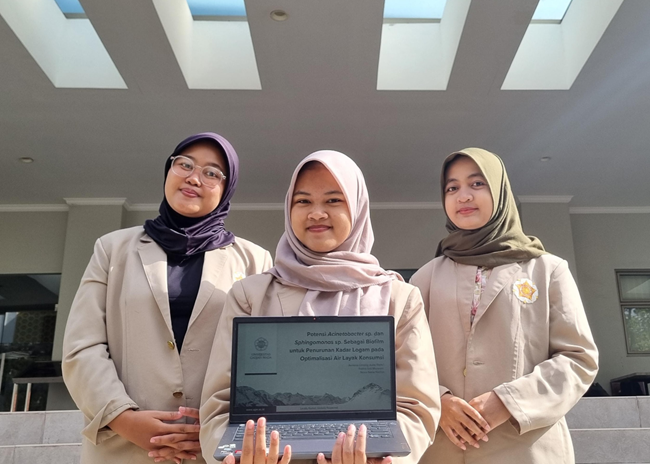
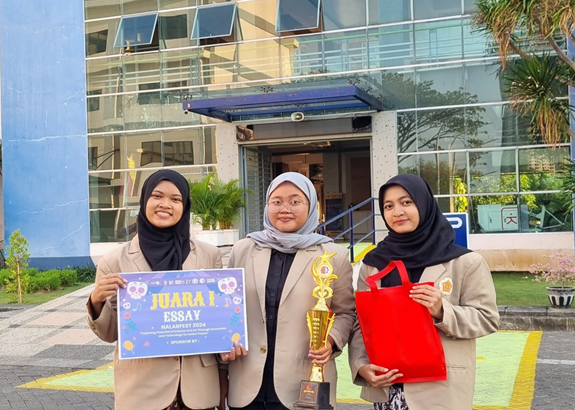
A student team from the Faculty of Biology, Universitas Gadjah Mada (UGM), class of 2022, under the guidance of Prof. Dr. rer. nat. Andhika Puspito Nugroho, S.Si., M.Si., achieved a remarkable achievement at the 2024 Science Event (SCEVENT) Essay Competition organized by the Scientific Reasoning Student Unit (UKM Penalaran) of Institut Teknologi Sepuluh Nopember.
During the final presentation on Sunday, October 27, 2024, The OTW team, led by Avriena Lintang Aulia Riefa’i and team members Fatiha Esti Murwani and Nova Nana Nadiya, presented “The Potential of Acinetobacter sp. and Sphingomonas sp. Biofilms for Reducing Metal Contaminants in Optimizing Potable Water Quality.” The essay addressed the poor quality of drinking water due to metal contaminants such as iron (Fe) and manganese (Mn), that lead to metallic tastes and odors in drinking water. Beyond discomfort, these contaminants pose health risks if present in concentrations exceeding safe limits. The team proposed an innovative solution by utilizing biofilms formed by metal-oxidizing bacteria, Acinetobacter sp. and Sphingomonas sp., as bioremediation agents by modifying water filtration systems in wastewater treatment plants (WWTP) to optimize the filtration process.
With this concept, the OTW team developed a biofilm-mediated bioremediation system for domestic applications. Their innovative approach earned them first place, triumphing over 47 competing teams.This outstanding achievement inspires other students to continually develop creative ideas and practical solutions to address diverse challenges, thereby contributing to support the 17 Sustainable Development Goals (SDGs). The OTW team aspires for their innovation to lay the groundwork for future advancements in potable water filtration methods, specifically through microbial biofilm utilization. Aligned with SDG Goal 6, “Clean Water and Sanitation for All,” this initiative underscores the importance of ensuring the availability and sustainable management of clean water for everyone.
[Author: Fatiha Esti Murwani]
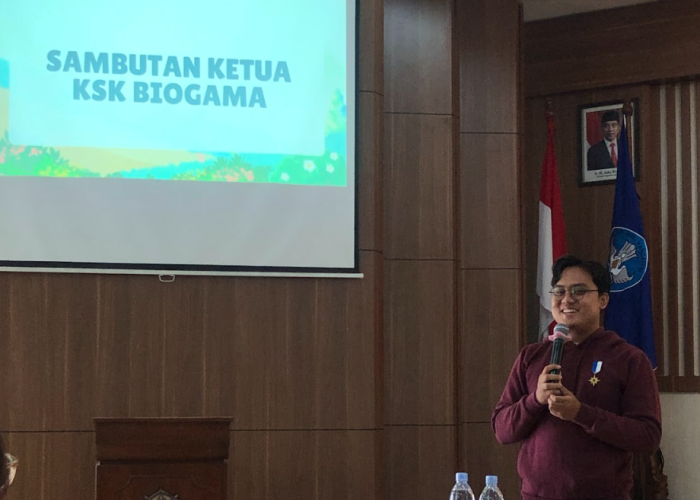
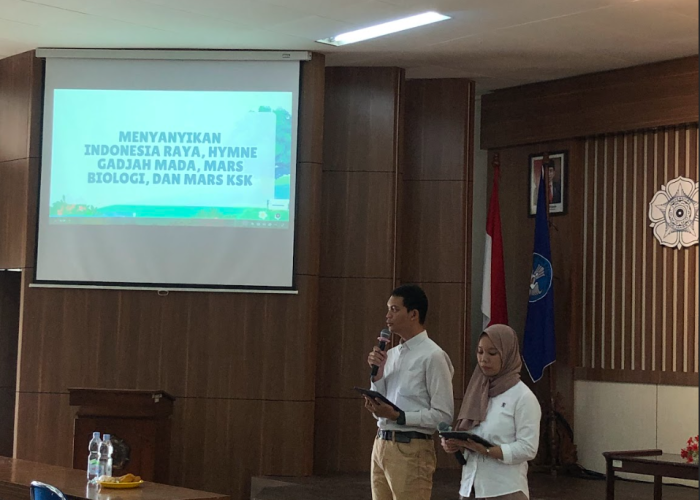
On Saturday, September 28, 2024, the Marine Study Group (KSK) of the Faculty of Biology Universitas Gadjah Mada organized the Kopdar Alumni 2024, themed “Developing Career and Further Study Plans.” This event took place at the Auditorium of the Faculty of Biology, UGM, attended by KSK Biogama members from various cohorts.
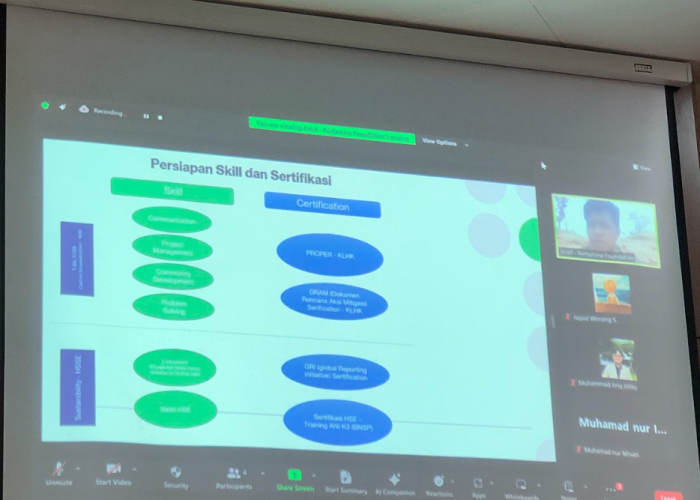
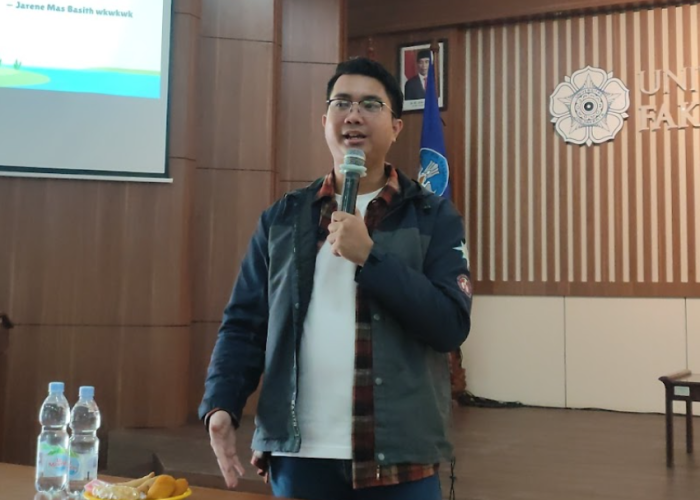
The speakers featured in this event were Basith Kuncoro Adji, S.Si., M.Sc. from the University of Birmingham, and Muhammad Arief Budhiman, S.Si. from Pertamina Foundation. They shared insights regarding their experiences after graduation, discussing topics related to further studies and career paths in environmentally focused industries. Their presentations included information on study pathways, career opportunities, and essential skills for Biology students.
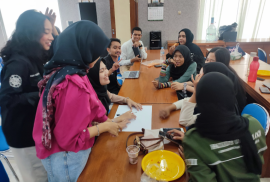
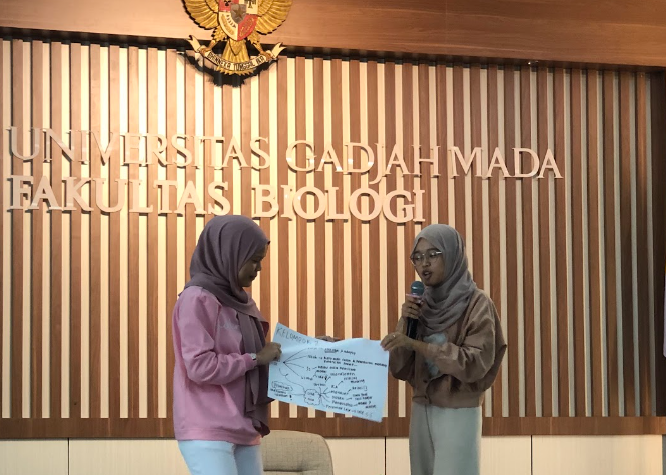
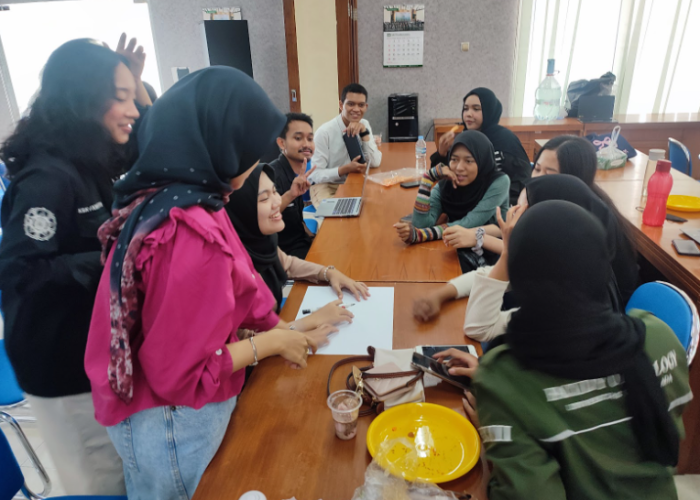
The event involved guided group discussions organized by the committee. Participants were divided into small groups to create mind maps regarding their career or further study plans. These mind maps were required to encompass information on the skills needed, career objectives, and strategies to achieve them. This group discussion lasted for 30 minutes, during which participants actively exchanged ideas and visualized their thoughts through mind mapping.
Following the group discussions, each group presented their mind maps to the speakers and the audience. The speakers provided feedback and suggestions regarding the steps that could be taken to achieve their planned career or further study goals.
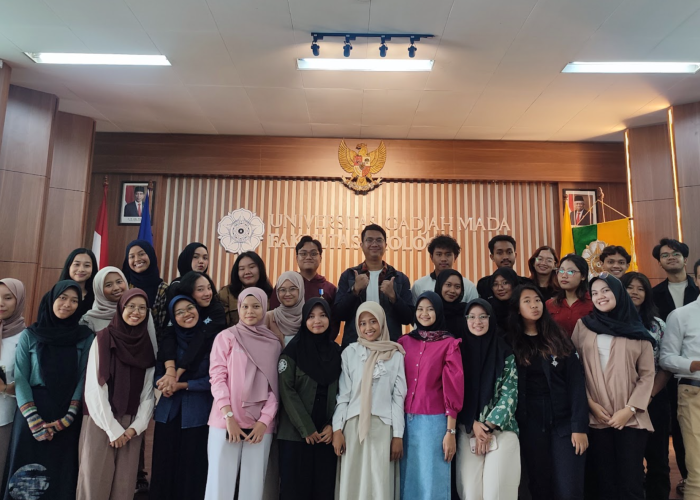
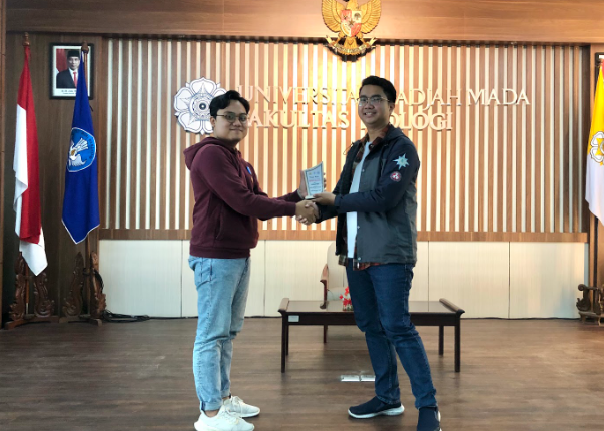
The event concluded with the presentation of mementos to the speakers in appreciation of their participation and the knowledge they shared, followed by a group photo session with all participants, both in-person and online.
[Author: KSK]
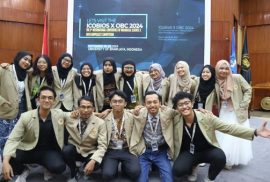
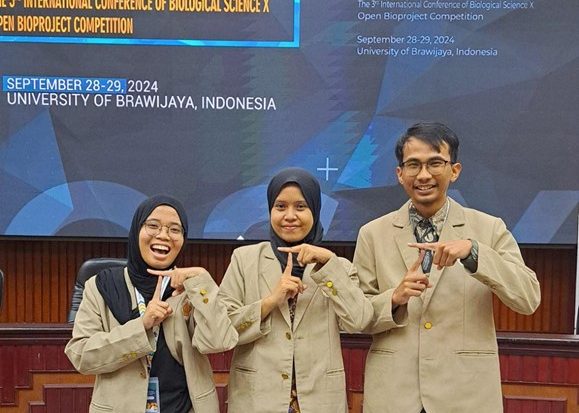
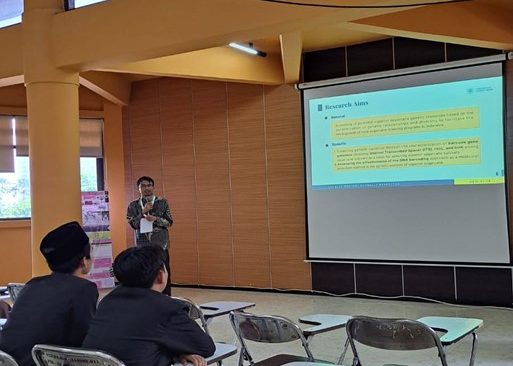
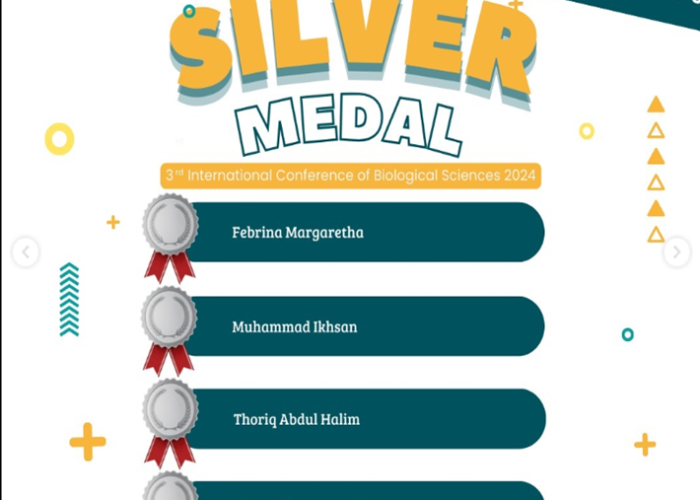
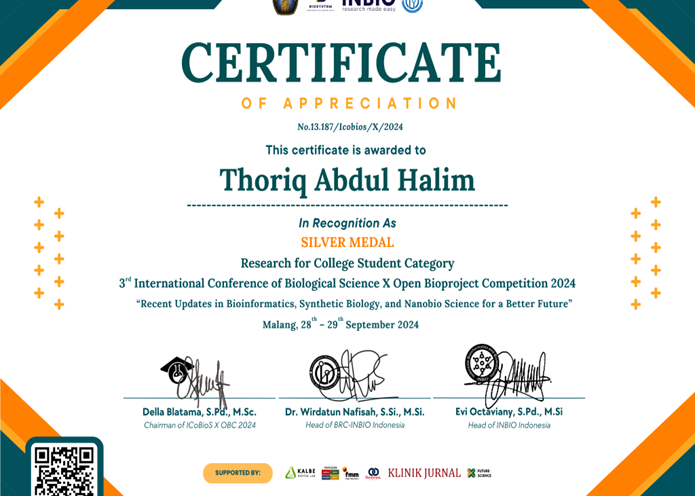
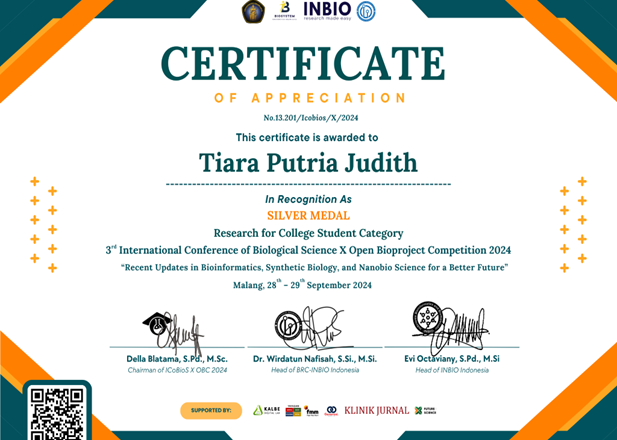
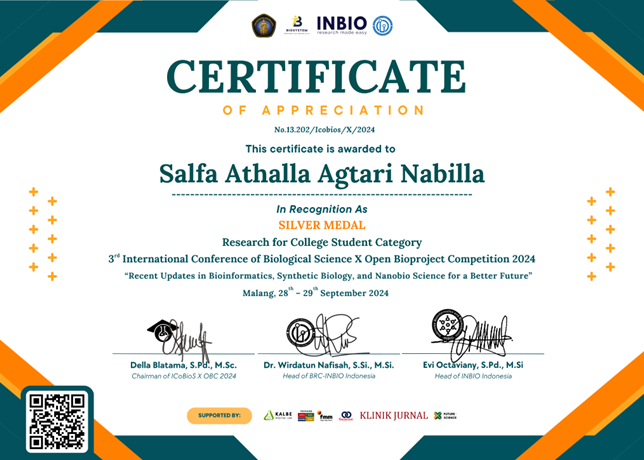
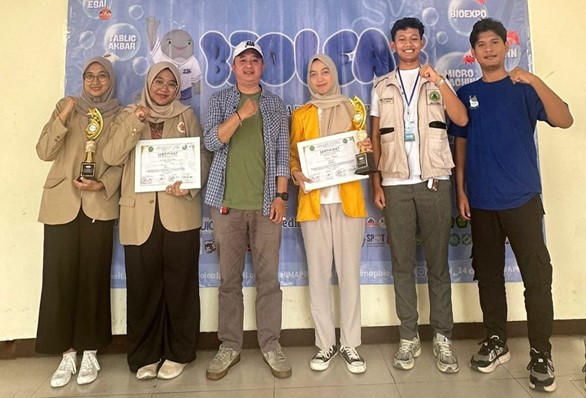
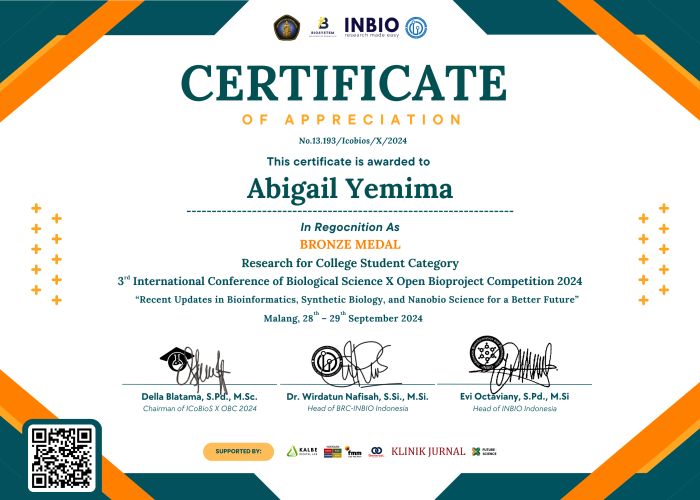
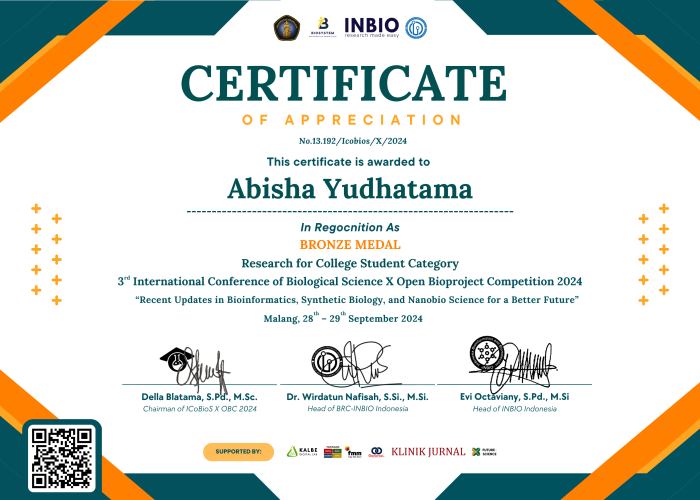
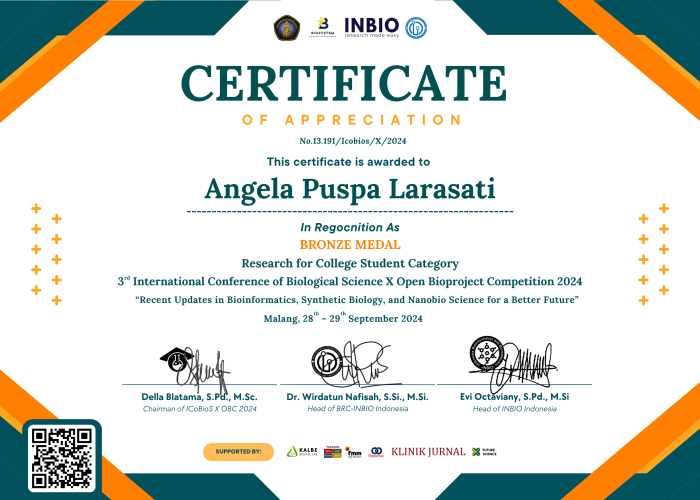
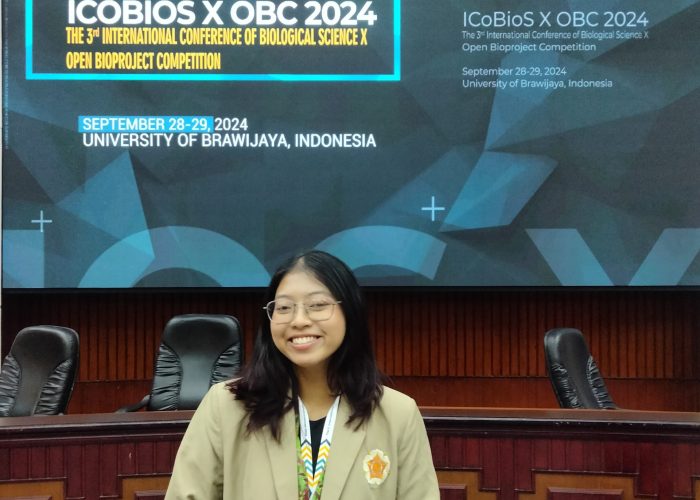
Biology students at Universitas Gadjah Mada made another achievement by winning a silver medal at the 3rd International Conference of Biological Sciences (ICoBioS) 2024. The conference, held by Universitas Brawijaya on September 27-28, 2024, had the theme “Recent Update in Bioinformatics, Synthetic Biology, and Nanobio Science for Better Future.” This success strengthens UGM’s standing in the international scientific community, particularly in driving innovation and progress in modern biological sciences. This achievement was achieved by Thoriq Abdul Halim, Tiara Putria Judith, and Salfa Athallah Agtari Nabillah students from the 2021 cohort, under the guidance of Dr. Ganies Riza Aristya, S.Si., M.Sc., Ph.D., presented research titled “Comparative Analysis of DNA Barcodes Based on Nuclear and Chloroplast Genes for Phylogenetic Reconstruction of Sugarcane (Saccharum officinarum L.) in Java Island.”
In their presentation, the team discussed the importance of sugarcane (S. officinarum L.) production, which contributes to 80% of global sugar production. Despite Java Island supplying 61% of the national output, Indonesia only produced 2.23 million tons of sugar in 2019, while imports reached 5.46 million tons in 2021, mainly from Thailand. The low sugarcane yield is due to the narrowing of genetic diversity caused by domestication. Given the complexity of the genome and the difficulty in distinguishing morphological characteristics, the team utilized DNA barcoding techniques to analyze genetic variation in nuclear DNA and chloroplast DNA of sugarcane. This research aims to identify intra- and interspecific genetic variation among sugarcane cultivars as part of efforts to improve varietal identification, agricultural productivity, and food security in Indonesia.
The theme and goals of this research align with UGM’s commitment to supporting the Sustainable Development Goals (SDGs), particularly SDGs No.2 on ending hunger and enhancing food security, and SDGs No.12, which focuses on sustainable production and consumption through efforts to increase sugarcane productivity and reduce dependence on sugar imports in Indonesia.
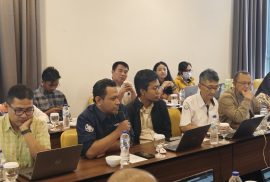
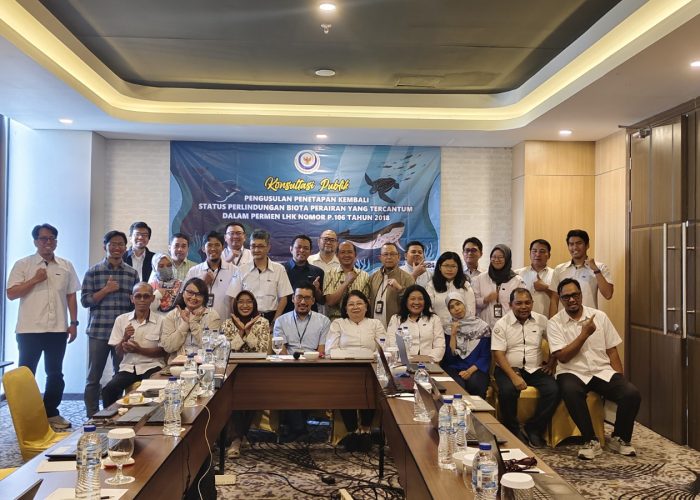
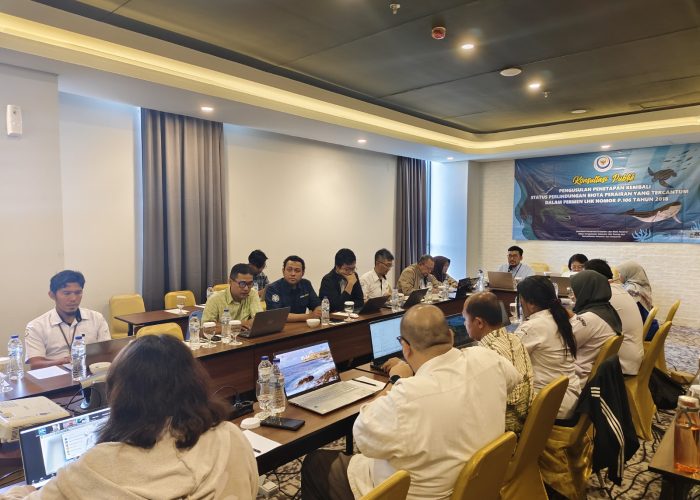
Bogor, October 23, 2024, A public consultation was held to discuss the Proposal for the Reinstatement of Protected Status for Aquatic Biota listed in the Ministry of Environment and Forestry Regulation (Permen LHK) No. P.106 of 2018. The event was organized by the Directorate General of Marine Spatial Management of the Ministry of Marine Affairs and Fisheries (KKP) at the Luminor Hotel in Bogor, and attended by various stakeholders, experts, and representatives from relevant institutions. The consultation addressed the transition of authority over protected wildlife management from the Ministry of Environment and Forestry (KLHK) to the Ministry of Marine Affairs and Fisheries (KKP).
In this meeting, Dr. Amir Hamidy, M.Sc., Director of the Secretariat for Animal Conservation and Innovation (SKIKH), and Ir. Pingkan Katharina Roeroe, M.Si., Head of the Fish Species Protection and Conservation Team at the Directorate of Marine Conservation and Biodiversity, PRL Directorate General of KKP, served as the primary presenter. They emphasized the importance of re-evaluating Indonesia’s aquatic biota protection status. The presentation included policies aligned with legal developments and current conservation needs, particularly following Law No. 32 of 2024, an amendment to Law No. 5 of 1990 on Conservation of Living Natural Resources and Ecosystems.
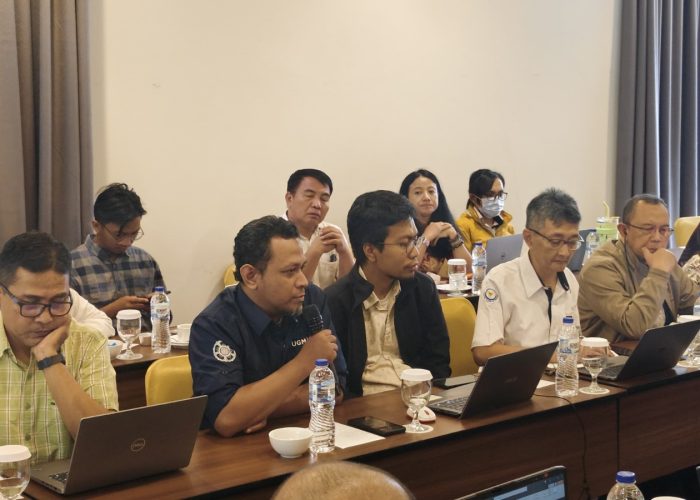
A key topic discussed was the shift in management authority over protected wildlife from KLHK to KKP. Participants offered insights and recommendations to support a smooth and effective transition process. Dr. Rury Eprilurahman, representing the Faculty of Biology at Universitas Gadjah Mada (UGM), contributed significant input, emphasizing the need for clear species identification in state documents and effective management during inter-ministerial authority transfer. He highlighted that accurate identification and sustainable management are critical in protecting aquatic mammals and reptiles categorized as protected species.
The meeting concluded with a signed statement of agreement, which included critical points to guide further discussions regarding the transfer of authority and the management of protected species.
This event underscored the commitment of various parties to ensuring the sustainability of Indonesia’s marine and aquatic ecosystems, safeguarding protected aquatic species in compliance with current regulations.
The public consultation on the proposed revision of aquatic biota protection status also addressed several Sustainable Development Goals (SDGs), including SDG 14: Life Below Water, SDG 15: Life on Land, SDG 13: Climate Action, SDG 16: Peace, Justice, and Strong Institutions, and SDG 17: Partnerships for the Goals.
Through this event, Indonesia demonstrated its commitment to achieving the SDGs, focusing on environmental conservation and the sustainable management of natural resources.
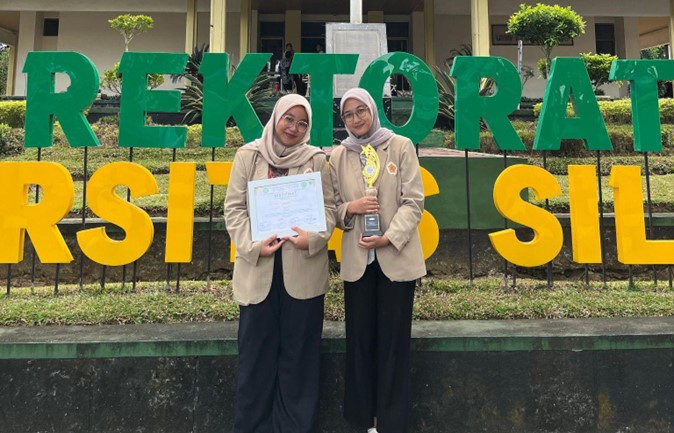
Biology students at Universitas Gadjah Mada (S1) made another achievement by winning first place at the national-level Biology Learning Festival Essay Competition organized by Universitas Siliwangi on October 17, 2024. This achievement was achieved by a team chaired by ASyafira Nurul Aisya (Biology 2021) and its member Fadlilah Rahma Julianty (Biology 2021) under the guidance of Prof. Dr. rer. nat. Andhika Puspito Nugroho, S.Si., M.Si.

The team presented ”Study on the Potential of Pseudomonas, Agrobacterium, Sulfolobus, and Alteromonas as Biodegradation Agents for Chlorpyrifos Contamination through a Molecular Docking Approach,” competing against 11 teams from various universities across Indonesia. The research was motivated by the issue of increased pest incidence due to climate change, which increased chlorpyrifos insecticide usage, resulting in environmental contamination. Chlorpyrifos contamination in agricultural and plantation settings poses risks to ecosystems and human health, necessitating its degradation into environmentally safe products through bioremediation processes.

“We explored microorganisms capable of degrading chlorpyrifos insecticides and evaluated them in silico to identify potential candidates that could serve as bioremediation agents,” said Syafira.
Through this research, Syafira and Fadlilah hope to lay the groundwork for further studies on developing microorganism-based biodegradation methods, particularly in addressing chlorpyrifos insecticide pollution, which remains a challenge in various agricultural and plantation sectors in Indonesia. The further development of this study is anticipated to provide eco-friendly solutions to address the challenges of hazardous chemical contamination. They also hope this work can be patented as a commercial biodegradation technology applicable across various industrial and agricultural sectors.
This achievement not only brings pride to the team but also motivates other students to continue developing innovative solutions to environmental issues. Additionally, it encourages the UGM Faculty of Biology to persist in supporting sustainable, relevant, and practical research.
Authors: Fadlilah Rahma Julianty and Syafira Nurul Aisya
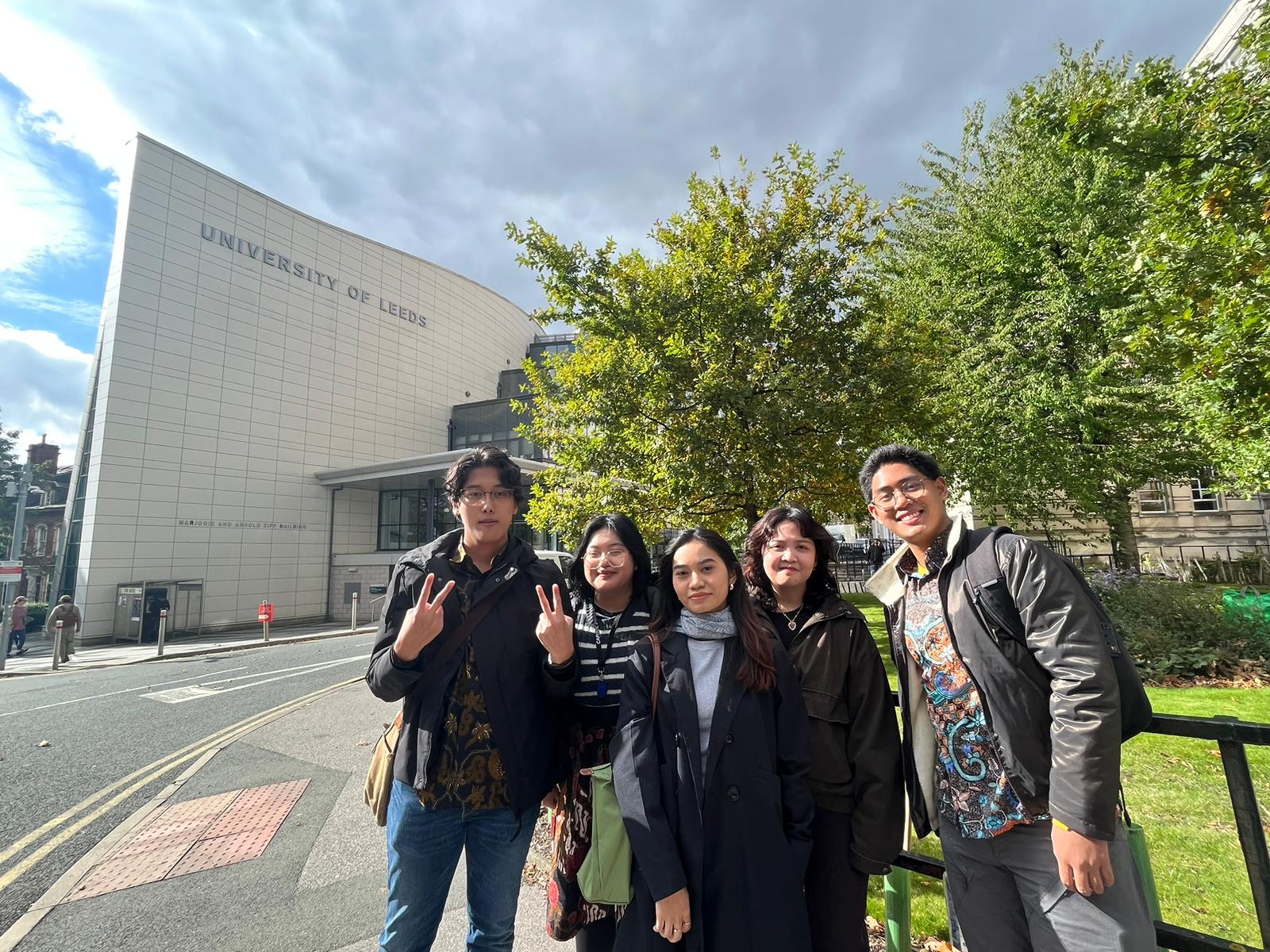
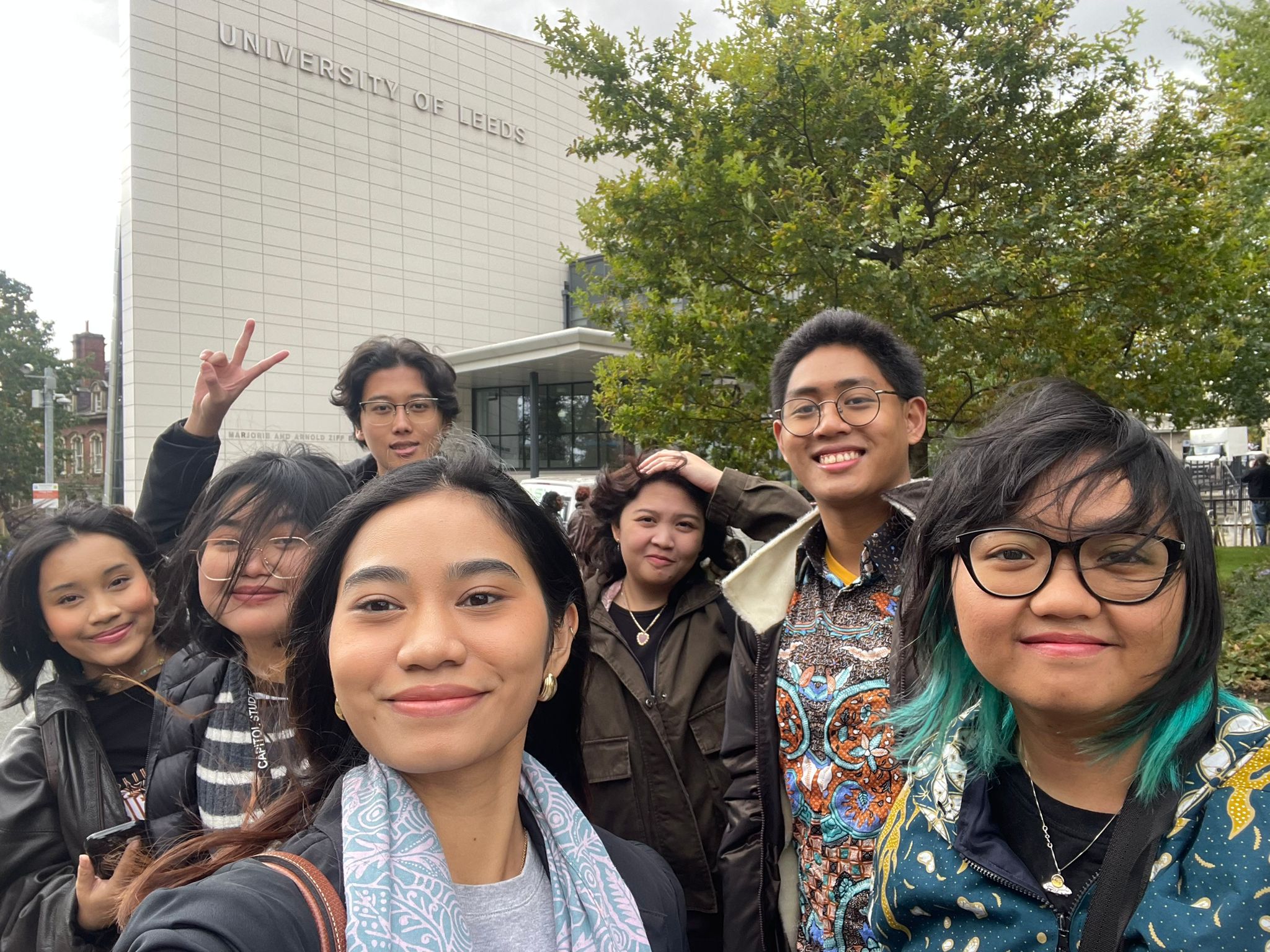
Yogyakarta, September 2024 — The Faculty of Biology, Universitas Gadjah Mada (UGM), is proud to announce that 7 students from the International Undergraduate Program (IUP) class of 2022 have officially enrolled in the double degree program at Leeds University, United Kingdom, starting in the September 2024 academic period. This significant achievement highlights the Faculty’s ongoing commitment to providing high-quality education with a global perspective./div>


The seven students—Ibar Kairan Massadiah, Nikita Magdalena Tambunan, Felicia Zefania Rumimper, Mohammad Ibrahim Zidni, Eleora Ajeng Haraito Siburian, Kezia Uenike, and Zephaniah Marceila Maelissa—have been selected to participate in this program, which enables them to earn dual degrees from both UGM and Leeds University./div>
The those students embarking on this academic journey have successfully met the rigorous selection criteria, showcasing academic excellence, adaptability, and a deep interest in expanding their global understanding of biological sciences. Their enrollment in the double degree program at Leeds University marks a milestone in their academic careers, allowing them to gain invaluable international exposure and broaden their expertise./div>
Through the double degree program, the students will spend part of their studies at Leeds University, where they will engage with renowned scholars and cutting-edge research in various fields of biology. Upon successful completion, they will earn degrees from both UGM and Leeds University, positioning them as global leaders in the field of biology and better preparing them for future challenges in research, industry, and academia./div>
Prof. Dr. Budi Setiadi Daryono, M.Agr.Sc., Dean of the Faculty of Biology, UGM, expressed his pride in the students’ accomplishments:
“This collaboration with Leeds University not only strengthens the internationalization efforts of the Faculty of Biology but also opens up greater opportunities for our students to experience world-class education. We are confident that our students will excel and bring positive contributions to both universities and the global scientific community.”/div>
The double degree program aligns with the Faculty’s dedication to advancing Sustainable Development Goals (SDGs), particularly Goal 4 (Quality Education) and Goal 17 (Partnerships for the Goals). By fostering international partnerships and providing students with global academic exposure, the Faculty of Biology continues to play a crucial role in preparing future biologists to tackle global challenges, particularly in the areas of biodiversity and sustainability./div>
Leeds University, one of the top-ranked institutions in the UK, offers state-of-the-art facilities and research opportunities that will enrich the academic experience of UGM’s students. The partnership is a testament to UGM’s ongoing efforts to enhance academic collaboration and knowledge exchange between Indonesia and the global academic community./div>
The Faculty of Biology looks forward to witnessing the success stories that will emerge from this collaboration and continues to encourage its students to pursue international opportunities to elevate the quality and impact of biological sciences on a global scale.
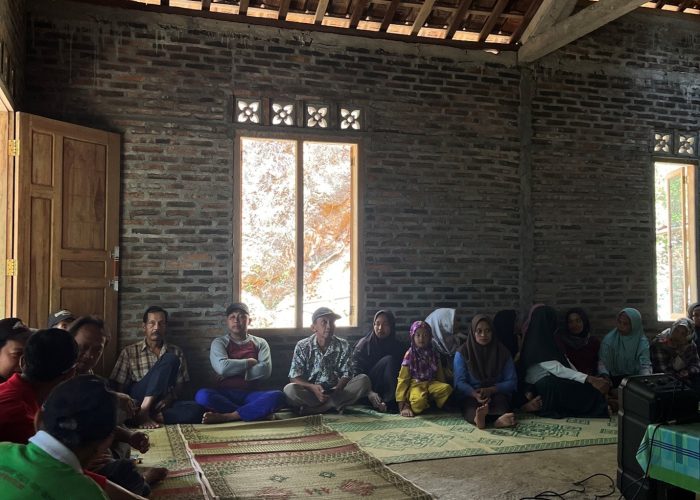
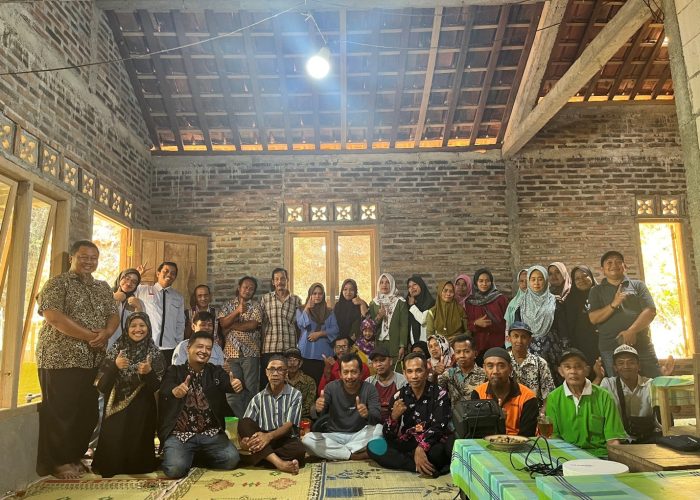
Kulon Progo, October 10, 2024—The Community Service Program (PkM) Team under DRTM Scheme Partnership of the Ministry of Education, Culture, Research and Technology, Faculty of Biology UGM led by Sukirno, S.Si., M.Sc., Ph.D. together with the student team members consisting of R. Hanindyo Adi, S.Si., M.Sc., Aryo Setyo Pandu Wiranto, S.Si., M.Sc., Puji Lestari S.Pd., Syefrina Rosyada, S.Si., and Kaifa Salwa Arrahma together with Omah JAMTRA partners, namely Mr. Yunianto Hargo Nugroho, S.Hut, Mrs. Nurdiana Setianingsih, Mrs. Suparti, and Mr. Sunu held insect knowledge training and brainstorming activities with the community of Crangah Hamlet, Hargotirto Village, Kokap Sub-district, Kulon Progo Regency to explore the potential as an entomology-based tourist village.
In this activity, the team together with Omah JAMTRA partners visited the house of Mr. Tukino as the Head of RT 47 Crangah Hamlet as a gathering place for the community. This activity was attended by residents of Crangah Hamlet totaling around 35 people, as well as community leaders including the Head of RT, Head of Hamlet, and representatives of the Hargotirto Village.
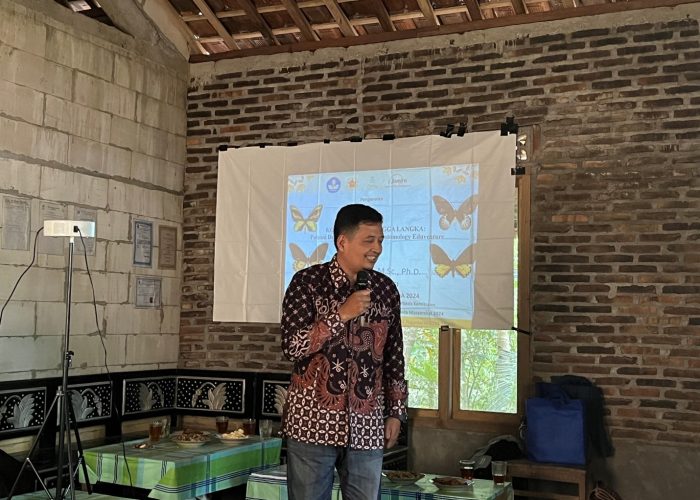
This activity was guided by Puji Lestari S.Pd as the host and continued with remarks by community leaders. Furthermore, in the core session, material was delivered entitled “Endangered Insect Conservation: Potential of Entomology Eduventure-Based Tourism Village” by Sukirno, S.Si., M.Sc., Ph.D.
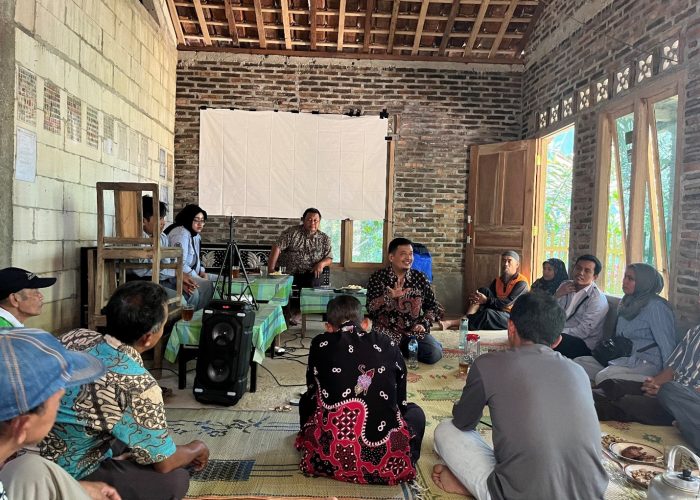
The activity was continued with a discussion and brainstorming session related to the potential of Padukuhan Crangah as a tourism village. In addition, this session also held a sharing session with the manager of Omah JAMTRA, namely Mr. Yunianto Hargo Nugroho, S.Hut who provided his knowledge and insight regarding the cultivation of Samia silkworms which he has been doing for years. The series of activities were closed with lunch with residents and joint documentation.
This introduction and potential exploration activity went smoothly and the team was received with great enthusiasm by the residents. Through the presentation of this material and brainstorming, it is hoped that good cooperation will be established between Padukuhan Crangah as a place for the conservation of rare insects as well as a tourism village based on entomology eduventures.
This community service activity is expected to contribute to the Sustainable Development Goals, namely No Poverty; Industry, Innovation, and Infrastructure; and Partnership for the Goal.
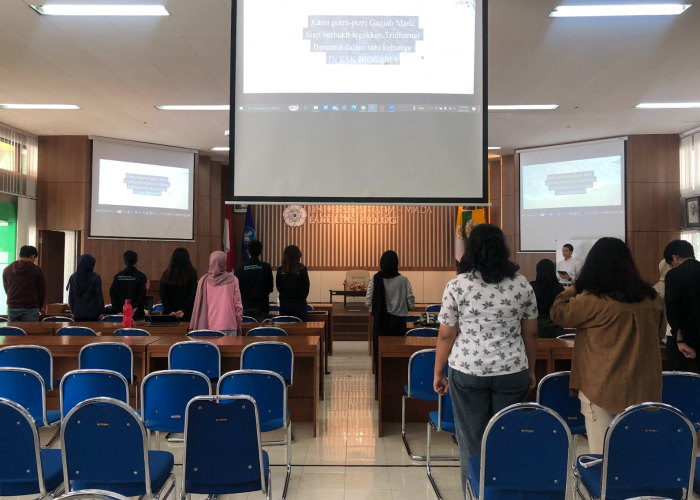
On Friday, October 11, 2024, the Faculty of Biology at Gadjah Mada University (UGM) held the third day of Biocapture (Biology Career Preparation for the Future) in the Tropical Biology Auditorium. The event commenced at 1:30 PM, guided by Feliciana Clara Henderison as moderator.
The first session, “Leaderless Group Discussion,” featured Arief Pratomo Manunggal as the speaker. This session discusses critical and analytical thinking, leadership, communication, teamwork, problem-solving, and decision-making. The session concludes by awarding certificates and mementos to the speaker.
The second session featured reflections and feedback from the participants and concluded with closing remarks delivered by the Deputy Chair of Biocapture 2024, Ganies Riza Aristya, S.Si., M.Sc., Ph.D.