Yogyakarta, 13 July 2026 – The Faculty of Biology, Universitas Gadjah Mada (UGM), officially launched the International Summer Course on Tropical Biodiversity and Sustainable Development 2026, themed “From Ecosystems to Repositories: Data-Driven Insights into Tropical Biodiversity,” on Monday (13 July). Held on-site at the Faculty of Biology UGM, the program is jointly organized by the Faculty of Biology UGM, the Department of Geological Engineering, Faculty of Engineering UGM, and the University of Technology Sydney (UTS), Australia, with funding support from the Australian Government’s New Colombo Plan (NCP), the UGM EQUITY Grant for Academic Innovation and Internationalization, and PT Dynata Inovasi Corporalab. The program brings together students and academics from various countries to explore the application of data-driven technologies in tropical biodiversity research, conservation, and sustainable resource management.
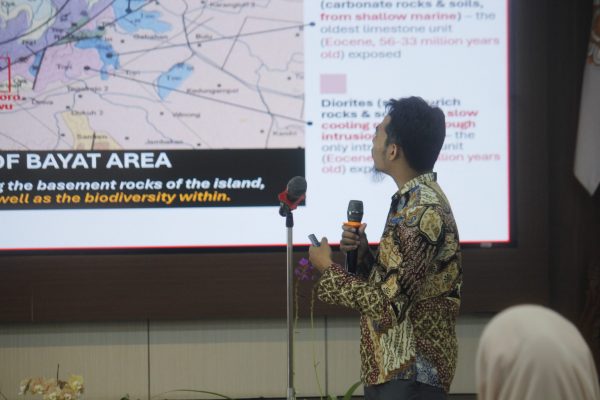
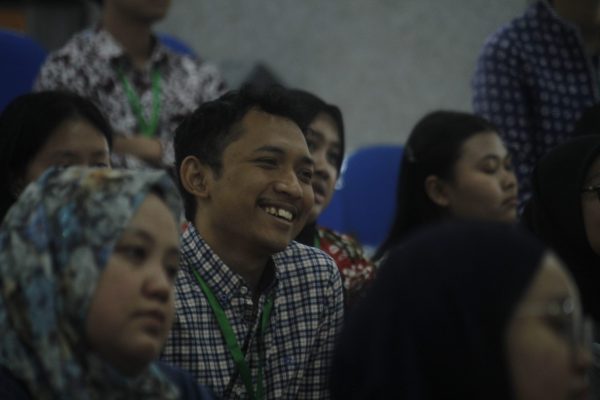
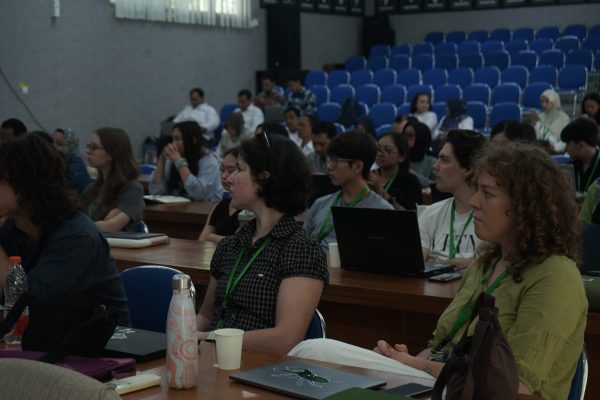
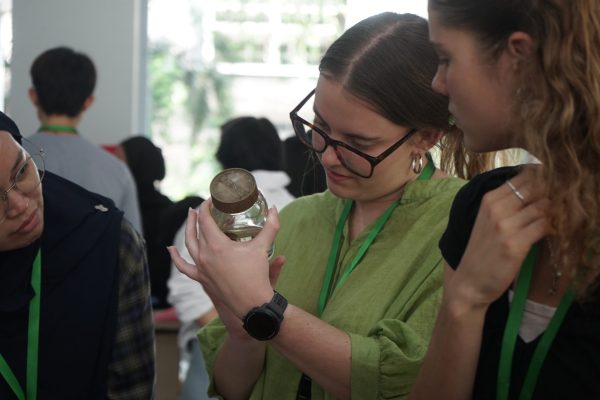
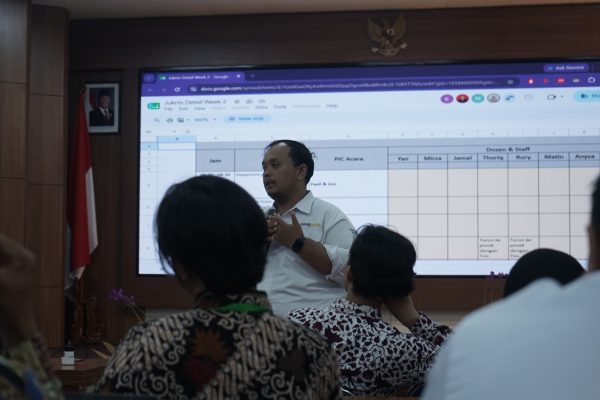
Prior to the on-site program, all participants completed a one-week pre-orientation and hybrid lecture series. This preparatory phase introduced participants to the program’s academic content, fostered interaction among participants, and equipped them for the intensive academic and field activities throughout the International Summer Course.
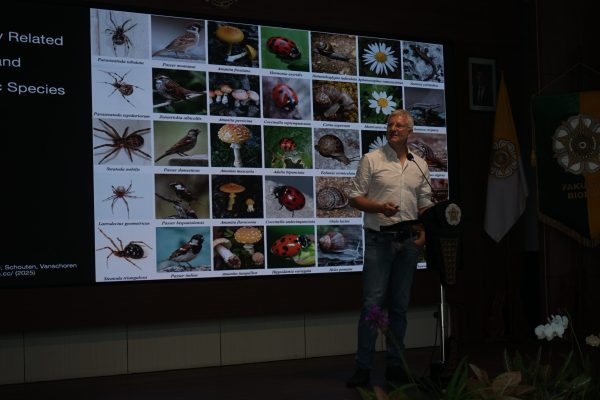
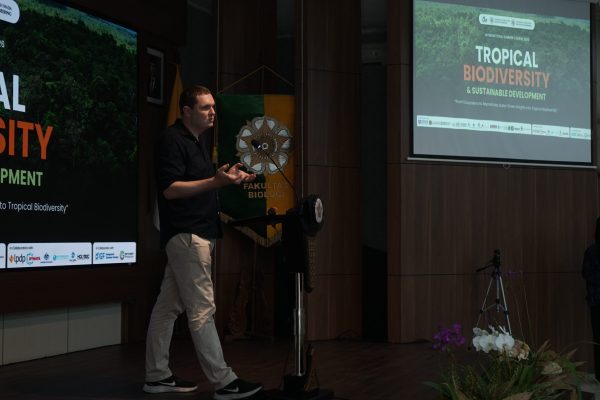
The International Summer Course 2026 features 13 international speakers representing nine universities across six countries: the University of the Philippines Los Baños (Philippines), Leiden University (the Netherlands), Mahidol University (Thailand), Universiti Tun Hussein Onn Malaysia (Malaysia), the Australian National University (Australia), the University of Copenhagen (Denmark), Universiti Malaysia Kelantan (Malaysia), the University of Twente – Faculty of Geo-Information Science and Earth Observation (ITC) (the Netherlands), and the University of Melbourne (Australia). Their expertise offers participants multidisciplinary perspectives on genomics, bioinformatics, geospatial information systems, biodiversity conservation, and the sustainable management of biological resources.
The program welcomes 57 participants, comprising 36 on-site participants and 21 online participants from universities across Indonesia and abroad. Among the on-site participants are 11 Australian students who joined through the Australian Government’s New Colombo Plan (NCP). In addition to the academic program, the NCP participants also take part in the Indonesian Culture and Language Learning Services (INCULS) program, as well as the Ramban Rimba community engagement and biodiversity exploration activities in GeNau, Petungkriyono, Central Java.
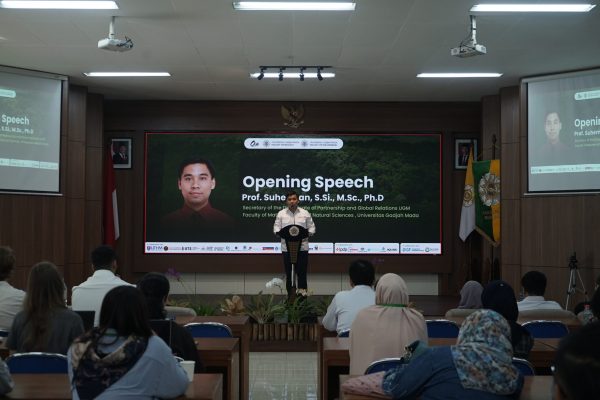
Representing the UGM Directorate of Partnerships and Global Relations, Prof. Suherman, M.Sc., Ph.D., Secretary of the Directorate of Partnerships and Global Relations, highlighted the growing importance of technology in supporting biodiversity conservation during his opening remarks.
“Advances in genomics, bioinformatics, geospatial technologies, and data science have transformed the way we study, conserve, and sustainably manage biodiversity,” he said.
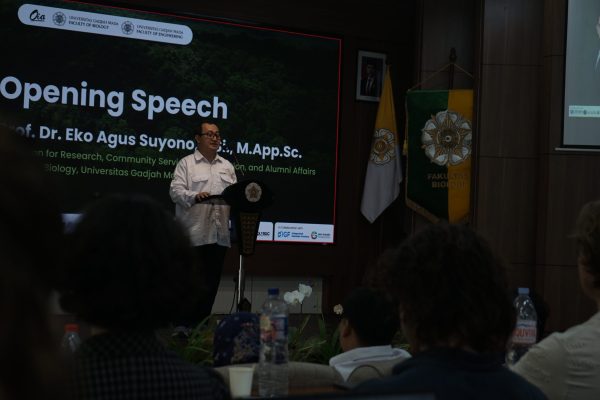
Meanwhile, Prof. Dr. Eko Agus Suyono, Vice Dean for Research, Community Service, Cooperation, and Alumni Affairs at the Faculty of Biology UGM, emphasized that the International Summer Course serves not only as a platform for academic development but also for fostering lasting international collaboration.
“This program is not only about acquiring scientific knowledge. It is about building international friendships, exchanging ideas across cultures, and strengthening global collaboration in addressing biodiversity conservation and sustainable development challenges,” he remarked.
Through the International Summer Course 2026, the Faculty of Biology UGM once again reaffirms its commitment to advancing the internationalization of higher education while strengthening global collaboration in tropical biodiversity and sustainable development. The program provides a valuable platform for students, researchers, and academics to exchange knowledge, expand international networks, and develop science-based innovative solutions to address future biodiversity conservation challenges.
The International Summer Course 2026 also contributes to the achievement of the United Nations Sustainable Development Goals (SDGs), particularly SDG 4 (Quality Education) by promoting inclusive and high-quality international education, SDG 15 (Life on Land) by strengthening capacity in tropical biodiversity conservation and management, SDG 13 (Climate Action) through the application of data and technology to enhance ecosystem resilience, and SDG 17 (Partnerships for the Goals) by fostering academic collaboration among universities and experts from around the world.