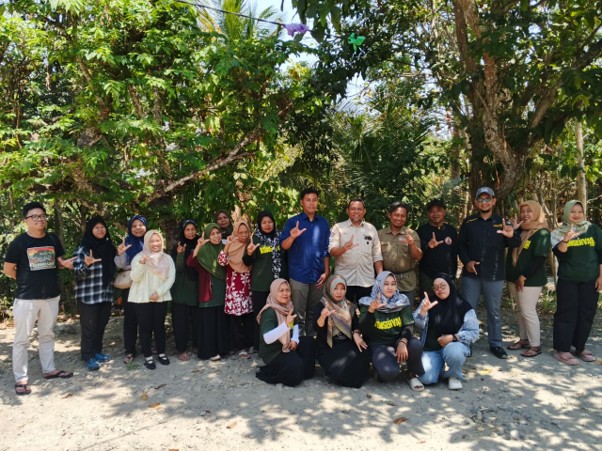
Kulon Progo, September 13, 2026 — The Manunggal Karya Forest Farmers Group (KTH) has had the opportunity to hold community capacity building activities in ecotourism management in the Sermo Wildlife Sanctuary buffer area, located at the Secretariat of KTH Manunggal Karya, Bibis, Hargowilis Village, Kapanewon Kokap, Kulon Progo Regency. The activity started on time and was attended by at least 15 KTH Manunggal Karya members. The event was attended by the Hargowilis Village Head, BKSDA DIY, DIY Tourism Office, NGO Relung, and other guests. This activity featured materials from the DIY Tourism Office, the Faculty of Biology, Gadjah Mada University, and NGO Relung Indonesia, focusing on developing education-based ecotourism and introducing animals and culture in the community.
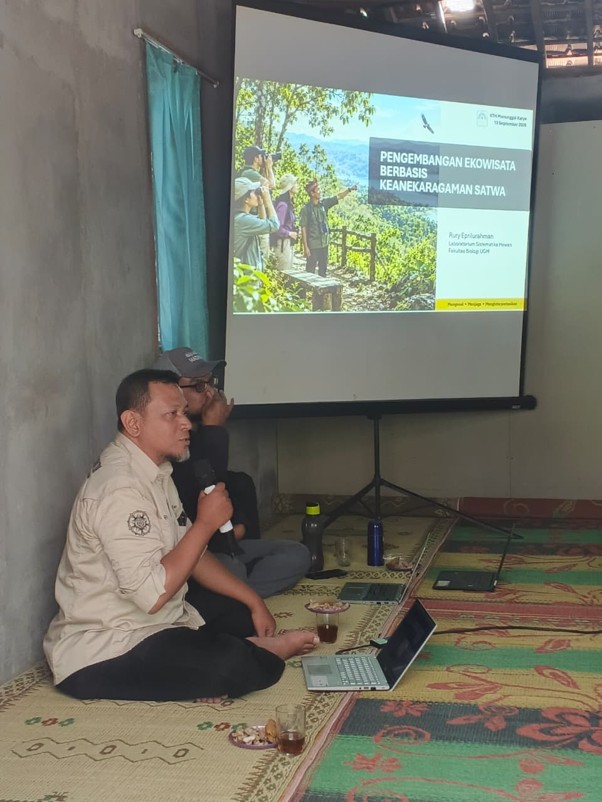
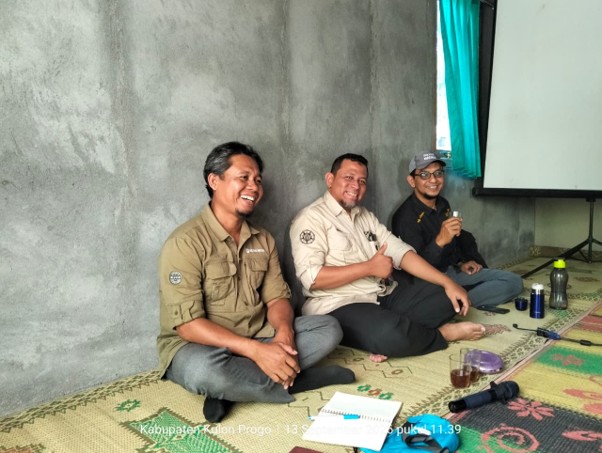
One of the main materials entitled “Development of Ecotourism Based on Animal Diversity” was delivered by Rury Eprilurahman from the Laboratory of Animal Systematics, Faculty of Biology UGM. The material emphasized that the potential for animal diversity in the Hargowilis–Sermo area can be developed as a tourist attraction based on observation, education, interpretation, and conservation, not for animal exploitation. Participants were introduced to potential activities such as birdwatching, observing signs of mammal presence, herping in a limited and safe manner, and observing butterflies and insects.
The activity went smoothly and explored interesting, innovative ideas through active discussions. Participants also learned the importance of recording animal observation results, preparing interpretive stories for tourists, following the code of ethics for animal observation, ensuring field safety, and preparing a Wildlife Trail as part of KTH ecotourism development. One of the important messages of this activity is that “animals are not attractions that are forced to appear; animals are a sign that the landscape is still alive.”
As a follow-up, KTH Manunggal Karya is encouraged to conduct trail surveys in the morning, afternoon, and evening; select priority animal types or signs; compile checklists and interpretation materials; conduct tour package trials in small groups; and update animal data regularly. This step is expected to strengthen local communities’ role as guides and guardians of biodiversity in the Sermo area.
These activities can mainly provide support to SDG 15 – Life on land, through biodiversity conservation and sustainable use of ecosystems; as well as contribute to SDG 8 – Decent Work and Economic Growth, through the development of local ecotourism-based economic opportunities; SDG 12 – Responsible Consumption and Production, through responsible natural tourism practices; and SDG 4 – Quality Education, through increasing people’s knowledge and capacity in the interpretation and conservation of biodiversity.