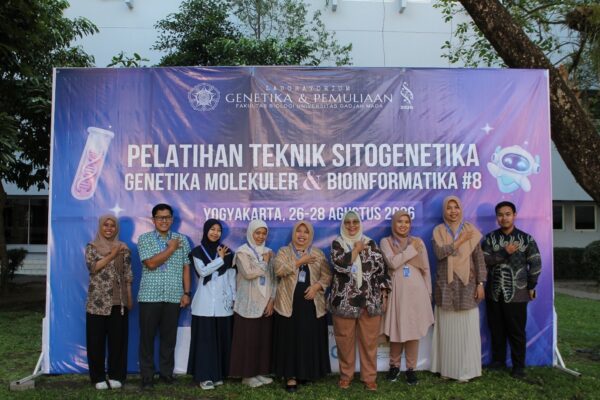
Yogyakarta, August 28, 2026 — The Laboratory of Genetics and Breeding, Faculty of Biology, Universitas Gadjah Mada (UGM), held the #8 Cytogenetics, Molecular Genetics, and Bioinformatics Training at Room 8, Meeting Room 1, and the Laboratory of Genetics and Breeding. The training was attended by 22 participants and aimed to strengthen participants’ competencies in genetic analysis techniques through cytogenetic and molecular genetic approaches to support research, breeding, and the conservation of plants and animals.
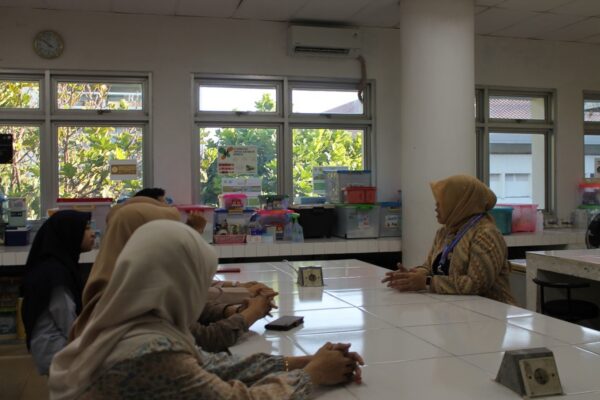
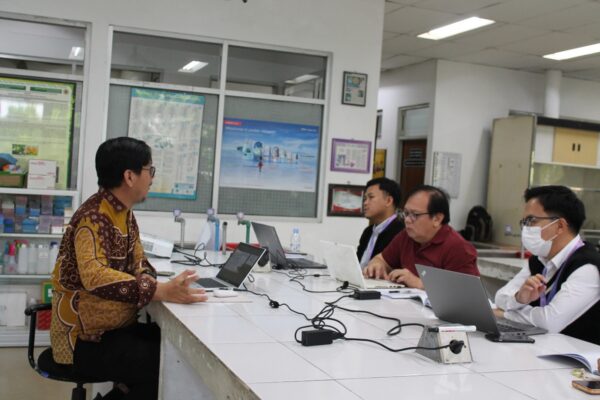
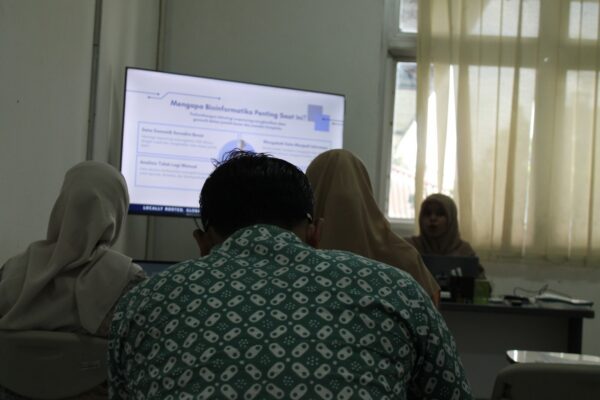
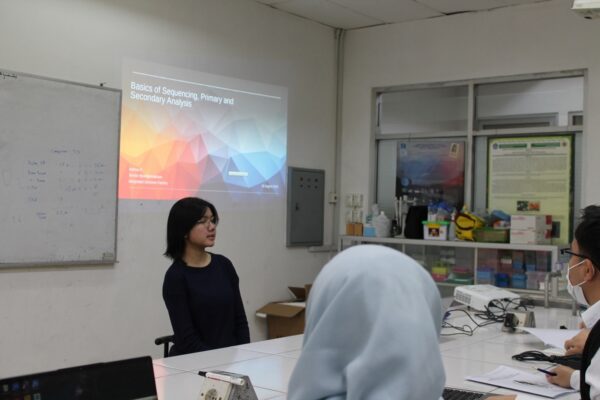
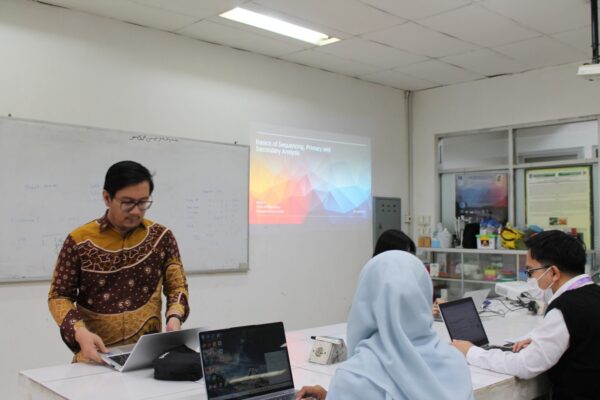
The event commenced at 8:00 a.m. WIB, followed by the implementation of Package 3 and Package 4. On the third day, Package 3 continued with sessions on the fundamentals of DNA sequencing and an introduction to Next-Generation Sequencing, followed by practical sessions on secondary analysis and variant classification led by Indra Lesmana, S.Si., M.Sc. Meanwhile, Package 4, Whole Chloroplast Genome of Plants: Fundamentals of Bioinformatics Analysis, began with sessions covering the fundamentals of the whole chloroplast genome of plants, as well as bioinformatics analysis of plant genome assembly and annotation. The sessions were followed by practical activities on genome assembly and genome annotation, supervised by Ganies Riza Aristya, S.Si., M.Sc., Ph.D., Tiara Putria Judith, S.Si., M.Sc., and Denianto Agung Wicaksono, S.Si.
The third day was officially closed by Ganies Riza Aristya, S.Si., M.Sc., Ph.D., Head of the Laboratory of Genetics and Breeding, Faculty of Biology, UGM. The event continued with the presentation of certificates to the participants and a group documentation session. The three-day training covered a wide range of essential topics, including chromosome preparation and karyotype analysis, DNA isolation and quantification, PCR and electrophoresis, genetic variation analysis for conservation and breeding, the application of Next-Generation Sequencing in genetic disorder detection, library preparation and sequencing, variant classification, and bioinformatics analysis of the chloroplast genome. The combination of theoretical and practical sessions is expected to enhance participants’ competencies in molecular genetics and bioinformatics, thereby supporting research, breeding, and biological resource conservation. The training also aligns with the Faculty of Biology UGM’s commitment to supporting the Sustainable Development Goals (SDGs), particularly Goal 4 (Quality Education) and Goal 15 (Life on Land), through capacity building in genetic research and biodiversity conservation.