Yogyakarta, Saturday, September 9, 2023 – The Entomology Study Group (ESG) held the third event in its Open Recruitment series, known as the First Gathering. The purpose of this gathering was to welcome the new members of ESG XXV and facilitate introductions among ESG members. The event took place at the BioGeo cafeteria on the second floor, from 07:30 to 11:00 AM, and was attended by active ESG members and the new members of ESG XXV. The First Gathering event was led by Regina Nilamsari (ESG XXIV).
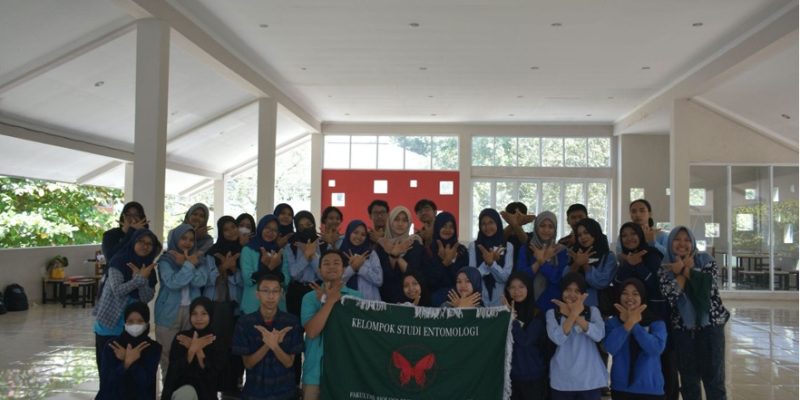
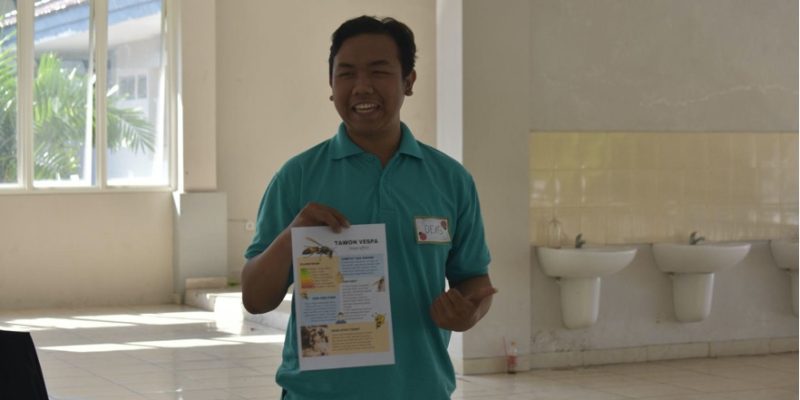
It commenced with a welcome address from the ESG chairman, Cornelius Devito Deva (ESG XXII), followed by introductions from the new ESG members and the active ESG members. Additionally, there was an introduction to the eight divisions within the Entomology Study Group: secretary, treasurer, entrepreneurship, HR development, research, networking, media information, and curriculum-research. The activities proceeded with poster presentations on insects liked and disliked by the new members, showcasing their creativity.
The new members showed great enthusiasm in creating and presenting their posters, evident in the captivating results. Following the presentations, there were group activities and quizzes about insects, enthusiastically participated in by all the new members who actively answered the questions posed by the MC. The event concluded with the announcement of the best poster and quiz winners, closing remarks by the ESG chairman, and a documentation session.
On Saturday, September 9, 2023, the Meet and Greet event for prospective KSAT Seedlings took place, as part of the Open Recruitment activities organized by KSAT. This Meet and Greet event serves as an introduction and initial meeting between Active KSAT Members and potential new members. The event was held in person in Room II of Building B. The Meet and Greet aims to introduce KSAT to potential new members and serves as a precursor to the upcoming KSAT spatial training program. The event kicked off with an opening and prayer led by the MCs, Mirmastu Lintu Nirmala W. and Khansa Fauziah Rachman (KSAT 2022).
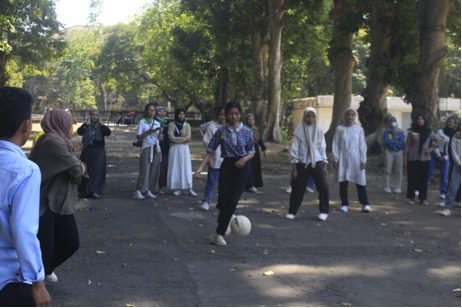
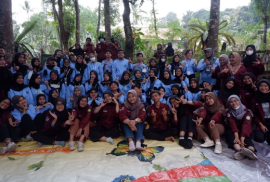
This was followed by welcoming remarks from the head of the Open Recruitment committee, Anggi Nada Khoirul U. (KSAT 2021), the president of KSAT 2023, Zildan Basara (KSAT 2020), and KSAT advisor, Dr. Wiko Arif Wibowo, S.Si., who was unable to attend. Next, the KSAT slogan was introduced: “KSAT, Rooted Firmly Penetrating Civilization”. Following this, the main session included an introduction to KSAT, covering its activities, work programs, various disciplines within KSAT, as well as the non-disciplinary divisions within KSAT’s organization. This was followed by introductions from each non-disciplinary division to the Young Biologists or Prospective Seedlings. After the main activities concluded, discussions and introductions of the Prospective Seedlings were carried out in four groups, each led by guides Adelia Adriani, Hanifah Trihastuti (KSAT 2021), Ghefira Nur Fatimah, and Tiara Syifa Wididevani (KSAT 2022). Additionally, there were games held on Taman Biologi Street. The Meet and Greet event concluded with a closing prayer and a collective documentation.
The Meet and Greet event ran smoothly and on schedule. With the successful execution of the Meet and Greet event by KSAT Biologi UGM, it is hoped that the prospective KSAT Seedlings will be excited to join KSAT and engage dynamically through the upcoming spatial training activities. Furthermore, it is anticipated that KSAT will further establish its roots firmly in order to effectively penetrate civilization, thus becoming a study group that benefits not only the surrounding environment, but also academics and the broader community.
The Field Training for Advanced Education of the Seventeenth Diksar Generation BiOSC in 2023 is an annual agenda organized by the Biology Orchid Study Club (BiOSC). The main focus of this activity is to enhance the skills and knowledge related to the research, cultivation, and conservation of orchids for prospective members of the BiOSC. This activity took place in person at the Faculty of Biology and the Greenhouse in Karanggayam on August 19, 2023, and at the Balelawang Orchid Species located at Tegalsan, Umbulharjo, Cangkringan, Sleman on August 20, 2023.There were 42 participants in the 2023 Field Training activity from the seventeenth Diksar generation.
The activity ran smoothly for two days. On the first day, it began with an opening ceremony followed by a welcome address from the BiOSC supervisor, Prof. Dr. Endang Semiarti, M.S., M.Sc. Before starting the practical sessions, an initial briefing was conducted by the Coordinator of the Research and Cultivation Division of the Biology Orchid Study Club. The research practice involved creating a wet herbarium using orchid fruits (Rynchostilis retusa, Arundina graminifolia, and Cymbidium encifolium) as preserved objects at the Faculty of Biology, UGM. The research field practice concluded with a trip to the Greenhouse in Karanggayam. There, the cultivation practice of acclimatizing Dendrobium hybrid orchids took place. The activities of the first day ended with participants returning to their respective homes.
On the second day, the participants and organizers departed for the Balelawang Orchid Species. Mr. Anton, the manager of Balelawang Orchid Species, gave a welcome address. Participants engaged in conservation practices, which included identifying wild orchids and measuring physicochemical parameters. The measured parameters included air temperature, light intensity, air humidity, soil humidity, and soil temperature. The second day of field training concluded with a lunch event and group documentation.
The designation of the seventeenth generation as members of the division did not end there. On Saturday, September 3, 2023, participants presented their research proposal, cultivation practices, and identification along with the measurement of physicochemical parameters. This activity aimed to train communication skills and inform the audience about the orchids they had successfully identified. Orchid species successfully identified included Dendrobium crumenatum, Dendrobium mutabile, Acriopsis, Vanda tricolor, and many more. The event continued with the announcement of graduation and the induction of the seventeenth generation as division members, followed by a division discussion. The series of activities concluded with awards given to the top participants and a collective documentation as a form of appreciation for entering the division in BiOSC.
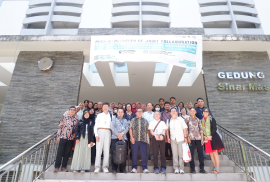
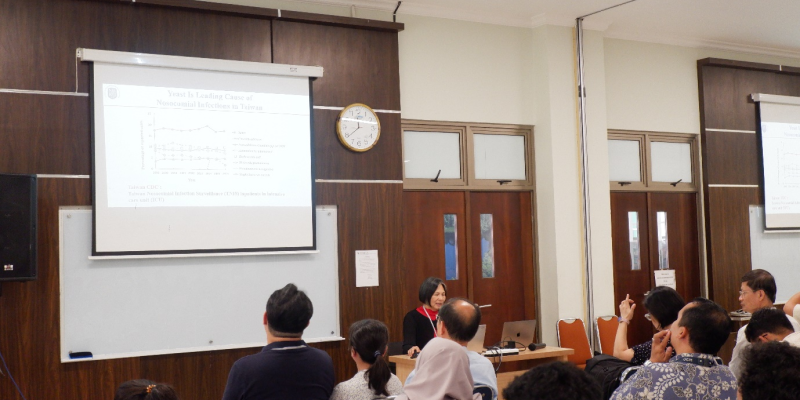
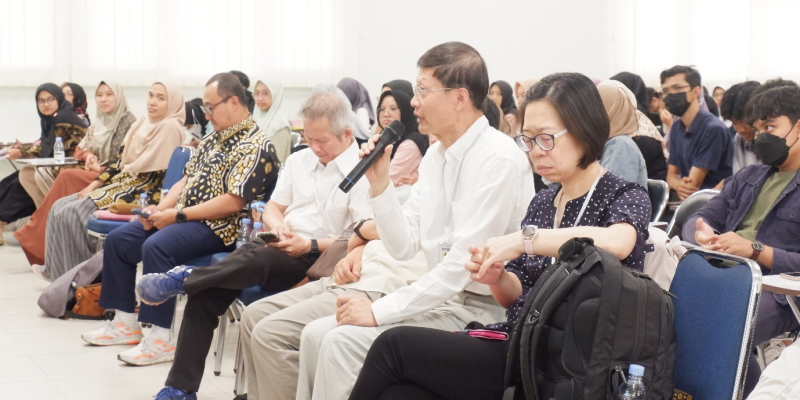
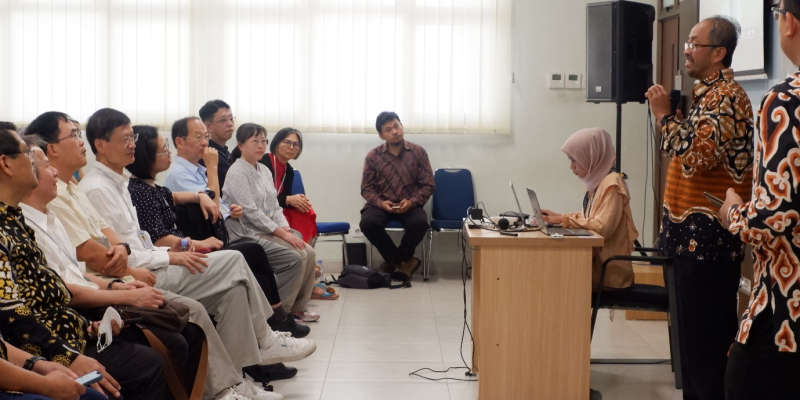
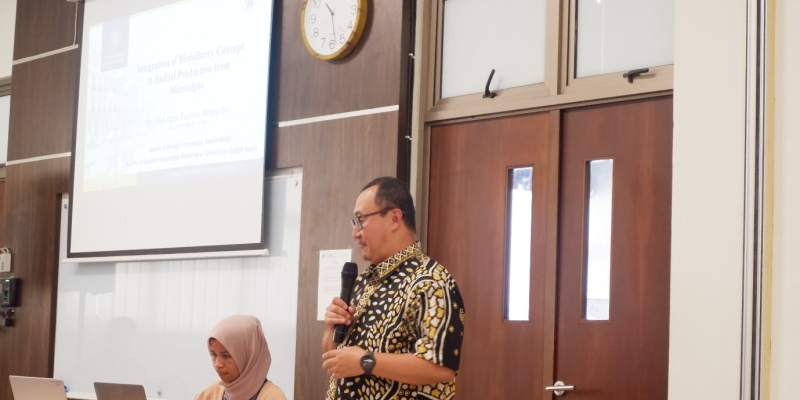
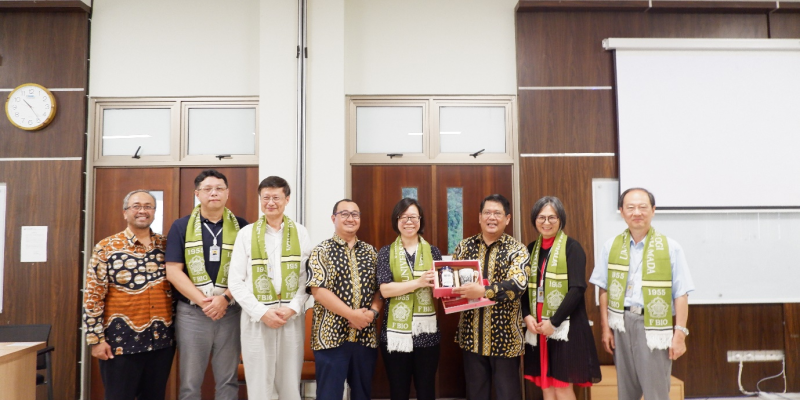
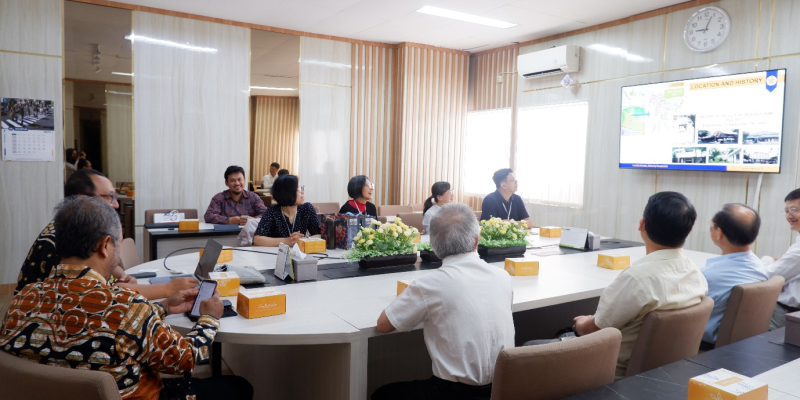
Yogyakarta, 12 September 2023 – The Faculty of Biology in collaboration with the National Center University (NCU) and the National Health and Research Institute (NHRI), Taiwan held a Mini Symposium and Scholarship Interview, at the Faculty of Biology, Universitas Gadjah Mada. The arrival of the NCU and NHRI delegation was received in the KPTU Meeting Room, Faculty of Biology UGM. The delegation are Prof. Chien-Chia Wang, Prof. Shen-Liang Chen, Prof. Yueh-Hsia Luo, Raden Aditya Aryandi, M.Sc. from NCU, as well as Prof. Tsung-Hsien Chuang, Prof. Jyh-Lyh Juang, Prof. Hsiu-Jung Lo, Prof. Ya-Hui Chi, Prof. Hsien-Jen Cheng from NHRI, Taiwan. From the Faculty of Biology attended by, Dr. Bambang Retnoaji, M.Sc. as Vice Dean for Academic and Student Affairs, Dr. Eko Agus Suyono, M.App.Sc. as Vice Dean for Research, Community Service, Collaboration and Alumni Affairs, and Arief Muammar, S.Si., M.Sc. from the Microbiology Laboratory.
Dr. Eko as Vice Dean for Research, Community Service, Collaboration and Alumni Affairs delivered a profile of the Faculty of Biology. The presentation related to the history of the Faculty of Biology, achievements, study programs offered, facilities, and collaborations that have existed between the Faculty of Biology UGM and various institutions, companies and universities throughout the world.
Next, Prof. Chien-Chia Wang, Head of Department of Life Science, National Central University expressed his appreciation for the opportunity to collaborate with the Faculty of Biology. He explained NCU and NHRI focus on biomedicine and developing innovations around bioinformatics to the use of AI in biology.
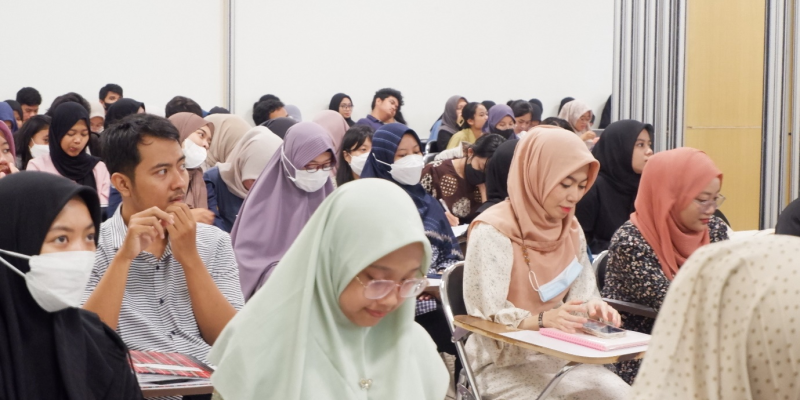
The Mini Symposium was held in Lecture Rooms 1 and 2, Building B, Faculty of Biology UGM. The event was hosted by Indah N Fauziah, Postgraduate student at the UGM Faculty of Biology, as the host.
“Our collaboration with NCU has been established since years. “We’re confident to continue the strength collaboration,” said Prof. Budi as Dean, in his speech (12/9). Prof. Budi also said that many UGM Biology graduates had continued their studies and research at NCU. The speech was continued with the opening of the Mini Symposium by Prof. Dr. Budi Setiadi Daryono, M.Agr.Sc.
Prof. Wang as Head of Department of Life Science delivered his remarks along with a presentation on the profile of National Central University, especially the Department of Life Science. He conveyed that his department’s research focus is in the biomedical and there is a Department of Medical Engineering which develops research related to medical equipment and the development of bioinformatics and AI innovations. The speech was continued by Prof. Yes Hui Chi, as Chief of Student Affairs Office, NHRI. He conveyed NHRI’s focus on health issues in collaboration with various universities and the government.
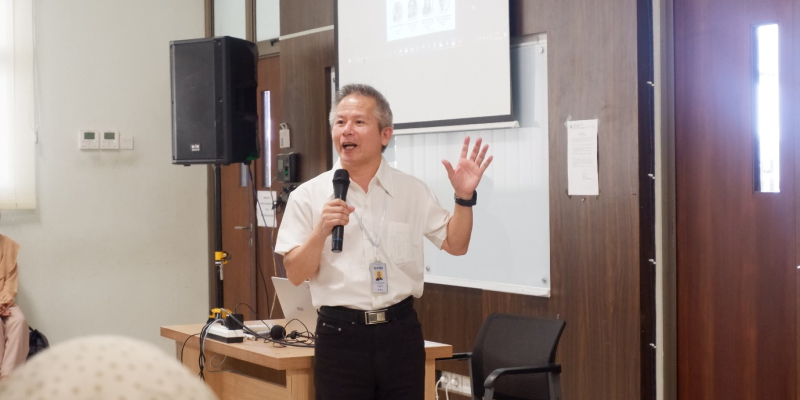
The main session of the mini symposium was guided by Tyas Ikhsan Hikmawan, M.Sc., Ph.D. as moderator. The first presentation was delivered by Dr. Eko Agus Suyono, M.App.Sc. who delivered material entitled “Integration of Biorefinery Concept in Biofuel Production from Microalgae”. The second presentation was delivered by Prof. Tsung-Hsien Chuang of NHRI. Prof. Chuang delivered material regarding his research on Immune Response and TLR (Toll Like Receptor). The next presentation was delivered by Dr. Bambang Retnoaji, M.Sc who delivered material related to his research on ‘Wader’ Fish Cultivation. Prof. Yueh-Hsia Luo from NCU delivered the next presentation. Prof. Luo delivered material on the Interaction of Microbiota and Immunity. Next, a presentation was delivered by Dr.rer.nat. Abdul Rahman Siregar, S.Si., M.Biotech. who delivered material entitled “Recombinant Systems and Reporter Viruses for Primate Simplexviruses”, and continued with a presentation by Prof. Hsiu-Jung Lo of NHRI. Prof. Lo explained material related to research centers under NHRI which focus on research in the biomedical field, including Industry Innovation Research, Public Health and Policy Advocacy, and Basic and Translational Medical Research. The mini symposium presentation closed with a material presentation by Wahyu Aristyaning Putri, S.Si., M.Sc., Ph.D. regarding the detection of the Quasispessies variant of the Hepatitis B Virus in Indonesia.
The next Scholarship Interview will be held at the KPTU Building, Faculty of Biology. The interview was attended by undergraduate and postgraduate students from the Faculty of Biology who were interested in continuing their studies and research in Taiwan, especially at NCU-NHRI.
The next collaborative discussion was held in the KPTU Meeting Room. The Faculty of Biology initiated Double Degree collaboration for master and doctoral study programs as well as collaboration between UGM, NCU and NHRI in plans to establish a Biomedical Center at UGM. Prof. Wang welcomed the initiation of this collaboration and hoped that he could participate in increasing the quantity and quality of research at UGM, especially at the Faculty of Biology.
The collaboration of the Faculty of Biology with NCU and NHRI in holding the Mini Symposium and Scholarship Interview shows the commitment of the Faculty of Biology in its role in sustainable development in accordance with the Sustainable Development Goals (SDGs), namely healthy living (SDG 3), good quality education (SDG 4), and partnerships for the goals (SDG 17).>/div>
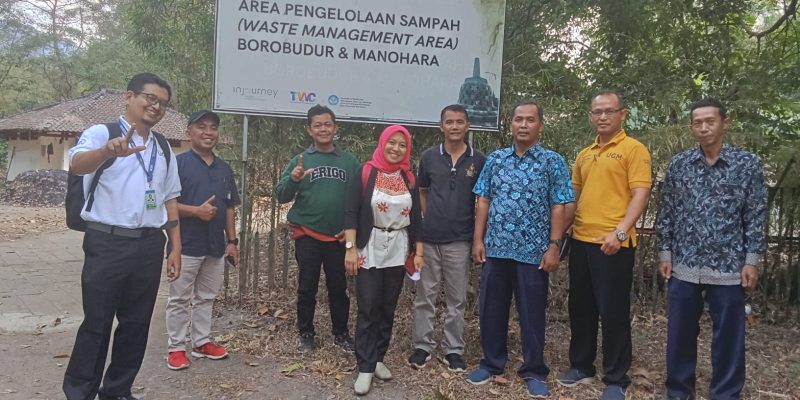
On Friday, September 8, 2023, the Organic Waste Management Task Force from the Faculty of Biology at UGM visited the Borobudur Temple Tourist Park (TWC) in Magelang. The purpose of this visit was to explore collaboration in the organic waste management at both Borobudur and Prambanan TWCs. Leading the visit was Soenarwan Hery Poerwanto, S.Si., M.Kes., accompanied by task force members including Dr. Sukirno, M.Si., Dwi Umi Siswanti, S.Si., M.Sc., Mulyanto, ST.MM, Rujito, and Danang.
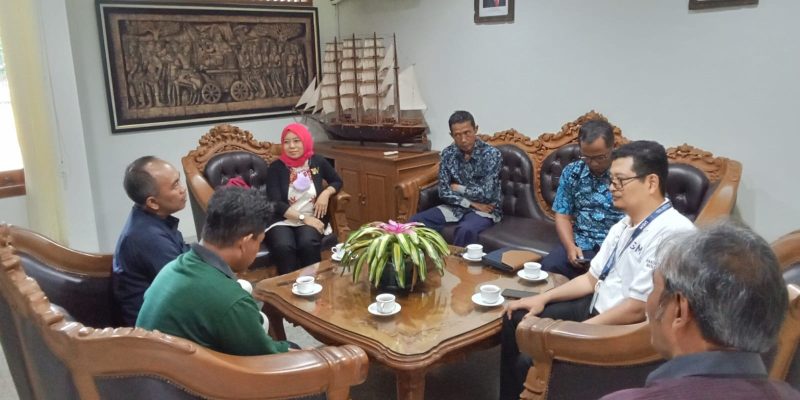
The departure of the Organic Waste Management Task Force team was based on the recommendation of the SONJO (Sambatan Jogja) WA Group initiator, Rimawan, SE., M.Sc., PhD., to the Dean of the Faculty of Biology, UGM, Prof. Dr. Budi Setiadi Daryono, M.Agr.Sc. Subsequently, the Dean tasked the Organic Waste Management Task Force to meet with stakeholders at TWC Borobudur, namely Kristiono Wibowo (Operations Manager), Sumardi (Assistant Manager Merchant Area), and Agus Susanto (Assistant Manager PAK Maintenance). The Organic Waste Management Task Force was invited to visit the Waste Management Area of Borobudur and Manohara, which processes approximately 10 tons of leaf litter waste daily. This organic waste is transformed into compost within 30 days. Following discussions, the Organic Waste Management Task Force from the Faculty of Biology and TWC Borobudur concluded that the decomposition process from leaf litter to compost was still too lengthy.
The Organic Waste Management Task Force from the Faculty of Biology at UGM proposed the use of Bioferti 2023 to expedite the organic waste processing at TWC Borobudur. “Currently, Bioferti 2023 produced by the Faculty of Biology has proven to decompose organic waste into compost within 14 days,” stated the Task Force Chair, Soenarwan Hery Poerwanto. In addition to compost production, TWC Borobudur also has adequate equipment for briquette production. These briquettes are then distributed to power generation units in Cilacap, Central Java, as part of a collaboration with CSR PLN Jateng.
Essentially, the Organic Waste Management Task Force from the Faculty of Biology at UGM has a mission to enhance the quality of the Universitas Gadjah Mada environment, making it clean, orderly, and free from environmental pollution caused by organic waste. This mission aligns with Sustainable Development Goals (SDGs) number 12, responsible consumption and production, number 13, climate action, and concurrently realizes SDGs number 14, sustainable cities and communities.
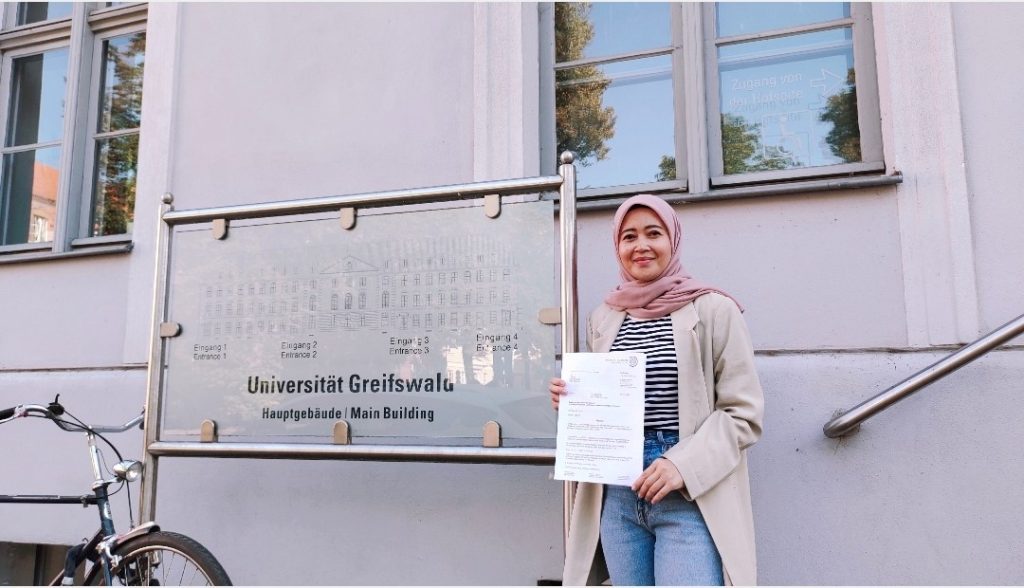
Tiara Putri, a doctoral student at the Faculty of Biology, UGM, has successfully obtained her second scholarship as part of the double degree program with the University of Greifswald, Germany. This scholarship is known as the Landesgraduiertenförderungsverordnung, Mecklenburg-Vorpommern (LGFVO M-V). Every semester, the University of Greifswald awards the LGFVO M-V scholarship to young academics currently pursuing their doctoral studies, who have demonstrated outstanding academic achievements and backgrounds. The selection process and chances of receiving this scholarship are highly competitive, as only 7 doctoral students at the University of Greifswald are awarded this distinction each semester. Selection criteria include academic achievements during Bachelor’s and Master’s studies, prior research experience, the quality of the proposed doctoral research project, and recommendation letters from professors in a related research field.

In 2022, Tiara also received the Bayer Foundation Fellowship in Drug Discovery (Germany). As a recipient of both of these scholarships, Tiara is currently pursuing her doctoral double degree at the Department of Molecular Genetics and Infection Biology, University of Greifswald, under the guidance of Prof. Dr. rer. nat Sven Hammerschmidt, as well as at the Faculty of Biology, UGM, under the supervision of Prof. Budi Setiadi Daryono. Tiara’s research project also involves collaboration with the Eijkman Molecular Biology Research Center, BRIN, with co-promotor Dr. Dodi Safari, the head of the Molecular Bacteriology laboratory. Tiara’s research focuses on “Viral-Bacterial Coinfection of Streptococcus pneumoniae and Influenza A Virus in the Upper Respiratory Tract.” Based on previous studies, over 95% of morbidity and mortality resulting from past influenza pandemics worldwide were attributed to bacterial coinfections. Streptococcus pneumoniae is the most frequently isolated bacterial pathogen in these influenza pandemics. The WHO also reports that this bacterium causes up to one million child deaths per year, making it a critical issue in the global healthcare system. To further investigate this bacterial and viral coinfection, Tiara utilizes mouse lung tissue sections as a substitute for live animal testing.
According to Tiara, this method provides an excellent alternative to meet the need for animal models in both laboratory and clinical settings. Its benefits are substantial in adhering to the principles of 3R (Replacement, Reduction, and Refinement) to reduce the number of animals used in in vivo experiments. The concept of 3R is crucial in implementing point no.12 of the Sustainable Development Goals (SDGs): “to ensure sustainable consumption and production patterns”, as it emphasizes energy and resource conservation. “These lung tissue sections can maintain cellular complexity and lung architecture, providing a platform that closely resembles natural conditions for studying both bacterial and viral pathogens in the respiratory system of living organisms. Therefore, it greatly aids in reducing the use of experimental animals in both research and clinical settings,” stated Tiara.
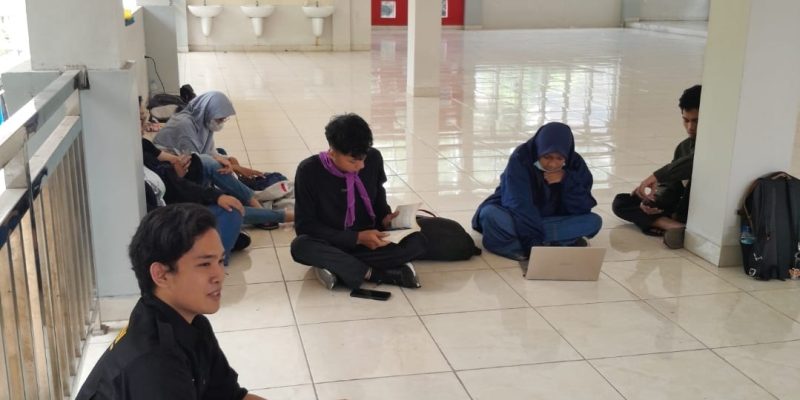
The CAM Orientation is an annual series of events held for new CAM members. The purpose of this series is to provide orientation and basic training on topics essential for CAMs to become Matalabiogama members. This year, CAM XXVI will undergo training on IMPK, SAR & First Aid, Survival, Mountaineering, Caving, and Matalabiogama Principles. The second orientation held during CAM XXVI’s Orientation is Matalabiogama Principles.
Understanding the elements of Matalabiogama Principles is crucial for CAMs in order to grasp the significance of being a Matalabiogama member. On September 10, 2023, the Matalabiogama Principles orientation for CAM XXVI was conducted from 13:00 to 14:35 WIB on the second floor of the BioGeo UGM cafeteria. The Matalabiogama Principles orientation was conducted by the senior from D23 Matalabiogama, Muhammad Helmi Fauzan. The event began with a collective singing of the Matalabiogama anthem. Following that, the orientation commenced with a segment on leadership, where the speaker expounded on the meaning, values, and challenges faced by a leader. The speaker also shared personal experiences as the previous general chairperson of Matalabiogama followed by a discussion session.Subsequently, the orientation continued with a focus on Matalabiogama Principles, during which the speaker discussed the vision, mission, history, and various experiences as a Matalabiogama member.
That’s all from us. We hope the orientation provided will be beneficial for CAM XXVI in their journey to become Matalabiogama members, and we wish for the upcoming orientation series to run smoothly. Vivat Et Floreat!
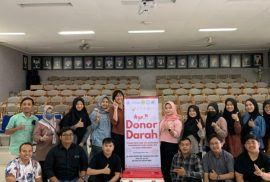
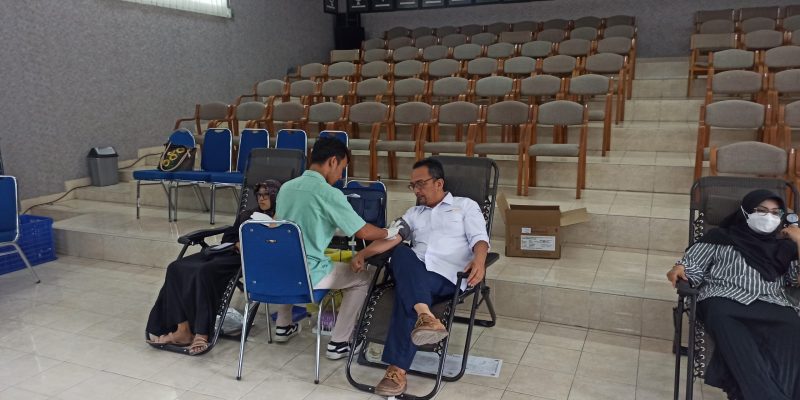
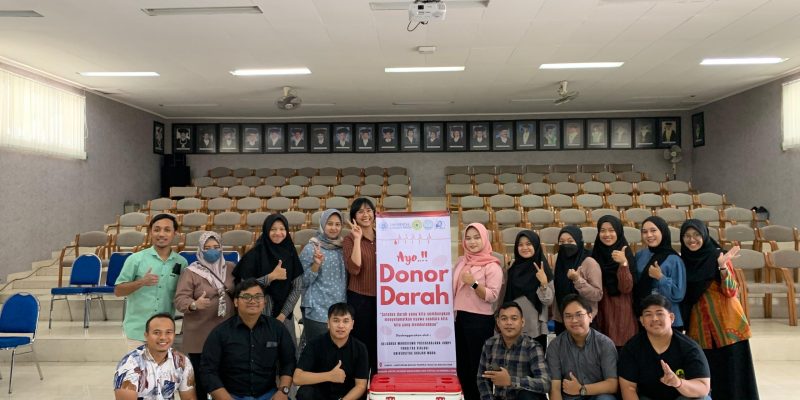
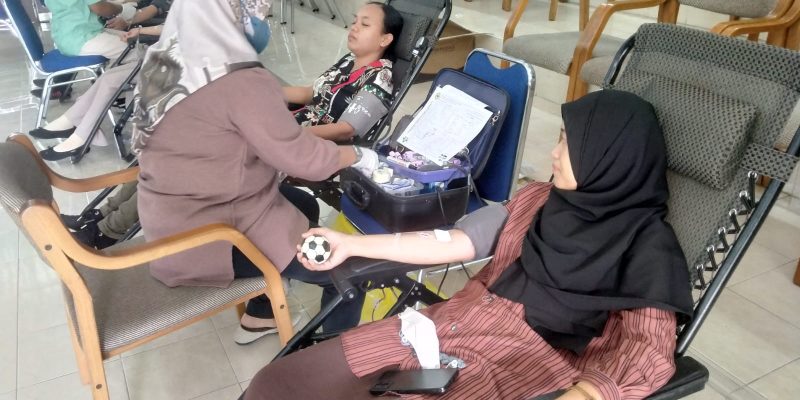
In an effort to realize compassion and dedication to the community, the Graduate Student Family (KMP) of the Faculty of Biology, Gadjah Mada University, organized a blood donation campaign with the theme “A Drop of Blood We Donate Saves the Lives of Our Needy Brothers and Sisters” on Monday (11/09/2023). In collaboration with the Dr. Sardjito Hospital Unit, this campaign was held at the Tropical Biology Auditorium, Faculty of Biology, UGM. The blood donation activity was conducted in accordance with health protocol standards and participant health screening requirements to qualify as blood donors. The blood donation activity took place from 09:30 AM to 12:30 PM, with the participation of dozens of UGM academic community members in general, and specifically from the Faculty of Biology, including professors, educational staff, and undergraduate, master’s, and doctoral students. The activity ran smoothly and achieved its target of 41 donors.
One of the donors, Faliana Sasita from the Faculty of Cultural Sciences, Master’s Program in Linguistics, expressed that although she initially felt apprehensive about participating in the blood donation, she experienced no negative side effects. Additionally, according to Faliana, the organizers were very responsive and friendly. She also hopes that this activity can be held more regularly in the future. The organizer, Siska Noviana Dewi, stated that this activity is a humanitarian effort, one of the functions of the Three Pillars of Education, namely Community Service, aims to assist and facilitate donors from the UGM academic community in donating blood for those in need. Siska also expressed gratitude to the Dr. Sardjito Hospital Unit for their willingness to help make this blood donation campaign a success, and she hopes that this collaboration can continue to be implemented annually, with the expectation of a greater number of participating donors.
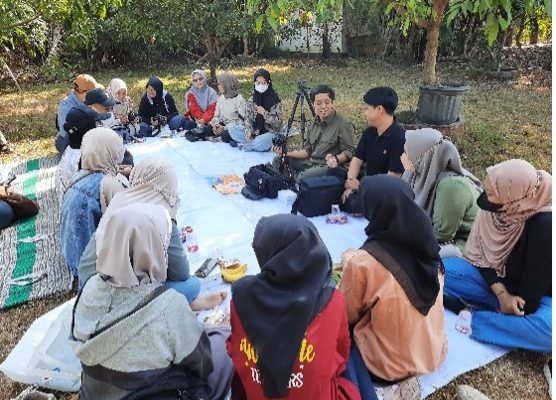
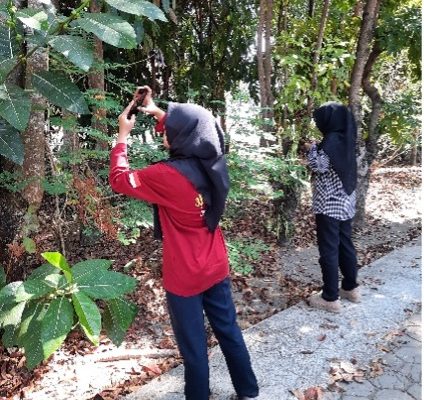
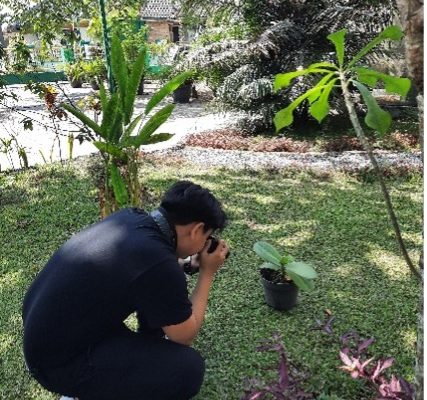
On Saturday, September 9, 2023, the Family of Postgraduate Student Talent and Interest Development Division (KMP) of the Faculty of Biology UGM hosted the BioLens event within the theme “Nature Through the Lens” at the Sawit Sari Research Station, a research facility of the Faculty of Biology at UGM. BioLens is one of the initiatives by the 2023 UGM Biology KMP’s Enchantment Division, aimed at facilitating postgraduate students from the Faculty of Biology UGM in exploring nature and immortalizing moments through the art of photography. The objective of this event is to nurture an interest and talent in photography and hiking among all postgraduate students. It also seeks to train students in digitally capturing subjects for research purposes in the field and introduce campus facilities to support their studies.
The event was inaugurated by Oktavia Dini Cahayani, S.Si., the event consisted of two sessions: a lecture session and a photo hunting session. The lecture on photography was delivered by Ahmad Yudis Mahardika, S.P, a Master’s student in Biology at UGM. The presentation covered an introduction to cameras in general and a simulation of taking photos with DSLRs and mobile phones, continued with a discussion session.
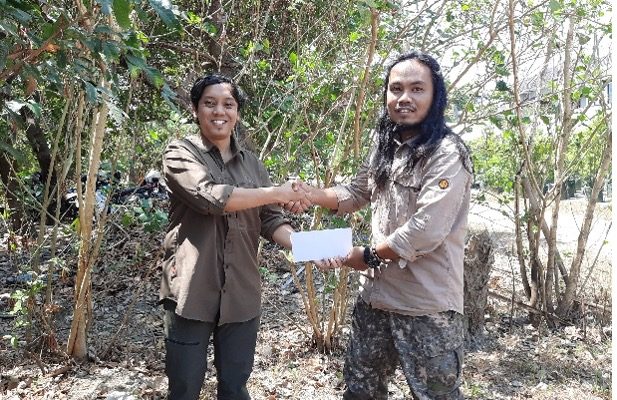
Following that, the event proceeded to the photo hunting session, where participants sought subjects to capture around the Sawit Sari Research Station. The participants showed great enthusiasm in this photo hunting activity. Subsequently, the event continued with a sharing session where each participant presented the photos they had captured, along with the stories behind them. Finally, towards the end of the event, KMP awarded the top three photos to Alfian Surya Fathoni, Fanny Sukria Fatma, and Wahyulfatwatul Umam. The event concluded with the presentation of certificates and tokens of appreciation to the speakers, prizes for the top three photos, and concluded with a group photo session.
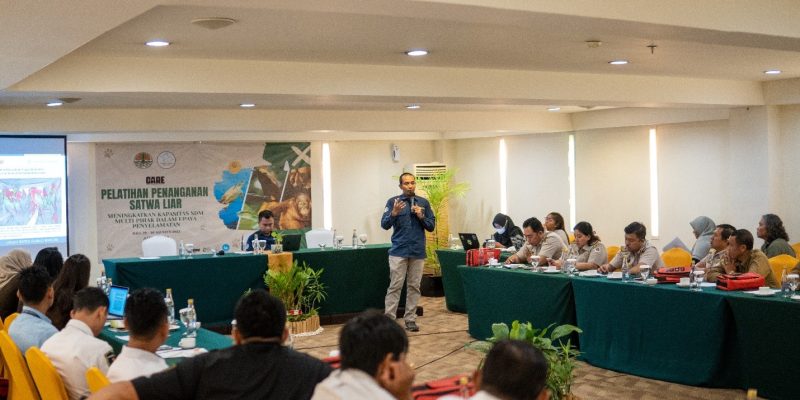
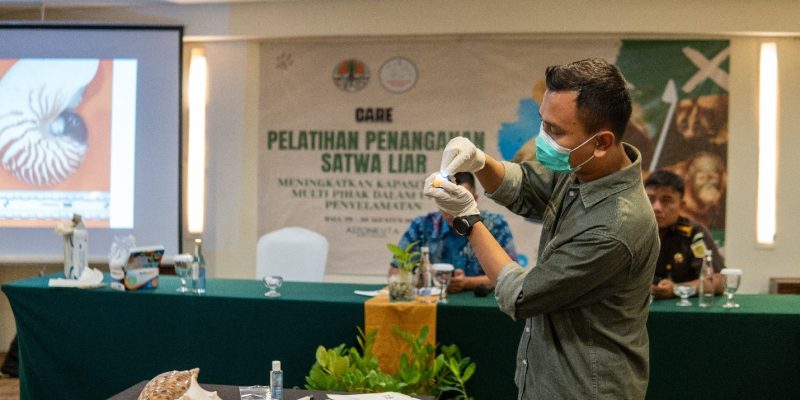
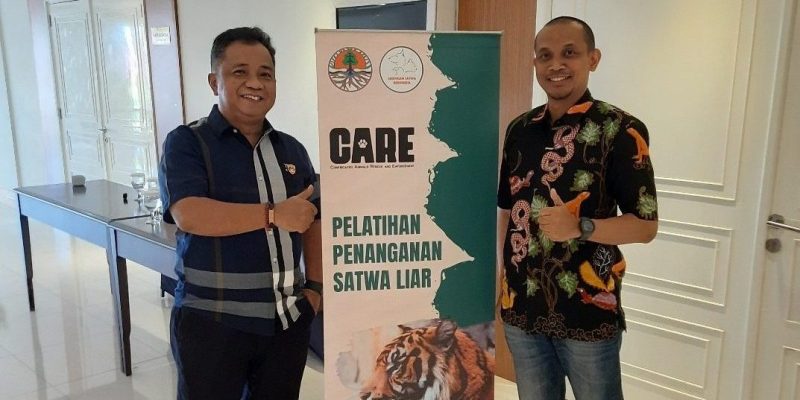
Following the successful execution of the “Wildlife Handling Training” series by the Indonesian Wildlife Network (JSI) in Surabaya and Jakarta, the initiative continued to the regions of Bali and Lampung. This endeavor holds great significance due to the severe threat posed by illegal wildlife trade to biodiversity, as well as its potential to fuel corruption among involved government officials. Wildlife trade typically occurs through a country’s points of entry and exit, thus, the “gatekeepers” are equipped to heighten vigilance, aiming to curtail and even thwart illegal wildlife trade, particularly that protected by Indonesian law.
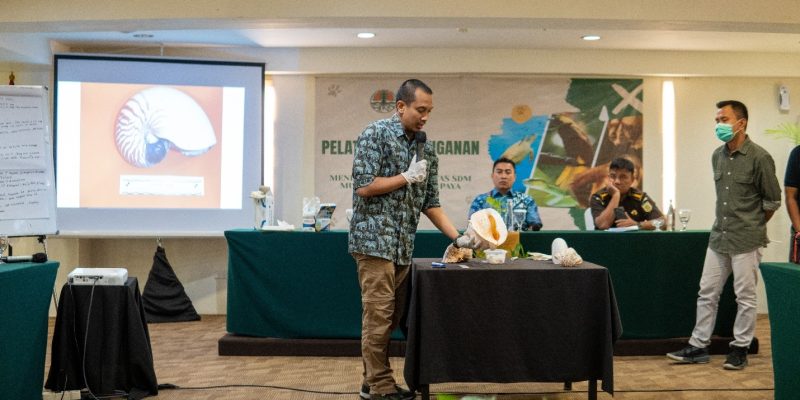
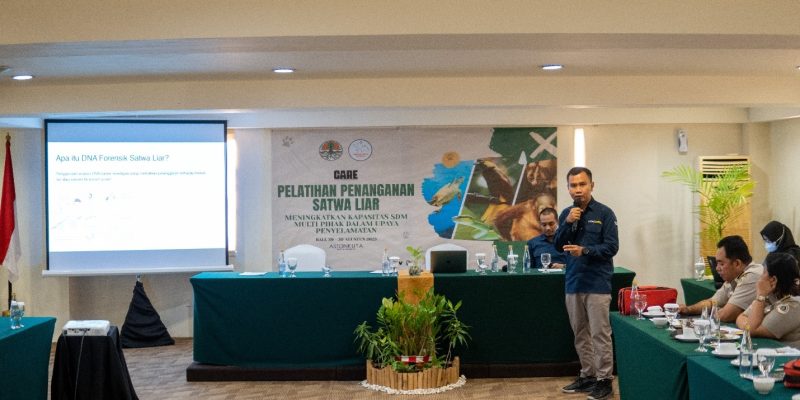
The Indonesian Wildlife Network conducted integrated training sessions in Bali on August 29-30, 2023, at the Aston Kuta Hotel, and on September 7-8, 2023, at the Swissbell-Hotel Lampung. The sessions were attended by a diverse group including BKSDA, the Prosecutor’s Office, the Police, Avian Security, the Animal Quarantine Center, and regulatory agents. The training covered various aspects of forensic examination on deceased wildlife and their parts. Proper handling is crucial to prevent damage during storage. Additionally, understanding the procedures for species identification is imperative. This encompasses morphological, anatomical, and molecular (DNA testing) identification methods. Collecting DNA samples serves as evidence to determine if the wildlife parts in question are protected by law or not. Serving as speakers were Faculty of Biology UGM lecturers and alumni: Donan Satria Yudha, S.Si., M.Sc, and Dr. Dwi Sendi Priyono, S.Si., M.Si. from the Animal Systematics Laboratory. Donan and Sendi possess extensive experience in wildlife forensic science and have made significant contributions to the advancement of knowledge in wildlife conservation and protection in Indonesia. Donan Satria Yudha, S.Si., M.Sc explained the principles of sample collection for morphological analysis, providing examples of various cases worked on for forensic investigation. Dr. Dwi Sendi Priyono, S.Si., M.Si., elucidated the principles and techniques of collection to DNA analysis, unveiling various cases of wildlife trade. One notable alumni of the Faculty of Biology UGM is AKBP Sugeng Irianto class of 1987, currently serving as the Head of Sub-Division 5 in the Directorate of Industry and Commerce Crime Investigation (Dittipidter) at the Indonesian National Police Criminal Investigation Department (Bareskrim Polri). i. He elaborated on the “Dynamics of Protected Wildlife Case Handling.”
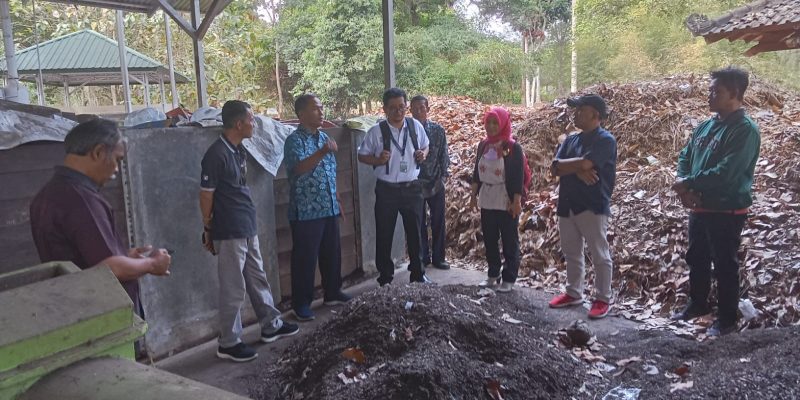
The Wildlife Forensic Training serves as a platform for sharing knowledge, experiences, and discussions on the latest developments regarding regulations and lessons learned from supervisory efforts. It is also expected to enhance multi-stakeholder coordination and cooperation, both in implementing regulations and enforcing the law. Additionally, it aims to standardize perceptions regarding the handling of wildlife evidence and their parts, one approach being the application of CARE standards, which enables a greater chance for the survival of wildlife post-seizure, through basic handling training, care, and understanding of wildlife and their needs. This integrated training is anticipated to bring about a renewal in efforts to monitor the utilization and circulation of wildlife in the future.
The Wildlife Forensic Training contributes to several Sustainable Development Goals (SDGs), particularly SDG 15: Life on Land and SDG 16: Peace, Justice, and Strong Institutions. SDG 15: Life on Land signifies that this training aids in safeguarding biodiversity and terrestrial ecosystems by investigating cases of illegal hunting, wildlife trade, and other violations against wildlife. It contributes to the goal of maintaining sustainable terrestrial ecosystems. SDG 16: Peace, Justice, and Strong Institutions entails that this training plays a role in combating illegal wildlife trade and strengthening relevant laws and regulations. It supports the objective of creating robust institutional coordination to address this issue. The Wildlife Forensic Training is vital in protecting endangered wildlife and maintaining ecosystem balance, ultimately contributing to the overall goals of sustainable development.