Arsip:
Cooperation
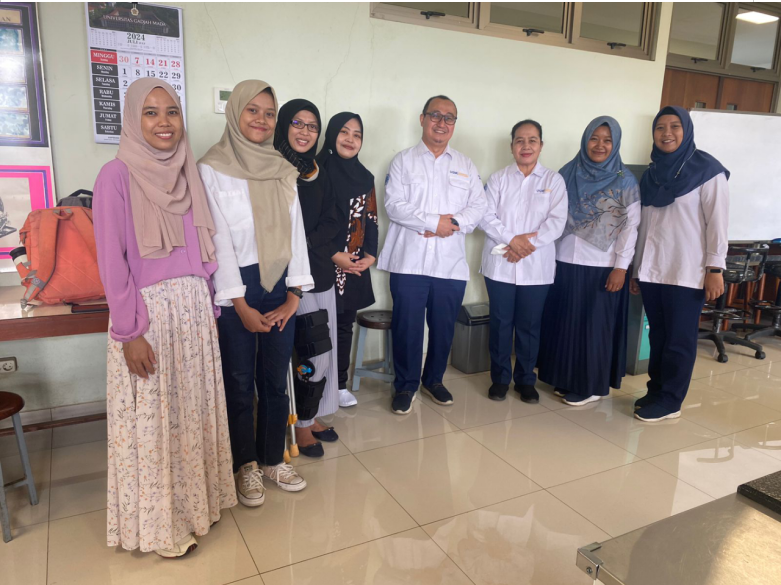
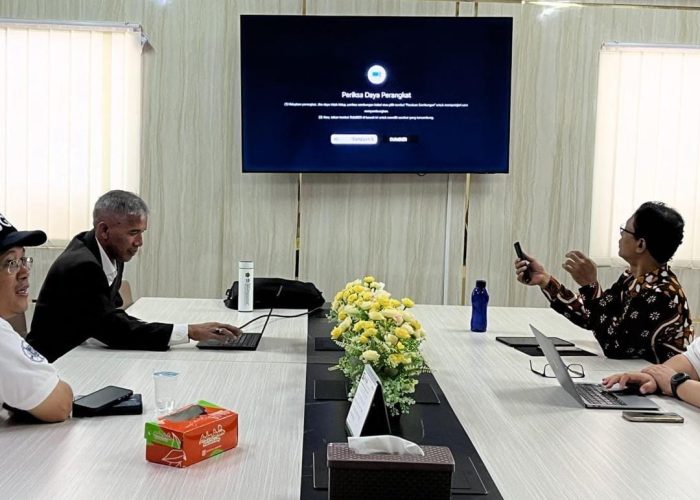
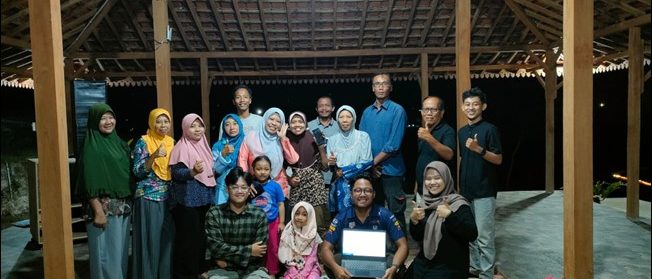
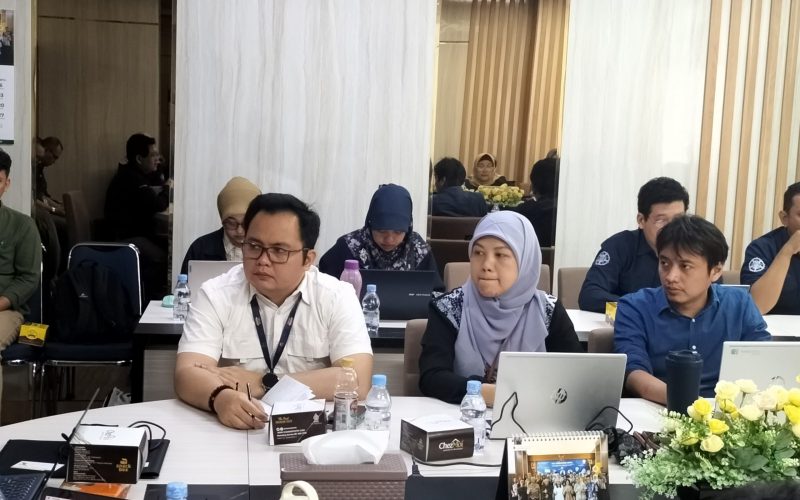
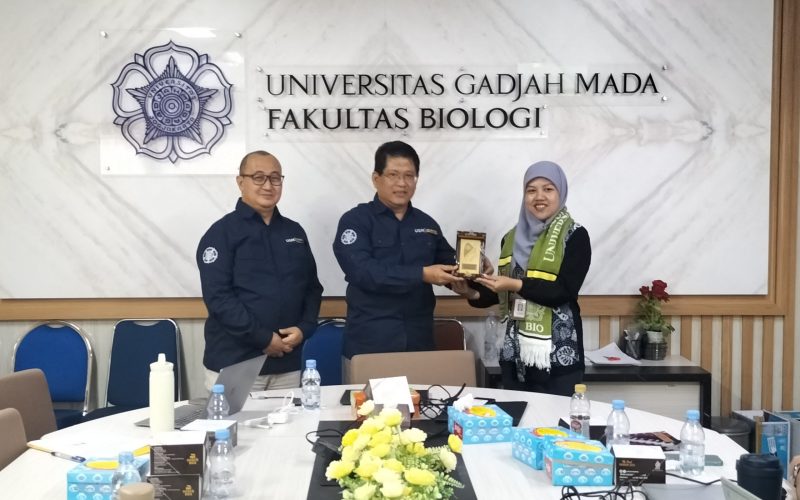
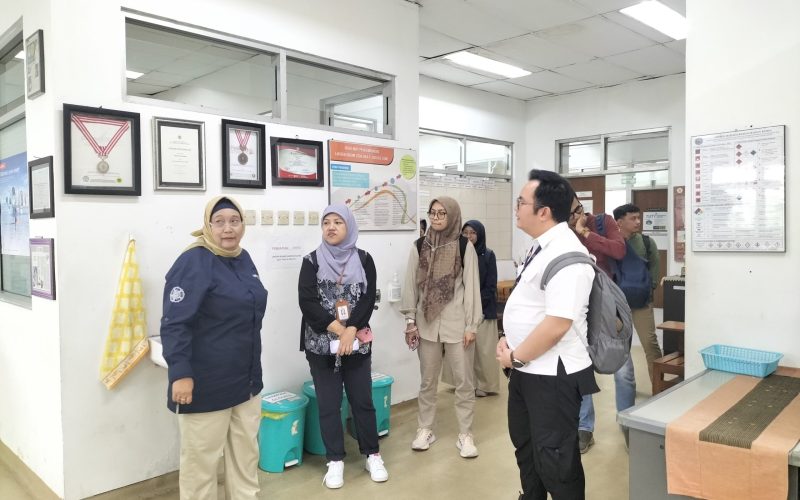
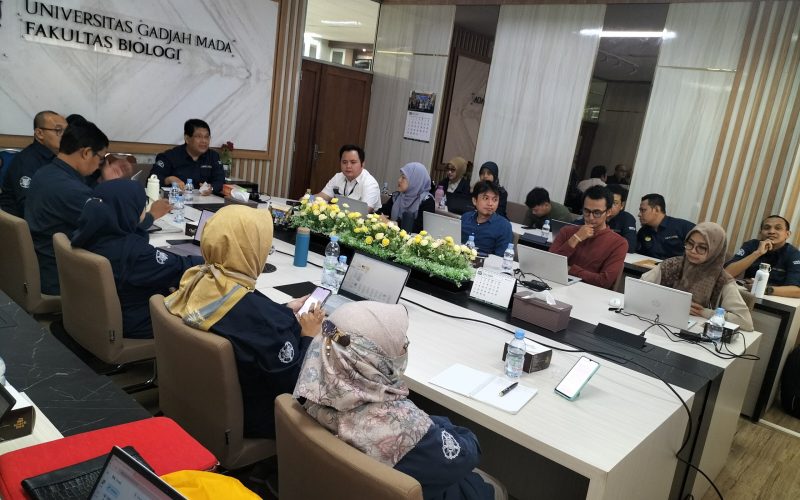
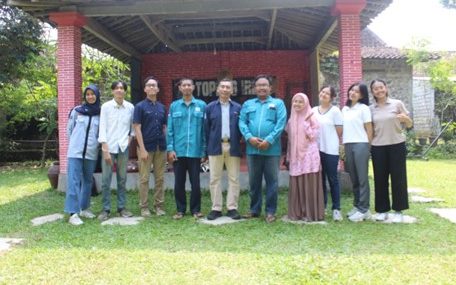
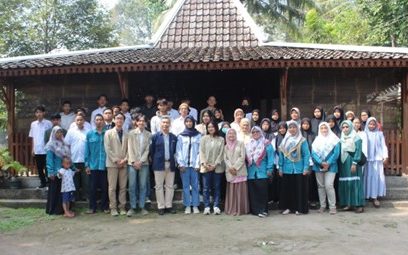
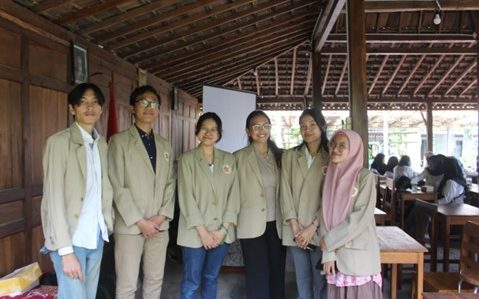
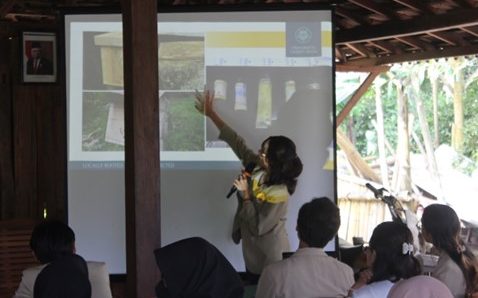
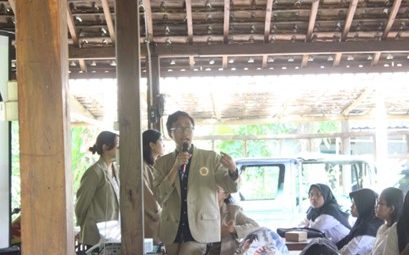
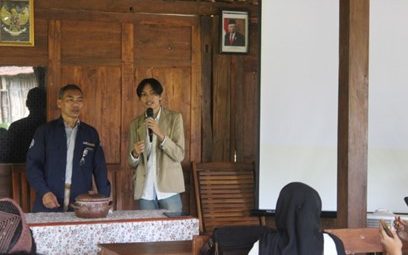
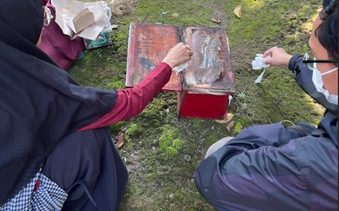
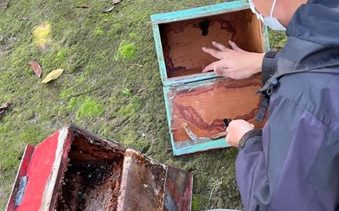
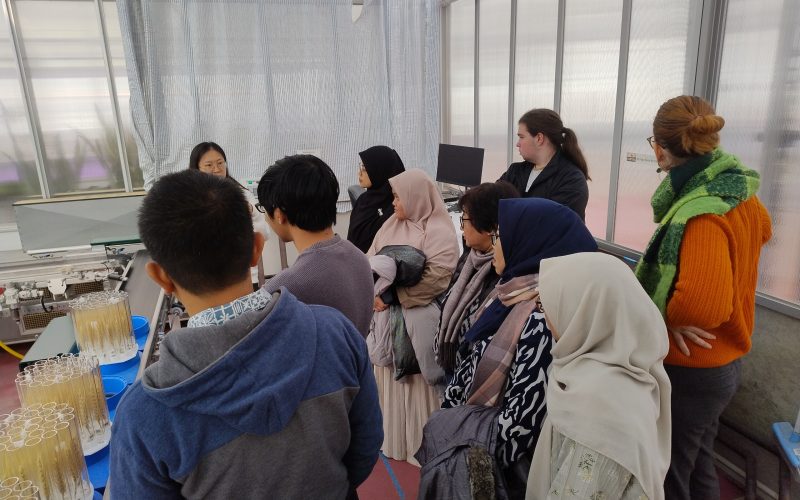
On Monday, June 10, 2024, The MBKM Research Team of The Faculty of Biology UGM held a Consultation and Coordination Meetings on Utilizing Local Plants as Biolarvicides Against Aedes aegypti with LABKESMAS Yogyakarta. The meeting held at the Entomology Laboratory of LABKESMAS Yogyakarta aimed to discuss the testing of local plant extracts such as nutmeg pulp, duku peel, cat’s whiskers leaves, and others as biolarvicides against Aedes aegypti, the primary vector of dengue fever. This initiative was warmly welcomed by Mr. Yohanes Didik S, the head of the Entomology Laboratory, and Mr. Sutopo, the head of the Training Division. The activity involved three postgraduate students and two undergraduate students participating in the 2024 Faculty-Student Collaboration Grant and MBKM-research project from the Faculty of Biology, UGM, supervised by Dr. Dra. Rr. Upiek Ngesti Wibawaning Astuti, B.Sc, DAP&E, M.Biomed.
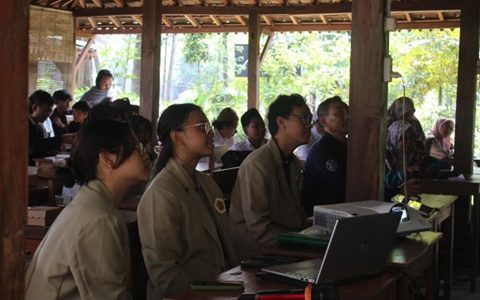
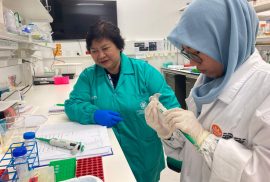
In addition to inspecting the laboratory facilities, the students were briefed on resistance testing on adult mosquitoes using the CDC bottle assay, surveillance, and the necessary data collection. Mr. Didik explained in detail the readiness and testing procedures for both larval and adult stages of Aedes aegypti, which greatly interested and motivated the students to commence their research.
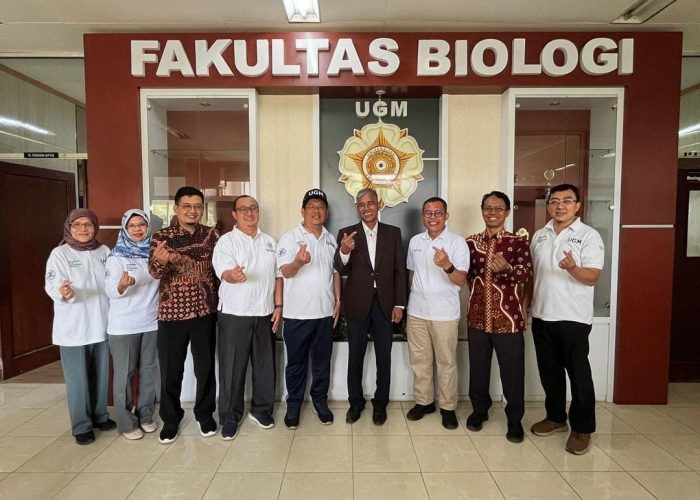
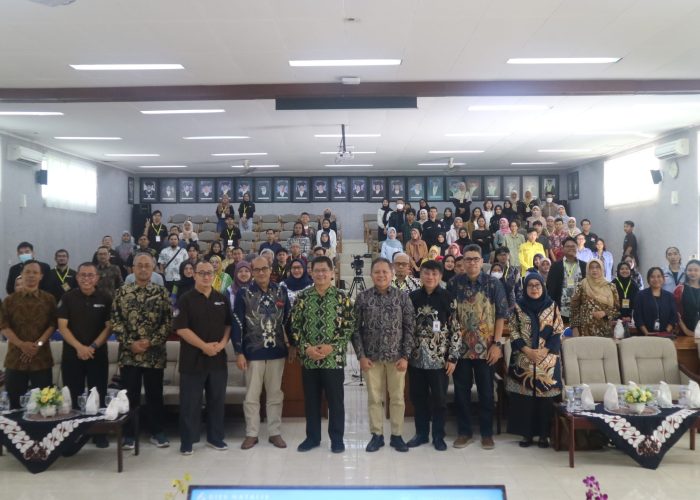
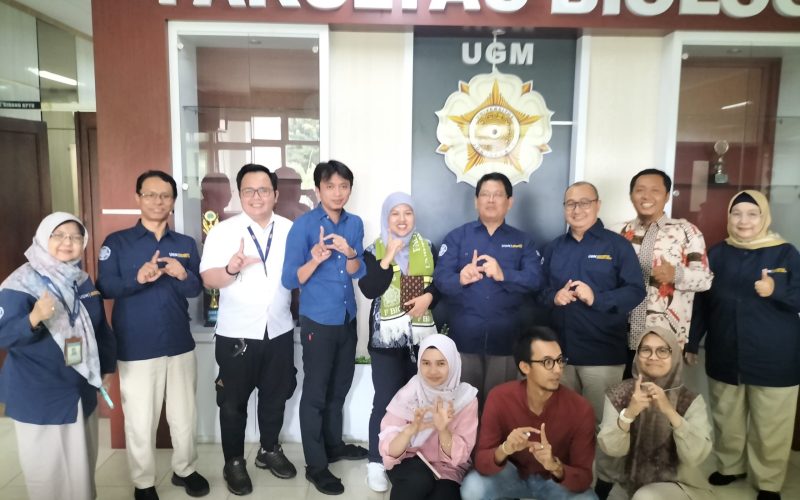
During the meeting, Mr. Sutopo also explained the rules and regulations for research at LABKESMAS. The follow-up to this meeting will be a workshop on techniques for collecting, rearing, testing, and analyzing results, which will be held at the end of June or early July. The event concluded with a group photo, marking the Faculty of Biology UGM’s commitment to achieving the Sustainable Development Goals (SDGs), especially Goal 3: “Good Health and Well-being.”
Yogyakarta, 17 May 2024 – Dr. Parvez Alam, A Reader (Professor without a Chair) from the School of Engineering, University of Edinburgh, United Kingdom and Adjunct Professor at the Faculty of Biology, Gadjah Mada University delivered a public lecture entitled “Biology-Engineering Interface”. The public lecture took place in the Tropical Biology Auditorium, Faculty of Biology, UGM and was attended by students and lecturers from the Faculty of Biology.
Dr. Eko Agus Suyono, M.App.Sc. as Vice Dean for Research, Community Service, Collaboration and Alumni Affairs of the Faculty of Biology was also present to open and moderate the guest lecture.
“Biology has an extreme level of diversity,” said Dr. Parvez started his presentation last Friday (17/5). The Biomaterials and Biomimetics expert from the University of Edinburgh mentioned how scientists try to create imitations of the diversity of existing organisms, which he then called bio-mimetic design.
Dr. Parvez explained an example of an aircraft fin mechanism that is designed to capture air stably, which he then tried to develop into the possibility that the fin would be located at the front: stable but with a speed rate that could be maximized. “But it is not working at the moment because biology is beyond further,” Dr. Parves added.
Bio-mimetic research has been developed by scientists all over the world from the macro level to the molecular level. Development of building structures inspired by human bones: strong, sturdy, but light; the design of gloves that can stick to dry surfaces is inspired by lizards, to how spider webs are 350 times stronger than steel.
Dr. Parvez then explains how the morphological design and structure of organisms is formed according to their way of survival and environment, including how humans try to redesign these morphological structures. Dr. Parvez mentioned several bio-mimetic studies on the claws of arboreal animals to strength research on spider egg casings.
“How can biology help engineers?” Dr. Parvez presented a study by his students who tried to design wings inspired by the mechanism of insect wings. The study focuses on energy efficient flight mechanisms based on insect wing movements with minimal muscle movement.
It is hoped that this synergy between the fields of biology and engineering can explore more deeply how organisms form and work, and implement this in today’s technology.
The public lecture was followed by a question and answer session. Participants, both students and lecturers, were very enthusiastic about attending the lecture and were interested in studying biomimetic engineering in the future.
The public lecture was closed by Prof. Dr. Budi Setiadi Daryono, M.Agr.Sc. as Dean of the Faculty of Biology. It is hoped that this public lecture can become a forum for inspiration for collaboration as well as strengthening collaborative relations, especially between the Faculty of Biology UGM and the University of Edinburgh in the future, in line with the commitment to the Sustainable Development Goals for improving inclusive education and expanding international cooperation (SDG 4 and 17).
In order to ensure the implementation of good cooperation in accordance with applicable regulations, two lecturers at the Faculty of Biology UGM, namely Prof. Dr. Ratna Susandarini, M.Sc. and Donan Satria Yudha, S.Si., M.Sc. attend coordination meetings for the Management of Cooperation in Conservation Areas. The meeting was held at the office of the Mount Merapi National Park Office (TNG Merapi) on Friday 3 May 2024. A presentation regarding the regulations and procedures for cooperation between academics and the Conservation Area Technical Management Implementation Unit (UPT) was delivered by Drs. Toto Indraswanto, M.Sc. from the Directorate of Conservation Area Planning, Directorate General of KSDAE, Ministry of Environment and Forestry.

In the collaboration plan with TNG Merapi, the scope of work that will be carried out is in the aspect of Strengthening the Function of Conservation Areas. More specifically, the collaboration program includes Institutional Strengthening, Flora and Fauna Preservation, Ecosystem Restoration, and Community Empowerment. In terms of procedures for starting collaboration for faculties or universities with more than one UPT, in this case TNG Merapi and TNG Merbabu, the document that needs to be made is a Memorandum of Understanding (MoU) between the Dean or Chancellor and the Director General of KSDAE, then followed by a Work Agreement The same will be explained in more detail in the Program Implementation Plan and Annual Activity Plan. The coordination meeting was attended by representatives from various universities including UGM, UAJY, and INTAN. Representatives from UGM consisted of the Faculty of Biology, Faculty of Forestry and Faculty of Mathematics and Natural Sciences. Apart from governance, discussions with Merapi TNG officials also discussed priority species that need to be studied for their potential, status in nature and conservation.
It is hoped that this coordination meeting will be a good step in improving the implementation of collaboration between the Faculty of Biology UGM and the Mount Merapi National Park Office. This is in line with the Faculty of Biology’s commitment to supporting sustainable development goals (SDGs) in the context of preserving terrestrial ecosystems (SDG 15) through sustainable cooperation (SDG 17).
Yogyakarta, April 6 2024 – Faculty of Biology Universitas Gadjah Mada is expanding their network in international collaboration and recognition through the initiation of collaboration with Durham University, especially the Faculty of Science. Together with the Faculty of Geography and the Faculty of Political and Social Sciences, Universitas Gadjah Mada, collaborative discussions took place online and were attended by Prof. Olive Roberts as Executive Dean Faculty of Science, Prof. Jun Jie Wu as Deputy Executive Dean Faculty of Science as well as several other colleagues from Durham University.
Alfatika Aunuriella Dini, Ph.D. as Head of Office of International Office UGM guided the discussion on Friday (6/4) afternoon which began with a presentation on collaboration from the Faculty of Biology UGM, represented by Dr. Eko Agus Suyono, M.App.Sc. as Vice Dean for Research, Community Service, Collaboration and Alumni Affairs at the Faculty of Biology.
Dr. Eko explained the various collaborations that could be established and had previously been established by the Faculty of Biology with various international partners. He conveyed that international classes (International Undergraduate Program) in the biology study program where all classes are delivered in English is an additional opportunity to collaborate on student exchanges from various countries. Dr. Eko also adds opportunities for students and lecturers, especially from Durham University, to participate in the International Summer Course for the Faculty of Biology which will take place next June.
The discussion continued with presentations from the Faculty of Social and Political Sciences, as well as the Faculty of Geography. Each faculty also delivers international programs that can be collaborated on, including student exchange, mobility programs and summer courses. Alfatika also adds the potential for 1+1 double degree collaboration through the LPDP funding scheme which can be collaborated with each faculty. It is hoped that this initiation can be followed by other, more comprehensive discussions.
This discussion is a great bridge to increase the collaboration network between Universitas Gadjah Mada, especially the Faculty of Biology and Durham University. It is hoped that this collaboration can support the improvement of education and research at the Faculty of Biology UGM and increase student learning opportunities at the international level, in line with support for the Sustainable Development Goals for improving education and expanding collaboration in international level (SDG 4 and 17).
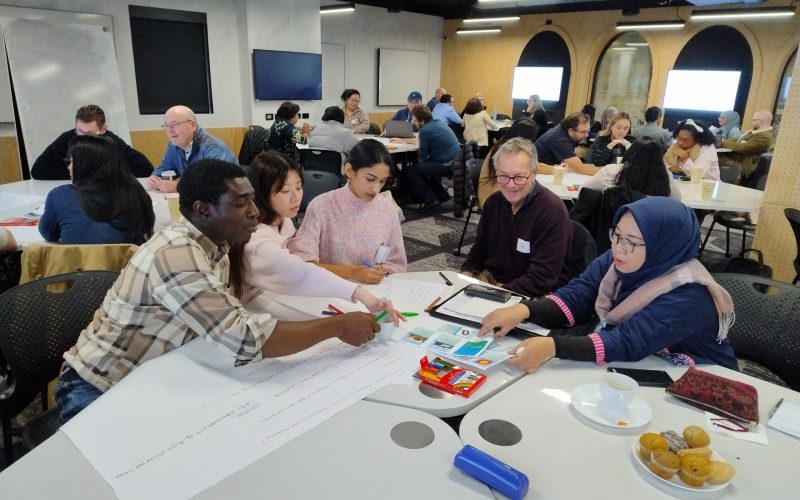
Yogyakarta, March 8, 2023 – The Faculty of Biology received a visit from three MBKM (Independent Learning – Independent Campus) partners. The event took place in the KPTU Meeting Room of the Faculty of Biology, UGM, welcomed by Prof.Dr. Budi Setiadi Daryono, M.Agr.Sc., the Dean of the Faculty of Biology. Also in attendance were representatives from LAZNAS Yatim Mandiri, the Jaringan Satwa Indonesia Foundation, and Bumi Sembada Waste Bank, as well as biology faculty members involved in the collaboration, including Wahyu Aristyaning Putri, S.Si., M.Sc., Ph.D., from the Biotechnology Laboratory; Novita Yustinadiar, S.Si., M.Si., from the Plant Development Structure Laboratory; and Dr. Dwi Sendi Priyono, S.Si., M.Si., from the Animal Systematics Laboratory.
Yatim Mandiri is a National Zakat Amil Institution owned by the Indonesian community, dedicated to uplifting the social dignity of orphans through ZISWAF funds (Zakat, Infaq, Shadaqah, Wakaf), as well as another lawful and legitimate fund, from individuals, groups, companies/institutions. Yatim Mandiri has established 46 service offices in 14 provinces in Indonesia. With its various self-reliance programs, Yatim Mandiri hopes to improve and spread its benefits widely. The Jaringan Satwa Indonesia Foundation is the Jakarta Animal Aid Network, known as JAAN, founded in February 2008 by Femke den Haas, Karin Franken, and Natalie Stewart as a platform for the community to report cases of animal abuse or to obtain information about animal welfare in Indonesia. Meanwhile, Bumi Sembada Waste Bank was founded in 2023 in Sukoharjo Padukuhan Besi Village, Sleman. There are 75 types of waste that the community can sell to the waste bank, with the expectation that the community will be more enthusiastic about sorting waste to improve the economy and help address the waste issues.
The purpose of the visit was to establish cooperation with the Faculty of Biology through the MBKM scheme, with three agreements for each partner. Professor Budi welcomed the initiation and expected that this cooperation would benefit all parties involved.
With the establishment of cooperation with these three partners, UGM’s Faculty of Biology hopes that the knowledge of biology can be beneficial to the wider community and also contribute to sustainable development goals (SDGs), particularly in the development of inclusive education (SDG 4) and sustainable cities and communities (SDG 11), through continuous collaboration and partnership building to achieve the goals (SDG 17).
Yogyakarta, March 6 2024 – The Faculty of Biology in collaboration with the Faculty of Pharmacy, and the Faculty of Medicine, Public Health and Nursing held a guest lecture in collaboration with Universiteit Leiden, the Netherlands. The guest lecture was held in the Tropical Biology Auditorium, Faculty of Biology with guest speaker Prof. Dr. Herman Spaink as Professor of Cell and Molecular Biology, Prof. Dr. Erik Danen as Dean of Graduate School of Science and Professor of Cancer Drug Target Discovery, Universiteit Leiden, Dr. Jan de Sonneville and Dr. Yi Ding from Life Science Method BV, the Netherlands. The lecture was attended by students, lecturers and researchers from various faculties of Universitas Gadjah Mada.
“This guest lecture did not only present one, but 4 guest lecturer,” said Prof. Dr. Budi Setiadi Daryono, M.Agr.Sc. as Dean of the Faculty of Biology in his speech, Wednesday (6/3). He also gave warm greetings to the four speakers who attended the guest lecture and expressed his appreciation for the long-standing collaboration between the Faculty of Biology UGM and Universiteit Leiden, in particular the Faculty of Science.
“We have collaborated with UGM on joint facility, working with robotic injection and CRISPR Cas9,” said Prof. Herman replying Prof. Budi before. He appreciated the research collaboration that existed, especially in the construction of joint facilities for research Zebrafish with UGM.
In the guest lecture, Dr. Yi Ding gave a presentation entitled “Zebrafish: an excellence organism for diabetes” which focuses its research on developing Zebrafish as an animal model for diabetes case studies. Next, Dr. Jan de Sonneville with his presentation “From research Finding to Prototype to Product. Design, Engineering, and Business Development of Life Science Methods BV”. Dr. Jan conveyed the development of the robotic microinjection tool as an efficient and effective alternative to manual injection.
As Dean of Graduate School of Science, Universiteit Leiden, Prof. Erik also gave a presentation regarding Universiteit Leiden, especially the Faculty of Science. On the same occasion, the Professor of Cancer Drug Target Discovery also gave a lecture with the title “Model for cancer drug target discovery”. He also mentioned the development of the zebrafish animal model in his pharmacology research.
Prof. Herman was the closing guest lecture on Wednesday afternoon (6/3). The Professor of Cell and Molecular Biology delivered his presentation entitled “Mycobacterial diseases and the search for new medicines”.
All participants were enthusiastic about attending the lecture from morning to afternoon. It is hoped that this collaboration can contribute to the development of research and education in Indonesia, in line with support for sustainable development goals (SDGs), especially support for inclusive education through sustainable partnerships (SDG 4 and SDG 17).
Yogyakarta, 4 and 5 March 2024 – As part of collaboration in developing Integrated Laboratories and Research of Zebrafish, Universitas Gadjah Mada, especially the Faculty of Biology, Faculty of Pharmacy, and Faculty of Medicine, Nursing and Public Health, held a workshop in collaboration with Faculty of Science, Universiteit Leiden, the Netherlands. The workshop was guided by Prof. Dr. Herman Spaink as Professor of Cell and Molecular Biology, and Prof. Dr. Erik Danen as Dean of Graduate School of Science and Professor of Cancer Drug Target Discovery, Universiteit Leiden. The workshop was also led by Dr. Jan de Sonneville, and Dr. Yi Ding from Life Science Method BV, the Netherlands who developed the robotic microinjection tool together with Universiteit Leiden. The workshop was attended by lecturers and researchers from the Faculty of Biology, Faculty of Pharmacy, Faculty of Medicine, Nursing and Public Health also the Graduate School of Universitas Gadjah Mada, and was held in the Zebrafish Research Laboratory, LPPT (Integrated Research Center Laboratory), UGM.
Prof. Herman started the workshop with a presentation about gene editing and manipulation using CRISPR-Cas, gene sequencing and Zebrafish development which is the focus of research on the development of animal models for studies related to gene function, pharmacology and the study of various diseases. On the occasion of this workshop, CRISPR-Cas injections will be carried out in particular Cas9 and Cas13d targeting TBXTA (no tail gene), and gene sequencing using oxford nanopore MinION.
Dr. Yi and Dr. Jan then guided the microinjection stages. Automated robot microinjection is a tool developed by the Company Life Science Method BV in collaboration with Leiden. Robotic microinjection has previously been researched and provides efficiency that is not much different from manual injection, but is more effective and shortens research time.
Prof. Erik also delivered a presentation at the workshop session regarding his research which focuses on the development of pharmacology and drug discovery using zebrafish as an animal model. He also uses robotic injection technology to inject tumor cells into the collagen gel that creates micro tumours to understand the mechanisms of cell migration and tumor metastasis.
Through this workshop, it is hoped that it can contribute to the development of research and education in Indonesia, in line with support for sustainable development goals (SDGs), especially support for inclusive education through sustainable partnerships (SDG 4 and SDG 17).
On Thursday, 27 February 2024, The Ministry of Environment and Forestry with SINTAS Indonesia conducted a kickoff meeting marked as the start of the Java Leopard (Panthera pardus melas) survey, known as the Java-Wide Leopard Survey (JWLS). The design and activity plans of JWLS are all developed by the Ministry of Environment and Forestry in collaboration with conservation enthusiasts for Indonesia’s large carnivores. The JWLS will be carried out by UPT Direktorat KSDAE-KLHK with its local partners for about two years. The JWLS is fully funded by The Ministry of Environment and Forestry and private partners. The JWLS marked the first wild animals survey based on a community in Indonesia with the most camera traps, locations, funding, and involved parties.

As one of the academic stakeholders, the Faculty of Biology at UGM has given the opportunity to attend this event, represented by Dr. Dwi Sendi Priyono. The Faculty of Biology UGM consider this survey as an opportunity to obtain more credible scientific data on the population and distribution of leopards throughout Indonesia. The idea of genetic analysis to understand population structure, prey, and inbreeding has proposed, aiming to achieve genetic conservation in line with CBD points. Dr. Sendi, who has previously worked on a similar survey, the Sumatra Wide Tiger Survey, has provided input and is ready to contribute alongside various parties to ensure the success of this national survey. This data expected to serve as a basis for the development of more effective and sustainable conservation strategies. The kickoff event for this leopard survey hoped to be a significant initial step in conservation efforts for this species. The Faculty of Biology at UGM welcomes the opportunity to collaborate with various stakeholders, including the government and non-governmental organizations, to create a better biodiversity for wildlife on the island of Java.
Yogyakarta, 23 February 2024 – Faculty of Biology UGM held a guest lecture featuring two professors from the Faculty of Science, University of Technology Sydney (UTS) Australia, they are Professor Wilhelmina Huston and Distinguished Professor Alaina Ammit. The lecture took place in the Auditorium of Tropical Biology, Faculty of Biology UGM and was attended by more than 200 students and lecturers from the Faculty of Biology UGM.
The public lecture was opened by Tyas Ikhsan Hikmawan, M.S., Ph.D. and continued with an opening speech by Prof. Dr. Budi Setiadi Daryono, M.Agr.Sc. as Dean of the Faculty of Biology UGM. He stated that the implementation of the guest lecture was part of the collaboration between the Faculty of Biology UGM and the Faculty of Science UTS. He also added that the double degree program collaboration with UTS will be realized in the near future so that students who are interested in pursuing study opportunities in Australia can prepare themselves.
Dr. Eko Agus Suyono, M.App.Sc as Vice Dean for Research, Community Service, Collaboration and Alumni Affairs, who acted as guest lecture moderator, invited Prof. Wilia and Prof. Alaina to present their research.
Prof. Alaina gave a lecture entitled “Combating inflammation in chronic lung disease”. She introduced the Woolcock Emphysema Center where she works together with other researchers in overcoming Chronic Obstructive Pulmonary Disease (COPD) through early diagnosis, and better treatment.
Prof. Wilia then explained her research with the title “The reproductive tract microbiome and chlamydial disease”. She began her lecture with an explanation of Chlamydia trachomatis and its transmission. She also explained the role of each microbiome in the female organs in protecting the organs from infections including Chlamydia bacteria, as well as his research studying each microbiome using next generation sequencing.
The lecture closed with a question and answer session guided by Dr, Eko. Prof. Alaina and Prof. Willa showed the important role of a biologist in the medical field so that they can expand the potential output of biological research in improving the quality of health.
This public lecture was part of a collaboration between the Faculty of Biology UGM and the Faculty of Science, University of Technology Sydney. This collaboration also shows the Faculty of Biology’s commitment to expanding connections and collaboration with various partners to improve the quality of education, in line with its support for the Sustainable Development Goals for improving education and expanding cooperation (SDG 4 and 17), and of course improving community health and welfare better through renewable research (SDG 3).
Yogyakarta, 22-23 February 2024 – The Faculty of Biology in collaboration with the Faculty of Pharmacy and the Faculty of Medicine, Nursing and Public Health, Universitas Gadjah Mada received a visit from Prof. Dr. Herman Spaink from Leiden University of the Netherlands and as Adjunct Professor at the Faculty of Biology UGM and Dr. Christopher James Hall from Auckland University New Zealand. The visit was a follow-up to the collaboration between the Joint Research Center and Expertise in developing zebrafish as an animal research model for collaboration between Leiden University and three faculties at UGM. Prof. Herman and Dr. Chris visited the zebrafish research station at the Integrated Research Center Laboratory (LPPT) Universitas Gadjah Mada, before leaving to Bali to take part in the 2024 Asian Conference on Fish Models for Disease.
The development of zebrafish as a research animal model has become one of the research focuses at Universitas Gadjah Mada in recent years. Its application as a model animal for the study of diseases including diabetes, tuberculosis, and so on is expected to accelerate research in Indonesia. The Faculty of Biology played a role in this collaboration in collaboration with other researchers at Universitas Gadjah Mada and partners from Leiden University.
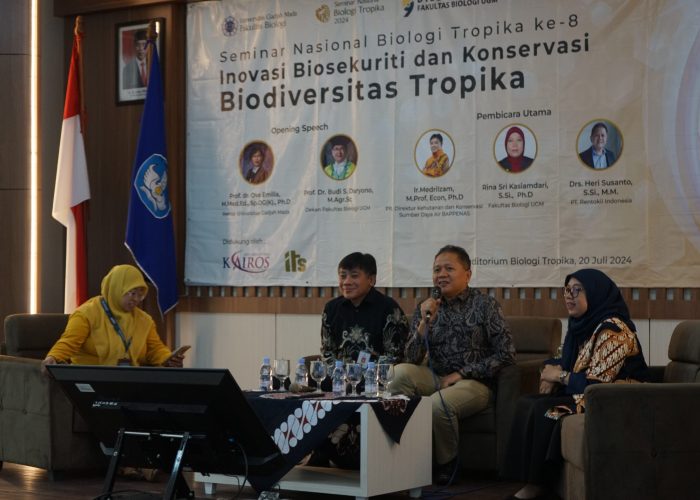
Visit of Prof. Herman and Dr. Chris will be followed by a workshop on gene editing of zebrafish embryos and sequencing which will take place in early March. It is hoped that this activity can accelerate the skills of UGM researchers, especially in animal model research, especially zebra fish for the study of this disease.
Dr. Eko Agus Suyono, M.App.Sc. as Vice Dean for Research, Community Service, Collaboration and Alumni Affairs, Faculty of Biology UGM said that the agenda was a follow-up to the collaboration between the Faculty of Biology UGM and the Faculty of Science Leiden University and was part of the activities of Prof. Herman Spaink as Adjunct Professor, Faculty of Biology, UGM. Furthermore, this collaboration also shows the Faculty of Biology’s commitment to expanding connections and collaboration with various partners to improve the quality of education, in line with its support for the Sustainable Development Goals for improving education and expanding cooperation (SDG 4 and 17), and of course improving health and better social welfare through renewable research (SDG 3).
Translate »