Xiamen, China, 11–13 June 2026 — Universitas Gadjah Mada (UGM) participated in the Second University Presidents Forum of the University Consortium of the 21st Century Maritime Silk Road (UCMSR), hosted by Xiamen University, China, from 11 to 13 June 2026. The international forum brought together university leaders from various countries to discuss the advancement of higher education cooperation, the development of global talent, and the role of universities in addressing global challenges through innovation, collaboration, and digital transformation.
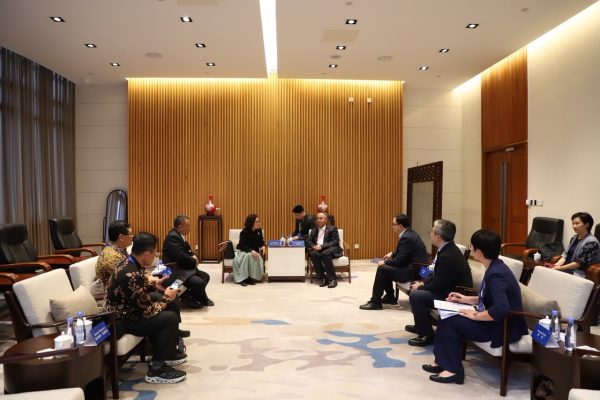
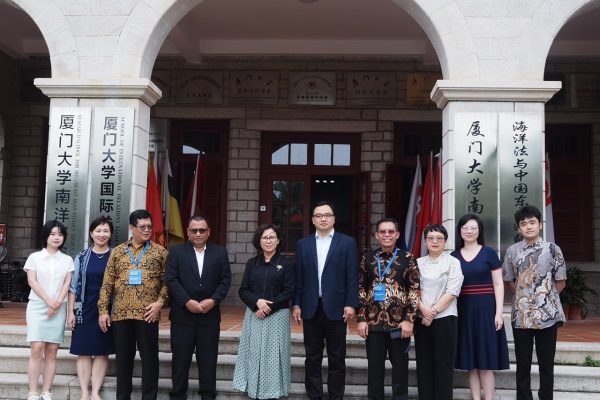

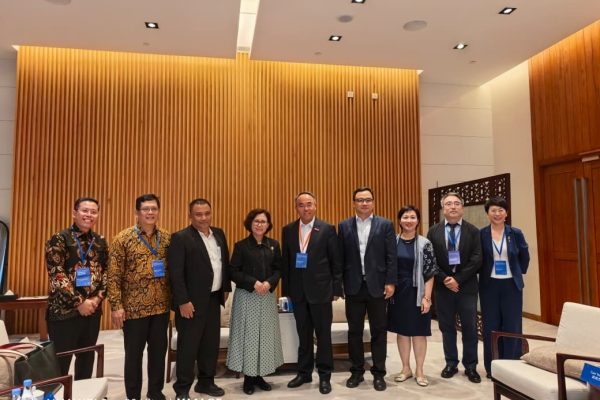
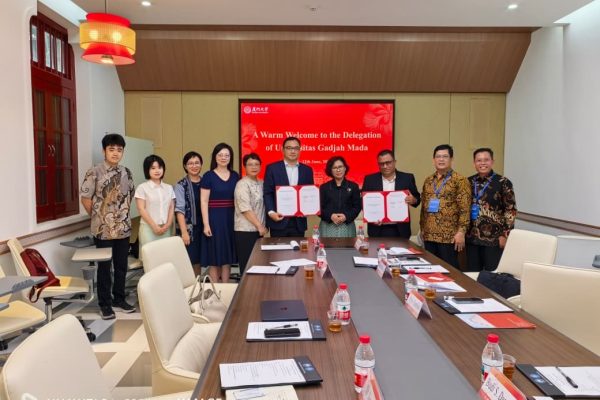
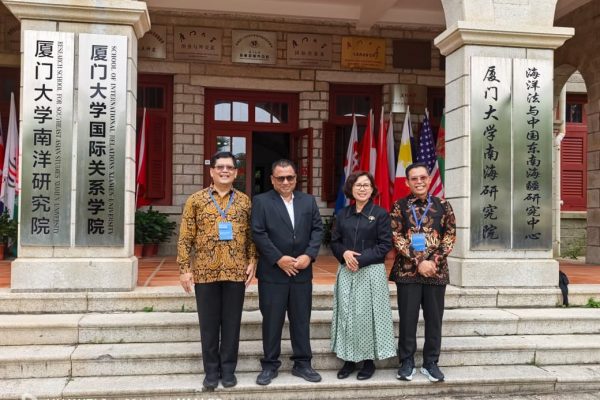
The UGM delegation was led by Prof. drg. Ova Emilia, M.Med.Ed., Sp.OG(K)., Ph.D., Rector of Universitas Gadjah Mada. The delegation also included Prof. Dr. Ir. Jaka Widada, M.P., Dean of the Faculty of Agriculture, as well as representatives from the Faculty of Biology: Prof. Dr. Budi Setiadi Daryono, M.Agr.Sc., Dean of the Faculty of Biology, and Dr. Slamet Widiyanto, M.Sc., Vice Dean for Finance, Assets, and Human Resources of the Faculty of Biology.
Attended by representatives from dozens of universities across more than 20 countries and regions, the forum addressed strategic issues concerning the future of higher education, global governance development, the application of artificial intelligence in education, and the strengthening of international partnerships. The program featured keynote speeches by prominent university leaders and international figures, panel discussions on emerging models of global higher education cooperation, and sessions focusing on innovation ecosystems and technology transfer through collaboration among universities, industry, and government.
During the forum, the UGM delegation actively participated in discussions under the theme “Connecting the World: Shaping New Paradigms for Global Higher Education Cooperation,” which explored best practices in international academic partnerships, student and faculty mobility, and innovative approaches to global education. The forum also highlighted the importance of strengthening connections between academia and industry through the session “Linking Industry and Academia: Building a New Ecosystem for University Technology Transfer,” emphasizing the role of universities in fostering innovation and developing sustainable solutions to global challenges.
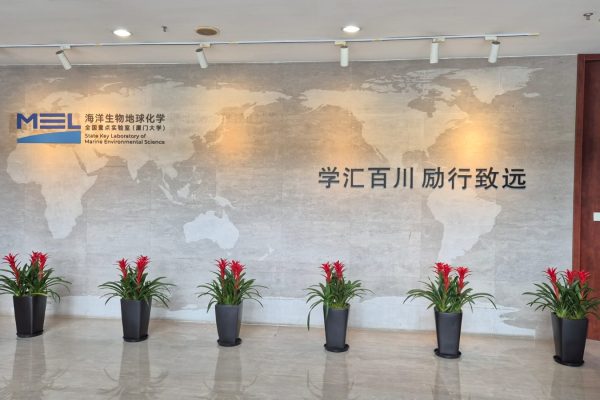
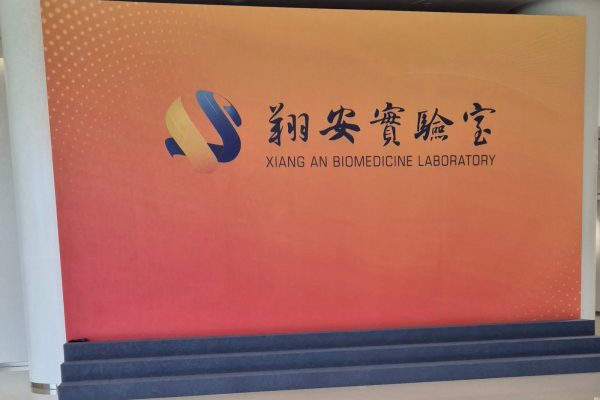
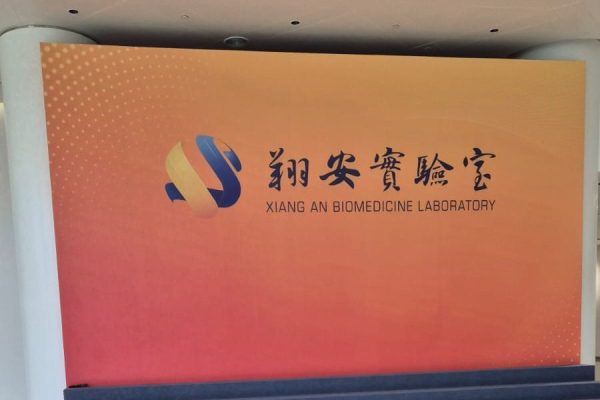
On 13 June 2026, representatives from the Faculty of Biology had the opportunity to visit the Tan Kah Kee Innovation Laboratory and the Biomarine Research Institute, two leading research and innovation centers at Xiamen University. Besides, the delegates visit The Xiang’an Biomedicine Laboratory as well. This laboratory serves as an important hub for biomedical research and vaccine development to support public health initiatives. The visit provided valuable insights into cutting-edge research infrastructure, multidisciplinary innovation ecosystems, and strategic research management practices. It also served as an important platform for exploring future opportunities for academic collaboration, joint research initiatives, and scientific exchange between UGM, Xiamen University, and other international partners.
UGM’s participation in the forum reflects the university’s commitment to strengthening international networks, enhancing the quality of education and research, and contributing actively to sustainable global development. Through closer collaboration with leading higher education institutions worldwide, UGM aims to expand opportunities for cooperation in education, research, innovation, and human resource development to address future global challenges.
The university’s involvement in this forum also aligns with the achievement of the United Nations Sustainable Development Goals (SDGs), particularly SDG 4 (Quality Education) through the enhancement of higher education quality and accessibility, SDG 9 (Industry, Innovation and Infrastructure) through research collaboration and innovation development, SDG 17 (Partnerships for the Goals) through international academic partnerships, as well as SDG 13 (Climate Action) and SDG 14 (Life Below Water), which are among the key collaborative focus areas of UCMSR in addressing global challenges through science, innovation, and international cooperation.