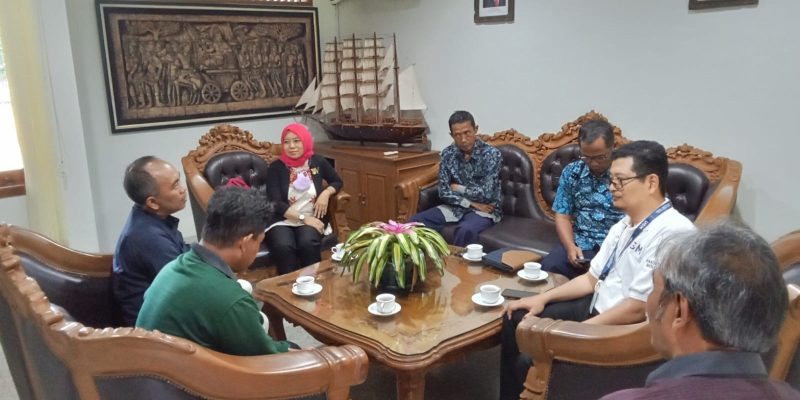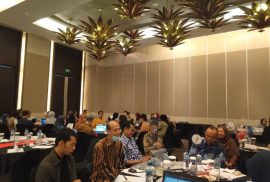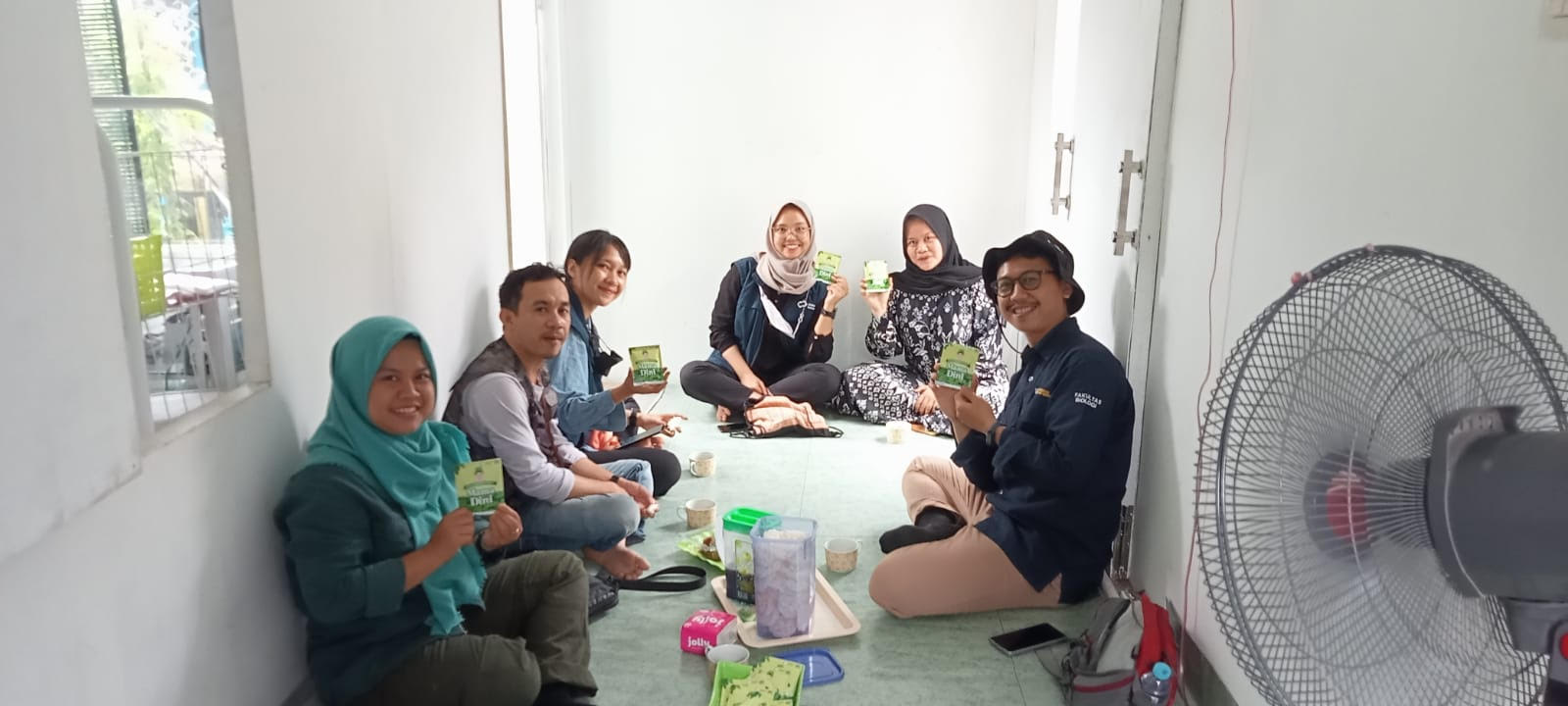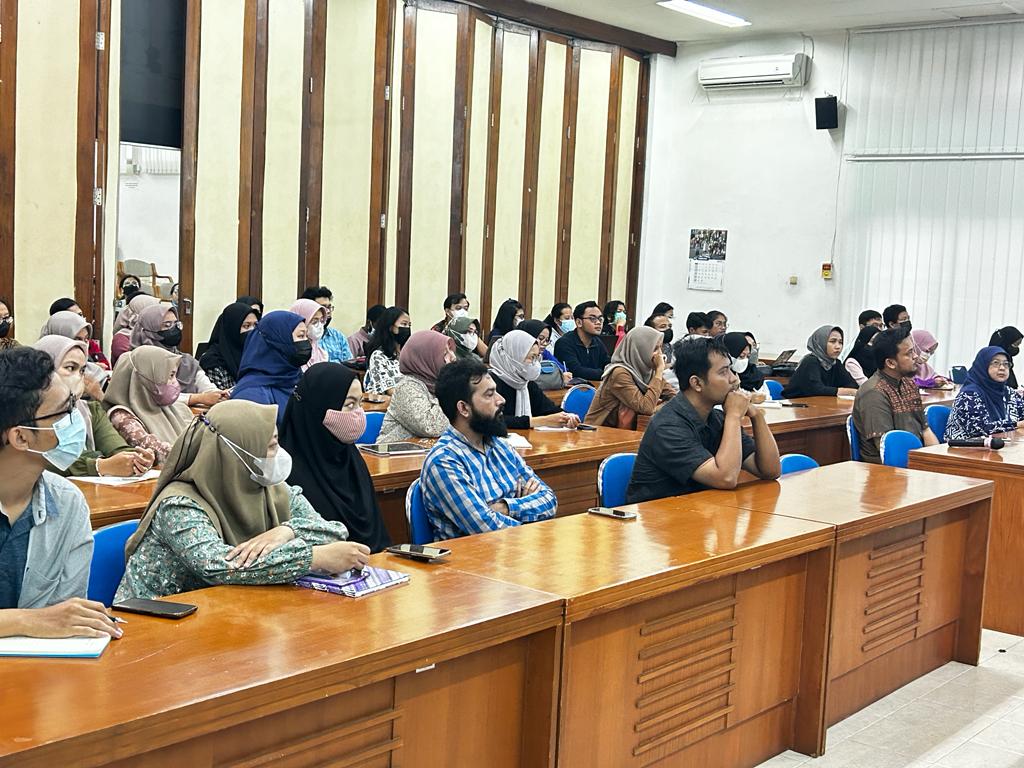
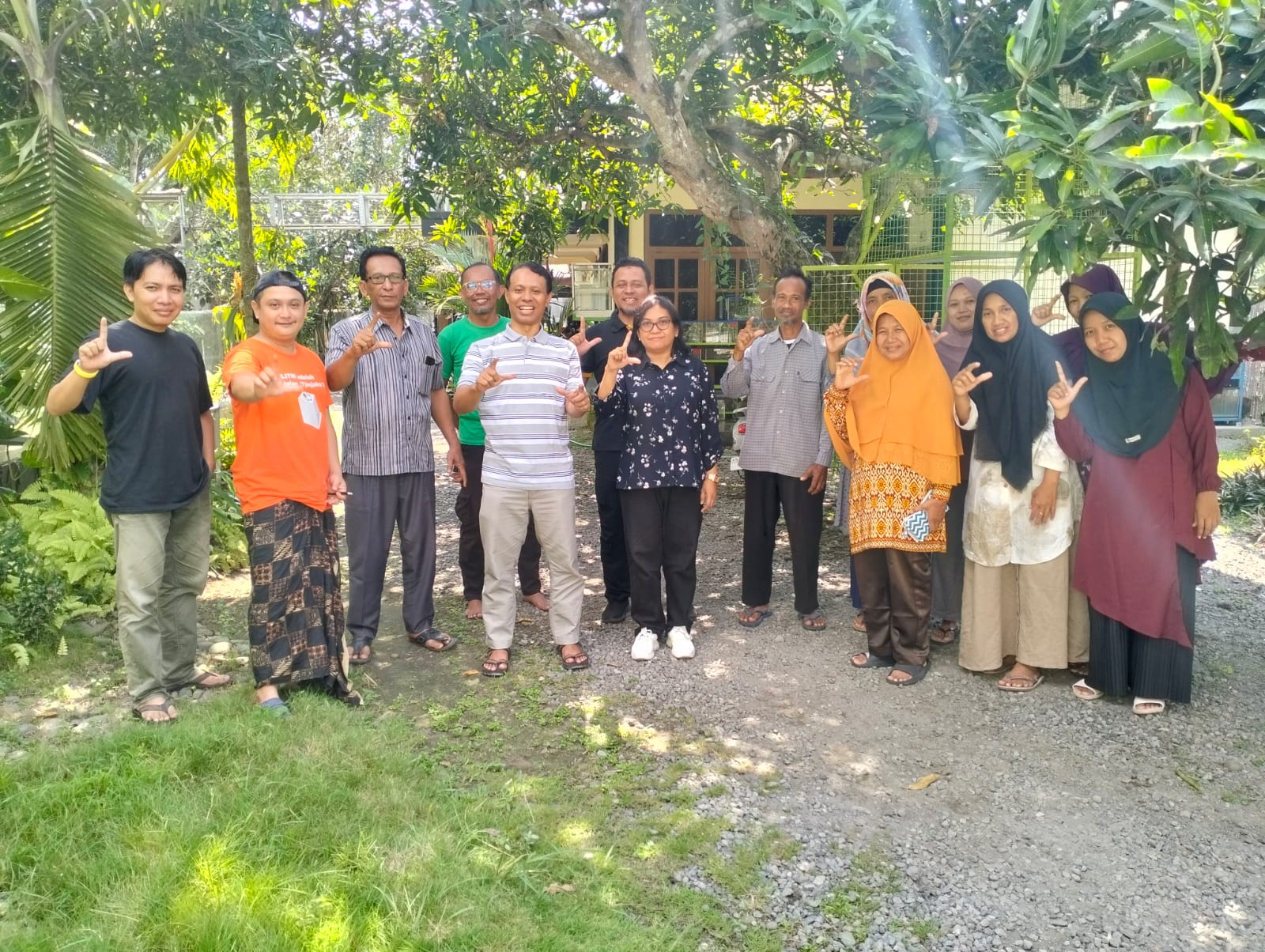
On Saturday, May 18, 2024, the Partner Village Grant Team from the Faculty of Biology Universitas Gadjah Mada (UGM) 2024, led by Drs. Heri Sujadmiko, M.Si., and consisting of Abdul Razaq Chasani, S.Si., M.Si., Ph.D., Dr. Rury Eprilurahman, S.Si., M.Sc., and Laksmindra Fitria, S.Si., M.Si., visited Kampung Satwa located at RT 06 RW 16 Padukuhan Kedung Banteng, Sumberagung Village, Moyudan District, Sleman Regency, Yogyakarta Special Region 55563. This visit was the initial meeting for coordinating the community service program with titled “Development of Edu-Ecotourism in Kampung Satwa through Community Empowerment and Digitalization of Collection Information.” The meeting was attended by four key stakeholders: the RT head; Kampung Satwa managers represented by Mrs. Sarmiyati and Mr. Hanif Kurniawan (Mas Aan); the Wahana Gerakan Lestari Indonesia (Wagleri) Foundation, which mentors Kampung Satwa, represented by Mr. Susilo Irwanjasmoro and Mr. Yeni Setiawan; and representatives of the Kampung Satwa women Mrs. Warsiastuti, representatives from the Women’s Farming Group (KWT), Dasawisma, and PKK cadres.
The meeting discussed several planned activities for the next five months, aimed at developing the infrastructure and management of Kampung Satwa as a tourist destination focusing on education, ecology, and ex-situ conservation. There was also a discussion to renew the memorandum of understanding (MoU) between the Faculty of Biology UGM and Kampung Satwa, which will expire in July 2024.
The meeting was opened by Mas Aan, followed by a presentation of the program by the team, and a discussion on the realization and technical implementation of the programs. The relaxed and engaging discussion resulted in several agreed-upon programs to be implemented shortly, namely:
1. Environmental Arrangement of Kampung Satwa
This activity is a form of community empowerment aimed at increasing interest in educational-themed tourism by improving infrastructure, facilities, and creating a more attractive and informative environment. With better environmental arrangements, visitors are expected to enjoy an educational, comfortable, and memorable tourism experience.
This activity is a form of community empowerment aimed at increasing interest in educational-themed tourism by improving infrastructure, facilities, and creating a more attractive and informative environment. With better environmental arrangements, visitors are expected to enjoy an educational, comfortable, and memorable tourism experience.
2. Integrated Waste Management Development
This program targets KWT women to address waste issues from tourism activities, including organic and inorganic waste. Through this activity, Kampung Satwa residents will learn effective and environmentally friendly waste management methods, helping maintain the cleanliness and sustainability of Kampung Satwa. Additionally, this program aims to educate visitors about environmental cleanliness, health, and personal hygiene.
This program targets KWT women to address waste issues from tourism activities, including organic and inorganic waste. Through this activity, Kampung Satwa residents will learn effective and environmentally friendly waste management methods, helping maintain the cleanliness and sustainability of Kampung Satwa. Additionally, this program aims to educate visitors about environmental cleanliness, health, and personal hygiene.
3. Data Collection and Digitalization of Animal Information
This step ensures that animal data is up-to-date, well-organized, easily accessible, and sustainable. Structured and digital information will facilitate the management of animal collections and education for visitors and researchers. Besides being conducted by the IT and Creative Team of the Wagleri Foundation, this program involves children in Kampung Satwa in animal documentation.
This step ensures that animal data is up-to-date, well-organized, easily accessible, and sustainable. Structured and digital information will facilitate the management of animal collections and education for visitors and researchers. Besides being conducted by the IT and Creative Team of the Wagleri Foundation, this program involves children in Kampung Satwa in animal documentation.
4. Promotion of Kampung Satwa Tourism
The promotion and marketing of Kampung Satwa as a leading regional tourist destination will be conducted physically and digitally (audio-visual). This activity aims to attract a broader range of tourists, including students, researchers, and families, to promote environmental education from an early age.
The promotion and marketing of Kampung Satwa as a leading regional tourist destination will be conducted physically and digitally (audio-visual). This activity aims to attract a broader range of tourists, including students, researchers, and families, to promote environmental education from an early age.
5. Culinary Tourism and Development of Unique Kampung Satwa Products
This program targets KWT women skilled in cooking and crafting various handmade items. This activity has the potential to enhance Kampung Satwa’s reputation as a tourist destination while improving the welfare and economy of residents.
This program targets KWT women skilled in cooking and crafting various handmade items. This activity has the potential to enhance Kampung Satwa’s reputation as a tourist destination while improving the welfare and economy of residents.
These programs align with the Sustainable Development Goals (SDGs), particularly Goal 11 (Sustainable Cities and Communities), Goal 12 (Responsible Consumption and Production), and Goal 15 (Life on Land). Through these initiatives, Kampung Satwa is expected to become a practical example of sustainable educational tourism development, enhancing local community welfare and preserving the environment.
The Partner Village Grant Team from the Faculty of Biology UGM hopes to establish solid cooperation with all relevant parties, leading to positive and widespread impacts for Kampung Satwa residents and visitors. With a spirit of togetherness and innovation, let’s realize Kampung Satwa as a leading, eco-friendly, and sustainable edu-ecotourism destination. [TEAM]

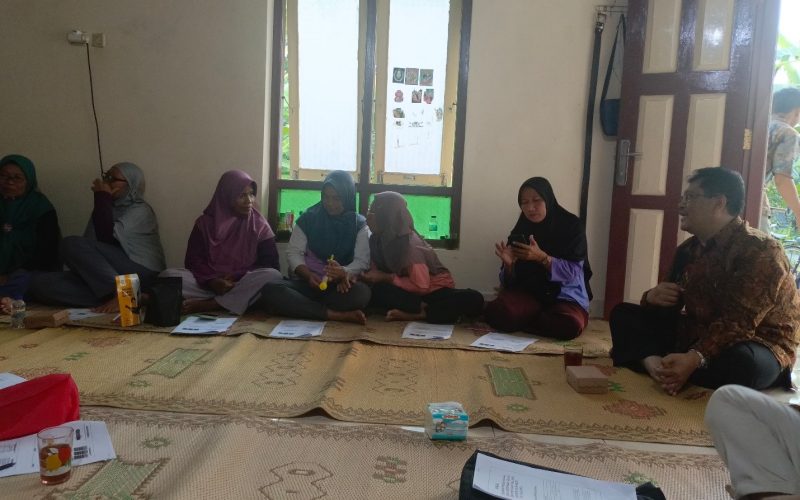
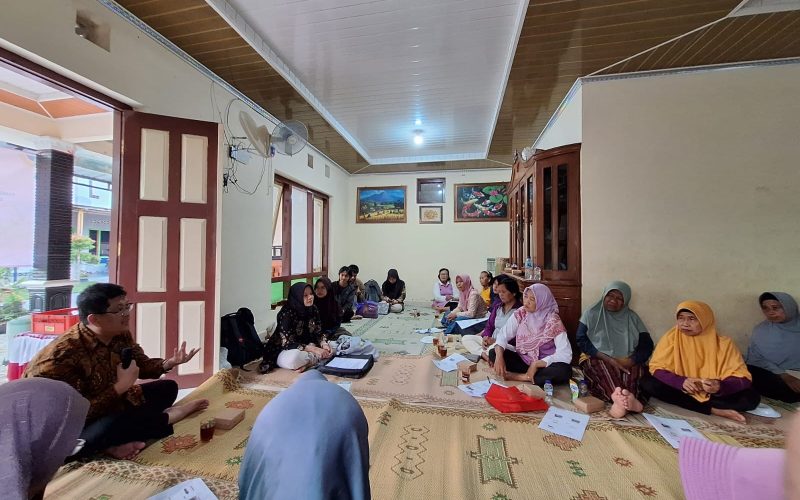
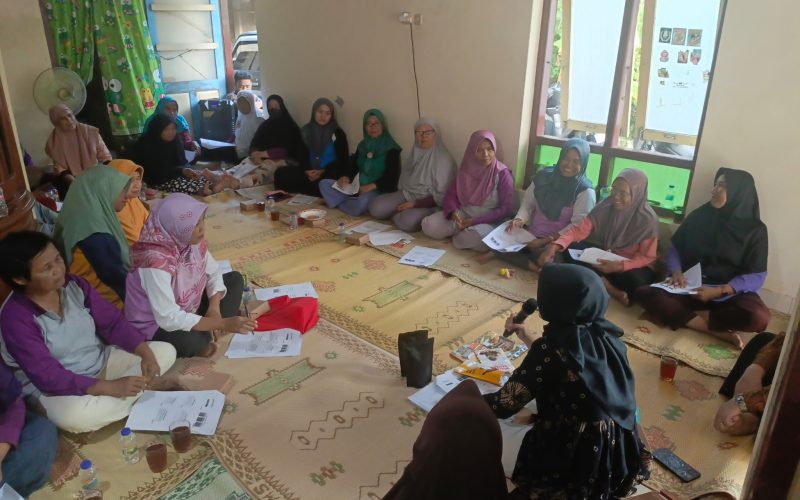

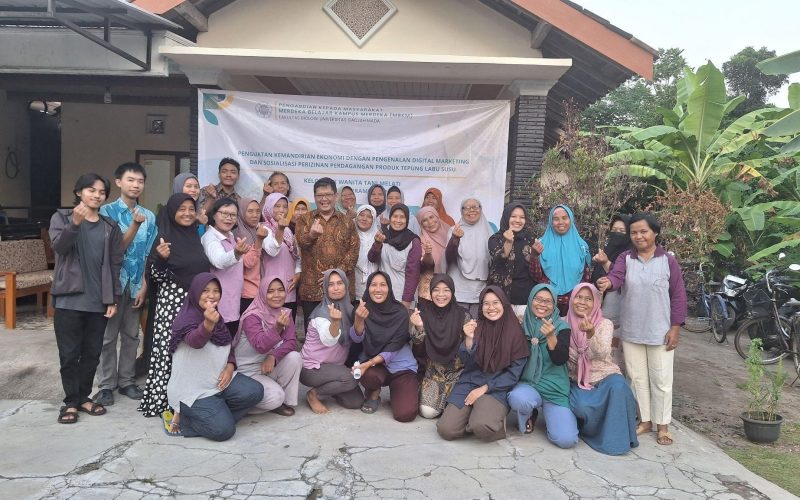
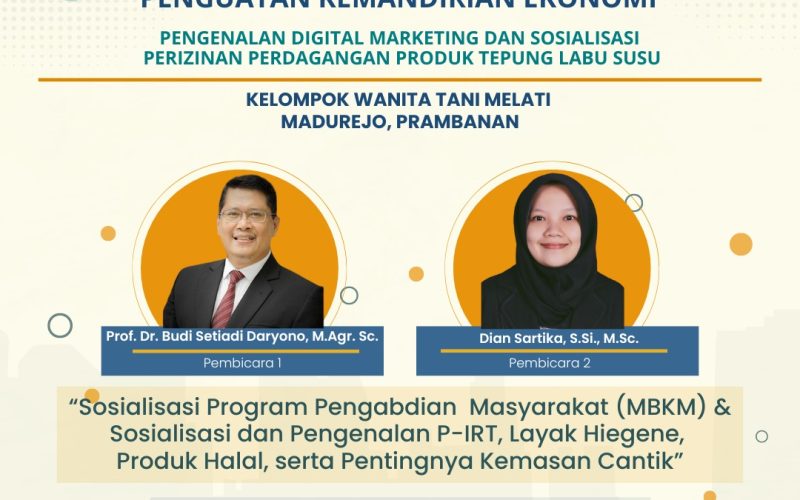


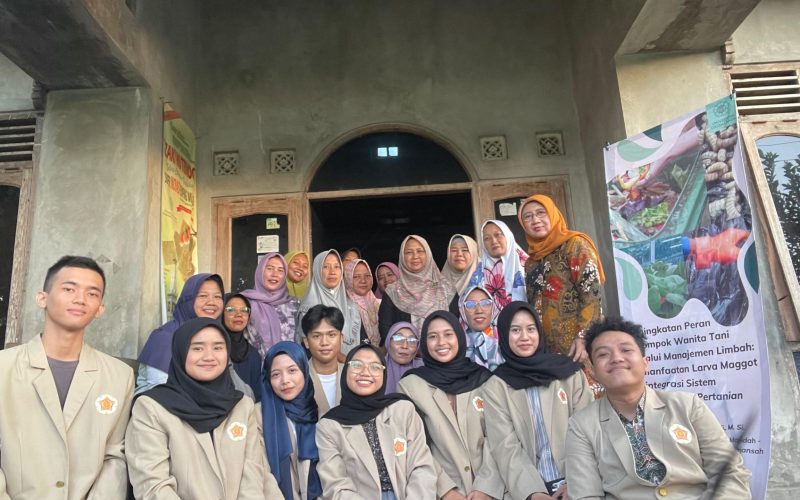
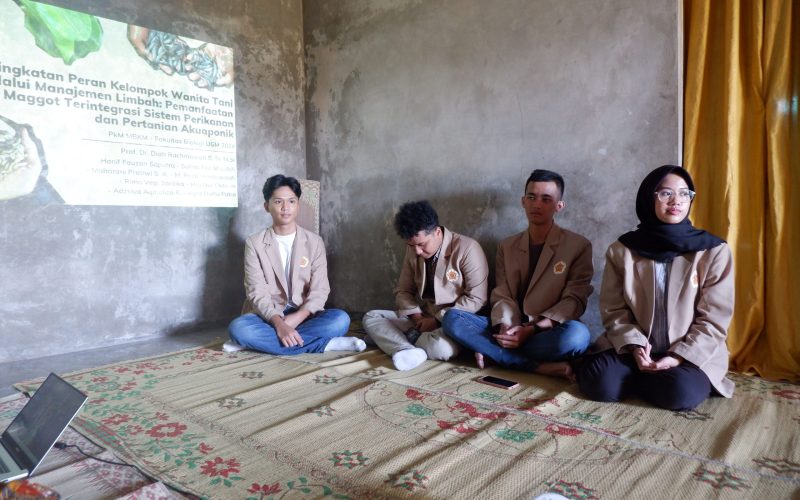
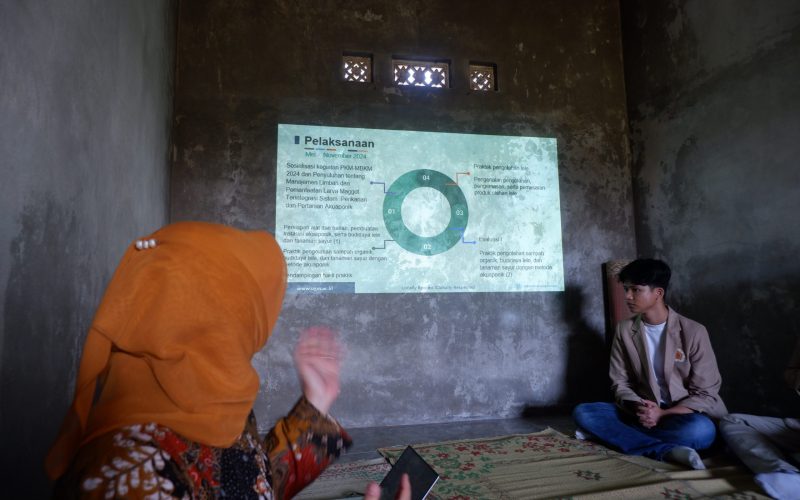
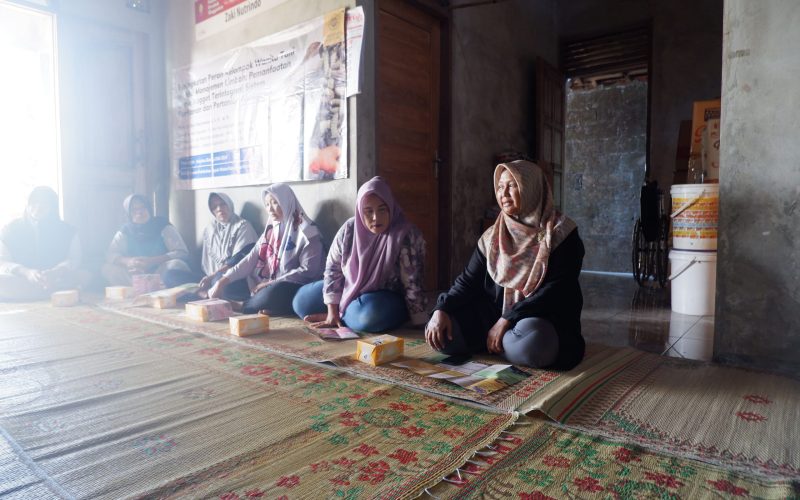
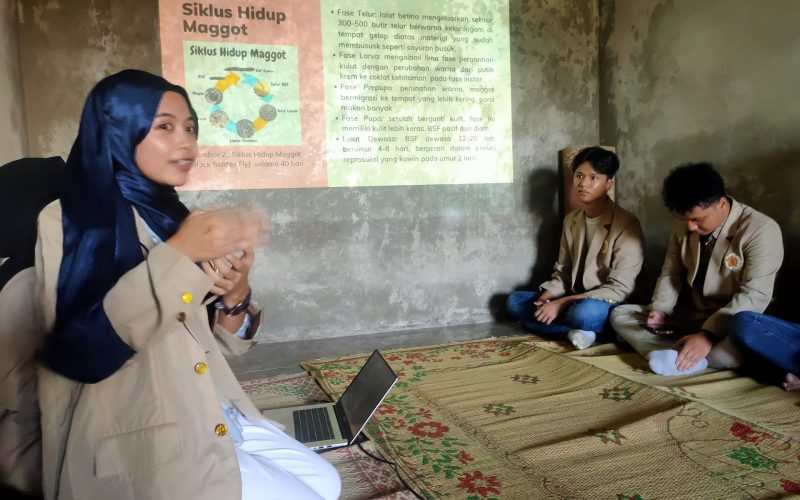
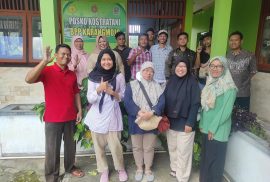
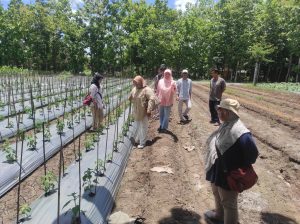
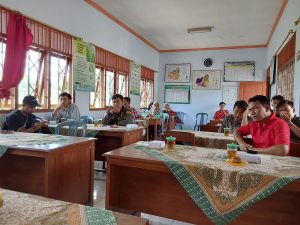 The discussions held during the FGD and field visits covered various topics, including the use of technology in agriculture, organic farming practices, natural resource management, and marketing strategies for agricultural products. The results of these discussions will form the basis for developing more relevant and responsive educational, research, and community service programs tailored to the needs of millennial farmers.
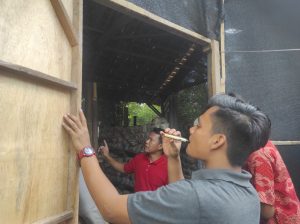 and millennial farmers, bringing tangible positive impacts to the advancement of the agricultural sector in Indonesia. This activity is closely related to several Sustainable Development Goals (SDGs) adopted by the United Nations. The dialogue and collaboration between the Faculty of Biology UGM and millennial farmers can increase farmers’ productivity and income (SDG 1: No Poverty) and support sustainable agriculture that enhances food security and nutrition (SDG 2: Zero Hunger). This initiative also develops more relevant educational programs for millennial farmers (SDG 4: Quality Education), supports economic growth and job creation in the agricultural sector (SDG 8: Decent Work and Economic Growth), and encourages innovation and modernization of agricultural practices (SDG 9: Industry, Innovation, and Infrastructure). The focus on organic farming practices and natural resource management supports sustainable production and consumption (SDG 12: Responsible Consumption and Production), and the sustainable agriculture discussed in the FGD contributes to climate change mitigation (SDG 13: Climate Action). Furthermore, the collaboration between the Faculty of Biology UGM and millennial farmers is a concrete example of partnerships that support the achievement of sustainable development goals (SDG 17: Partnerships for the Goals).