• UGM
  • Simaster Portal
  • IT Center
  • Webmail
  • KOBI
  • English
    • Bahasa Indonesia
Universitas Gadjah Mada Universitas Gadjah Mada
Faculty of Biology
  • ABOUT US
    • History
    • Organization
    • Vision and Mission
    • Lectures and Staff
      • Lecturers
      • Adjunct Professor
      • Supporting Staff
    • Facility
      • Laboratories
      • Research
      • Library
      • Museum
      • Mental Health Consultation
      • Disability
  • EDUCATION
    • Undergraduate Program
      • Graduates Learning Outcome
      • Academic Callendar
      • Course
    • IUP
    • Profession Program
      • What is the Professional Study Program in Biodiversity Curator (PKKH)?
      • Admission for New Students of the Biodiversity Curator Profession Program Study
      • Information and FAQ Study Program of Biodiversity Curator Profession
    • Master Program
      • Master Program in Biology Description
      • Curriculum Structure Master Program
    • Doctoral Program
      • Vision, Mission, Objectives, Targets, Competencies, and Learning Outcomes
      • Admission Requirement for Program Doctor in Biological Sciences
      • Admission: What Documents to be prepared?
      • Curriculum
    • Regulations
    • Accreditation & Quality Assurance
  • RESEARCH
    • Journal of Tropical Biodiversity and Biotechnology
    • Berkala Ilmiah Biology
    • Research
    • Publication
  • Community Service
    • Waste Management
  • STUDENTS & ALUMNAE
    • Student Organizations
    • Prospective Career Opportunities
    • SUMMER COURSE
    • Alumnae
  • Home
  • SDG 2 : Erase Hunger
  • SDG 2 : Erase Hunger
  • page. 6
Arsip:

SDG 2 : Erase Hunger

Students and Lecturers from the Faculty of Biology Share Knowledge about Natural Dyes and Organic Waste Processing with the Members of PKK RT01 Blotan Hamlet, Wedomartani, Sleman

HeadlineNews ReleaseWaste Management Tuesday, 7 November 2023

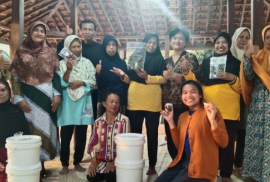
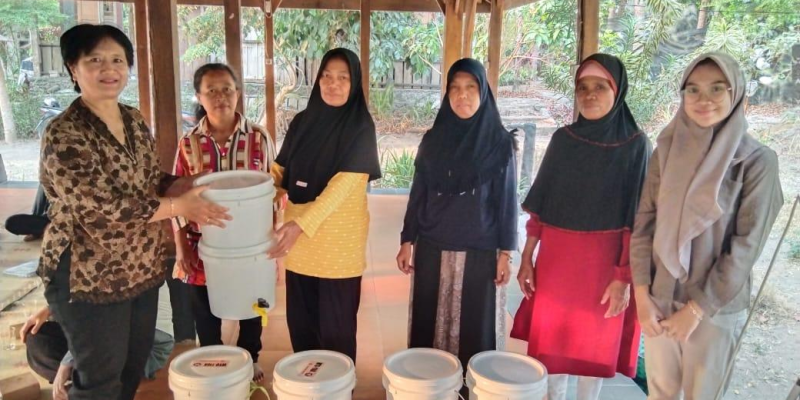
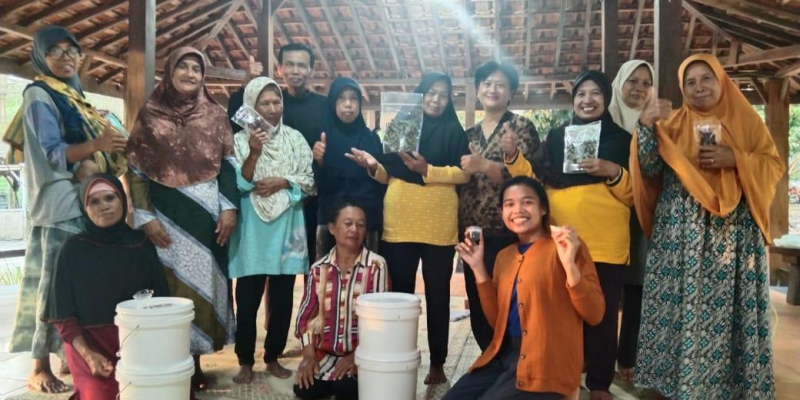
In connection with the continuation of the Community Service Program – the Independent Learning Independent Campus (MBKM) 2023, the Faculty of Biology Universitas Gadjah Mada in Blotan hamlet, led by Prof. Dr. Kumala Dewi MSc.St along with students, Alfina Damayanti ( and Estherina Claudya Manurung, conducted an extension activity on natural food and Fabric Dyes as well as Organic waste processing using stacked bucket at The Blotan village hall on Thursday, October 2023 from 3.30 PM to 5.00 PM. The activity was attended by the head of PKK RT 01 along with 12 members.


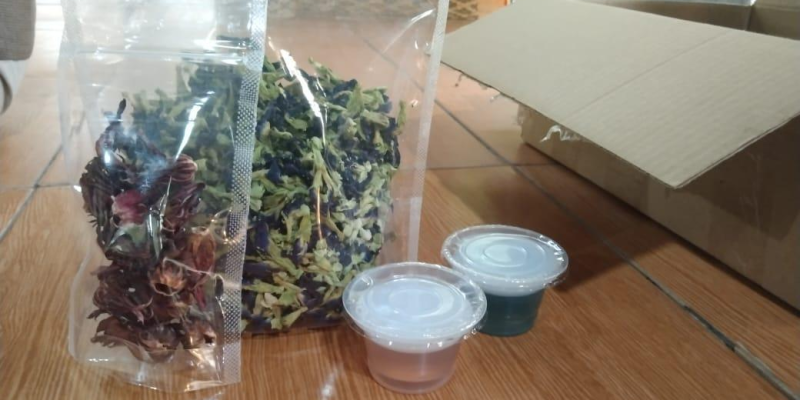
The material was delivered by Prof. Dr. Kumala Dewi MSc.St. She explained the advantages and disadvantages of using synthetic dyes compared to natural dyes. The use of natural dyes, whether for food and beverages or for batik fabric coloring, supports the Sustainable Development Goals (SDGs), especially goal number 2, which aims to end hunger, achieve food security, improve nutrition, and promote sustainable agriculture. Natural dyes introduced in this session included butterfly pea flowers (Clitorea ternatea L) for blue color and roselle (Hibiscus sabdariffa L) which provides red color for food and beverages. Additionally, there are other types of plants that can be used for food coloring, such as turmeric, pandan leaves, and black rice. In addition to providing natural color, the use of infusions from butterfly pea flowers, roselle petals, and black rice can also support health as they contain beneficial compounds like anthocyanins and vitamin C, which act as antioxidants. By planting butterfly pea flowers, roselle, or other beneficial plants, the environment can also be enhanced. Regarding fabric dyeing, Prof. Kumala Dewi MSc.St explained that the leaves of the indigo plant (Indigofera tinctoria L), which belongs to the legume family, can be processed to produce Indican dye, which imparts a blue color to fabric. The use of natural dyes for fabric can also reduce water pollution, which often occurs around batik industries that use synthetic dyes. Planting Indigofera is easy, and this plant can be beneficial in improving soil fertility.

In addition to the explanation about natural dyes, the process of household organic waste processing to create liquid fertilizer using stacked buckets was also presented. This was done in an effort to support the resolution of the waste problem, which has been a trending issue recently due to household waste disposal sites being full. Proper separation of household waste needs to be carried out diligently by every household member. Organic waste can be collected in stacked buckets, and with the help of Hermetia illucens flies that lay eggs in the waste, maggots can consume the waste and produce liquid fertilizer as well as residual solid waste. Both can be used for vegetable fertilizer, whether planted in polybags or in the field. From previous analyses, liquid fertilizer from organic waste processing with stacked buckets and the assistance of black soldier fly maggots contains hormones and amino acids that are beneficial for promoting plant growth. In this counseling event, small agar-agar snacks were also served, colored with natural blue dye (from butterfly pea flowers) and red dye (from roselle). Additionally, five sets of stacked buckets were provided for practical use in household organic waste processing. The participants were very enthusiastic in responding to the counseling session, with several questions discussed. Those who received the stacked buckets will report on their usage through videos, as well as the liquid fertilizer products produced. From this counseling activity for the PKK mothers in Blotan hamlet, it is hoped that the role of women in supporting food security for families and environmental sustainability can be established and sustained.

Faculty of Biology Participates in UGM Workshop to Create a Sustainable Campus

HeadlineNews ReleaseWaste Management Saturday, 22 July 2023

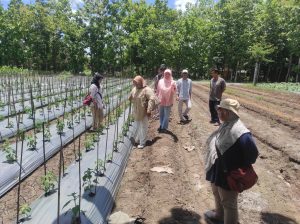
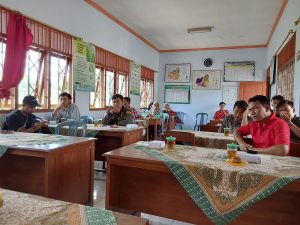
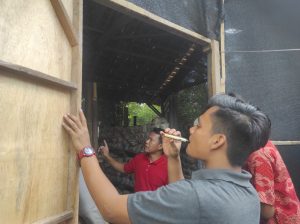
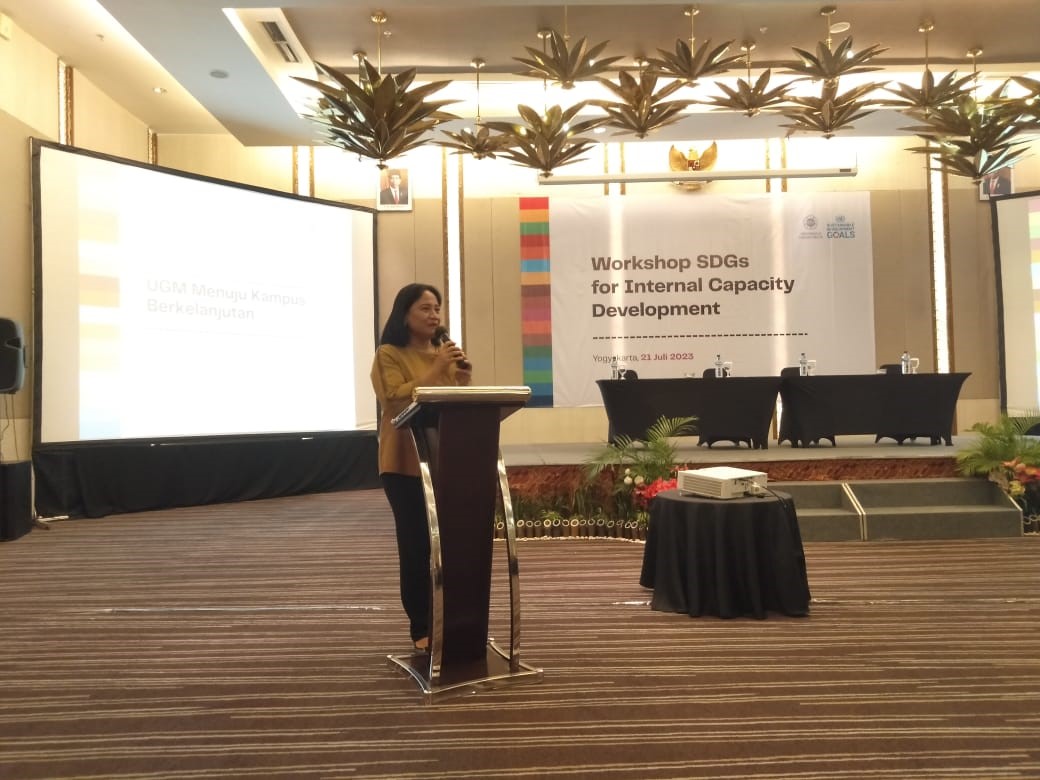
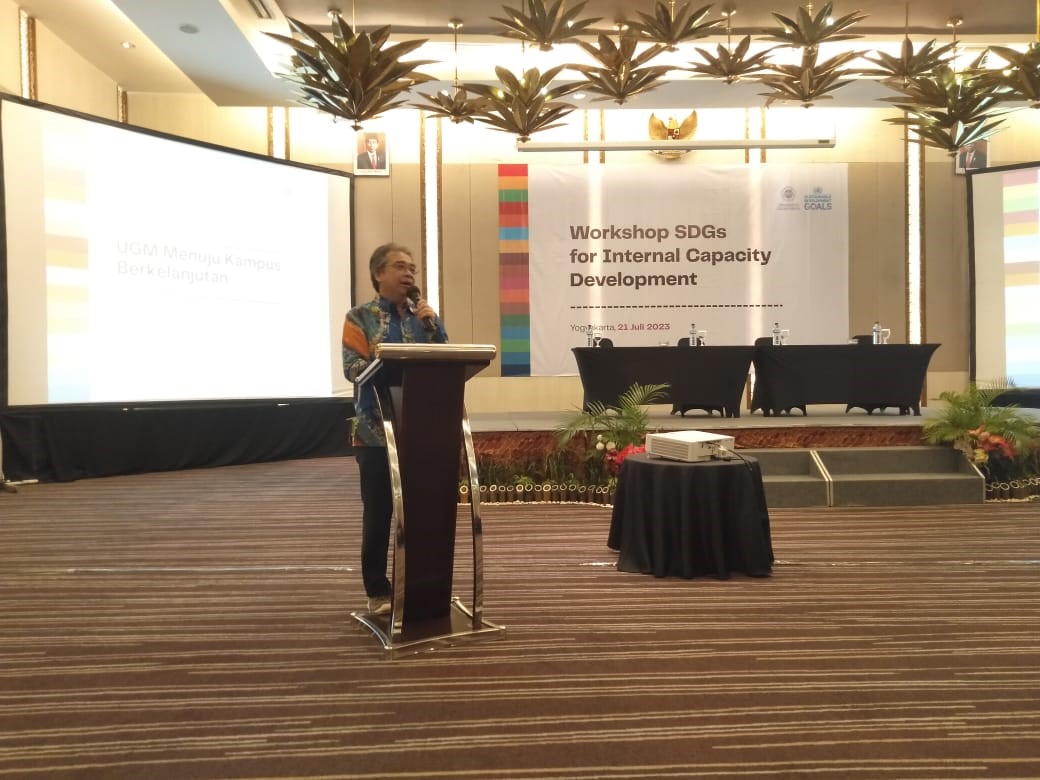
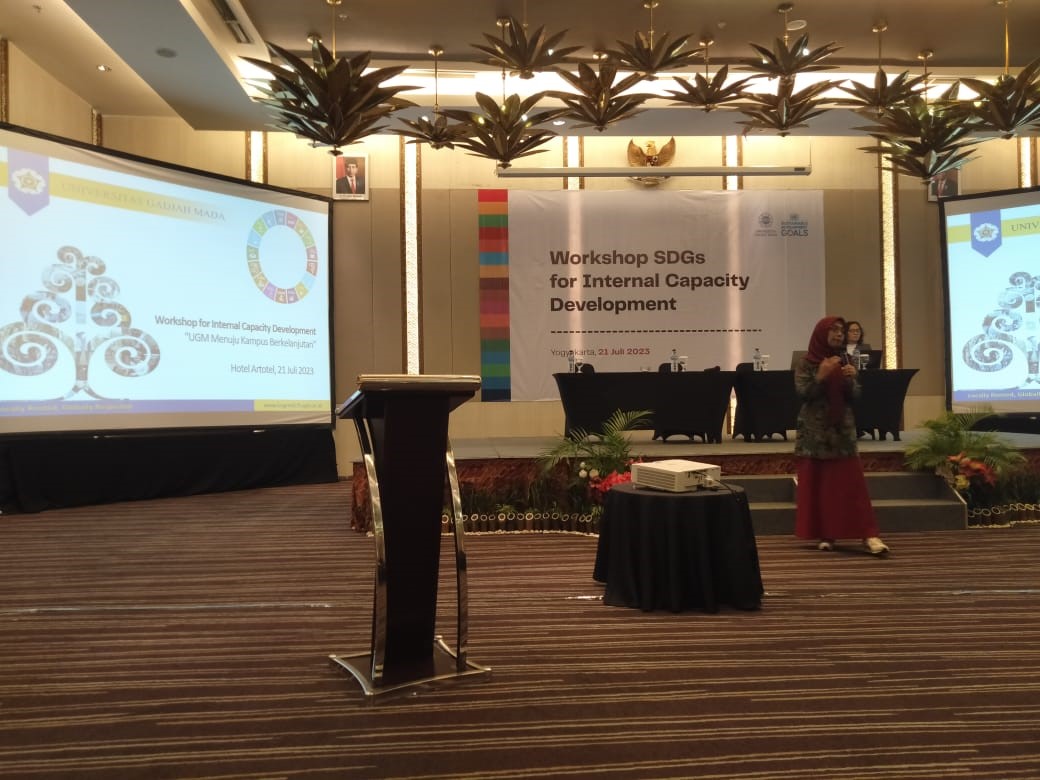
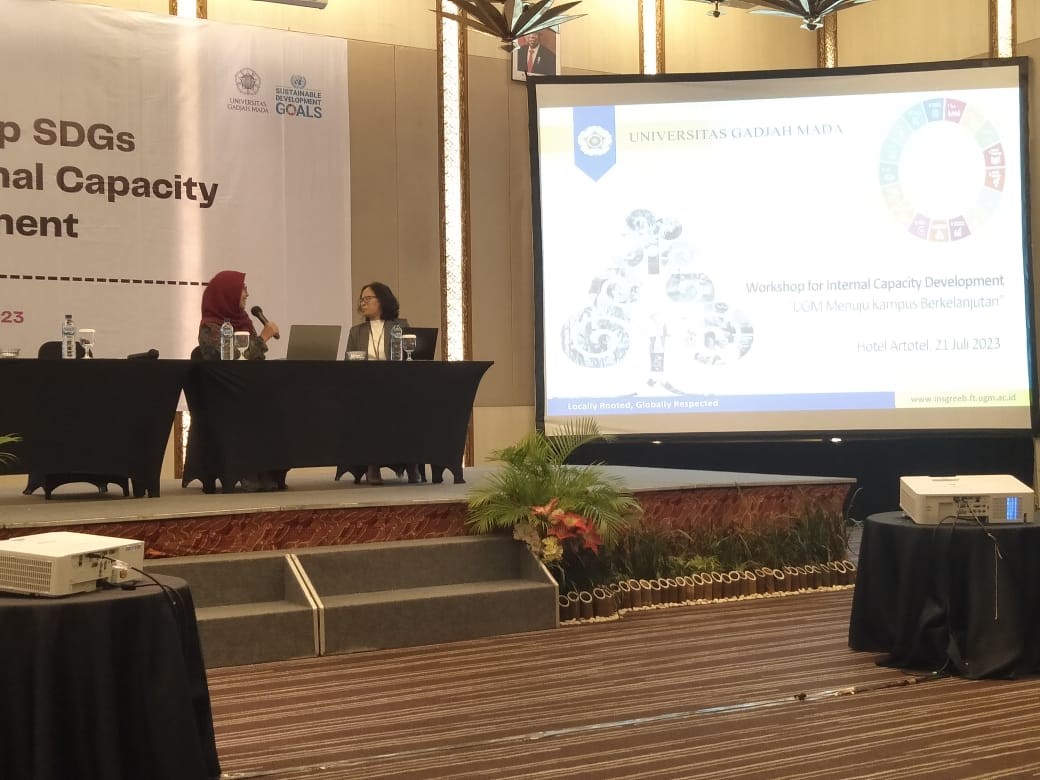
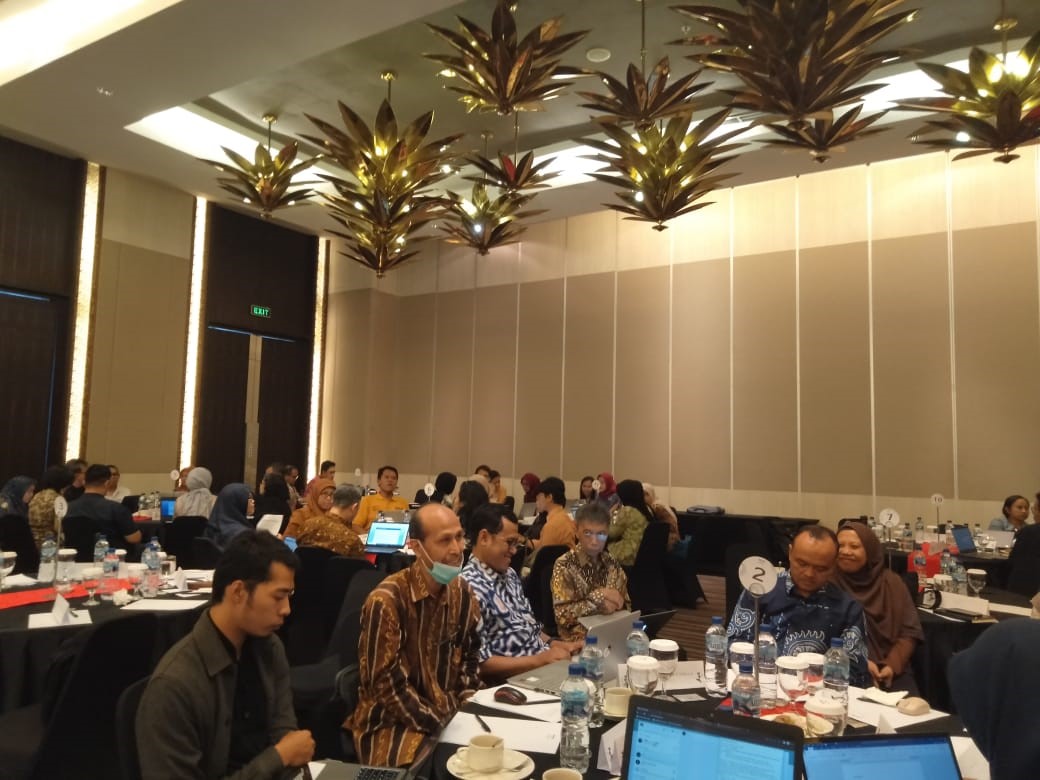
Friday, July 21st 2023, Universitas Gadjah Mada held a Workshop on SDGs for Internal Capacity Development: UGM Towards a Sustainable Campus at the Lotus Ballroom, Artotel Suites Bianti, Yogyakarta. The event was attended by representatives from various UGM working units including from Faculty of Biology represented by Mukhlis Jamal Musa Holle, S.Sc., M.Env.Sc., D.Phil. The event began with remarks by the Vice Chancellor for Education and Teaching Universitas Gadjah Mada, Prof. Dr. Wening Udasmoro, S.S., M. Hum., DEA. Prof. Wening explained the importance of the contribution of universities and their academic community in realizing the SDGs (Sustainable Development Goals) which have been promoted by the United Nations since 2015. Anticipation needs to be done to ensure that life in the future will avoid crises including the food crisis, extreme climate change and so on. UGM in the management of the SDGs is also got 2nd ranked in Indonesia and will continue to be developed. Prof. Wening also explained the importance of active data collection and publication to media so that activities carried out at UGM can be exposed to the wider community.

Slide 1
Slide 2
Slide 3
Slide 4
Slide 5

Further remarks were given by the Head of Quality and Reputation Assurance of Universitas Gadjah Mada, Dr. L. Hartanto Nugroho. He explained that contributions for SDGs can be made in small ways and small changes can have a big impact. A simple example in terms of segregating waste in a university environment, it must be carried out systematically and massively and involve all components and the academic community at the university.

The workshop continued with a general presentation by Prof. Dr. Puji Astuti, S.Si., M.Sc., Apt. and Ir. Sentagi Sesotya Utami, St., M.Sc., Ph.D. They explained that the most important aspects of the 17 SDGs are the environment and human sustainability. University ranking in terms of SDGs is not the main thing to achieve, but the ranking is a form of measurement for achievements or activities that have been carried out. UGM also supports sustainability in university governance from the aspects of ecosystems and the environment as well as human sustainability. This can be seen in the policies and regulations issued by UGM. The principles of sustainability or campus sustainability applied at UGM include energy conservation, waste management, water conservation, and eco-friendly transportation. In addition, the achievements of the activities carried out need to be balanced with massive publications so that they can be heard outside the university.

The workshop continued with Forum Group Discussions (FGDs) where participants were divided into 4 categories: Medicines, Agro and Life Science, Social Science, and Art and Humanities. Discussions focused on implementing the SDGs in their respective work units, SWOT analysis, plans for follow-up activities and plans for publication of SDGs achievements. In the discussion, representatives of the Faculty of Biology who included in Agro and Life Science category explained what activities had taken place at the Faculty of Biology and presentation ideas regarding the implementation of SDG No. 2 (Zero Hunger) and SDG No. 12 (Responsible Consumption and Production). Some of the components of the discussion include how programs play a role in overcoming food insecurity for the academic community and the general public, interventions for dealing with food insecurity, publication of sustainability reports, waste management, to how each work unit can represent research or activities carried out at the work unit level as part of the SDGs.

The workshop ended with closing and a reminder of how important everyone’s role is in realizing the SDGs, especially at the university level. It is hoped that this activity can be a trigger for the implementation of the SDGs and better publications at Universitas Gadjah Mada.

1…456

Accreditation

Recent Posts

  • Preserving Indonesia’s Spice Heritage: INUCoST Team of the Faculty of Biology UGM Holds Herbarium-Making Workshop with Leiden Experts and Industry Practitioners
  • From Village to Village: Optimizing Superior Local Chicken and Catfish Seedlings in Tegalrejo Hamlet, Ngresep Village, Boyolali Regency
  • Faculty of Biology UGM and Australian National University Extend Double Degree Collaboration and Explore New Strategic Partnership Opportunities
  • Faculty of Biology UGM Introduces Medicinal Plants to Strengthen Science Literacy Among SDN Pusmalang Students
  • Synergy Between the Faculty of Biology UGM, KOBI, YIBI, and WWF in Strengthening National Biodiversity Research
Universitas Gadjah Mada

UNIVERSITAS GADJAH MADA

FACULTY OF BIOLOGY
Teknika Selatan Street, Sekip Utara,
Yogyakarta 55281
biologi-ugm@ugm.ac.id
Phone/Fax: +62 (274) 580839

About us

  • History
  • Organization
  • Vision and Mission
  • Staff

Student Affairs

  • Student Service
  • Student Organization
  • Submission for Practical Field Work
  • Permission Field Research
  • Permission Thesis/Disertation

academic

  • Academic Regulations
  • Academic Anonncement

Accreditation

  • Image 1
  • Image 2
  • Image 3

© 2024 FACULTY OF BIOLOGY UNIVERSITAS GADJAH MADA

KEBIJAKAN PRIVASI/PRIVACY POLICY

[EN] We use cookies to help our viewer get the best experience on our website. -- [ID] Kami menggunakan cookie untuk membantu pengunjung kami mendapatkan pengalaman terbaik di situs web kami.I Agree / Saya Setuju