Arsip:
SDG 5 : Gender Equality
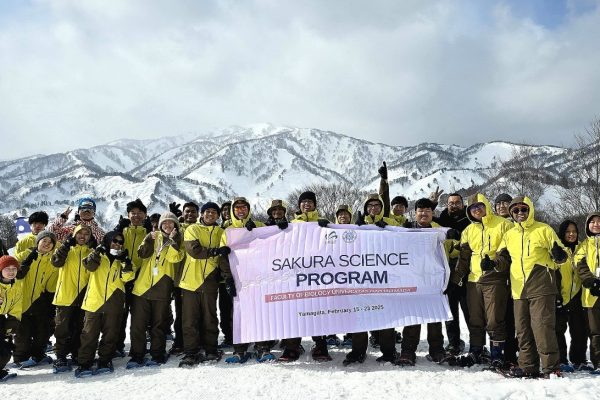
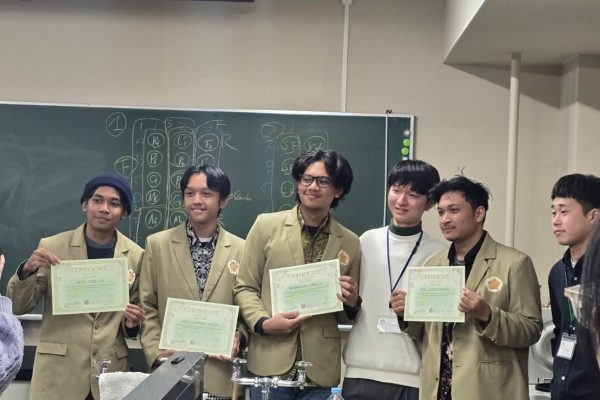
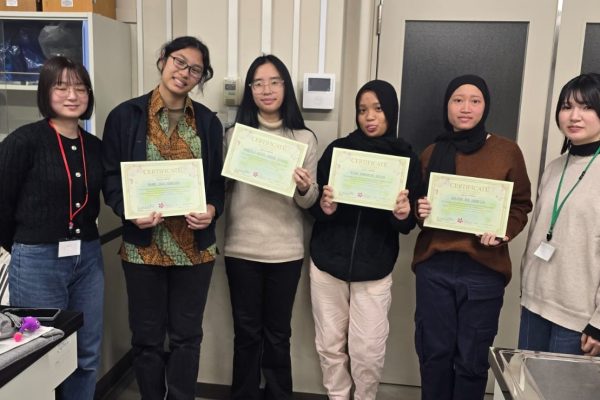
Yogyakarta, February 26, 2025 – Sixteen students from the Faculty of Biology, Universitas Gadjah Mada (UGM), participated in the Sakura Science Program at the Faculty of Science, Yamagata University, Japan. The program took place from February 15 to 23, 2025.
Accompanied by Prof. Dr. Bambang Retnoaji, Vice Dean for Academic and Student Affairs, the students began their activities with a field trip to the Mt. Gassan region to observe the environmental conditions covered in heavy snow in northern Japan. Led by Prof. Jun Yokoyama, the students were also taken on a tour of Yamagata City.
The following day, February 17, 2025, the students attended a series of lectures on biodiversity and recent advances in biological studies delivered by several professors, including Dr. Taisuke Kanao on “Termitophily: Unique insect diversity in termite nests”, Prof. Naoyuki Fujiyama on “Diversity of Asian insects with particular attention to researches on herbivorous ladybird beetles”, and Prof. Yutaka Miyazawa on “How do plant roots respond to water deficit? : Physiological and molecular biological dissection of root hydrotropism”.
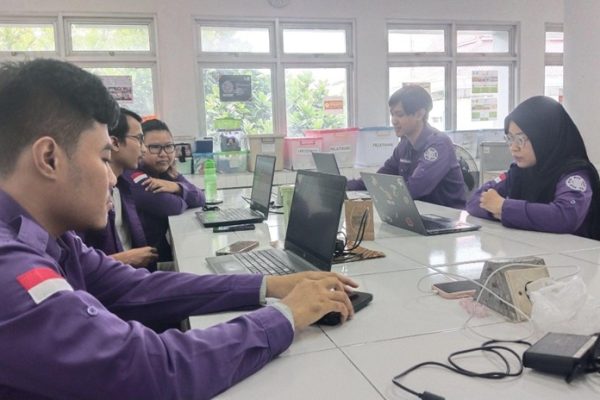
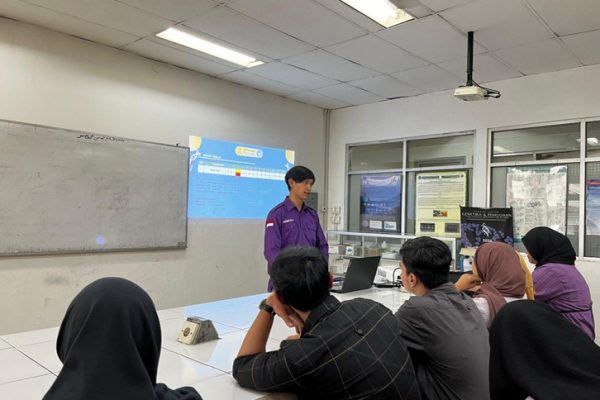
From February 18 to 21, 2025, the students conducted a series of practical activities, including material selection for experiments, DNA isolation from organisms, DNA sequencing, and data analysis from PCR results. The outcomes of these activities were then compiled into reports and presented.
This program not only focused on academic aspects but also provided opportunities for students to learn about Japanese culture by visiting the Yamagata Prefectural Museum.
The Sakura Science Program aims to strengthen cooperation and knowledge exchange between the Faculty of Biology, UGM, and Yamagata University. This activity is expected to broaden students’ knowledge and insights in biology and strengthen the Faculty of Biology’s international network.
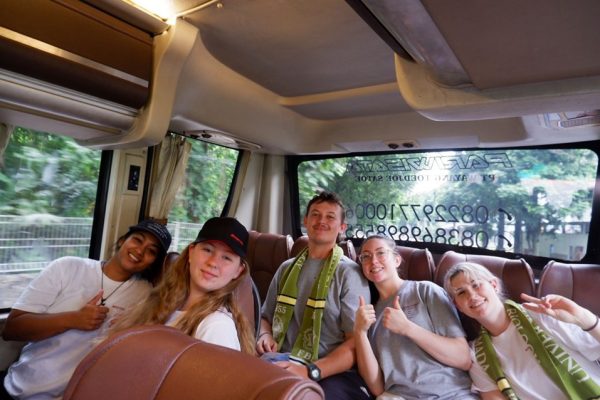
Yogyakarta, 22 January 2025 – Faculty of Biology, Universitas Gadjah Mada (UGM) together with Western Sydney University (WSU) officially opened the International Summer Course (ISC) at the Tropical Biology Auditorium, Faculty of Biology UGM. This activity took place in two locations, at UGM, Yogyakarta on 21-23 January 2025 and continued in Tarakan, Kalimantan on 24 January – 8 February 2025.
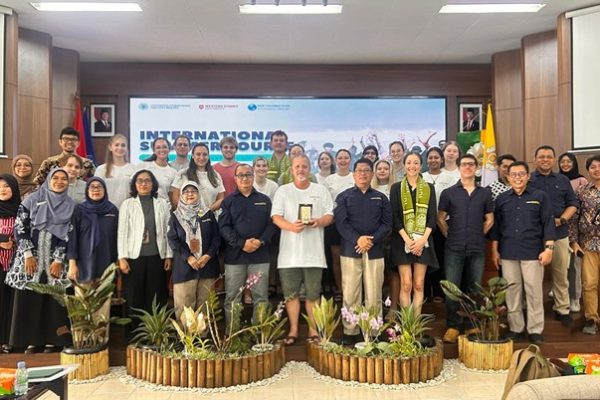
The ISC opening event was attended by 16 WSU students, 6 UGM students, 3 WSU staff-lecturers, and UGM lecturers. The opening begins with a report from Dr. Eko Agus Suyono, Vice Dean for Research, Community Service, Collaboration and Alumni Affairs, Faculty of Biology UGM, who also acts as Chair of the International Summer Course Organizer. He revealed that this activity was a follow-up to the collaboration between UGM and WSU that had been established over the last few years.
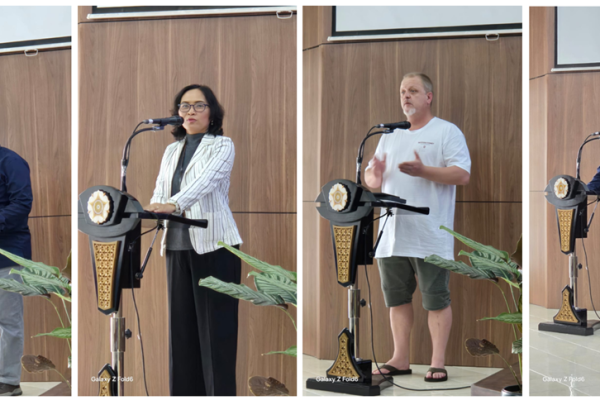
In his speech, Prof. John Charles Hunt, WSU lecturer, hopes that this activity can continue and expand collaboration in the research and academic fields in the future. In line with that, Prof. Dr. Puji Astuti, Director of Partnerships and Global Relations at UGM, expressed her appreciation for this collaboration, and stated that this ISC is the second in January 2025 after collaboration with Monash University and the UGM Vocational School. Prof. Puji also appreciated the focus of the summer course which raised the issue of biodiversity and environmental sustainability as well as UGM’s role in supporting conservation in Kalimantan and Papua.
Dean of the Faculty of Biology UGM, Prof. Dr. Budi Setiadi Daryono also gave a speech and opened the event. He said that Yogyakarta is a special place with its rich culture and nature, and hopes that ISC participants can take advantage of the opportunity to explore various aspects during activities in Yogyakarta. Prof. Budi also emphasized that this ISC is the first in 2025, before the implementation of the regular ISC in July-August.
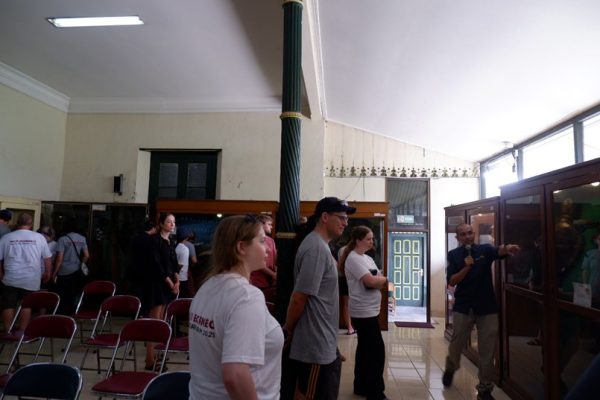
The event continued with a visit to the Biology Museum, Faculty of Biology UGM, guided by Donan Satria, M.Sc., Lecturer in Animal Systematics, Faculty of Biology. The participants were very enthusiastic in listening to explanations about the history, role and various collections in this museum.
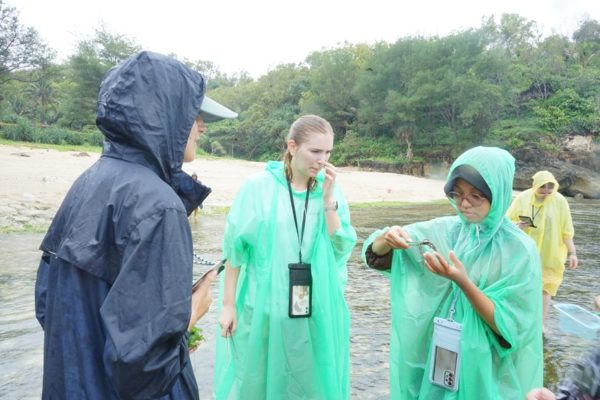
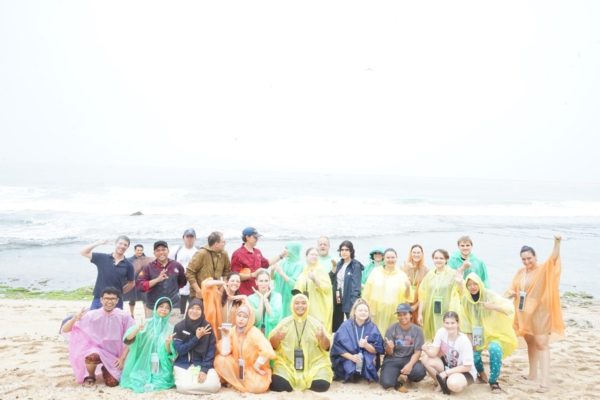
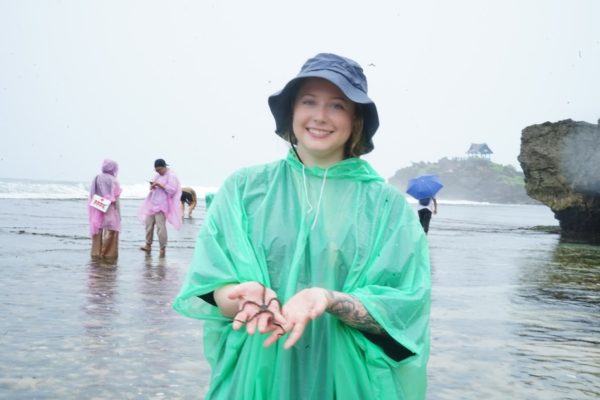
Next, the participants carried out field activities at the Marine Research Station, Faculty of Biology, Porok Beach, Gunung Kidul. This activity includes intertidal sampling and observing biodiversity on the beach. The exploration was guided by Dr. Rury Eprilurahman who focuses on animals and Dr.Eng. Thoriq Teja Samudra regarding Macroalgae. Martin Holland, International Summer Course Coordinator from WSU, said that this field trip was a warm-up before the main summer course agenda in Tarakan, Kalimantan.
Through this ISC, it is hoped that collaboration between WSU and the Faculty of Biology UGM can become closer, opening up opportunities for further collaboration in the academic and research fields, as well as contributing to achieving Sustainable Development goals (SDGs). This activity is in line with SDG 14 (Life Below Water), SDG 15 (Life on Land), and SDG 17 (Partnerships for the Goals), which focus on biodiversity conservation, environmental sustainability, and international cooperation.
With this spirit of collaboration, it is hoped that similar activities can continue and strengthen relations between UGM and WSU, as well as support conservation and nature preservation efforts in Indonesia and globally.
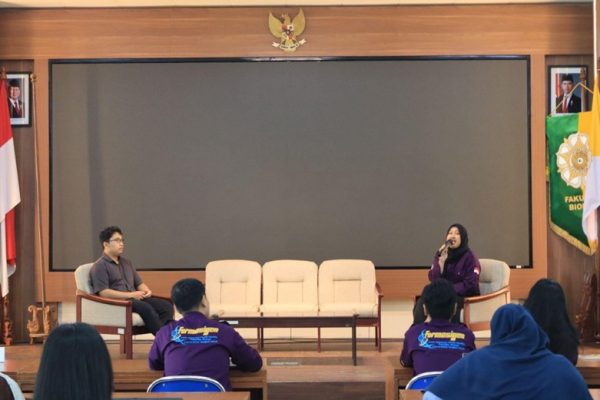
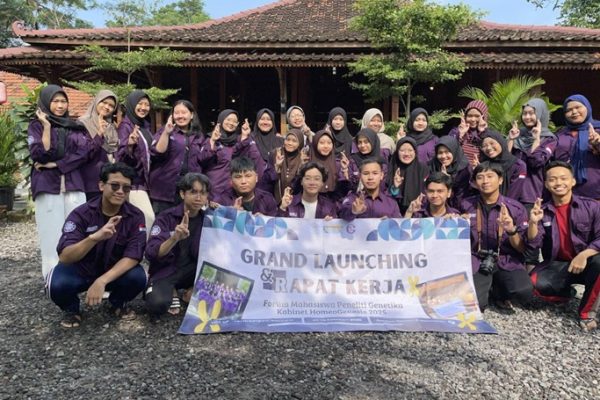
On Friday, December 13, 2024, from 10:00 AM to 4:00 PM WIB, the Year-End Evaluation and Member Deliberation of Formasigen were held at the Genetics and Breeding Laboratory, Faculty of Biology, UGM. The activity was attended by Mrs. Ganies Riza Aristya, S.Si., M.Sc., Ph.D., the Formasigen supervisor, the 2024 Formasigen team, and prospective members of the 2025 Formasigen team. This event served as a platform to review the Formasigen Bylaws and Articles of Association (AD/ART), evaluate the performance over the past year, and conduct a member deliberation to elect the 2025 Formasigen Chair. The objectives included updating the AD/ART based on recent agreements, monitoring the work programs carried out by the GenomCity Cabinet, identifying challenges encountered throughout the management period, providing constructive feedback and recommendations for program improvement, enhancing the quality of future work programs, and determining the next Formasigen Chair.
The event began with an opening by the MC, Enjang Sekaryati Prasetyaningrum, who served as the Head of the Public Relations and Networking Division of the 2024 GenomCity Cabinet. This was followed by a review of the AD/ART led by the first presidium, Muhammad Sena Budiman, and the second presidium, Ihsanti Tsania Fajriati. During this session, articles in the AD/ART were reviewed and updated to align with current conditions and ensure relevance for future management periods. After this session, there was a break for prayer, lunch, and rest.
The activity continued with the Year-End Evaluation and Member Deliberation. Before starting this session, remarks were delivered by Mrs. Ganies Riza Aristya, S.Si., M.Sc., Ph.D., who expressed gratitude to the 2024 Formasigen management team for fulfilling their responsibilities well. She also emphasized that the evaluations presented during this session should serve as valuable lessons for the next management team. Furthermore, she extended her encouragement and congratulations to the candidates for the 2025 Formasigen Chair and management team. Following the remarks, presentations were conducted by the heads of each division to report on the work programs implemented throughout the year, along with evaluations and suggestions for improvement. The presentation began with the Chair, followed by the Secretary and Treasurer, and continued with the heads of the PSDM (Human Resources Development), Scientific, Household, Public Relations and Networking, and Media and Information Divisions.
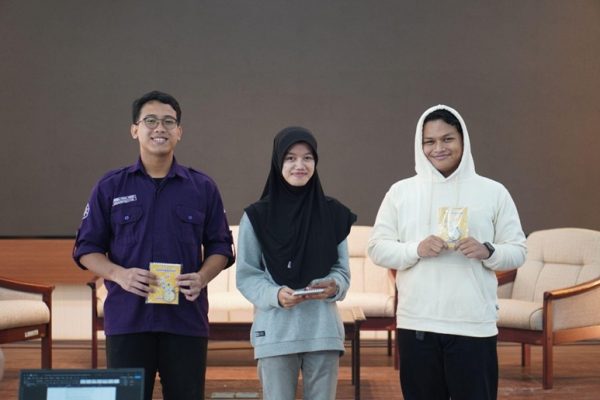
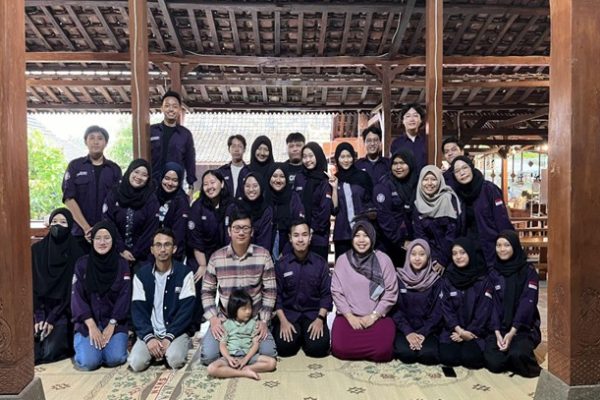
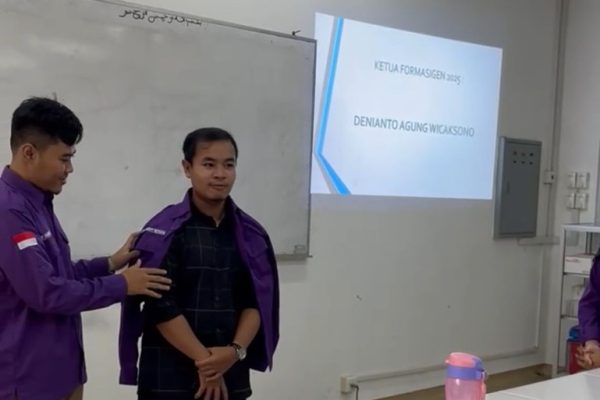
The event then proceeded with the 2024 Member Deliberation. This session included the introduction and presentation of visions and missions by the candidates for the 2025 Formasigen Chair, Denianto Agung Wicaksono, Muhammad Meshal Ramdhayesa, and Muhammad Rafi Fairuza. A question-and-answer session was held with the 2024 Formasigen team and the prospective 2025 team. Subsequently, a deliberation was conducted to elect the chair. The announcement of the elected 2025 Formasigen Chair, Denianto Agung Wicaksono, followed, along with the handover of responsibilities from the 2024 Chair to the 2025 Chair. The event concluded with a documentation session and a closing. [Author: Formasigen]
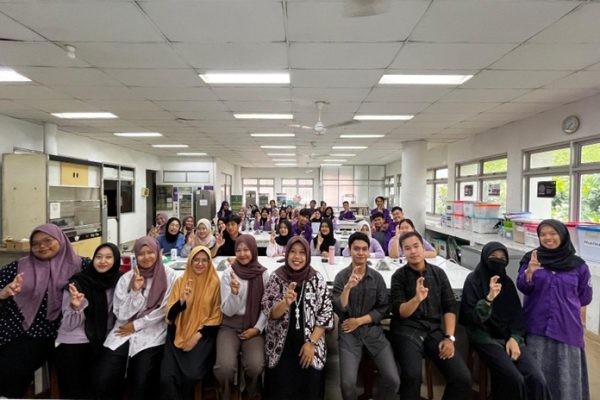
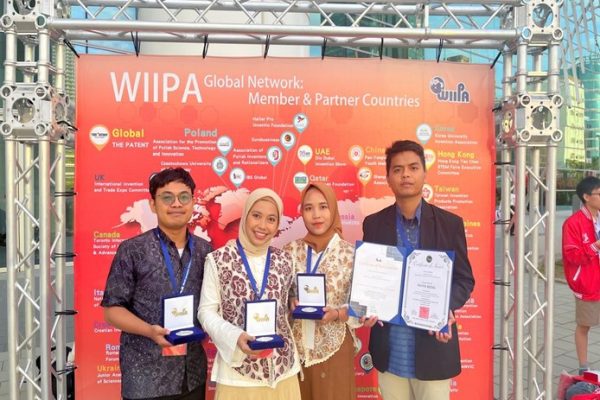
The Kaohsiung International Invention and Design Expo (KIDE) 2024 serves as a prestigious platform for researchers to present and compete their innovations at the international level. Organized by the World Invention Intellectual Property Association (WIIPA) and the Taiwan Invention Products Promotion Association (TIPPA), KIDE 2024 took place from December 5-7, 2024, in Kaohsiung, Taiwan. The competition featured 447 innovations from participants representing 31 countries.
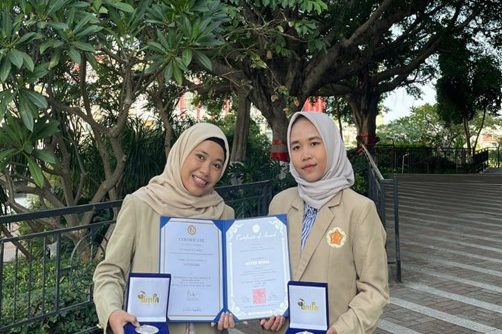
The principle “Teamwork Makes the Dream Work” aptly describes the success achieved by two UGM Biology Master’s students, Syefrina Rosyada and Yessy Ratna Siwie, along with their interdisciplinary teammates Alan Mulana K. (Faculty of Engineering) and Sunardi (Faculty of Agriculture). Their collaboration resulted in a silver medal at KIDE 2024 for their groundbreaking innovation, the SEATTER (Seawater Converter).
The SEATTER project was inspired by the clean water crisis faced by residents of Jerowaru District in East Lombok Regency. The area experiences low annual rainfall and high sunlight intensity, which forces local communities to purchase clean water for daily needs. Addressing this challenge, the team developed SEATTER, a solar-powered desalination technology that converts seawater into clean, usable water. This innovation provides a sustainable solution for coastal communities struggling with clean water scarcity.
The SEATTER technology directly contributes to Indonesia’s efforts in achieving the Sustainable Development Goals (SDGs), specifically SDG 6: Ensure availability and sustainable management of water and sanitation for all. This innovation enhances clean water access for underserved coastal areas.
This remarkable achievement underscores the Faculty of Biology’s commitment to nurturing student potential and encouraging excellence at the international level. It is hoped that this success will inspire other students and young Indonesians to continue innovating, creating, and making meaningful contributions to science and global society.
[Writer: Syefrina Rosyada]
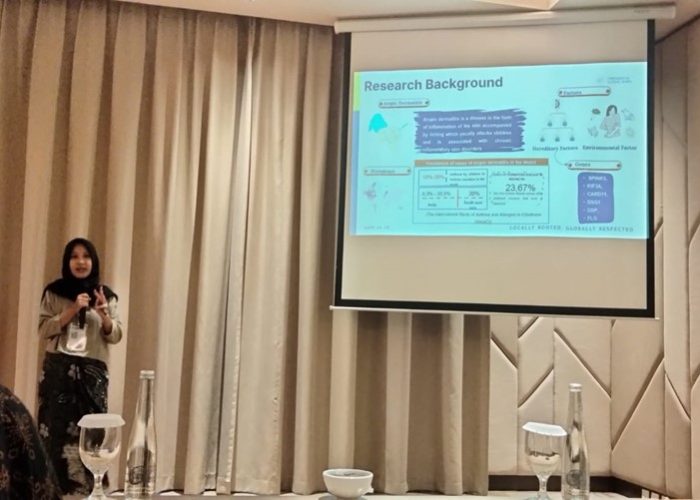
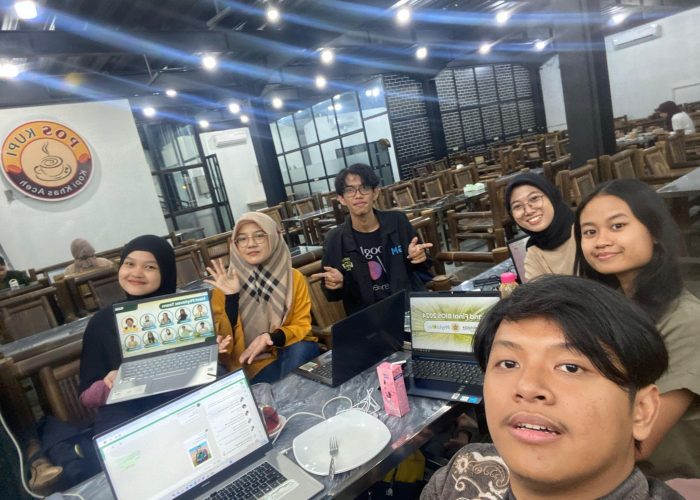
UGM iGEM Team Integrates Molecular Farming with Vaccine Production, Secures Five Awards at BIOS 2024
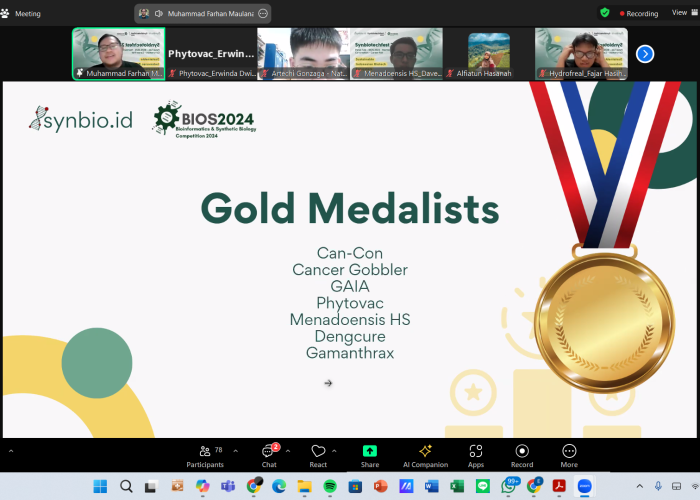
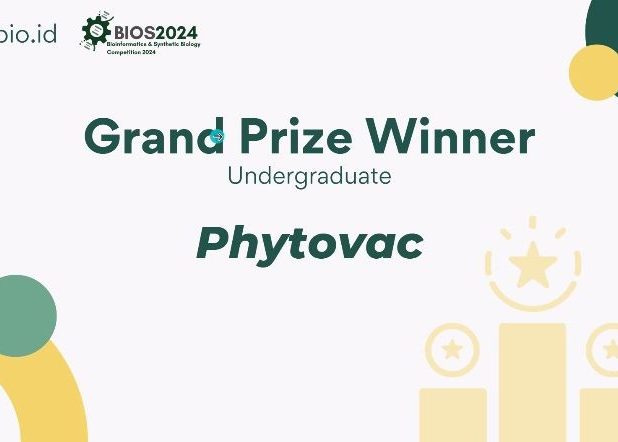
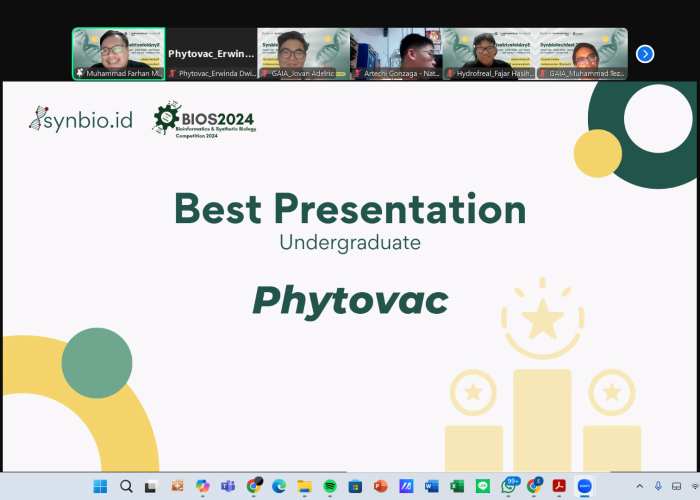
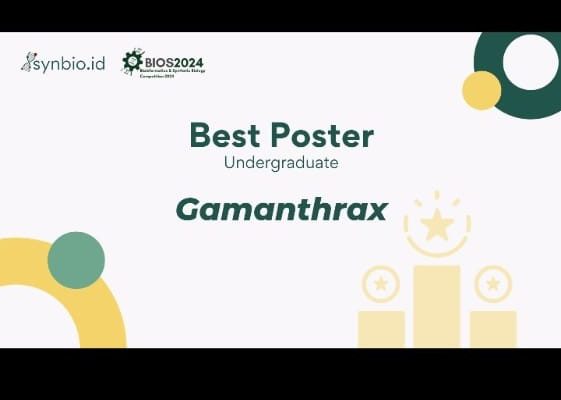
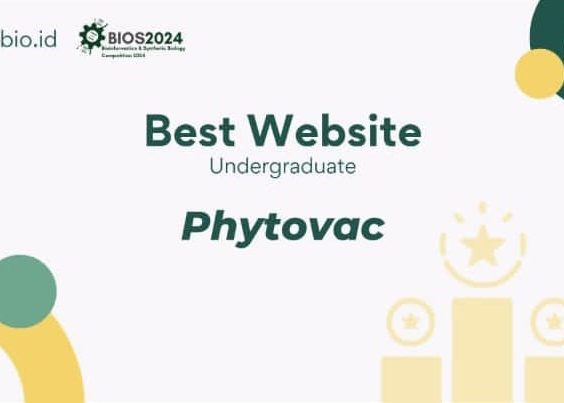
The Universitas Gadjah Mada (UGM) iGEM 2024 team has once again achieved remarkable success at the Bioinformatics and Synthetic Biology (BIOS) 2024 competition, organized by Synbio.id. Competing virtually from August to December 2024, two of UGM’s leading teams Phytovac and Gamanthrax brought home an impressive array of accolades, including Best Presentation, Best Website, Best Poster, the prestigious Gold Medal, and the ultimate Grand Prize.
The UGM iGEM team consists of 19 interdisciplinary students, including eight talented members from the Faculty of Biology: Anandita Amalia Dewi (2021), Salma Rohmaniah (2021), Erwinda Dwi Chofifah (2022), Tan Rendy (2022), Angga Firza Pratama (2023), Geraldine Yara Amritasahmi (2023), Nauval Rajwaa Raysendria (2023), and Tsaqifa Zuhayra Emery Bagus (2023). The synergy among students from diverse academic backgrounds was key to the team’s success, fostering creativity and innovation to address real-world societal challenges.
Under the guidance of Dr. Yekti Asih Purwestri, M.Si., the UGM iGEM team adopted molecular farming as an innovative approach to develop therapeutic solutions for pressing health issues in Indonesia. Team Phytovac, led by Farrel Alfaza Marsetyo (Faculty of Medicine, 2021), introduced a project titled “Immunoinformatics Design of Virus-Like Particle-linked Dengue Vaccine for Expression in Nicotiana benthamiana System”, targeting the prevalent issue of dengue fever. Team Gamanthrax, led by Fahmi Ihsanuddin Jauhari (Faculty of Pharmacy, 2021), presented a project titled “In Silico Design of Plant-Based Anthrax Vaccine using Recombinant DNA Method”, focusing on the development of a plant-based anthrax vaccine.
Both projects successfully leveraged computational modeling and mathematical simulation technologies to design plant-based vaccines—groundbreaking advancements in biotechnology.
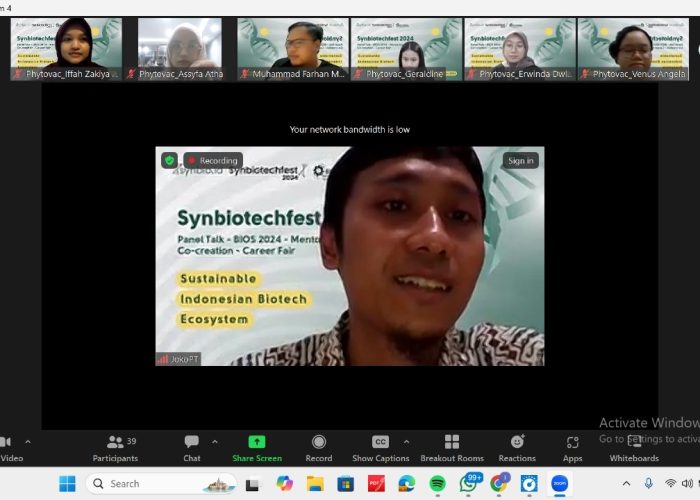
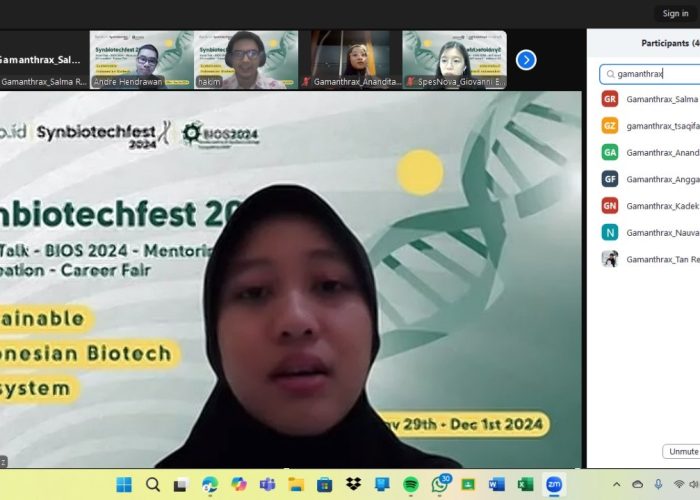
The BIOS 2024 competition featured a rigorous selection process, beginning with abstract submissions, proposal videos, website showcases, posters, and presentation videos from August 24 to November 10, 2024. Both UGM teams advanced to the final round on November 29, 2024, where they engaged in interactive judging sessions.
The journey culminated in the Grand Final on November 30, 2024, where Phytovac emerged as a grand finalist alongside two other top teams. In the final round, the teams presented their projects to judges and audiences. The competition’s pinnacle was marked by the Awarding Ceremony on December 1, 2024, where both Phytovac and Gamanthrax were crowned champions, earning multiple prestigious awards.
This outstanding achievement highlights the competitive excellence of UGM’s Faculty of Biology students on the national stage. Through interdisciplinary collaboration, relentless hard work, and a passion for innovation, the UGM iGEM team has proven that science and technology hold the key to driving sustainable and positive societal change.
Written by: iGEM UGM Team
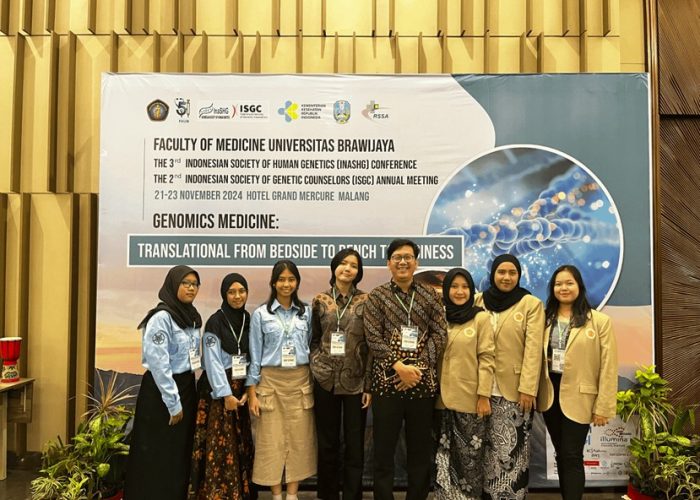
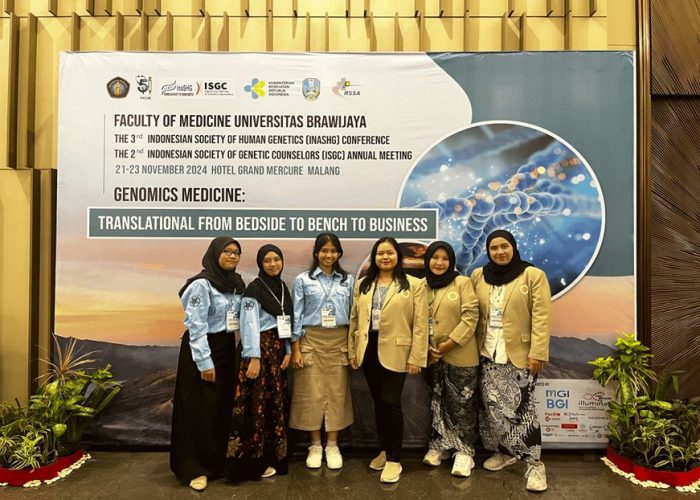
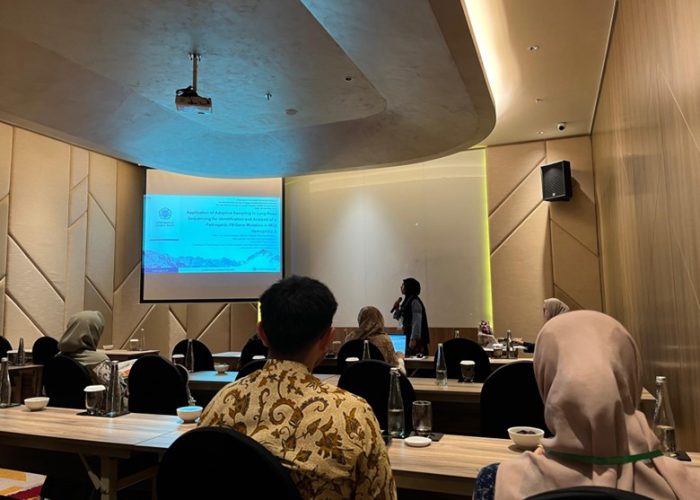
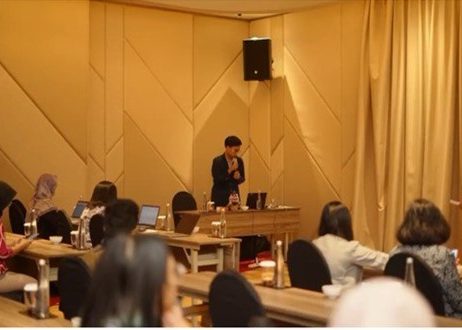
Undergraduate students from the Faculty of Biology at Gadjah Mada University—Alifia Nur Hidayah, Ardiza Puspa Rahmaningtyas, Farah Ayu Kamayani, Hana Magista Qathrunnada, Tazkia Mahsya Syavira, and Luisa Ramyahastri Paramatatya—participated in an international human genetics conference. This conference was the 3rd Indonesian Society of Human Genetics (InaSHG) Conference, held simultaneously with the 2nd Indonesian Society of Genetic Counselors (ISGC) Annual Meeting 2024. In collaboration with the Faculty of Medicine at Brawijaya University, the event took place from November 21-23, 2024, at the Grand Mercure Hotel, Malang. With the theme “Genomics Medicine: Translational from Bedside to Bench to Business,” the conference emphasized a comprehensive approach to the development of medical genetics. The program included research presentation sessions aimed at disseminating the latest research advancements, innovations in clinical practice, and developments in genetics policy. These sessions were designed to optimize knowledge exchange, strengthen interdisciplinary collaboration, and enhance the professional competence of participants. The conference also featured symposia with speakers from prominent national and international genetics experts.
During the event, students under the supervision of Prof. Dr. Niken Satuti Nur Handayani, M.Sc., and Indra Lesmana, S.Si., M.Sc., presented their research on the development of a Long-read Sequencing Application for Genotyping Hereditary Diseases in Humans. This research aims to develop an efficient genetic screening methodology for detecting various hereditary diseases, focusing on hemophilia A, obesity, thalassemia, and atopic dermatitis using long-read sequencing technology developed by Oxford Nanopore Technologies. The students gained valuable experience presenting their research at an international scientific forum, honed their scientific communication skills, and were inspired to further develop their research and broaden their knowledge about the latest advancements in genomics.
This research has significant implications, not only in academic contexts but also in supporting the achievement of the Sustainable Development Goals (SDGs), particularly Goal 3, which focuses on Good Health and Well-being. The contribution of this research to the development of genetics-based healthcare services represents a strategic step toward advancing the health system. The implementation of the developed technology is expected to have substantial impacts in several areas: optimizing preventive efforts and the management of genetic diseases, improving life expectancy for populations, and ensuring equitable, sustainable access to modern healthcare technologies.
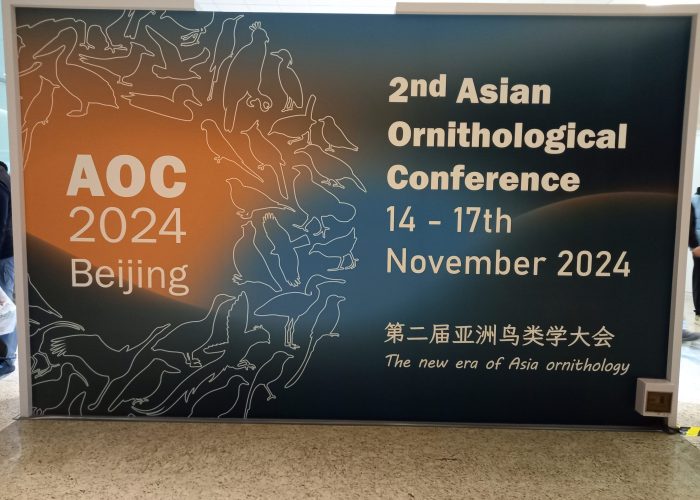
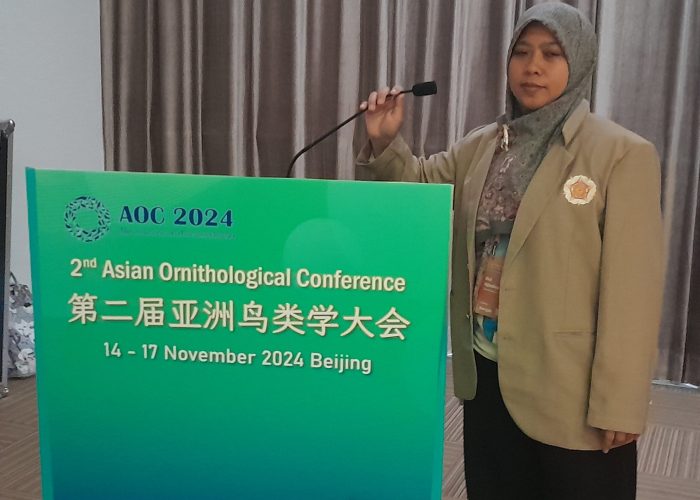
On November 14–17, 2024, the Asian Ornithological Conference (AOC) was held in Beijing, China, bringing together 528 delegates from 39 countries (505 from Asia and 23 from outside Asia). Attendees represented 76 universities, 37 research institutions, and 28 exhibitors, sponsors, and event supporters. This quadrennial conference, previously held virtually in Zhuhai, China, due to the COVID-19 pandemic, aims to foster academic exchange across Asia, promote ornithological research and conservation, and enhance the international status and influence of Asian ornithological organizations.
The vibrant conference was supported by the International Ornithology Union (IOU) and organized by the Institute of Zoology, Chinese Academy of Sciences, in collaboration with the International Zoological Society, China Ornithological Society, and the journal Avian Research. Over four days, the event facilitated knowledge-sharing on bird-related research across participating countries through plenary talks, symposia, and poster presentations.
Key conference highlights included:
- Plenary Talks: Eight speakers, including Indonesia’s Prof. Dr. Dewi M. Prawiradilaga from the National Research and Innovation Agency (BRIN).
- Keynote Talks: Four speakers, with Indonesia represented by Mohammad Irham, M.Sc. (BRIN).
- Youth Talks: Three speakers from various countries.
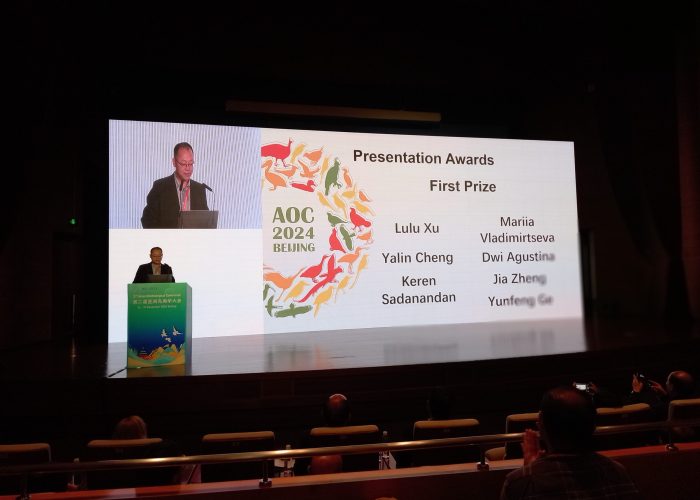
- Symposia: 26 sessions with 190 delegates, including Indonesia’s Dr. Anik Budhi Dharmayanthi and Yohanna Dalimunthe, M.Si. (BRIN), Prof. Pramana Yuda (Universitas Atmajaya Yogyakarta), and Dwi Agustina (UGM graduate student and Program Coordinator at the Indonesian Cockatoo Conservation Association, KKI).
The conference also featured a bazaar of research tools and equipment, showcasing products from leading companies in China and beyond.
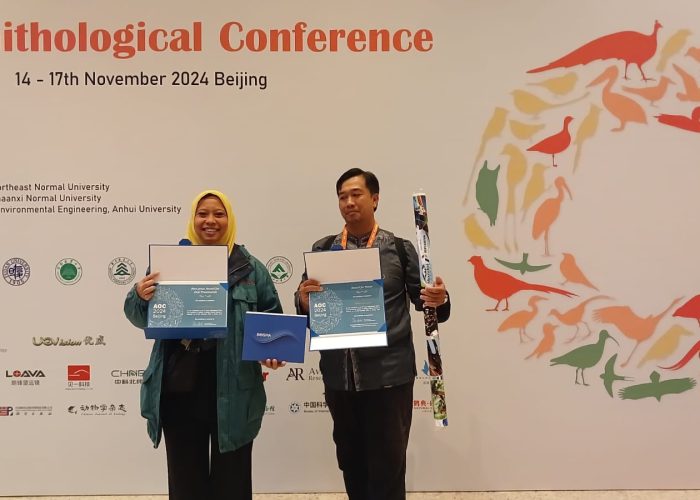
For UGM’s graduate students, Dudi Nandika and Dwi Agustina, attending the AOC provided invaluable opportunities to expand their networks, showcase their expertise, and gain broader insights into the global ornithological community. Both have extensive experience in bird conservation, particularly with parrot species, through their work at KKI.
Their participation was marked by exceptional achievements:
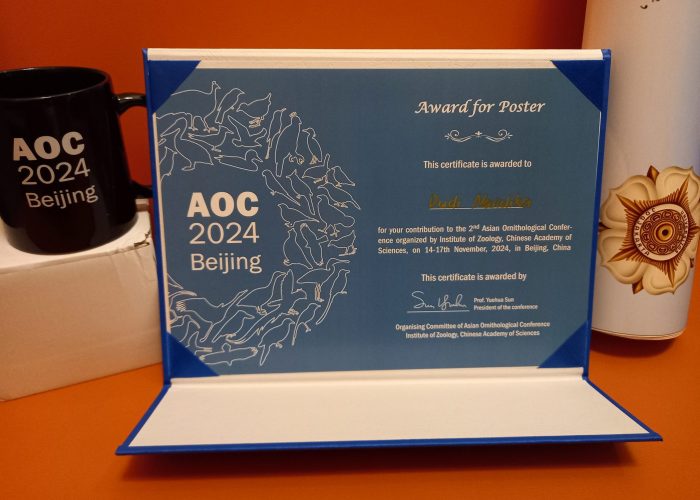
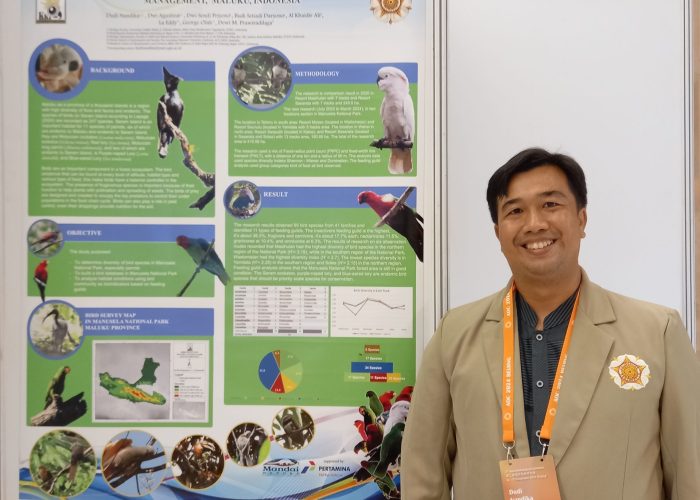
- Dudi Nandika received the First Prize Poster Award for his poster, “Recent Data Analysis on Feeding Guilds of Bird Communities as Bioindicators for the Management of Manusela National Park, Maluku.”
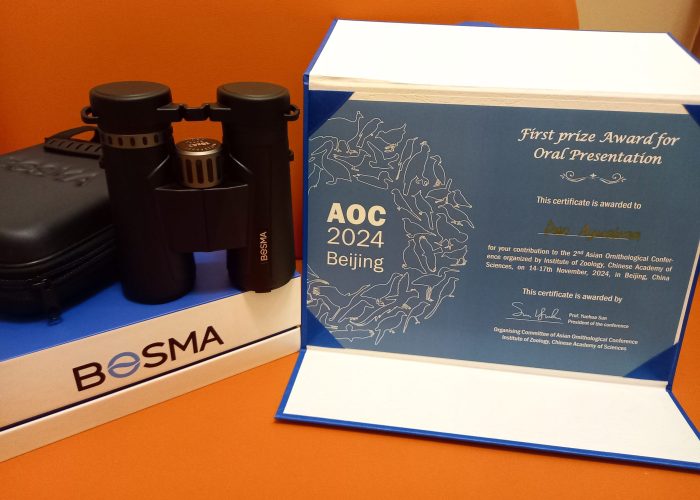
- Dwi Agustina earned the First Prize Presentation Award for her oral presentation, “Aligning Cockatoo Conservation Efforts with Local Huaulu Customary Wisdom on Seram Island, Maluku, Indonesia.”
Prof. Dr. Budi Setiadi Daryono, M.Agr.Sc., Dean of the Faculty of Biology at UGM and Dudi’s academic advisor, expressed his pride: “Alhamdulillah, congratulations on winning the awards for the best oral presentation and poster at the Asian Ornithological Conference. May this bring blessings and continued success.” Dr. Dwi Sendi Priyono, M.Si., their supervising lecturer, conveyed his congratulations and admiration for their achievements.
Dudi extended heartfelt gratitude, saying: “We are deeply thankful to Allah SWT, and to our mentors—Prof. Dr. Budi Setiadi Daryono, M.Agr.Sc.; Prof. Dewi Malia Prawiradilaga; Dr. Dwi Sendi Priyono, M.Si.; and George Olah, Ph.D.—for their invaluable guidance. Special thanks to the KKI team, colleagues Dr. La Eddy and Dr. Paulus from Universitas Pattimura, Dr. Herlina Agustin from Universitas Padjajaran, as well as friends and family who have always supported us.”
The achievements of Dudi and Dwi serve as a source of inspiration and a catalyst for further ornithological research and bird conservation efforts in Indonesia.
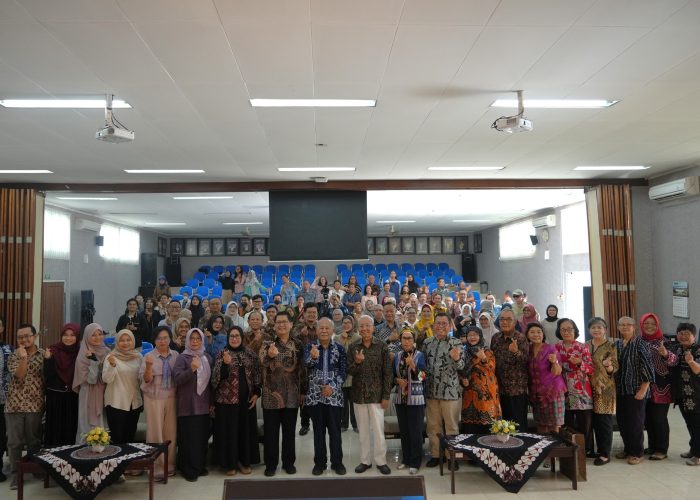
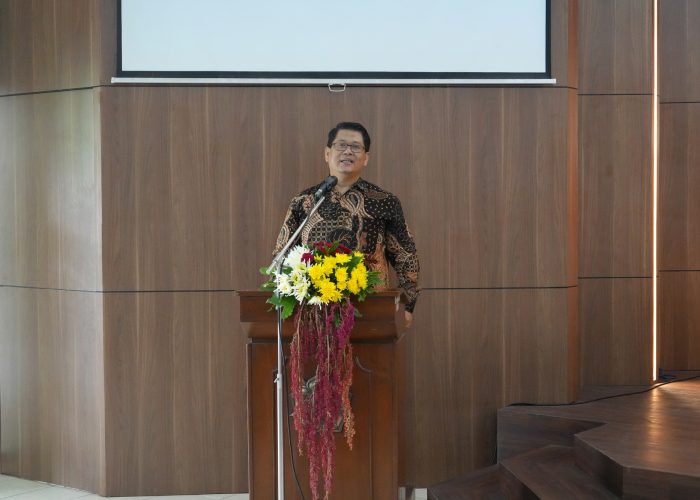
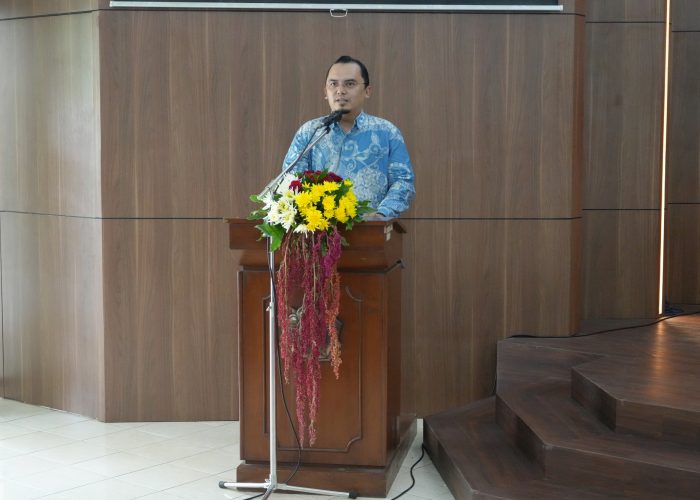
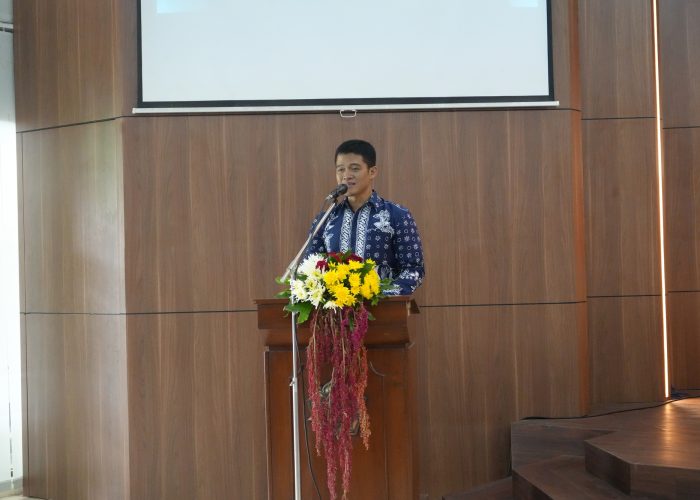
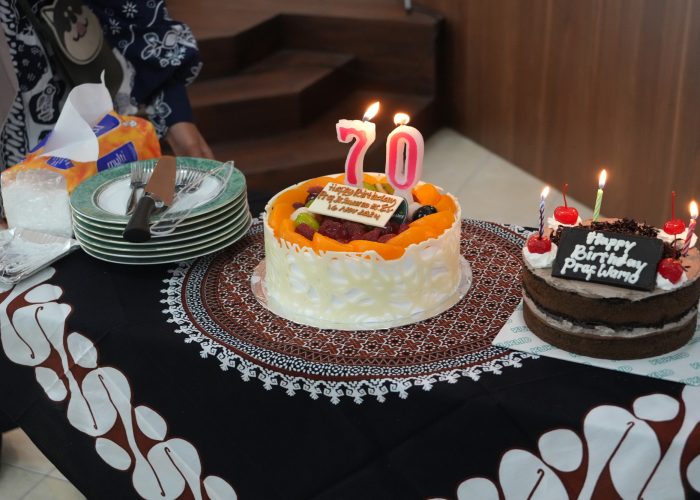
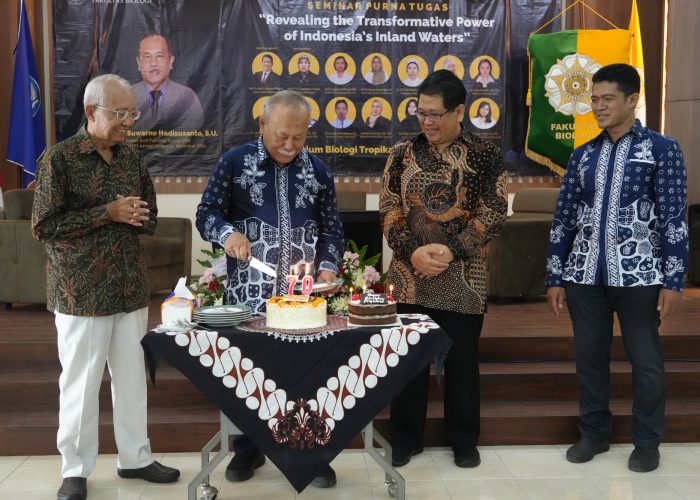
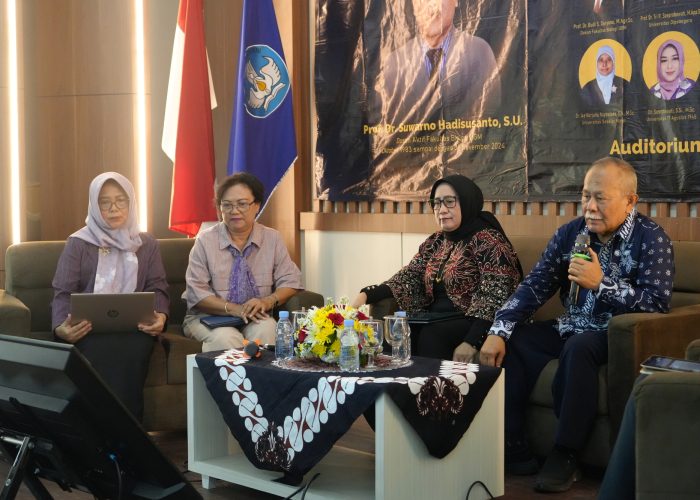
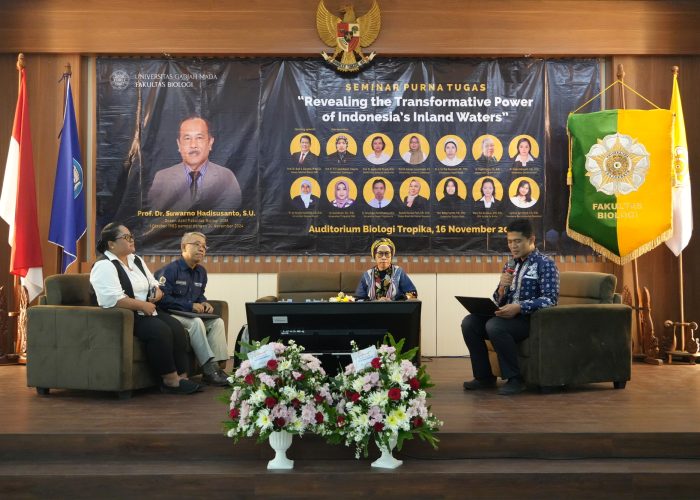
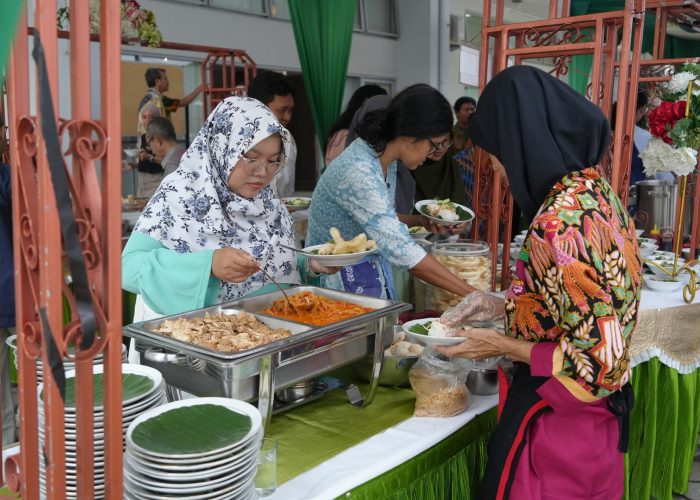
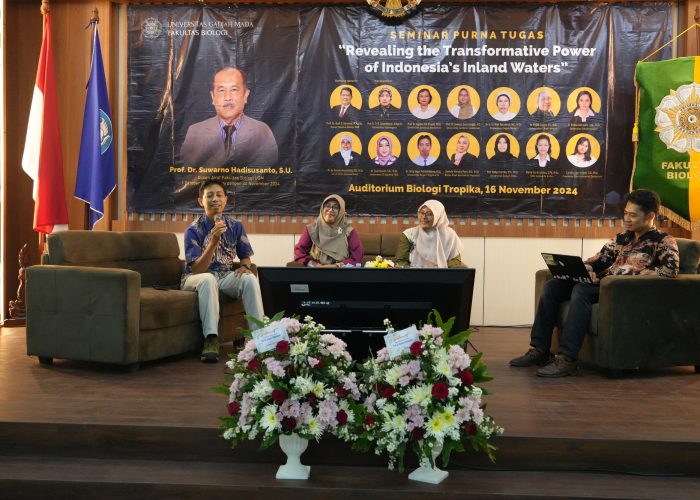
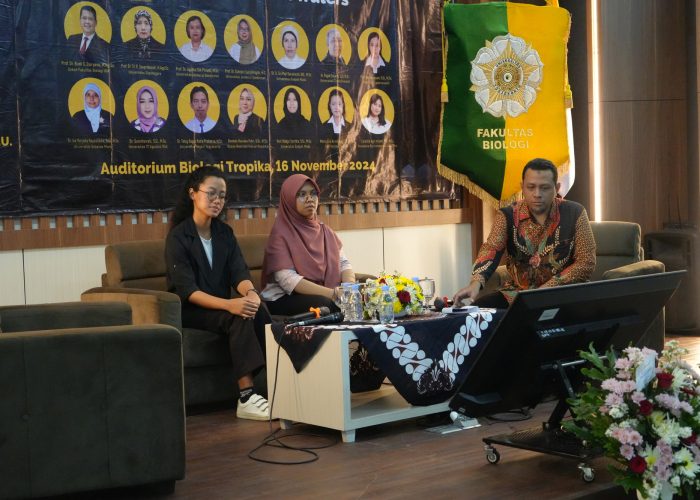
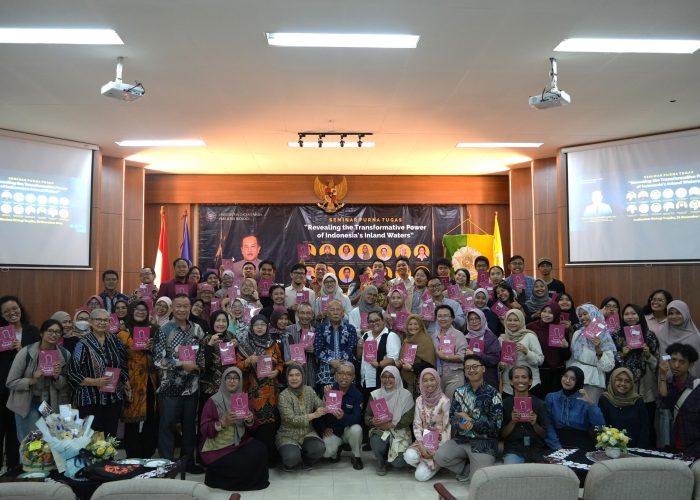
Yogyakarta, November 16, 2024 – The Faculty of Biology, Universitas Gadjah Mada (UGM), hosted a Retirement Seminar titled “Revealing the Transformative Power of Indonesia’s Inland Waters” at the Faculty of Biology Auditorium. This event marked the retirement of Prof. Dr. Suwarno Hadisusanto, S.U., after 41 years of dedicated service as a lecturer. The seminar also coincided with Prof. Suwarno’s 70th birthday, making it a truly special occasion.
The seminar featured 13 distinguished speakers, all former students of Prof. Suwarno, representing various universities and research institutions. More than 170 participants from diverse backgrounds attended the event.
The opening remarks were delivered by the Chair of the Organizing Committee, Prof. Dr. rer. nat. Andhika Puspito Nugroho, S.Si., M.Si., who expressed deep gratitude for Prof. Suwarno’s dedication. “Prof. Suwarno has given us so much. We extend our heartfelt thanks and profound appreciation for his remarkable contributions,” he said.
The Dean of the Faculty of Biology, Prof. Dr. Budi S. Daryono, M.Agr.Sc., officially opened the event, stating, “The essence of this event is to honor Prof. Suwarno and convey our deepest gratitude, particularly from the Faculty of Biology UGM, for his dedication, commitment, and passion for his alma mater and the advancement of science.”
Following the remarks, attendees participated in a group photo session and were introduced to the new Biodiversity Curator Program—an innovative initiative supporting biodiversity conservation in Indonesia.
The seminar was divided into four sessions, each highlighting various aspects of Indonesia’s inland water potential and management challenges:
Session 1
Moderator: Siti Nurleily Marliana, Ph.D.
- Prof. Dr. Suwarno Hadisusanto, S.U. – The Variations and Multifunctions of Inland Waters
- Prof. Dr. Tri Retnaningsih Soeprobowati, M.App.Sc. (Universitas Diponegoro) – Paleolimnology for Sustainable Lake Management
- Prof. Dr. Agatha Sih Piranti, M.Sc. (Universitas Jenderal Soedirma) – Cultural Eutrophication of Lakes/Reservoirs and Mitigation Efforts
- Prof. Dr. Suhestri Suryaningsih, M.Si. (Universitas Jenderal Soedirman) – The Role of Watersheds in Supporting River and Lake/Reservoir Fish Populations
Session 2
Moderator: Prof. Dr. rer. nat. Andhika Puspito Nugroho, S.Si., M.Si.
- Dr. Ir. Sri Puji Saraswati, DIC., M.Sc. (UGM) – Eco-Hydrology of Aquatic Communities Amid Infrastructure Development
- Dr. Puguh Sujarta, S.Si., M.Si. (Universitas Cenderawasih) – Shallow Marine Conservation Culture
- Dr. Ervina Indrayani, S.Si., M.Si. (Universitas Cenderawasih) – Lake Sentani: Uniqueness and Richness of Its Biological Resources
Session 3
Moderator: Mukhlish Jamal Musa Holle, S.Si., M.Env.Sc., D.Phil.
- Dr. Ike Nurjuwita Nayasilana, S.Si., M.Si. (Universitas Sebelas Mare) – Water Conservation and Wildlife
- Dr. Susintowati, S.Si., M.Si. (Universitas 17 August 1945) – Serious Threats to Coastal Communities
- Dr. Tatag Bagus Putra Prakarsa, S.Si., M.Sc. (Universitas Negeri Yogyakarta) – Underground Waters: Supporting Life for Cave-Dwelling Bats
Session 4
Moderator: Dr. Rury Eprilurahman, M.Sc.
- Dwinda Mariska Putri, S.Si., M.Sc. (National Research and Innovation Agency) – Vertical Distribution of Zooplankton in Lake Laut Tawar
- Heni Wahyu Sartika, S.Si., M.Sc. (UGM) – Belik River as a Flowing Water Management Model During the COVID-19 Pandemic
- Maria Eva Kristiyani, S.Si., M.Sc. (De Britto College High School) – Coastal Waters for Aquaculture
- Carolina A. Inlandia, S.Si., M.Sc. (Environmental Consultant) – Water Pollution Potential and Management of Tambakboyo Reservoir, Sleman
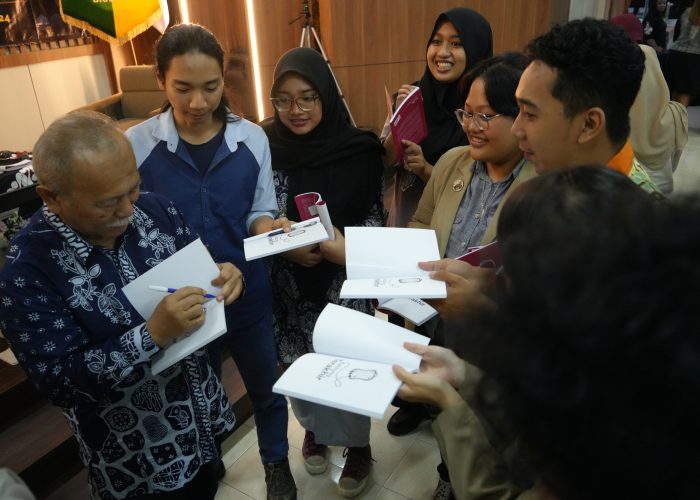
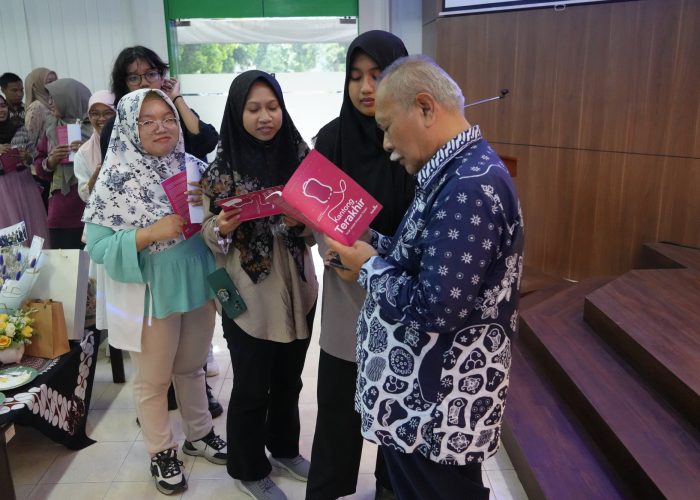
To conclude the event, Prof. Suwarno generously distributed 70 copies of his book, “Kantong Terakhir Anak Adalah Amanah Tuhan” to participants.
The attendees extended their prayers and best wishes to Prof. Dr. Suwarno Hadisusanto, S.U., for his extraordinary dedication over the past 41 years. They wished him health, happiness, and blessings in his retirement. His legacy of knowledge and inspiration is expected to drive progress for future generations.
Thank you, Prof. Suwarno, for being a role model for us all.
Students from the Faculty of Biology, Universitas Gadjah Mada (UGM), achieved a remarkable achievement by winning third place in the UBIQUINON 2024 Scientific Writing Competition. This prestigious event, themed “The INCREDIBLE of Biochemistry: INtelligent, CREative, and DIstant Beyond the Limit of Biochemistry,” was organized by the Community of Research and Education in Biochemistry (CREBs) at Institut Pertanian Bogor (IPB) on September 21–22, 2024.
The UGM team, consisting of Nisa Abidah and Almas Lathifatul Ula, class of 2021, presented their scientific work titled “Future Therapeutic Development Based on Mutation Trend Analysis and Design of Antibiotic Resistance Detection to Prevent the Superbug Gonorrhea Phenomenon.” The research, supervised by Tyas Ikhsan Hikmawan, S.Si., M.S., Ph.D., addresses the critical challenge of antibiotic resistance, focused on gonorrhea, one of the most dangerous superbugs. The study proposes innovative future solutions through the development of diagnostic tools for detecting antibiotic resistance.
UBIQUINON 2024 aimed to enhance understanding of biochemistry’s pivotal role as a foundational science for numerous applied disciplines. The event consisted of two main segments: Competitions in three categories—Scientific Writing, Essay, and Infographics and UBITALK, a seminar discussing cutting-edge issues in applied biochemistry.
The competition attracted dozens of submissions, with only 15 finalists selected from leading universities across Indonesia, including Universitas Indonesia (UI), Institut Teknologi Bandung (ITB), Universitas Sebelas Maret (UNS), Institut Pertanian Bogor (IPB), Universitas Hang Tuah, and Universitas Diponegoro (UNDIP).
The overarching theme of UBIQUINON 2024 explored sub themes such as Renewable Energy Applications, Biotechnology, and Medicine. The UGM team’s work fell under the medical subtheme, showcasing a groundbreaking approach to combating antibiotic resistance.
This achievement highlights not only the innovative capacity of UGM’s Faculty of Biology students but also their commitment to advancing impactful scientific knowledge, particularly in addressing global health challenges. The success reinforces UGM’s dedication to supporting the realization of the Sustainable Development Goals (SDGs), particularly in promoting health and fostering sustainable scientific advancements.
[Author: Nisa Abidah]
A student team from the Faculty of Biology, Universitas Gadjah Mada (UGM), class of 2022, under the guidance of Prof. Dr. rer. nat. Andhika Puspito Nugroho, S.Si., M.Si., achieved a remarkable achievement at the 2024 Science Event (SCEVENT) Essay Competition organized by the Scientific Reasoning Student Unit (UKM Penalaran) of Institut Teknologi Sepuluh Nopember.
During the final presentation on Sunday, October 27, 2024, The OTW team, led by Avriena Lintang Aulia Riefa’i and team members Fatiha Esti Murwani and Nova Nana Nadiya, presented “The Potential of Acinetobacter sp. and Sphingomonas sp. Biofilms for Reducing Metal Contaminants in Optimizing Potable Water Quality.” The essay addressed the poor quality of drinking water due to metal contaminants such as iron (Fe) and manganese (Mn), that lead to metallic tastes and odors in drinking water. Beyond discomfort, these contaminants pose health risks if present in concentrations exceeding safe limits. The team proposed an innovative solution by utilizing biofilms formed by metal-oxidizing bacteria, Acinetobacter sp. and Sphingomonas sp., as bioremediation agents by modifying water filtration systems in wastewater treatment plants (WWTP) to optimize the filtration process.
With this concept, the OTW team developed a biofilm-mediated bioremediation system for domestic applications. Their innovative approach earned them first place, triumphing over 47 competing teams.This outstanding achievement inspires other students to continually develop creative ideas and practical solutions to address diverse challenges, thereby contributing to support the 17 Sustainable Development Goals (SDGs). The OTW team aspires for their innovation to lay the groundwork for future advancements in potable water filtration methods, specifically through microbial biofilm utilization. Aligned with SDG Goal 6, “Clean Water and Sanitation for All,” this initiative underscores the importance of ensuring the availability and sustainable management of clean water for everyone.
[Author: Fatiha Esti Murwani]