The Kaohsiung International Invention and Design Expo (KIDE) 2024 serves as a prestigious platform for researchers to present and compete their innovations at the international level. Organized by the World Invention Intellectual Property Association (WIIPA) and the Taiwan Invention Products Promotion Association (TIPPA), KIDE 2024 took place from December 5-7, 2024, in Kaohsiung, Taiwan. The competition featured 447 innovations from participants representing 31 countries.
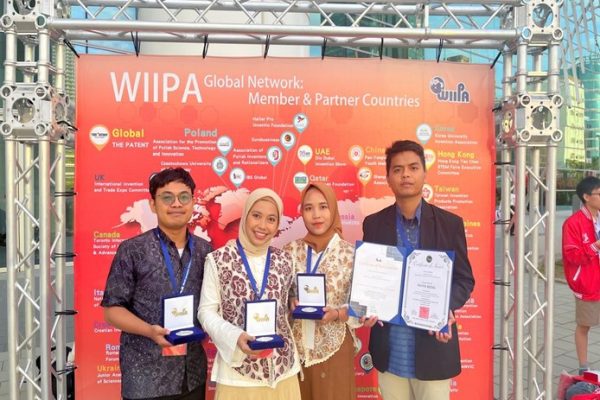
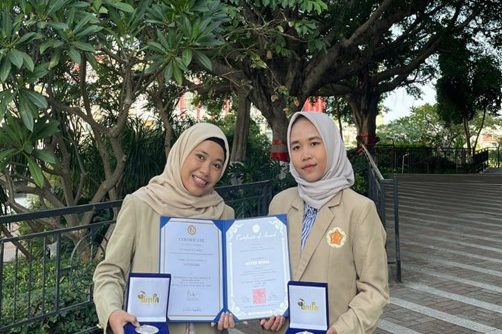
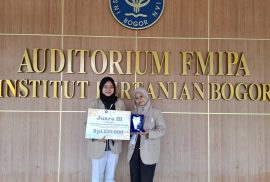
The principle “Teamwork Makes the Dream Work” aptly describes the success achieved by two UGM Biology Master’s students, Syefrina Rosyada and Yessy Ratna Siwie, along with their interdisciplinary teammates Alan Mulana K. (Faculty of Engineering) and Sunardi (Faculty of Agriculture). Their collaboration resulted in a silver medal at KIDE 2024 for their groundbreaking innovation, the SEATTER (Seawater Converter).
The SEATTER project was inspired by the clean water crisis faced by residents of Jerowaru District in East Lombok Regency. The area experiences low annual rainfall and high sunlight intensity, which forces local communities to purchase clean water for daily needs. Addressing this challenge, the team developed SEATTER, a solar-powered desalination technology that converts seawater into clean, usable water. This innovation provides a sustainable solution for coastal communities struggling with clean water scarcity.
The SEATTER technology directly contributes to Indonesia’s efforts in achieving the Sustainable Development Goals (SDGs), specifically SDG 6: Ensure availability and sustainable management of water and sanitation for all. This innovation enhances clean water access for underserved coastal areas.
This remarkable achievement underscores the Faculty of Biology’s commitment to nurturing student potential and encouraging excellence at the international level. It is hoped that this success will inspire other students and young Indonesians to continue innovating, creating, and making meaningful contributions to science and global society.
[Writer: Syefrina Rosyada]