• UGM
  • Simaster Portal
  • IT Center
  • Webmail
  • KOBI
  • English
    • Bahasa Indonesia
Universitas Gadjah Mada Universitas Gadjah Mada
Faculty of Biology
  • ABOUT US
    • History
    • Organization
    • Vision and Mission
    • Lectures and Staff
      • Lecturers
      • Adjunct Professor
      • Supporting Staff
    • Facility
      • Laboratories
      • Research
      • Library
      • Museum
      • Mental Health Consultation
      • Disability
  • EDUCATION
    • Undergraduate Program
      • Graduates Learning Outcome
      • Academic Callendar
      • Course
    • IUP
    • Profession Program
      • What is the Professional Study Program in Biodiversity Curator (PKKH)?
      • Admission for New Students of the Biodiversity Curator Profession Program Study
      • Information and FAQ Study Program of Biodiversity Curator Profession
    • Master Program
      • Master Program in Biology Description
      • Curriculum Structure Master Program
    • Doctoral Program
      • Vision, Mission, Objectives, Targets, Competencies, and Learning Outcomes
      • Admission Requirement for Program Doctor in Biological Sciences
      • Admission: What Documents to be prepared?
      • Curriculum
    • Regulations
    • Accreditation & Quality Assurance
  • RESEARCH
    • Journal of Tropical Biodiversity and Biotechnology
    • Berkala Ilmiah Biology
    • Research
    • Publication
  • Community Service
    • Waste Management
  • STUDENTS & ALUMNAE
    • Student Organizations
    • Prospective Career Opportunities
    • SUMMER COURSE
    • Alumnae
  • Home
  • SDG 8 : Create Decent Work and Economic Growth
  • SDG 8 : Create Decent Work and Economic Growth
  • page. 3
Arsip:

SDG 8 : Create Decent Work and Economic Growth

Faculty of Biology UGM Inspires Pajangan Hamlet Residents to Create Positive and Safe Content on Social Media

Community Service Thursday, 10 October 2024

WhatsApp Image 2024-11-08 at 09.35.36 (1)
WhatsApp Image 2024-11-08 at 09.35.35
WhatsApp Image 2024-11-08 at 09.35.36

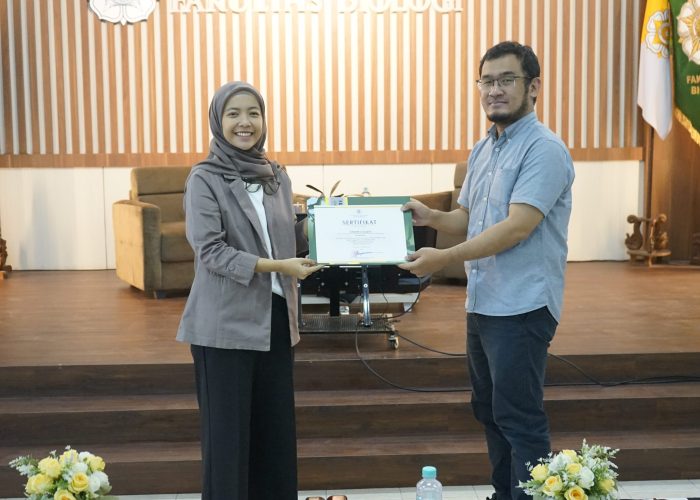
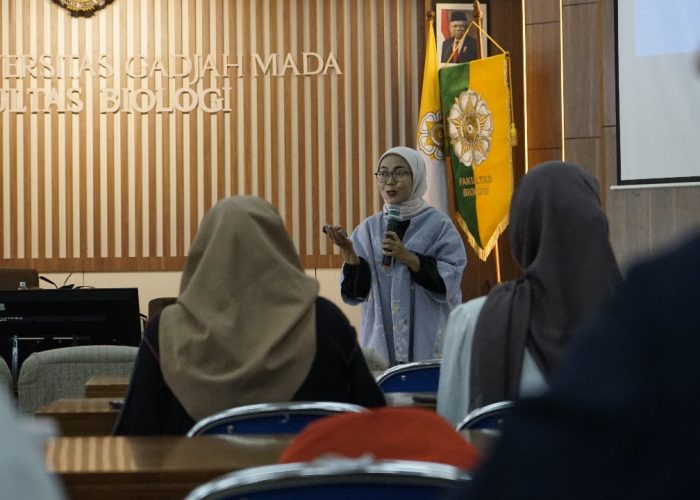
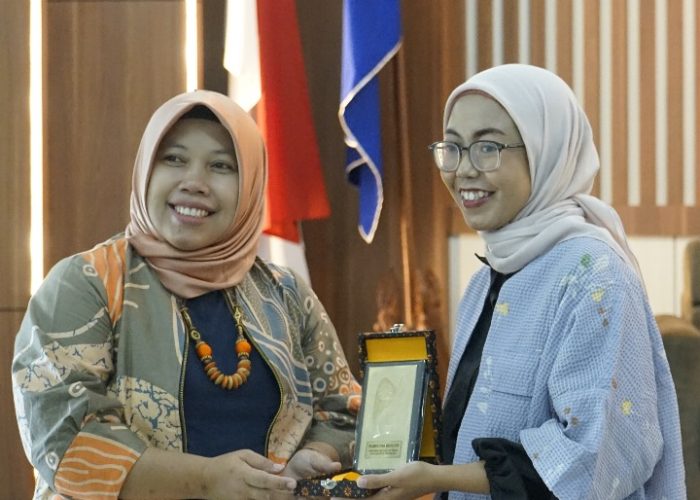
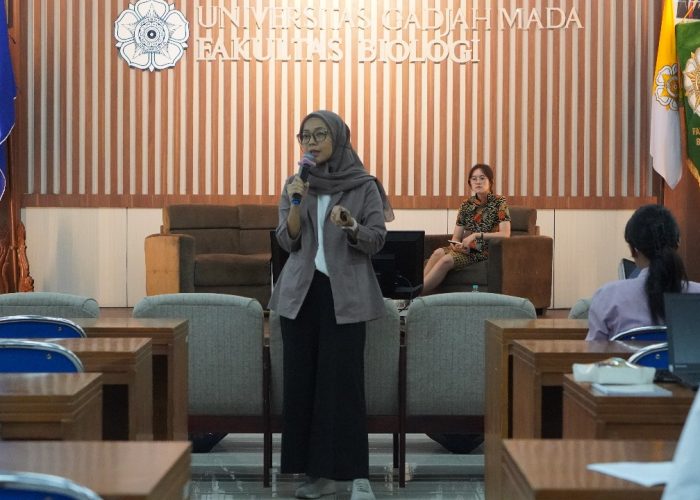
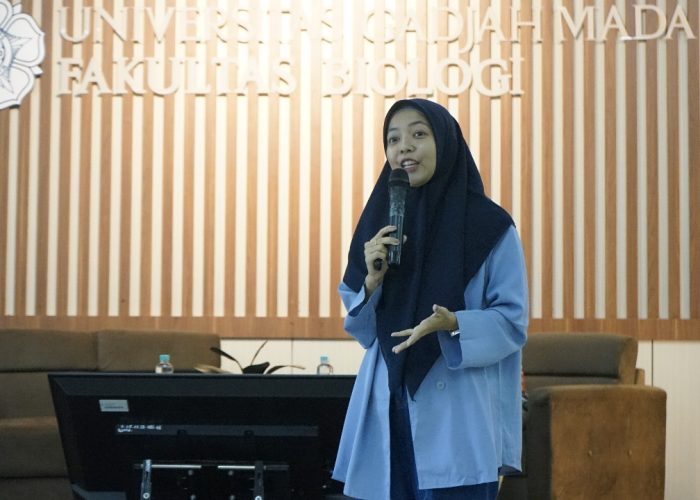
Yogyakarta, October 5, 2024 – The Faculty of Biology at Universitas Gadjah Mada (UGM) continues its commitment to enhancing digital skills among local communities through its Community Service Program (PkM). This time, residents of Pajangan Hamlet, Wedomartani Village, Ngemplak, Sleman, Yogyakarta, received valuable insights from Zuliyati Rohmah, S.Si., M.Si., Ph.D. Eng., a lecturer from UGM’s Faculty of Biology, on how to use social media safely and become creative, positive content creators. This event is part of the Faculty’s Desa Mitra (Partner Village) program with Wedomartani Village, aimed at strengthening digital literacy among rural residents to enable them to adapt wisely to current developments.

Ms. Zuliyati shared various practical guidelines on how to utilize social media responsibly, avoid common risks in the digital world, and create content that benefits the wider community. “We hope that Pajangan residents can use social media not just for entertainment but also as a means to spread positive and empowering information for the community,” she said.

This socialization event has a broad impact aligned with several key Sustainable Development Goals (SDGs). First, by providing digital literacy education, it supports SDG 4: Quality Education, offering access to relevant information and digital skills for rural communities. Second, by teaching skills to become content creators, residents have the opportunity to engage in entrepreneurship and create content as part of the digital economy, contributing to SDG 8: Decent Work and Economic Growth.

Additionally, through an understanding of digital safety, residents are expected to participate in a safer and more responsible media environment, supporting SDG 16: Peace, Justice, and Strong Institutions. The collaboration between UGM’s Faculty of Biology and Wedomartani Village also reflects SDG 17: Partnerships for the Goals, where harmonious cooperation between universities and communities can help achieve shared sustainable development objectives.

With this socialization effort, UGM’s Faculty of Biology hopes to provide long-term positive impacts for the Pajangan community and support inclusive and safe digital development.

Biocapture 2024: Day 1

News ReleaseStudent Activities Thursday, 10 October 2024

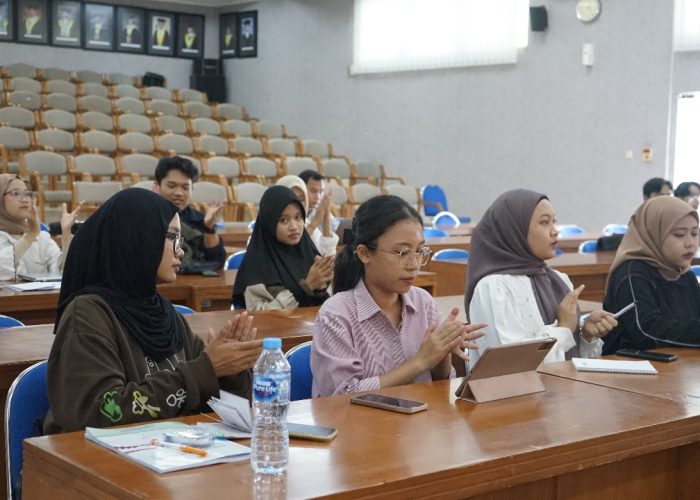
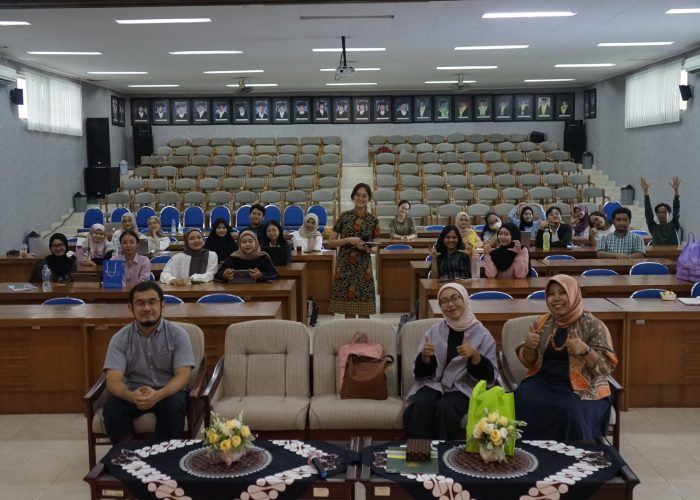
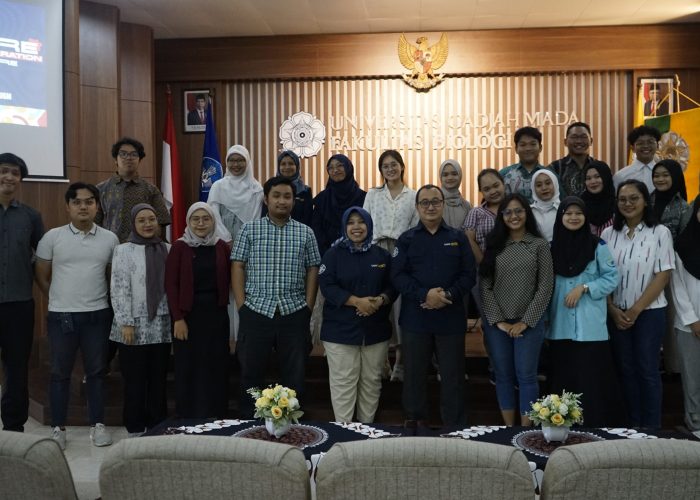
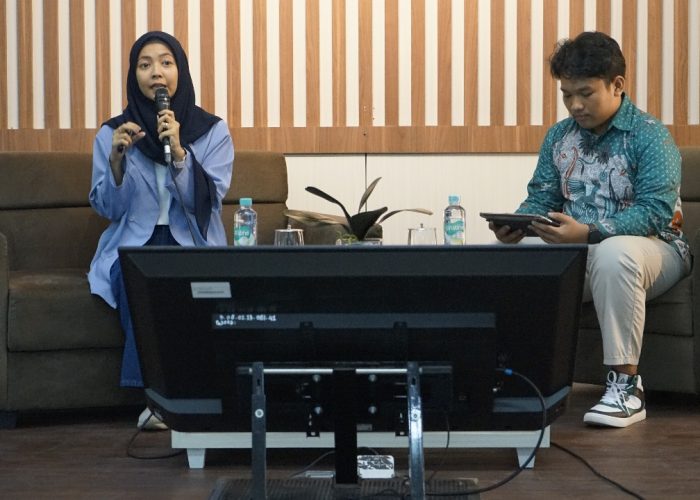
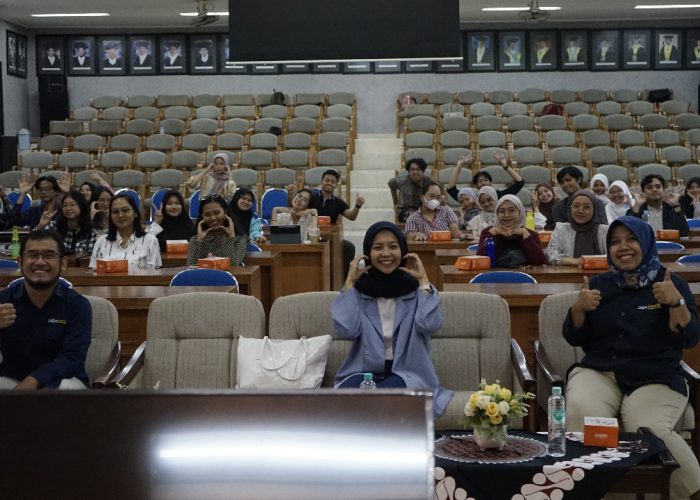
On Wednesday, October 9, 2024, the Faculty of Biology at Gadjah Mada University (UGM) held the first day of Biocapture (Biology Career Preparation for the Future) in the Tropical Biology Auditorium. The event commenced at 1:30 PM, hosted by Alifa Tafrinijiyah and Muhammad Haidar Ali, followed by the singing of Indonesia Raya, the Gadjah Mada Hymn, and the Biology March. The opening remarks were delivered by Dr. Eko Agus Suyono, M.App.Sc., Vice Dean for Research, Community Service, Collaboration, and Alumni Affairs.


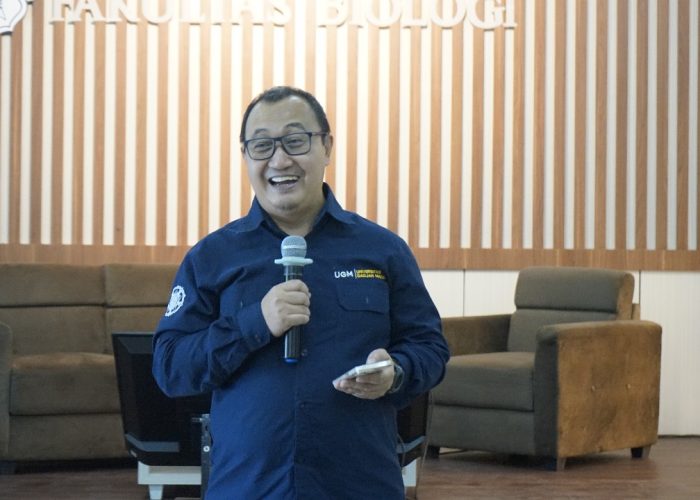
The event was divided into two sessions, moderated by Raja Steve Sudjatmiko Panggabean. The first session, titled “Profiles of Alumni of the Faculty of Biology UGM and Career Planning Strategies,” featured Dr. Eko Agus Suyono, M.App.Sc., as the speaker. In this session, Dr. Eko emphasized that today was the biology era, highlighting the global demand for biologists. He also discussed various career strategies for biology graduates, providing examples from UGM Faculty of Biology alumni.

The second session was delivered by Chandra Gupyta, titled CV Lab: Tailoring Your Profile for Every Opportunity. This session focused on strategies for developing and customizing a curriculum vitae to effectively align with diverse career opportunities.

CIRCULAR WASTE MANAGEMENT IN ORGANIC WASTE PROCESSING INTEGRATED WITH AQUAPONICS SYSTEM

Community ServiceNews ReleaseWaste Management Monday, 7 October 2024

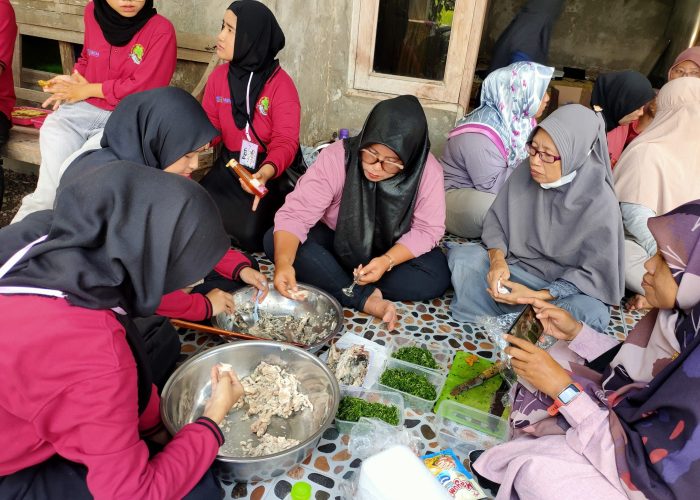
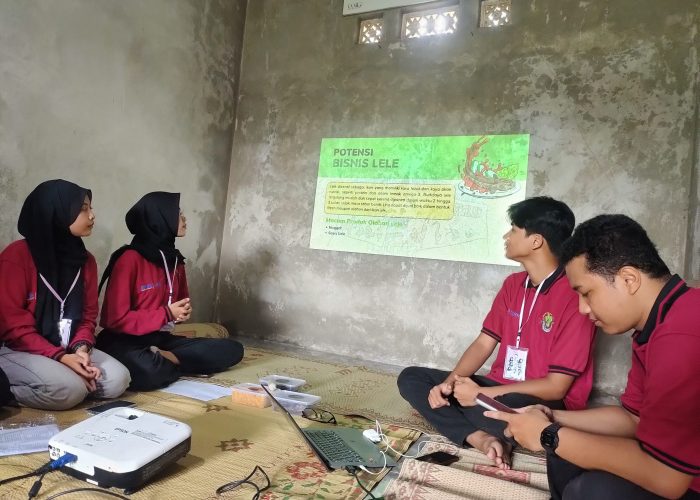
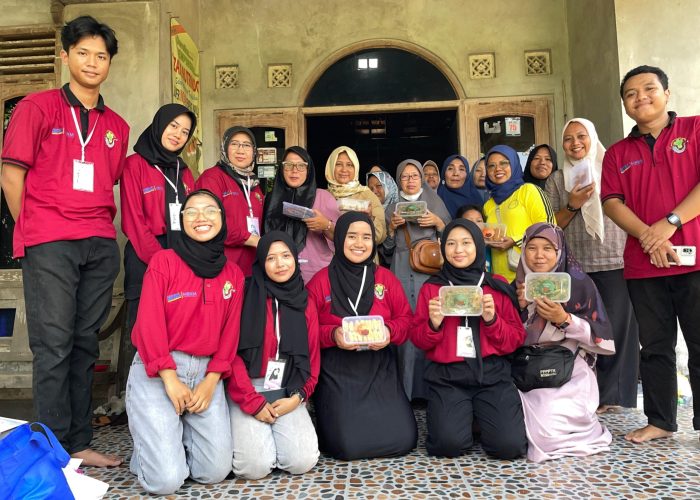
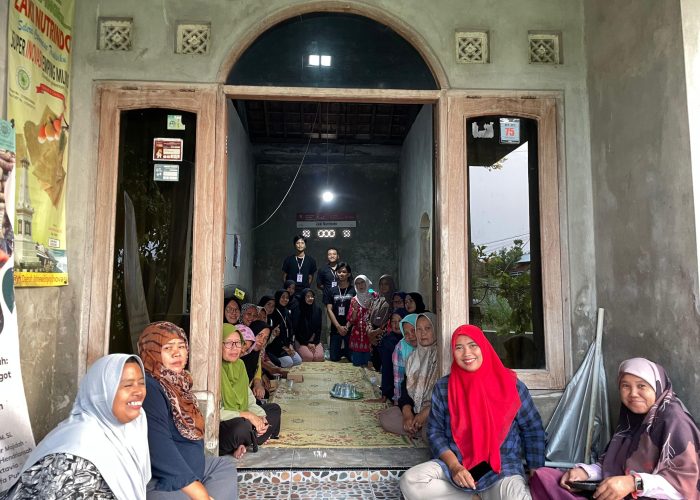
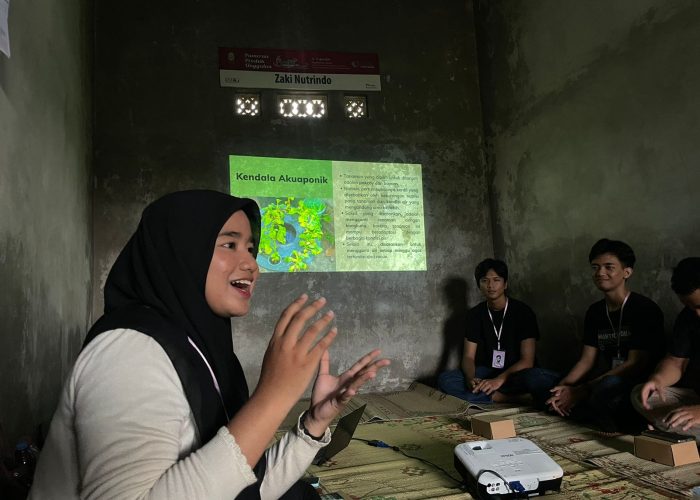
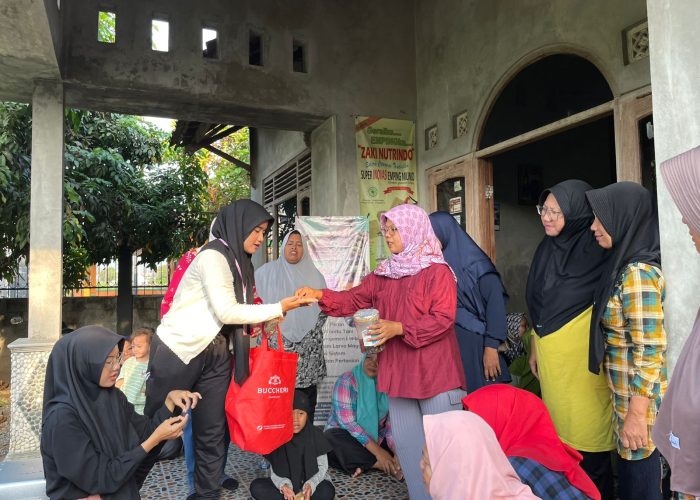
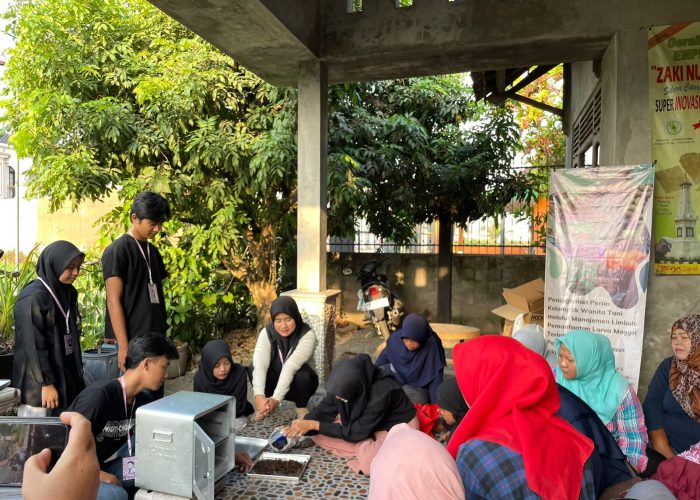
To enhance the active role of the Women Farmers Group in supporting Circular Waste Management, the 2024 PkM-MBKM team, led by Dr. Diah Rachmawati, S.Si., M.Si., conducted an evaluation of integrated organic waste processing using the aquaponics system. This event took place on Saturday, October 5, 2024, from 3:30 PM to 5:30 PM at the Kelompok Wanita Tani (KWT) Amanda in Pedukuhan Kepuh Wetan, Wirokerten Village, Banguntapan District, Bantul Regency, Special Region of Yogyakarta. During the event, the PkM-MBKM team members—Hanif Fauzan Saputra, Salma Nur Majidah, Maharani Pratiwi S.A., M. Reza Hendriansah, Rima Vegi Santika, Eka Nur Oktavia, Adzkiya Aqmaliza R., and Agra Daffa Putra—presented a progress report and evaluation of the integrated organic waste processing using the aquaponics system previously implemented. The evaluation included identifying challenges encountered during the monitoring process, along with effective solutions for issues in maggot cultivation, plant cultivation via aquaponics, and catfish farming. Some obstacles included several catfish dying and plant growth being slightly slower, likely due to high ammonia levels. These issues could be resolved by more frequent water changes to prevent murkiness and reduce ammonia concentration. Additionally, selecting the appropriate plant species is crucial in an aquaponic system.


Maggots hold significant potential as feed for livestock and fish. The PkM-MBKM team also provided materials and practical training on processing maggots into livestock and fish feed using several methods, including: direct feeding of maggots for livestock or fish, drying the maggots via oven, sun drying, or roasting to produce feed with a longer shelf life, and creating powdered feed through fermentation for a finer product with even greater longevity. The next activity involved a practical session on innovating maggot-based livestock and fish feed, specifically by drying maggots in an oven. This process can be done in two ways: at a lower temperature of 60°C for 10 minutes, or at a higher temperature of around 80°C for 3 to 5 minutes. The dried maggots can be used directly as feed, offering the advantage of a longer shelf life without spoilage at room temperature.

This activity provided benefits for students by developing research and social empowerment skills, while partners gained from the optimization of waste management and increased productivity. The innovation of processing maggots into fish feed will be implemented to boost income. This collaboration strengthens the sustainable relationship between the PkM-MBKM team from the Faculty of Biology UGM and its partners (SDG 17), increases environmental awareness, and develops entrepreneurial opportunities, particularly for the KWT Amanda, contributes to the development of the community’s economy in line with Sustainable Development Goals (SDG 4 and 8).

Wildan Fadhilah Kurnia Embarks on a Transformative Semester at James Cook University, Australia

News ReleaseStudent Activities Wednesday, 2 October 2024

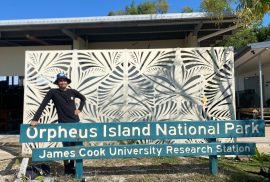
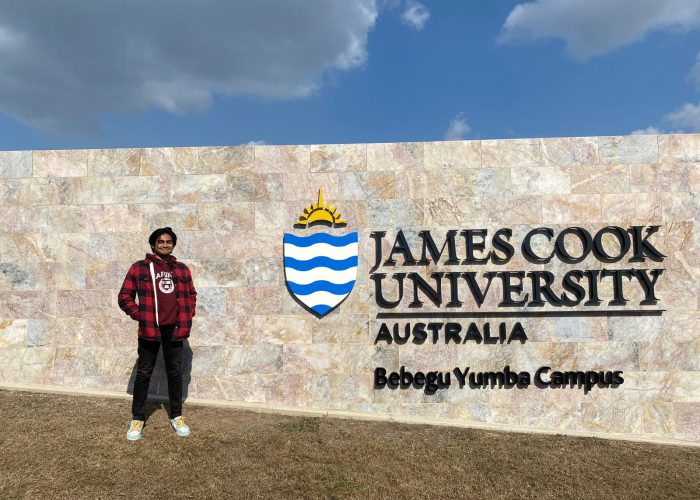
Wildan Fadhilah Kurnia, a 2021 cohort student in the International Undergraduate Program (IUP) of the Faculty of Biology at Universitas Gadjah Mada (UGM), has been participating in a prestigious six-month student mobility program at James Cook University (JCU), Australia. This program is designed to offer students invaluable international experience and the opportunity to study at one of the world’s leading universities in Marine Biology.


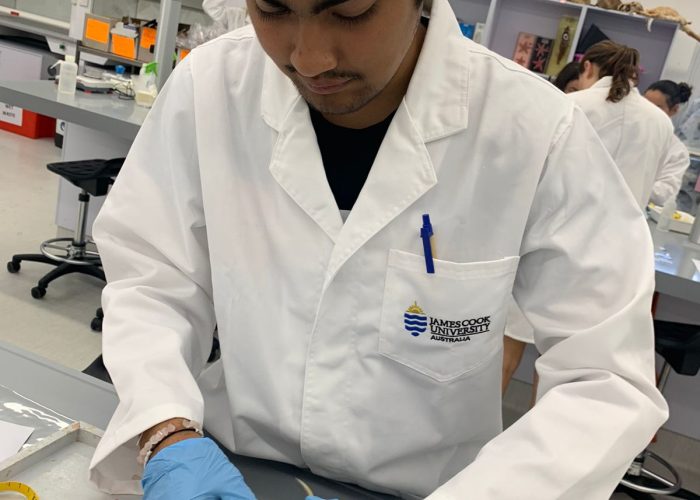
Wildan has found his experience at JCU to be exceptional. “The research conducted here is renowned globally in various fields, particularly marine biology, aquaculture, and paleontology,” he remarked. Enrolled in courses from the faculties of Marine Biology, Aquaculture, and Earth and Environmental Sciences, he is impressed by JCU’s state-of-the-art research facilities and highly interactive classes that foster critical thinking.

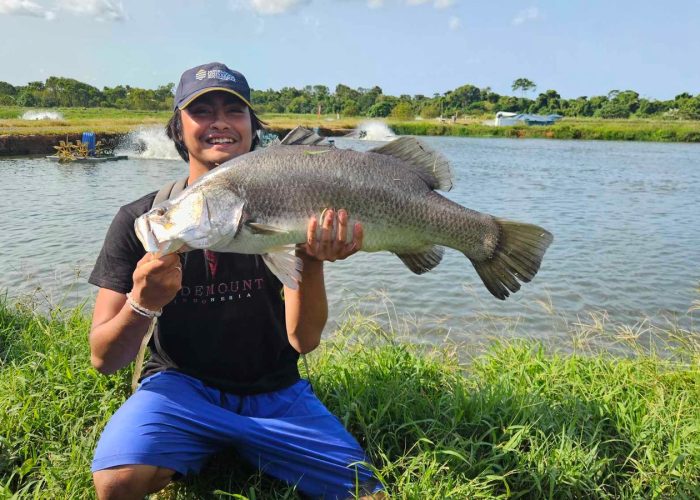
Wildan’s curriculum has provided him with direct fieldwork opportunities, allowing him to engage closely with the subject matter. He spent time at the Flinders River, searching for fossils and studying the stratigraphy of geological formations. Additionally, he visited several aquaculture facilities, gaining firsthand insights into the diverse species cultivated within the industry.

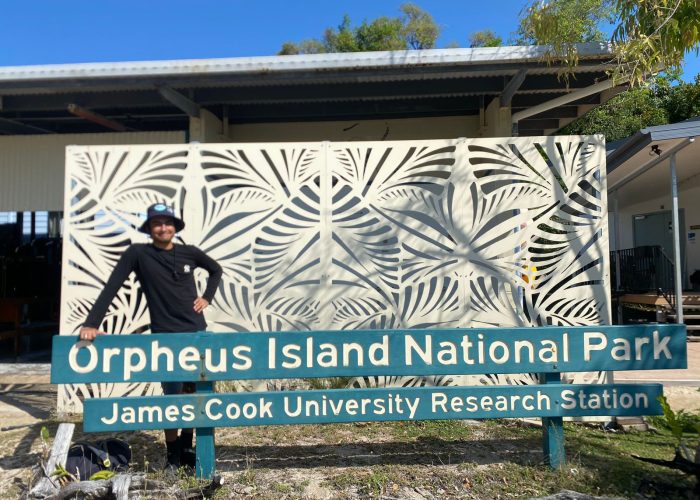
A highlight of his program was a visit to JCU’s Orpheus Island Research Station, where he participated in hands-on analysis of coral reefs surrounding the island. “Each course presents its own challenges, but I have thoroughly enjoyed my studies here and have learned so much,” Wildan said.

In addition to his coursework, Wildan is collaborating with Dr. Espen Knutsen, Senior Scientist and Curator of Paleontology at the Queensland Museum in Townsville, to further his ongoing research on fossils found in underwater caves. Wildan hopes to apply the knowledge and insights he has gained in his future endeavors. [Aulia]
Faculty of Biology Student Team from Universitas Gadjah Mada Wins 3rd Place on National Scientific Writing Competition (LKTI) at the 18th Annual Conference of Economics Forum (ALCOFE) 2024 UNS

AchivementsHeadlineNews Release Wednesday, 2 October 2024

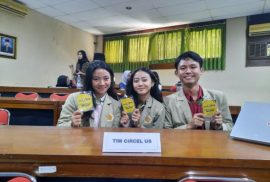
Yogyakarta, September 25, 2024 – A student team from the Faculty of Biology at Universitas Gadjah Mada achieved remarkable success by winning 3rd place in the ALCOFE XVIII 2024 Scientific Writing Competition, organized by Universitas Sebelas Maret (UNS) in person at the Werkudara Hall of the UNS Library. This national-scale competition took place from June 27 to July 17, 2024, for registration and abstract submission, followed by the full paper submission phase from July 27 to August 17, 2024, in two waves. The finalists were announced on August 26, 2024, after the full paper submission, and the competition concluded with the Grand Final presentation on September 24, 2024, followed by a field trip, awarding session, and farewell on the next day, September 25, 2024.

The team, named “CIRCEL US” (Circular Economy of Edible for Us), consists of K. William Hendri Panjaitan (2021), K.H. Mahadhevy Ryrathna Vidhantyka (2022), and Adi Citra Prima Pranata (2022), under the guidance of supervisor Tyas Ikhsan Hikmawan, S.Si., M.S., Ph.D. They presented a research based paper titled “Potential of Edible Packaging Biofilm from Cocoa Peel Waste as a Substitute for Food Packaging Plastic.”

In their paper, the CIRCEL US team addressed the issues of 651 million tons of cocoa produced in 2022, which has become one of Indonesia’s important export commodities, contributing significantly to the country’s foreign exchange earnings besides oil and gas. Most cocoa fruit utilization focuses only on the seeds for chocolate production, leaving cocoa peel as waste. Cocoa peel waste (CPW) or LKK (in Indonesia: Limbah Kulit Kakao) is one of the plantation wastes that is rarely utilized. However, cocoa peel contains high levels of fat and complex carbohydrates (cellulose content) at 37%, making it suitable as a biomaterial for edible film, especially in the food and pharmaceutical industries. The nutrient content of CPW is quite good, with dry matter at 88%, crude protein at 11.71%, crude fiber at 20.79%, fat at 11.80%, and nitrogen-free extract (NFE) at 34.90%.

It is noted that plastic consumption in Indonesia can reach 22.5 kg per person per year (excluding the large total population), with most plastic waste coming from food and beverage product consumption in 2022. The application of edible biofilm or EPB using organic waste is one effort to promote a circular economy and environmental conservation by minimizing the addition of plastic packaging in nature. Edible Packaging Biofilm (EPB) can be utilized in various sectors, such as food wrapping. By processing cocoa peel waste into more valuable EPB, it is hoped to improve the community’s economy and create a green environment with environmentally friendly and easily degradable products, thereby reducing daily plastic packaging usage.

EPB from LKK can produce renewable food packaging that is free from plastic materials, significantly reducing plastic-dominated waste when applied sustainably. Support and supervision from environmental agencies and the government fully influence the production flow and consumption effects of EPB, as well as the changes in impact when returned to the environment. The large number of Indonesians replacing plastic packaging with EPB-based packaging will accelerate the sustainability cycle in reducing plastic waste. In this case, EPB can be modified over time so that it can be developed and officially recognized by the local government that natural packaging derived from organic waste meets safety standards for consuming food along with EPB packaging.

Based on reviewed research sources, it has been proven that EPB has the potential to replace plastic packaging and reduce individual dependency on contributing to plastic waste. The processing of EPB packaging is organically sourced and easily implemented through the utilization of cocoa shell waste (LKK). After the consumption of EPB products, it can be considered an important foundation as a reinforcing factor for the principles of a circular economy and in line with global efforts in developing new renewable energy to support the achievement of Sustainable Development Goals (SDGs) points 8, 12, and 15, namely obtaining decent work and economic growth, responsible consumption and production, and protecting terrestrial ecosystems.

This competition was participated by 84 teams from 51 public and private universities from all provinces across Indonesia. The achievement of the CIRCEL US team demonstrates our commitment to developing innovative and applicable research. This achievement also proves that the Faculty of Biology at Universitas Gadjah Mada continues to strive to contribute to the development of sustainable science and technology, in line with UGM’s SDGs goals in building intersectoral synergy to face the challenges of the circular economy in the modern era. [Author: K William Hendri Panjaitan]

Wildan Fadhilah Kurnia Embarks on Transformative Semester Abroad at James Cook University, Australia

Tak Berkategori Wednesday, 2 October 2024

Wildan Fadhilah Kurnia, a dedicated student from IUP batch 2021, Faculty of Biology, Universitas Gadjah Mada (UGM), has joined a prestigious six-month student mobility program at James Cook University (JCU) in Australia. This program is designed to provide students with invaluable international experience and the opportunity to study at one of the world’s leading universities in Marine Biology.


So far, Wildan has found his experience at JCU to be nothing short of exceptional. “The research conducted here is renowned globally across various fields, particularly marine biology, aquaculture, and paleontology,” he shared. Enrolled in courses from the Marine Biology, Aquaculture, and Earth and Environmental Sciences faculties, he has been impressed by JCU’s top-of-the-line research facilities and highly interactive classes that encourage critical thinking.

Wildan’s curriculum has provided him with hands-on fieldwork opportunities, allowing him to engage directly with the subject matter. He spent time at the Flinders River Formation, searching for fossils and studying the stratigraphy of geological formations. Additionally, he visited various aquaculture facilities, gaining firsthand insight into the day-to-day operations and the diverse species cultivated within the industry.

A highlight of his program has been a visit to JCU’s Orpheus Island Research Station, where he participated in real-time analysis of the coral reefs surrounding the island. “Each subject has its challenges, but I’ve thoroughly enjoyed my studies here and have learned a tremendous amount,” Wildan noted.
In addition to his coursework, Wildan is collaborating with Dr. Espen Knutsen, Senior Scientist and Curator of Paleontology at the Queensland Museum in Townsville, to further his ongoing thesis on fossils discovered in underwater caves.

Wildan’s journey exemplifies the transformative power of international education and research collaboration. He looks forward to applying his experiences and insights to his future endeavors. [Aulia]

Faculty of Biology UGM Establishes Joint Doctoral Collaboration with Leiden University

CooperationNews Release Thursday, 26 September 2024

Leiden, September 25, 2024 – Faculty of Biology Universitas Gadjah Mada has once again expanded its recognition in the international arena through collaboration with one of the world’s best universities, Leiden University, the Netherlands. Located in the Gorlaeus Building, Faculty of Science, Leiden University, Faculty of Biology UGM officially established a Joint Doctoral Degree Agreement with the Graduate School, Faculty of Science, Leiden University. The official signing was carried out by the Dean of the Faculty of Science, Leiden University, Prof. dr. Jasper Knoester accompanied by Prof. Mirwan Ushada, S.TP., M.App.Life.Sc. as the Director of Research at UGM and Luthfi Nurhidayat, M.Sc. as a Lecturer at the Faculty of Biology UGM and Ph.D. student at the Institute of Biology, Leiden University. The agreement was previously signed by the Dean of the Faculty of Biology UGM, Prof. Dr. Budi Setiadi Daryono, M.Agr.Sc. on the agenda of the 69th Anniversary of the Faculty of Biology, as well as by the Rector of UGM, Prof. dr. Ova Emilia, M.Med.Ed., Sp.OG(K)., Ph.D.


Prof. Jasper expressed his hope that the signing of this MoA will make the cooperation between UGM and Leiden, especially the two Faculties, even closer and there will be immediate follow-up with the presence of Ph.D. students.

Through this opportunity, Prof. Mirwan conveyed that the collaboration between Leiden University and Universitas Gadjah Mada had previously taken place, especially for the INUCoST (Indonesian Netherland University Consortium on Sustainable Future) collaboration which next year will focus on the theme of health, as well as the collaboration to establish the Zebrafish Research Facility. The Research Director UGM hopes that this collaboration can be strengthened by the presence of Ph.D. students who conduct research using the facility to support the development of research in the field of health and testing of Indonesian natural products. The meeting was also attended by Dr. Pieter Schipper as Head of Academic Affairs Science, Prof. dr. Herman Spaink who is also an adjunct professor at the Faculty of Biology UGM, and Prof. Paul Kessler from Hortus Botanicus Leiden University.

Through this collaboration, it is hoped that it can contribute to the development of research with education in Indonesia, in line with support for the sustainable development goals (SDGs), especially support for inclusive education through sustainable partnerships (SDG 4 and SDG 17).

The Faculty of Biology UGM Held Training on Orchid Cultivation for PKK Members from Candi Gebang Permai Residential

News Release Thursday, 12 September 2024

As part of its community service commitment, the Faculty of Biology UGM, in collaboration with the Indonesian Orchid Society (PAI) DIY, organized an “Orchid Cultivation Training” on September 11, 2024, at the RW62 Hall in Candi Gebang Permai, Sleman. The event targeted PKK members from Candi Gebang Permai Residential Jetis Village Sleman Regency. The training aimed to introduce orchid cultivation and care to participants, in line with the 2020-2024 National Development Goals (SDGs) related to gender equality (SDGs No.5), decent work and economic growth (SDGs No.8), responsible consumption and production (SDGs No.12), and life on land (SDGs No.15).


Over 54 enthusiastic PKK members participated, learning about orchid care, propagation, and cultivation management. The event was opened by Abdul Razaq Chasani, S.Si., M.Si., Ph.D., Head of the Tropical Biology Department, Faculty of Biology UGM, with presentations from Prof. Dr. Endang Semiarti and Dr. Ixora Mercuriani. This training was guided by an orchid expert from the Faculty of Biology UGM, the Faculty of Mathematics and Science Yogyakarta State University, students, and the Biology Orchid Study Club (BiOSC) members.

The training emphasized orchid characteristics, seed selection, watering, fertilization, pest management, and efficient cultivation techniques. This initiative aims to empower PKK members, promote local resources, and potentially create new business opportunities. The training also demonstrated effective collaboration between academic institutions and local communities.

Golden Reunion: 50th Anniversary of the Class of 1974, Faculty of Biology, Universitas Gadjah Mada

News Release Wednesday, 28 August 2024

Yogyakarta, August 27, 2024 – The Faculty of Biology at Universitas Gadjah Mada (UGM) hosted a special gathering to commemorate the 50th anniversary of the Class of 1974 on Tuesday, August 27, 2024. The event, held from 11:00 AM to 12:00 PM, took place in the Tropical Biology Auditorium at the Faculty of Biology UGM, with approximately 25 alumni in attendance.


This event became a moment filled with warmth and nostalgia for the attending alumni. They were warmly welcomed by the Dean, Prof. Dr. Budi Setiadi Daryono, M.Agr.Sc., as well as Dr. Eko Agus Suyono, M.App.Sc., the Vice Dean for Research, Community Service, Cooperation, and Alumni at the Faculty of Biology UGM, who in their remarks shared the progress of the Faculty of Biology UGM to date and expressed appreciation for the dedication and contributions of the alumni in advancing the field of biology.

The event was marked by stories and memories of the past, as alumni shared their experiences and developments over the last 50 years. This gathering also served as a platform to strengthen the bonds between alumni and the faculty, with hopes of continued collaboration in supporting the future growth of the Faculty of Biology UGM (SDGs 8, SDGs 17).

The reunion concluded with the exchange of mementos and a group photo, symbolizing their unity and unwavering support for their beloved alma mater. This 50th-anniversary celebration is expected to be the beginning of many more alumni activities that will further strengthen the network of UGM Faculty of Biology alumni in the years to come (SDGs 16).

UGM Faculty of Biology and HKTI Discuss Research Collaboration on Porang Development

News Release Wednesday, 28 August 2024

Yogyakarta, August 27, 2024 – The Faculty of Biology at Universitas Gadjah Mada (UGM) held a discussion with the Indonesian Farmers Association (Himpunan Kerukunan Tani Indonesia, HKTI) to explore research collaboration on the development of downstream porang products. The meeting took place on Tuesday, August 27, 2024, from 3:30 PM to 5:30 PM in the KPTU Meeting Room at the UGM Faculty of Biology, with the participation of HKTI representative Mr. Pahotan Sitonang.


The discussion focused on the significant potential of porang (Amorphophallus muelleri) as a strategic commodity for enhancing farmer welfare and national food security. Porang, a type of tuber widely grown in tropical regions, including Indonesia, is well-known for its high glucomannan content, which has various applications, particularly in the food, pharmaceutical, and cosmetic industries. Glucomannan from porang is often used as a base ingredient for products such as flour and as a thickening and binding agent in various products. Mr. Sitonang emphasized the importance of optimizing porang development and highlighted how UGM’s Faculty of Biology could be a strategic partner in achieving these goals, aligning with Sustainable Development Goal 17 (Partnerships for the Goals).

From UGM’s Faculty of Biology, the discussion was attended by lecturers Prof. Dr. Purnomo; Aries Bagus Sasongko, S.Si., M.Biotech.; and Dr. Eng. Thoriq Teja Samudra, S.Si., M.Sc., along with educational staff members Eka Mega Sampurna, A.Md., and Annisa Mawarni, S.Si. During the meeting, UGM expressed its commitment to supporting porang development through research in tissue culture and the preservation of superior in-vitro cultured seeds. The research aims to produce high-quality porang varieties and ensure the sustainable availability of seeds for farmers, aligning with Sustainable Development Goals 8 (Decent Work and Economic Growth) and 9 (Industry, Innovation, and Infrastructure).

This collaboration aims not only to increase the productivity and quality of porang but also to strengthen Indonesia’s position in the global market as a leading producer of high-quality porang. UGM’s Faculty of Biology and HKTI are committed to accelerating the downstream application of research findings, so that the benefits can be quickly realized by farmers and the broader community.
123456

Accreditation

Recent Posts

  • Researchers from Kangwon National University Explore Flavivirus Monitoring Strategies and Malaria Parasite Adaptation in Guest Lecture at the Faculty of Biology UGM
  • Faculty of Biology Researchers Collaborate in eDNA Workshop for Pathogen Detection in Wildlife Trade
  • UGM–ANU Double Degree Program: Pathways to Global Academic Excellence
  • Faculty of Biology UGM Engages Doctoral Students in Academic Progress Monitoring
  • UGM–UTS Strengthen Academic and Research Collaboration through “Study & Research in Australia” Sharing Session
Universitas Gadjah Mada

UNIVERSITAS GADJAH MADA

FACULTY OF BIOLOGY
Teknika Selatan Street, Sekip Utara,
Yogyakarta 55281
biologi-ugm@ugm.ac.id
Phone/Fax: +62 (274) 580839

About us

  • History
  • Organization
  • Vision and Mission
  • Staff

Student Affairs

  • Student Service
  • Student Organization
  • Submission for Practical Field Work
  • Permission Field Research
  • Permission Thesis/Disertation

academic

  • Academic Regulations
  • Academic Anonncement

Accreditation

  • Image 1
  • Image 2
  • Image 3

© 2024 FACULTY OF BIOLOGY UNIVERSITAS GADJAH MADA

KEBIJAKAN PRIVASI/PRIVACY POLICY

[EN] We use cookies to help our viewer get the best experience on our website. -- [ID] Kami menggunakan cookie untuk membantu pengunjung kami mendapatkan pengalaman terbaik di situs web kami.I Agree / Saya Setuju