Arsip:
SDG 8 : Create Decent Work and Economic Growth
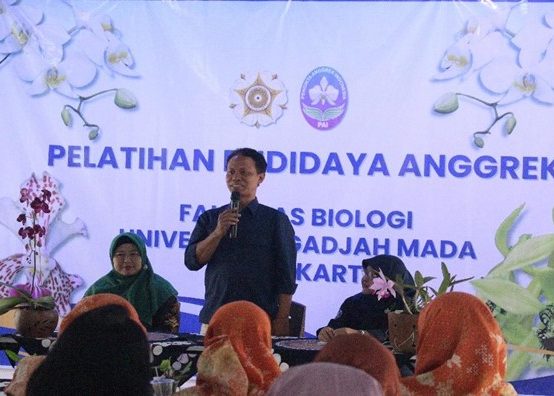
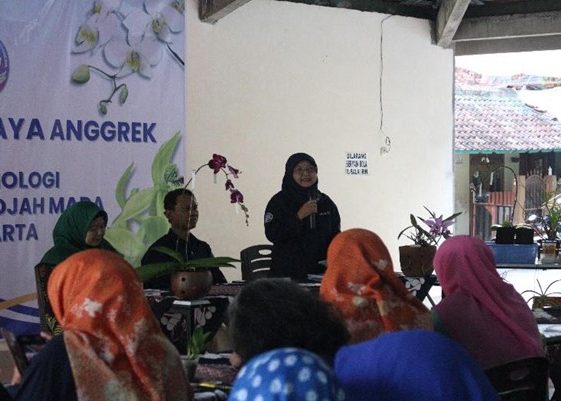
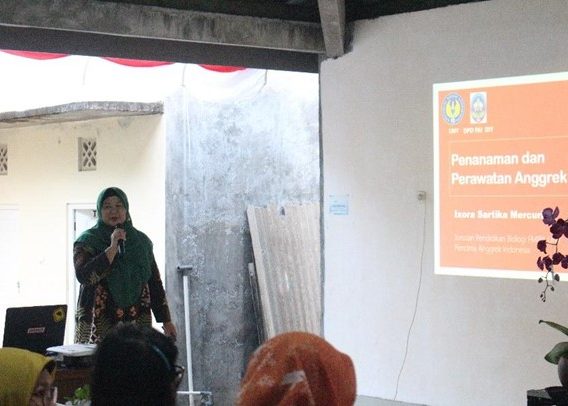
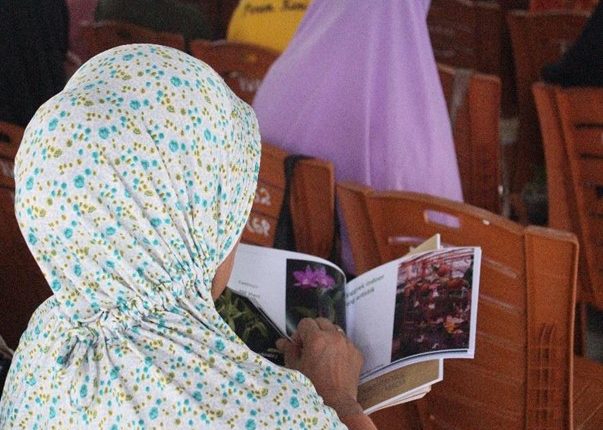
As part of its community service commitment, the Faculty of Biology UGM, in collaboration with the Indonesian Orchid Society (PAI) DIY, organized an “Orchid Cultivation Training” on September 11, 2024, at the RW62 Hall in Candi Gebang Permai, Sleman. The event targeted PKK members from Candi Gebang Permai Residential Jetis Village Sleman Regency. The training aimed to introduce orchid cultivation and care to participants, in line with the 2020-2024 National Development Goals (SDGs) related to gender equality (SDGs No.5), decent work and economic growth (SDGs No.8), responsible consumption and production (SDGs No.12), and life on land (SDGs No.15).
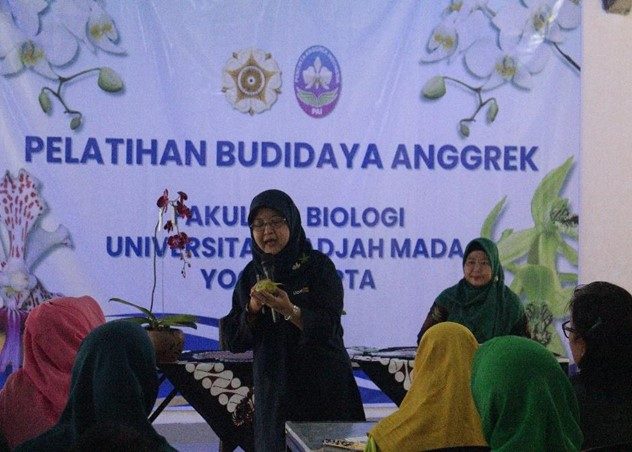
Over 54 enthusiastic PKK members participated, learning about orchid care, propagation, and cultivation management. The event was opened by Abdul Razaq Chasani, S.Si., M.Si., Ph.D., Head of the Tropical Biology Department, Faculty of Biology UGM, with presentations from Prof. Dr. Endang Semiarti and Dr. Ixora Mercuriani. This training was guided by an orchid expert from the Faculty of Biology UGM, the Faculty of Mathematics and Science Yogyakarta State University, students, and the Biology Orchid Study Club (BiOSC) members.
The training emphasized orchid characteristics, seed selection, watering, fertilization, pest management, and efficient cultivation techniques. This initiative aims to empower PKK members, promote local resources, and potentially create new business opportunities. The training also demonstrated effective collaboration between academic institutions and local communities.
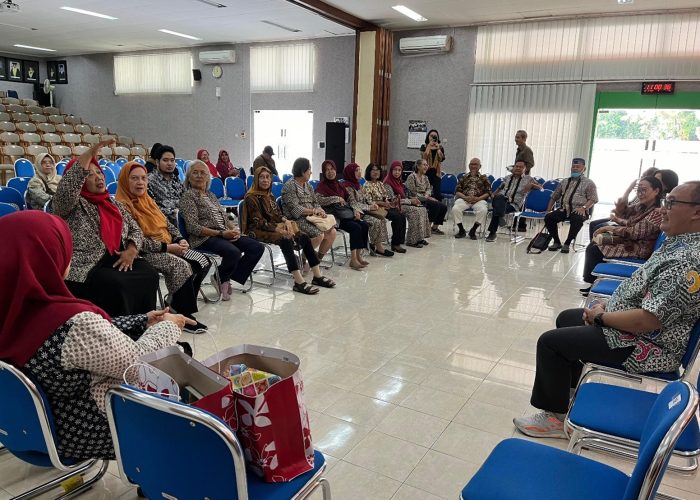
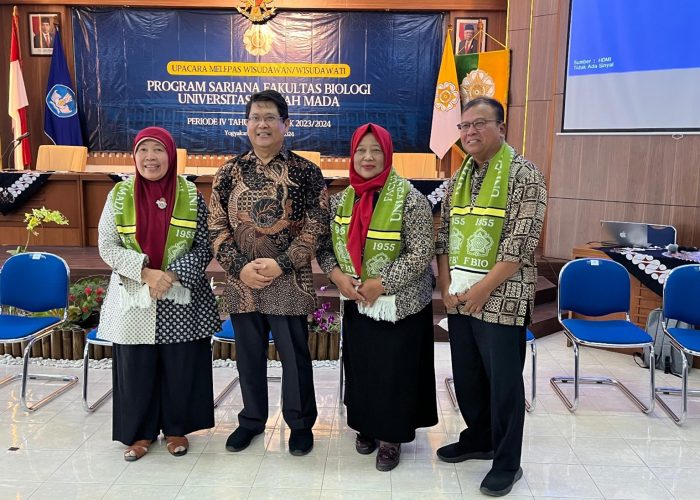
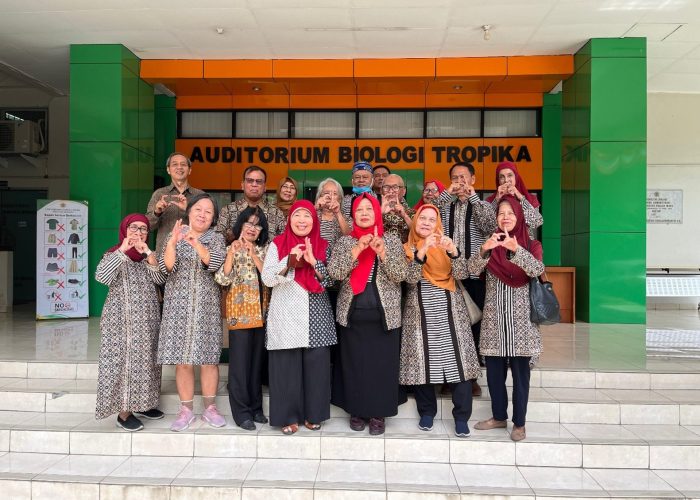
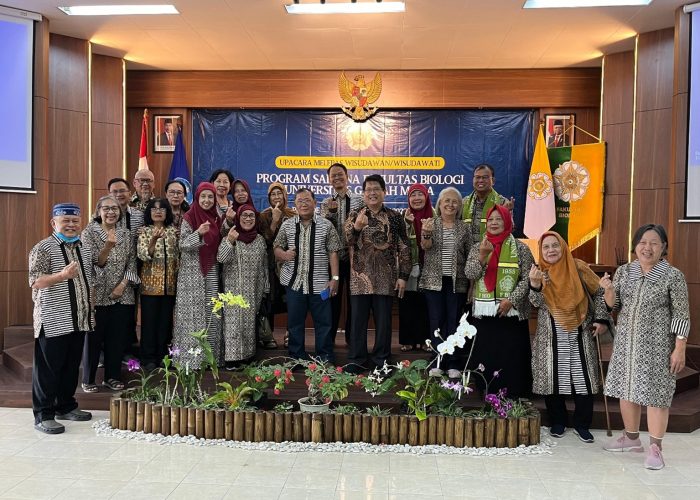
Yogyakarta, August 27, 2024 – The Faculty of Biology at Universitas Gadjah Mada (UGM) hosted a special gathering to commemorate the 50th anniversary of the Class of 1974 on Tuesday, August 27, 2024. The event, held from 11:00 AM to 12:00 PM, took place in the Tropical Biology Auditorium at the Faculty of Biology UGM, with approximately 25 alumni in attendance.
This event became a moment filled with warmth and nostalgia for the attending alumni. They were warmly welcomed by the Dean, Prof. Dr. Budi Setiadi Daryono, M.Agr.Sc., as well as Dr. Eko Agus Suyono, M.App.Sc., the Vice Dean for Research, Community Service, Cooperation, and Alumni at the Faculty of Biology UGM, who in their remarks shared the progress of the Faculty of Biology UGM to date and expressed appreciation for the dedication and contributions of the alumni in advancing the field of biology.
The event was marked by stories and memories of the past, as alumni shared their experiences and developments over the last 50 years. This gathering also served as a platform to strengthen the bonds between alumni and the faculty, with hopes of continued collaboration in supporting the future growth of the Faculty of Biology UGM (SDGs 8, SDGs 17).
The reunion concluded with the exchange of mementos and a group photo, symbolizing their unity and unwavering support for their beloved alma mater. This 50th-anniversary celebration is expected to be the beginning of many more alumni activities that will further strengthen the network of UGM Faculty of Biology alumni in the years to come (SDGs 16).
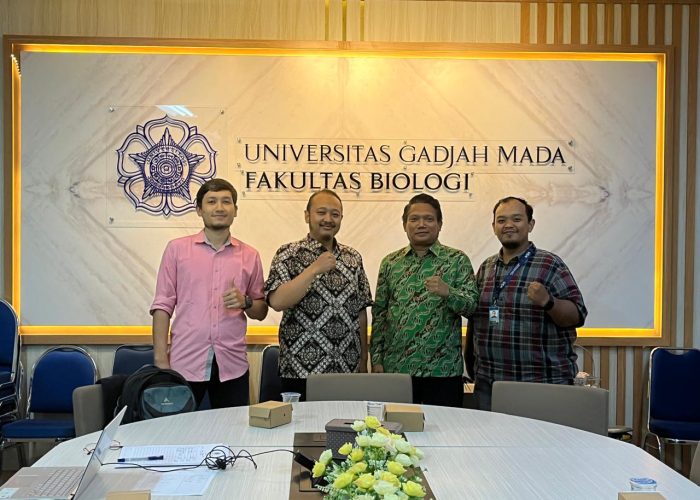
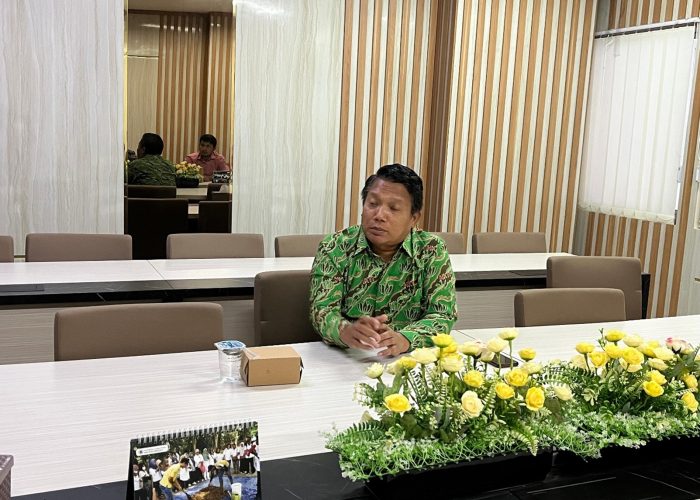
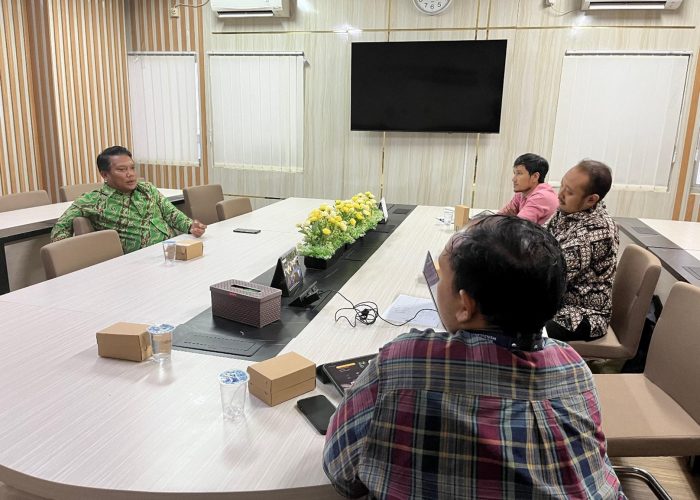
Yogyakarta, August 27, 2024 – The Faculty of Biology at Universitas Gadjah Mada (UGM) held a discussion with the Indonesian Farmers Association (Himpunan Kerukunan Tani Indonesia, HKTI) to explore research collaboration on the development of downstream porang products. The meeting took place on Tuesday, August 27, 2024, from 3:30 PM to 5:30 PM in the KPTU Meeting Room at the UGM Faculty of Biology, with the participation of HKTI representative Mr. Pahotan Sitonang.
The discussion focused on the significant potential of porang (Amorphophallus muelleri) as a strategic commodity for enhancing farmer welfare and national food security. Porang, a type of tuber widely grown in tropical regions, including Indonesia, is well-known for its high glucomannan content, which has various applications, particularly in the food, pharmaceutical, and cosmetic industries. Glucomannan from porang is often used as a base ingredient for products such as flour and as a thickening and binding agent in various products. Mr. Sitonang emphasized the importance of optimizing porang development and highlighted how UGM’s Faculty of Biology could be a strategic partner in achieving these goals, aligning with Sustainable Development Goal 17 (Partnerships for the Goals).
From UGM’s Faculty of Biology, the discussion was attended by lecturers Prof. Dr. Purnomo; Aries Bagus Sasongko, S.Si., M.Biotech.; and Dr. Eng. Thoriq Teja Samudra, S.Si., M.Sc., along with educational staff members Eka Mega Sampurna, A.Md., and Annisa Mawarni, S.Si. During the meeting, UGM expressed its commitment to supporting porang development through research in tissue culture and the preservation of superior in-vitro cultured seeds. The research aims to produce high-quality porang varieties and ensure the sustainable availability of seeds for farmers, aligning with Sustainable Development Goals 8 (Decent Work and Economic Growth) and 9 (Industry, Innovation, and Infrastructure).
This collaboration aims not only to increase the productivity and quality of porang but also to strengthen Indonesia’s position in the global market as a leading producer of high-quality porang. UGM’s Faculty of Biology and HKTI are committed to accelerating the downstream application of research findings, so that the benefits can be quickly realized by farmers and the broader community.
Yogyakarta, 30 July 2024 – The series of activities for The 7th International Summer Course in Sustainable Development: Sustainable Bioprospecting of Tropical Biodiversity continues after the opening and lecture series which took place last Monday (29/7). The activity continued with a cultural trip and workshop which lasted from morning to evening.
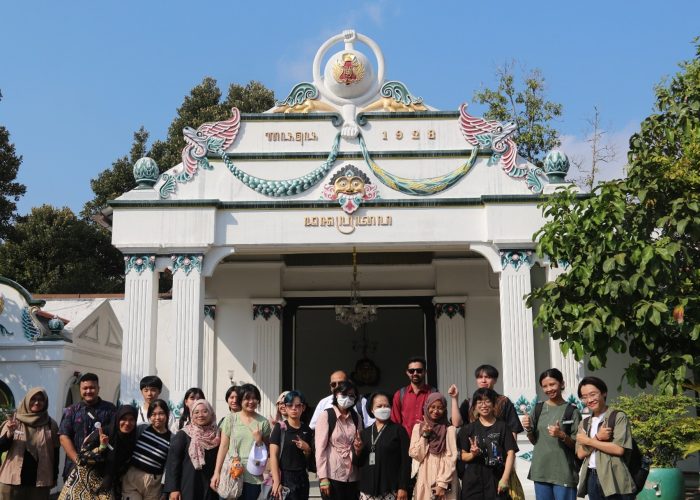
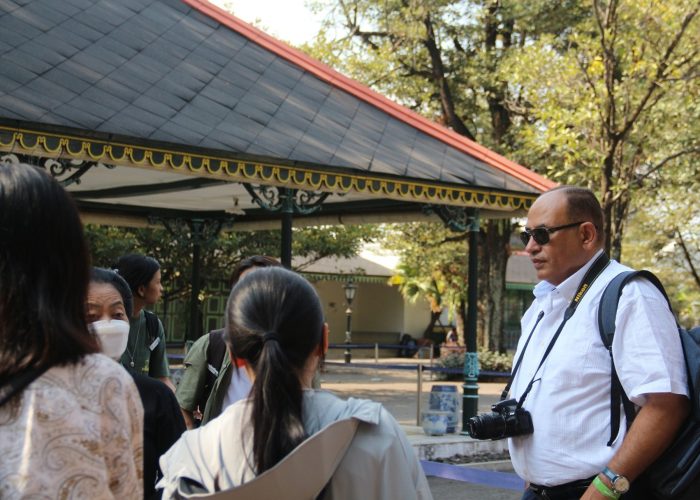
At least 33 participants were enthusiastic about visiting the first destination, the Ngayogyakarta Sultanate Palace. Kraton Ngayogyakarta Hadiningrat is the official palace of the sultanate located in the center of the Special Region of Yogyakarta. The participants toured the palace area which consists of three parts; the front complex of the palace, the core complex and the rear complex of the palace. In this area, participants who come from various countries learn Javanese culture, especially Yogyakarta, which is still preserved today, starting from building architecture, royal systems, clothing, to ceremonies, and so on.
The second destination is the Sonobudoyo Museum, which is located in the same area as the Sultan Palace. Sonobuyono Museum is the museum with the most complete collection of Javanese artifacts in Indonesia, after the National Museum in Jakarta. The collection consists of ceramics from the Neolithic era, bronze crafts, a collection of wayang, keris and masks.
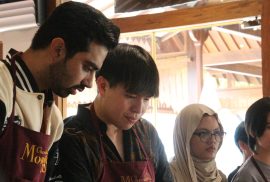
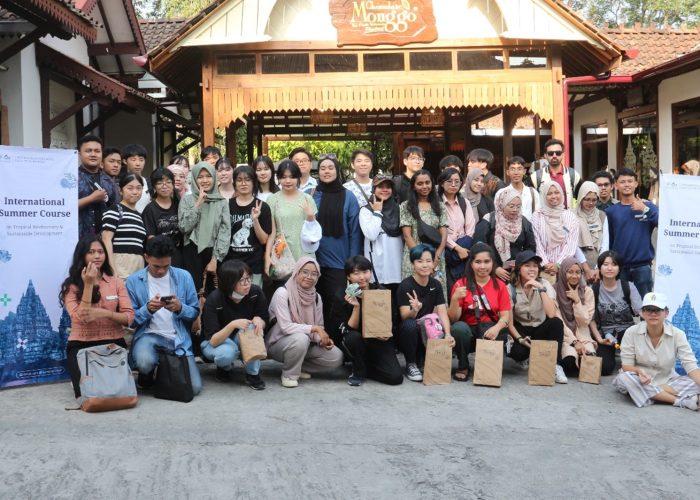
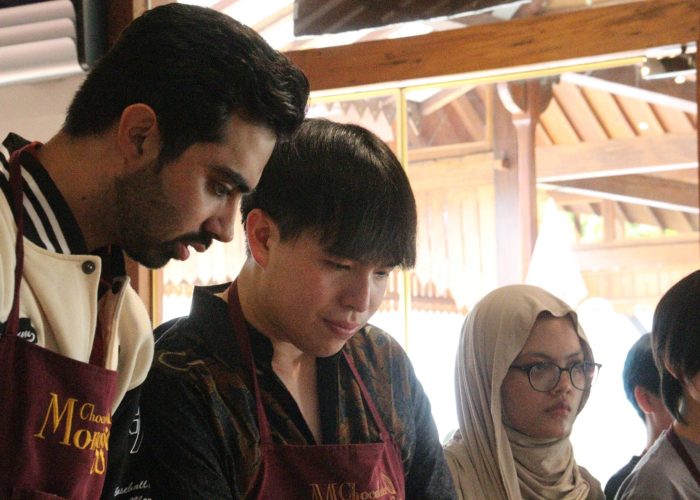
The journey continues to the Bantul area, DIY, to be precise at the Monggo Chocolate Museum and Factory, a premium local chocolate product that has been around for decades. The participants learned the techniques and processes for processing chocolate from beans to ready-to-eat chocolate products. Uniquely, Monggo Chocolate was founded by a Belgian citizen, Thierry, based on the lack of good quality chocolate products in Indonesia, even though Indonesia is a country that produces cocoa which is the main raw material for famous chocolates in Europe. This anxiety makes Monggo Chocolate one of Indonesia’s most popular chocolate products.
The participants then took part in a chocolate workshop at Cokelat Monggo. Each had the opportunity to make their own chocolate to take home. It is hoped that this workshop program and introduction to chocolate processing will provide new knowledge to participants regarding the bioprospection of cocoa fruit into processed chocolate with high economic value.
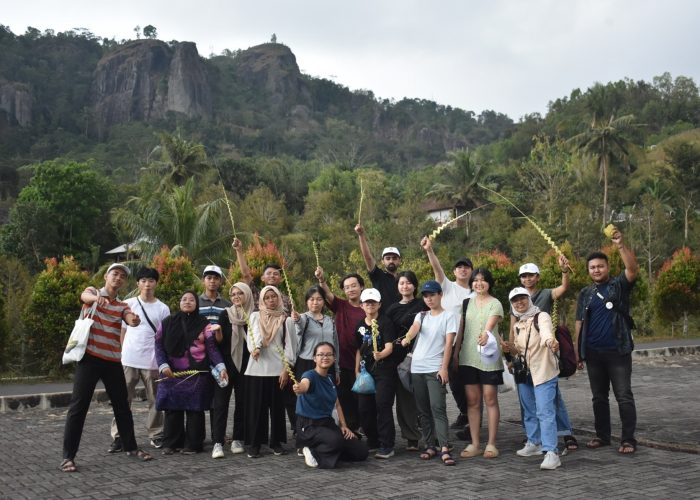
Yogyakarta, 2 August 2024 – The last day of the agenda for The 7th International Summer Course in Sustainable Development: Sustainable Bioprospecting of Tropical Biodiversity in 2024, participants toured one of the tourist villages in Yogyakarta, the Nglanggeran Tourism Village, Patuk, Gunung Kidul.
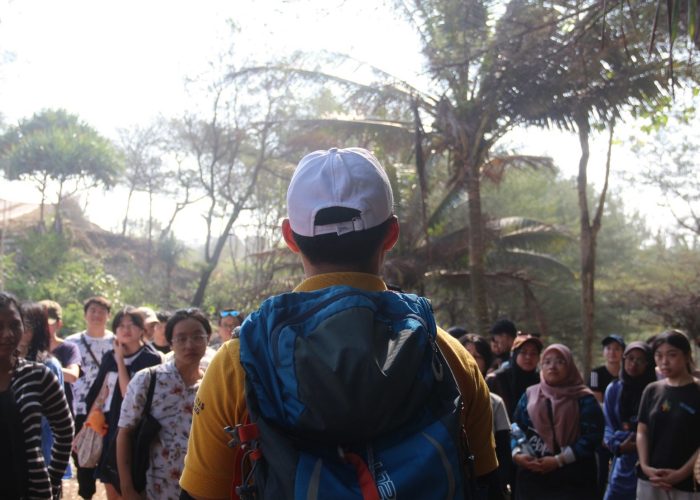
The agenda at Nglanggeran Tourism Village begins with a brief explanation regarding the tourist village. Nglanggeran Tourism Village is one of the Best Tourism Villages in the world level Tourism Village awards organized by the world tourism body UNWTO (United Nation World Tourism Organization) with the concept of CBT or Community Based Tourism. The main attraction of this tourist village is the existence of the Ancient Volcano, so besides carrying the concept of a community-based agricultural tourist village, the Nglanggeran Tourism Village is also a place for tourism and geological studies by experts. Nglanggeran itself is also one of the Geosites in the Gunung Sewu UNESCO Global Geopark area, which is included in the International Geopark network.
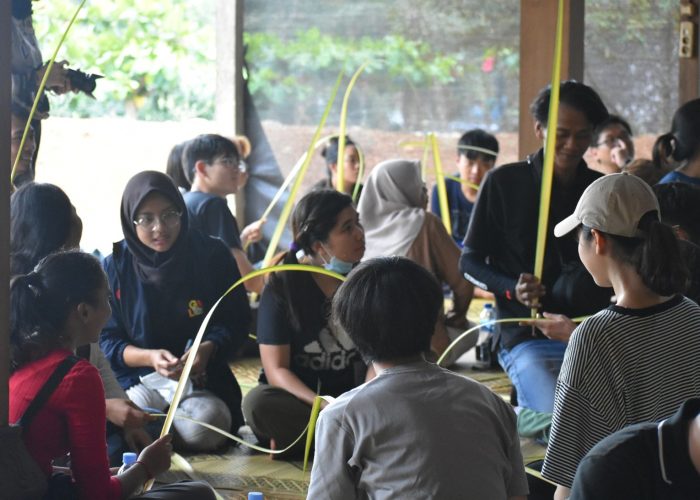
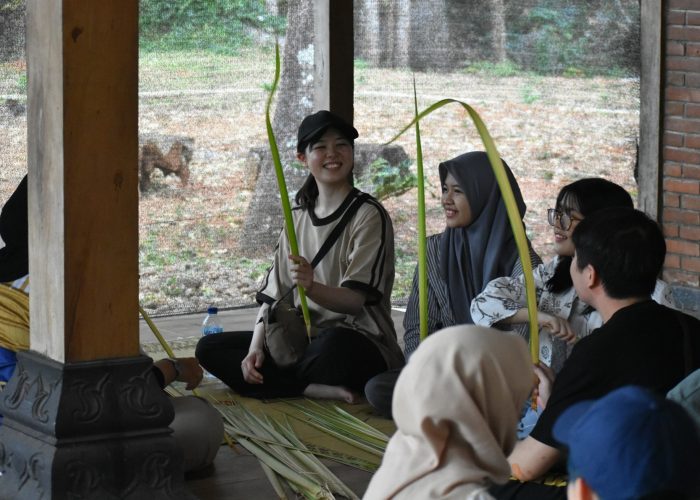
The participants then had the opportunity to learn one of the crafts made from coconut leaves or “janur”. Janur is a leaf that is commonly used as a craft in various ceremonies and celebrations in Indonesia, culinary delights such as ketupat or used in traditional games. This time, summer course participants learned to make keris crafts from janur. The keris itself is a typical Javanese weapon and this keris craft is widely used in traditional games and ceremonies. All participants were enthusiastic about folding and making these crafts.
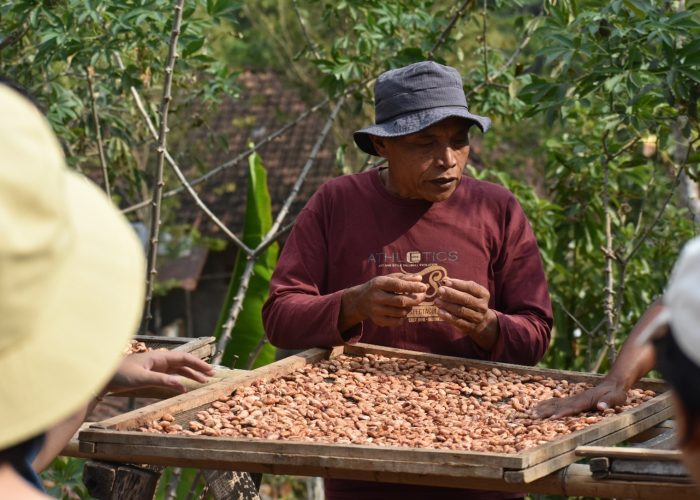
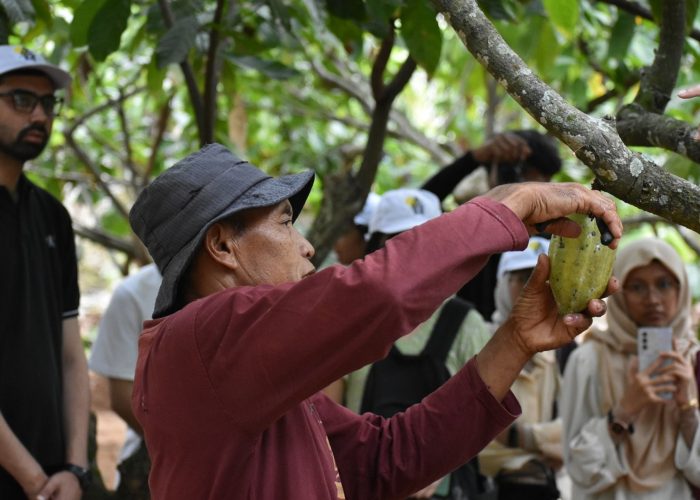
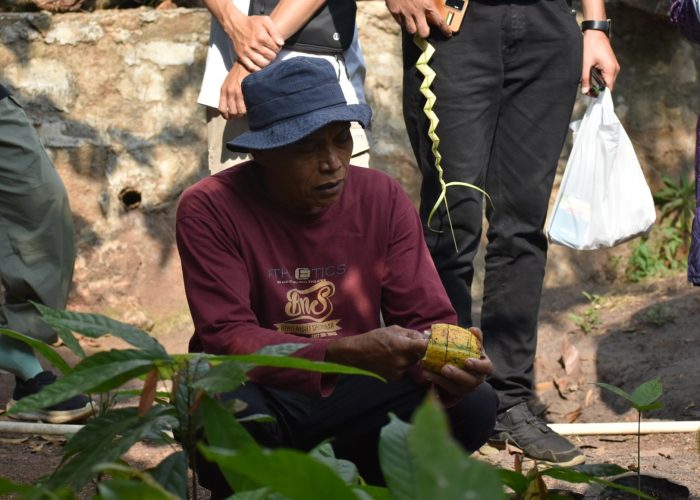
The next agenda is to visit the cocoa plantation and cultivation area. The plantation area is a community-owned plantation that is integrated into the Nglanggeran Tourism Village tourism program so that participants learn directly about the cultivation and processing of cocoa fruit from local farmers who are members of the Nglanggeran Village POKDARWIS (Tourism Awareness Group). The participants were enthusiastic about listening to and seeing firsthand the cocoa cultivation process after previously visiting the chocolate factory at Cokelat Monggo last Tuesday (30/7).
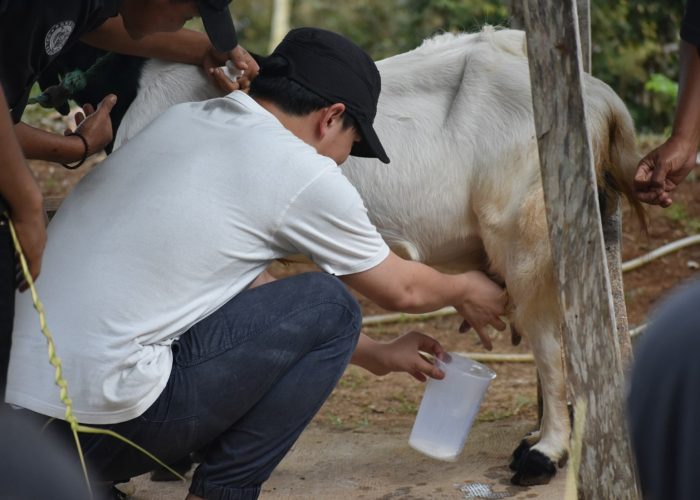
After learning about cocoa cultivation, participants were invited to visit a goat farm managed by the local community. There, participants were invited to participate in feeding goats and learn directly about goat milking techniques. Participants then visited a factory that processes goat’s milk into powdered milk and other products such as soap and goat’s milk chips.
Ending the trip in Nglanggeran Village, the participants explored the Nglanggeran Embung, an artificial lake that functions as a rainwater reservoir and is used to irrigate plantations in the dry season.
The 7th International Summer Course in Sustainable Development: Sustainable Bioprospecting of Tropical Biodiversity ended with a closing, taking place at Rumah Makan Padiku. Dr. Eko Agus Suyono, M.App.Sc. expressed his appreciation to all participants and committees who have participated in a series of online and offline summer course activities. It is hoped that this activity will continue as an effort to expand networks in the international arena as well as various experiences and understanding in the world of biology.
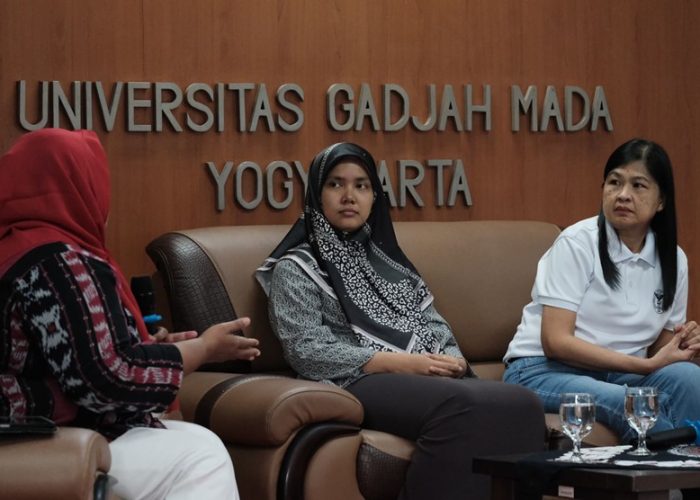
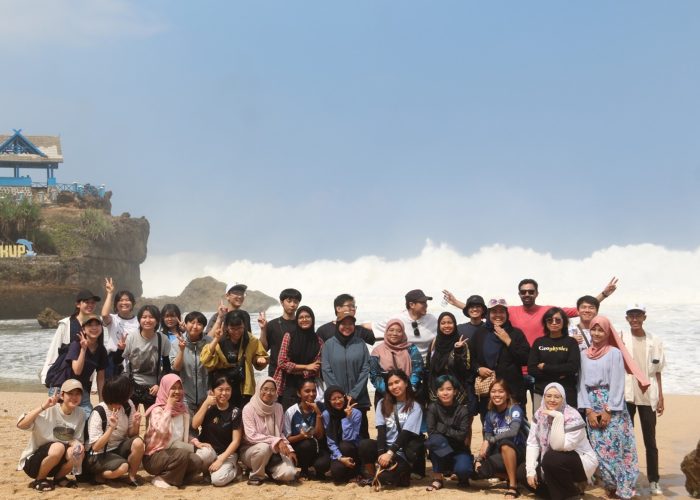
Yogyakarta, 1 August 2024 – The 7th International Summer Course in Sustainable Development: Sustainable Bioprospecting of Tropical Biodiversity this year consists of various online and offline lecture series, workshops and cultural trips, as well as field studies. The ISC field study was held at Kukup Beach and Porok Beach, Gunung Kidul, DIY on Tuesday (1/7).
Kukup Beach is one of the famous beach destinations in the Gunung Kidul area, alongside several other beaches in the same area including Panjang Beach, Nglolang Beach and so on. Kukup Beach is a source of livelihood for the surrounding community who depend on marine products and tourism. Some of the products sold include processed shrimp, squid, fish, and antlion.
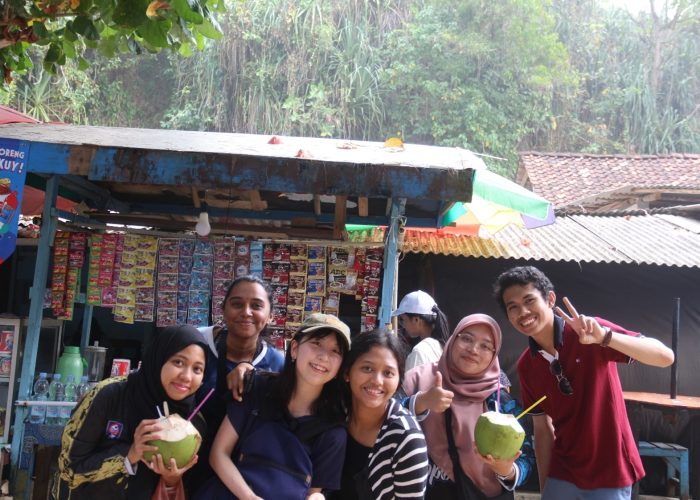
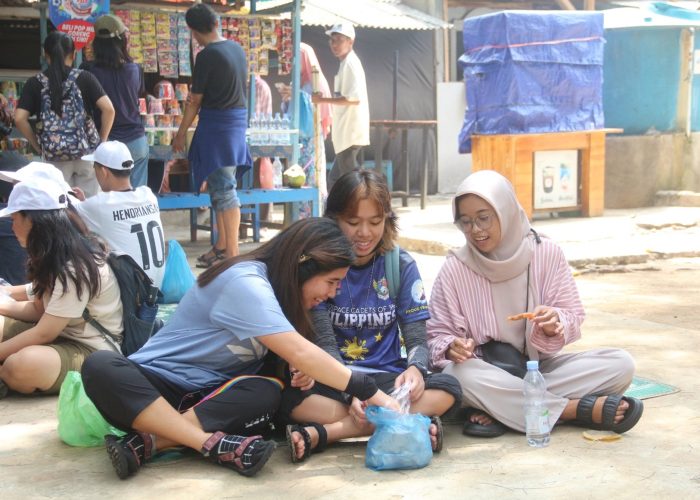
The participants enthusiastically explored the beach area. Divided into several groups, they went around to study marine bioprospecting products in the Kukup Beach area. Some of them conducted short interviews with the sellers there, and tasted processed products including fried antlion which some people are not too familiar with consuming.
The ISC agenda continued with exploring Porok Beach, which is one of the marine research stations managed by the UGM Faculty of Biology. Porok Beach is often used as a place for research and data collection for students to study marine ecosystems.
In the evening and into the evening, the participants enthusiastically took part in various simple games. Apart from familiarizing the participants, this also helped refresh their minds after the series of lectures and training on the previous ISC agenda. The evening closed by grilling sausages around the fire while sharing the fun experiences of the participants during this summer course.
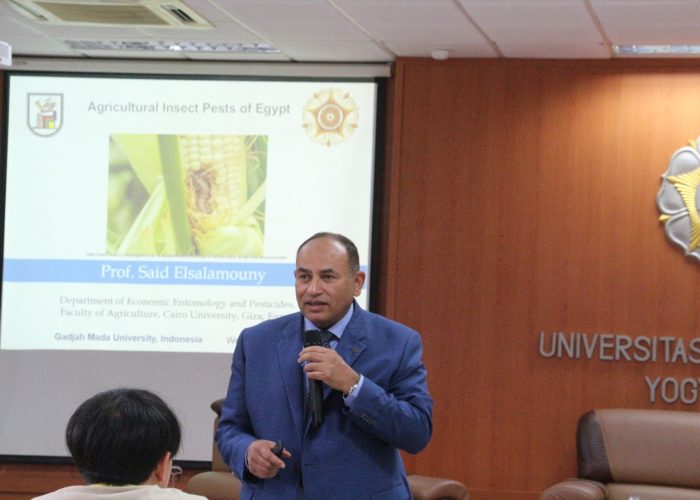
Yogyakarta, 31 July 2024 – The lecture series on the agenda of The 7th International Summer Course in Sustainable Development: Sustainable Bioprospecting of Tropical Biodiversity continues. The next lecture raised topics related to insect bioprospecting with speakers Sukirno, Ph.D., lecturer at the Entomology Laboratory, Faculty of Biology UGM, and Prof Said Ali El Salamouny, a professor in the field of entomology, especially insect viruses at Cairo University, Egypt. The lecture panel was moderated by a lecturer from the Animal Systematics Laboratory in the Parasitology section of the Faculty of Biology UGM, Dila Hening Windyaraini, S.Sc., M.Sc.
Mr. Kirno delivered his presentation regarding insect bioprospecting. On that occasion, he also brought processed insect products in the form of fried grasshoppers and fried cocoons. Both foods, which were less commonly heard of, were tried by the participants. Some of them admitted that the taste was similar to shrimp, saying that insects could be a source of protein, like marine crustaceans such as shrimp.
Continuing the presentation regarding insect bioprospection by Pak Kirno, Prof. Said then delivered his presentation on entomology, especially related to agriculture and plant protection in the Middle East, especially Egypt. He provided new understanding, especially the differences in agriculture in Egypt compared to tropical countries like Indonesia.
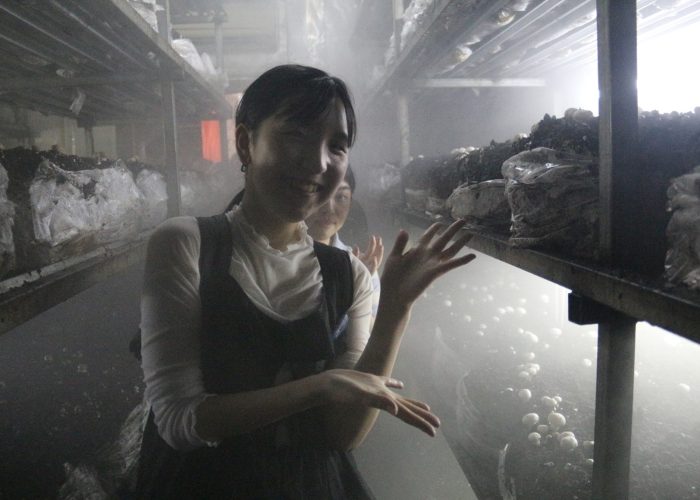
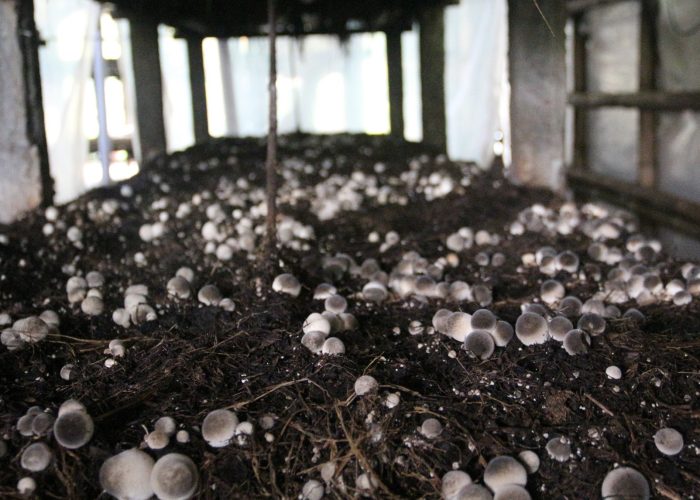
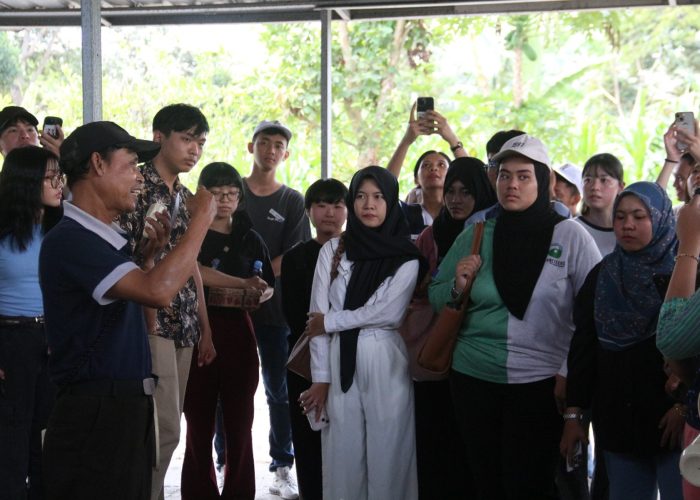
The Summer Course agenda continues with a mushroom cultivation workshop at JeJamuran, a restaurant in Jogja which is famous for its culinary delights from various types of mushrooms. The workshop location is in the JeJamuran agrotourism area, not far from the main restaurant. Participants were introduced to various types of mushrooms, how to cultivate them and learned about the right environmental conditions for mushroom growth. As souvenirs, workshop participants can also take-home mushroom planting media that they can grow themselves at home.
Through this series of summer course agendas, it is hoped that it can broaden the participants’ insight, especially regarding the potential for bioprospecting resources which are not limited to certain plants, but also things that are not commonly developed in bioprospecting studies such as insects and fungi.
Yogyakarta, 29 July 2024 – The 7th International Summer Course in Sustainable Development: Sustainable Bioprospecting of Tropical Biodiversity is officially opened. This annual event organized by the Faculty of Biology, Universitas Gadjah Mada, started its offline agenda after opening its online session Monday (15/7) which was followed by a series of guest lectures from various experts from around the world.
At least 33 offline participants took part in the opening of the International Summer Course (ISC), located in the Seminar Room, Library and Archives Building, Universitas Gadjah Mada. The participants consisted of 27 international students and 6 local students. Coupled with online participants, this year ISC succeeded in attracting 58 participants from 14 countries including Indonesia, Malaysia, Japan, the Philippines, Thailand, Pakistan, the Netherlands, the United Kingdom, India and Egypt.
“Let’s leverage our collective wisdom to foster biodiversity for a greener, more resilient world,” said Dr. Eko Agus Suyono, M.App.Sc., Vice Dean for Research, Community Service, Collaboration and Alumni Affairs, Faculty of Biology UGM in his speech, Monday (29/7).
Ir. Wiratni, S.T., M.T., Ph.D. as Secretary of the Directorate of Global Partnerships and Relations at UGM then delivered her remarks. She expressed her welcome and appreciation for the arrival of participants from various countries to take part in the summer course this time. ISC was officially opened by awarding pins and hats to two participant representatives by Dr. Eko and Dr. Wiratni, followed by a Kalimantan traditional dance performance by postgraduate students from the Faculty of Biology UGM.
The next series of offline lectures was held after the opening of ISC on Monday morning, presenting speakers from various countries. The lecture series began with the first panel presentation by Dr. Siti Fatimah from Universiti Tun Hussein Onn Malaysia, and Dr. Alona Linatoc from the University of the Philippines Los Banos, moderated by Ludmilla Fitri Utari M.Si.. The two panelists delivered material on the topic of ethnobotany, highlighting the interaction and role of the ecosystem environment and humans in it. Ethnobotany emphasizes the various cultures of various regions and how the people in them use local plants and their ecosystems (SDG 15).
The second panel presented two panelists from the Institute of Animal Hygiene and Veterinary Public Health, University of Leipzig, Germany, Dr. Ahmed El Wahed and Prof. Uwe Truyen with moderator Dr. Abdul Rahman Siregar. Both delivered material related to maintaining biodiversity for sustainable health “One Health”. Both touched on The One Health Joint Plan of Action through collaboration involving various parties, researchers from various parts of the world to alleviate world health problems (SDG 3).
The next panel related to natural products and bioprospecting was presented by Dr. Tri Rini Nuringtyas from the Faculty of Biology UGM, and Dr. Nor Ismaliza from Tunku Abdul Rahman University, Malaysia, moderated by Woro Anindito Sri Tunjung, Ph.D. Dr. Nuning and Dr. Nor delivered an interactive presentation regarding the use of various natural materials into products with potential economic value (SDG 15 and 8).
The final panel, entitled Genetic Bioresource, was delivered by Konsorn Srikulnath, Ph.D. from Kasetsart University, Thailand, moderated by Dr. Aprilia Sufi Subiastuti. He explained about the research unit at his institution “Animal Genomic and Bioresource Research Unit” (AGB Research Unit) which focuses on studying animal genomics including bulls (genetic monitoring), chickens (increasing gene varieties), fish and crocodiles (SDG 14 and 15).
All participants were enthusiastic in attending the series of openings and lectures. The activities will be continued with cultural trips and field lectures with various interesting destinations related to the big theme of this year’s summer course, bioprospection. The 7th International Summer Course in Sustainable Development is expected to become a forum for collaboration between students, lecturers and researchers, and become a discussion forum for increasing the potential for sustainable education and research (SDG 4 and 17).
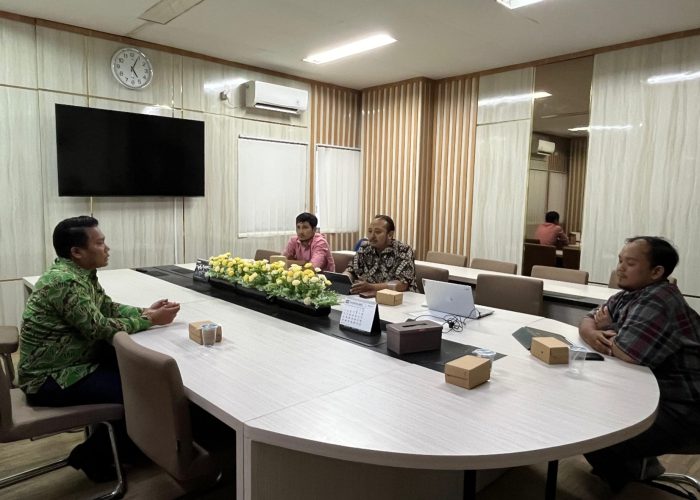
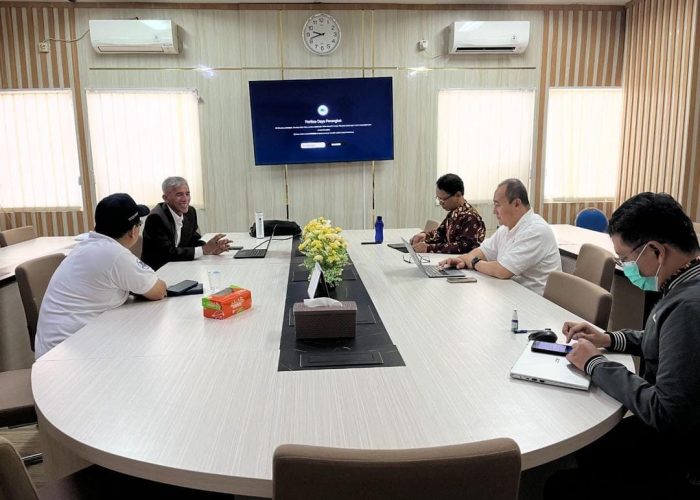
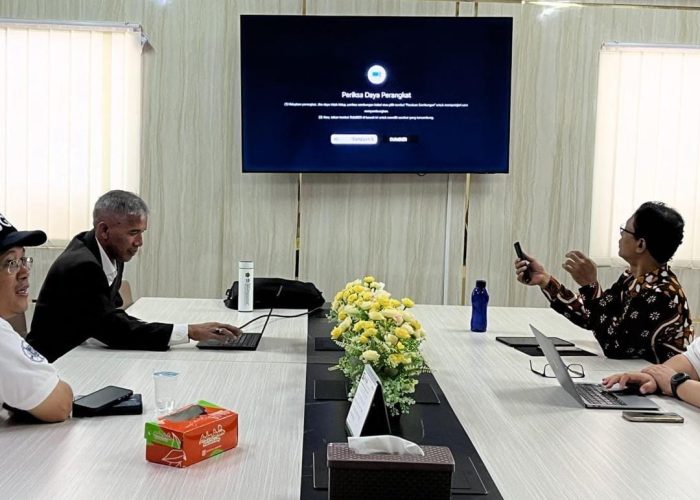
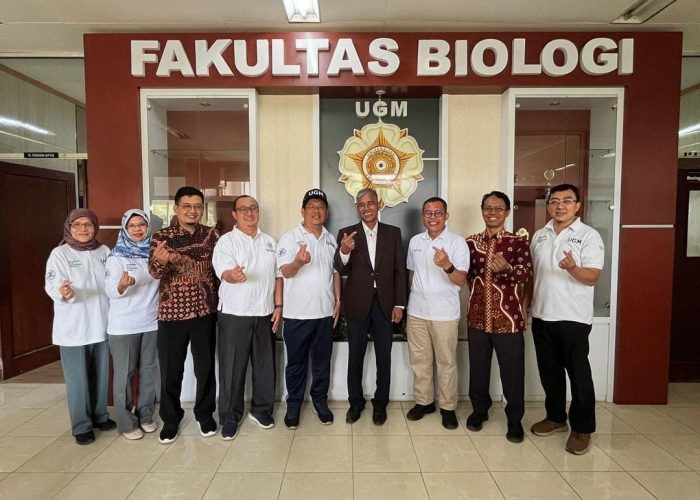
Yogyakarta, 26 July 2024 – The Faculty of Biology, Universitas Gadjah Mada received a visit from Dr. Agus Salim, S.Ag., M.Sc. from the State Islamic University (UIN) Jakarta regarding consultations and hearings at the Center for Research and Development of Bio Maritime Border Territory and 3T Region of RI (CRDB2T3). Taking place in the KPTU Meeting Room, Faculty of Biology UGM, the visit was received by Prof. Dr. Budi Setiadi Daryono, M.Agr.Sc. as Dean of the Faculty of Biology, Dr. Eko Agus Suyono, M.App.Sc. as Vice Dean for Research, Community Service, Collaboration and Alumni Affairs, Abdul Razaq Chasani, Ph.D. as Head of the Department of Tropical Biology, Sukirno, M.Sc., Ph.D. as Head of the Undergraduate Study Program, Emi Dwi Suryanti, S.Si., M.Sc. as Coordinator of Academic and Student Affairs, as well as lecturers at the Faculty of Biology including Tyas Ikhsan Hikmawan, M.S., Ph.D. and Dra. Mulyati, M.Sc.
Dr. Agus said the visit was for consultations and hearings on the establishment of the Center for Research and Development of Bio Maritime Border Territory and 3T Region of RI (CRDB2T3). The study center which focuses on maritime management research will involve the collaboration of researchers from various higher education institutions, research bodies, Non-Governmental Organizations (NGOs), and so on, including lecturers at the Faculty of Biology UGM, Abdul Razaq Chasani, Ph.D. which has a research focus related to macroalgae.
Dr. Agus said that the establishment of the research center had taken place through hearings and sending collaboration proposals to various institutions and institutions. He revealed that his current focus is related to the supporting facilities that will stand as the main office of the research center. Dr. Agus also added plans to establish this facility in the Laboi area, Bintan Island, as well as collaboration with Raja Ali Haji Maritime University, Riau Islands.
Prof. Budi warmly welcomed the plan to establish the research center. The Dean of the UGM Faculty of Biology also conveyed the urgency of studies related to maritime and marine affairs, especially since the Indonesian Biology Consortium (KOBI) itself has so far focused on collecting data on terrestrial species.
Prof. Budi together with colleagues from the Faculty of Biology UGM supported the inauguration of the maritime study center institution first, including improving academic articulation, preparing AD ART and registering legal status, especially as the research center is planned to be independent and not managed under an institution directly. It is hoped that this will support the acceleration of the establishment of research centers.
CRDB2T3 will focus on the maritime domain which includes humans, ecosystems and marine resources in Indonesia. It is possible for the reseach center to include educational support in Indonesia, especially its focus on developing underdeveloped, outermost and frontier areas (3T) in addition to support for other higher education tri dharma, namely research and community service. It is hoped that this study center will catalyze marine research development programs in Indonesia while supporting sustainable development.
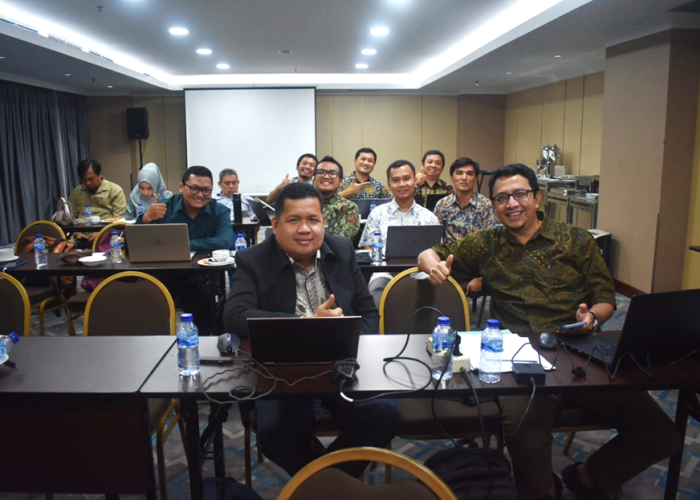
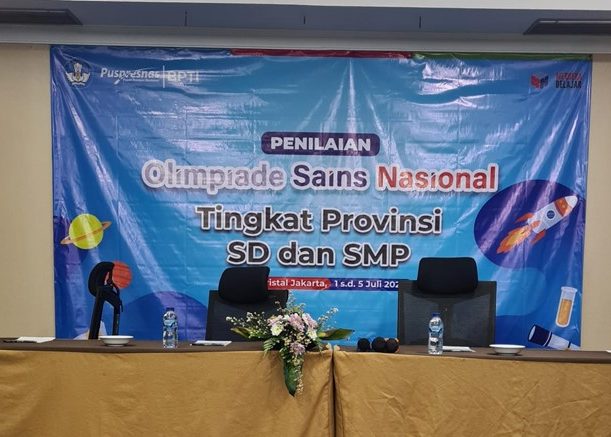
**Jakarta, July 1-5, 2024** – Dr. Dwi Sendi Priyono, a lecturer from the Biology Department of Gadjah Mada University (UGM), has been invited to serve as a judge at the National Science Olympiad for Elementary and Middle School Levels (OSN-P). The event, organized by the Indonesian Talent Development Center, National Achievement Center, Secretariat General, Ministry of Education, Culture, Research, and Technology, took place from July 1 to July 5, 2024.
The National Science Olympiad at the provincial level (OSN-P) for elementary (SD/MI) and middle school (SMP/MTs) students was conducted using the Computer-Based National Assessment (ANBK) application. This innovative approach ensures a fair and efficient evaluation process, aligning with the Sustainable Development Goals (SDGs) of promoting quality basic education and fostering development.
Dr. Dwi Sendi Priyono was among the 50 judges from various universities and institutions across Indonesia. His expertise in biology and commitment to educational development made him a valuable addition to the judging panel. The judges were tasked with evaluating the performances of 2,061 participants, a challenging yet rewarding responsibility.
The OSN-P aims to identify and nurture young talents in science, providing them with opportunities to excel and contribute to the nation’s development. By involving experts like Dr. Priyono, the event ensures that the assessment process is rigorous and credible, promoting a culture of excellence in basic education.
Throughout the five-day event, participants demonstrated their knowledge and skills in various scientific disciplines. The use of the ANBK application facilitated a smooth and transparent evaluation process, allowing judges to focus on the participants’ performance without technical hindrances.
Dr. Priyono expressed his enthusiasm for being part of the OSN-P, highlighting the importance of such events in inspiring young minds. “It’s an honor to contribute to the development of our future scientists. These young talents are the backbone of our nation’s progress,” he said.
The involvement of university lecturers and professionals in the judging process underscores the commitment to maintaining high standards in educational assessments. This collaboration between educational institutions and the government is crucial for achieving the SDGs related to quality education and sustainable development.
The OSN-P not only provides a platform for students to showcase their abilities but also encourages them to pursue careers in science and technology. This aligns with the broader goal of fostering innovation and development in Indonesia.
As the event concluded, the organizers expressed their gratitude to all judges, participants, and supporting institutions. The success of the OSN-P is a testament to the collective effort in promoting quality education and nurturing the next generation of scientists.