• UGM
  • Simaster Portal
  • IT Center
  • Webmail
  • KOBI
  • English
    • Bahasa Indonesia
Universitas Gadjah Mada Universitas Gadjah Mada
Faculty of Biology
  • ABOUT US
    • History
    • Organization
    • Vision and Mission
    • Lectures and Staff
      • Lecturers
      • Adjunct Professor
      • Supporting Staff
    • Facility
      • Laboratories
      • Research
      • Library
      • Museum
      • Mental Health Consultation
      • Disability
  • EDUCATION
    • Undergraduate Program
      • Graduates Learning Outcome
      • Academic Callendar
      • Course
    • IUP
    • Profession Program
      • What is the Professional Study Program in Biodiversity Curator (PKKH)?
      • Admission for New Students of the Biodiversity Curator Profession Program Study
      • Information and FAQ Study Program of Biodiversity Curator Profession
    • Master Program
      • Master Program in Biology Description
      • Curriculum Structure Master Program
    • Doctoral Program
      • Vision, Mission, Objectives, Targets, Competencies, and Learning Outcomes
      • Admission Requirement for Program Doctor in Biological Sciences
      • Admission: What Documents to be prepared?
      • Curriculum
    • Regulations
    • Accreditation & Quality Assurance
  • RESEARCH
    • Journal of Tropical Biodiversity and Biotechnology
    • Berkala Ilmiah Biology
    • Research
    • Publication
  • Community Service
    • Waste Management
  • STUDENTS & ALUMNAE
    • Student Organizations
    • Prospective Career Opportunities
    • SUMMER COURSE
    • Alumnae
  • Home
  • SDG 9 : Increase Industry, Innovation, and Infrastructure
  • SDG 9 : Increase Industry, Innovation, and Infrastructure
Arsip:

SDG 9 : Increase Industry, Innovation, and Infrastructure

Sakura Science Program 2026: Strengthening Molecular Biology Skills through Intensive Laboratory Training at Yamagata University

News ReleaseStudent Activities Tuesday, 24 February 2026

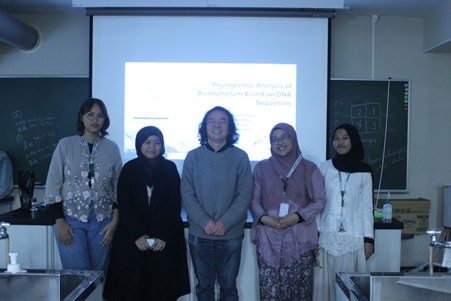
Yamagata, Japan – February 2026 — Following the completion of the lecture sessions on the first day, participants of the Sakura Science Program 2026 continued with an intensive laboratory practicum from day two to day five at Yamagata University, Japan.
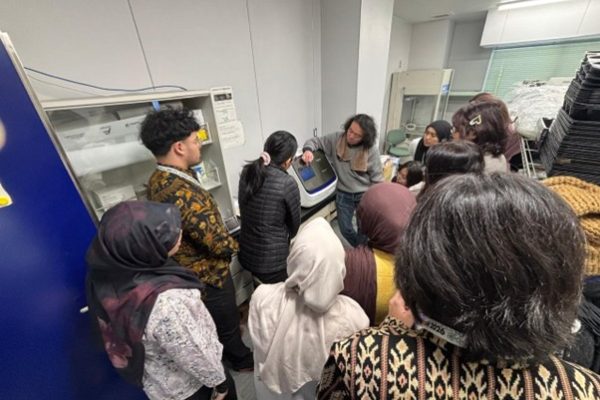
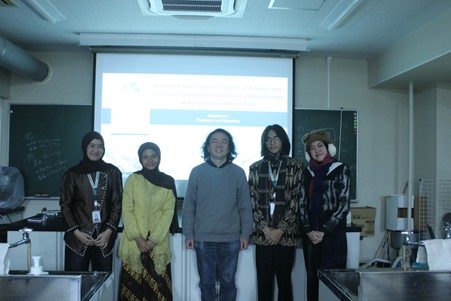
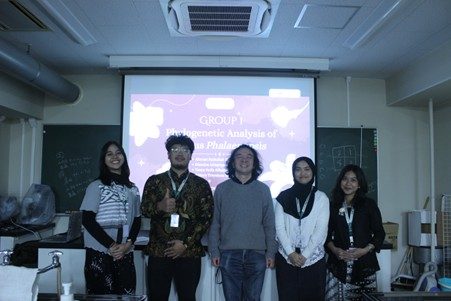
Over the course of four days, the program focused on the application of molecular biology techniques to analyze the diversity and evolutionary relationships of several orchid species from various countries, including Indonesia. The practicum was designed as a comprehensive learning experience, integrating hands-on laboratory work with phylogenetic data analysis.


Hands-On Molecular Techniques

Participants were divided into four groups to ensure that each student gained direct experience in every stage of molecular analysis. The techniques practiced included:

  • DNA extraction
  • Polymerase Chain Reaction (PCR)
  • Gel electrophoresis
  • Targeted Sanger sequencing
  • Phylogenetic analysis using MEGA software

Throughout the sessions, students demonstrated high enthusiasm and engagement. Rather than merely observing demonstrations, they performed each procedure independently under the guidance of professors and laboratory assistants.

Amarthya Aulia Vadela shared that the experience significantly deepened his understanding of molecular techniques:

“I learned many new techniques. This experience was very different from our preparation sessions because we conducted each step ourselves.”

Similarly, Nayla Dwiputri Adelis expressed her appreciation:

“I feel very fortunate to perform molecular techniques directly, which I had previously only seen demonstrated.”


From PCR to Phylogenetic Trees

One of the key highlights of the practicum was conducting Sanger sequencing on marker genes obtained through PCR. Participants then analyzed the sequence data using MEGA (Molecular Evolutionary Genetics Analysis) software to construct phylogenetic trees and interpret evolutionary relationships among species.

For some students, bioinformatics analysis presented a new challenge. Ahmad Faidullah Haqqi reflected:

“At first it felt difficult, but after trying it myself and understanding the workflow, the analysis became much smoother.”

Meanwhile, Tasya Syifa Alfadhiilah shared:

“I had never taken a course covering this type of analysis before, so I was worried I wouldn’t be able to follow. However, after Jun-sensei explained it clearly and I tried it myself, I found it really exciting and enjoyable.”

A particularly meaningful experience came from Kaylana Fikria Akbar, a first-year student who was newly introduced to molecular biology:

“As a first-year student, I was completely new to molecular biology, so at first I doubted whether I could understand each process. However, with guidance from Jun-sensei and the assistants who explained everything clearly, I found the activities exciting and became even more interested in learning these techniques and their applications.”

These reflections highlight that the program not only enhanced technical skills but also built academic confidence among students at different levels of study.


Reflection from the Academic Supervisor

The academic supervisor from the Faculty of Biology UGM, Dr. Luthfi Nurhidayat, M.Sc., emphasized the significance of the experience for student development:

“This program provides a highly comprehensive learning experience. Students not only understand molecular concepts theoretically, but also go through the complete research workflow—from DNA extraction to phylogenetic analysis. Direct interaction with professors and exposure to laboratory standards at Yamagata University broaden their perspective on international research practices.”

He further noted that the program represents an important step in strengthening academic collaboration between the Faculty of Biology UGM and Yamagata University, particularly in the fields of molecular biology and biodiversity research.


Presentations and Warm Closing Ceremony

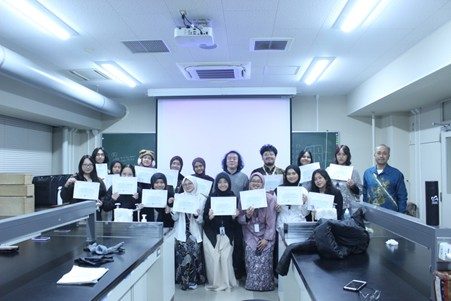
At the end of the practicum sessions, each group presented their findings, including sequence analysis results and phylogenetic interpretations. All four groups delivered strong presentations and received appreciation from Prof. Jun Yokoyama for completing their analyses and presentations within a relatively short time frame. The practicum concluded with the awarding of certificates to all participants as recognition of their active engagement during the program.

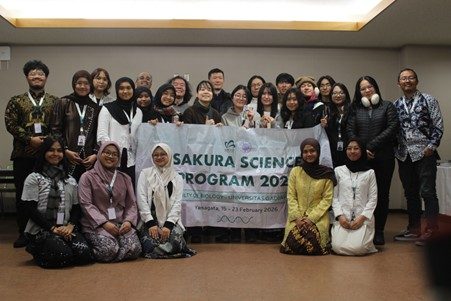
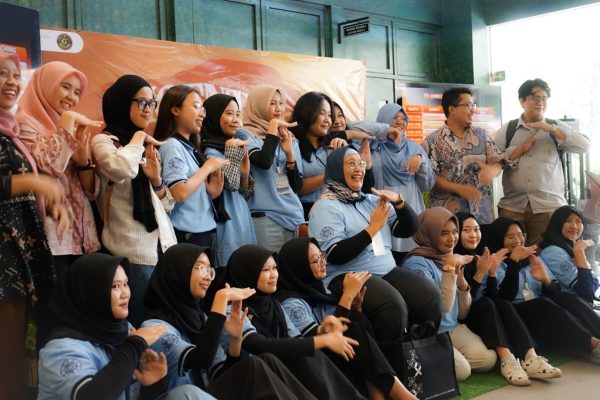
The academic activities of Sakura Science Program 2026 were then closed with a small celebration attended by professors, assistants, and participants. Despite the winter season in Japan, the atmosphere was warm and welcoming, complemented by halal Japanese cuisine. The event concluded with the presentation of tokens of appreciation to the professors and assistants in gratitude for their guidance and collaboration.

Through this intensive laboratory experience, participants not only strengthened their technical competencies in molecular biology and phylogenetic analysis but also expanded their global academic networks and research perspectives. Sakura Science Program 2026 once again demonstrates the importance of international collaboration in nurturing the next generation of globally competitive scientists.
BIOENTRI 2026: Open House dan Pengenalan Topik Riset Fakultas Biologi UGM Sparks Strong Academic Interest

News ReleaseStudent Activities Thursday, 19 February 2026

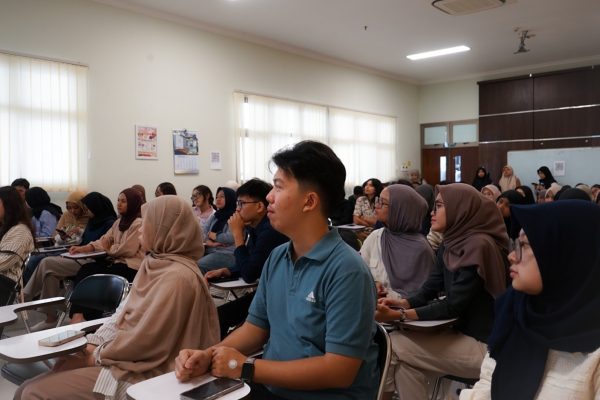
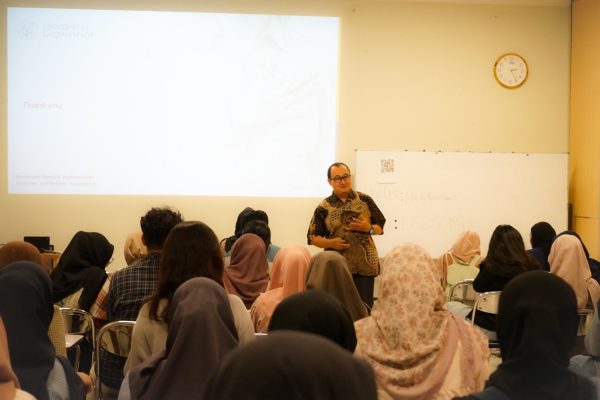
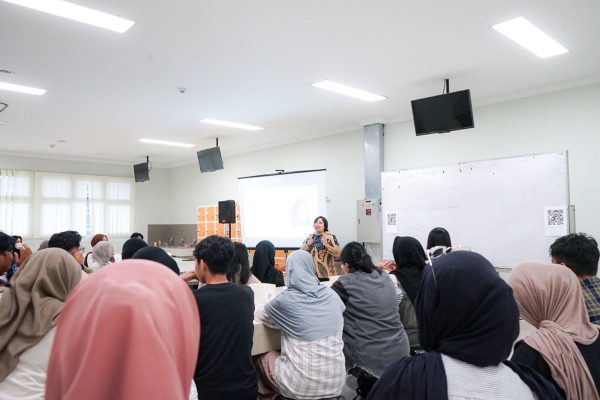
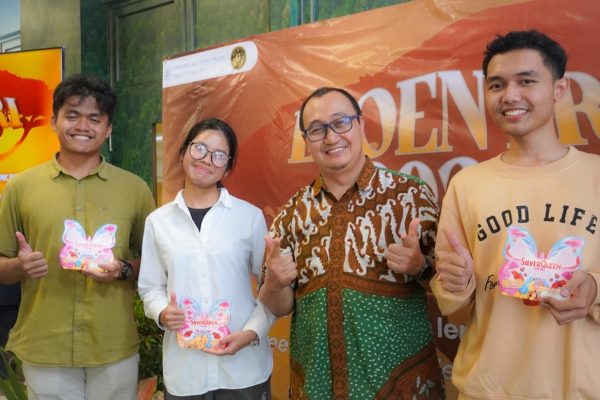
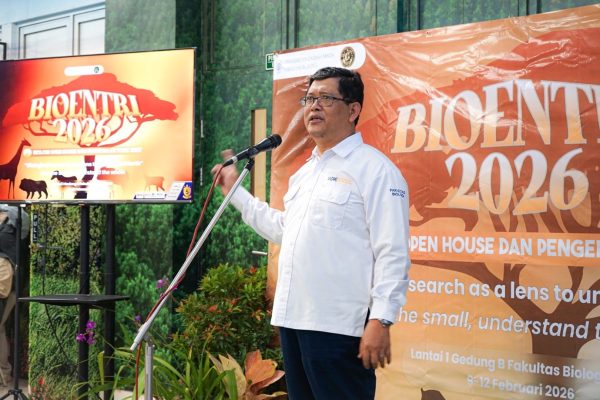
The Faculty of Biology, Universitas Gadjah Mada (UGM), organized the Open House and Introduction to Research Topics (BIOENTRI) 2026 on Monday to Thursday, February 9–12, 2026, from 1:00 to 4:00 PM WIB. The event took place in Lecture Rooms 1, 2, and 3, as well as in the Teaching Laboratory of the Faculty of Biology UGM. It was designed to introduce the range of research topics available within the Faculty and to provide a platform for direct interaction between lecturers and students regarding research opportunities for undergraduate thesis work.


BIOENTRI 2026 became a dynamic and well-attended forum, reflected in the strong enthusiasm of participants. In addition to the primary target group of undergraduate students preparing to determine their thesis topics, the event also drew participation from students across different cohorts, including the class of 2025 and postgraduate students, who attended the sessions, engaged in discussions, and explored potential research collaborations.

The program featured presentation sessions and discussions on research topics, with each lecturer allocated approximately 25 minutes to present and engage in dialogue regarding the research themes offered. The series of activities also included formally scheduled opening and closing sessions, marking the commencement and conclusion of BIOENTRI 2026.
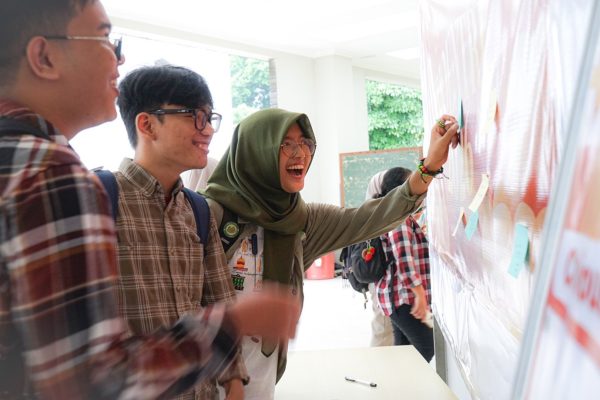
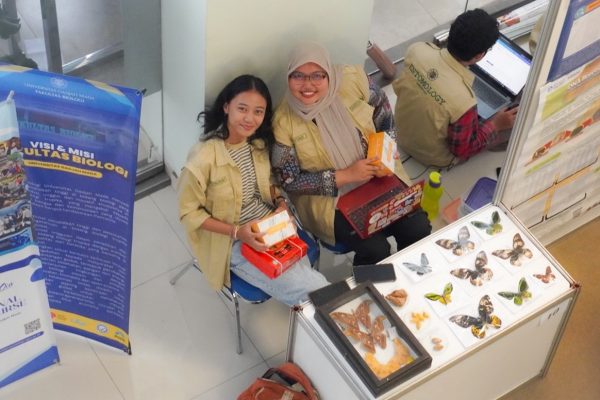
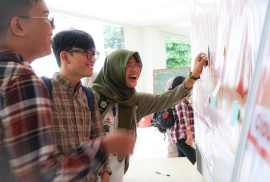
Participants’ enthusiasm was also evident in the booth area organized by the committee. The booths were consistently crowded, reflecting the distinct creativity of each team, from the presentation of posters and research materials to the way scientific ideas were communicated, making discussions feel more engaging and accessible.

In accordance with the event guidelines, each booth was attended by two supervised students appointed by their respective lecturers, serving on the day their lecturer was scheduled to present. BIOENTRI is mandatory for undergraduate students of the 2024 cohort who are preparing to determine their Seminar or Thesis topics. Therefore, the program serves as an important platform for students to map their academic interests, understand the capacity of laboratories and research groups, and identify prospective supervisors.

Through both presentation sessions and booth discussions, students gained deeper insight into available research opportunities, interacted directly with potential academic advisors, and obtained valuable considerations in selecting topics aligned with their interests and future career plans. The event is also expected to foster motivation and inspire students to pursue their research process with greater dedication.

This activity was carried out well due to the collaboration between the student committee and the lecturer committee led by Prof. Dr. Eko Agus Suyono, S.Si., M.App.Sc., so that the entire BIOENTRI 2026 agenda ran smoothly and optimally.

Through BIOENTRI 2026, the Faculty of Biology at Universitas Gadjah Mada reaffirmed its commitment to strengthening a research ecosystem and experience-based learning environment that is inclusive and collaborative.

This spirit aligns with the advancement of the Sustainable Development Goals, particularly Quality Education (SDG 4) through the enhancement of research literacy and mentoring practices, Industry, Innovation and Infrastructure (SDG 9) through the introduction of strategic research topics, and Partnerships for the Goals (SDG 17) by fostering cross-level academic networks between lecturers and students to promote meaningful scientific contributions for society and the environment.

Faculty of Biology UGM Strengthens International Collaboration through Strategic Visit to Bard University, Egypt

CooperationNews Release Friday, 13 February 2026

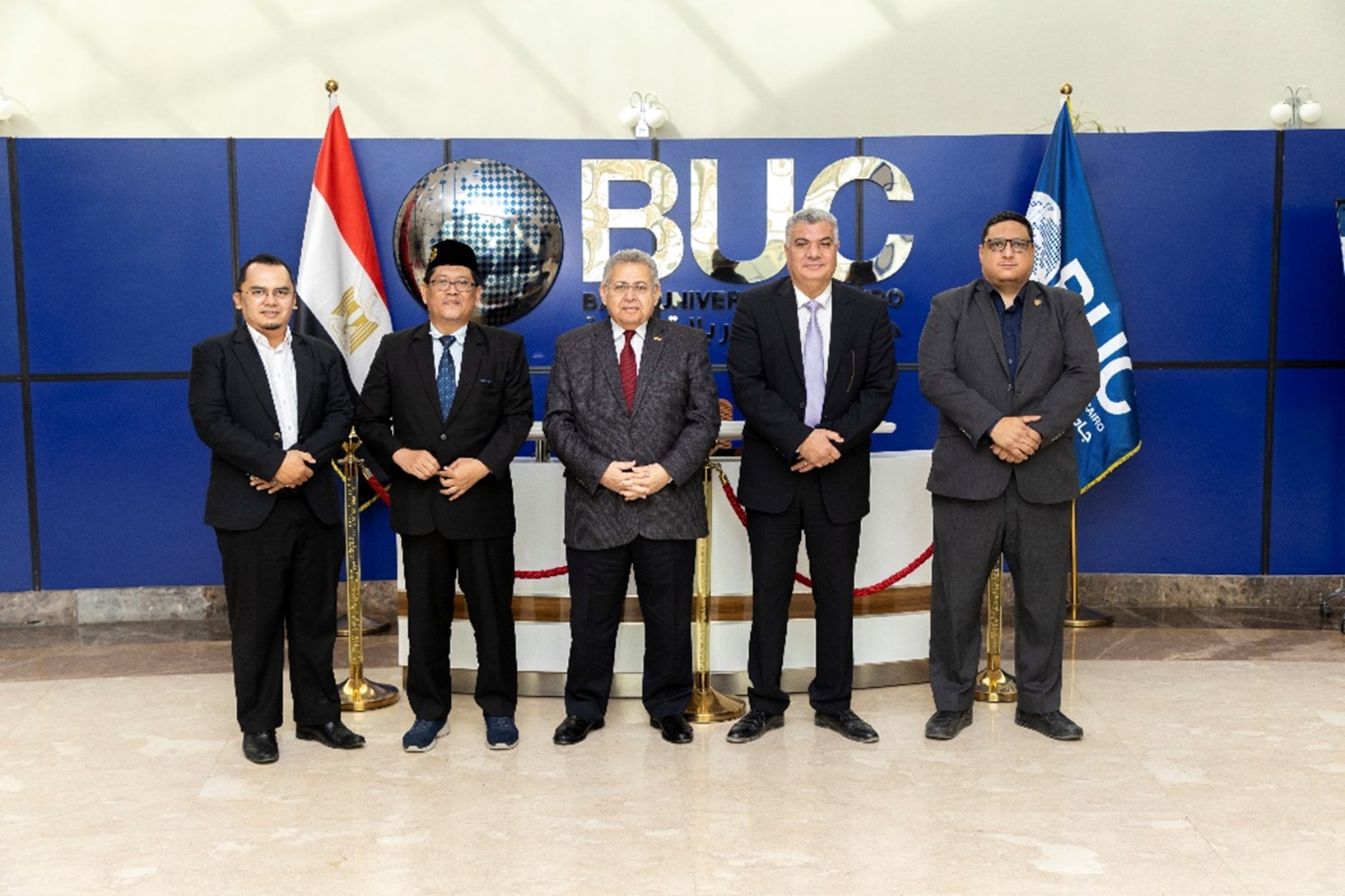
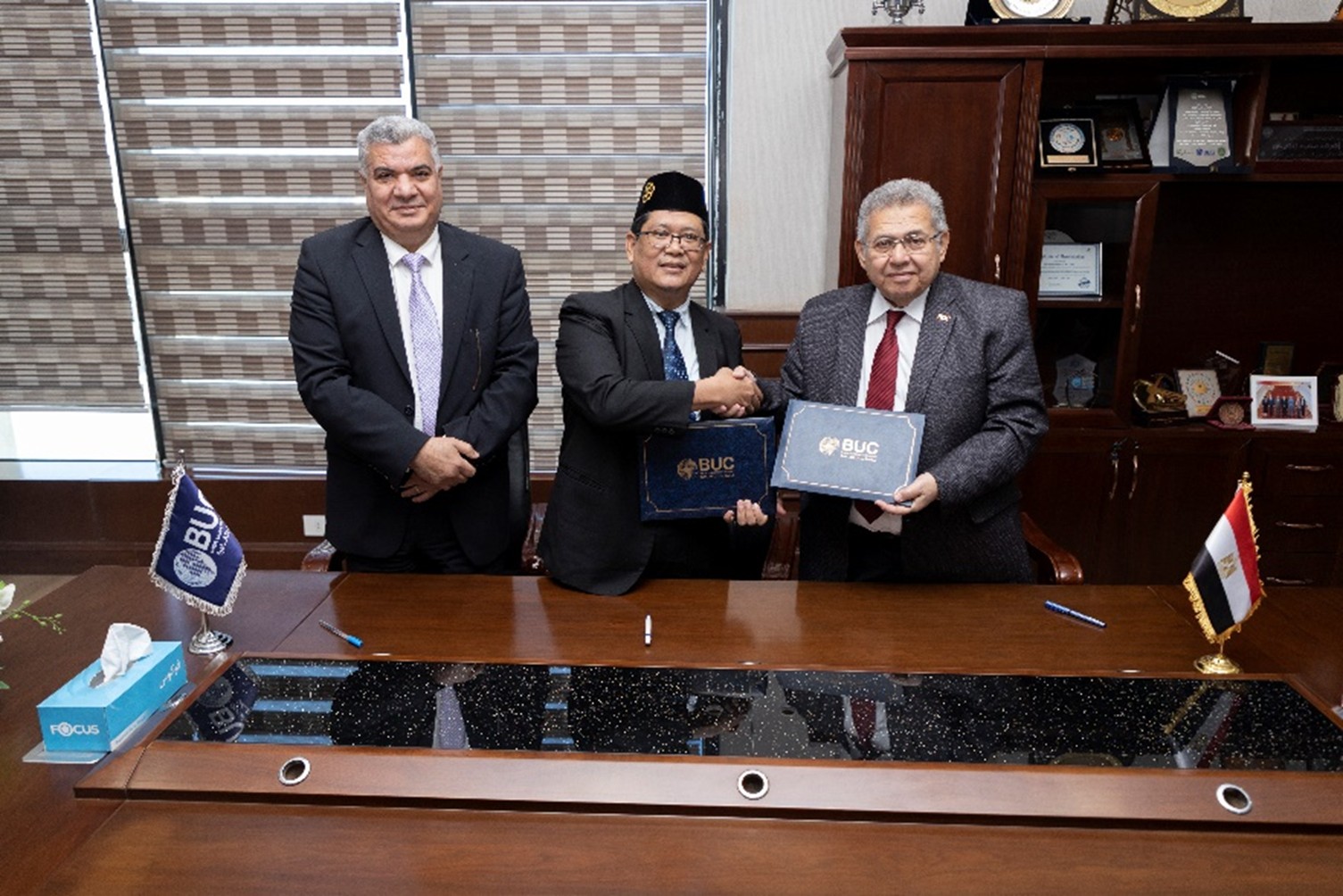
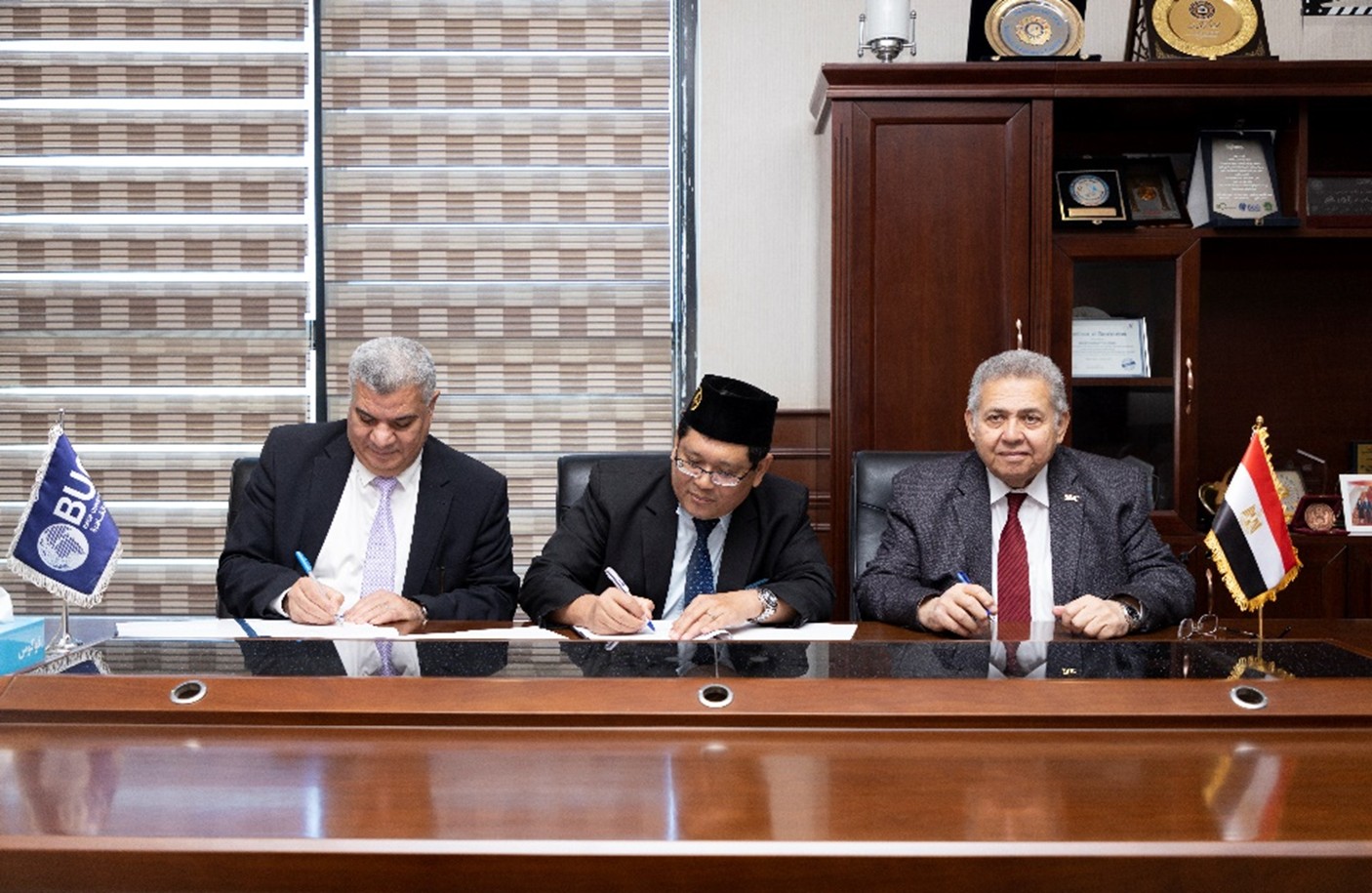
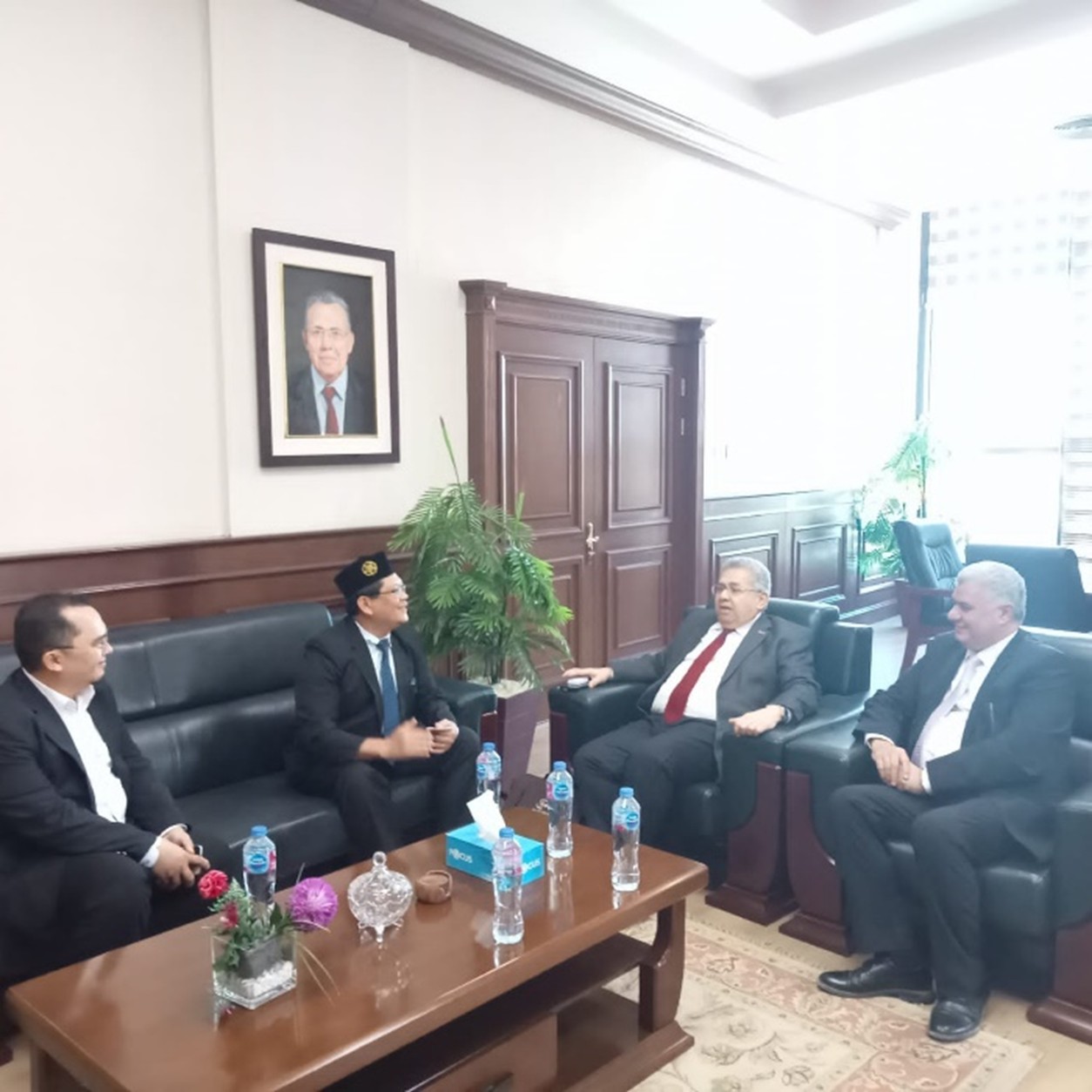
Cairo, 12 February 2026 — The Faculty of Biology, Universitas Gadjah Mada (UGM), conducted an official cooperation visit to Egypt, with key agendas at Badr University in Cairo (BUC). The delegation was led by Prof. Dr. Budi Setiadi Daryono, M.Agr.Sc., Dean of the Faculty of Biology UGM, accompanied by Dr.rer.nat. Abdul Rahman Siregar, M.Biotech, Head of the Microbiology Laboratory, Faculty of Biology UGM.


At Badr University in Cairo, the delegation was formally welcomed by the President of BUC, Prof. Dr. Ashraf Mohamed El-Shihy, and the Dean of the Faculty of Veterinary, Food Nutrition and Biotechnology, Prof. Adel Abd El-Khaleq. The meeting focused on initiating several strategic academic programs, including the development of an International Summer Course, a Double Degree program, and the organization of an International Conference. The visit also marked the signing of a Memorandum of Understanding (MoU) and a Memorandum of Agreement (MoA) between the Faculty of Biology UGM and Badr University in Cairo, signifying a shared commitment to strengthening academic and research collaboration between the two institutions.

Meanwhile, the visit to Cairo University served as a continuation of the existing partnership. The UGM delegation was welcomed by Prof. Said El-Salamouny and Dr. Ibrahim. Discussions centered on the implementation of the International Summer Course on Tropical Biodiversity and Sustainable Development to be hosted by the Faculty of Biology UGM. Both institutions also explored opportunities for sending Cairo University students to pursue Master’s (M.Sc.) and Doctoral (Ph.D.) studies at the Faculty of Biology UGM. In addition, the collaboration will be strengthened through joint supervision, joint research, and joint publications.

Through this visit, the Faculty of Biology UGM reaffirmed its commitment to expanding global academic networks and fostering sustainable international collaboration in the fields of biology, tropical biodiversity, biotechnology, and sustainable development. The partnership is expected to enhance student and faculty mobility, promote high-impact collaborative research, and contribute to the achievement of the Sustainable Development Goals (SDGs), particularly SDG 4 (Quality Education), SDG 9 (Industry, Innovation, and Infrastructure), SDG 15 (Life on Land), and SDG 17 (Partnerships for the Goals).

Faculty of Biology UGM Engages Doctoral Students in Academic Progress Monitoring

News Release Saturday, 24 January 2026

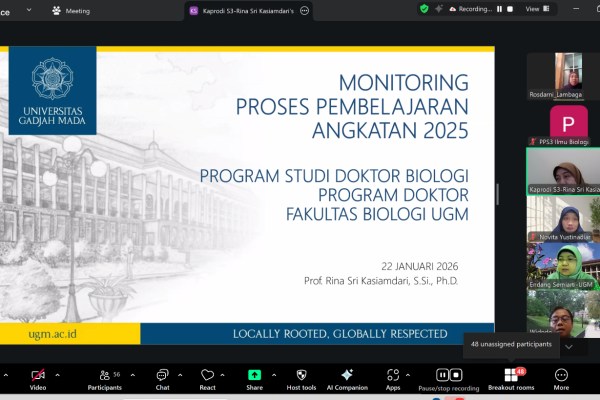
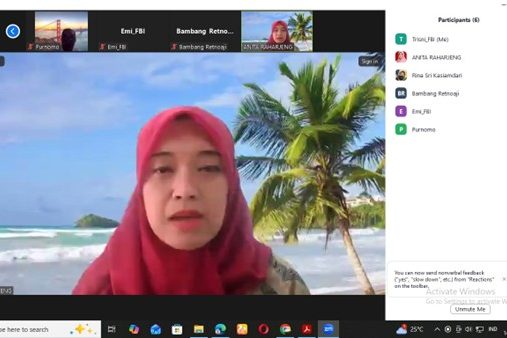
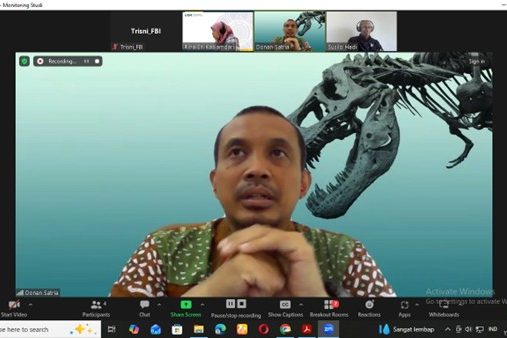
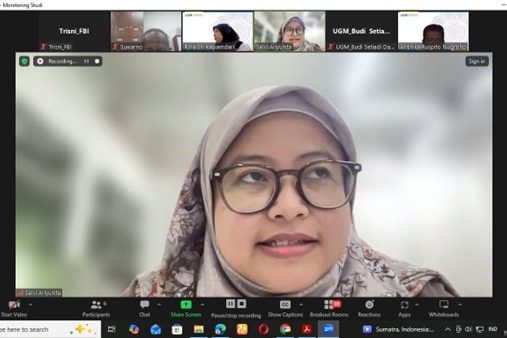
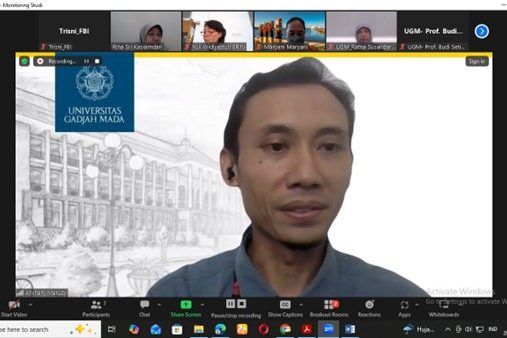
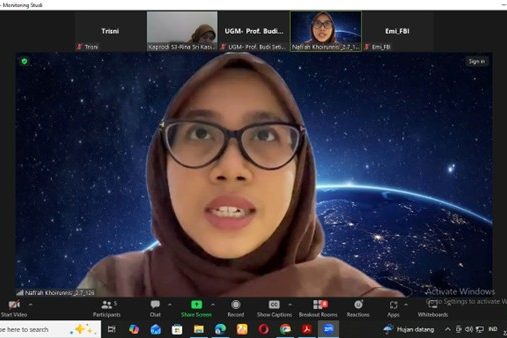
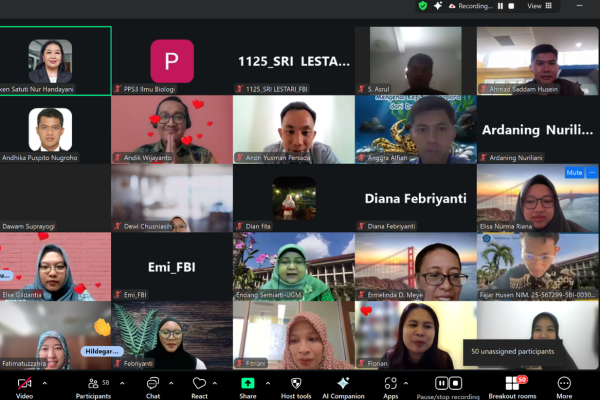
Yogyakarta, 14–22 January 2026, Over the course of a week, the Faculty of Biology at Universitas Gadjah Mada (UGM) conducted its Monitoring of Academic Progress for Doctoral Students in Biological Sciences, bringing together students from all doctoral cohorts as part of an ongoing evaluation of their academic progress.


A total of 136 doctoral students participated in the monitoring. The monitoring began on 14 January 2026 with 9 students from the 2019–2020 cohorts, followed by 10 students from the 2021 cohort on 15 January 2026. On 19 January 2026, 19 students from the 2022 cohort participated, followed by 28 students from the 2023 cohort on 20 January 2026. On Wednesday, 21 January 2026, the monitoring included 15 students from the 2024 cohort. On the final day, 22 January 2026, the sessions were attended by 15 students from the 2024 cohort and 39 students from the 2025 cohort. Monitoring for the 2025 cohort was carried out in group sessions, while students from the other cohorts participated in individual meetings with program management and their supervisory teams. In each session, students discussed the progress of their research, the challenges they had encountered, and the strategies they planned to overcome these obstacles. The sessions fostered open, meaningful dialogue, providing each student with guidance tailored to their individual needs.

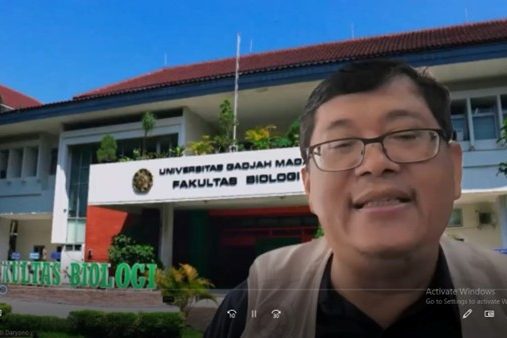
The activity aimed to ensure that students’ academic progress aligns with university regulations, while also supporting timely completion of studies without compromising the quality of academic output and research. Beyond its evaluative purpose, the monitoring served as an academic dialogue to strengthen guidance and institutional support for doctoral students. During the sessions, the Dean of the Faculty of Biology, Prof. Dr. Budi Setiadi Daryono, M.Agr.Sc., emphasized that students must remain focused on prioritizing their studies, approach every stage of the academic process with full commitment and seriousness, and successfully complete their academic journey on time.

The program also reflects the Faculty of Biology UGM’s alignment with the Sustainable Development Goals (SDGs), particularly SDG 4 (Quality Education), SDG 9 (Industry, Innovation, and Infrastructure), and SDG 16 (Peace, Justice, and Strong Institutions), emphasizing responsible academic governance and excellence in research.

UGM–UTS Strengthen Academic and Research Collaboration through “Study & Research in Australia” Sharing Session

CooperationNews Release Thursday, 22 January 2026

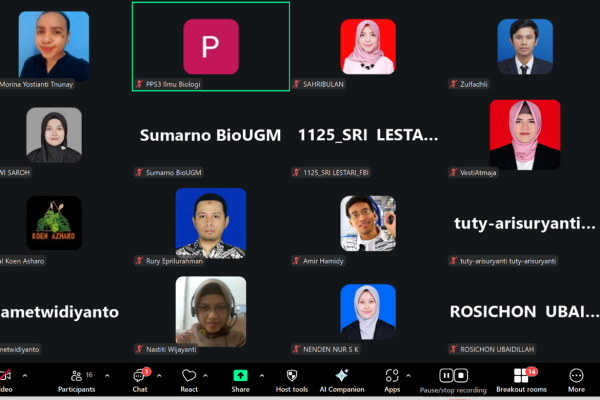
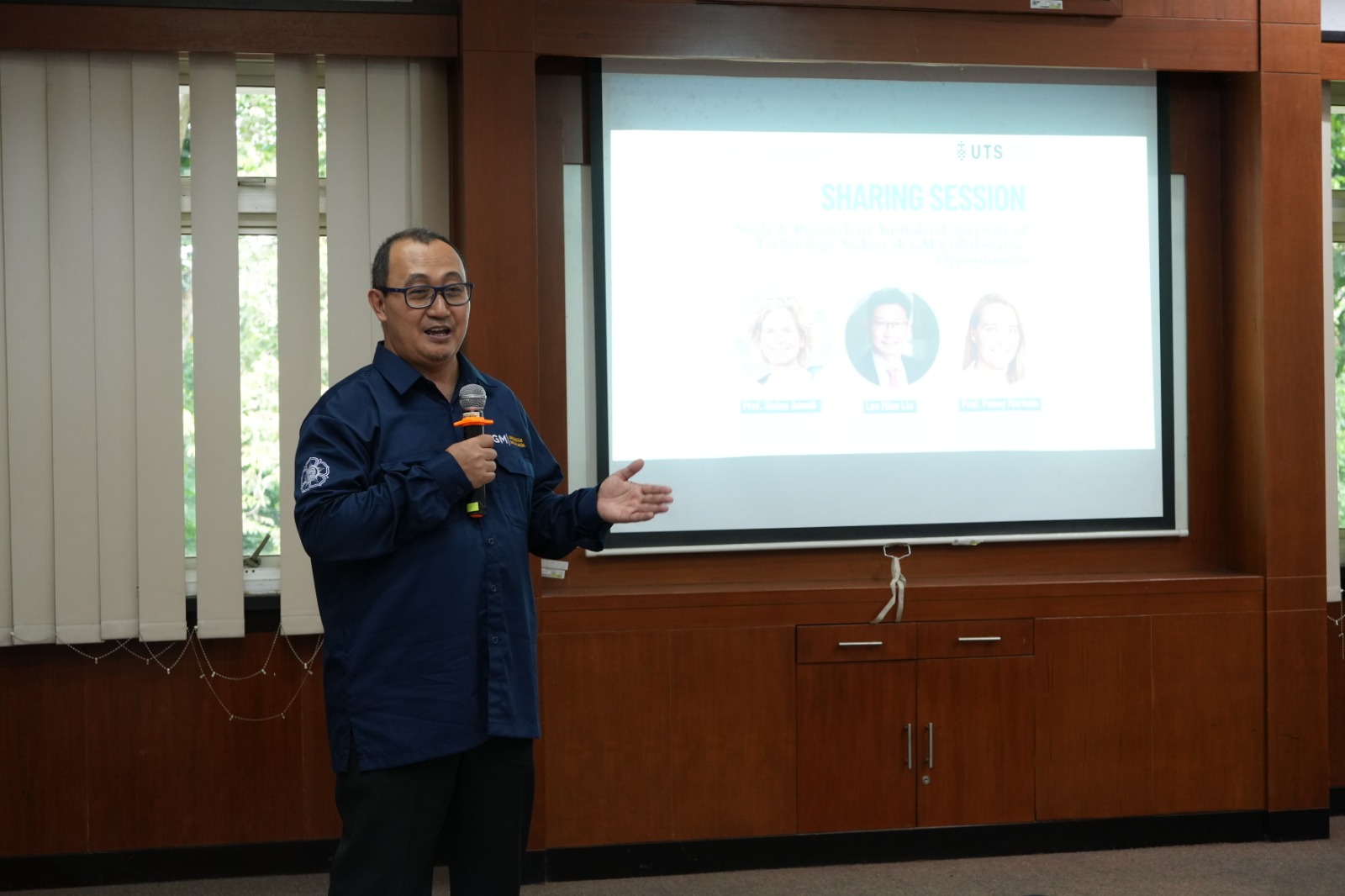
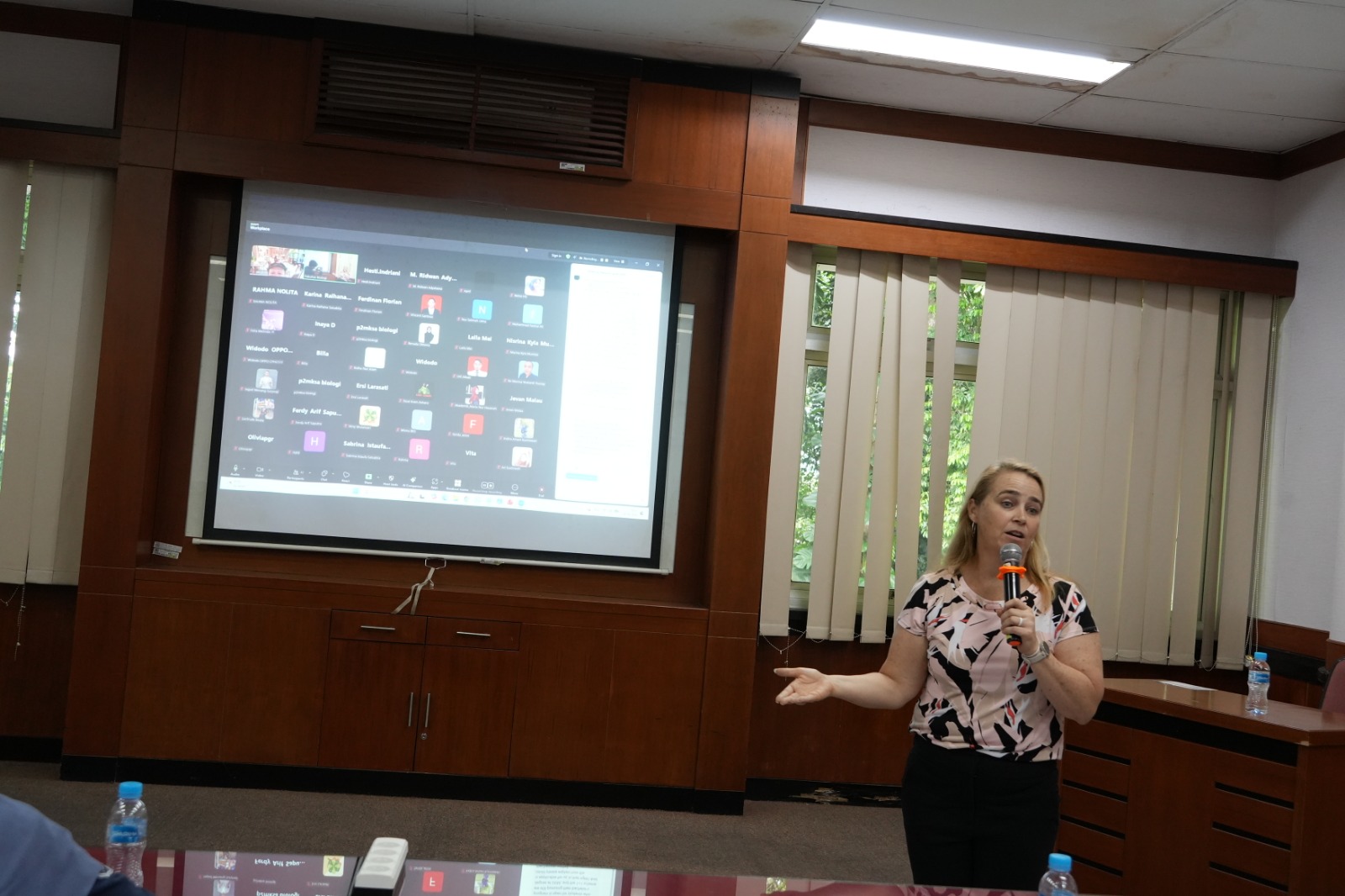
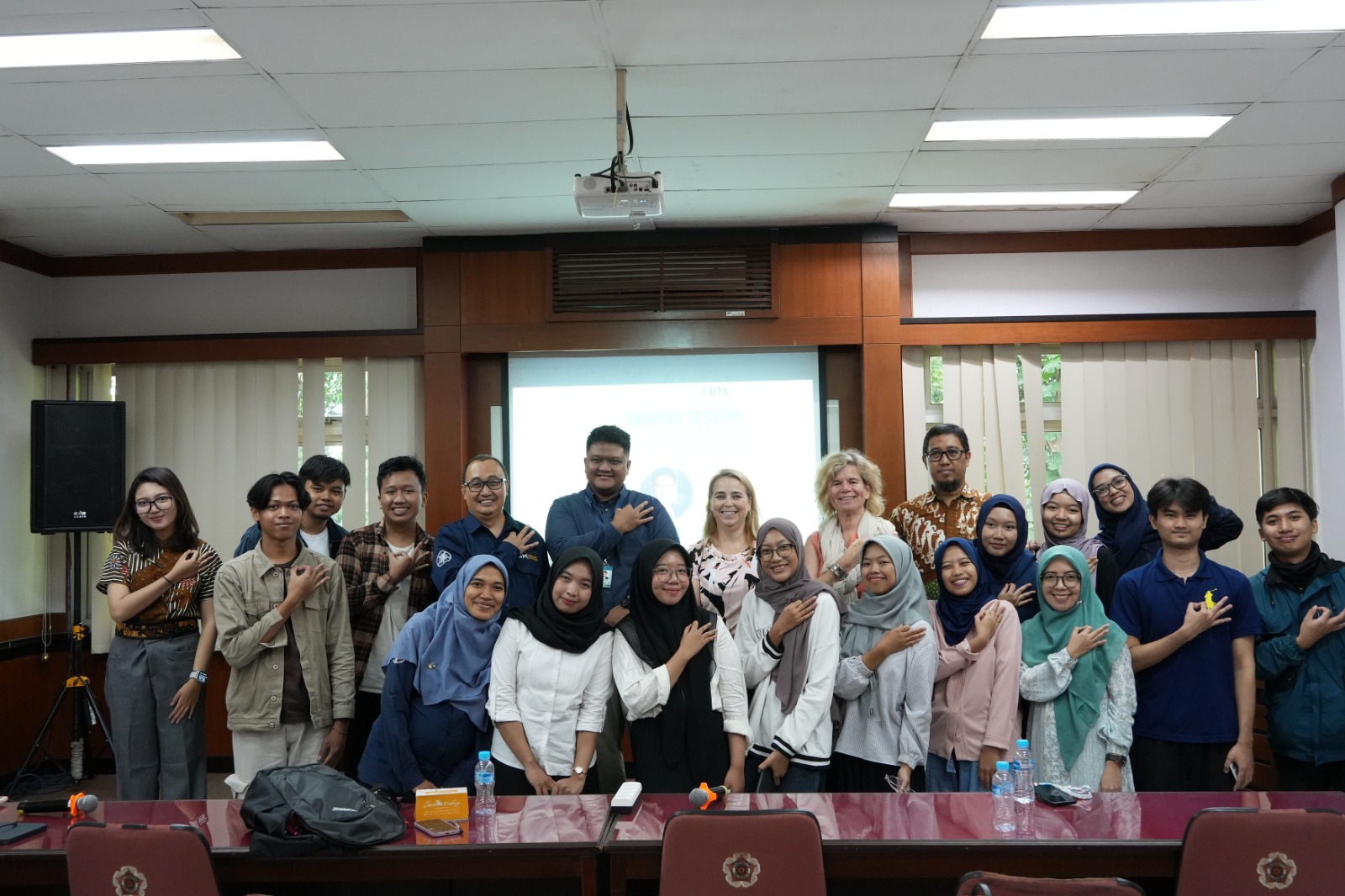
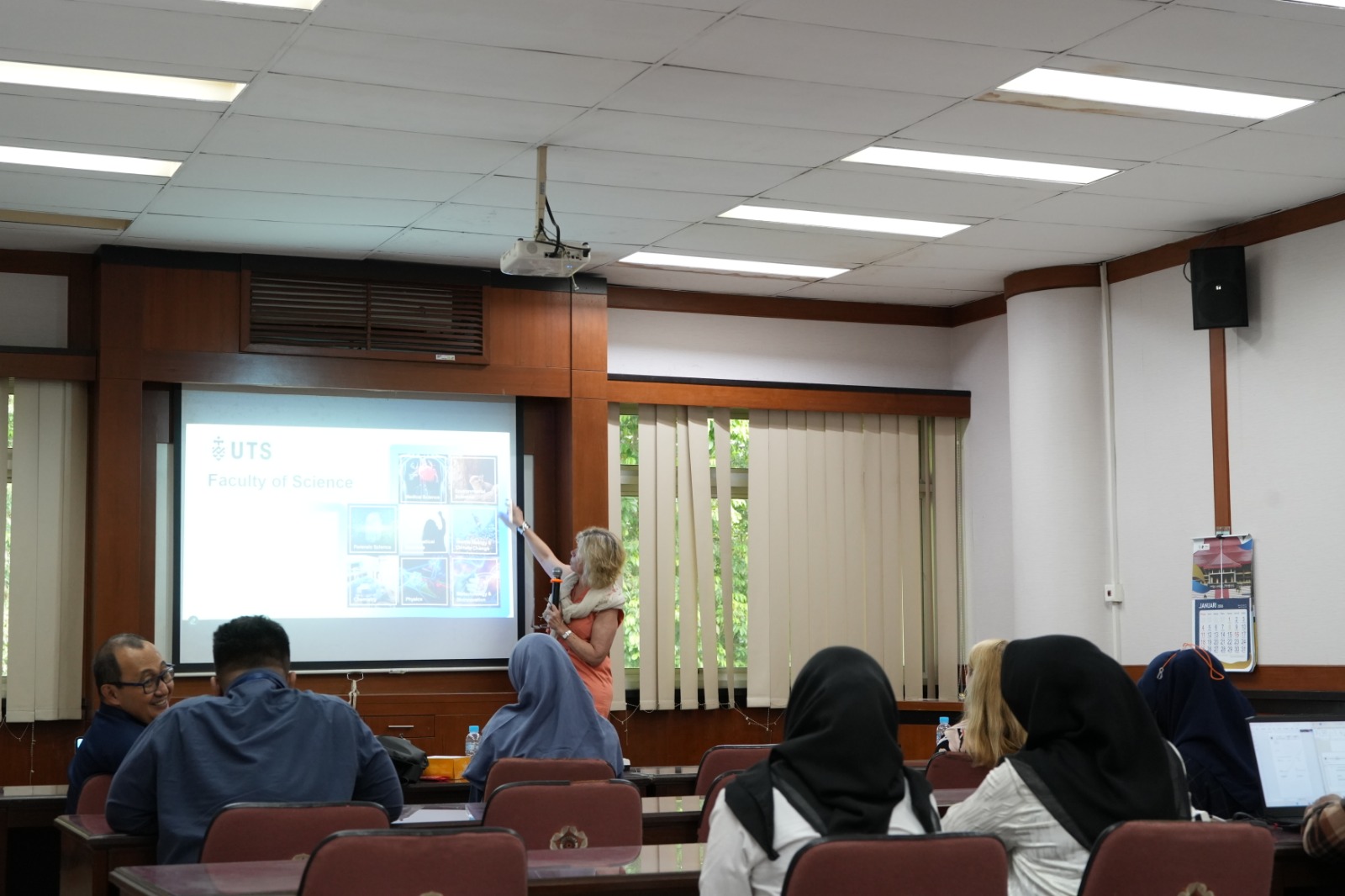
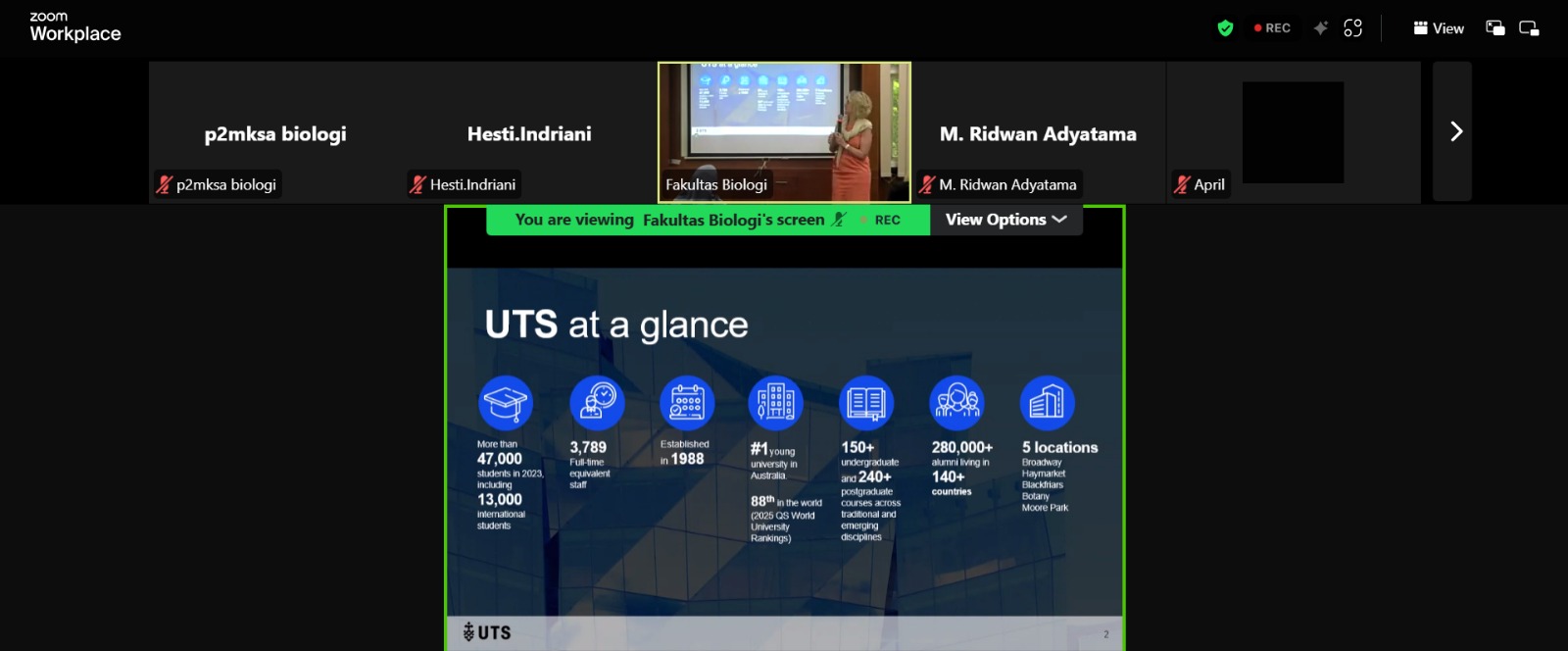
Yogyakarta, 21 January 2026 — The Faculty of Biology, Universitas Gadjah Mada (UGM), organized a Sharing Session on Study & Research in Australia: University of Technology Sydney–UGM Collaborative Opportunities on Wednesday (21/1). The event was conducted online and hosted at the Upper Meeting Room of the Faculty of Biology UGM, with participants consisting of lecturers and students from the Faculty of Biology as well as other faculties within UGM.


The session was officially opened by Prof. Dr. Eko Agus Suyono, M.App.Sc., Vice Dean for Research, Community Service, Collaboration, and Alumni of the Faculty of Biology UGM. In his opening remarks, he highlighted that the collaboration between UGM and the University of Technology Sydney (UTS) has been established for several years, encompassing research collaboration and academic cooperation such as international summer course funded by New Colombo Plan and double degree programs. He expressed his hope that this session would serve as a valuable opportunity for students to explore international academic and research pathways.

The main session was moderated by Matin Nuhamunada, Ph.D., a lecturer at the Faculty of Biology UGM. The sharing session featured two distinguished speakers from the University of Technology Sydney: Prof. Alaina Ammit, Associate Dean (Research), Faculty of Science, UTS, and Prof. Penny Martens, Pro Vice-Chancellor (Higher Degrees by Research), UTS.

In her presentation, Prof. Alaina Ammit introduced the University of Technology Sydney and its research facilities, with particular emphasis on the Faculty of Science. This was followed by a presentation from Prof. Penny Martens, who outlined academic programs, research collaboration opportunities, and scholarship schemes, including funding opportunities through the Indonesia Endowment Fund for Education (LPDP). Both speakers also introduced the expertise of UTS lecturers and researchers, highlighting potential areas for collaboration with UGM students and academics.

Through this sharing session, it is expected that the collaboration between UGM and UTS will be further strengthened, not only in the fields of education and research but also in the development of globally competitive human resources. This initiative supports the achievement of the Sustainable Development Goals (SDGs), particularly SDG 4 (Quality Education) by expanding access to high-quality international education, SDG 9 (Industry, Innovation, and Infrastructure) through strengthened research and innovation, and SDG 17 (Partnerships for the Goals) by fostering sustainable global partnerships.

Faculty of Biology UGM Strengthens Quality Education through Academic and Student Affairs Workshop

News Release Friday, 9 January 2026

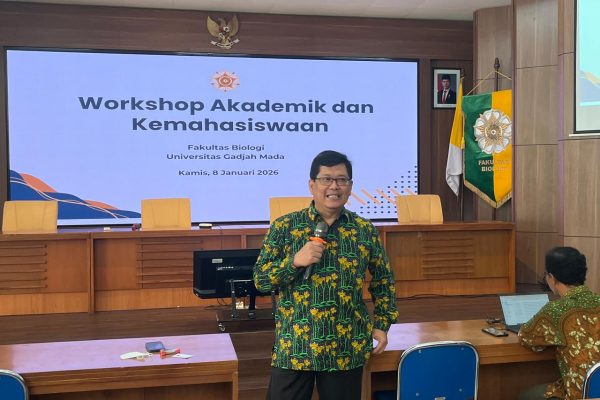
Yogyakarta, 8 January 2026 — The Faculty of Biology, Universitas Gadjah Mada (UGM), held the Academic and Student Affairs Workshop 2026 at the Tropical Biology Auditorium, KPTU Building, 1st Floor. The workshop was attended by all academic staff of the Faculty of Biology UGM as part of continuous efforts to strengthen the quality of higher education in alignment with the Sustainable Development Goals (SDGs).


The workshop was officially opened by the Dean of the Faculty of Biology UGM, Prof. Dr. Budi Setiadi Daryono, M.Agr.Sc., who emphasized the importance of academic synergy in curriculum renewal, quality assurance, and the development of adaptive, inclusive, and sustainable learning systems. These efforts reflect the Faculty’s commitment to SDG 4 (Quality Education) through the provision of high-quality and relevant higher education.

In the main session, the Vice Dean for Academic and Student Affairs, Prof. Dr. Bambang Retnoaji, S.Si., M.Sc., presented the 2025 Academic and Student Affairs Key Performance Targets, focusing on the enhancement of learning outcomes, the strengthening of programme recognition, and the expansion of access to higher education. These initiatives contribute to SDG 4 and support innovation in academic governance in line with SDG 9 (Industry, Innovation, and Infrastructure).

The workshop also featured a refreshing session on the Outcome-Based Assessment Information System (SIOBA) delivered by Zuliyati Rohmah, S.Si., M.Si., Ph.D.Eng., aimed at reinforcing the implementation of Outcome-Based Education (OBE). The OBE approach supports accountability, transparency, and continuous quality improvement in higher education, further advancing the Faculty’s contribution to SDG 4.

Subsequently, the workshop focused on monitoring, evaluation, and preparation for the upcoming semester across all academic levels. The undergraduate programme was presented by Sukirno, S.Si., M.Sc., Ph.D., followed by the master’s programme by Prof. Dr. Diah Rachmawati, S.Si., M.Sc., the professional programme by Prof. Dra. Tuty Arisuryanti, M.Sc., Ph.D., and the doctoral programme by Prof. Rina Sri Kasiamdari, S.Si., Ph.D. This cross-level academic discussion reflects strengthened internal collaboration and supports SDG 17 (Partnerships for the Goals).

Through this workshop, the Faculty of Biology UGM reaffirms its commitment to continuous academic improvement and to making meaningful contributions to the achievement of SDG 4 (Quality Education), SDG 9 (Industry, Innovation, and Infrastructure), and SDG 17 (Partnerships for the Goals) at both national and global levels.

Faculty of Biology UGM Explores Collaboration Opportunities with the Indonesian Quarantine Agency

News Release Thursday, 8 January 2026

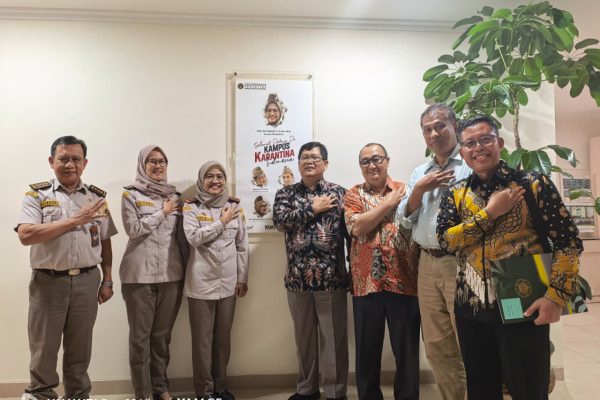
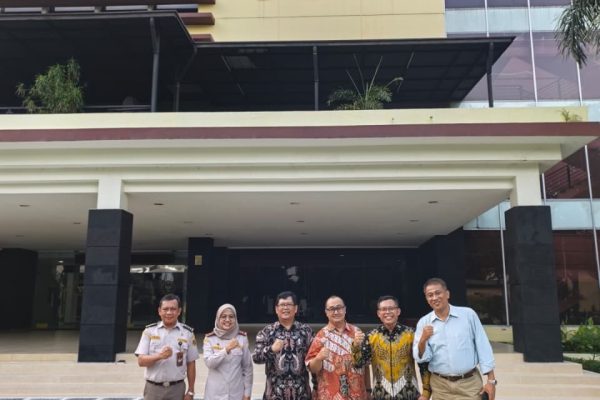
Yogyakarta, 6 January 2026 — The Faculty of Biology, Universitas Gadjah Mada (UGM), conducted an official visit to the Indonesian Quarantine Agency (Badan Karantina Indonesia) as part of efforts to strengthen institutional synergy in supporting the protection of national biodiversity. The visit served as a strategic forum to discuss the alignment of the Faculty of Biology UGM’s academic programs with the duties and functions of the Indonesian Quarantine Agency.


The UGM delegation was led by Prof. Dr. Budi Setiadi Daryono, Dean of the Faculty of Biology, accompanied by Dr. Eko Agus Suyono, M.App.Sc., Vice Dean for Research, Community Service, Cooperation, and Alumni, and Dr. Slamet Widiyanto, M.Sc., Vice Dean for Finance, Assets, and Human Resources of the Faculty of Biology UGM.

The visit was received by Dian Seri Rezeki Kusumastuti, S.Hut., M.Si., Head of the Center for Human Resource Development for Animal, Fish, and Plant Quarantine; Yokanan, S.Pi., M.Si., Deputy for Fish Quarantine; as well as drh. Esmiralda Eka Fitri, M.Si., Functional Officer of Veterinary Quarantine at the Indonesian Quarantine Agency.

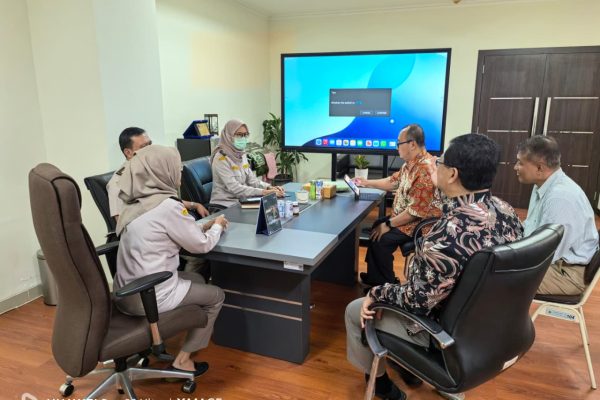
During the meeting, discussions focused on several flagship academic programs of the Faculty of Biology UGM that are highly relevant to the mandate and operational needs of the Indonesian Quarantine Agency, particularly the Professional Program for Biodiversity Curators (PKKH), as well as the Master’s and Doctoral Programs. These programs were recognized for their strong potential in supporting human resource capacity building and strengthening the scientific foundation of quarantine activities.

The meeting also highlighted opportunities for collaboration in genomic analysis through the Integrated Genome Factory (IGF) facility at the Faculty of Biology UGM. The utilization of IGF is expected to support quarantine operations, particularly in organism identification, early detection of invasive species, and science- and technology-based protection of national biodiversity.

Through this exploratory collaboration, the Faculty of Biology UGM and the Indonesian Quarantine Agency reaffirm their commitment to strengthening sustainable partnerships. This initiative aligns with the achievement of the Sustainable Development Goals (SDGs), particularly SDG 4 (Quality Education), SDG 9 (Industry, Innovation, and Infrastructure), SDG 15 (Life on Land), and SDG 17 (Partnerships for the Goals).

Academic Workshop 2025: Strengthening Academic Governance, Learning Innovation, and Research Commercialization

News Release Thursday, 11 December 2025

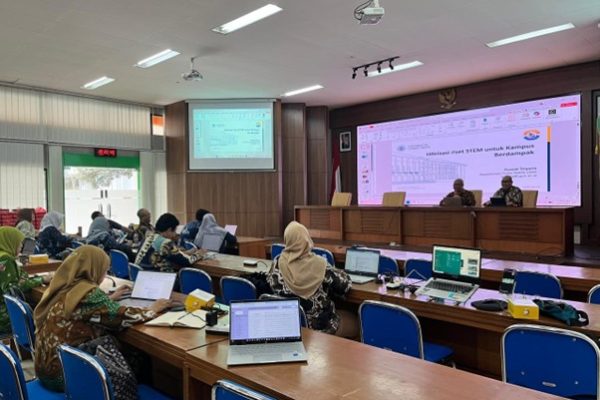
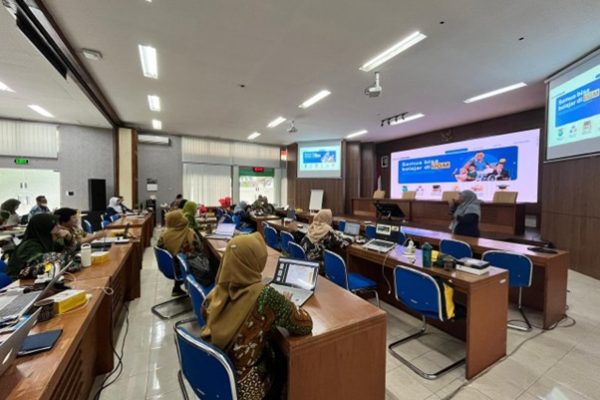
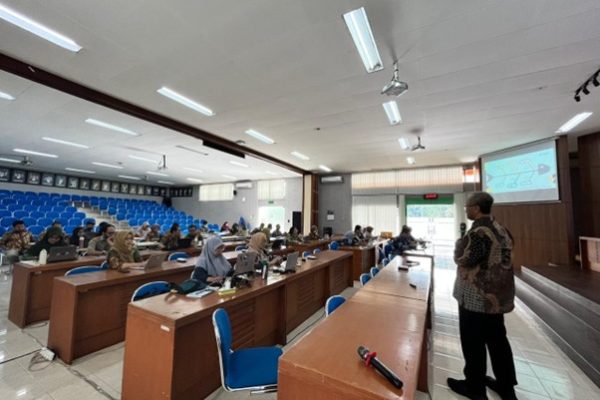
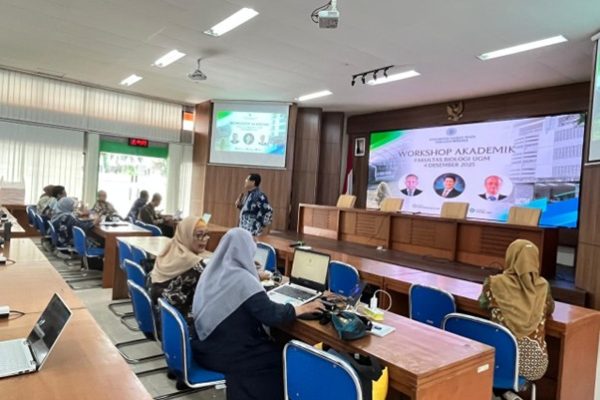
Yogyakarta, 4 December 2025 , The Faculty of Biology, Universitas Gadjah Mada (UGM), organized the Academic Workshop 2025, at the Tropical Biology Auditorium, Faculty of Biology UGM. The workshop served as a strategic platform to strengthen academic governance, enhance the quality of teaching and learning, and promote research commercialization in line with societal needs and the Sustainable Development Goals (SDGs)


The workshop was officially opened by the Dean of the Faculty of Biology UGM, Prof. Dr. Budi Setiadi Daryono, M.Agr.Sc., who highlighted the importance of a shared institutional commitment to maintaining high-quality academic services and fostering learning innovations that address both national and global challenges

The agenda continued with a presentation by the Vice Dean for Academic Affairs and Student Affairs, Prof. Dr. Bambang Retnoaji, M.Sc., who presented updates on academic regulations covering curriculum development, learning evaluation mechanisms, and academic service standards. These updates aim to strengthen a transparent, inclusive, and quality-oriented academic culture

The next session was delivered by Zuliyati Rohmah, S.Si., M.Si., Ph.D.Eng., who presented the implementation of Massive Open Online Courses (MOOCs) and Outcome-Based Education (OBE). The session also addressed the systematic revision and standardization of course modules, course syllabi (RPS), and course portfolios for the Study Programme of Bachelor in Biology, Study Programme of Master in Biology, Professional Study Program in Biodiversity Curation, and Study Program of Doctor in Biological Sciences. These efforts aim to ensure alignment between learning outcomes, teaching and learning activities, and assessment methods, while supporting equitable access to quality education (SDG 4)

The workshop concluded with a sharing session by Prof. Dr. Eng. Kuwat Triyana, M.Si., Dean of the Faculty of Mathematics and Natural Sciences (FMIPA) UGM. He emphasized the strategic importance of research commercialization in STEM disciplines and the role of interdisciplinary collaboration in generating innovations with sustainable economic, social, and environmental impact (SDG 9 and SDG 17)

Overall, the Academic Workshop 2025 provided valuable insights into the academic development priorities of the Faculty of Biology UGM, strengthened the institution’s contribution to the SDGs, and reaffirmed a collective commitment to delivering biological education that is excellent, innovative, and globally competitive

Faculty of Biology UGM and Australian National University Extend Double Degree Collaboration and Explore New Strategic Partnership Opportunities

CooperationNews Release Tuesday, 2 December 2025

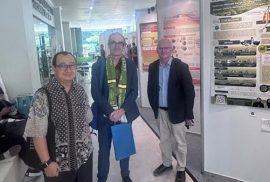
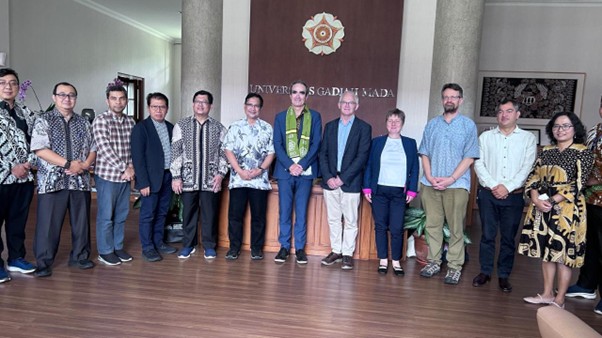
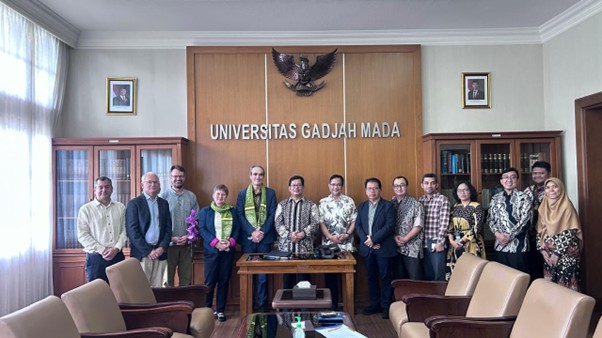
Yogyakarta, 28 November 2025 — Universitas Gadjah Mada (UGM) welcomed a delegation from the Australian National University (ANU), Australia, to discuss the extension of the undergraduate Double Degree program with the Faculty of Biology and explore broader prospects for strategic collaboration with the university. The meeting took place in the Meeting Room of the Rector’s Office at UGM. The ANU delegation was led by Professor Kiaran Kirk, Dean of the College of Science and Medicine, accompanied by Professor Stephen Eggins, Dean of the College of Systems and Society; Professor Maja Adamska, Associate Director of Education at the College of Science and Medicine, Research School of Biology; Associate Professor Jeremy Smith from the College of Systems & Society, School of Engineering; and Leonardo Alfonzo, Regional Manager for International Relations and Partnerships – STEMM.


From UGM, the meeting was attended by Prof. Dr. Puji Astuti, S.Si., M.Sc., Apt., Director of Partnerships, Alumni, and International Affairs of UGM, accompanied by Tyas Iksan Hikmawan, Ph.D., Head of the Office of International Affairs (KUI) UGM. Also present were Prof. Dr. Budi Setiadi Daryono, M.Agr.Sc., Dean of the Faculty of Biology; Dr. Eko Agus Suyono, M.App.Sc., Vice Dean for Research, Community Service, Collaboration, and Alumni; Nur Indah Septriani, Ph.D., Head of the International Affairs Office of the Faculty of Biology; and Matin Nuhamunada, Ph.D., Secretary of the Biology International Affairs Office. In addition, the meeting was attended by Prof. dr. Yodi Mahendradhata, M.Sc., Ph.D., FRSPH, Dean of the Faculty of Medicine, Public Health, and Nursing; Prof. Dr.-Ing. Ir. Agus Maryono, IPM, ASEAN Eng., Dean of the Vocational College; and Prof. Ir. Ali Awaludin, S.T., M.Eng., Ph.D., IPU, ACPE, Vice Dean for Research, Community Service, and Collaboration of the Faculty of Engineering.

Opening the discussion, Prof. Puji Astuti expressed her warm welcome and appreciation for the longstanding partnership between UGM and ANU, highlighting the strong foundation of collaboration that has been built over the years. The meeting continued with discussions on strengthening and expanding the partnership through initiatives such as the Enhancing Quality Education for International University Impacts and Recognition (EQUITY WCU) program, the New Colombo Plan, and academic collaboration schemes with potential support from the Indonesia Endowment Fund for Education (LPDP).

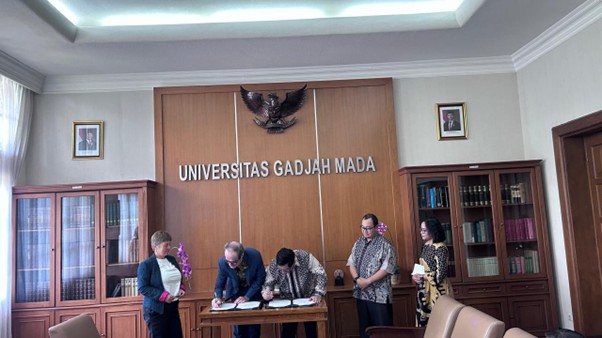
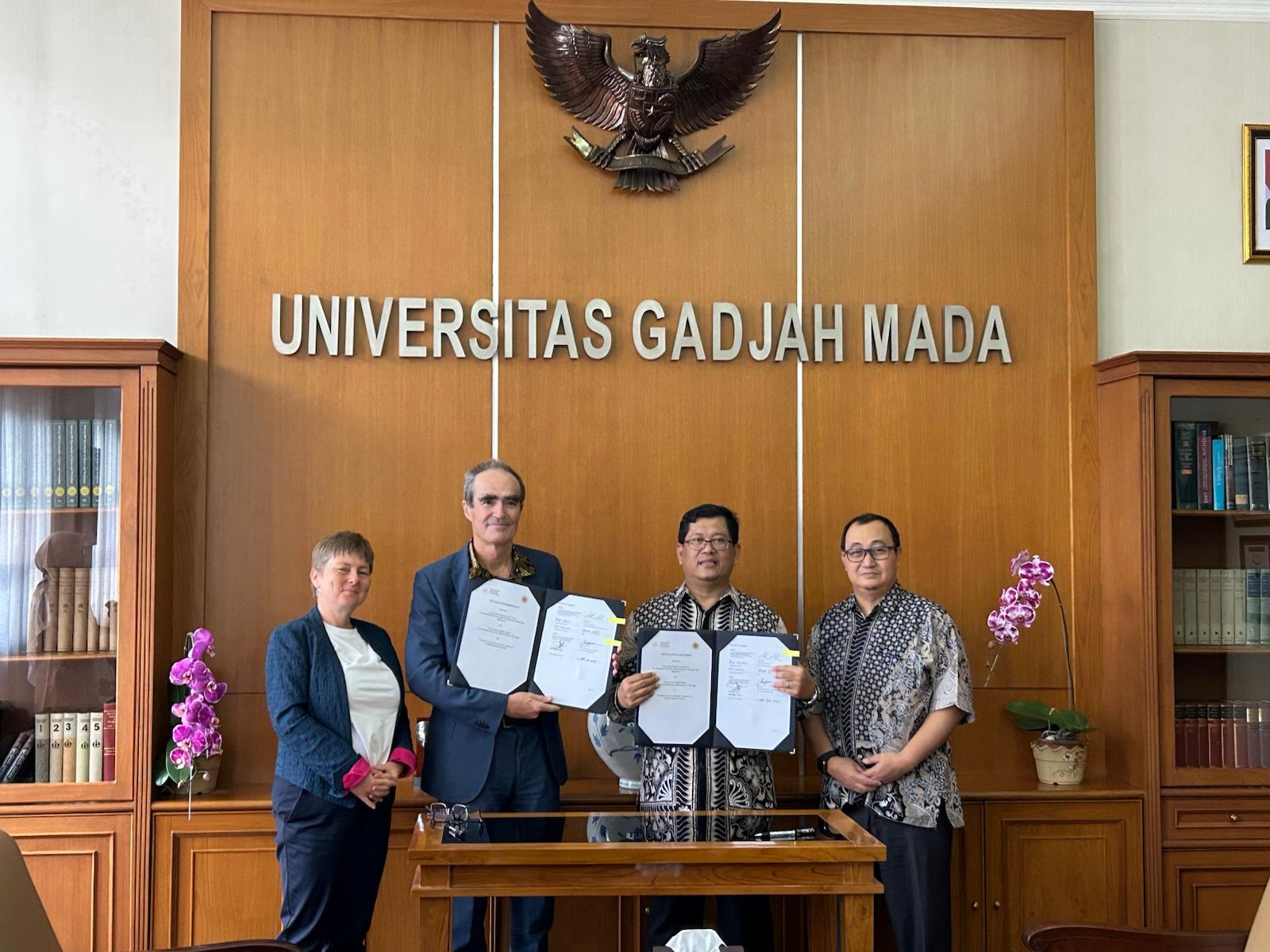
A major highlight of the meeting was the signing of the extension of the Double Degree Undergraduate Program between the Faculty of Biology UGM and the College of Science and Medicine ANU. The collaboration, which has been running since 2018, has been reaffirmed following the graduation of the program’s first two participants, Vanessa and Sabut, who successfully completed their studies at both UGM and ANU in 2025. On this occasion, Prof. Budi emphasized that the continuation of this program represents a strategic opportunity for UGM to broaden global academic exposure for students while enhancing their competencies through high-quality international learning experiences.

Beyond the undergraduate collaboration, discussions also explored the potential for multidisciplinary research partnerships involving the Faculty of Biology, the Faculty of Medicine, Public Health, and Nursing, the Faculty of Engineering, and the Vocational College. Both institutions exchanged ideas on potential research topics that could be developed collaboratively, including biology, public health, systems engineering, and technological innovations supporting sustainable development.

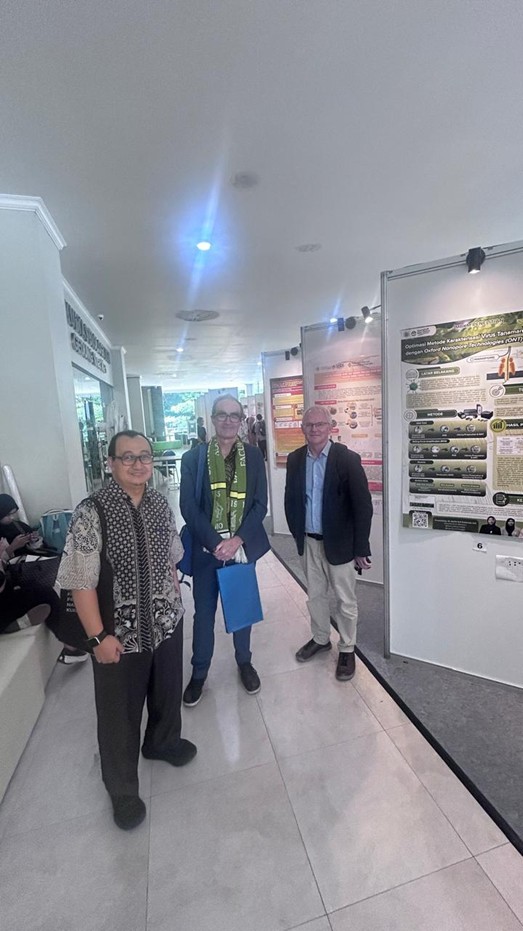
The agenda proceeded with a Faculty Tour to the Faculty of Biology UGM, specifically to the ongoing Research Day activities. The ANU delegation was introduced to various research initiatives, academic activities, and established collaborations within the faculty.

Concluding the visit, UGM and ANU expressed their shared hope that the strengthened partnership will not only advance academic excellence but also generate real contributions to society through alignment with the Sustainable Development Goals (SDGs). The collaboration supports SDG 4 on quality education through international mobility and capacity building, SDG 9 on innovation and impactful research, and SDG 17 on strengthening global partnerships. Moving forward, both institutions expect this cooperation to evolve into a model of international academic partnership that drives innovation, enhances human resource capacity, and reinforces the essential role of higher education institutions in addressing global challenges.

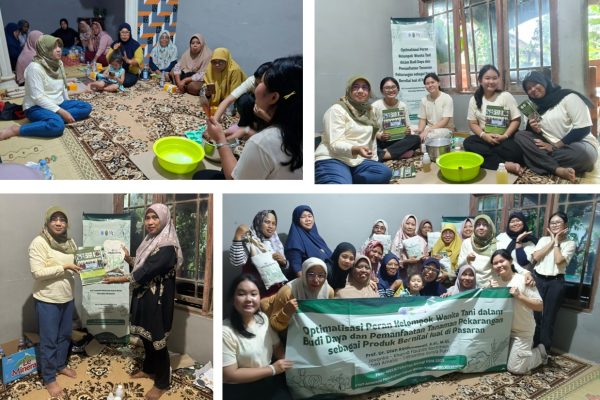
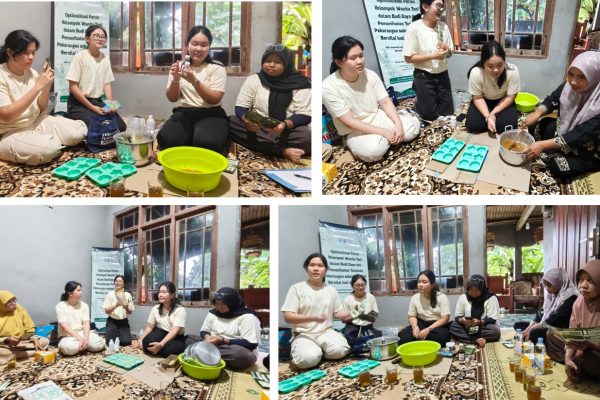
Herbal Soap-Making Practice and Training on Packaging and Marketing of Home-Garden Processed Products

Community ServiceNews Release Thursday, 20 November 2025

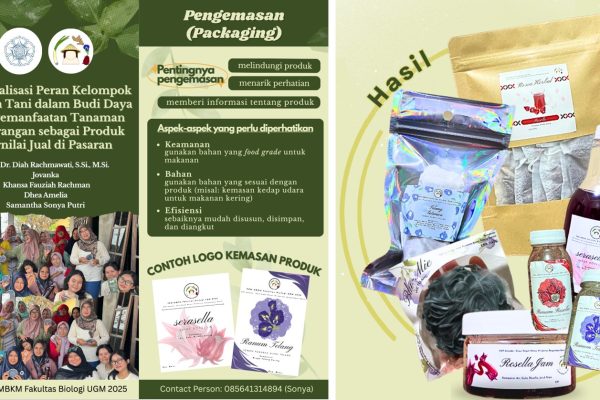
The 2025 PkM-MBKM Team, led by Prof. Dr. Diah Rachmawati, S.Si., M.Si. with members Jovanka, Khansa Fauziah Rachman, Samantha Sonya Putri, and Dhea Amelia, conducted a practical workshop on herbal soap production as well as product packaging and marketing for the Women Farmers Group (KWT) Amanda on Sunday, 16 November 2025, in Padukuhan Kepuh Wetan, Wirokerten Village, Banguntapan Subdistrict, Bantul Regency, Special Region of Yogyakarta. During the program, members of KWT Amanda received hands-on guidance on utilizing home-garden commodities into marketable products. The training focused on two main topics: the practice of herbal soap making and the packaging and marketing of processed products made from butterfly pea, roselle, ginger, and lemongrass. Packaging and marketing strategies are essential aspects of increasing the added value of a product, especially for home-based business groups such as KWT. Proper packaging not only functions to protect the product but also serves as a medium for information, brand identity, and visual appeal that influences consumer purchasing decisions. Meanwhile, appropriate marketing strategies whether through direct selling or the use of digital platforms can broaden market reach, improve the competitiveness of local products, and support small-scale entrepreneurs in building sustainable economic growth.


The activity began with an explanation of the herbal soap-making process, starting from the introduction of safe natural ingredients, composition comparisons, mixing techniques, and the soap molding stage. Members of KWT Amanda were also informed about the function of each ingredient, potential variations in shape and scent, as well as product safety standards to ensure consistent production. After the presentation, participants engaged in hands-on soap-making practice under the guidance of the team. The next session focused on packaging and marketing strategies for processed products made from butterfly pea, roselle, ginger, and lemongrass. The team delivered materials on basic principles of packaging design, the importance of product identity (branding), and how to create attractive and informative labels. In addition, KWT members received training on marketing local products through various channels, both direct selling and digital platforms, to strengthen the competitiveness of the products they produce.

Members of KWT actively participate in practicing making herbal soap and discussing how to independently market herbal products. Their active participation indicates that the skills provided were relevant and applicable to the development of household-scale businesses. This program is expected to enhance the utilization of home-garden resources, strengthen food resilience and independence (SDG 2), promote the use of natural and health-supporting materials (SDG 3), create opportunities for small-scale enterprises based on local potential (SDG 9), and reinforce partnerships between universities and communities (SDG 17).
123…13

Accreditation

Recent Posts

  • Sakura Science Program 2026: Strengthening Molecular Biology Skills through Intensive Laboratory Training at Yamagata University
  • BIOENTRI 2026: Open House dan Pengenalan Topik Riset Fakultas Biologi UGM Sparks Strong Academic Interest
  • Sakura Science Program 2026: 18 Members of UGM Faculty of Biology Participate in Academic Program at Yamagata University, Japan
  • An Educational Field Trip on Histology and Animal Anatomy for SMPIT Muhammadiyah An Najah Klaten Students at the Faculty of Biology, UGM
  • Faculty of Biology UGM Strengthens International Collaboration through Strategic Visit to Bard University, Egypt
Universitas Gadjah Mada

UNIVERSITAS GADJAH MADA

FACULTY OF BIOLOGY
Teknika Selatan Street, Sekip Utara,
Yogyakarta 55281
biologi-ugm@ugm.ac.id
Phone/Fax: +62 (274) 580839

About us

  • History
  • Organization
  • Vision and Mission
  • Staff

Student Affairs

  • Student Service
  • Student Organization
  • Submission for Practical Field Work
  • Permission Field Research
  • Permission Thesis/Disertation

academic

  • Academic Regulations
  • Academic Anonncement

Accreditation

  • Image 1
  • Image 2
  • Image 3

© 2024 FACULTY OF BIOLOGY UNIVERSITAS GADJAH MADA

KEBIJAKAN PRIVASI/PRIVACY POLICY

[EN] We use cookies to help our viewer get the best experience on our website. -- [ID] Kami menggunakan cookie untuk membantu pengunjung kami mendapatkan pengalaman terbaik di situs web kami.I Agree / Saya Setuju