Nuclear Energy Research Organization – BRIN
Tuesday, July 29, 2025 | Auditorium Building 720, BJ Habibie Science and Technology Area, BRIN Serpong


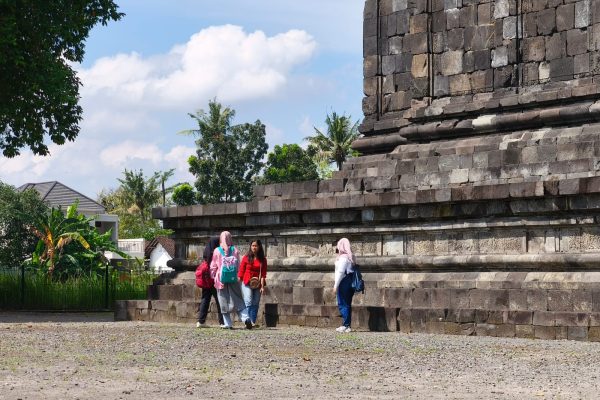
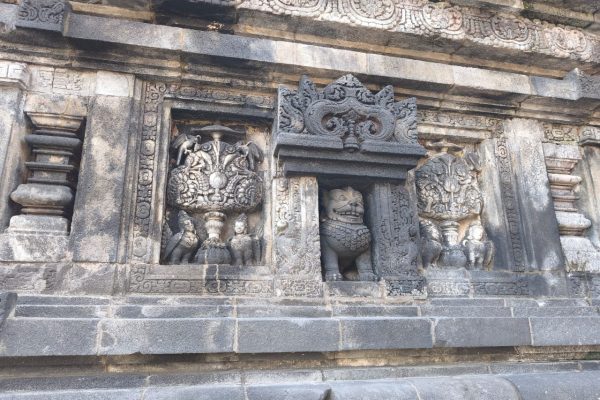
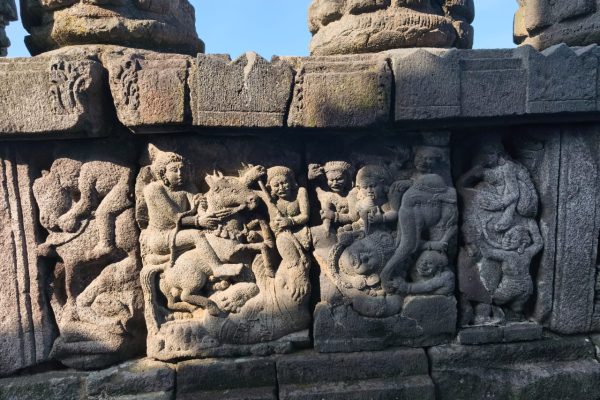
birds on the stone made us wonder, are they all still around us today? This motivates us to be more concerned about wildlife preservation,” she said.

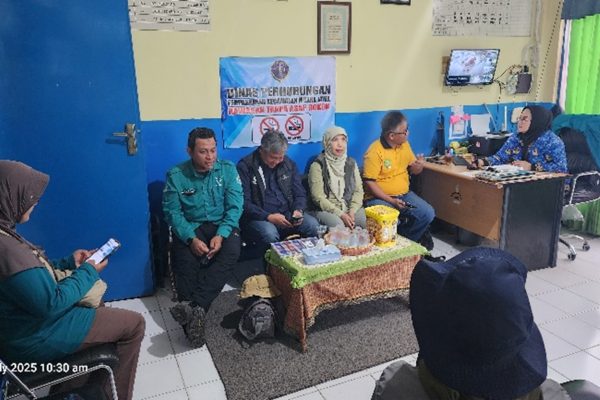
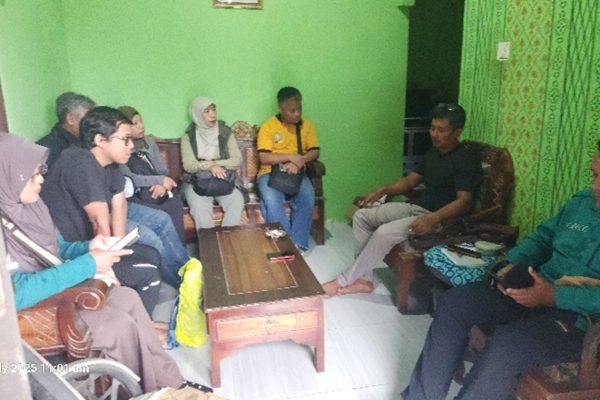
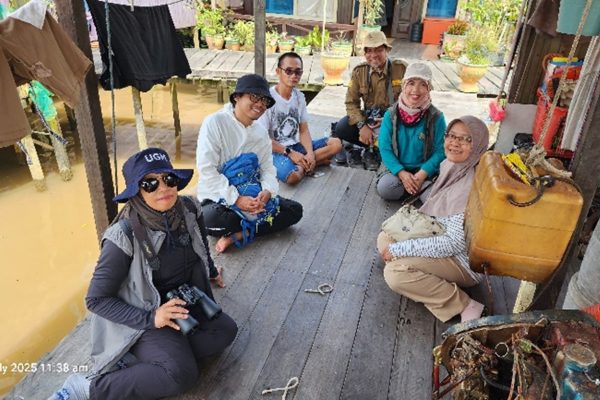
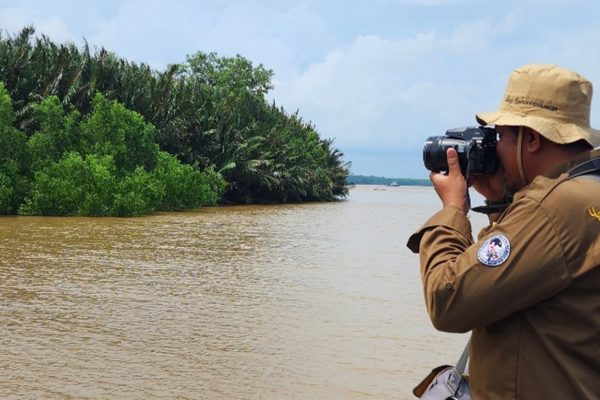
Sustainable Development Goals points:
11: Sustainable Cities and Communities
12: Responsible Consumption and Production
13: Climate Action
14: Live Below Water
15: Live on Land
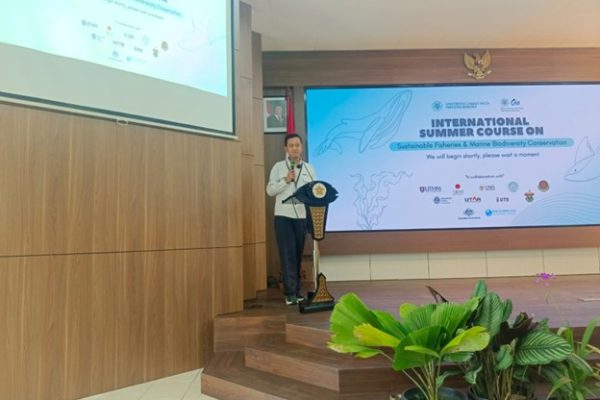
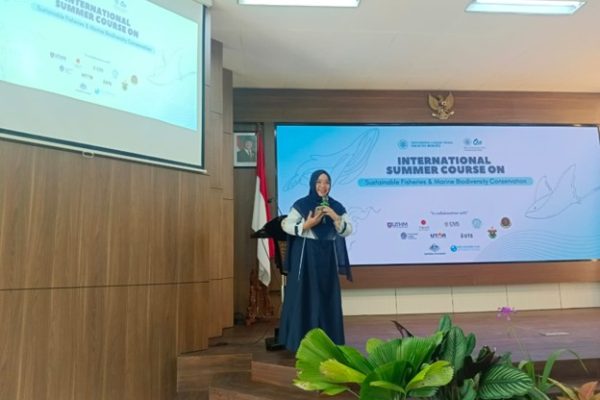
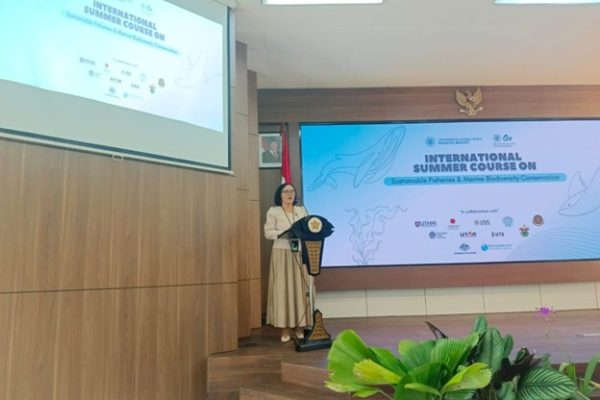
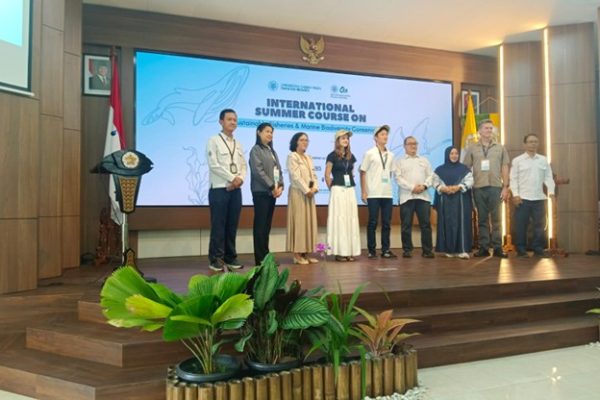
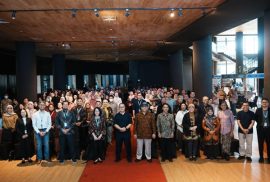
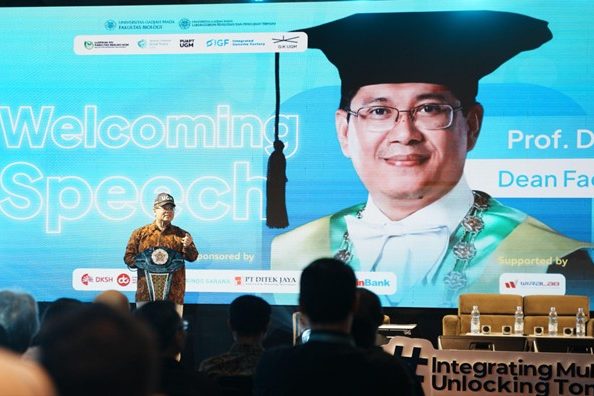
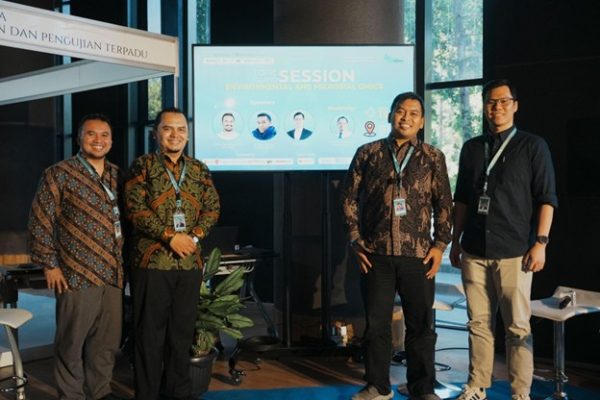
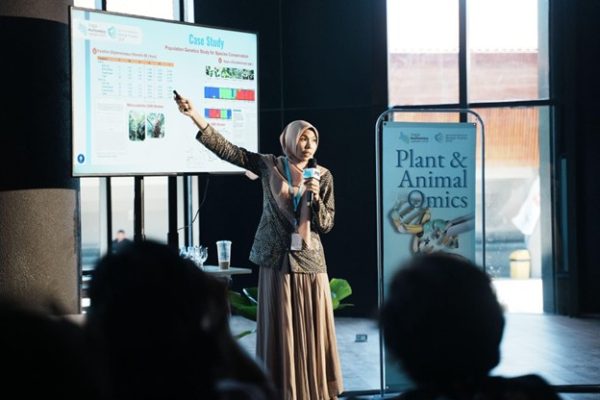
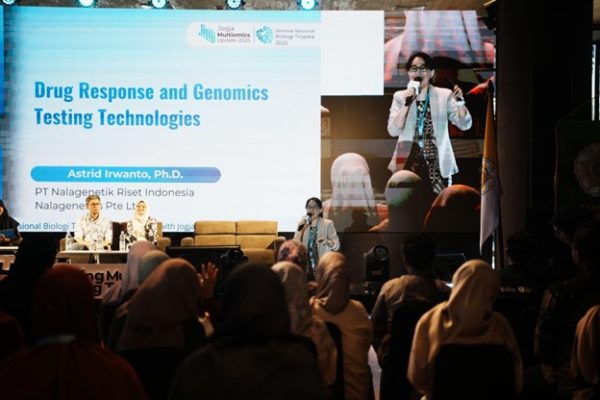
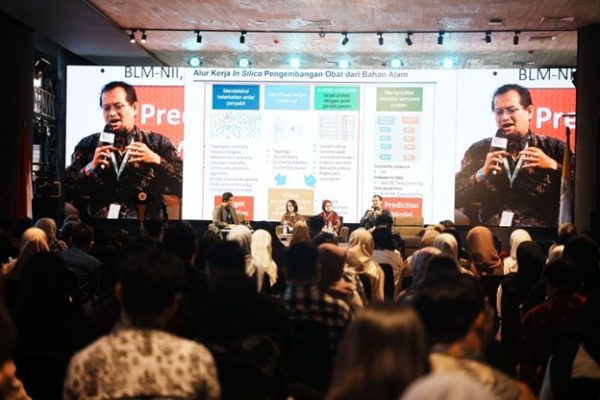
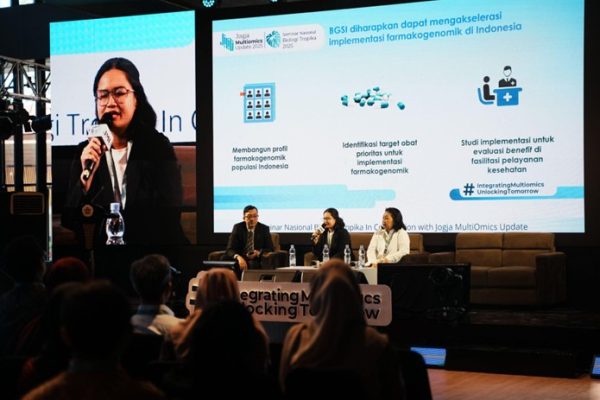
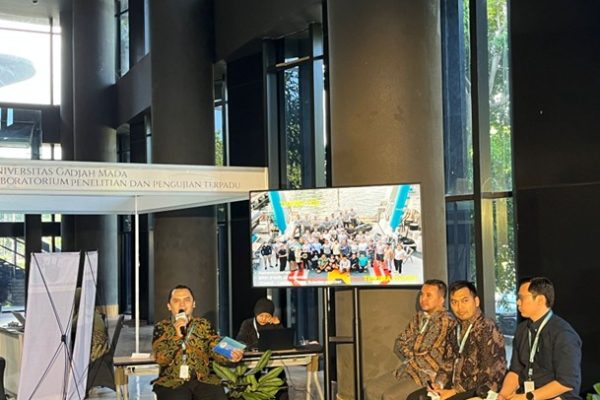
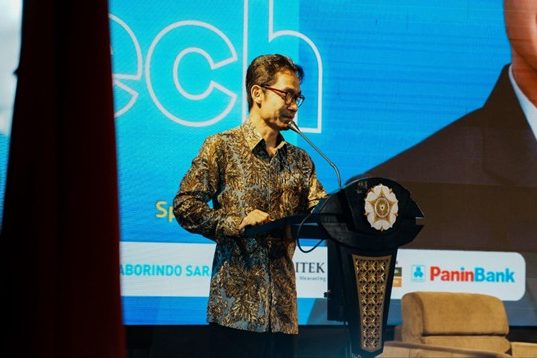
#GenomicInnovation #SDGsIndonesia #TropicalScience #UGMForTheNation #Bioinformatics #GenomicsForSustainability #UGMGlobalImpact #ScienceForLife #SDGs3 #SDGs4 #SDGs9 #SDGs13
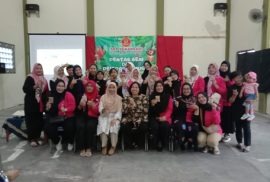
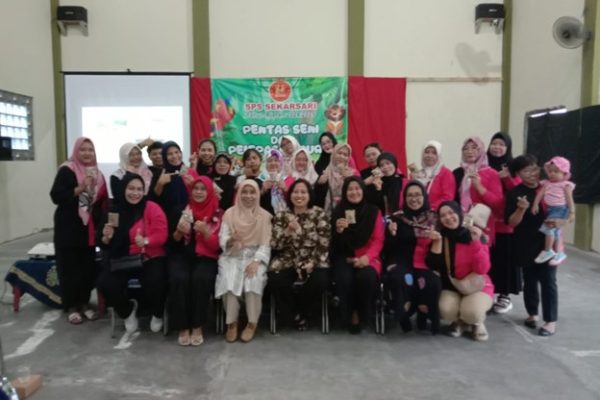
The Community Service program of the UGM Faculty of Biology was held again on Friday, July 18, 2025, at the Balai Dusun Belimbing Sari in Caturtunggal Village, Depok, Sleman. Under the banner “Mosquito Vector Control through Biological Approaches and the Use of Essential Oils,” the event welcomed 35 enthusiastic local PKK members to participate in a series of engaging lectures and hands‑on sessions.
The Desa Mitra Caturtunggal teaching team included Dr. Dra. Rr. Upiek Ngesti W.A., B.Sc., DAP&E, M.Biomed (Animal Systematics Laboratory); Woro Anindito Sri Tunjung, S.Si., M.Sc., Ph.D (Biochemistry Laboratory); Nur Indah Septiani, S.Si., M.Sc., Ph.D (Animal Structure & Development Laboratory); and Sari Darmasiwi, S.Si., M.Biotech., Ph.D (Microbiology Laboratory).
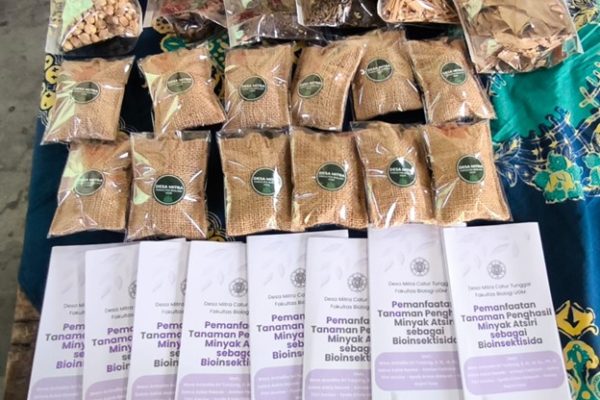
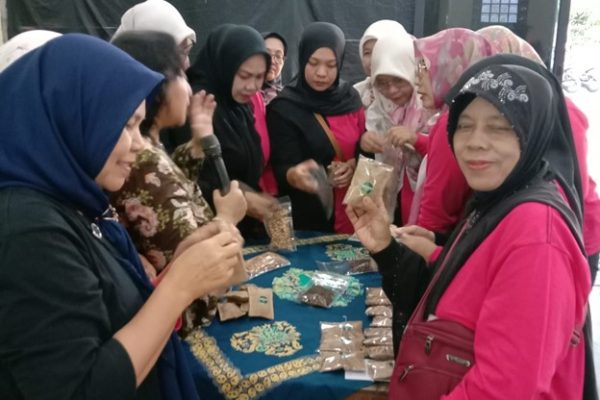
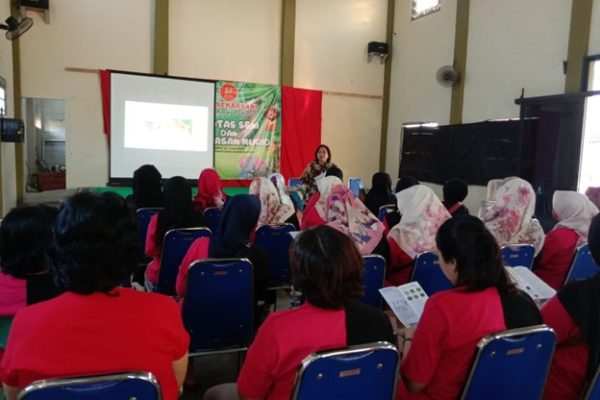
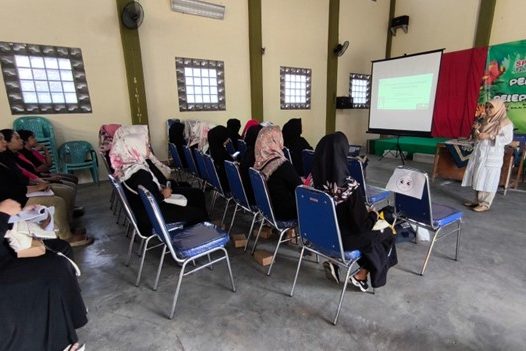
Dr. Dra. Rr. Upiek Ngesti W.A. opened the program with an in‑depth overview of mosquito species and the dangerous vector‑borne diseases they transmit—such as dengue fever and malaria—along with their habitat and life cycle. She detailed biological control strategies using fish and other predators, physical measures via the “3M” method (emptying, covering, burying), and preventive chemical fogging. Her comprehensive presentation gave participants a clear understanding of the need to integrate multiple control methods.
The second session, led by Woro Anindito Sri Tunjung, S.Si., M.Sc., Ph.D., dove into the use of essential oils as natural mosquito repellents. In a style both lighthearted and informative, Dr. Woro defined what essential oils are, introduced various plant sources—such as lemongrass, kaffir lime, and basil—and outlined two practical approaches: planting repellent species in home gardens and crafting natural room fresheners. Participants were keen to follow her simple distillation steps and discuss how to apply them at home.
The highlight of the day was the hands‑on workshop, where attendees created aromatic sachets from dried ingredients—clove buds and stems, star anise, and lemongrass—packaged in rustic burlap bags. These sachets proved easy to make, cost‑effective, and both decorative and functional as mosquito deterrents. Light conversation and sharing of tips on preserving the scent for longer added warmth and camaraderie to the event.
Through this activity, the Faculty of Biology UGM puts into practice its Tri Dharma of Higher Education, particularly community service, while also supporting the Sustainable Development Goals: SDG 3 (Good Health and Well‑being), SDG 11 (Sustainable Cities and Communities), and SDG 17 (Partnerships for the Goals). It is hoped that the knowledge and skills gained will foster sustainable mosquito control efforts in Dusun Belimbing Sari and strengthen the community’s environmental health.
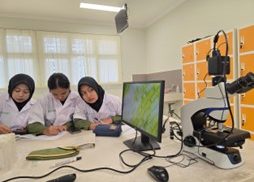
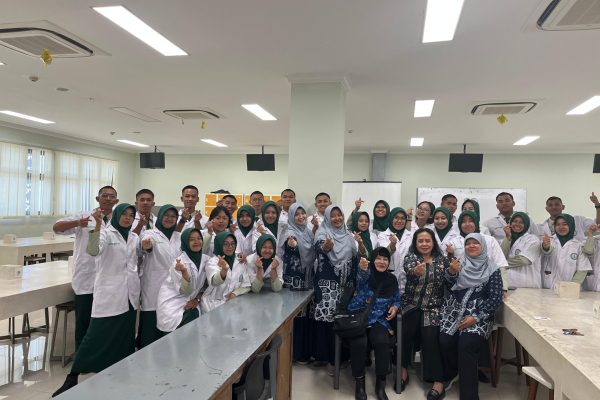
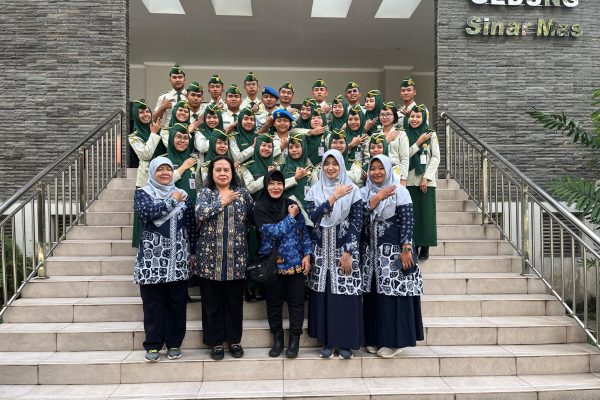
The Faculty of Biology, Universitas Gadjah Mada, through the Laboratory of Plant Structure and Development, organized a Plant Anatomy Training for students from the Politeknik Pembangunan Pertanian (Polbangtan) Yogyakarta-Magelang. This activity was held over four days, from Monday to Thursday, July 14–17, 2025, from 08:00 to 11:00 WIB each day. A total of 120 students participated in the training, with 30 students attending per day to maintain optimal interaction and quality of practical sessions.
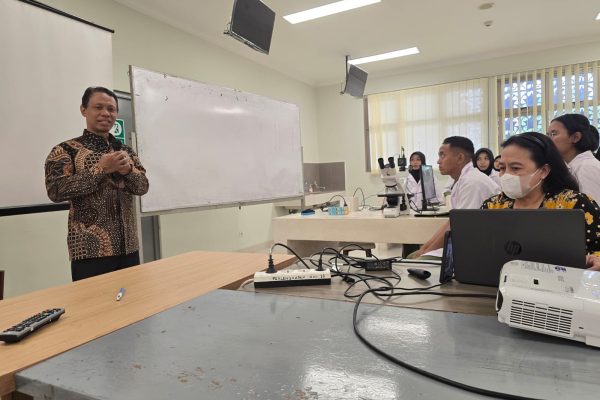
The training activity was welcomed and officially opened by the Head of the Department of Tropical Biology, Faculty of Biology UGM, Mr. Abdul Razaq Chasani, S.Si., M.Si., Ph.D., and the Head of the Laboratory of Plant Structure and Development, Mrs. Dr. Dra. Maryani, M.Sc. From Polbangtan, the students were accompanied by supervising lecturers, Mrs. Asih Farmia, SP., M.Agr.Sc., and Mrs. Sevi Melati, SP., M.Sc. In their remarks, the academic leaders emphasized the importance of mastering plant anatomy as a fundamental basis for understanding various physiological processes critical to sustainable agricultural development. The event also served as a tangible example of academic synergy and partnership between higher education institutions in supporting the improvement of learning quality.
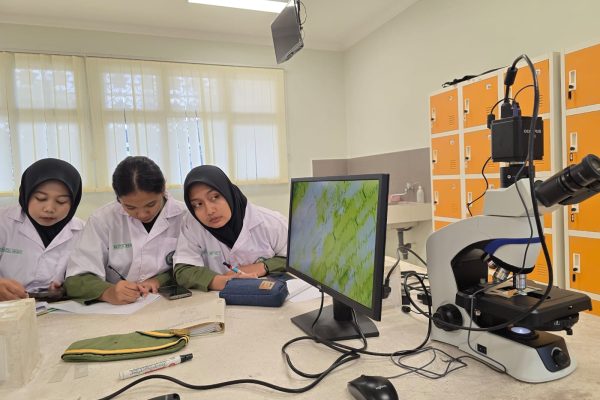
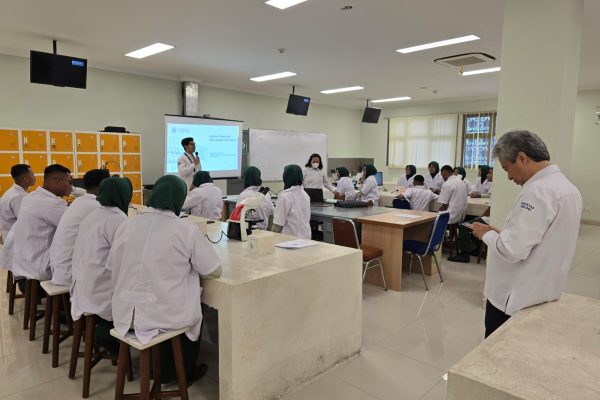
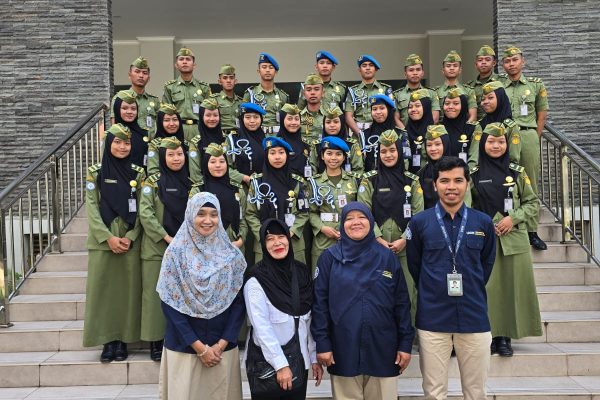
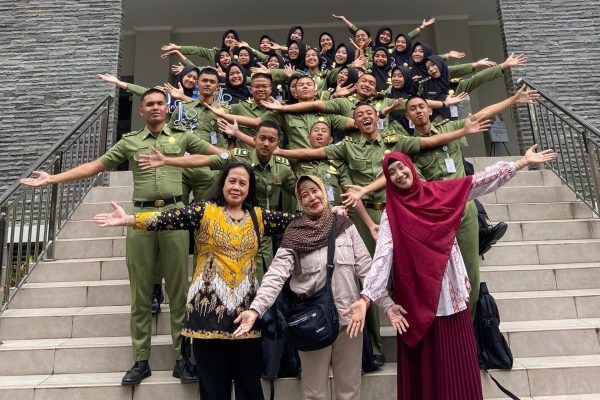
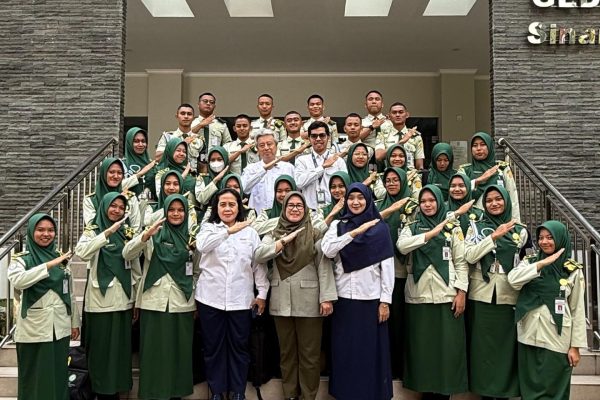
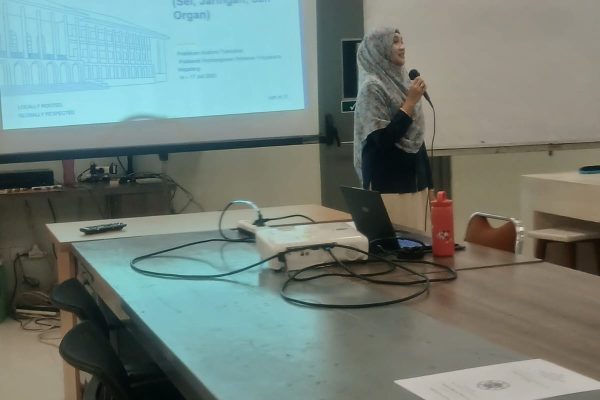
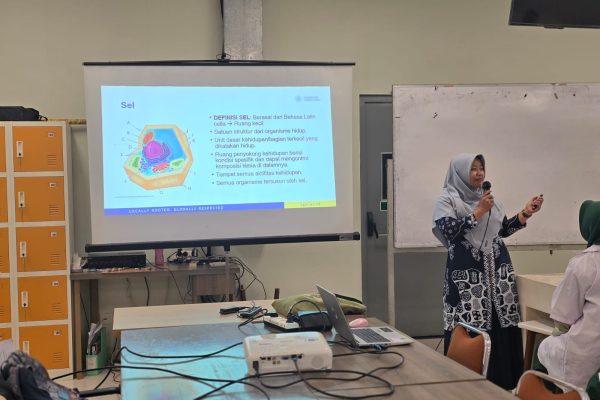
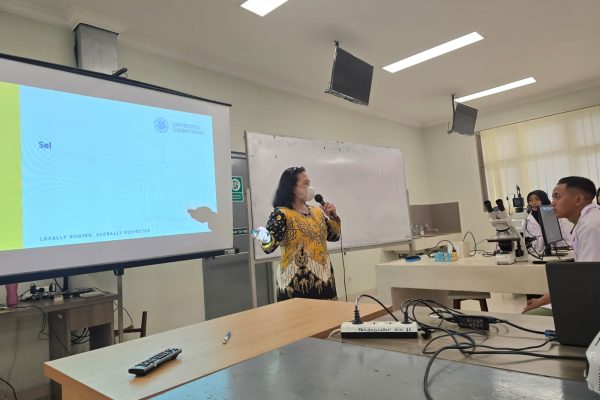
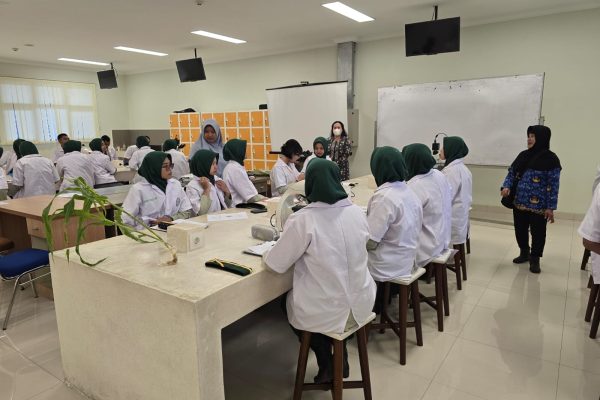
This training aims to support the ongoing Plant Physiology course at Polbangtan by emphasizing practical understanding of cell and tissue structures, particularly vascular bundles and tissues related to photosynthesis in plant organs. Students gain hands-on experience in plant anatomy laboratory practices, including the preparation and observation of anatomical slides of leaf epidermis, transverse sections of leaves, stems, and roots of Zea mays L., as well as the epidermis and transverse sections of the bulb of Allium cepa. The activities are guided by lecturers from the Laboratory of Plant Structure and Development, namely Prof. L. Hartanto Nugroho, M.Agr., Dr. Dra. Maryani, M.Sc., Dr. Utaminingsih, S.Si., M.Sc., Dr. Wiko Arif Wibowo, S.Si., and Novita Yustinadiar, S.Si., M.Si. The preparation of equipment and materials was fully supported by laboratory technicians, Mrs. Prapti and Mrs. Via Erti Asdiantika, A.Md., ensuring the implementation of the activities.
Throughout the training, the students showed great enthusiasm and actively participated in discussions, asking and answering questions posed by the practicum assistants. This interactive learning environment created an enjoyable educational experience and deepened the student’s understanding of fundamental plant anatomy concepts essential in the field of agriculture.
This training activity represents a concrete form of community service conducted by the Faculty of Biology UGM and supports the achievement of the Sustainable Development Goals (SDGs). Through this program, the Faculty contributes to SDG 4 by providing quality education through hands-on learning that enhances student competencies. Moreover, the collaboration between institutions promotes SDG 17 on partnerships for the goals. The focus on fundamental plant sciences as a foundation for agriculture also aligns with SDG 2, which targets ending hunger through improved agricultural capacity. Furthermore, in-depth understanding of plant structure and function supports efforts to preserve biodiversity and manage terrestrial ecosystems sustainably, in line with SDG 15.
Through this activity, it is expected that students will gain a stronger grasp of the vital roles of plant structures in physiological processes that support sustainable agriculture, and be able to apply their knowledge in modern agricultural practices in the future.