[Aulia]
News Release Friday, 15 November 2024


[Aulia]
News ReleaseStudent Activities Thursday, 14 November 2024


[Written by the Research Day Committee]
News Release Thursday, 14 November 2024


(Written by: Ananda Briliana Romadhona, Irfan Agus Nugroho, Laila Nurul Ilma)
News Release Thursday, 14 November 2024


CooperationNews Release Thursday, 14 November 2024


News Release Thursday, 14 November 2024
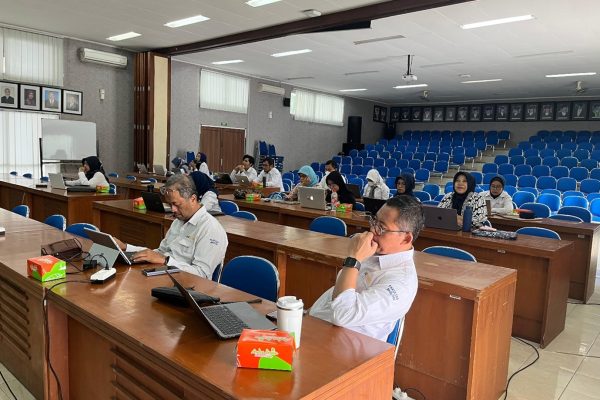
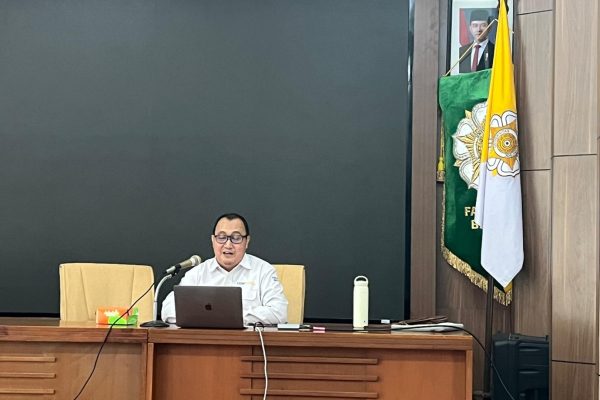
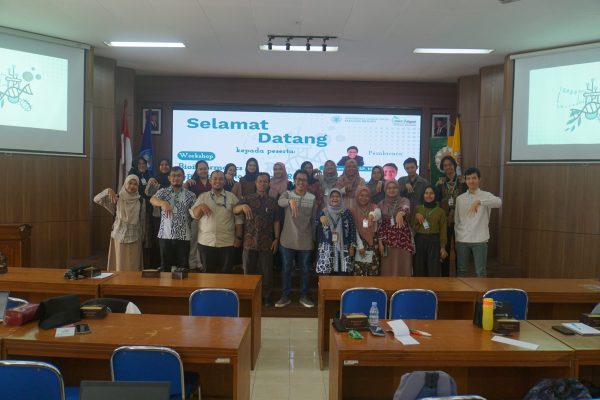
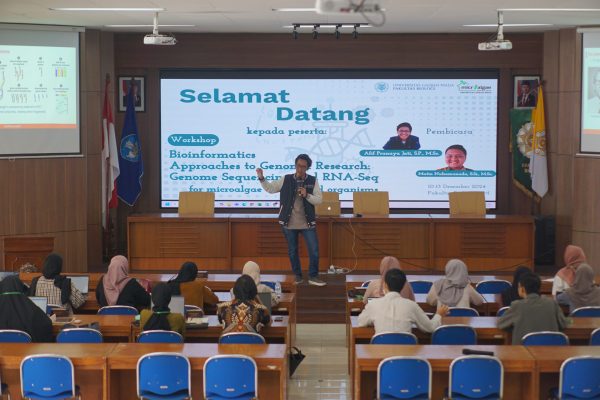
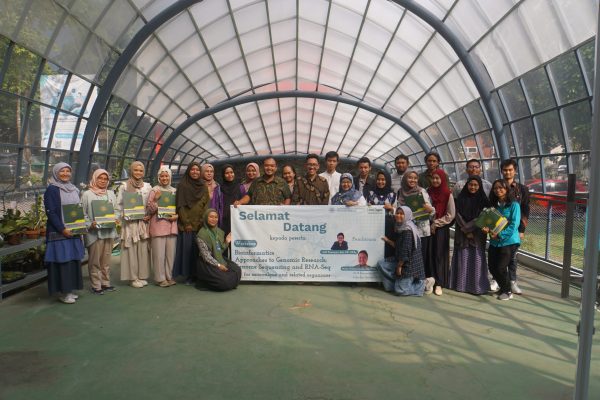
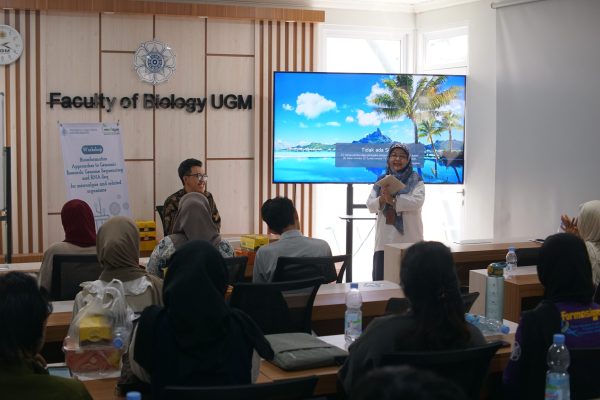
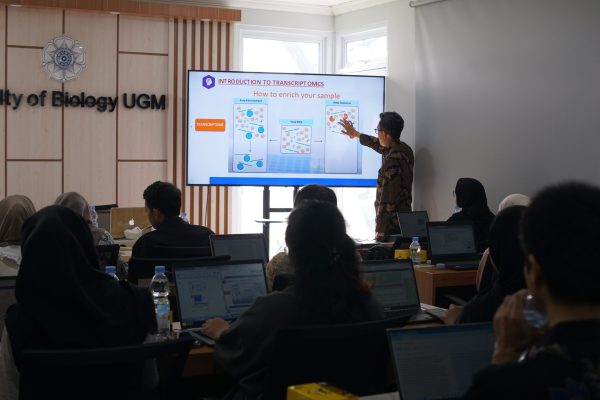
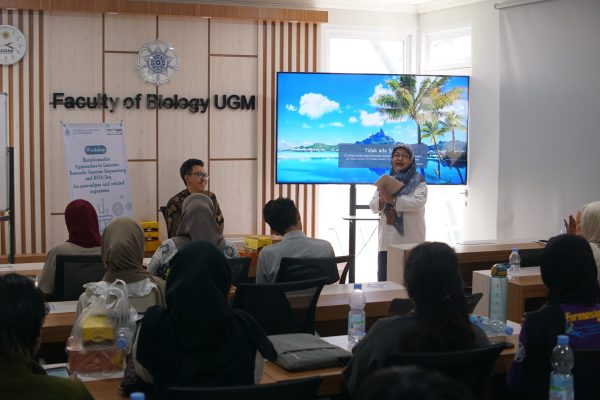
On Tuesday and Wednesday, November 12-13, 2024, a training on Cytogenetics, Molecular Genetics, and Bioinformatics titled “Sanger Sequencing & Next Generation Sequencing” was held. The event is located at the Tropical Biology Auditorium, the Genetics and Breeding Laboratory, and Teaching Laboratory Faculty of Biology UGM. This event was attended by 10 participants from various professional backgrounds, including students, researchers, doctors, and lecturers from various institutions across Indonesia. It served as a platform for participants to enhance participant’s knowledge and skills in the field of molecular biology.
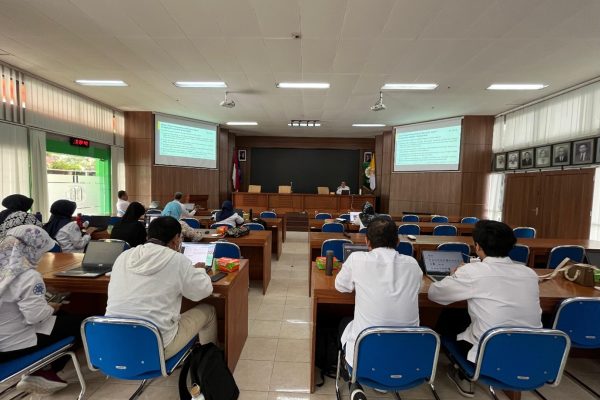


On the first day, Tuesday, November 12, 2024, the activities began with registration and an opening address by the Dean of the Faculty of Biology UGM, Prof. Dr. Budi Setiadi Daryono, M.Agr.Sc., at the Tropical Biology Auditorium Faculty of Biology UGM. This was followed by lecture on Molecular Genetics concerning Genetic Variation at the Species and Cultivar Levels by Prof. Dr. Budi Setiadi Daryono, M.Agr.Sc. Participants then took part in a practical session on DNA extraction and nanodrop, as well as PCR and electrophoresis in the Genetics and Breeding Laboratory Faculty of Biology UGM. The event then concluded with a lecture on the Analysis of Sanger Sequencing Data Results, Blasting and Alignment, GeneStudio, MEGA, GenAlex, Network, and DnaSP by Dra. Tuty Arisuryanti, M.Sc., Ph.D., followed by a closing session at the Tropical Biology Auditorium Faculty of Biology UGM.
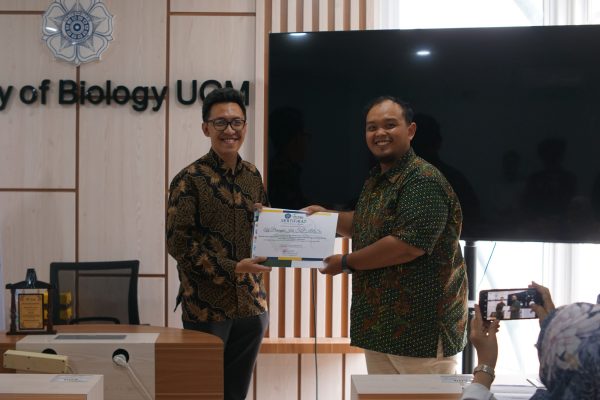
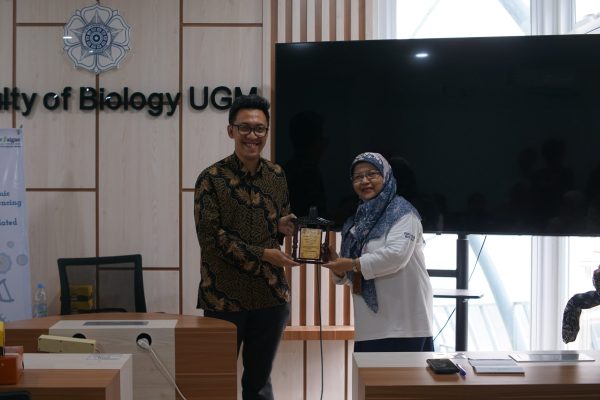
On the second day, Wednesday, November 13, 2024, the activities began with participant re-registration at the Genetics and Breeding Laboratory Faculty of Biology UGM. Participants guided on Next Generation Sequencing (NGS) data analysis and conducted phylogenetic tree practice using the Maximum Likelihood (IQTree) and Bayesian Inference (MrBayes) approaches. Later, participants joined activities within the Faculty of Biology UGM’s Research Day, including a lecture and introduction to Next Generation Sequencing (NGS) at Teaching Laboratory Faculty of Biology UGM. The workshop concluded with a certificate ceremony at the Tropical Biology Auditorium Faculty of Biology UGM.
This training aligns with Sustainable Development Goals (SDGs) by supporting Goal 4 (Quality Education), particularly in Genetics, by expanding knowledge and skills in modern genetic techniques such as Sanger Sequencing and NGS analysis. It also contributes to Goal 9 (Industry, Innovation, and Infrastructure) by fostering advancements in molecular genetics and bioinformatics research and innovation in Indonesia. Furthermore, it promotes SDG Goal 17 (Partnerships for the Goals) by encouraging stronger collaboration between participants from various institutions in Indonesia and the Faculty of Biology UGM.
News Release Thursday, 14 November 2024


News Release Wednesday, 13 November 2024


News Release Tuesday, 12 November 2024
Alif Monica Putriningsih and Mutiara Charissa Putri Nugraheni, students of the Faculty of Biology MBKM Team, Universitas Gadjah Mada (UGM), had the opportunity to participate in the ICOBIOS X OBC 2024 international conference held at Brawijaya University, Malang, on September 28-29, 2024. This prestigious event sponsored by Generasi Biologi Indonesia (INBIO-Indonesia) brings together experts from various biological disciplines to share the latest findings and discuss solutions to global challenges. With the theme “Recent Updates in Bioinformatics, Synthetic Biology, and Nanobio Science for a Better Future”, ICOBIOS 2024 presents a wide range of interesting topics on cutting-edge technology and science. From in-depth seminars to interactive workshops, the conference provides a space for participants to collaborate and broaden their horizons on the latest developments in bioinformatics, synthetic biology, and nanobiotechnology.


On this occasion, the MBKM Team from Faculty of Biology UGM presented their research which was mentored by Dr. Wahyu Aristyaning Putri from Faculty of Biology UGM and Dr. Didik Huswo Utomo from INBIO-Indonesia. This research was conducted through the exploration of various active peptides derived from snake venom as new drug candidates to overcome Multidrug Resistant (MDR) bacterial infections, especially in Escherichia coli and Staphylococcus aureus that have resistance to various antibiotics. The main objective of this study was to identify effective active peptides from snake venom as an alternative drug to overcome MDR bacterial infections. An in silico approach was applied to analyze and compare the potential of various active peptides, in order to determine the most potential peptide type. The results showed that the candidate peptides with PDB chains 1F8R_A_5, 1F8R_A_21, and A0A0H3U266_pep_1 are the most potential peptides as new drugs to overcome MDR bacterial infections, namely Escherichia coli and Staphylococcus aureus.
This discovery offers new hope for the medical world, and opens the door to the development of more effective and environmentally friendly treatments. By identifying active peptides derived from snake venom, this study has the potential to generate new drug candidates that are effective against infections caused by Escherichia coli and Staphylococcus aureus. In addition, the results from this research support the achievement of several Sustainable Development Goals (SDGs) targets, including SDG 3: Health and Wellbeing, which focuses on reducing infectious diseases, as well as SDG 17: Partnerships for Purpose, which emphasizes the importance of collaboration between academics, researchers, and practitioners in finding innovative solutions to global health challenges. Through a sustainable and research-based approach, this study has the potential to strengthen public health resilience and improve overall quality of life.
News Release Thursday, 7 November 2024