Arsip:
SDGs
Wildan Fadhilah Kurnia, a 2021 cohort student in the International Undergraduate Program (IUP) of the Faculty of Biology at Universitas Gadjah Mada (UGM), has been participating in a prestigious six-month student mobility program at James Cook University (JCU), Australia. This program is designed to offer students invaluable international experience and the opportunity to study at one of the world’s leading universities in Marine Biology.
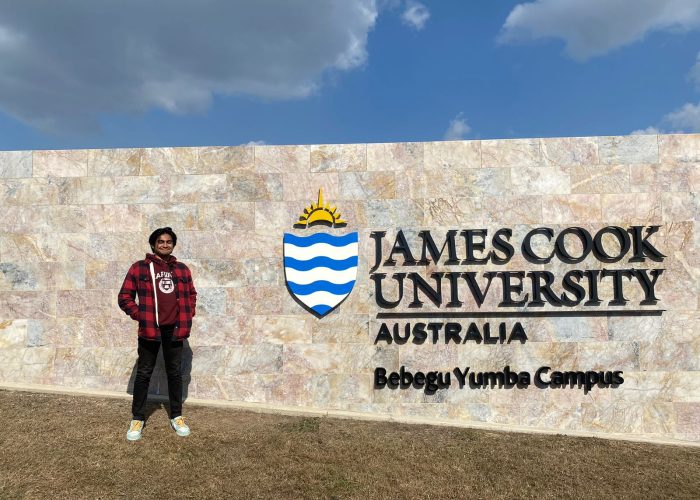
Wildan has found his experience at JCU to be exceptional. “The research conducted here is renowned globally in various fields, particularly marine biology, aquaculture, and paleontology,” he remarked. Enrolled in courses from the faculties of Marine Biology, Aquaculture, and Earth and Environmental Sciences, he is impressed by JCU’s state-of-the-art research facilities and highly interactive classes that foster critical thinking.
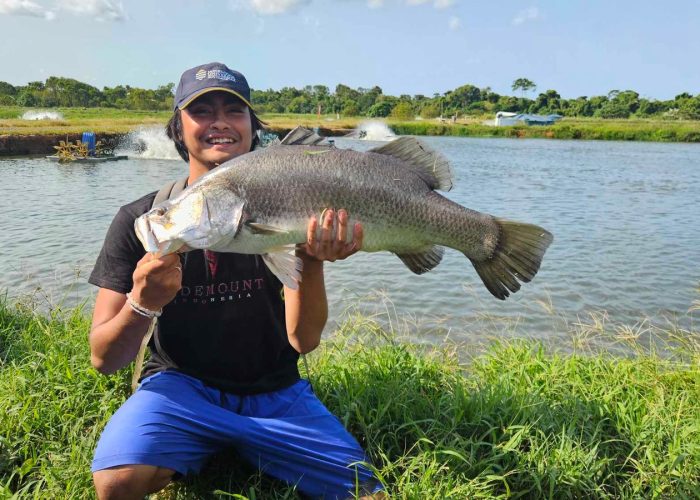
Wildan’s curriculum has provided him with direct fieldwork opportunities, allowing him to engage closely with the subject matter. He spent time at the Flinders River, searching for fossils and studying the stratigraphy of geological formations. Additionally, he visited several aquaculture facilities, gaining firsthand insights into the diverse species cultivated within the industry.
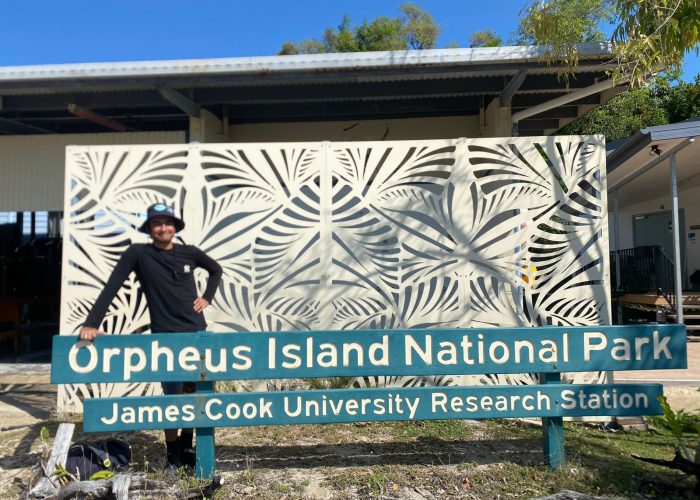
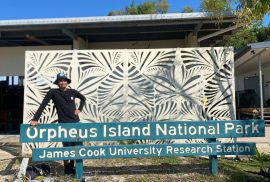
A highlight of his program was a visit to JCU’s Orpheus Island Research Station, where he participated in hands-on analysis of coral reefs surrounding the island. “Each course presents its own challenges, but I have thoroughly enjoyed my studies here and have learned so much,” Wildan said.
In addition to his coursework, Wildan is collaborating with Dr. Espen Knutsen, Senior Scientist and Curator of Paleontology at the Queensland Museum in Townsville, to further his ongoing research on fossils found in underwater caves. Wildan hopes to apply the knowledge and insights he has gained in his future endeavors. [Aulia]
Wildan Fadhilah Kurnia Embarks on Transformative Semester Abroad at James Cook University, Australia
Wildan Fadhilah Kurnia, a dedicated student from IUP batch 2021, Faculty of Biology, Universitas Gadjah Mada (UGM), has joined a prestigious six-month student mobility program at James Cook University (JCU) in Australia. This program is designed to provide students with invaluable international experience and the opportunity to study at one of the world’s leading universities in Marine Biology.
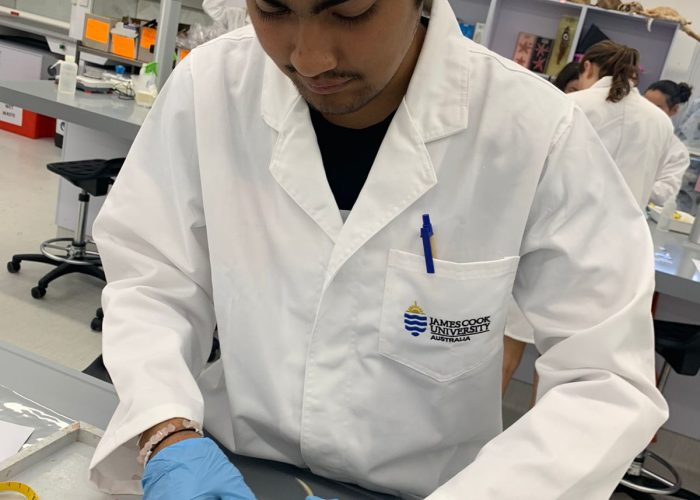
So far, Wildan has found his experience at JCU to be nothing short of exceptional. “The research conducted here is renowned globally across various fields, particularly marine biology, aquaculture, and paleontology,” he shared. Enrolled in courses from the Marine Biology, Aquaculture, and Earth and Environmental Sciences faculties, he has been impressed by JCU’s top-of-the-line research facilities and highly interactive classes that encourage critical thinking.
Wildan’s curriculum has provided him with hands-on fieldwork opportunities, allowing him to engage directly with the subject matter. He spent time at the Flinders River Formation, searching for fossils and studying the stratigraphy of geological formations. Additionally, he visited various aquaculture facilities, gaining firsthand insight into the day-to-day operations and the diverse species cultivated within the industry.
A highlight of his program has been a visit to JCU’s Orpheus Island Research Station, where he participated in real-time analysis of the coral reefs surrounding the island. “Each subject has its challenges, but I’ve thoroughly enjoyed my studies here and have learned a tremendous amount,” Wildan noted.
In addition to his coursework, Wildan is collaborating with Dr. Espen Knutsen, Senior Scientist and Curator of Paleontology at the Queensland Museum in Townsville, to further his ongoing thesis on fossils discovered in underwater caves.
Wildan’s journey exemplifies the transformative power of international education and research collaboration. He looks forward to applying his experiences and insights to his future endeavors. [Aulia]
On September 21, 2024, the Conservation Division of the Biology Orchid Study Club (BiOSC) Universitas Gadjah Mada conducted an exploration activity at Curug Siluwok. This regular activity acted as a foundational step in the conservation of native orchid species.
Curug Siluwok was selected as the exploration site due to its status as a prominent ecotourism destination in the Special Region of Yogyakarta. The prevalence of orchid species in this area is particularly susceptible to disturbances from tourist activities. The exploration involved ten active members of BiOSC and aimed to document the native orchid species in Curug Siluwok, thereby augmenting the biodiversity database of orchids in the Special Region of Yogyakarta, particularly within the Menoreh Highland.
The exploration commenced with a comprehensive briefing session in the morning to prepare participants for field activities and assign specific responsibilities. Subsequently, the team embarked on a journey to the exploration site, which took approximately one hour. Upon arrival at Curug Siluwok at 09:00, participants collected data on orchids in Curug Siluwok, including morphological characteristics, the enumeration of individual orchids encountered, geographic coordinates of each orchid’s location, and environmental parameters. The investigation resulted in the identification of 11 orchid species at the Curug Siluwok site, including Vanilla planifolia Andrews, Dendrobium crumenatum Sw., Bryobrium retusum (Blume) Ng & Cribb, Acriopsis lilifolia (Koenig) Ormerod, Rhynchostylis retusa (L.) Blume, Aerides odorata Lour., Liparis condylobulbon Rchb.f., Zeuxine clandestina Blume, Spathoglottis plicata Blume, Malaxis sp., and Thrixspermum sp. The data will contribute to the conservation records of native orchids and enhance our understanding of orchid biodiversity within the Special Region of Yogyakarta, particularly in the Menoreh Highland.
It is hoped that the regular exploratory activities will enrich the existing knowledge base concerning the distribution of various orchid species in the Menoreh Highland, specifically at Curug Siluwok, thus supporting the conservation of orchid species within the Special Region of Yogyakarta. Following this exploration, the Conservation Division will implement ongoing monitoring in the Curug Siluwok area to ensure the continued growth and sustainability of the native orchid populations.
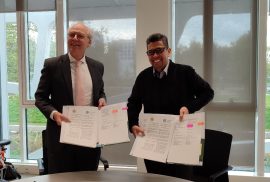
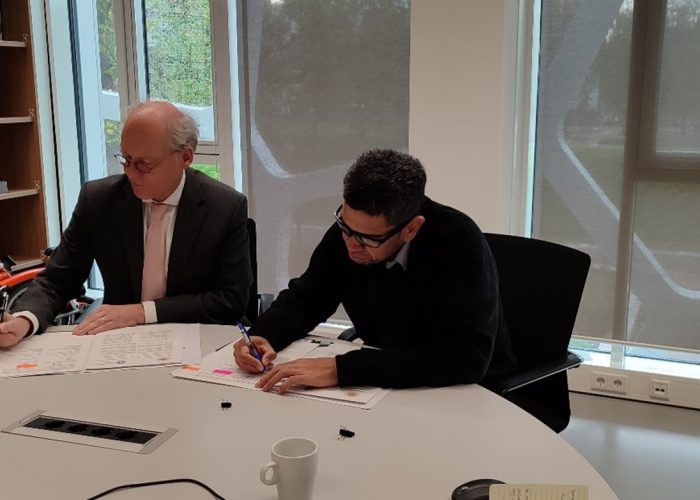
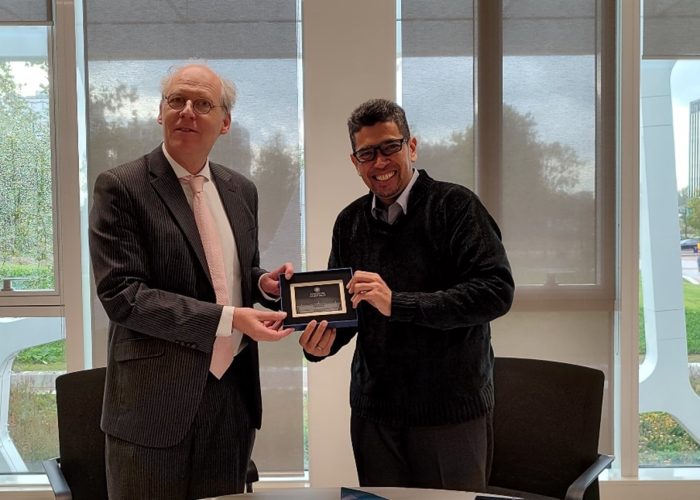
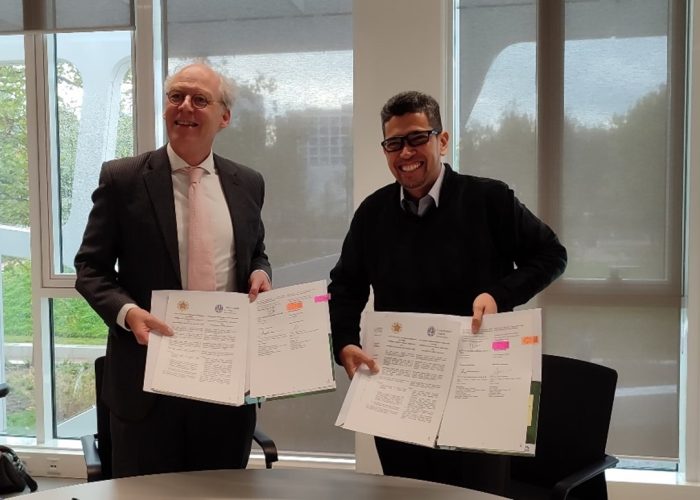
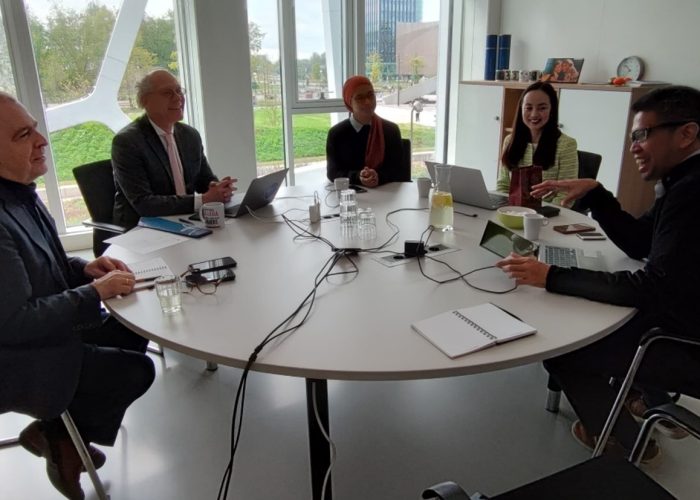
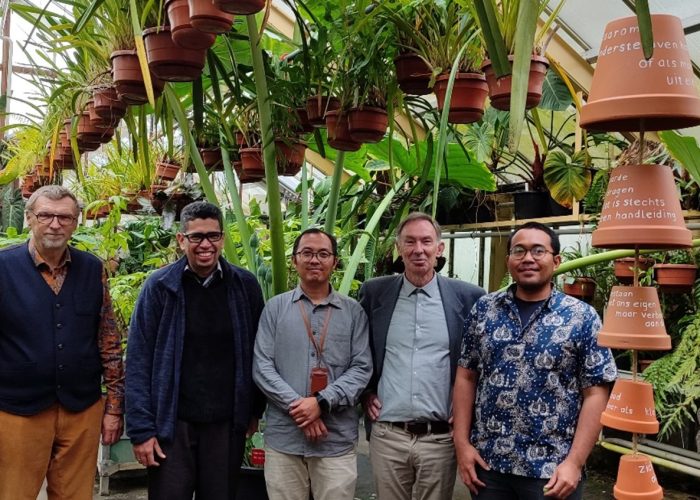
Leiden, September 25, 2024 – Faculty of Biology Universitas Gadjah Mada has once again expanded its recognition in the international arena through collaboration with one of the world’s best universities, Leiden University, the Netherlands. Located in the Gorlaeus Building, Faculty of Science, Leiden University, Faculty of Biology UGM officially established a Joint Doctoral Degree Agreement with the Graduate School, Faculty of Science, Leiden University. The official signing was carried out by the Dean of the Faculty of Science, Leiden University, Prof. dr. Jasper Knoester accompanied by Prof. Mirwan Ushada, S.TP., M.App.Life.Sc. as the Director of Research at UGM and Luthfi Nurhidayat, M.Sc. as a Lecturer at the Faculty of Biology UGM and Ph.D. student at the Institute of Biology, Leiden University. The agreement was previously signed by the Dean of the Faculty of Biology UGM, Prof. Dr. Budi Setiadi Daryono, M.Agr.Sc. on the agenda of the 69th Anniversary of the Faculty of Biology, as well as by the Rector of UGM, Prof. dr. Ova Emilia, M.Med.Ed., Sp.OG(K)., Ph.D.
Prof. Jasper expressed his hope that the signing of this MoA will make the cooperation between UGM and Leiden, especially the two Faculties, even closer and there will be immediate follow-up with the presence of Ph.D. students.
Through this opportunity, Prof. Mirwan conveyed that the collaboration between Leiden University and Universitas Gadjah Mada had previously taken place, especially for the INUCoST (Indonesian Netherland University Consortium on Sustainable Future) collaboration which next year will focus on the theme of health, as well as the collaboration to establish the Zebrafish Research Facility. The Research Director UGM hopes that this collaboration can be strengthened by the presence of Ph.D. students who conduct research using the facility to support the development of research in the field of health and testing of Indonesian natural products. The meeting was also attended by Dr. Pieter Schipper as Head of Academic Affairs Science, Prof. dr. Herman Spaink who is also an adjunct professor at the Faculty of Biology UGM, and Prof. Paul Kessler from Hortus Botanicus Leiden University.
Through this collaboration, it is hoped that it can contribute to the development of research with education in Indonesia, in line with support for the sustainable development goals (SDGs), especially support for inclusive education through sustainable partnerships (SDG 4 and SDG 17).
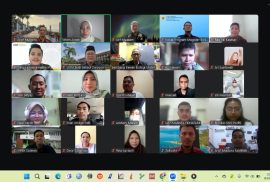
Yogyakarta, 18 September 2024 – The Faculty of Biology Universitas Gadjah Mada (UGM) held a guest lecture as part of the Graduate Program orientation for the 2024/2025 academic year. The guest lecture titled “Population Biology, Biological Control, and Conservation” was conducted online via Zoom from 3:30 to 5:00 PM WIB, and attended by 56 graduate students. The event aims to provide essential insights to new graduate students and is held twice a year.
This semester’s guest lecture featured Prof. Dr. Bambang Irawan, M.Sc. as speaker, a prominent biologist from Universitas Airlangga and an alumnus of UGM’s Faculty of Biology. Prof. Irawan is a noted expert in population biology and biological control. During his undergraduate years at UGM, he earned the honorary title Glericidae, reflecting his academic achievements and focus on reptilian studies. The session was opened by Wiwin Ariesti, S.Si., as the Master of Ceremony, and moderated by Nurul Hidayah, S.Pd. It began with the singing of “Indonesia Raya,” UGM’s “Hymne Gadjah Mada,” and the Faculty of Biology March. The Dean of the Faculty of Biology, Prof. Dr. Budi Setiadi Daryono, M.Agr.Sc., delivered the opening remarks, underscoring the importance of population biology in addressing pressing global ecological challenges.
The main lecture, “Population Biology, Biological Control, and Conservation”, began at 4:00 PM with an engaging reflection by Prof. Irawan on his experiences as a UGM undergraduate. He transitioned into a thorough scientific discussion on the role of population biology in ecological research and conservation. Prof. Irawan delivered an overview of population biology, the distinction between population ecology and genetic population dynamics, population parameters, population equilibrium, and the role of population biology in biological control.
Throughout the lecture, Prof. Irawan emphasized the interdisciplinary relevance of population biology, linking it to broader fields such as sociology, economics, demography, and politics. He also shared practical examples from his research, illustrating methods for pest management and conservation, from traditional approaches to more advanced techniques.
The lecture concluded with an interactive question-and-answer session, where students engaged with Prof. Irawan on various aspects of population biology. His ability to connect theoretical concepts with real-world applications fostered a lively and informative discussion. After approximately 45 minutes of in-depth material, the session ended with closing remarks by the moderator, followed by a formal close from the MC.
This guest lecture marked a successful orientation event for new graduate students at UGM’s Faculty of Biology, broadening their understanding of population biology, biological control, and conservation.
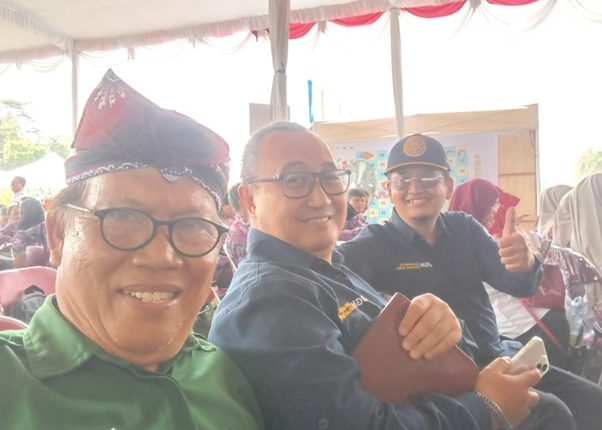
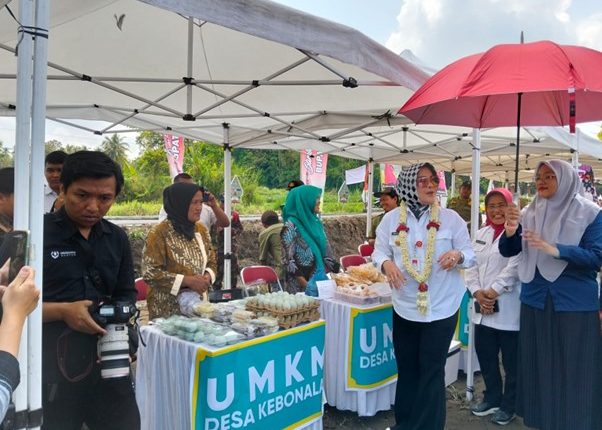
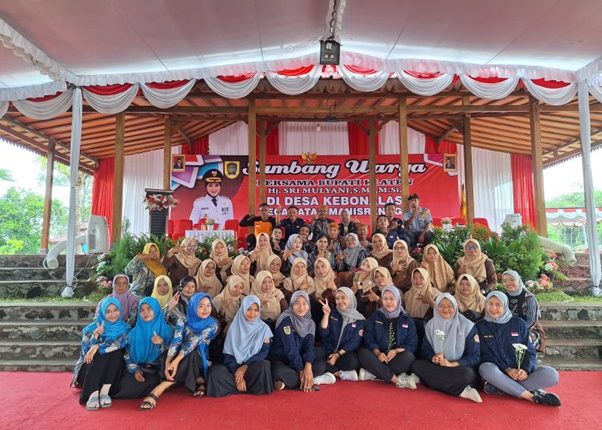
KABUT KEBONALAS Tourism Village, Manisrenggo, Klaten, which was built starting in 2021 and began planting fruit plants together with the MBKM Membangun Desa, Faculty of Biology, UGM (Sukirno, S.Si., M.Sc., Ph.D and Yousuf Soulaeman, S.IP) and since 2022 has entered the first harvest period. In November 2023, the first longan harvest was carried out together with MBKM students, Faculty of Biology, UGM together with POKDARWIS, village government officials, and PKK groups. Then on February 28, 2024, KABUT KEBONALAS together with the MBKM team held a harvest activity and socialization of the tourist destination rides to all MUSPIKA of Manisrenggo District, namely Manisrenggo Sub-district Head Mr. Slamet, S.H., M.Sc., DANRAMIL Manisrenggo Mr. Captain Inf. Sukarman, Manisrenggo Police Chief AKP Fajar Damhudi, S.H., all members of POKDARWIS and elements of Kebonalas Village Government, as well as the ranks of Manisrenggo Teachers and Health Center. This activity involved the Coordinator of the UGM KKN PPM team Muhammad Naufal Dzakwan Luzen and teams from several clusters through the UGM KKN PPM program and the MBKM team Darren Nicholas Rahmanto, Fadilah Rahma Julianty, Joananda Taufik Ardana, and Tamara Sugihara, which then operated in the UGM KKN PPM Program period 2 in 2024 with 30 students with the support of the Directorate of Community Service through the Fostered Village Service program and the UGM KKN Sub directorate through the KKN program.
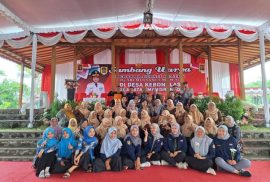
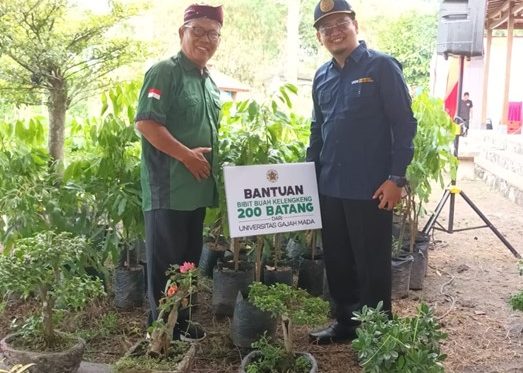
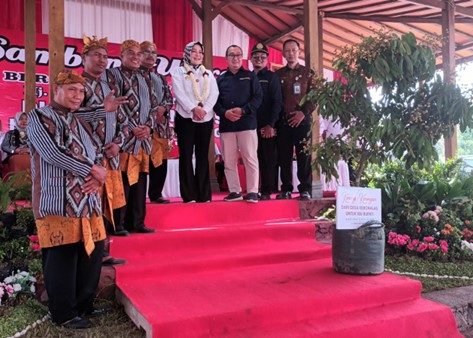
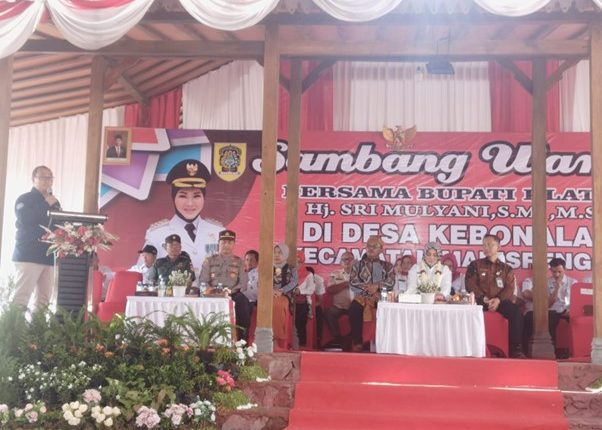
On September 25, 2024, it was a big momentum for the KABUT KEBONALAS tourist village because it coincided with the Klaten Regent’s Sambang Warga activity, which attend by the head of all departments in Klaten Regency, the village heads in the Regency, the tourist village was inaugurated by Mrs. Hj. Sri Mulyani. “Kampung Buah Tlatar has good potential to be developed as edutourism because it has a good view and prospects to be accompanied by culinary and coffee tourism,” added the Regent in her speech. This activity was opened with a performance of the Edan Edanan Dance and Rampag Kendang from ISI Yogyakarta students. KABUT KEBONALAS is expected to become an integrated tourist vehicle for MSMEs, local culture and arts, foster networking opportunities, and contribute to the economic growth of the community. Then, a symbolic handover of longan fruit plants from the Community Service based on Fostered Village UGM 2024 program and MBKM Membangun Desa of the UGM Faculty of Biology was carried out by Mr. Dr. Eko Agus Suyono, M.App.Sc. as the Vice Dean for Research, Community Service, Cooperation and Alumni who in this case represented the Dean, Mr. Prof. Dr. Budi Setiadi Daryono, M.Agr.Sc. On this occasion, the team handed over two longan plants bearing fruit in 100-liter pots and a total of 250 longan plants to Kebonalas residents. It is hoped that the distribution of these plants can support the KABUT KEBONALAS in the future while empowering the economy of local residents to avoid poverty (SDG1) and create an inclusive, safe, resilient and sustainable community (SDG 11) and to combat climate change (SDG 13).
#SDG 1: Poverty; #SDG 11 Inclusive community; #SDG 13: Climate change; #UGM Biology
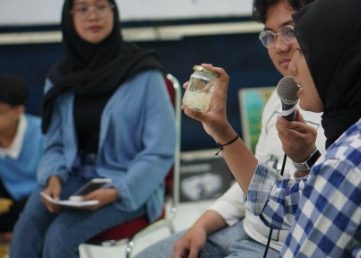
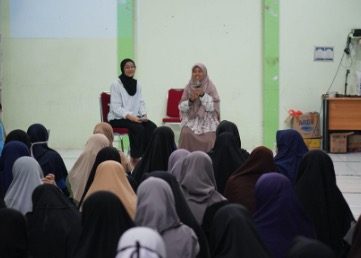
On Sunday, September 1, 2024, the Marine Studies Group (KSK) organized “KSK Mengajar” program at Mafaza Orphanage in Warungboto, Bantul, Yogyakarta in collaboration with the Graduate Student Association (KMP). The event took place from 1:00 PM to 3:00 PM WIB and was attended by 63 participants and 17 committee members.
The event began with an introduction to marine life and the Marine Studies Group (KSK), followed by an interactive game session. In the second session, participants received inspirational material on motivation for achieving their dreams. The program concluded with the distribution of prizes and a group photo session.
The success of this event was supported by donations, which were collected from August 27 to 31, 2024, Rp1,430,000 was raised and directly handed over to the orphanage on the day of the event.
We would like to extend our gratitude to all the donors, Mafaza Orphanage, KMP, and everyone who contributed to the success of the “KSK Teaching #2” program in 2024.
[Writer: KSK]
[Writer: KSK]
On Sunday, September 1, 2024, the Marine Studies Group (KSK) organized “KSK Mengajar” program at Mafaza Orphanage in Warungboto, Bantul, Yogyakarta in collaboration with the Graduate Student Association (KMP). The event took place from 1:00 PM to 3:00 PM WIB and was attended by 63 participants and 17 committee members.
The event began with an introduction to marine life and the Marine Studies Group (KSK), followed by an interactive game session. In the second session, participants received inspirational material on motivation for achieving their dreams. The program concluded with the distribution of prizes and a group photo session.
The success of this event was supported by donations, which were collected from August 27 to 31, 2024, Rp1,430,000 was raised and directly handed over to the orphanage on the day of the event.
We would like to extend our gratitude to all the donors, Mafaza Orphanage, KMP, and everyone who contributed to the success of the “KSK Teaching #2” program in 2024.
[Writer: KSK]
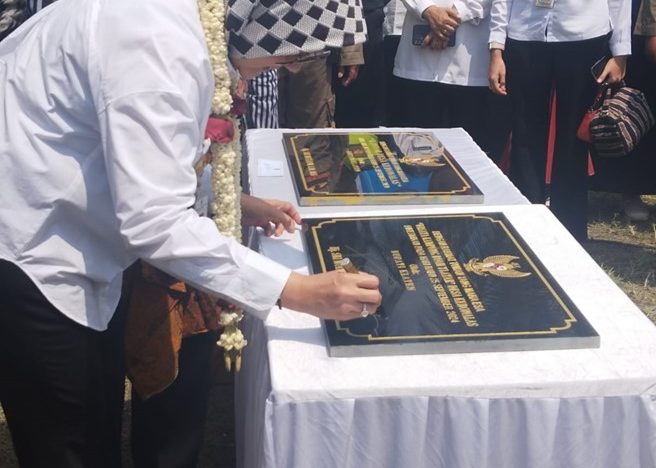
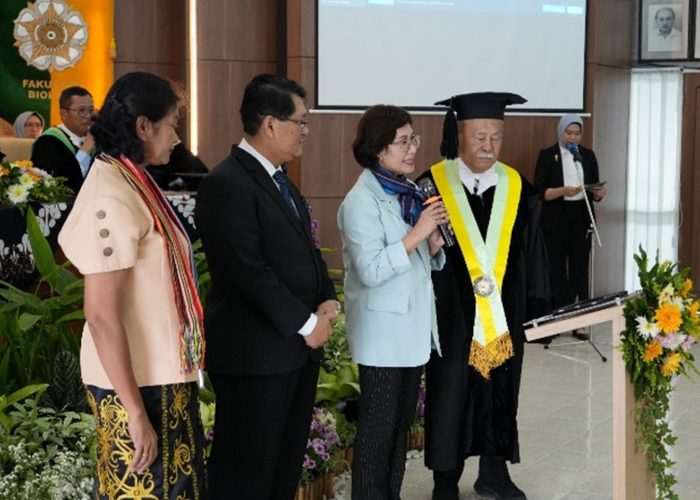
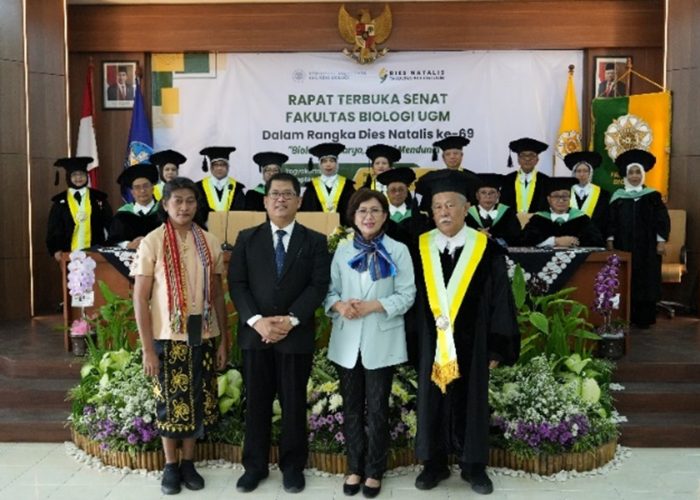
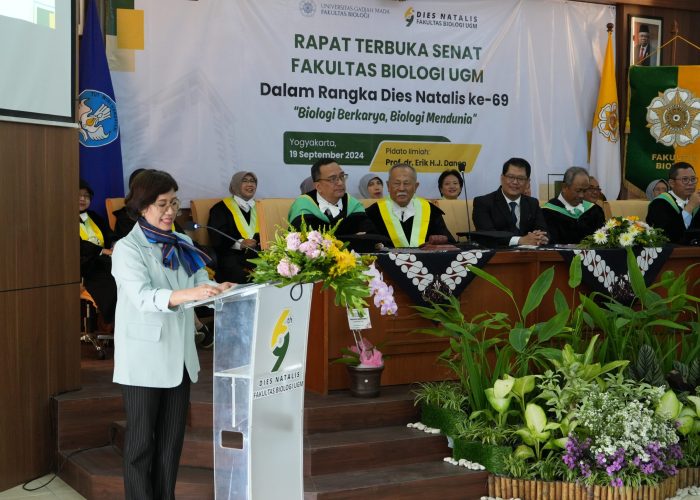
To mark its 69th Anniversary, the Faculty of Biology Universitas Gadjah Mada (UGM) has launched the Integrated Genome Factory (IGF), a facility designed for advanced multi-omics research. The launch occurred during the Open Senate Meeting, themed “Biology in Action, Biology Goes Global,” on September 19, 2024, at the Tropical Biology Auditorium. The IGF was inaugurated by UGM Rector, Prof. dr. Ova Emilia, M.Med.Ed., Sp.OG(K)., Ph.D., symbolized to begin DNA sequencing using Oxford Nanopore Technology (ONT).
The IGF is equipped with the ONT PromethION 24, capable of sequencing up to 720 Gb of DNA per day, supported by a Data Acquisition Unit (DAU) with powerful quad Nvidia A100 GPUs and a 160-core CPU for efficient data processing. The facility also features automated systems like the Opentrons Flex and automated DNA extraction, which streamline high-precision library preparation for large-scale research.
This facility was established with funding from Panin Bank, managed by the Satriabudi Dharma Setia Foundation (YSDS), and through support from the Inter-University Center for Excellence (IUCfE) program of the Directorate General of Higher Education (DIKTI). IGF aims to position UGM as a leader in ONT sequencing and multi-omics research in Indonesia. It is also supported as a biotech start-up by UGM’s Innovative Academy, allowing further development and expansion.
The Faculty of Biology UGM is committed to utilizing and conserving biodiversity for food security, renewable energy, medicine, and ecosystem health. The Dean of the Faculty noted that the IGF will enhance research capabilities in genomics and multi-omics, especially in biodiversity, food, and health sciences, contributing to Indonesia’s competitiveness. The IGF supports SDG goals, particularly SDG 4 (Quality Education) and SDG 9 (Industry, Innovation, and Infrastructure).