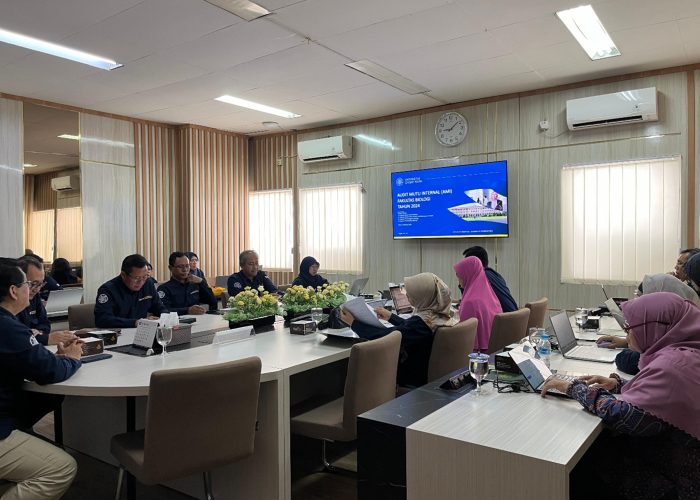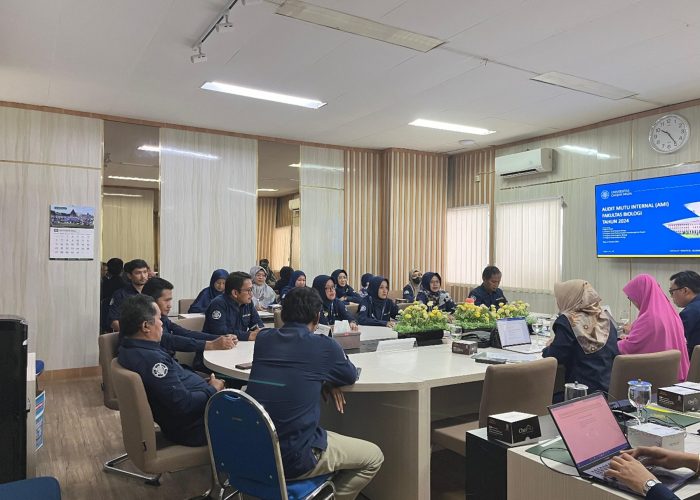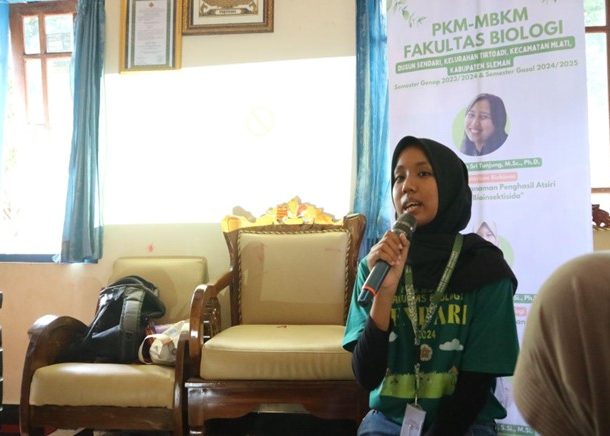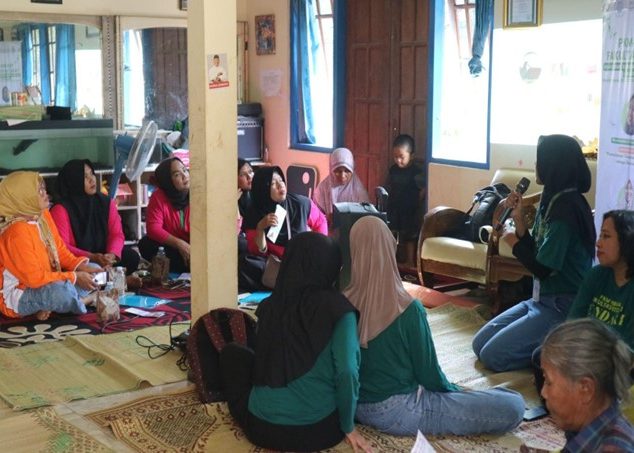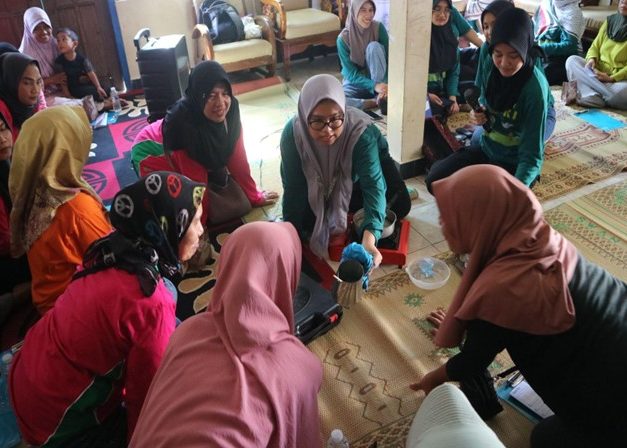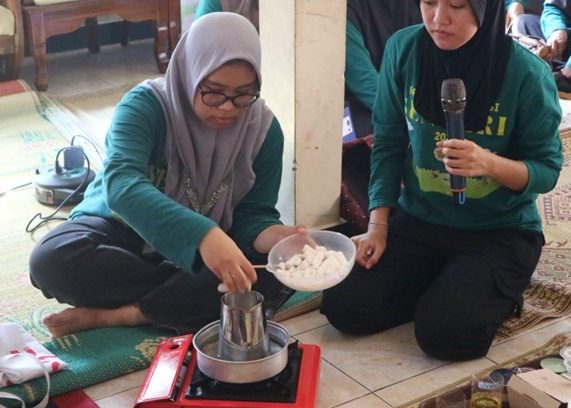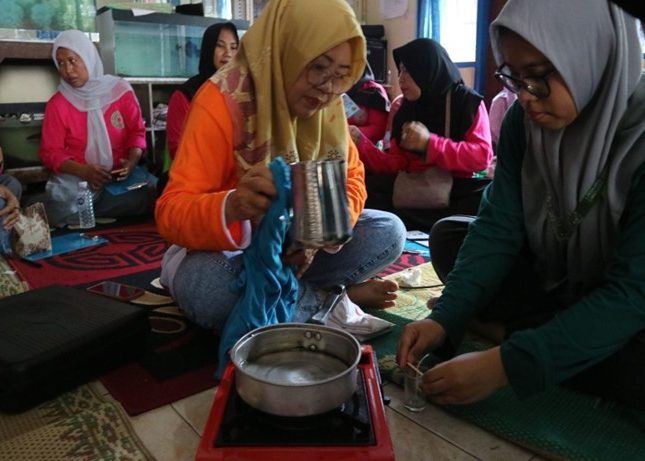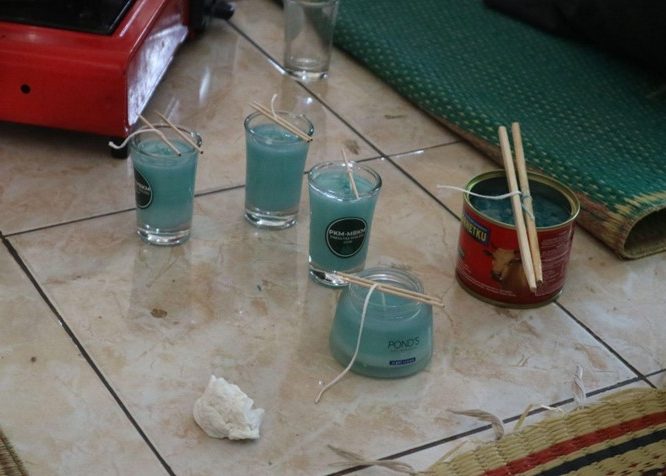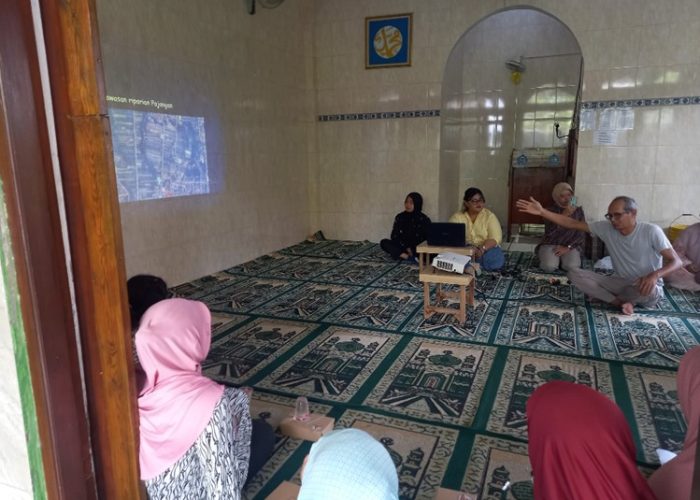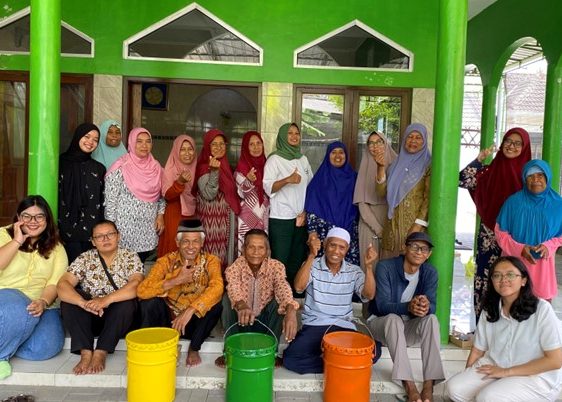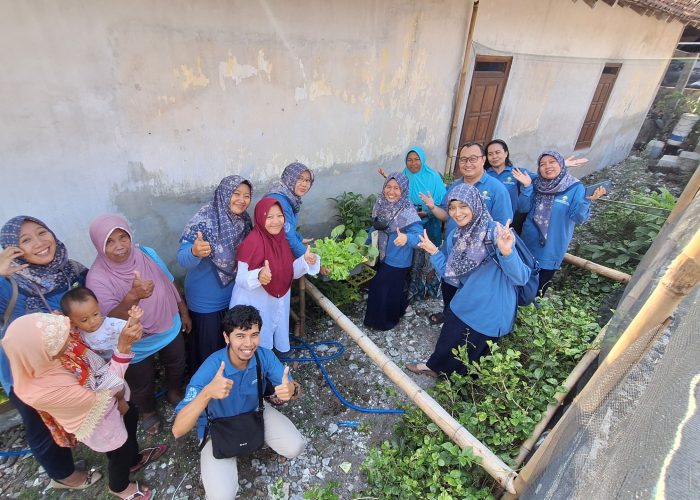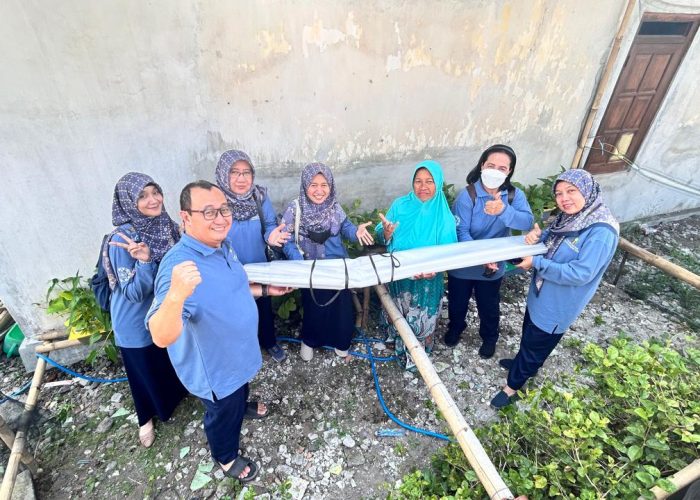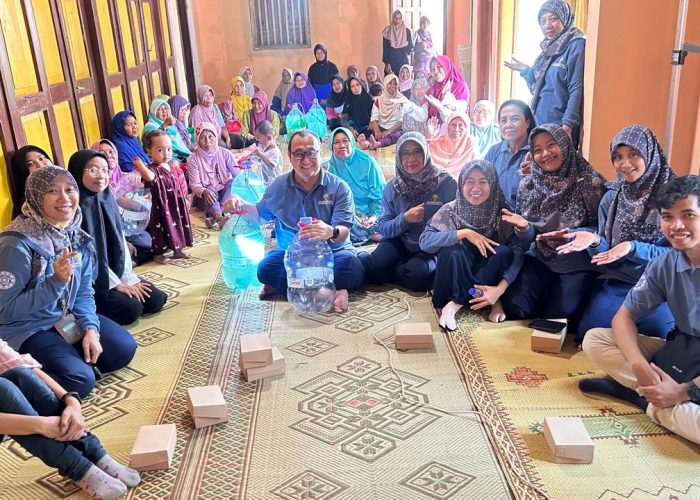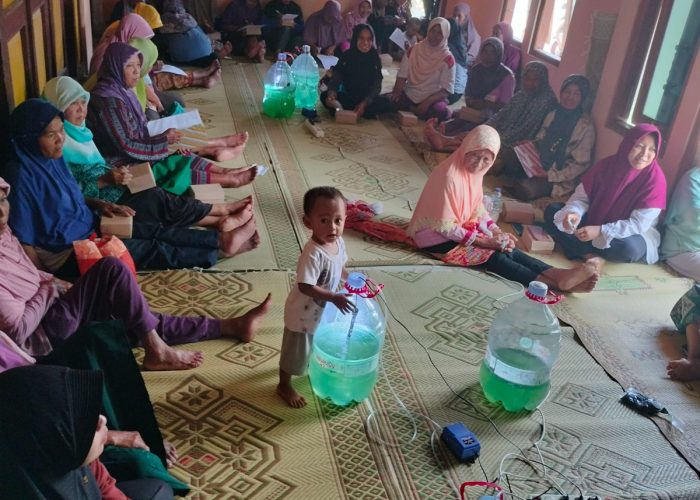
Faculty of Biology UGM and PT. Miconos Indonesia Organize Microtechnique Training for Lecturers and Technicians of FKIP, Universitas Muhammadiyah Sukabumi

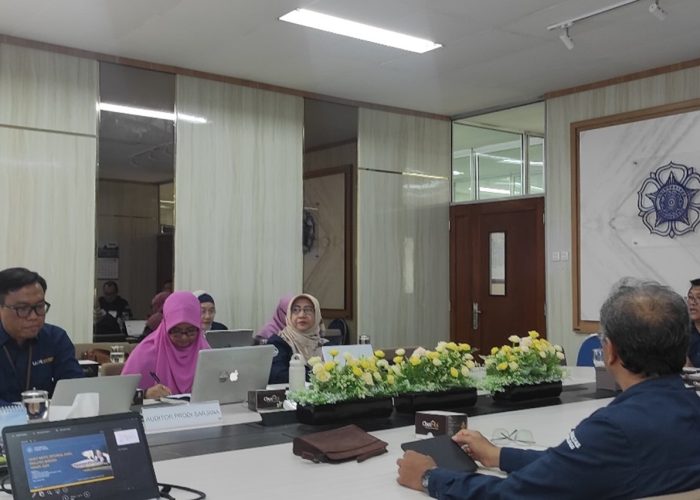
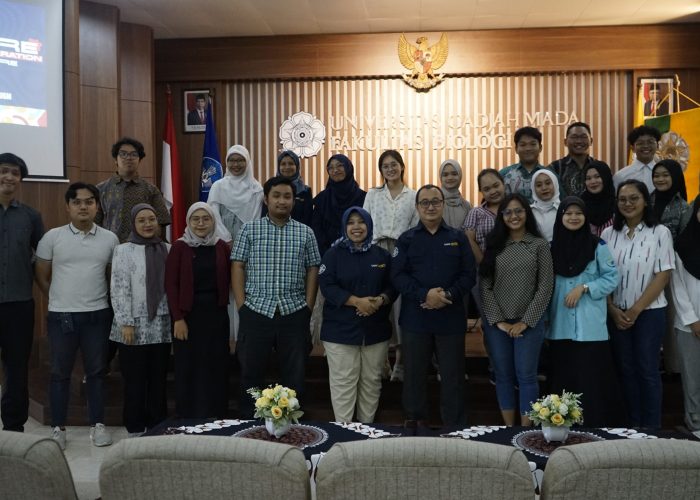
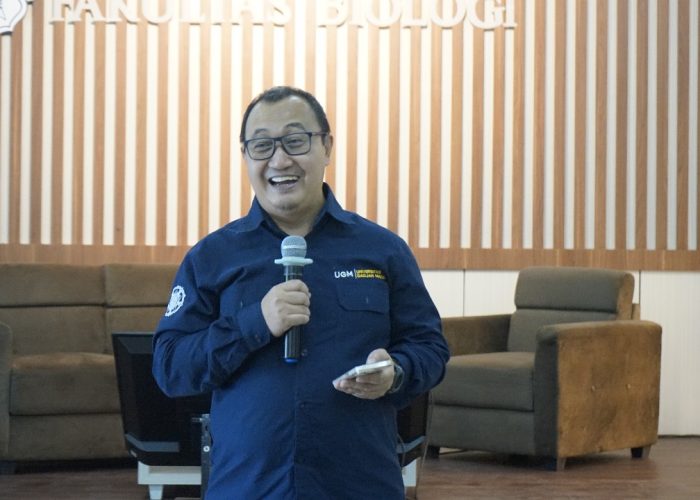
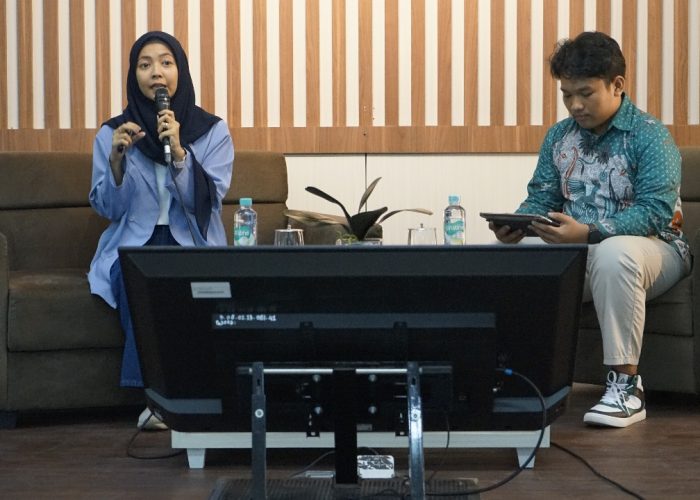
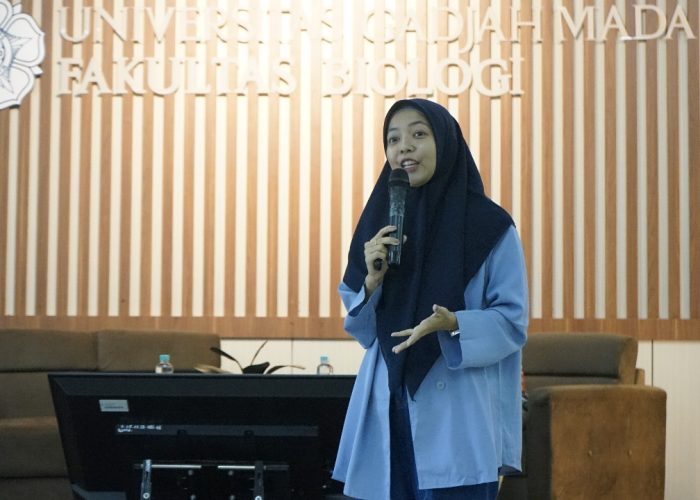
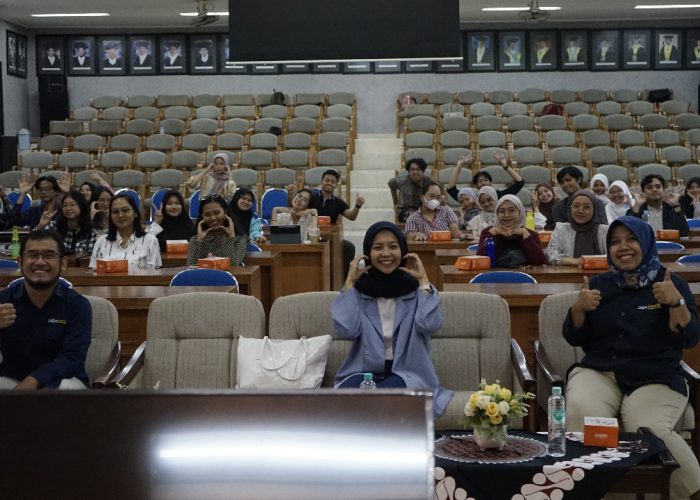
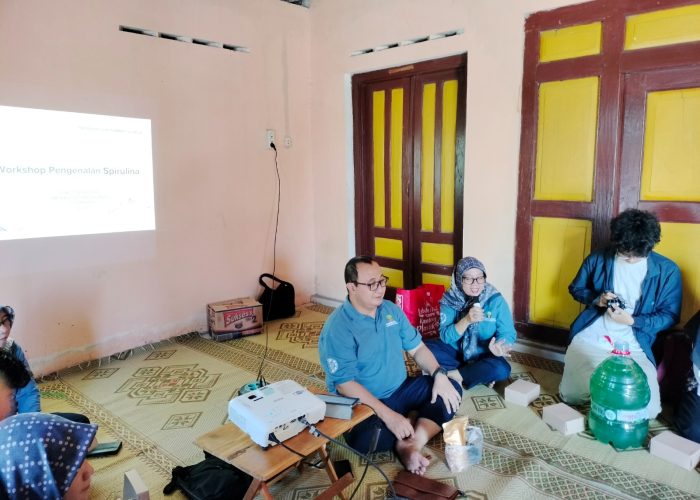
The Faculty of Biology, Universitas Gadjah Mada, through the Laboratory of Animal Structure and Development and the Laboratory of Plant Structure and Development, in collaboration with PT. Miconos Indonesia, directed by Ahmad Nugraha Bayu Mukti, S.T., M.B.A., successfully organized a microtechnique training on September 10-12, 2024. This training was attended by five lecturers and technicians from the FKIP, Universitas Muhammadiyah Sukabumi.


The event began with remarks by the Head of the Laboratory of Animal Structure and Development, Dr. Ardaning Nuriliani, S.Si., M.Kes., representing both laboratories, and was officially opened by the Vice Dean for Research, Community Service, Collaboration, and Alumni, Dr. Eko Agus Suyono, M.App.Sc. Both expressed that the training was an effort by the Faculty of Biology to share knowledge and experience in microtechniques, as well as to build collaborative bridges between educational institutions. The Faculty of Biology hopes that this training will mark the beginning of a closer and more sustainable partnership.

The training included both lectures and practical sessions, focusing on the paraffin method, an important technique in microtechniques. The training was led by a teaching team consisting of seven lecturers and two technicians from the Laboratory of Animal Structure and Development, as well as two lecturers and one technician from the Laboratory of Plant Structure and Development. Throughout the training, participants actively engaged in discussions and showed great enthusiasm for the material provided.

In addition to being a competency-enhancing event, this activity also contributed to efforts supporting Sustainable Development Goals (SDG) No. 4 on quality education, SDG No. 10 on reduced inequality, particularly in education, and SDG No. 17 on partnerships to achieve the goal. As such, this training not only benefited the participants but also helped to strengthen the quality of education in Indonesia. It is hoped that this microtechnique training will serve as an inspiration for other educational institutions to continue improving the quality of teaching, especially in specific fields like microtechniques, to achieve excellence and global competitiveness in.
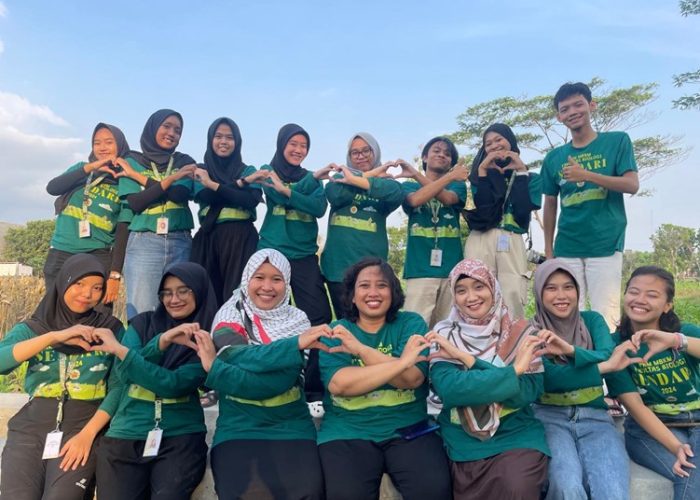
Calvin Muliawan Gets the Opportunity to Become a Young Explorer’s Program Delegate from OceanX

Yogyakarta, September 12, 2024 – Calvin Muliawan, an IUP student from the Faculty of Biology, Universitas Gadjah Mada (UGM), is proud to be announced as one of the selected delegates in the Young Explorer’s Program (YEP) organized by OceanX. This rare opportunity allows him to join the OceanXplorer ship during the journey from Bali to Bitung on August 5-9, 2024.


During the journey, Calvin will gain valuable experience in marine exploration by utilizing various facilities and cutting-edge technologies available on the OceanXplorer. This ship is equipped with advanced technology, including ROV (Remotely Operated Vehicle), Submersible, eDNA (environmental DNA), and Multibeam Sonar for seabed mapping. This technology allows researchers to explore the depths of the ocean with high accuracy and study underwater life and ecosystem conditions in more depth.

Calvin’s participation in this program not only provides an opportunity to learn about various innovations in marine research but also broadens his insights and skills in the field of marine biology. This is a significant step in his academic journey and his contribution to the development of science and technology in Indonesia.
OceanX, as an organization committed to improving our understanding of the ocean through exploration and cutting-edge technology, welcomes Calvin with enthusiasm. This program aims to inspire the younger generation in the field of ocean exploration and facilitate the exchange of knowledge between scientists and students.

We congratulate Calvin Muliawan on his achievement and hope that this experience will have a positive impact on his academic career and his contribution to marine science in the future. [Aulia]

The Faculty of Biology UGM Held Training on Orchid Cultivation for PKK Members from Candi Gebang Permai Residential

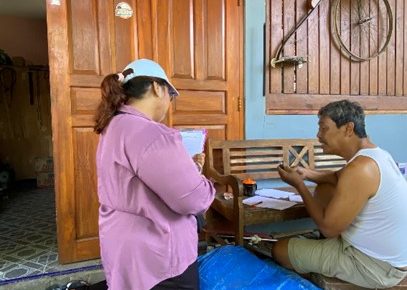
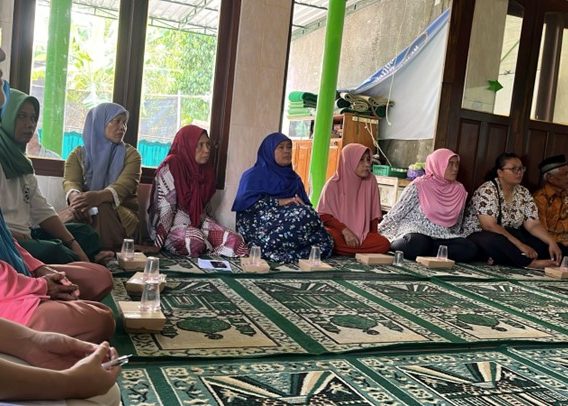
As part of its community service commitment, the Faculty of Biology UGM, in collaboration with the Indonesian Orchid Society (PAI) DIY, organized an “Orchid Cultivation Training” on September 11, 2024, at the RW62 Hall in Candi Gebang Permai, Sleman. The event targeted PKK members from Candi Gebang Permai Residential Jetis Village Sleman Regency. The training aimed to introduce orchid cultivation and care to participants, in line with the 2020-2024 National Development Goals (SDGs) related to gender equality (SDGs No.5), decent work and economic growth (SDGs No.8), responsible consumption and production (SDGs No.12), and life on land (SDGs No.15).


Over 54 enthusiastic PKK members participated, learning about orchid care, propagation, and cultivation management. The event was opened by Abdul Razaq Chasani, S.Si., M.Si., Ph.D., Head of the Tropical Biology Department, Faculty of Biology UGM, with presentations from Prof. Dr. Endang Semiarti and Dr. Ixora Mercuriani. This training was guided by an orchid expert from the Faculty of Biology UGM, the Faculty of Mathematics and Science Yogyakarta State University, students, and the Biology Orchid Study Club (BiOSC) members.

The training emphasized orchid characteristics, seed selection, watering, fertilization, pest management, and efficient cultivation techniques. This initiative aims to empower PKK members, promote local resources, and potentially create new business opportunities. The training also demonstrated effective collaboration between academic institutions and local communities.

The Faculty of Biology UGM Organized Stadium Generale on the Future of Palm Oil with a Professor from Lampung University

Yogyakarta, September 6, 2024 – The Faculty of Biology Universitas Gadjah Mada organized a stadium generale titled “Superior Palm Oil Plants of the Future: Short, Early-Maturing, High Unsaturated Oil, Compact Palm, Ganoderma-Resistant” featuring Prof. Dr. Ir. Kukuh Setiawan, M.Sc., from Lampung University. Prof. Kukuh, an expert in plant breeding and a renowned breeder of superior palm oil varieties, shared his extensive experience developing high-quality palm oil seedlings.


During the lecture, Prof. Kukuh discussed the challenges and future potential of palm oil, focusing on developing varieties that are shorter, early-maturing, rich in unsaturated oil, compact palm, and resistant to Ganoderma disease. These innovations are crucial for addressing climate change and meeting the growing global demand for sustainable and efficient production. With in-depth research, these superior palm oil seedlings are expected to boost productivity, reduce production costs, and remain environmentally friendly.

The event was hosted by Tiara Amelia Putri, S.Si., and moderated by Dian Sartika, M.Sc., who emphasized the importance of innovation in improving the quality of palm oil seedlings. The lecture attracted academics, researchers, and students eager to deepen their understanding of palm oil breeding. The interactive discussion session was lively, with many participants asking about the practical application of Prof. Kukuh’s research in Indonesia’s palm oil agriculture to enhance competitiveness in international markets.

The event concluded with the presentation of a plaque by Prof. Dr. Budi Setiadi Daryono, M.Agr.Sc., Dean of the Faculty of Biology at UGM, as a token of appreciation to Prof. Kukuh for sharing his expertise. It is hoped that this event will enrich participants’ knowledge and inspire further collaboration to advance the palm oil sector in Indonesia.
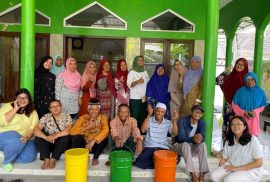
UGM Students Explore Salacca zalacca (Gaertn.) Voss Seeds and Citrus maxima (Burm.) Merr. Peel Waste for Cervical Cancer Treatment
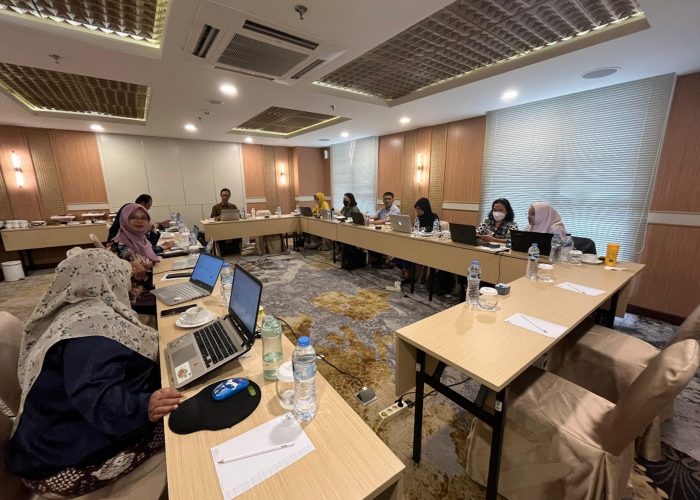
Cervical cancer ranked second most common cancer in Indonesia, with 36,633 reported cases in 2021, and the third leading cause of cancer-related deaths. Current cervical cancer treatment is chemotherapy, radiotherapy, and surgery with side effects that can significantly reduce the patient’s quality of life. Most cases of cervical cancer are caused by HPV (Human Papillomavirus) infection, which produces E6 and E7 oncoproteins. These proteins interfere with programmed cell death (apoptosis), accelerate the cell cycle, and lead to cell immortality, resulting in cancer.


Combination Salacca zalacca (Gaertn.) Voss Seeds and Citrus maxima (Burm.) Merr. Peel Waste has shown potential as an alternative cervical cancer treatment. This discovery comes from research conducted by UGM students in the Student Creativity Program for Exact Science Research (PKM-RE). The team, consisting of Aditya Latiful Azis (Biology 2022), Asy Syifa Paras Ceria (Biology 2022), Shabrina Farras Tsany (Medicine 2021), Rahmalia Diani Saffana (Medicine 2021), and Faqih Fikri Nuryanto (Pharmacy 2023), under the supervision of Woro Anindito Sri Tunjung, M.Sc., Ph.D., has explored the potential of Salacca zalacca (Gaertn.) Voss Seeds and Citrus maxima (Burm.) Merr. Peel Waste as an alternative therapy for cervical cancer.

Salacca zalacca (Gaertn.) Voss Seeds contain potent antioxidants including polyphenols, alkaloids, and terpenoids, while Citrus maxima (Burm.) Merr. Peel Waste is rich in flavonoids and lycopene, which are cytotoxic to cancer cells. The herbal remedy derived from these two ingredients is predicted to have milder side effects.

“This research aims to utilize Indonesia’s natural resources for cervical cancer therapy. Salacca zalacca (Gaertn.) Voss Seeds and Citrus maxima (Burm.) Merr. peel wastes were selected due to their secondary metabolite content, which has potential anticancer properties. Additionally, the increasing production and consumption of Salacca zalacca (Gaertn.) Voss and Citrus maxima (Burm.) Merr. lead to organic waste issues. We hope this research offers an eco-friendly and milder side effect alternative treatment,” said Aditya, the team leader.

The research conducted for four months involved various tests, including phytochemical screening, in silico studies, anti-inflammatory activity tests, cytotoxicity and antiproliferative assays using the MTT method, inhibition of HeLa cell migration, and apoptosis tests.
The result showed the combination of Salacca zalacca (Gaertn.) Voss Seeds and Citrus maxima (Burm.) Merr. Peel Waste could inhibit inflammation, halt cancer cell migration, and trigger cell death (apoptosis).

The results of this study are expected to pave the way for cervical cancer therapy that harnesses Indonesia’s natural wealth and supports zero-waste initiatives. [Written by: Aditya Latiful Azis]

UGM Faculty of Biology Participates in AgriFest 2024: Showcasing 18 Innovations for National Food Security

Yogyakarta, September 7, 2024 – The Faculty of Biology at Universitas Gadjah Mada (UGM) actively participated in the “Technology Innovation Exhibition of the Agrocomplex Faculties of Universitas Gadjah Mada,” held as part of AgriFest 2024. The event, which took place from September 5 to 7, 2024, was themed “Adapting to the Era of Technological Disruption in the Agricultural Sector to Achieve National Food Security” and was organized by the Pusat Inovasi Agroteknologi (PIAT) UGM.


During the exhibition, the UGM Faculty of Biology showcased 18 products and services resulting from research conducted by its faculty members. These products and services include a variety of innovations aimed at supporting national food security, ranging from biotechnology, plant breeding products, laboratory consultation services, to environmentally friendly ecological solutions. The Faculty of Biology’s participation in this event demonstrates its significant contribution to the adaptation of agricultural technology in the current era of disruption.

The exhibition was attended by curated academics from UGM and was open to various groups, including agricultural practitioners, representatives from local governments, academics, industry players, agricultural entrepreneurs, millennial farmers, and farmer group representatives. Over the three-day event, the exhibition attracted more than 1,000 visitors, highlighting the high level of interest from various stakeholders in technological innovations in the agricultural sector (SDG 2, SDG 9, SDG 12).

The involvement of the UGM Faculty of Biology in AgriFest 2024 not only introduced innovative research outcomes but also opened up opportunities for collaboration with various stakeholders, including those from academia, industry, and government. The Faculty of Biology at UGM hopes that through its participation, it can further strengthen its contribution to the development of agricultural technology, ultimately supporting the achievement of national food security in the future (SDG 17).

AgriFest 2024 has proven to be an effective platform for connecting technological innovations with relevant practitioners and stakeholders, fostering synergies in the effort to achieve national food security in this era of technological disruption (SDG 2).

Bioconnect BEM Biology UGM X Red Ant Tour HMPS Biology UIN Malang

On Saturday, August 31, 2024, Bioconnect BEM Biology UGM X Red Ant Tour HMPS Biology UIN Malang successfully held at the Tropical Biology Auditorium, Faculty of Biology UGM with the theme “Expanding Relationships to Create Innovation in Organizations. The event attended by 59 members of BEM Biology UGM and 53 members of HMPS Biology UIN Malang.


Bioconnect BEM Biology UGM is a program organized by the Department of Public Relations and Networks, aimed at strengthening relationships and sharing knowledge with various organizations, both within and outside the Faculty of Biology UGM. This event served as a platform for both organizations to understand each other’s structures and work programs, evaluate performance, and foster camaraderie.

The event opened with speeches from Zulfa Mubarokatul Faiqoh, Chair of the Red Ant Tour HMPS Biology UIN Malang, and Rofina Rima Permatasari, Chair of Bioconnect BEM Biology UGM. Next were speeches from Muhammad Nurul Fathoni Adha, Chair of BEM Biology UGM, and Sherly Nafisa, Chair of HMPS Biology UIN Malang.

Following the opening session, a 90-minute Focus Group Discussion (FGD) was held, where participants exchanged ideas and experiences based on their respective organizational roles. The event continued with an ice-breaking session, tree planting at the UGM Biology Forest and an exchange of souvenirs between the two organizations. The event concluded with documentation.

The event ran smoothly without any obstacles, thanks to the hard work and collaboration of the organizing committees from both parties, ensuring the success of this collaborative event.
Translate »