Yogyakarta, 18 July 2026 – The Faculty of Biology, Universitas Gadjah Mada (UGM), successfully hosted the Biodiversity Summit 2026, themed “From Data to Decisions,” on Saturday (18 July) at the Tropical Biology Auditorium, Faculty of Biology UGM. Serving as the culminating event of the International Summer Course on Tropical Biodiversity and Sustainable Development 2026, the summit brought together academics, conservation practitioners, non-governmental organizations, and students to explore how scientific knowledge and biodiversity data can be translated into tangible actions that support sustainable development.
The program was organized through a collaboration between the Faculty of Biology UGM, the Department of Geological Engineering, Faculty of Engineering UGM, and the University of Technology Sydney (UTS), Australia, with funding support from the Australian Government’s New Colombo Plan (NCP), the UGM EQUITY Grant for Academic Innovation and Internationalization, and PT Dynata Inovasi Corporalab.
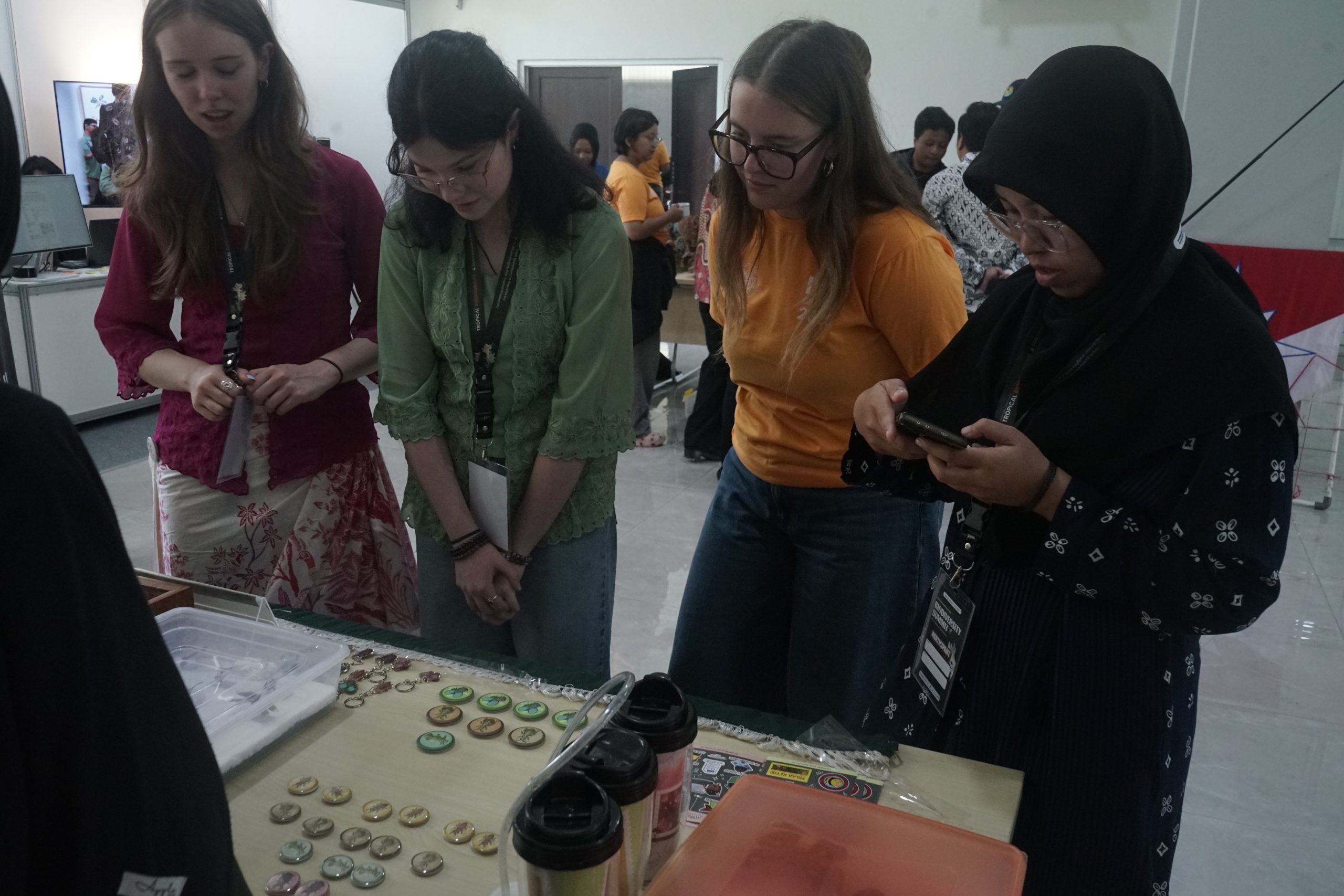
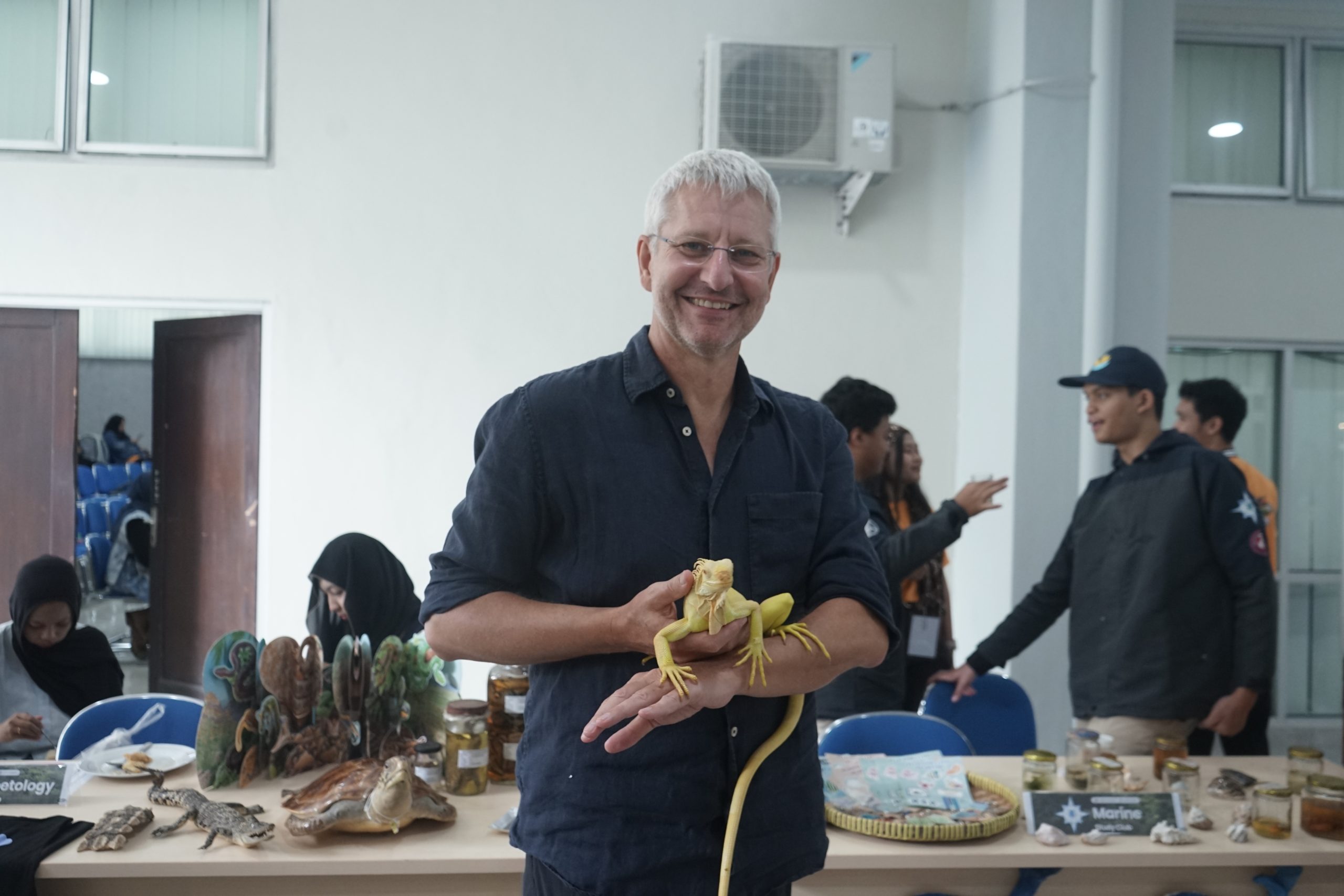
The Biodiversity Summit welcomed 45 participants, including 36 participants of the International Summer Course, who had completed the program’s two-week academic journey encompassing lectures, laboratory practicals, field expeditions, and the preparation of scientific essays based on their learning experiences. The summit provided participants with a platform to refine their ideas, exchange perspectives, and expand their professional networks with stakeholders working in biodiversity conservation.
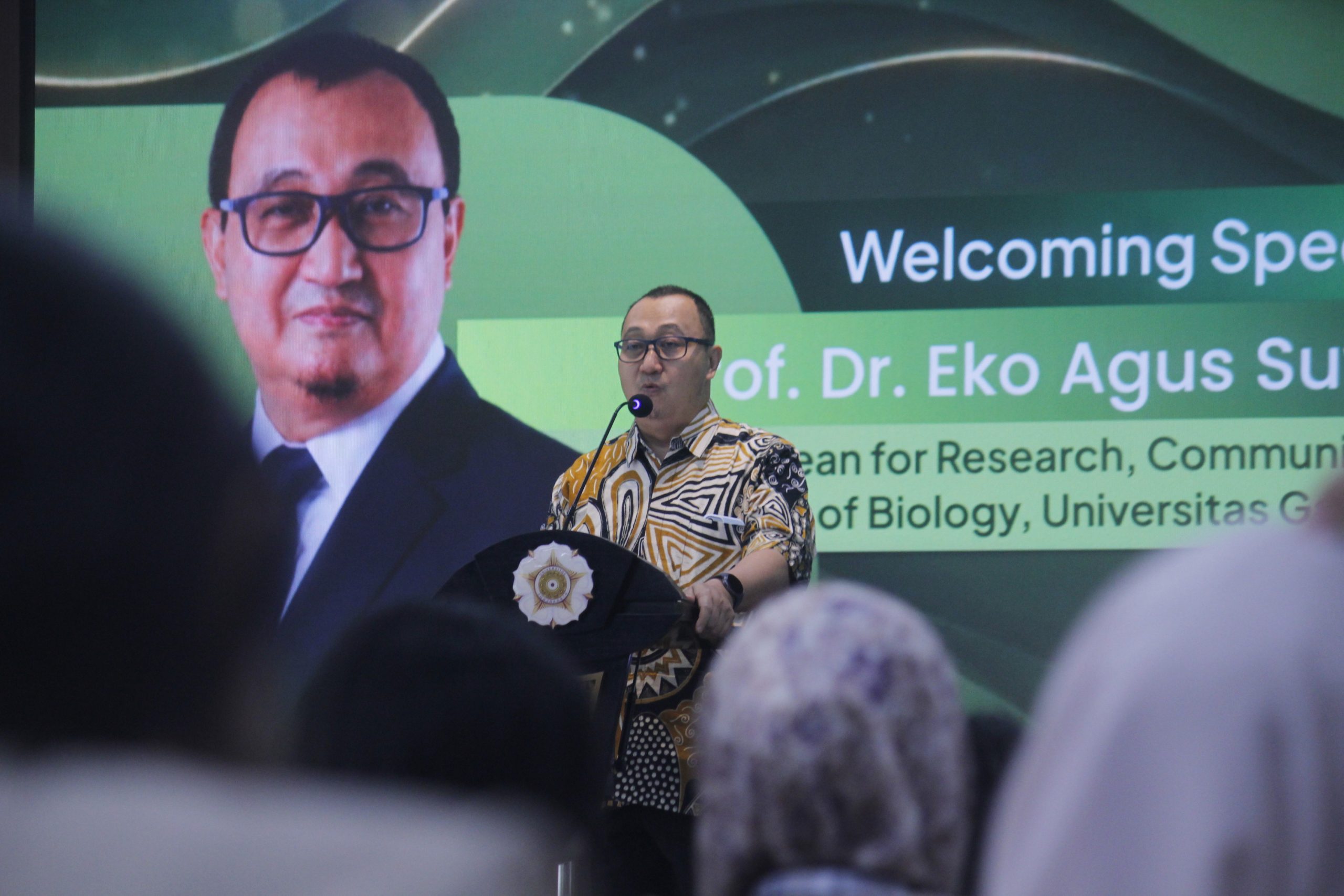
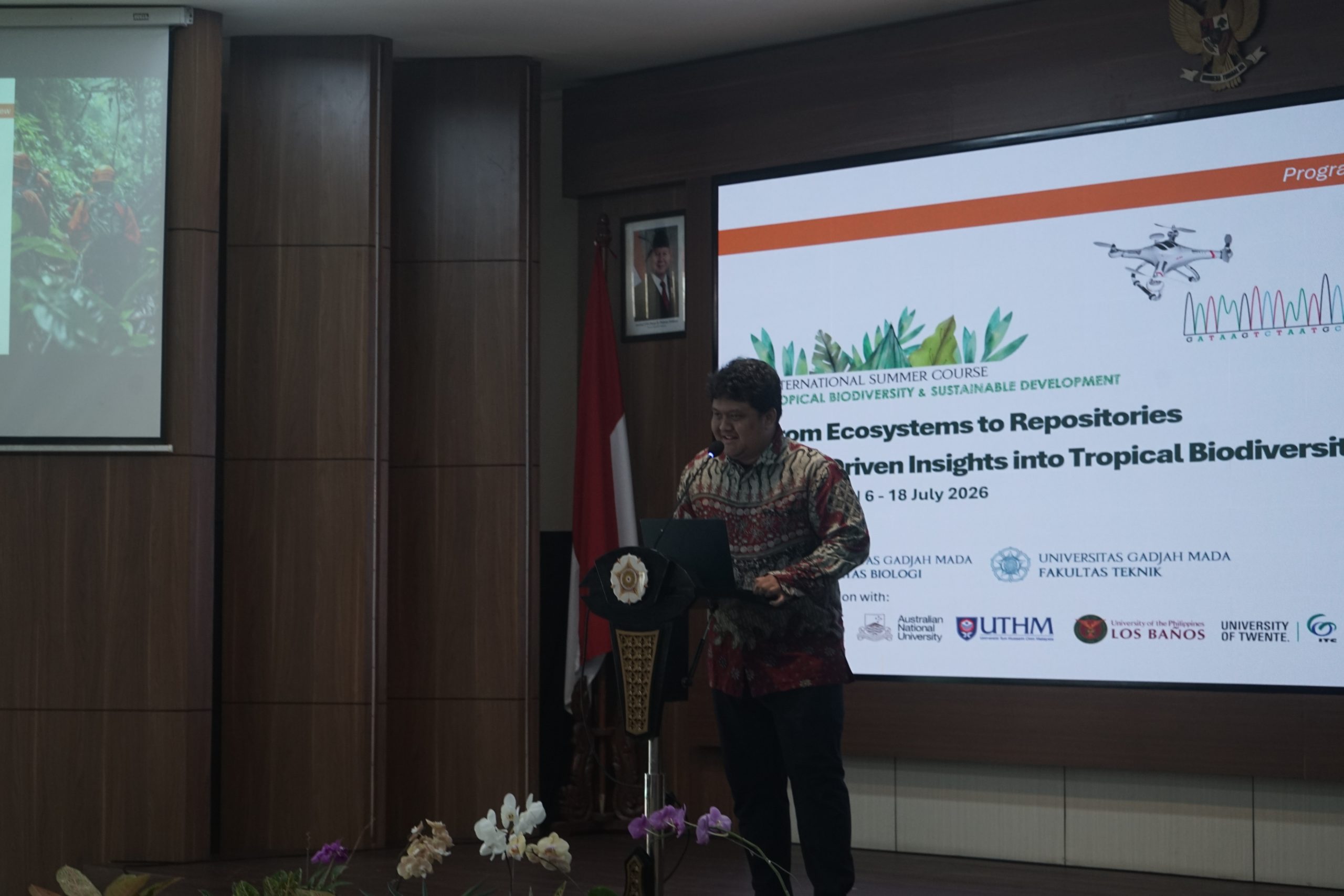
Opening the event, Prof. Dr. Eko Agus Suyono, Vice Dean for Research, Community Service, Cooperation, and Alumni Affairs of the Faculty of Biology UGM, emphasized that the Biodiversity Summit should serve not only as a forum for knowledge exchange but also as a catalyst for empowering young people to take an active role in biodiversity conservation.
“Today’s Biodiversity Summit will inspire each of us not only to generate knowledge but also to become agents of change,” Prof. Eko remarked during his opening address.
Following the opening ceremony, participants joined Focus Group Discussions (FGDs) organized around four themes corresponding to the scientific essays they had previously developed: Drone Mapping and GIS for Biodiversity Conservation and Management, Science Communication: Data to Policy in Tropical Biodiversity and Sustainable Development, Tropical Biodiversity in a Changing Climate, and Sequencing Technology for Biodiversity Conservation and Management.
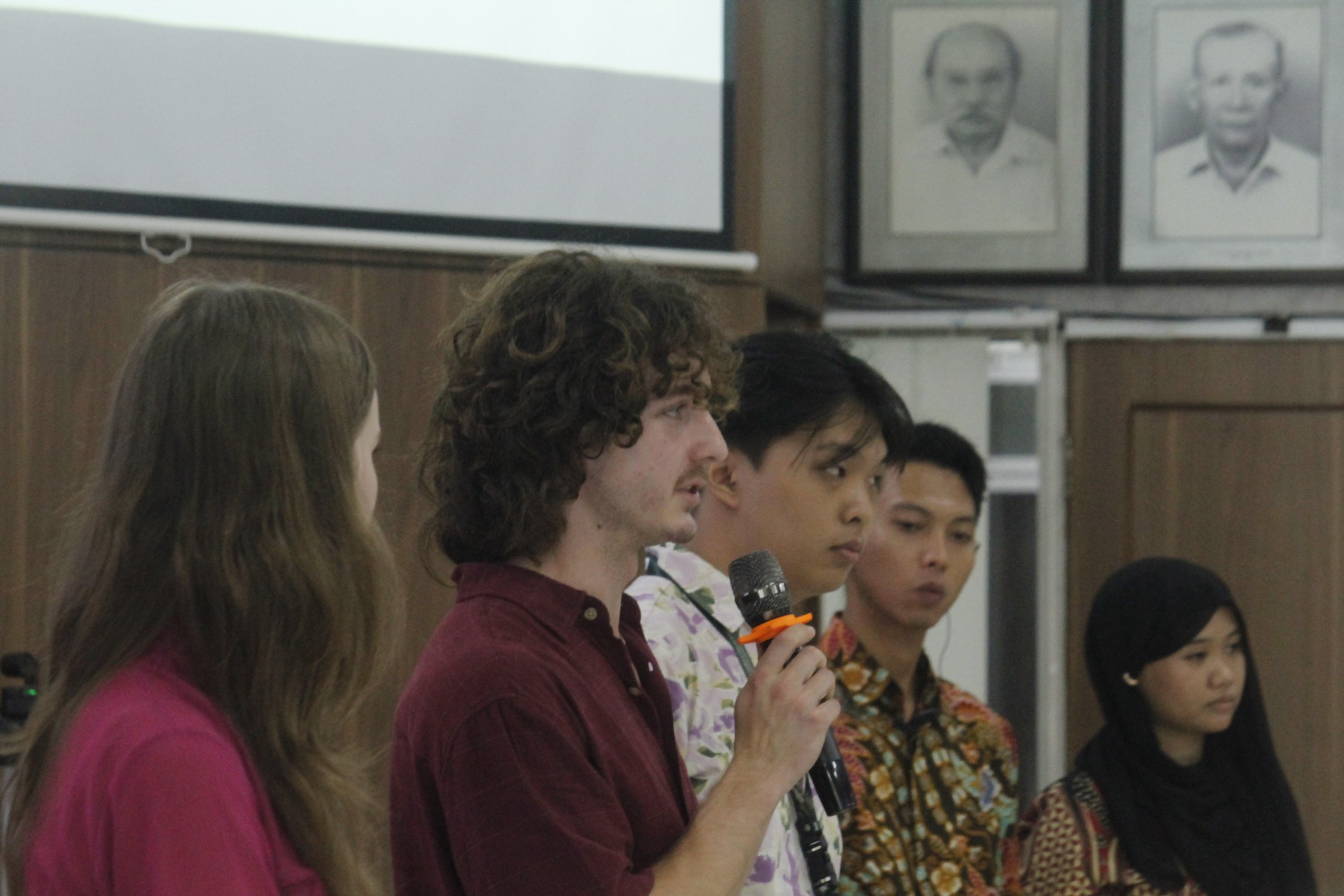
Working in multidisciplinary and multicultural groups, participants exchanged ideas, identified current challenges, and formulated practical recommendations for advancing biodiversity conservation and sustainable resource management.
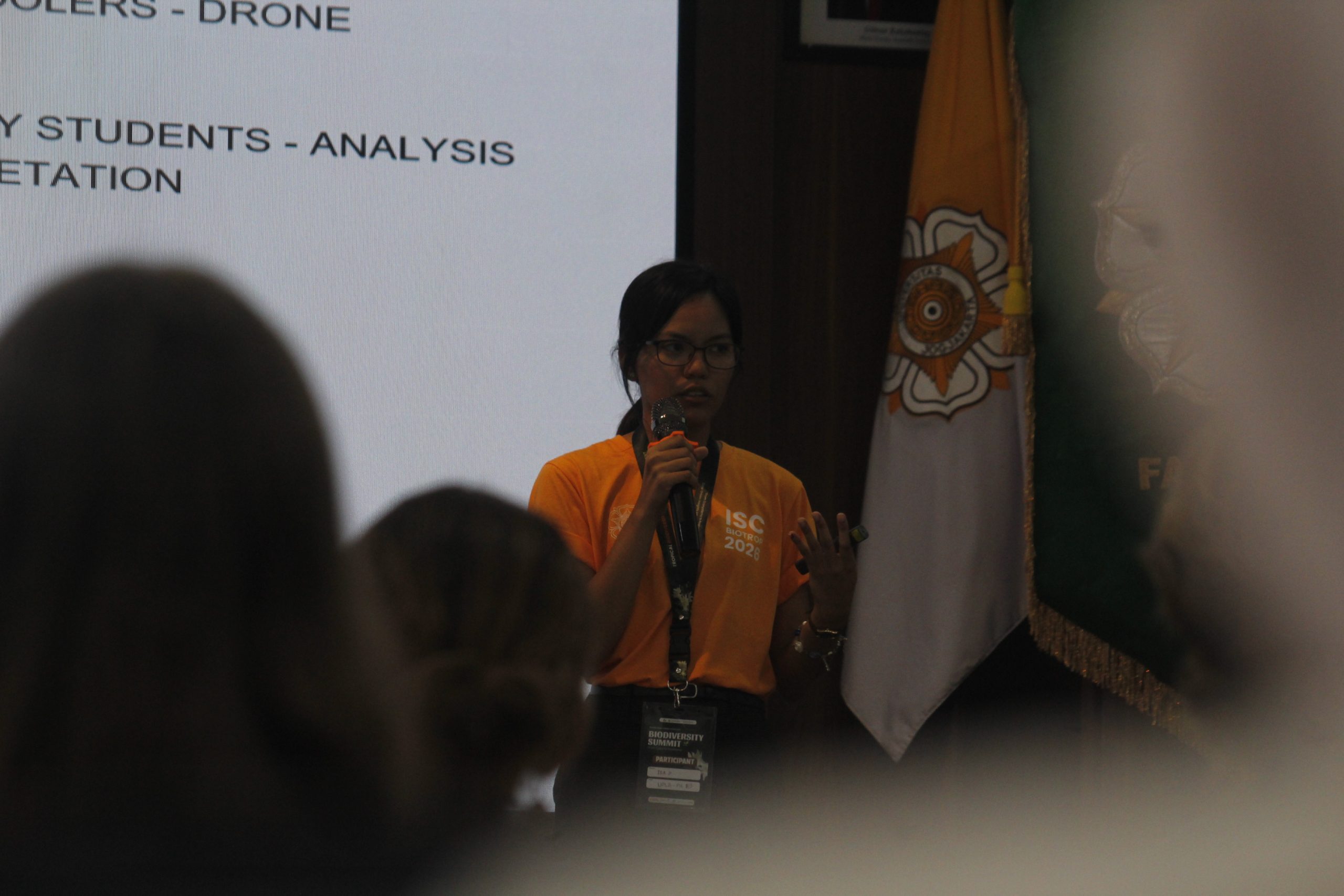
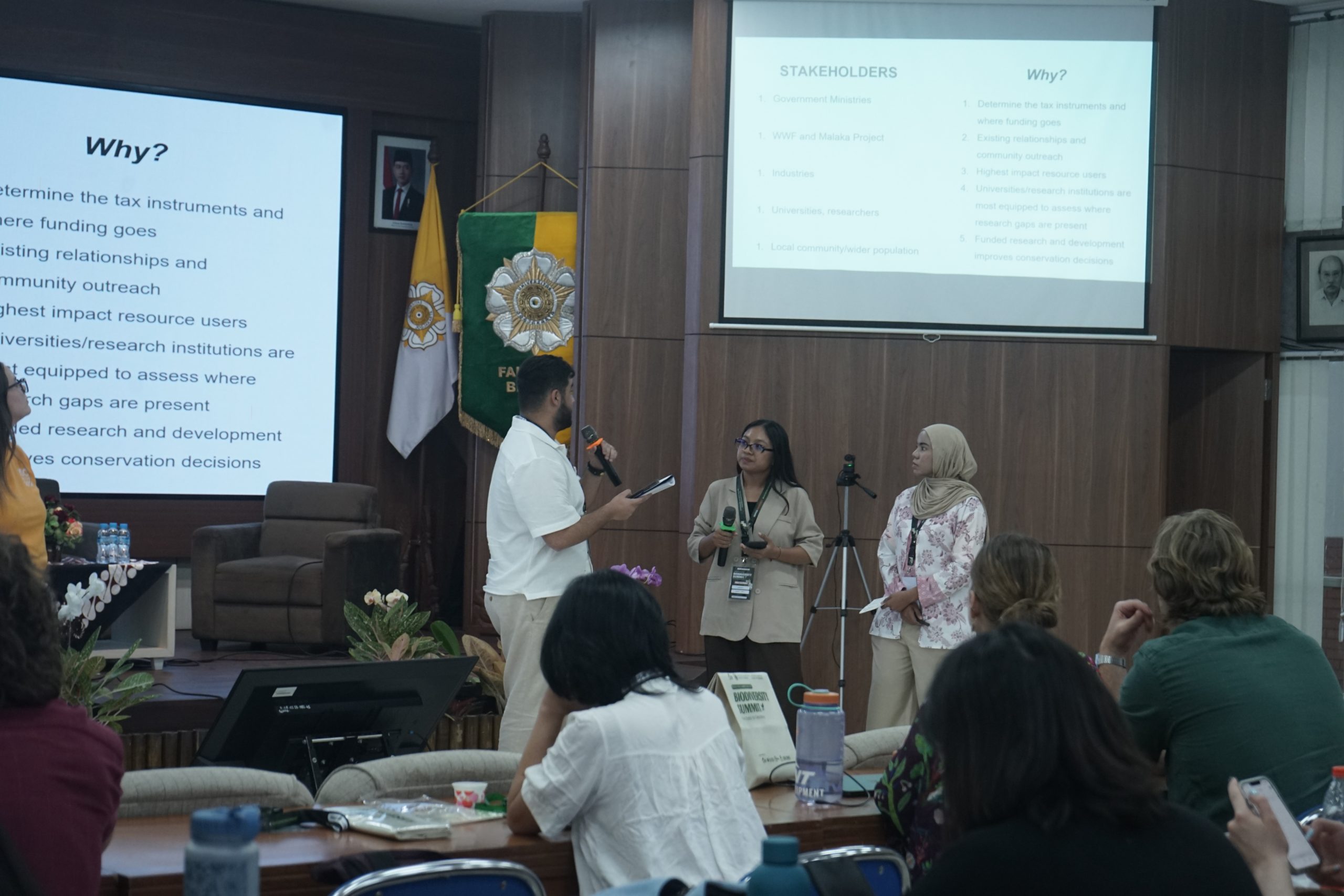
The outcomes of each discussion were subsequently presented during a plenary session, allowing participants to receive feedback from fellow attendees and invited experts while broadening their perspectives on both scientific and practical approaches to biodiversity management.
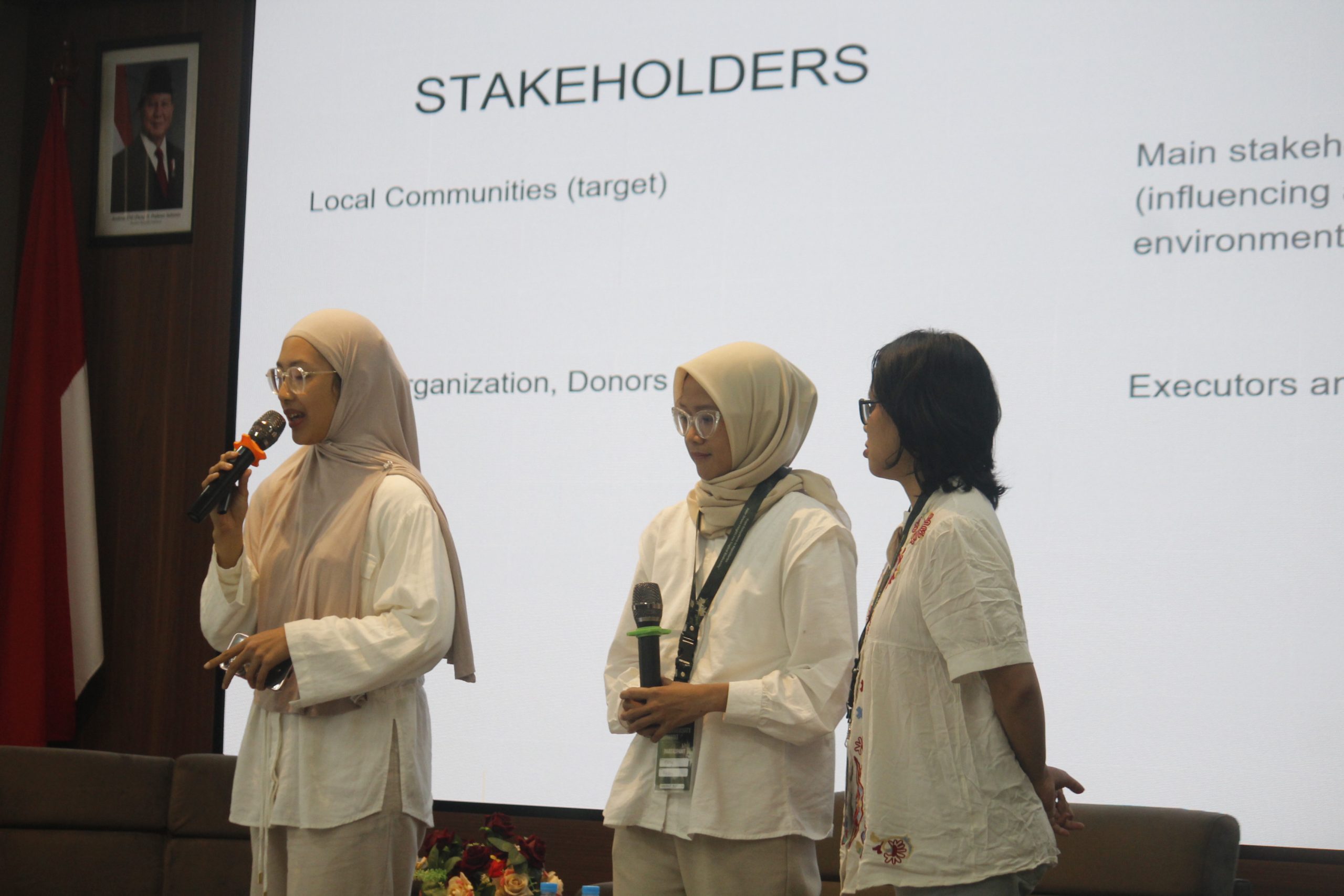
The summit continued with two inspiring talk show sessions featuring practitioners from diverse sectors.
In the first session, Fengky Wiradga from WWF Indonesia presented the organization’s Forest Landscape Connectivity Program in Central Kalimantan, highlighting initiatives focused on peatland ecosystem restoration and the establishment of wildlife corridors to reconnect fragmented forest landscapes. Citra Septiani from the World Resources Institute (WRI) Indonesia shared insights into bridging scientific research and public policy through multi-stakeholder collaboration, including the development of the Ocean Calculator, a decision-support tool designed to strengthen coastal and marine ecosystem management.
The second session featured Cania Citta, Co-Founder of the Malaka Project, who delivered a presentation entitled “Nurturing Scientific Culture.” She emphasized the importance of cultivating scientific thinking among young people through effective science communication and cross-sector collaboration. Meanwhile, Amelia Nugrahaningrum from the GeNau Indonesia Foundation introduced GeNau’s community empowerment model, which integrates biodiversity conservation with community-based ecotourism, demonstrating how environmental protection can be pursued alongside sustainable local economic development.
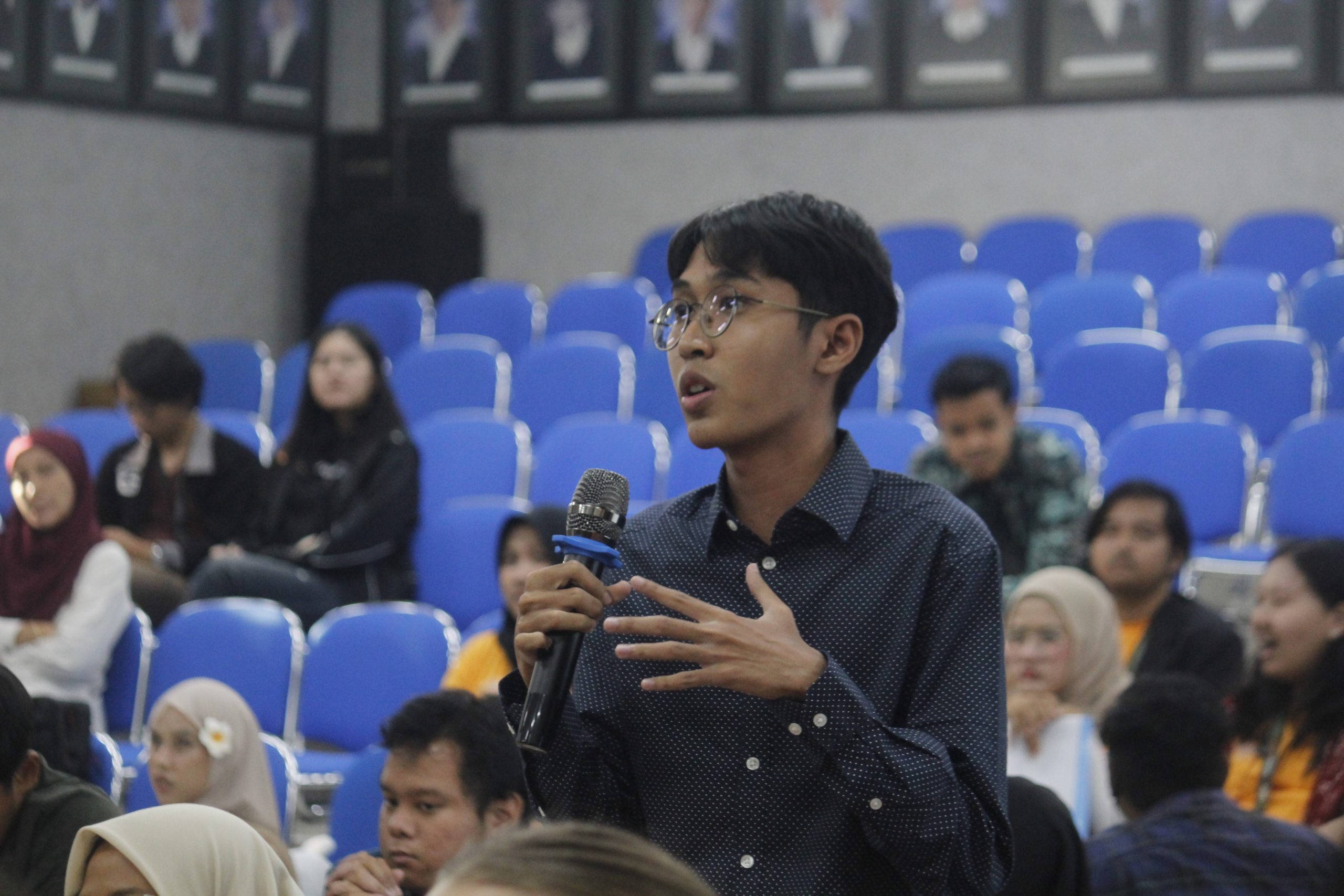
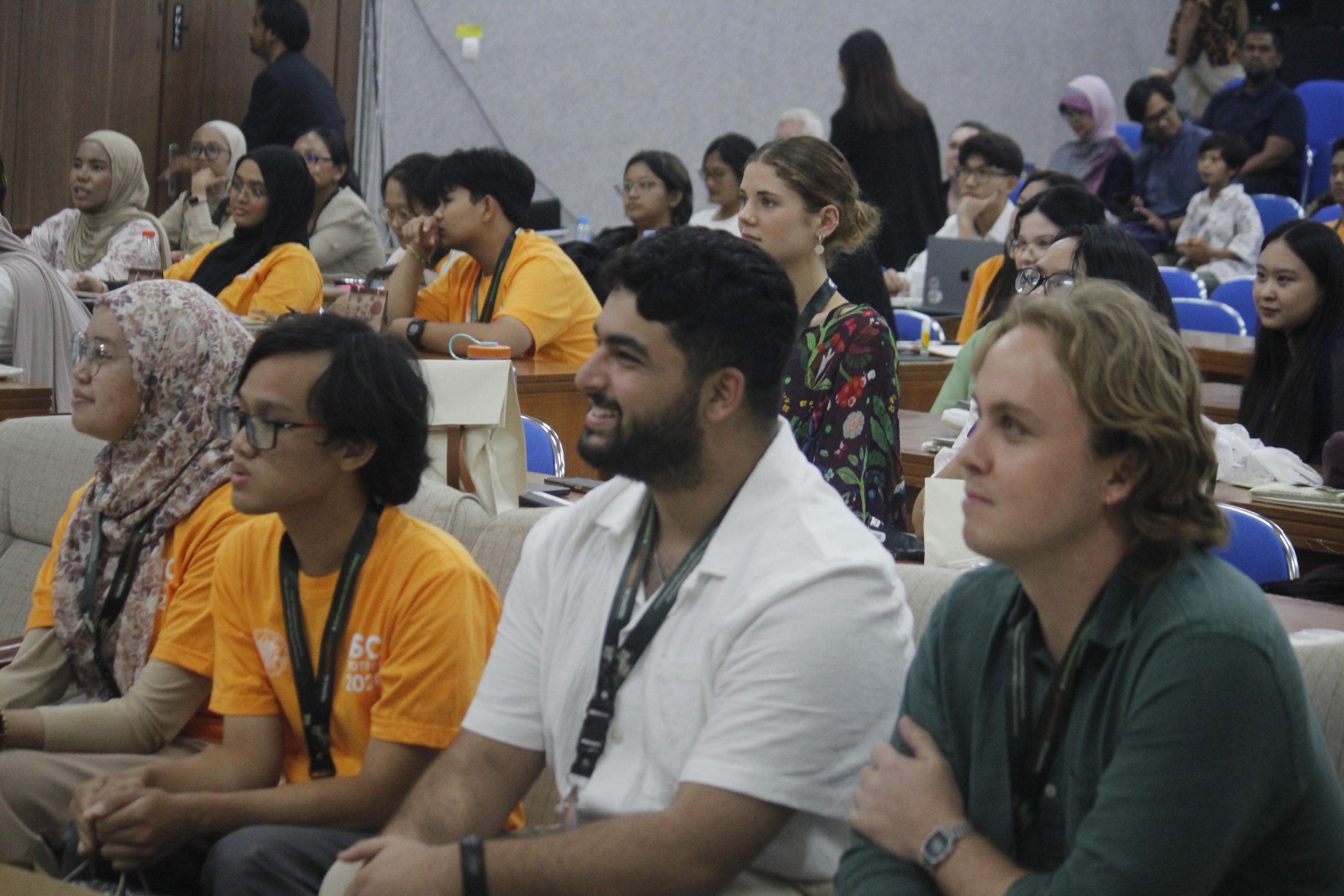
Participants remained highly engaged throughout the event, actively contributing to group discussions, plenary presentations, and interactive conversations with the invited speakers. The questions, reflections, and ideas shared during the summit demonstrated the strong commitment of young people to biodiversity conservation and underscored the importance of interdisciplinary collaboration in addressing today’s global environmental challenges.
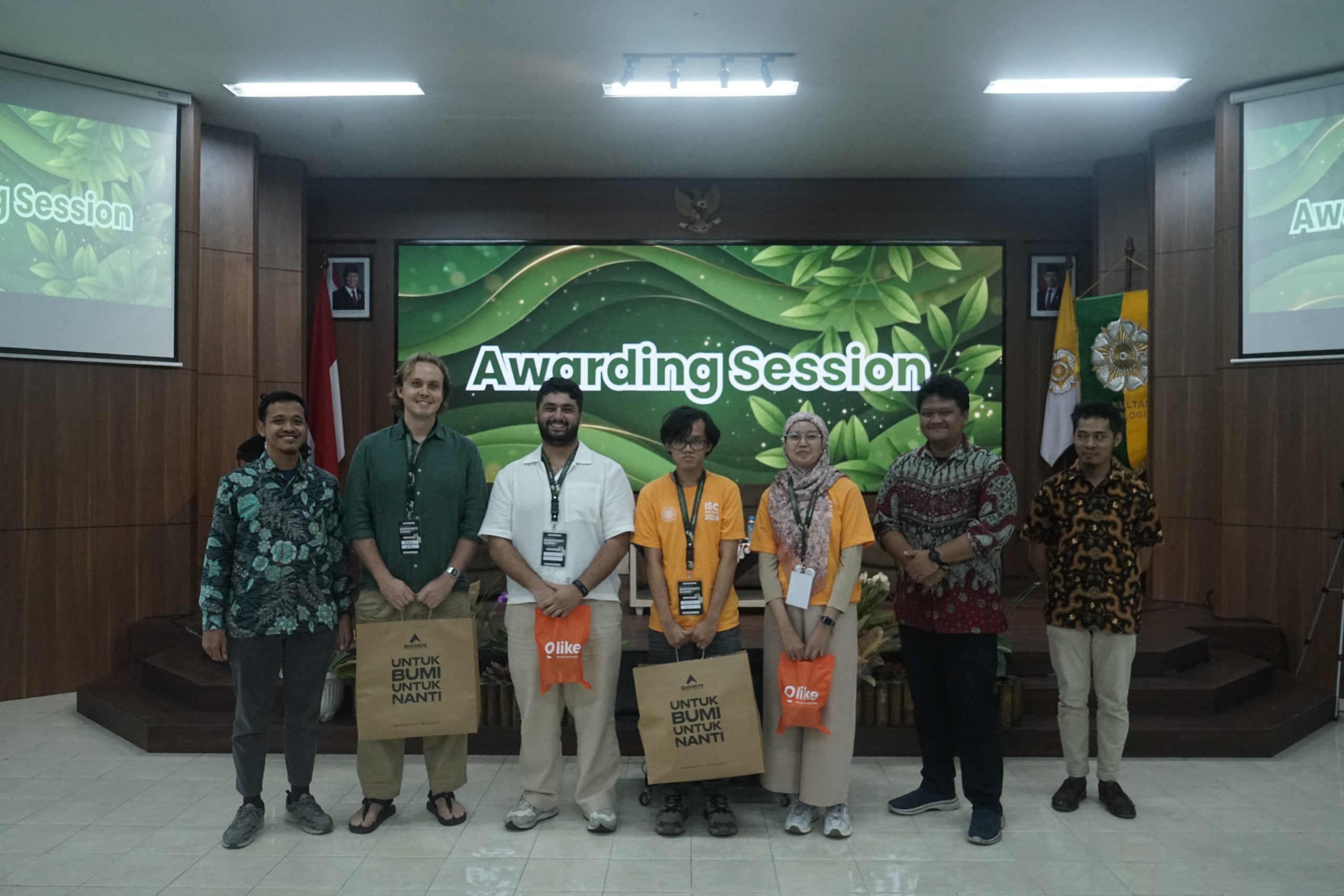
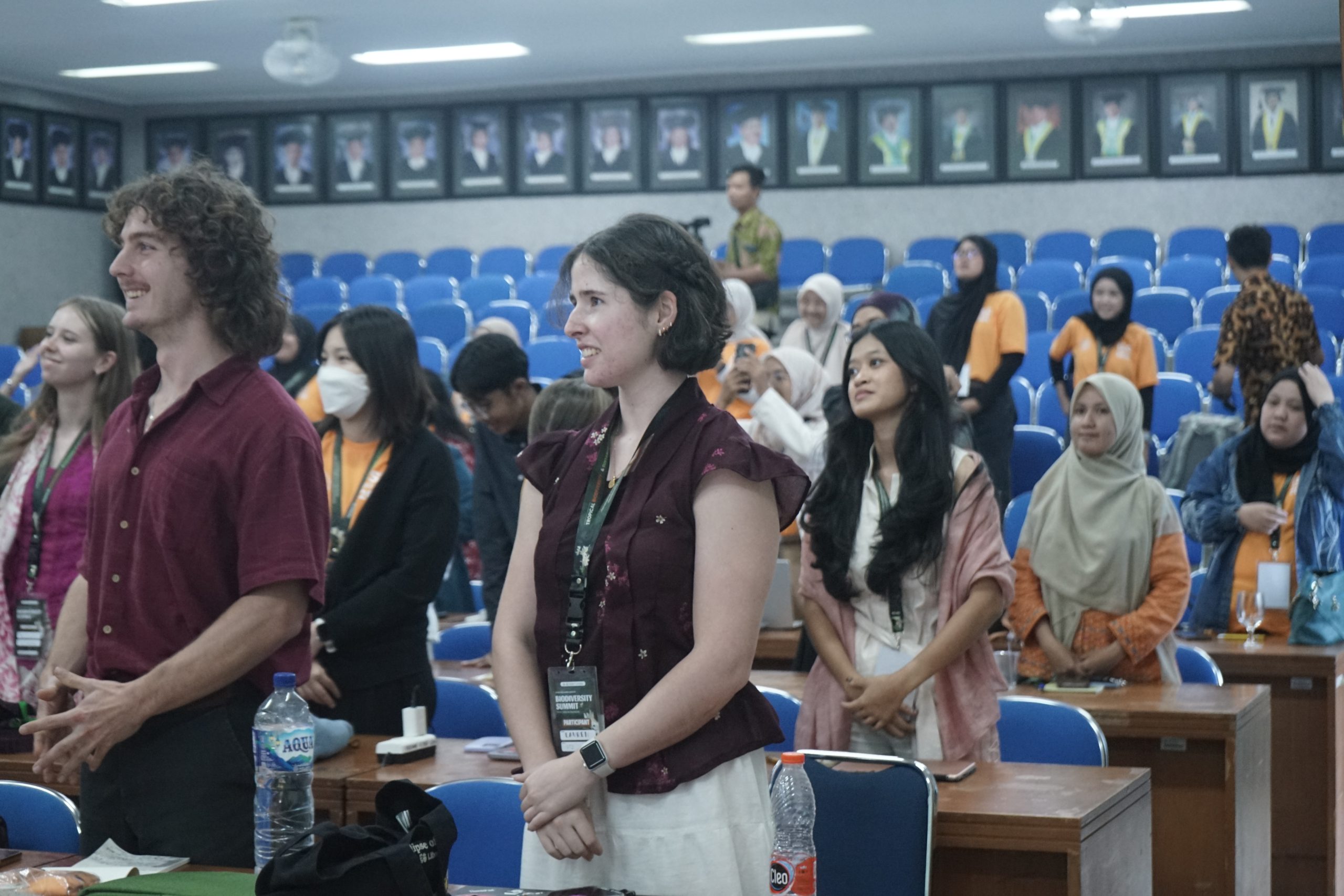
To conclude the event, the organizing committee presented awards to participants whose essays were recognized as the best in each thematic category, acknowledging the quality, originality, and innovation of their work. The summit concluded with all participants reciting the Youth Action Pledge, a collective declaration affirming their commitment to becoming future guardians of biodiversity by contributing to the protection, sustainable management, and responsible utilization of the world’s biological diversity.
Through the Biodiversity Summit 2026, the Faculty of Biology UGM once again reaffirmed its role as a collaborative platform connecting academics, practitioners, civil society organizations, and young leaders in advancing science-based solutions for biodiversity conservation. The summit also contributes to the achievement of the United Nations Sustainable Development Goals (SDGs), particularly SDG 4 (Quality Education) by promoting collaborative and experiential learning, SDG 13 (Climate Action) by encouraging science-based dialogue on climate solutions, SDG 15 (Life on Land) by strengthening capacity in biodiversity conservation, SDG 14 (Life Below Water) through discussions on sustainable coastal and marine ecosystem management, and SDG 17 (Partnerships for the Goals) by fostering collaboration among universities, non-governmental organizations, local communities, and international partners in building a more sustainable future for global biodiversity.