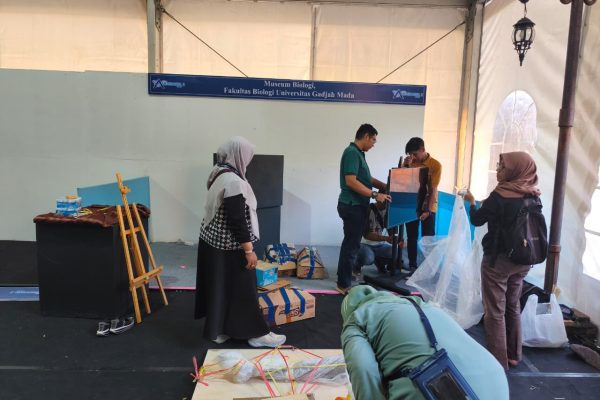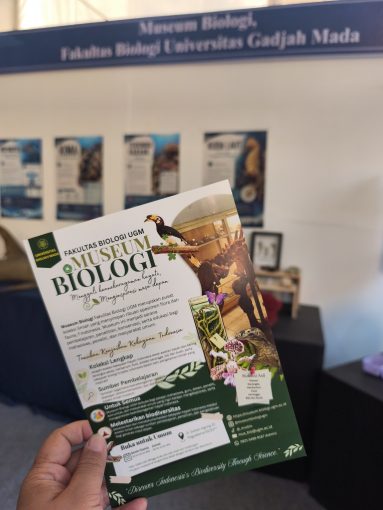
Surakarta, 26 July 2026 – The Museum of Biology, Faculty of Biology, Universitas Gadjah Mada (UGM), participated in the “Abhinawa Bhumi #2: Wijaya Jaladri Nusantara” Travelling Museum Exhibition, held from 23–26 July 2026 at Rumah Kabudayan Ndalem Djojokoesoeman, Surakarta. The event brought together dozens of museums from across Indonesia as an initiative to bring museums closer to the public through education, conservation, and the promotion of Indonesia’s cultural heritage and natural wealth.
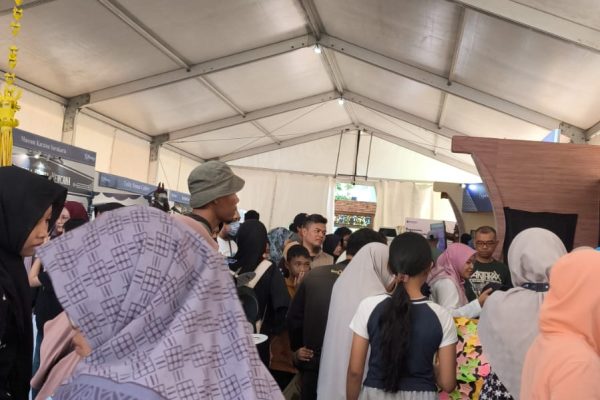
Throughout the four-day exhibition, the event received an overwhelmingly enthusiastic response from the public. Visitor numbers increased each day, with 2,277 visitors on 23 July, 4,949 visitors on 24 July, 6,338 visitors on 25 July, and reaching 9,550 visitors on the closing day, 26 July 2026.
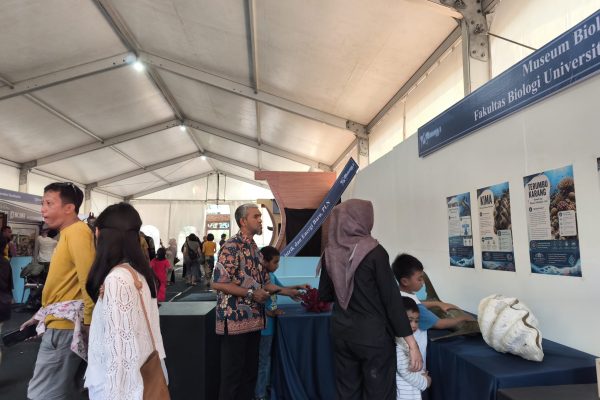
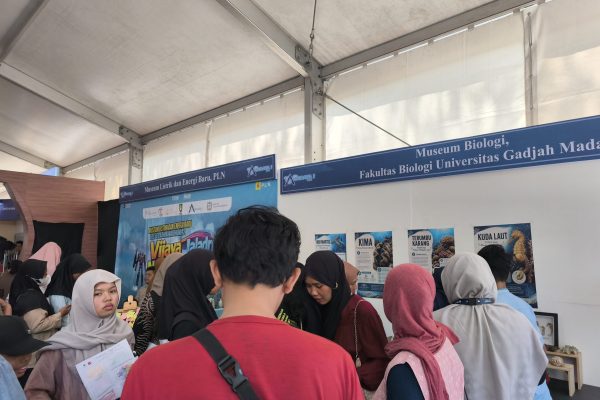
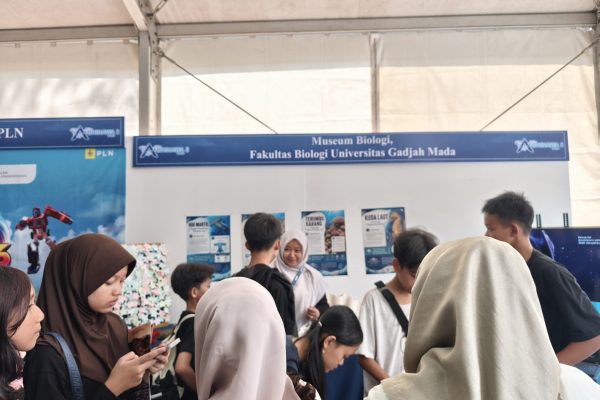
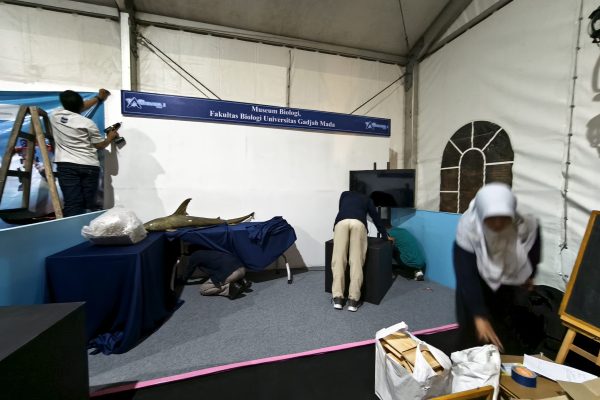
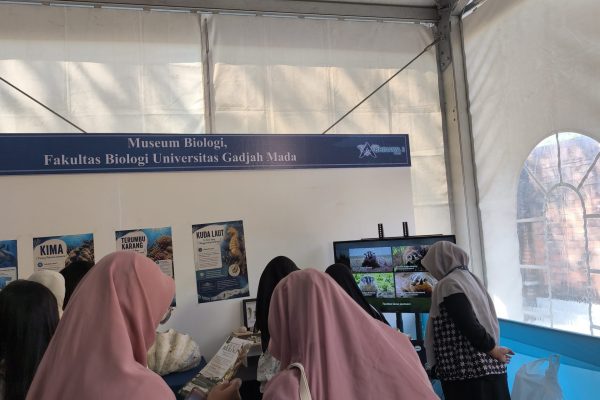
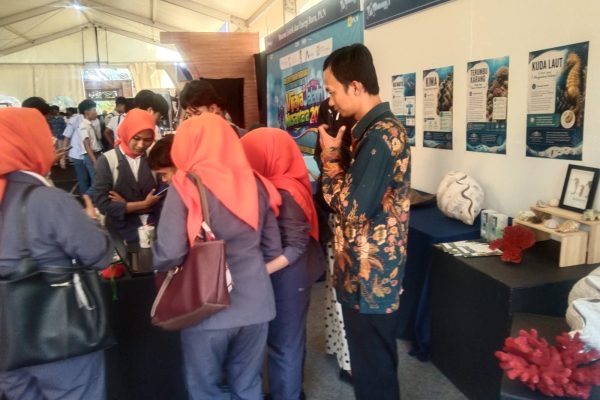
The UGM Museum of Biology occupied Booth No. 26, which became one of the exhibition booths with the highest level of visitor interaction. Even after the official closing of the exhibition, many visitors continued to stop by to ask questions, engage in discussions, and learn more about the museum’s collections and activities. This enthusiasm reflected the public’s growing interest in biological sciences and museums as enjoyable learning spaces.
The entire UGM Museum of Biology team actively participated in the exhibition, from preparation and visitor services to educational activities and interactive programmes. The team consisted of Head of the Museum Zuliyati Rohmah, S.Si., M.Si., Ph.D. Eng., Deputy Head Dr. Utaminingsih, S.Si., M.Sc., Museum Educators F.X. Sugiyo Pranoto, S.Si., Ida Suryani, S. Ark., and Candra Apriliandi, as well as museum staff member Ryan, who worked together to provide an engaging learning experience for visitors.
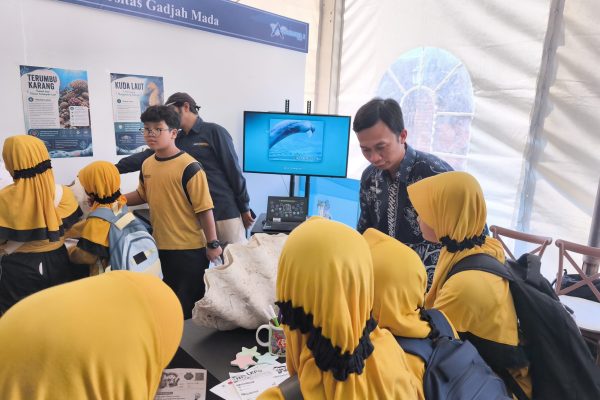
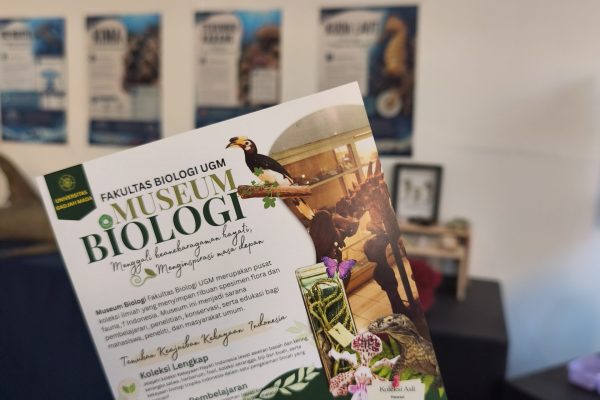
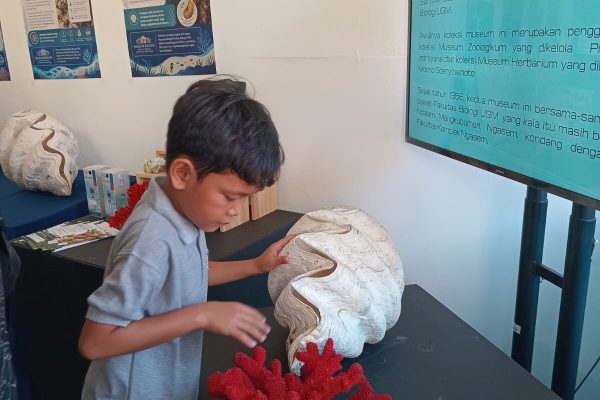
At the UGM Museum of Biology booth, visitors enjoyed a variety of featured collections, including a shark taxidermy specimen, a giant clam (Tridacna sp.), red coral, and sea urchins, representing the richness of Indonesia’s marine biodiversity. Through an interactive approach, the UGM Museum of Biology sought to bring Indonesia’s marine natural heritage closer to the public, enabling people not only to recognise the nation’s extraordinary biodiversity but also to develop a sense of ownership toward these natural treasures. This sense of ownership is expected to become the foundation for increasing public awareness and participation in conserving Indonesia’s biodiversity, particularly its marine ecosystems, which are currently facing numerous threats from human activities and environmental change.
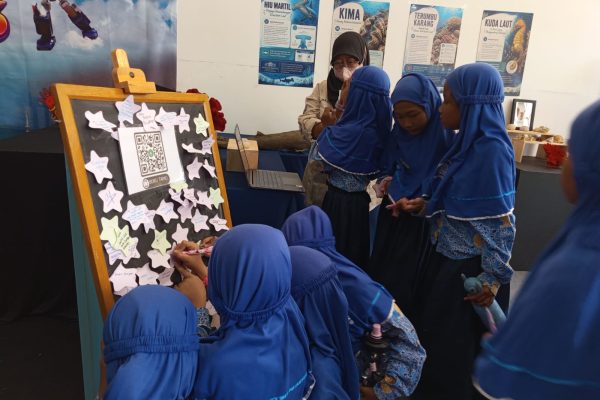
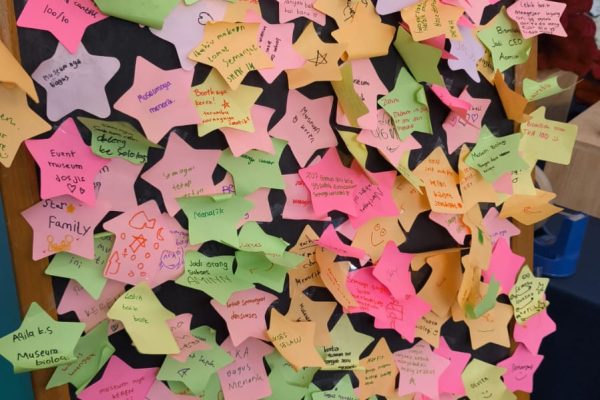
To further enhance visitor engagement, the UGM Museum of Biology also organised a Marine Biology Quiz with attractive museum merchandise as prizes, which was enthusiastically welcomed by both children and adults. In addition, visitors were invited to leave their impressions and messages on a creative Post-it guest board, creating two-way communication between the museum and the public.
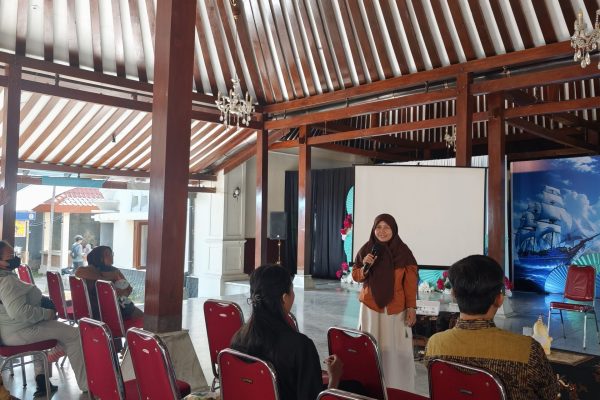
As part of the exhibition programme, the UGM Museum of Biology presented an EduTalk session on Friday, 24 July 2026, at 1:30 p.m. The EduTalk focused on the Museum of Biology as a centre for education, the concept of biological evolution, and various science fun facts, all delivered in a light, engaging, and interactive manner.
The session was presented by Zuliyati Rohmah, S.Si., M.Si., Ph.D. Eng., Head of the UGM Museum of Biology, together with Ida Suryani, S. Ark., Museum Educator. During the session, participants learned that museums serve not only as repositories of collections but also as learning centres that connect research, conservation, and public education. The concept of evolution was explained using authentic museum collections, accompanied by fascinating scientific facts that encouraged participants to view biology from a perspective closely connected to everyday life.
The participation of the UGM Museum of Biology in the “Abhinawa Bhumi #2” Travelling Museum Exhibition reflects the Faculty of Biology UGM’s commitment to expanding public access to science education while strengthening the role of museums as centres for lifelong learning. The programme also supports several United Nations Sustainable Development Goals (SDGs), particularly SDG 4 (Quality Education) by providing inclusive and accessible science education, SDG 14 (Life Below Water) by promoting literacy and awareness of marine biodiversity conservation, SDG 15 (Life on Land) by educating the public about the importance of biodiversity conservation as a whole, and SDG 17 (Partnerships for the Goals) through collaboration among museums and various stakeholders to expand the reach of education and conservation initiatives.
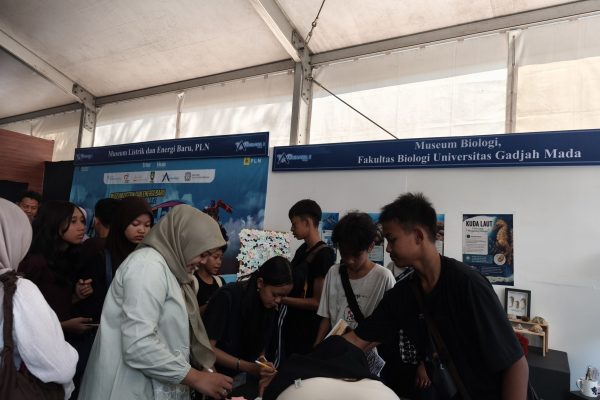 Booth Museum Biologi UGM menjadi salah satu titik edukasi yang ramai dikunjungi, mempertemukan sains, konservasi, dan pengalaman belajar yang menyenangkan.