Home-garden utilization, organic-waste management, and cultivation training strengthen household food security while contributing to the achievement of the SDGs.
KWT Lestari, Mertosanan Kulon, Potorono | 12 September 2026
Yogyakarta, 12 September 2026. The Community Service Team of the Faculty of Biology, Universitas Gadjah Mada (UGM), together with KWT Lestari, the women farmers group of Mertosanan Kulon, Potorono, organized an event entitled The Potential and Prospects of Home-Garden Utilization to Support Food Security at Taman Kuliner Buk Dhuwur, Mertosanan Kulon. The program included a presentation on home-garden utilization, an evaluation of maggot farming, and training in cultivating plants with organic fertilizer. These activities primarily support SDG 2: Zero Hunger by strengthening food availability at the household level.
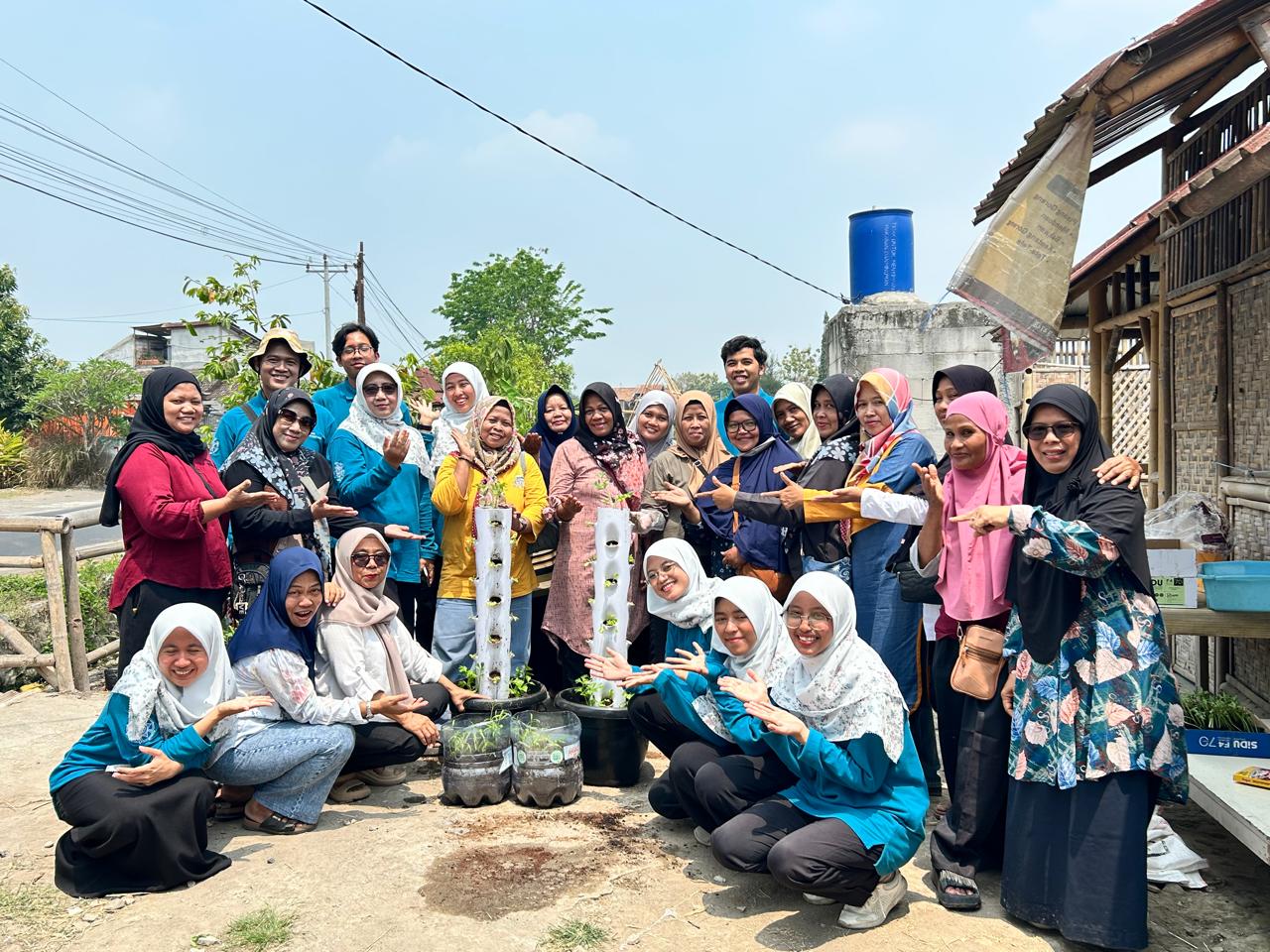
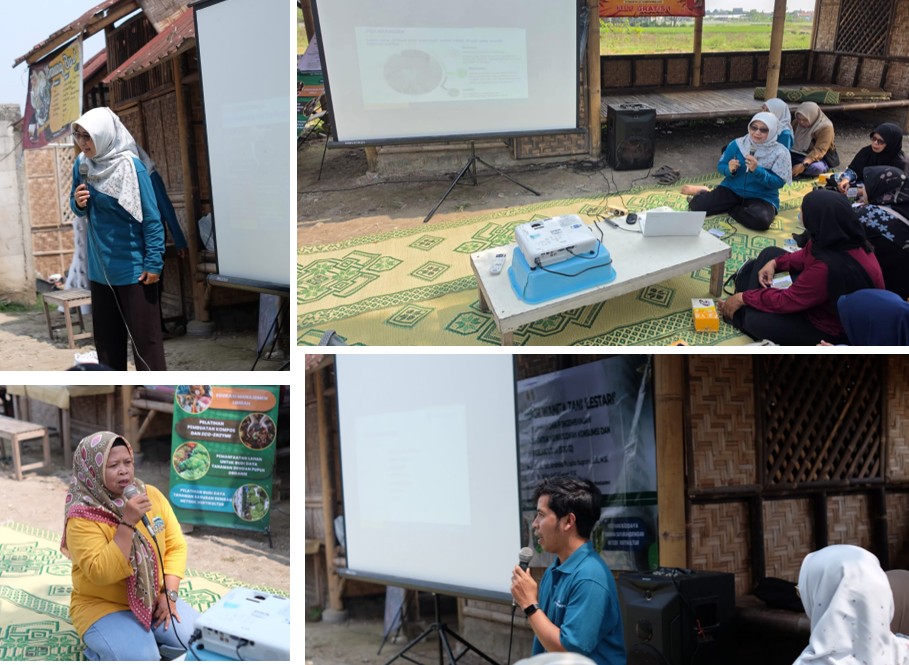
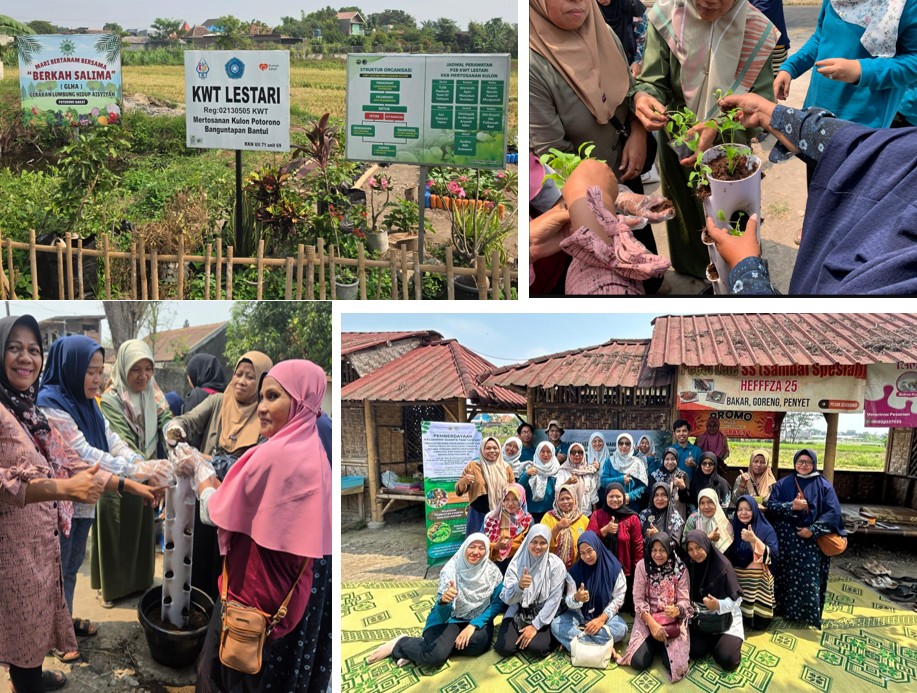
The event opened with remarks from the Head of Mertosanan Kulon Hamlet. She expressed her appreciation for the program and hoped that the mentoring would continue to strengthen household food security. The activity also complemented KWT Lestari’s regular meetings, which are held on the third Tuesday of every month.
The Hamlet Head noted that the activity introduced valuable new knowledge, as KWT members had not previously received similar training. The knowledge and skills gained are expected to help KWT Lestari prepare for the second stage of the Gerakan Lumbung Hidup ‘Aisyiyah competition. The introduction of new plant species also enriches the diversity of plants cultivated by the group and reinforces sustainable home-garden management practices aligned with SDG 15: Life on Land.
The program continued with a presentation by Prof. Dr. Diah Rachmawati, S.Si., M.Si. Prof. Diah explained that home gardens are spaces that families can manage easily and that have the potential to provide fresh, nutritious food. Using home gardens productively can also help reduce household expenses, improve environmental quality, create opportunities for additional income, and support nutritional needs, food security, and biodiversity conservation.
The presentation covered the selection of vegetables, fruit-bearing plants, medicinal plants, and ornamental plants suited to local conditions. In spacious home gardens, plants can be grown directly in the ground. Where space is limited, residents can use pots or grow bags and adopt vertical gardening techniques. Prof. Diah also emphasized the importance of using high-quality seeds, selecting fast-harvesting crops, and implementing proper harvesting practices to maximize productivity. In addition, Prof. Diah also discussed site selection based on appropriate light, temperature, and humidity conditions; the preparation of growing media using soil, compost, and rice-husk charcoal; and plant care through watering, fertilization, and pest and disease management.
In the following session, Dr. Wiko Arif Wibowo, S.Si., presented an evaluation of the maggot-farming initiative conducted previously. The evaluation showed that the initiative was already operational. Using organic residues from the TPS3R waste management facility as maggot feed represents a form of resource management aligned with SDG 12: Responsible Consumption and Production.
However, space for maggot farming at the TPS3R facility is limited. As a follow-up measure, the maggot-rearing boxes will be moved to KWT Lestari’s plot so that the initiative can continue and be monitored more effectively by the group.
The maggots produced will be used as fish feed. In addition to meeting feed requirements, the production output could be marketed at a competitive price, creating added value for KWT Lestari’s activities.
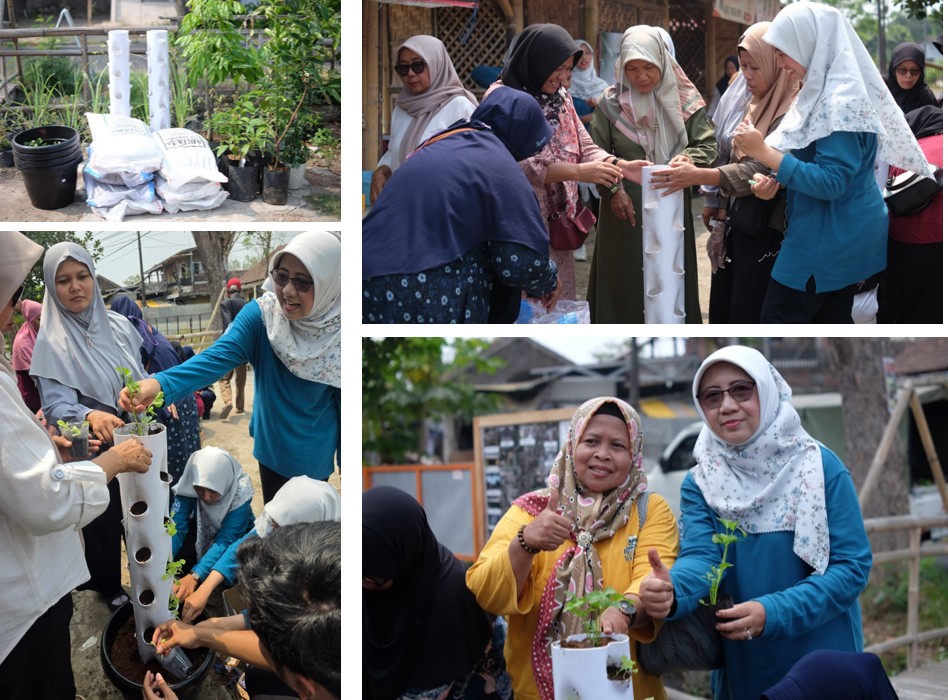
Following the presentation and evaluation of maggot farming, participants took part in practical training on cultivating home-garden plants using organic fertilizer. During this activity, the Community Service Team of the Faculty of Biology UGM provided various plant seedlings to support home garden development, including vegetable seedlings such as water spinach (kangkung), lettuce, celery, and mustard greens, as well as fruit seedlings such as citrus, crystal guava, water guava, avocado, longan, and sugar apple. Participants also received PVC-based vertical gardening units, recycled gallon-pot containers, and plant pots to facilitate cultivation in limited spaces. Furthermore, soil and animal manure were supplied as growing media components.
Through this practical session, participants applied the knowledge they had acquired, particularly in preparing plants and utilizing organic fertilizers to support plant growth. The training strengthened KWT members’ ability to manage plants independently and sustainably while promoting more responsible production practices.
Overall, the program contributes to several Sustainable Development Goals. Home-garden utilization supports SDG 2: Zero Hunger by strengthening household food availability and SDG 3: Good Health and Well-being by improving access to fresh, nutritious food. The use of organic residues in maggot farming and the application of organic fertilizer contribute to SDG 12: Responsible Consumption and Production. Meanwhile, increasing plant diversity and managing home gardens sustainably support SDG 15: Life on Land. Through continued mentoring, the UGM Faculty of Biology Community Service Team and KWT Lestari hope that families will become increasingly self-reliant in meeting their food needs while developing productive activities suited to local potential.