Tiara Putri, a doctoral student at the Faculty of Biology, UGM, has successfully obtained her second scholarship as part of the double degree program with the University of Greifswald, Germany. This scholarship is known as the Landesgraduiertenförderungsverordnung, Mecklenburg-Vorpommern (LGFVO M-V). Every semester, the University of Greifswald awards the LGFVO M-V scholarship to young academics currently pursuing their doctoral studies, who have demonstrated outstanding academic achievements and backgrounds. The selection process and chances of receiving this scholarship are highly competitive, as only 7 doctoral students at the University of Greifswald are awarded this distinction each semester. Selection criteria include academic achievements during Bachelor’s and Master’s studies, prior research experience, the quality of the proposed doctoral research project, and recommendation letters from professors in a related research field.
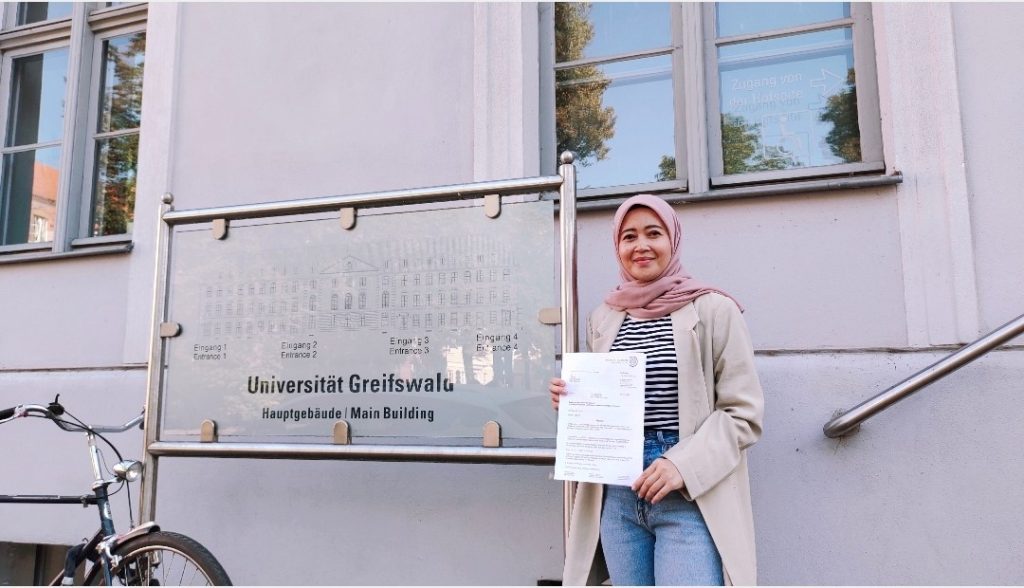
In 2022, Tiara also received the Bayer Foundation Fellowship in Drug Discovery (Germany). As a recipient of both of these scholarships, Tiara is currently pursuing her doctoral double degree at the Department of Molecular Genetics and Infection Biology, University of Greifswald, under the guidance of Prof. Dr. rer. nat Sven Hammerschmidt, as well as at the Faculty of Biology, UGM, under the supervision of Prof. Budi Setiadi Daryono. Tiara’s research project also involves collaboration with the Eijkman Molecular Biology Research Center, BRIN, with co-promotor Dr. Dodi Safari, the head of the Molecular Bacteriology laboratory. Tiara’s research focuses on “Viral-Bacterial Coinfection of Streptococcus pneumoniae and Influenza A Virus in the Upper Respiratory Tract.” Based on previous studies, over 95% of morbidity and mortality resulting from past influenza pandemics worldwide were attributed to bacterial coinfections. Streptococcus pneumoniae is the most frequently isolated bacterial pathogen in these influenza pandemics. The WHO also reports that this bacterium causes up to one million child deaths per year, making it a critical issue in the global healthcare system. To further investigate this bacterial and viral coinfection, Tiara utilizes mouse lung tissue sections as a substitute for live animal testing.
According to Tiara, this method provides an excellent alternative to meet the need for animal models in both laboratory and clinical settings. Its benefits are substantial in adhering to the principles of 3R (Replacement, Reduction, and Refinement) to reduce the number of animals used in in vivo experiments. The concept of 3R is crucial in implementing point no.12 of the Sustainable Development Goals (SDGs): “to ensure sustainable consumption and production patterns”, as it emphasizes energy and resource conservation. “These lung tissue sections can maintain cellular complexity and lung architecture, providing a platform that closely resembles natural conditions for studying both bacterial and viral pathogens in the respiratory system of living organisms. Therefore, it greatly aids in reducing the use of experimental animals in both research and clinical settings,” stated Tiara.
The CAM Orientation is an annual series of events held for new CAM members. The purpose of this series is to provide orientation and basic training on topics essential for CAMs to become Matalabiogama members. This year, CAM XXVI will undergo training on IMPK, SAR & First Aid, Survival, Mountaineering, Caving, and Matalabiogama Principles. The second orientation held during CAM XXVI’s Orientation is Matalabiogama Principles.
Understanding the elements of Matalabiogama Principles is crucial for CAMs in order to grasp the significance of being a Matalabiogama member. On September 10, 2023, the Matalabiogama Principles orientation for CAM XXVI was conducted from 13:00 to 14:35 WIB on the second floor of the BioGeo UGM cafeteria. The Matalabiogama Principles orientation was conducted by the senior from D23 Matalabiogama, Muhammad Helmi Fauzan. The event began with a collective singing of the Matalabiogama anthem. Following that, the orientation commenced with a segment on leadership, where the speaker expounded on the meaning, values, and challenges faced by a leader. The speaker also shared personal experiences as the previous general chairperson of Matalabiogama followed by a discussion session.Subsequently, the orientation continued with a focus on Matalabiogama Principles, during which the speaker discussed the vision, mission, history, and various experiences as a Matalabiogama member.
That’s all from us. We hope the orientation provided will be beneficial for CAM XXVI in their journey to become Matalabiogama members, and we wish for the upcoming orientation series to run smoothly. Vivat Et Floreat!
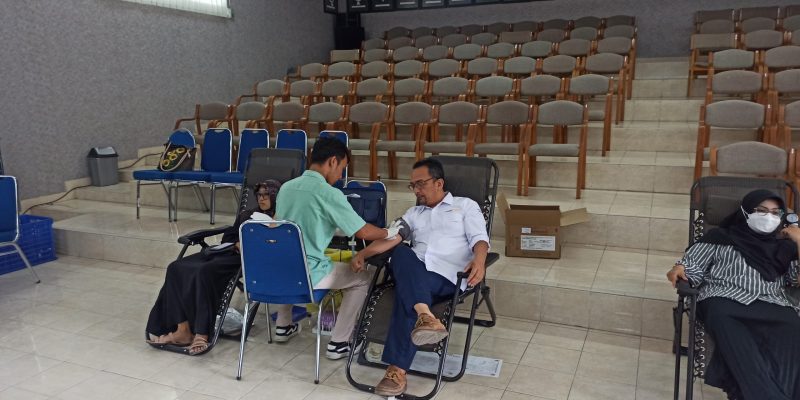
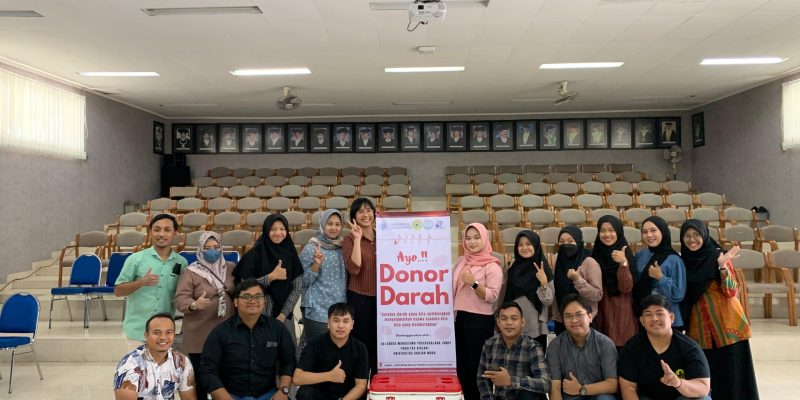
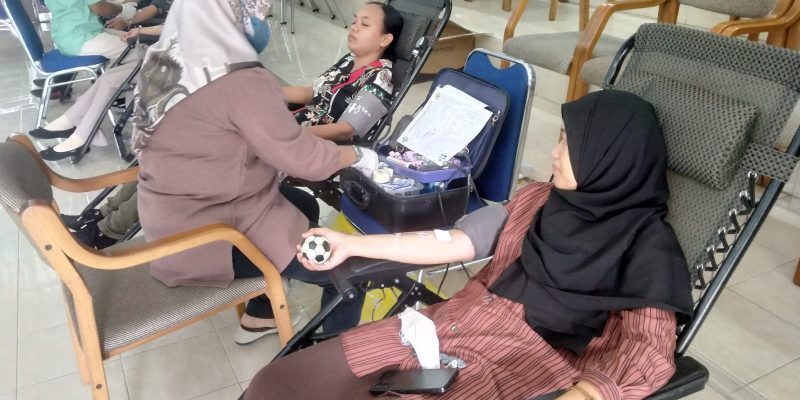
In an effort to realize compassion and dedication to the community, the Graduate Student Family (KMP) of the Faculty of Biology, Gadjah Mada University, organized a blood donation campaign with the theme “A Drop of Blood We Donate Saves the Lives of Our Needy Brothers and Sisters” on Monday (11/09/2023). In collaboration with the Dr. Sardjito Hospital Unit, this campaign was held at the Tropical Biology Auditorium, Faculty of Biology, UGM. The blood donation activity was conducted in accordance with health protocol standards and participant health screening requirements to qualify as blood donors. The blood donation activity took place from 09:30 AM to 12:30 PM, with the participation of dozens of UGM academic community members in general, and specifically from the Faculty of Biology, including professors, educational staff, and undergraduate, master’s, and doctoral students. The activity ran smoothly and achieved its target of 41 donors.
One of the donors, Faliana Sasita from the Faculty of Cultural Sciences, Master’s Program in Linguistics, expressed that although she initially felt apprehensive about participating in the blood donation, she experienced no negative side effects. Additionally, according to Faliana, the organizers were very responsive and friendly. She also hopes that this activity can be held more regularly in the future. The organizer, Siska Noviana Dewi, stated that this activity is a humanitarian effort, one of the functions of the Three Pillars of Education, namely Community Service, aims to assist and facilitate donors from the UGM academic community in donating blood for those in need. Siska also expressed gratitude to the Dr. Sardjito Hospital Unit for their willingness to help make this blood donation campaign a success, and she hopes that this collaboration can continue to be implemented annually, with the expectation of a greater number of participating donors.
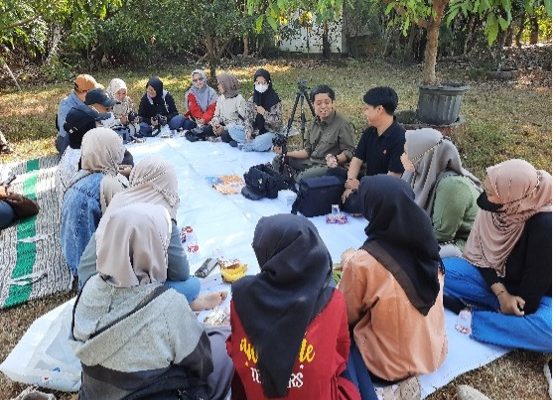
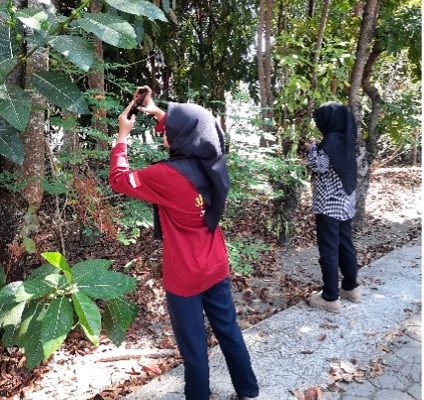
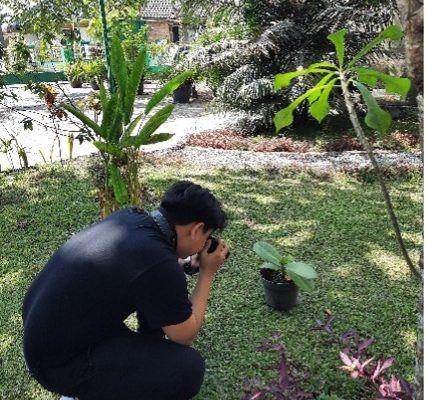
On Saturday, September 9, 2023, the Family of Postgraduate Student Talent and Interest Development Division (KMP) of the Faculty of Biology UGM hosted the BioLens event within the theme “Nature Through the Lens” at the Sawit Sari Research Station, a research facility of the Faculty of Biology at UGM. BioLens is one of the initiatives by the 2023 UGM Biology KMP’s Enchantment Division, aimed at facilitating postgraduate students from the Faculty of Biology UGM in exploring nature and immortalizing moments through the art of photography. The objective of this event is to nurture an interest and talent in photography and hiking among all postgraduate students. It also seeks to train students in digitally capturing subjects for research purposes in the field and introduce campus facilities to support their studies.
The event was inaugurated by Oktavia Dini Cahayani, S.Si., the event consisted of two sessions: a lecture session and a photo hunting session. The lecture on photography was delivered by Ahmad Yudis Mahardika, S.P, a Master’s student in Biology at UGM. The presentation covered an introduction to cameras in general and a simulation of taking photos with DSLRs and mobile phones, continued with a discussion session.
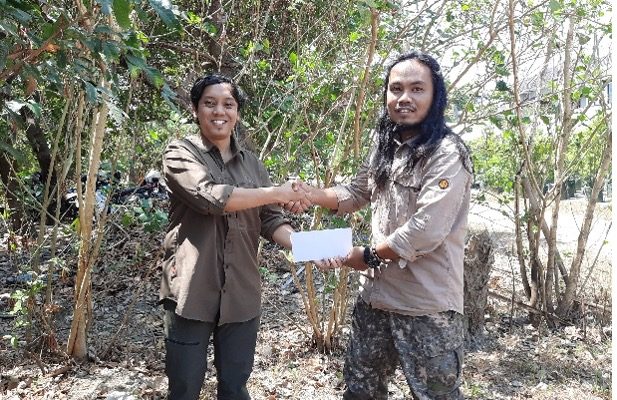
Following that, the event proceeded to the photo hunting session, where participants sought subjects to capture around the Sawit Sari Research Station. The participants showed great enthusiasm in this photo hunting activity. Subsequently, the event continued with a sharing session where each participant presented the photos they had captured, along with the stories behind them. Finally, towards the end of the event, KMP awarded the top three photos to Alfian Surya Fathoni, Fanny Sukria Fatma, and Wahyulfatwatul Umam. The event concluded with the presentation of certificates and tokens of appreciation to the speakers, prizes for the top three photos, and concluded with a group photo session.
Following the successful execution of the “Wildlife Handling Training” series by the Indonesian Wildlife Network (JSI) in Surabaya and Jakarta, the initiative continued to the regions of Bali and Lampung. This endeavor holds great significance due to the severe threat posed by illegal wildlife trade to biodiversity, as well as its potential to fuel corruption among involved government officials. Wildlife trade typically occurs through a country’s points of entry and exit, thus, the “gatekeepers” are equipped to heighten vigilance, aiming to curtail and even thwart illegal wildlife trade, particularly that protected by Indonesian law.
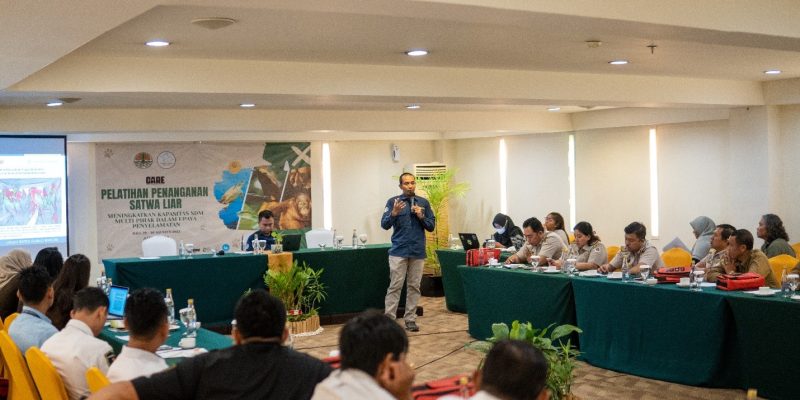
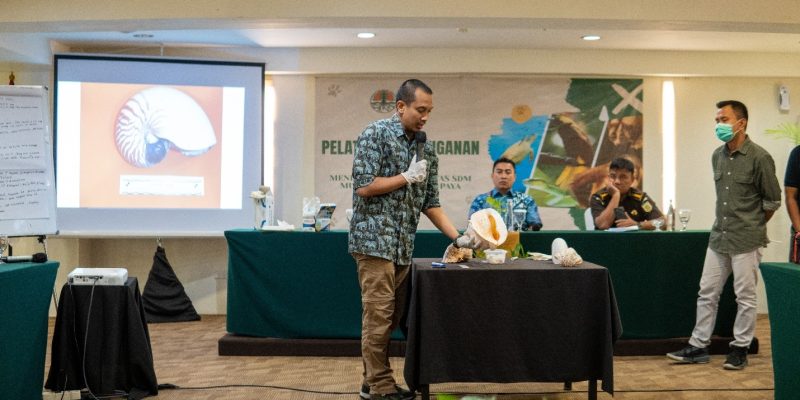
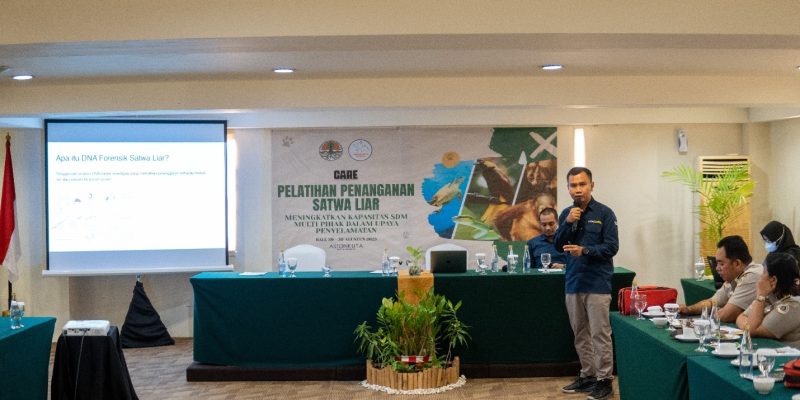
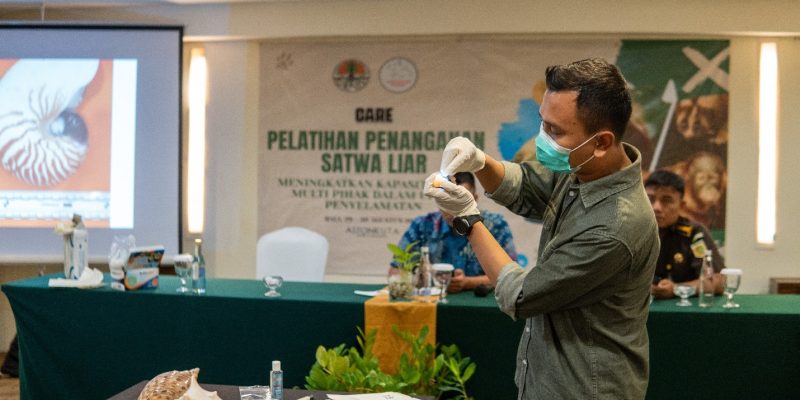
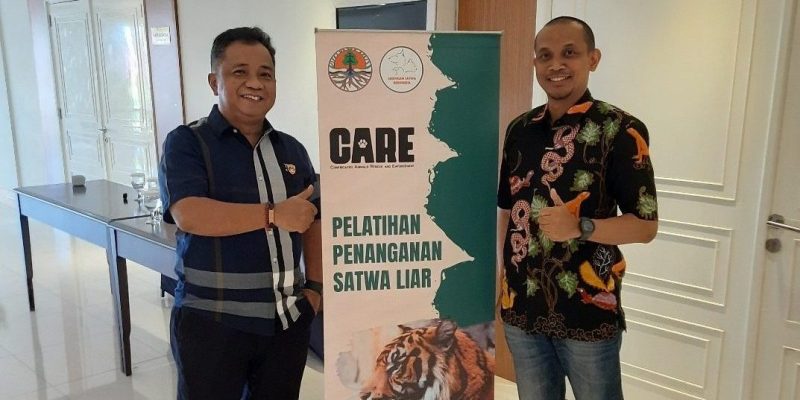
The Indonesian Wildlife Network conducted integrated training sessions in Bali on August 29-30, 2023, at the Aston Kuta Hotel, and on September 7-8, 2023, at the Swissbell-Hotel Lampung. The sessions were attended by a diverse group including BKSDA, the Prosecutor’s Office, the Police, Avian Security, the Animal Quarantine Center, and regulatory agents. The training covered various aspects of forensic examination on deceased wildlife and their parts. Proper handling is crucial to prevent damage during storage. Additionally, understanding the procedures for species identification is imperative. This encompasses morphological, anatomical, and molecular (DNA testing) identification methods. Collecting DNA samples serves as evidence to determine if the wildlife parts in question are protected by law or not. Serving as speakers were Faculty of Biology UGM lecturers and alumni: Donan Satria Yudha, S.Si., M.Sc, and Dr. Dwi Sendi Priyono, S.Si., M.Si. from the Animal Systematics Laboratory. Donan and Sendi possess extensive experience in wildlife forensic science and have made significant contributions to the advancement of knowledge in wildlife conservation and protection in Indonesia. Donan Satria Yudha, S.Si., M.Sc explained the principles of sample collection for morphological analysis, providing examples of various cases worked on for forensic investigation. Dr. Dwi Sendi Priyono, S.Si., M.Si., elucidated the principles and techniques of collection to DNA analysis, unveiling various cases of wildlife trade. One notable alumni of the Faculty of Biology UGM is AKBP Sugeng Irianto class of 1987, currently serving as the Head of Sub-Division 5 in the Directorate of Industry and Commerce Crime Investigation (Dittipidter) at the Indonesian National Police Criminal Investigation Department (Bareskrim Polri). i. He elaborated on the “Dynamics of Protected Wildlife Case Handling.”
The Wildlife Forensic Training serves as a platform for sharing knowledge, experiences, and discussions on the latest developments regarding regulations and lessons learned from supervisory efforts. It is also expected to enhance multi-stakeholder coordination and cooperation, both in implementing regulations and enforcing the law. Additionally, it aims to standardize perceptions regarding the handling of wildlife evidence and their parts, one approach being the application of CARE standards, which enables a greater chance for the survival of wildlife post-seizure, through basic handling training, care, and understanding of wildlife and their needs. This integrated training is anticipated to bring about a renewal in efforts to monitor the utilization and circulation of wildlife in the future.
The Wildlife Forensic Training contributes to several Sustainable Development Goals (SDGs), particularly SDG 15: Life on Land and SDG 16: Peace, Justice, and Strong Institutions. SDG 15: Life on Land signifies that this training aids in safeguarding biodiversity and terrestrial ecosystems by investigating cases of illegal hunting, wildlife trade, and other violations against wildlife. It contributes to the goal of maintaining sustainable terrestrial ecosystems. SDG 16: Peace, Justice, and Strong Institutions entails that this training plays a role in combating illegal wildlife trade and strengthening relevant laws and regulations. It supports the objective of creating robust institutional coordination to address this issue. The Wildlife Forensic Training is vital in protecting endangered wildlife and maintaining ecosystem balance, ultimately contributing to the overall goals of sustainable development.
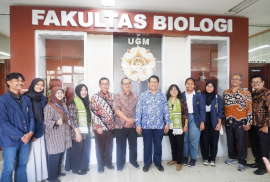
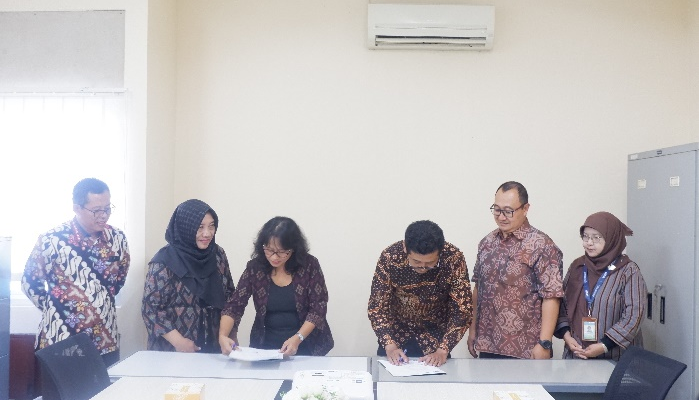
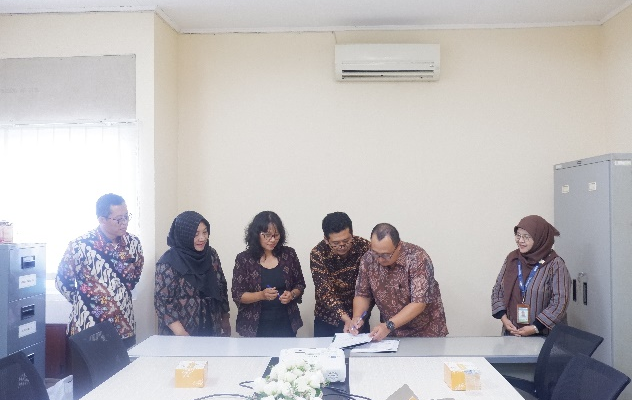
Yogyakarta, 7 September 2023 – The Faculty of Biology UGM collaborates with the Faculty of Agriculture, Udayana University within the scope of implementing the Independent Campus Learning Program (MBKM). This collaboration was formalized in the signing of the Cooperation Agreement (PKS) which took place in the Senate Room of the Faculty of Biology UGM. The agenda was attended by partners from Udayana University including Dr. Ida Ayu Putri Darmawati as the Head of the Agrotechnology Undergraduate Study Program, Prof. Dr. Ir. Rindang Dwiyanti, M.Sc. as the MBKM Supervisor Lecturer and 4 students who will participate in MBKM internship at the Faculty of Biology UGM for the next 4 months. From the Faculty of Biology attended by Prof. Dr. Budi Setiadi Daryono, M.Agr.Sc. as Dean, Dr. Bambang Retnoaji, M.Sc. as Vice Dean for Academic and Student Affairs, Dr. Slamet Widiyanto, M.Sc. as Vice Dean for Finance, Assets, and Human Resources Affairs, Dr. Eko Agus Suyono, M.App.Sc. as Vice Dean for Research, Community Service, Collaboration, and Alumni Affairs, Sukirno, S.Si, M.Sc., Ph.D. as the Head of the Biology Undergraduate Study Program, and Prof. Dr. Endang Semiarti, MS., M.Sc. from the Biotechnology Laboratory.
Dr. Ida Ayu and Prof. Rindang conveyed that their visit to the Faculty of Biology was not only to sign the collaboration but as well as to accompanied the 4 students who would carry out the MBKM Internship and Sit-In Class at the Faculty of Biology UGM for the next 4 months until 5 January 2023. The MBKM was also an implementation of the collaboration that was forged between the Faculty of Biology UGM and the Faculty of Agriculture, Udayana University.
Dr. Eko as Vice Dean for Research, Community Service, Collaboration, and Alumni Affairs, welcomed the visit of Dr. Ida Ayu, Prof. Rindang, as well as students who will carry out MBKM internships at the Faculty of Biology. He also said that the Faculty of Biology is a diverse campus with many students from various regions including student exchanges from domestic and abroad universities. Dr. Bambang as Vice Dean for Academic and Student Affairs and Sukirno, Ph.D. as the Head of the Undergraduate Biology Study Program then conveyed their welcome to the four students who would participate in learning activities. Intern students will be facilitated to be able to carry out lectures and internships effectively and comfortably while at the Faculty of Biology UGM.
Prof. Endang from the Biotechnology Laboratory who supervised the four Udayana University students at the Faculty of Biology said that the students brought orchid specimens from Bali to be studied and developed at the Faculty of Biology. It is hoped that this collaboration will also be a good collaboration between the Faculty of Biology UGM and the Faculty of Agriculture, University of Udayana and produce research outputs and academic collaborations that can be useful in the future.
This collaboration is a form of the Faculty of Biology’s commitment to supporting sustainable development in accordance with the Sustainable Development Targets (SDGs), including good quality education (SDG 4) and partnership (SGD 17).
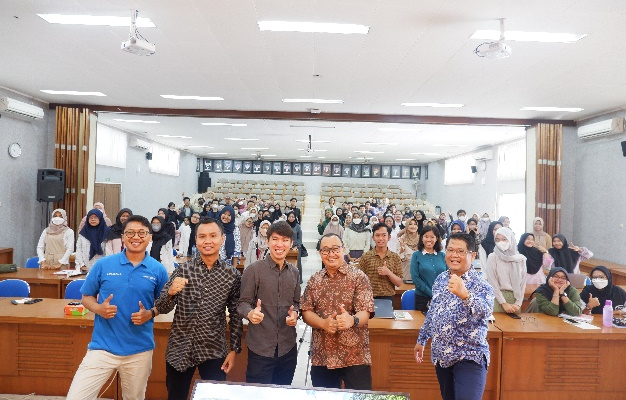
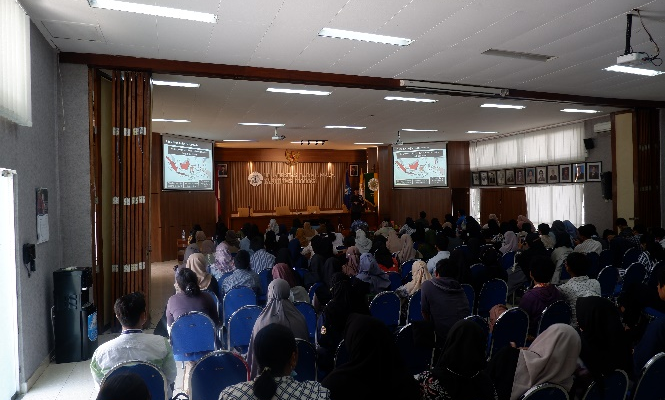
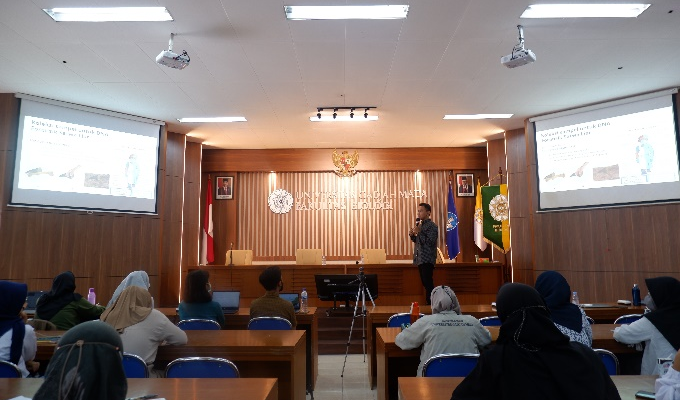
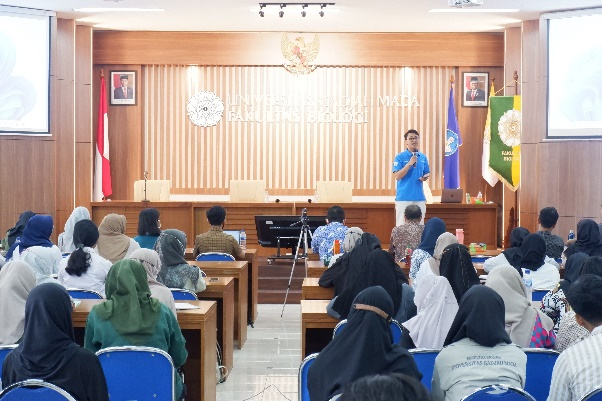
Yogyakarta, 7 September 2023 – Center for Tropical Biodiversity (Centrobio) Faculty of Biology UGM held a seminar entitled “Conservation Youth Agent: Chatting A-Z about Biodiversity”, which was held in a hybrid: online via zoom meeting and offline at the Tropical Biology Auditorium, Faculty of Biology UGM. The seminar was attended by two speakers. There are Ardiantiono, Ph.D. (Cand) from the Durrell Institute of Ecology and Conservation, University of Kent, United Kingdom, and Dr. Dwi Sendi Priyono, S.Si., M.Si. from the Faculty of Biology UGM, and guided by Akbar Reza, S.Si., M.Sc., and also attended by Prof. Dr. Budi Setiadi Daryono, M.Agr.Sc. as Dean, Dr. Eko Agus Suyono, M.App.Sc. as Vice Dean for Research, Community Service, Collaboration and Alumni Affairs, and Abdul Razaq Chasani, S.Si., M.Si., Ph.D. as Head of the Department of Tropical Biology, Faculty of Biology. The seminar was attended by more than 200 participants from various universities and institutions in Indonesia.
Dr. Eko Agus Suyono, M.App.Sc., Vice Dean for Research, Community Service, Collaboration and Alumni Affairs, Faculty of Biology, gave his speech. Dr. Eko said, this seminar was a great opportunity to invite young people to participate in biodiversity conservation. He also hopes that contributions to conservation and biodiversity will not stop here but will continue and continued by the youth in the future.
Prof. Budi as Dean then also gave his speech (7/9), “Centrobio as a Center for Conservation and Biodiversity Studies produces young people who are aware of conservation and biodiversity.” Prof. Budi also conveyed how the Indonesian Biology Consortium (KOBI) collaborated with Centrobio in supporting biodiversity conservation and preservation also continued with the opening of the seminar.
The next discussion session was hosted by Akbar Reza, S.Si., M.Sc., with the first speaker being Ardiantiono, Ph.D. (Cand). who presented material entitled “Research Trends of Mammal Populations in Indonesia: Gaps and Future Directions”. He explained the threats to biodiversity in the Anthropocene Era, including high human pressure, threats to biodiversity and significant population decline, as well as defaunation due to human activities which cause threats to ecosystems and human life itself, coupled with a lack of attention to these threats which have an impact on climate change and biodiversity loss. Ardiantiono then explained animal population trends in Indonesia and reviewed literature related to animal conservation and biodiversity, both the number and trends of publications and the distribution of publications throughout Indonesia. The gaps that occur in the scope of research and publications are further explained as indicated by species bias, uneven distribution of studies, limited studies with good methods and analysis, lack of long-term population studies and language and cost limitations in publications at the international level.
The next speaker is Dr. Dwi Sendi Priyono, S.Si., M.Si. who presented “Fighting Wildlife Crime with Forensic DNA”. Dr. Sendi opened the material by explaining the phenomenon of illegal trading of protected animals as well as abuse of wild animals which still occurs to this day. The role of DNA Wildlife Forensics is important in investigations of wild animals and endangered species. He explained that every living creature has unique DNA and DNA analysis works by reading the code in the organism’s body to match it to a database. This analysis would be vital when identifying incomplete specimens, animal morphology that is very similar, or tracing the origin of animals. The analysis process from specimen collection, identification, and lab analysis and storage was explained by Dr. Sendi and also about the possible contamination should be anticipated. At the end of his presentation, Dr. Sendi said that Forensic DNA analysis of Wildlife will continue to develop in the future and requires the role of today’s young biologists to participate in the conservation of biodiversity.
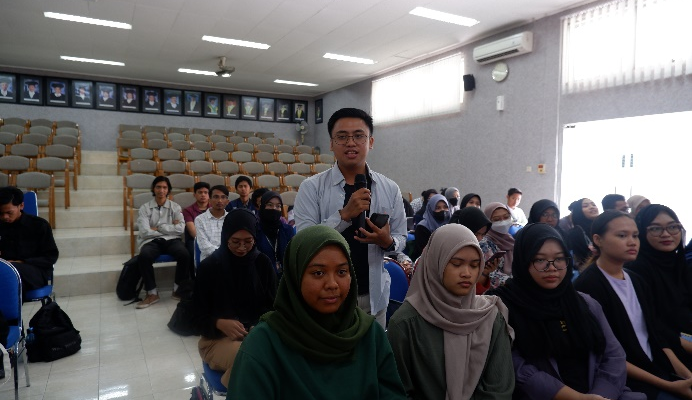
The discussion continued with questions and answers with the two speakers. The participants who attended were very enthusiastic in listening and asking interesting questions during the seminar. It is hoped that the seminar will be a great step, especially in inviting young people to participate in the scope of biodiversity conservation.
The seminar about conservation and biodiversity showed the commitment of the Faculty of Biology in its role in sustainable development in accordance with the Sustainable Development Targets (SDGs), namely good quality education (SDG 4), action to deal with climate change (SDG 13) and conservation of biodiversity which has an impact on life on water and land (SDG 14 and SDG 15).
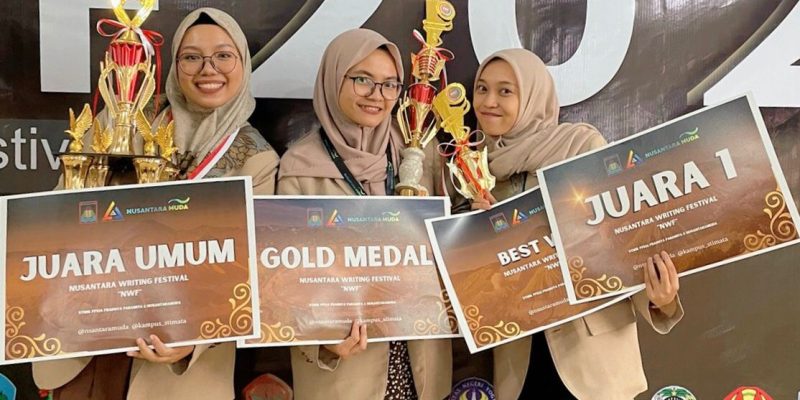
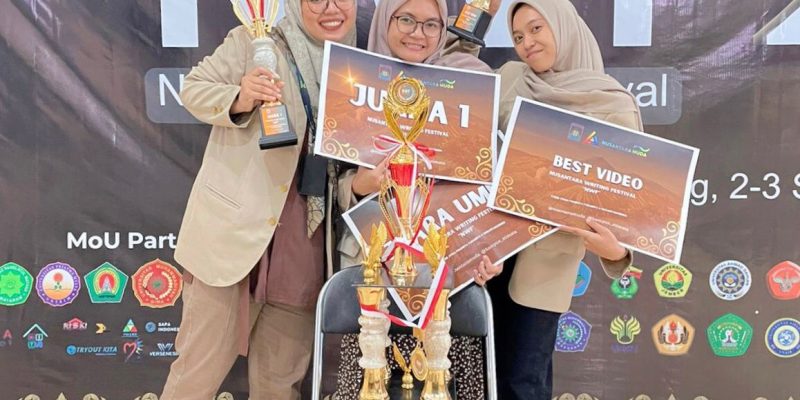
Three Master’s students in Biology, collectively known as Team Chaetomorpretty guided by Dr. med.vet. Hendry TSSG Saragih, MP, have clinched top honors in the national essay competition, Nusantara Writing Festival 2023. Led by Indah Nur Fauziah along with Anggi Rehulina Sitepu & Olvita Mayani they secured the 1st place, Gold Medal in the Health Essay category, along with the Best Video award and also grand championship.The event was organized by the Nusantaramuda Prima Equality Institution and STMIK Pradnya Paramita Malang with the themed “Innovation and Creativity for a Better Indonesia,” encompassed eight fields/sub-themes, including agriculture, health, education, environment, food, technology, social economic law, as well as tourism and culture.
Nusantara Writing Festival (NWF) 2023 not only brought forth fierce competition but also provided an opportunity for participants to share knowledge and innovations that can be applied in society. Team Chaetomorpretty focused on the health sub-theme, addressing the topic of arabinogalactan polysaccharides from the marine macroalgae Chaetomorpha linum, which hold potential as prebiotics and gut health modulators for pediatric functional gastrointestinal disorders. They highlight the cases of digestive system disorders and anomalies in Indonesian children, known as pediatric functional gastrointestinal disorders (PFGID). These disorders can significantly impact a child’s quality of life, however there has not been much research and study about PFGID yet. One strategy for managing digestive system health, especially in children, is through the consumption of prebiotics. One such type of prebiotic with potential is arabinogalactan, found in certain macroalgae. Chaetomorpha linum, an abundantly available macroalgae species, stands out for its ability to thrive in extreme environmental conditions, rapid growth rate, and year-round availability (perennial). These physiological characteristics give Chaetomorpha linum a potential for widespread utilization. The supplementation of prebiotics using Chaetomorpha linum as a means to reduce cases of pediatric functional gastrointestinal disorders is an apt innovation in bolstering a child’s digestive system resilience.
Improving the digestive system health status of children is an investment in the future. A healthy digestive system in children will enhance their immune system resilience. A healthy younger generation will undoubtedly contribute to Indonesia’s demographic dividend in the future.
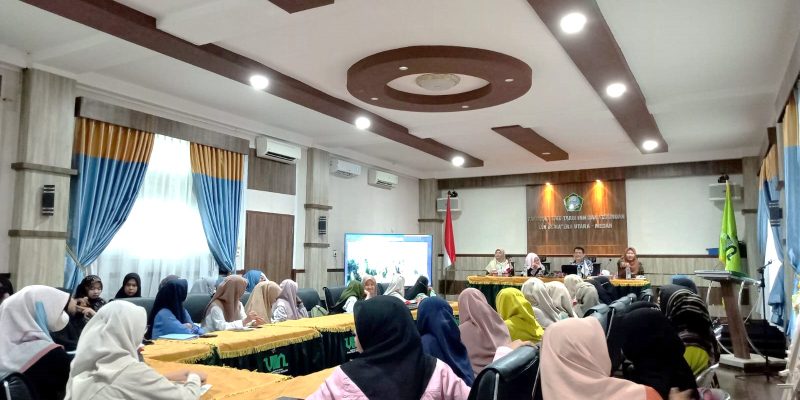
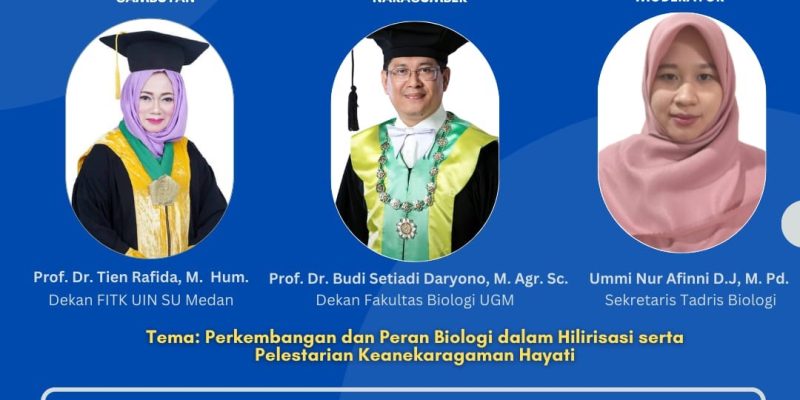
On Wednesday, September 6 2023, the Dean of the Faculty of Biology at UGM served as a guest speaker in the Guest Lecturer Program organized by the Biology Education Program, FKIK UIN North Sumatra Medan. The event took place from 09:00 to 11:00 AM at the SBSN Building, FKIK UIN North Sumatra Medan, Campus II Pancing, Jl. Williem Iskandar Psr. V Medan Estate. During the event, the Dean of the Faculty of Biology at UGM, Prof. Dr. Budi Setiadi Daryono, S.Si., M.Agr.Sc., Ph.D., delivered a lecture on the topic of “Development and Role of Biology in Downstreaming and Preserving Biodiversity.” The event was attended by enthusiastic students and faculty members. The guest lecture was opened with a welcome address by Prof. Dr. Tien Rafida, M. Hum., the Dean of FKIK UIN SU Medan. Subsequently, the guest lecture session was moderated by Mrs. Ummi Nur Afinni D.J, M.Pd., Secretary of the Biology Education Program.
In his presentation, Prof. Dr. Budi Setiadi Daryono, S.Si., M.Agr.Sc., provided an introduction to the field of biology and emphasized the importance of biodiversity. He explained the role of biodiversity in human life, including its significance as a source of food, medicine, habitat for various organisms, provider of ecosystem services, as well as its role in ecotourism and education. Prof. Budi also discussed the history and development of the field of biology from the past to the present and into the future. During this session, he also highlighted efforts to preserve biodiversity through downstreaming of his research results, such as the Hikapel Melon and Melon GMP Shampoo. Prof. Budi also shared his experiences regarding research collaborations with various companies such as PT Nudira Swadaya Indonesia, PT Gizi Indonesia, and Nahla in the development of research on Hikapel melon. These research findings have led to innovative products used in the cosmetic, perfume, and shampoo industries.In addition to discussing melons, Prof. Budi also explained the downstreaming of his research on Indonesian Local Chickens within the Gama Ayam Research Group. Gama Ayam has been developed and disseminated to the community in Beji Village, Gunungkidul, Yogyakarta, which is a village adopted by the Faculty of Biology UGM as a step towards improving the quality of local chicken meat. Furthermore, he also presented his research findings on bioacoustics in chickens. Following the presentation, a discussion session ensued. During this session, students and faculty actively participated in the discussion, making the guest lecture interactive and engaging. The event concluded with the presentation of tokens of appreciation to Prof. Dr. Budi Setiadi Daryono, S.Si., M.Agr.Sc. by Prof. Dr. Tien Rafida, M. Hum., the Dean of FKIK UIN SU Medan.
This activity is expected to enhance students’ understanding and enthusiasm in the field of biology and inspire them to contribute to the preservation of biodiversity. Additionally, the event is anticipated to foster research cooperation and collaboration between the Faculty of Biology at Gadjah Mada University (UGM) and the Faculty of Education and Teacher Training at UIN North Sumatra Medan, while also supporting sustainable development goals, particularly quality education (SDGs 4).
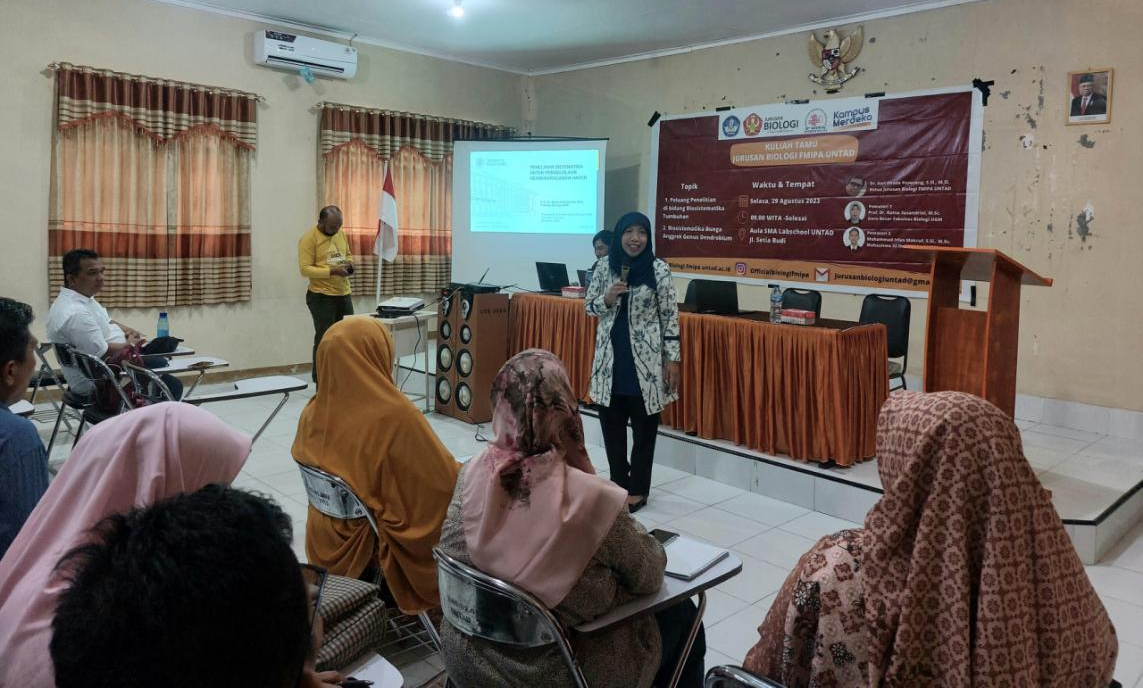
The high biodiversity in the Indonesian archipelago holds various potentials to be wisely utilized and managed for human well-being. Appropriate utilization and management must be grounded in accurate knowledge of species identities. This requires fundamental research in the field of Plant Taxonomy. In order to motivate students from the Biology Department of the Faculty of Mathematics and Natural Sciences at Tadulako University, Prof. Dr. Ratna Susandarini, M.Sc., a Professor specializing in Plant Taxonomy at the Faculty of Biology UGM, delivered a guest lecture on the theme of Biosystematics Research for Biodiversity Management,organized by the Biology Department of the Faculty of Mathematics and Natural Sciences Tadulako University. Prof. Ratna Susandarini’s presence also brought a mission to explore research collaboration, which was discussed in an informal meeting with the Dean of the Faculty of Mathematics and Natural Sciences at Tadulako University, Dr. Lufsyi Mahmudin, S.Si., M.Si.The guest lecture, held on Tuesday, August 29, 2023, was attended by students of the Biology Department, students from Mataram University enrolled in the MBKM program, The Head of the Department, Department Secretary, and all the lecturers.

In her opening address, the Head of the Biology Department at the Faculty of Mathematics and Natural Sciences at Tadulako University, Dr. Asri Pirade Paserang, S.Si., M.Si., expressed hope that through this guest lecture, students would find inspiration and motivation to research the rich biodiversity in the Sulawesi region, widely recognized in the scientific world as part of the Wallacea region. The discussion that followed the guest lecture further heightened motivation for both students and faculty members to study the biodiversity of Sulawesi through research in the field of Biosystematics.”