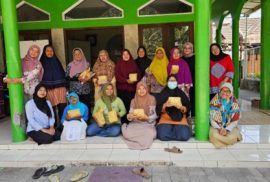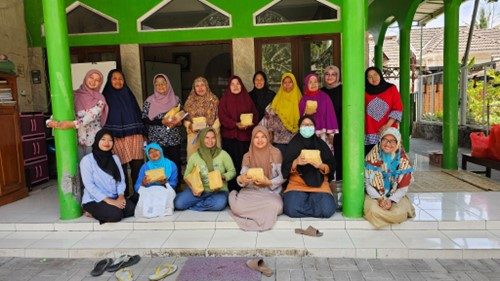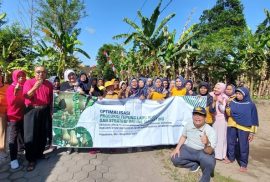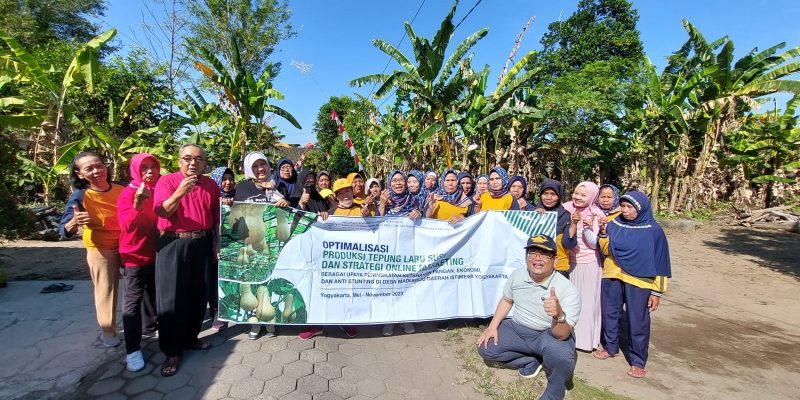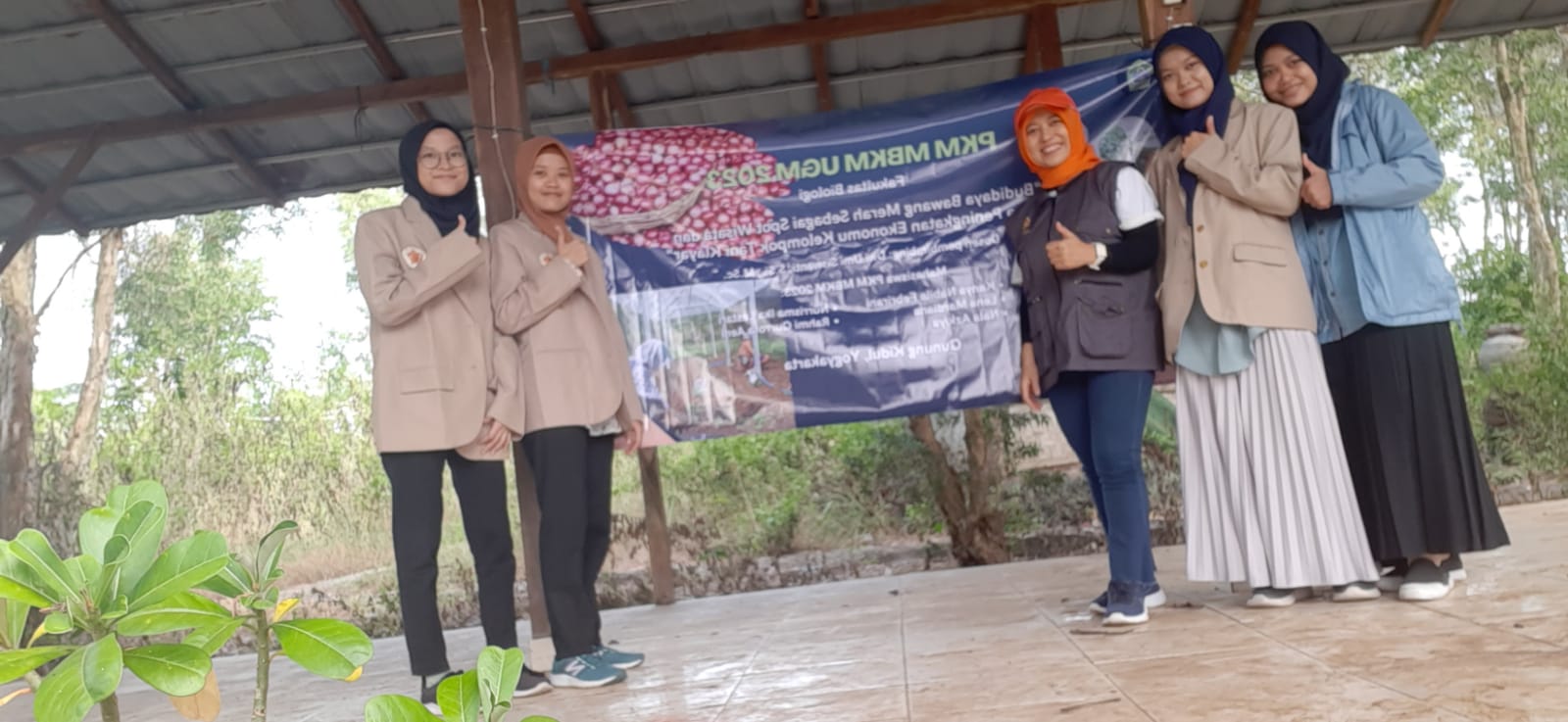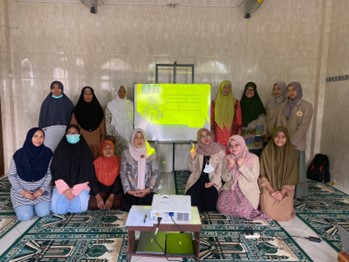
On Friday, October 20, 2023, the Community Engagement Activity Team of the Independent Learning Program (MBKM-PkM) at the Faculty of Biology, UGM, led by Prof. Rarastoeti Pratiwi, along with Aisya Syam Mahanani, Lathifa Haya Nuraziza, and Oktaviani Setiati, conducted the event “Socialization and Training for the Cultivation of “Living Pharmacy” and Functional Foods for Women Farmer Groups in the Malangrejo Hamlet.” This activity took place at the Malangrejo Population Data Center, Wedomartani Village, Ngemplak, Sleman, Yogyakarta Special Region. The event was attended by the Head of Malangrejo Hamlet (Mr. Sarbini) along with the Chairwoman of the Women Farmers Group (KWT) in Malangrejo (Mrs. Isti Maryati), as well as the members of the Women Farmers Group.
This event was a continuation of the PkM-MBKM program in the second semester of 2023. The aim of this activity is to expand the collection of plants with medicinal properties for both treatment and daily bodily needs supply. Additionally, another objective of this activity is to provide alternative, healthier, and more practical methods of plant cultivation, as well as alternative methods of watering plants suitable for the recent dry season. In the cultivation of Living Pharmacy (TOGA), white ginger, red ginger, turmeric, mango turmeric, white turmeric, lesser galangal, lemongrass, and galangal seeds were used and planted in polybags with soil as the medium and a drip irrigation method. This irrigation method uses plant infusions and plastic bottles to optimize water usage during the dry season. Unlike TOGA, functional food plants such as lettuce, water spinach, chili, bok choy, as well as tomatoes were used and planted using hydroponic methods with rockwool as the medium.
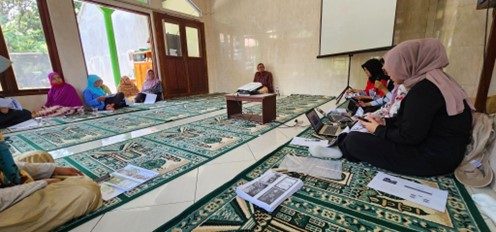
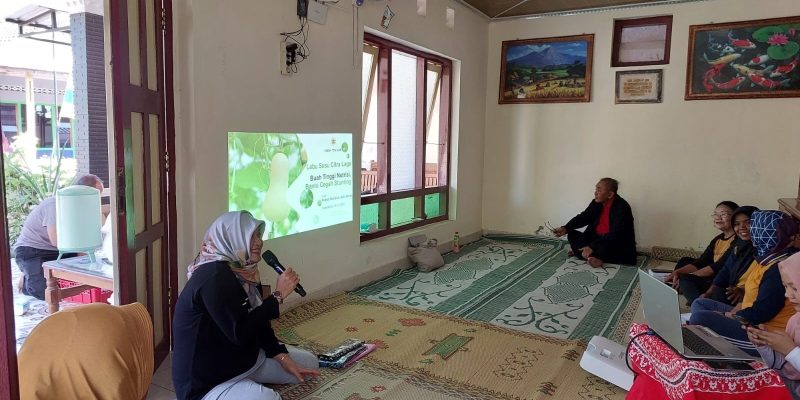
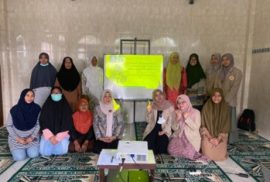
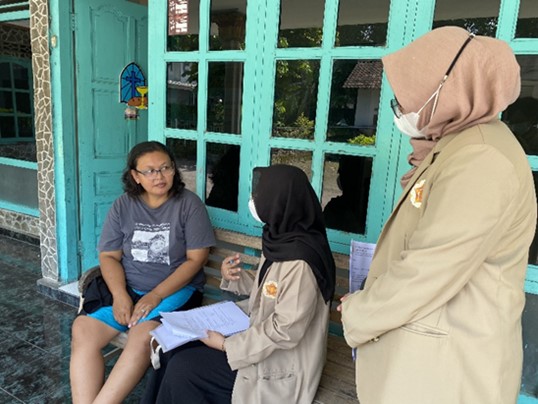
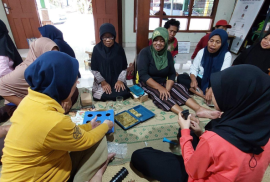
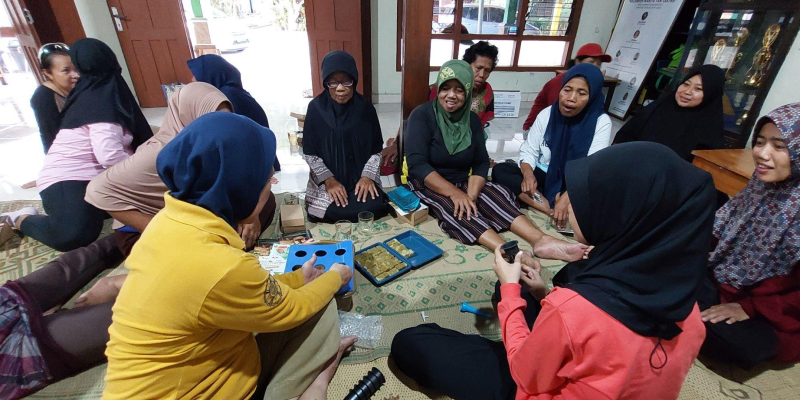
The socialization and training activities began with opening remarks from the Activity Chair, the Head of Malangrejo Hamlet, and the Chairwoman of KWT Malangrejo. Prior to the socialization on TOGA and functional food plants, a pre-test questionnaire was conducted, and booklets titled “Types and Cultivation Methods of TOGA and Functional Plants” were distributed. This socialization activity covered the characteristics, benefits, planting methods, maintenance, and harvesting methods for each plant, as well as the methods of hydroponic cultivation and infusion watering. Additionally, information was provided about the types of TOGA and functional food plants to be cultivated, as well as a layout sketch according to the plant type and yard conditions. The socialization activities were followed by a discussion on technical aspects of cultivation, especially hydroponic planting, and the application of infusion watering methods with plastic infusion bottles. The socialization and training activities concluded with the completion of a post-test questionnaire to measure the increase in knowledge among the KWT women regarding the cultivation of TOGA and functional food plants. The results showed that the participants’ (in this case, KWT women) knowledge about the cultivation of TOGA and functional food plants increased by 23.5%.
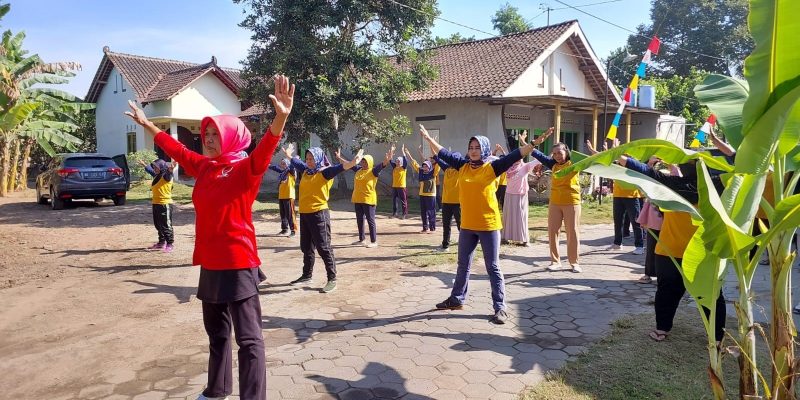
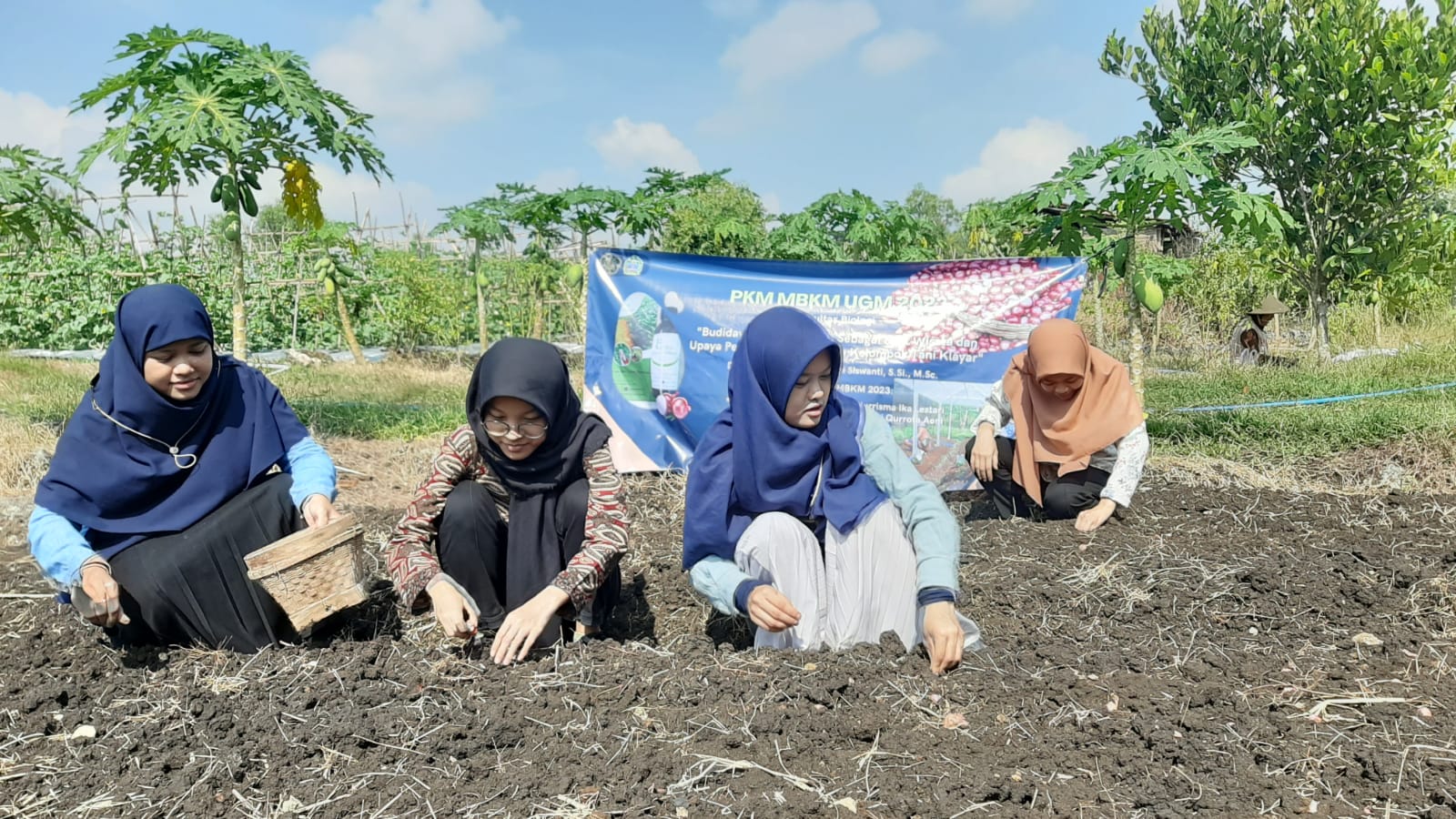
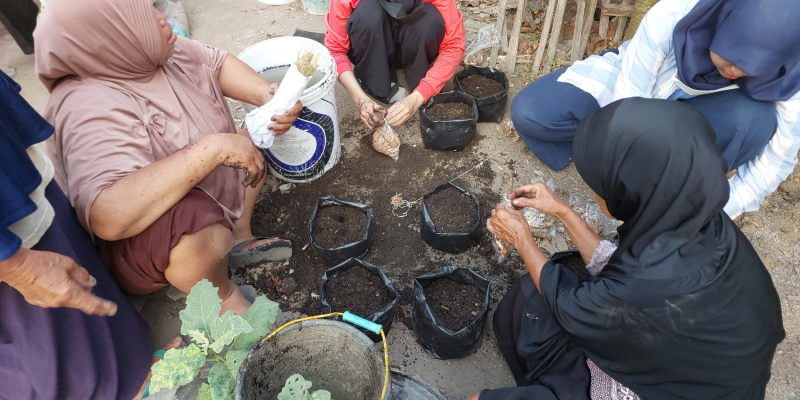
The activities continued with the accompanied planting of TOGA and functional food plants. This planting activity is one of the implementations of the PkM-MBKM activities that took place over two semesters in 2023. The rainless weather supported the joint planting activities carried out in the courtyard of the Hamlet Hall. The training activities began with the hydroponic planting of functional food plants. In practice, the KWT women planted lettuce seeds in rockwool for germination. Subsequently, the cultivation of TOGA plants took place in the land adjacent to the Malangrejo Population Data Center, starting with the preparation of the soil medium in polybags. The activity concluded with the planting of ginger, turmeric, lesser galangal, lemongrass, and galangal seeds in polybags, as well as the watering of plants in the courtyard land. Monitoring will be conducted every three days during the planting to ensure the growth of the planted plants is successful.