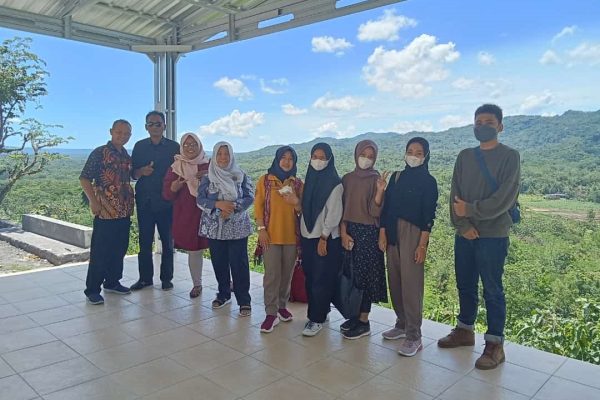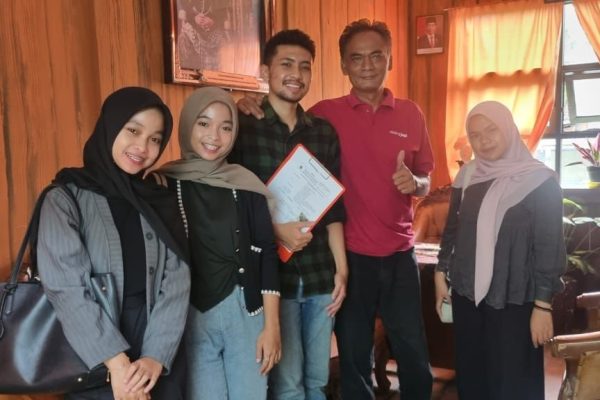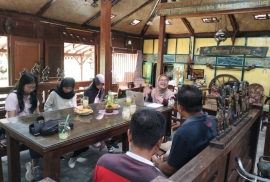
the Gebang Hamlet, Jetis, Wedomartani, Ngemplak, Sleman, is the inadequate management of animal waste (kohe) from cattle and goats. Faculty of Biology UGM through the Community Service – Independent Learning Independent Campus (PkM-MBKM) 2024 activity, led by Prof. Rarastoeti Pratiwi, with members Angela Puspa Larasati, Hanifa Nazaila F, and Nindya Dayita Hapsari held the meeting with the Wedomartani Tourism Awareness Group (Pokdarwis) team, represented by Joni Martono, Rujito, and Gatot Satriya, at Warung Goeboeg Pentjeng, Gebang. The meeting was to initiate the implementation of activities in managing and utilizing animal waste to produce organic fertilizer. Prior to the meeting, a discussion was held to align the perceptions between the head of Pokdarwis Wedomartani, Langgoso Aswin Poetra, and the head of the PkM MBKM team, especially regarding the implementation of activities. This activity supports the Sustainable Development Goals (SDGs), especially goals 13 and 17, Land Ecosystems and Partnerships to Achieve Goals.
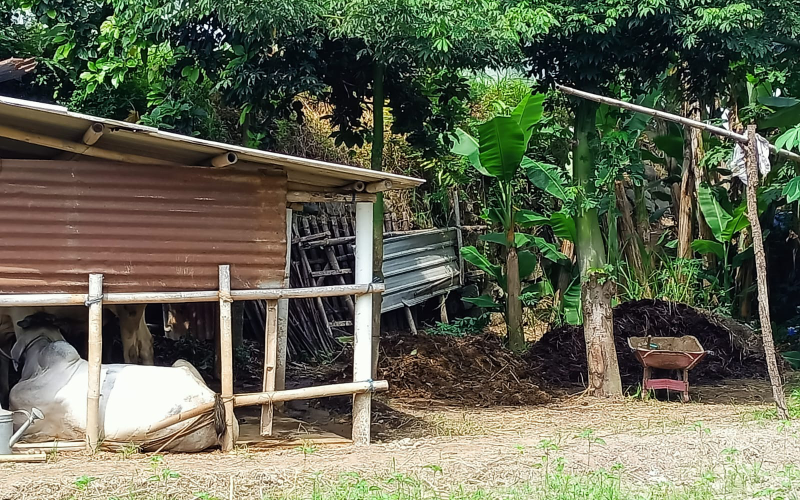
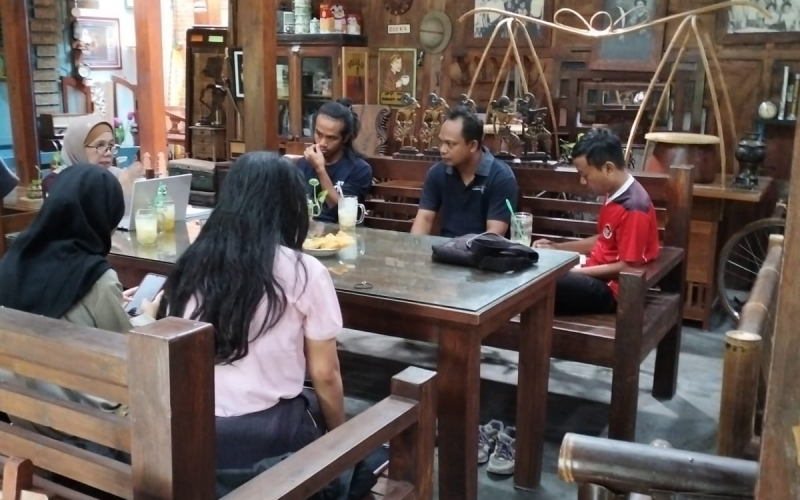
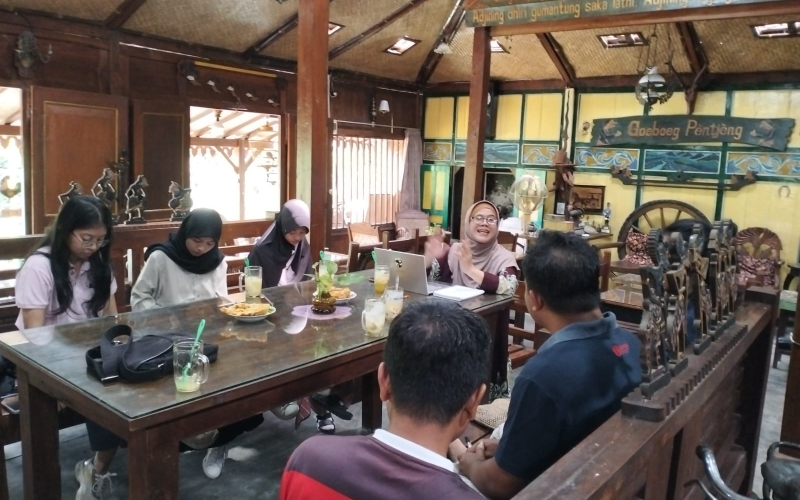
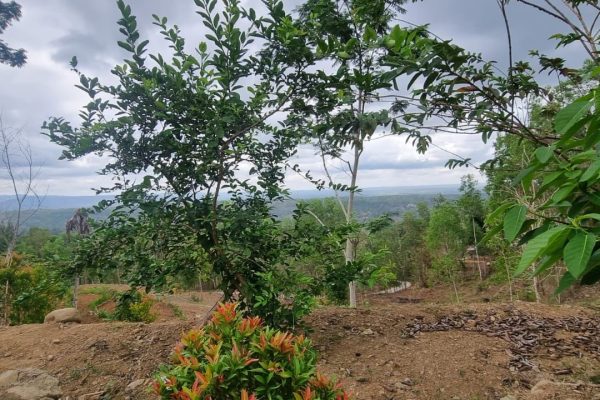
The dominant livestock in the Gebang Hamlet are cattle and goats. Currently, animal waste is only collected near the pens, left to dry, and not optimally utilized. Additionally, there is an abundance of bamboo plants in the Gebang hamlet, which produce bamboo leaf litter. Bamboo leaf litter also serves as a medium for the growth of Trichoderma fungus, which has benefits as a biological fertilizer and biofungicide. The meeting discussed strategies for processing and producing organic fertilizer that can be utilized by farmers. It was agreed to process kohe, consisting of cattle and goat waste, along with bamboo leaf litter. This activity will begin with the production of prototype fertilizer products consisting of 6 variants. These prototype variants will be tested on chili plant seedlings to observe their growth. Subsequently, the selected variant of kohe fertilizer products, based on the best growth test results on chili plants, will be produced on a larger scale. To optimize the production of fertilizer on a larger scale, appropriate technology is needed using simple machinery equipment. The nutrient content and potential of these kohe fertilizer variants in supporting chili plant growth will also be tested.
To support the success of these activities, the head of the PkM MBKM team stated, “These activities will run smoothly if there is synergy between the PkM MBKM team and the team from Pokdarwis Wedomartani. To facilitate the activities, it can start by scheduling the implementation time at each stage, by writing down the activities in detail. Additionally, joint commitment is needed to achieve the goal of producing organic fertilizer from kohe waste in the Gebang Hamlet.” In the discussion, many suggestions and ideas were presented by Pokdarwis team members, which were well received by the MBKM students, including efforts to find references to support these ideas. The initiation meeting for these activities proceeded smoothly and optimistically.
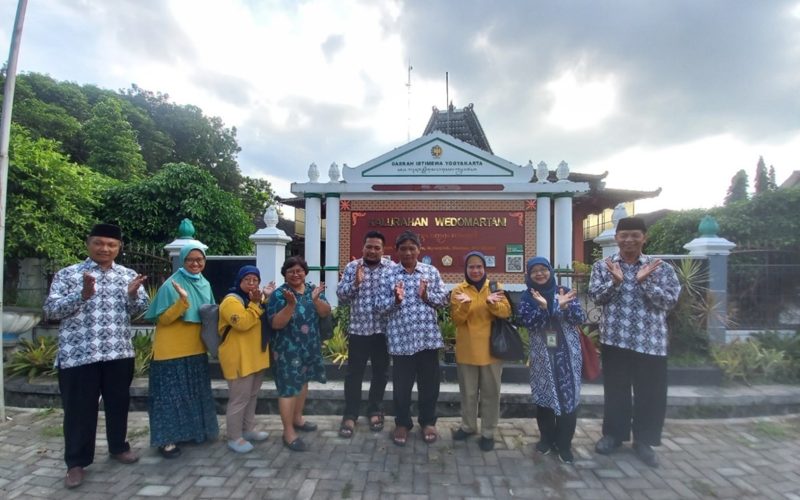
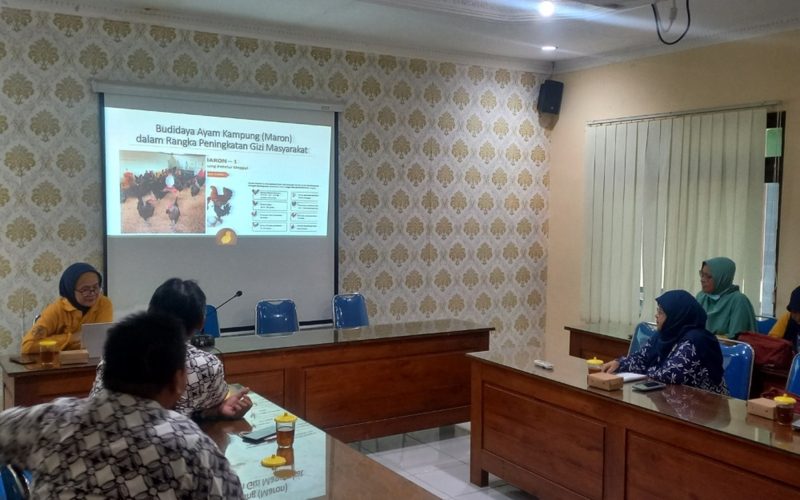
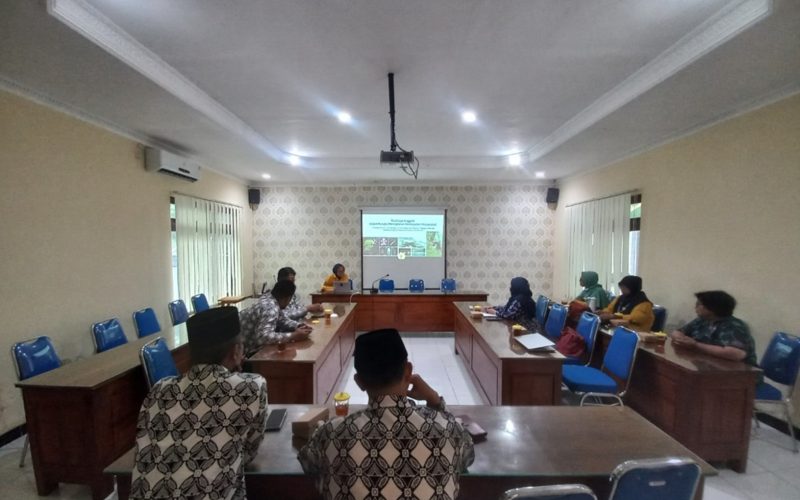
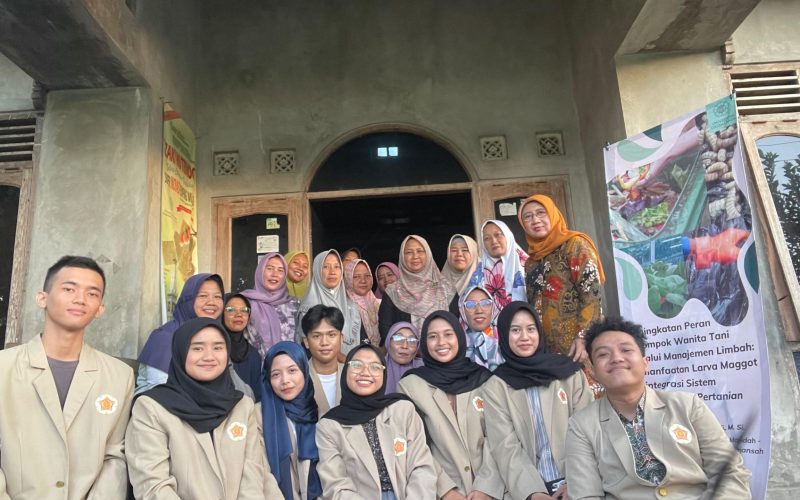
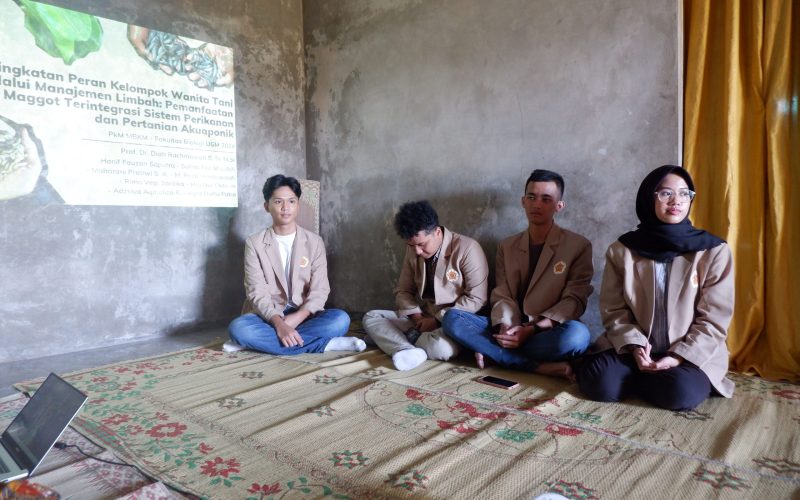
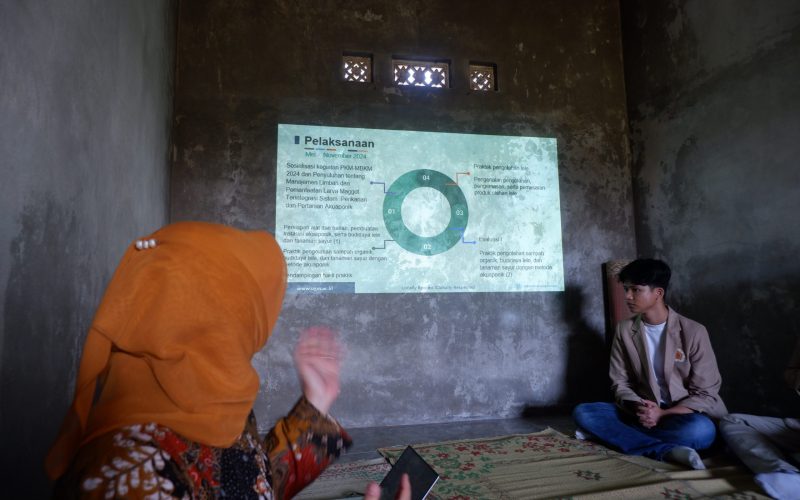
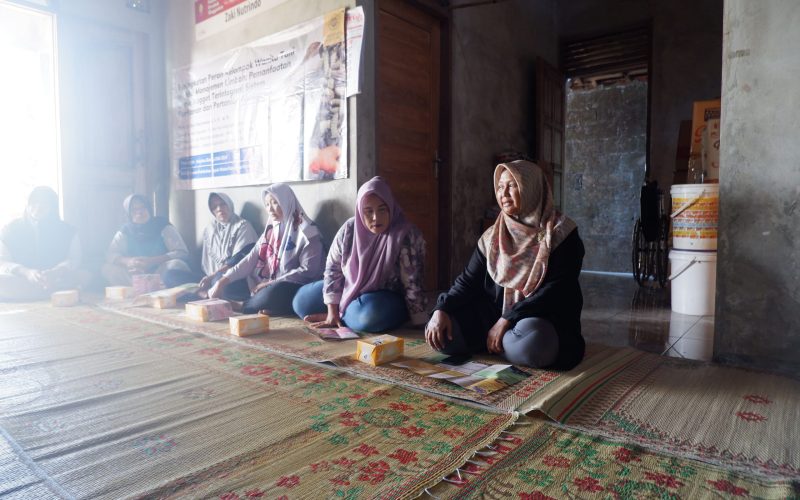
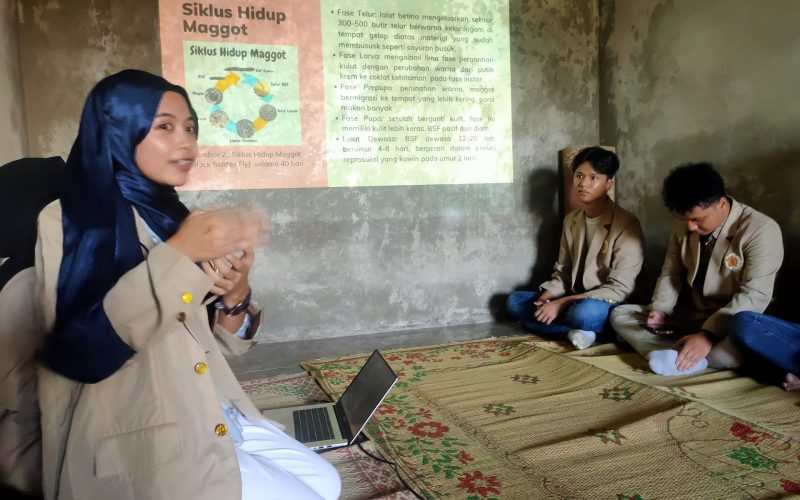
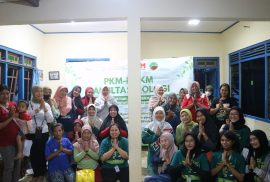
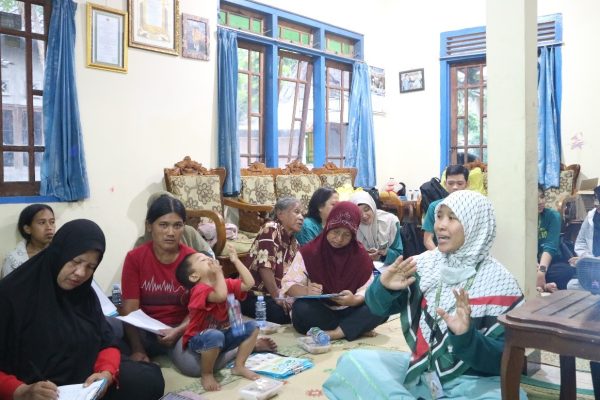
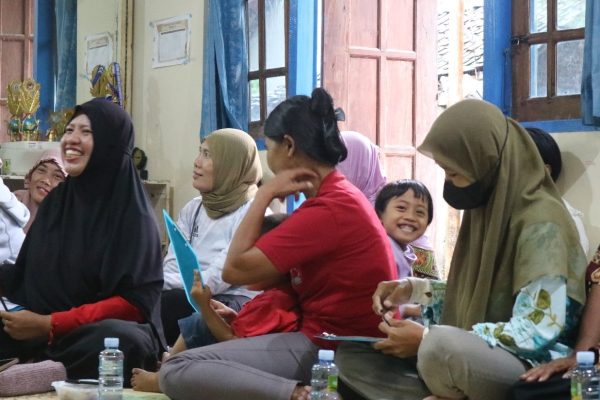
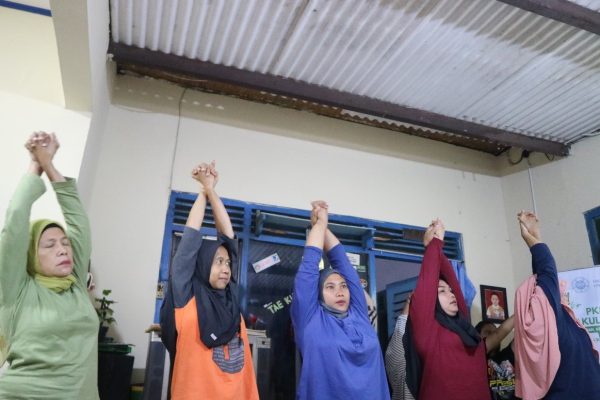
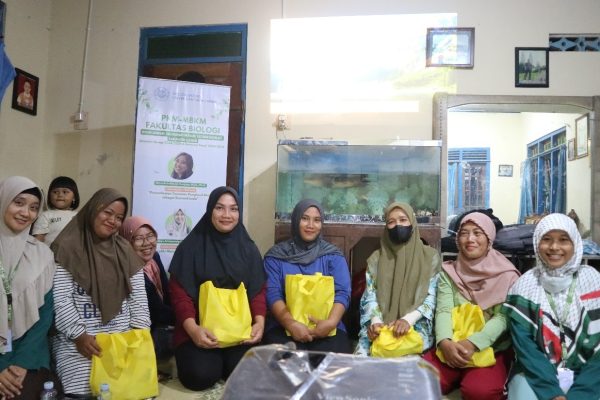
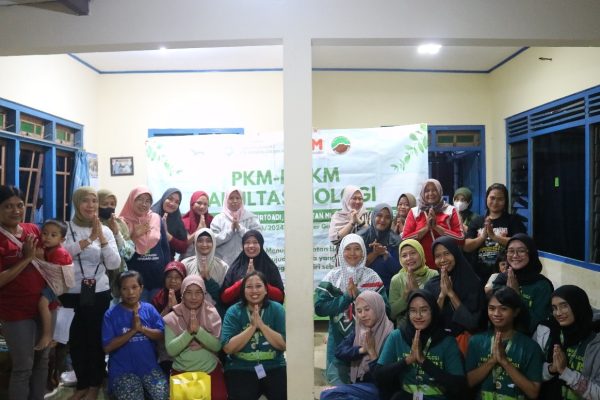
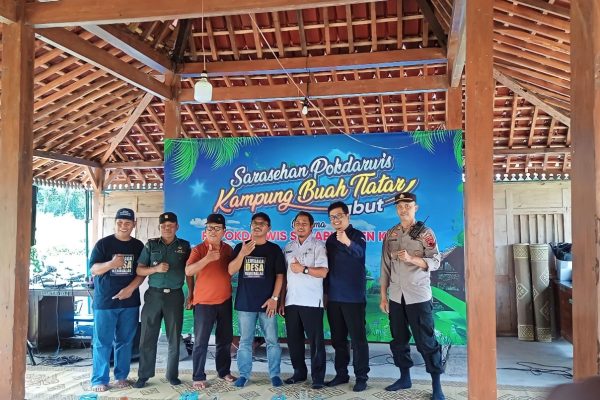
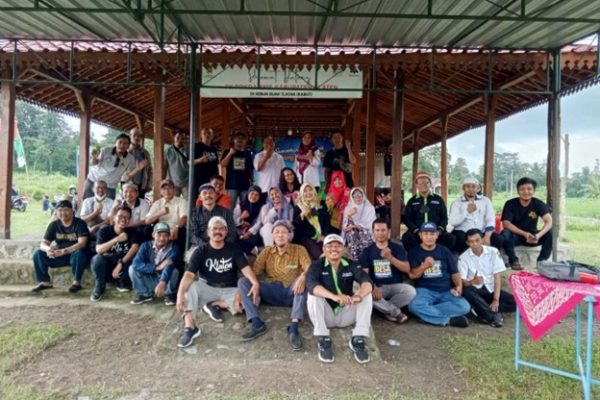
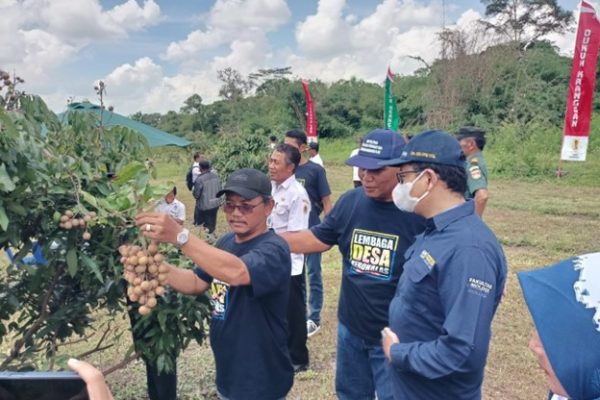
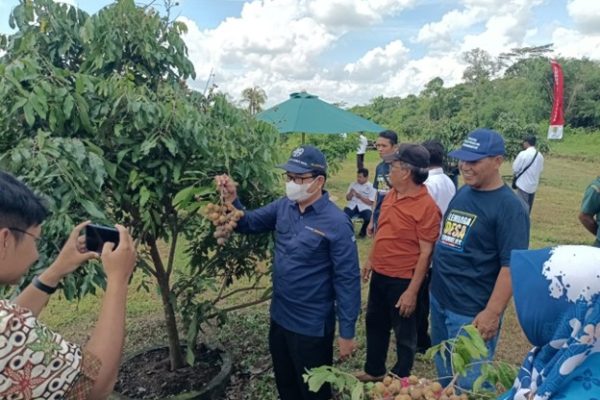
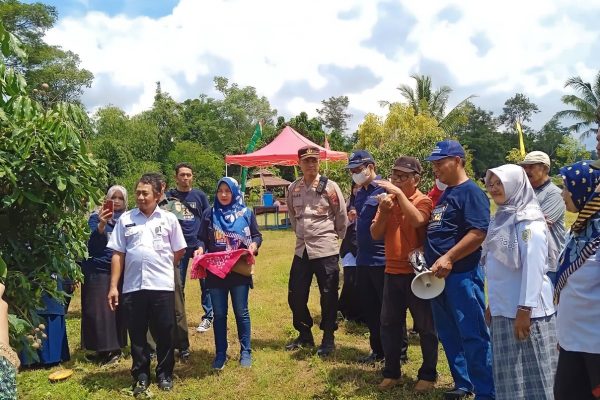
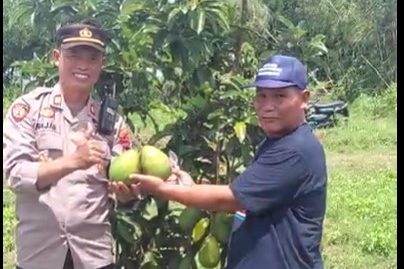
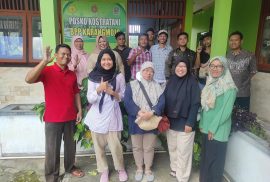
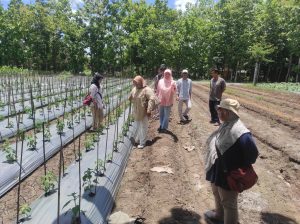
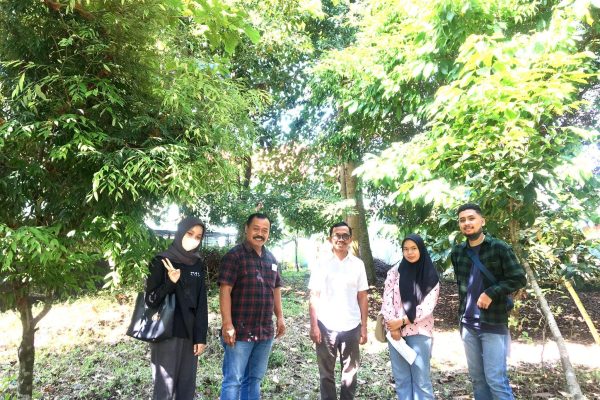
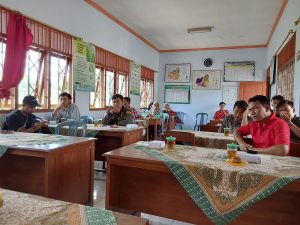 The discussions held during the FGD and field visits covered various topics, including the use of technology in agriculture, organic farming practices, natural resource management, and marketing strategies for agricultural products. The results of these discussions will form the basis for developing more relevant and responsive educational, research, and community service programs tailored to the needs of millennial farmers.
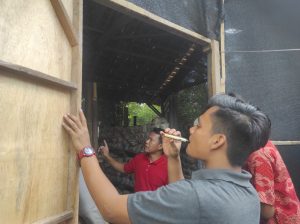 and millennial farmers, bringing tangible positive impacts to the advancement of the agricultural sector in Indonesia. This activity is closely related to several Sustainable Development Goals (SDGs) adopted by the United Nations. The dialogue and collaboration between the Faculty of Biology UGM and millennial farmers can increase farmers’ productivity and income (SDG 1: No Poverty) and support sustainable agriculture that enhances food security and nutrition (SDG 2: Zero Hunger). This initiative also develops more relevant educational programs for millennial farmers (SDG 4: Quality Education), supports economic growth and job creation in the agricultural sector (SDG 8: Decent Work and Economic Growth), and encourages innovation and modernization of agricultural practices (SDG 9: Industry, Innovation, and Infrastructure). The focus on organic farming practices and natural resource management supports sustainable production and consumption (SDG 12: Responsible Consumption and Production), and the sustainable agriculture discussed in the FGD contributes to climate change mitigation (SDG 13: Climate Action). Furthermore, the collaboration between the Faculty of Biology UGM and millennial farmers is a concrete example of partnerships that support the achievement of sustainable development goals (SDG 17: Partnerships for the Goals).